Introduction: Find Smart Glass Windows Near You Fast
If you are searching for smart glass windows near me, you are likely trying to solve a practical problem: too much visibility, too much glare, rising energy costs, or windows that no longer match the way your space is used. Smart glass windows can change their optical properties from clear to frosted or tinted, giving homes and businesses privacy, comfort, and a modern aesthetic without adding curtains or blinds.
In this guide, you will learn how smart glass works, where it is commonly used, what smart glass installation costs in 2026, and how to choose a nearby installer. We will also compare laminated smart glass, smart film, and traditional glass film so you can decide what makes sense for your project.
A well-run project should not feel complicated. From the first quote to the final switch-on, a dedicated project manager and certified installers should coordinate measurement, manufacturing, wiring, installation, testing, and basic training.
Table of Contents
- What Is Smart Glass and Smart Film?
- How Smart Glass Technology Works (In 2026 Terms)
- Smart Glass Windows Near Me: Typical Local Applications
- Smart Glass vs Smart Film vs Traditional Glass Film
- Local Smart Glass Installation: What to Expect
- Costs of Smart Glass Windows Near You in 2026
- Energy Efficiency, UV Protection and Comfort Benefits
- Security, Safety and Code Considerations
- Control Options: From Wall Switch to Full Automation
- How to Choose the Right Local Smart Glass Provider
- Why Choose Our Team for Smart Glass Windows Near You
- Frequently Asked Questions About Smart Glass Windows Near Me
- Conclusion and Next Steps
What Is Smart Glass and Smart Film?
Smart glass is glass that can instantly change from transparent to opaque, frosted, or tinted when controlled by technology. It is also called intelligent glass, switchable glass, privacy glass, or switchable smart glass.
Smart film is different. Instead of replacing the entire window, smart film is applied to existing glass. Smart glass can be applied to existing smooth glass surfaces when the surface is clean, flat, structurally sound, and suitable for the selected film.
The main options are:
- Laminated smart glass: a factory-made unit where the switching layer is laminated between glass panes. It is often the best choice for new construction, doors, partitions, and full window replacement.
- Adhesive smart film: a retrofit film applied to existing windows or glass partitions. This is a practical option when you want to upgrade regular glass without removing the whole panel.
- PDLC smart film: a common privacy-focused option based on polymer dispersed liquid crystal technology.
In simple terms, polymer dispersed liquid crystal, also written as Polymer Dispersed Liquid Crystal, uses tiny liquid crystal droplets to control transparency. Most privacy-on-demand systems today use this smart glass technology because it can change quickly and works well in offices, bathrooms, conference rooms, clinics, and retail interiors.
Smart glass systems can be controlled via smartphone apps or wall switches. Many systems also support remote control, smart home integration, scheduling, and building automation.
How Smart Glass Technology Works (In 2026 Terms)
From the user’s point of view, smart glass works very simply: press a switch, tap an app, or use a remote, and the glass can instantly change from clear to frosted at the touch of a button. Smart glass allows instant privacy with a switch, which is why it has become popular for bathrooms, office windows, and conference rooms.
Most privacy-focused smart glass uses PDLC technology to control transparency. A typical PDLC smart film structure includes:
- two PET layers
- transparent ITO conductive coating
- a liquid crystal and polymer layer
- wiring connected to a low-voltage power supply
Active smart glass requires an electrical current to alter its state. In most PDLC systems:
- Power ON = clear and transparent
- Power OFF = frosted and opaque
That means the glass is usually private when not powered. For special projects, reverse or fail-clear systems can sometimes be engineered, but they require early planning.
Other types of smart glass technology include:
- Electrochromic smart glass: Electrochromic smart glass uses low-voltage electric charge to actively block sunlight and heat. It is commonly used for solar control and gradual tinting.
- SPD glass: Suspended particle device glass changes between clearer and darker states and is often used where tinting matters more than full privacy.
- Thermochromic and photochromic glass: Thermochromic and photochromic smart glass react to heat or UV rays, automatically adjusting tint.
- Passive glass: Passive glass reacts naturally to environmental factors rather than being switched on demand.
For most local privacy projects, PDLC remains the preferred technology because it switches quickly, creates a frosted private surface, and can be customized for many interiors.
The practical benefits include:
- instant privacy
- glare reduction
- UV protection
- better screen visibility
- less solar heat gain
- reduced cooling demand
- cleaner interiors without blinds or curtains
Smart glass can diminish harsh sunlight and glare, aiding visibility for screens in offices, living rooms, reception areas, and healthcare environments.
Smart Glass Windows Near Me: Typical Local Applications
Local applications vary by climate, building codes, electrical access, and how much privacy the space needs. Still, most smart glass projects fall into a few clear categories.
Residential uses
Homeowners often install smart glass in:
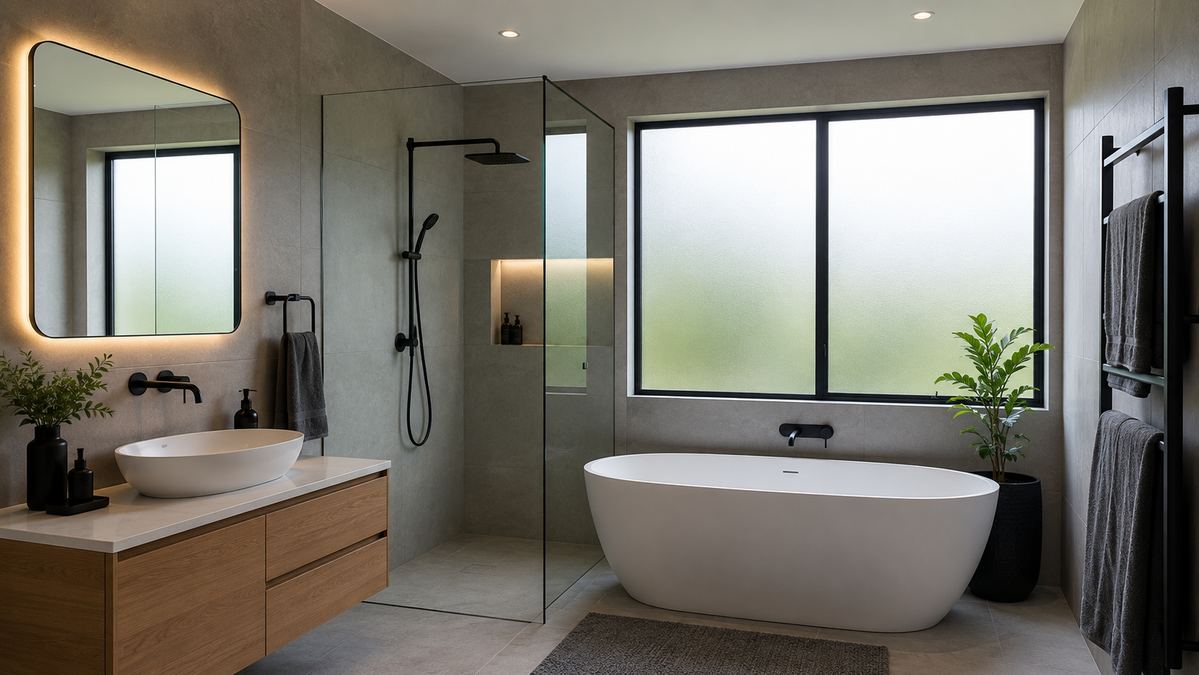
- bathroom windows
- shower enclosures
- street-facing bedrooms
- entry sidelights
- lofts and mezzanines
- home offices
- sunrooms
- glass doors
A bathroom window is one of the most practical upgrades. Instead of leaving blinds closed all day, the window can stay clear for daylight and turn frosted when privacy is needed.
Commercial uses
Commercial projects often include:
- conference rooms
- boardroom glass partitions
- executive office walls
- reception areas
- storefronts
- co-working spaces
- private meeting rooms
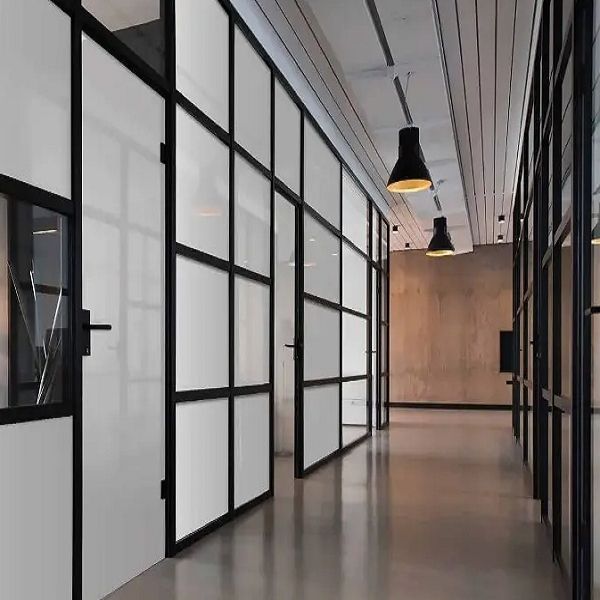
For an office, smart glass can create a more functional environment. A conference room can stay visually open most of the day, then become private for client calls, HR meetings, or presentations.
Healthcare and wellness uses
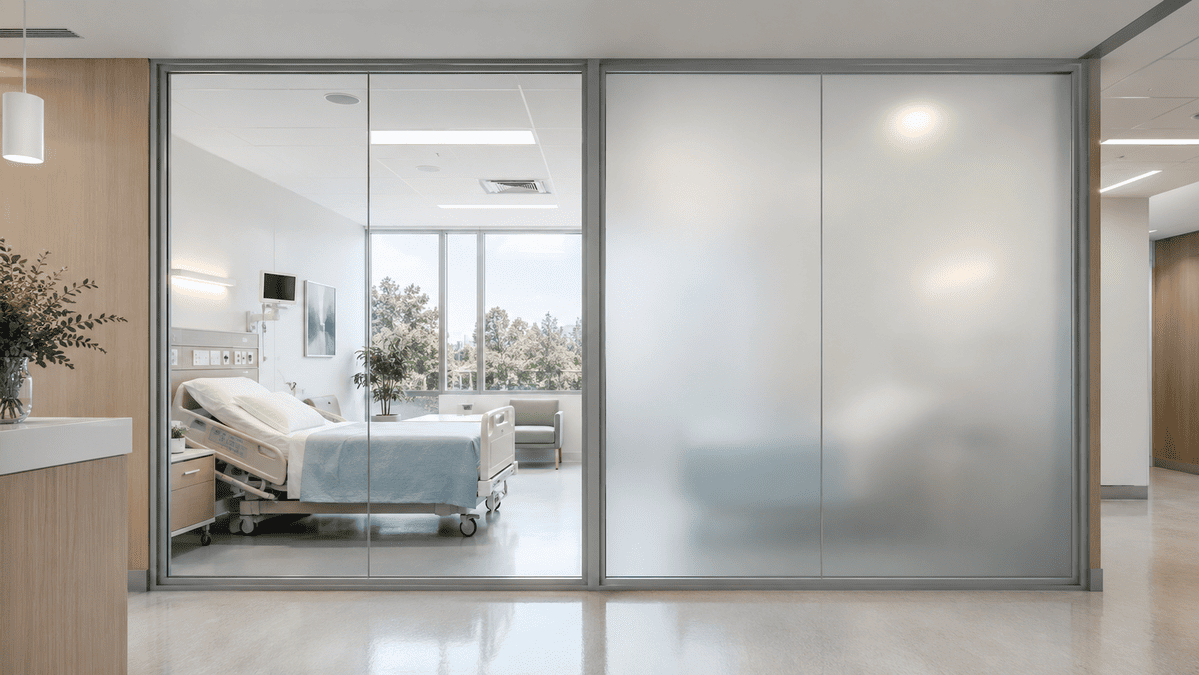
Clinics, hospitals, dentist offices, therapy rooms, and spas often use intelligent glass because it is smooth, easy to clean, and more hygienic than fabric curtains. It also supports privacy without making the space feel closed off.
Hospitality and retail uses
Hotels, VIP suites, restaurants, spas, gyms, and retail spaces use smart glass for elegant design and flexibility. Frosted glass can also become a projection-friendly surface for digital signage or presentations when the right lighting conditions are used.
Smart Glass vs Smart Film vs Traditional Glass Film
The right choice affects price, installation time, appearance, performance, and long-term durability. Before you install anything, it helps to understand what each option does well.
| Option | Best For | Main Advantage | Main Trade-Off |
|---|---|---|---|
| Laminated smart glass | New builds, full replacement, premium interiors | Seamless, durable, superior quality finish | Higher cost and longer lead time |
| PDLC smart film | Retrofits on existing glass | Faster install and lower cost | More visible edges, busbars, or wiring |
| Traditional glass film | Static privacy or solar control | Cheapest and simple | No switchable control |
Laminated smart glass
Laminated smart glass is made in the factory. The PDLC or switching layer is bonded between two panes, creating a clean and sleek finished product.
This option is often a perfect fit when:
- the old glass is being replaced anyway
- the project involves new construction
- the design calls for a premium contemporary look
- the glass must meet specific safety, acoustic, or structural requirements
PDLC smart film
PDLC smart film is applied to existing windows. It is ideal for retrofits, tenant improvements, small commercial upgrades, and budget-conscious projects.
Gauzy offers adhesive smart film for retrofitting existing glass, similar to other switchable smart glass film solutions for conference rooms and offices. This is one example of how the industry has moved toward faster retrofit solutions that do not always require complete glass replacement.
Traditional glass film
Traditional glass film can be solar film, decorative privacy film, or frosted film. It can improve privacy or reduce glare, but it is always in one state. It cannot switch from transparent to opaque instantly.
If you need fixed privacy, static film may be enough. If you need privacy on demand, smart film or smart glass is the better choice.
Local Smart Glass Installation: What to Expect
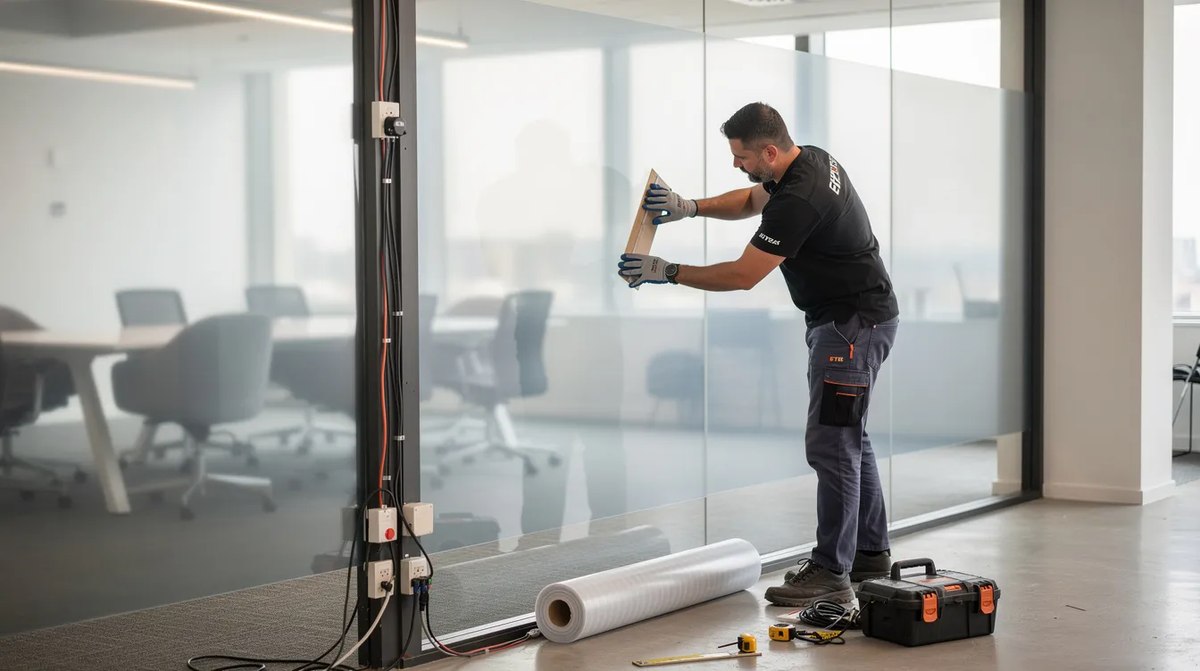
Smart glass installation includes both glass work and low-voltage electrical planning. That is why professional installers and certified installers matter. A beautiful panel can still perform poorly if wiring, edges, busbars, or controls are not planned correctly.
A typical process looks like this:
- Initial consultation
You share the project goals, photos, drawings, or rough measurements. - Estimate
Many projects can receive an initial estimate within 24–48 hours when measurements or drawings are available. - Site visit and measurement
The installer checks the existing glass, frame depth, edge conditions, power access, and installation constraints. - Manufacturing
PDLC smart film may be ready quickly when materials are available. Custom laminated smart glass often requires 2–4 weeks of manufacturing time. - Installation
Small residential projects may take one day. Larger commercial installations can take several days. - Testing and handover
The team tests every switch, panel, zone, and control method before leaving.
Smart glass installation can reduce on-site labor time significantly when retrofit film is used instead of removing and replacing large glass panels. That can be helpful in occupied homes, offices, clinics, and retail spaces.
Technical details matter. For pdlc smart film, installers often plan around a recommended 1/8″ tolerance, clean edges, concealed wiring, and proper busbar placement. The system connects to a low-voltage transformer, and the switch or controller is positioned for easy daily use.
For commercial spaces, installation can often be scheduled outside business hours to reduce disruption. Before handover, the crew should clean the space, test the glass installed, confirm every control works, and show the client how to maintain the system.
Costs of Smart Glass Windows Near You in 2026
Pricing varies by city, glass size, shape, labor rates, control type, and whether the project uses laminated smart glass or retrofit PDLC smart film.
Here are realistic 2026 ranges:
| Product Type | Typical Installed Range | Notes |
|---|---|---|
| PDLC smart film on existing glass | $25–$55 per sq. ft. | Best for retrofits and smaller upgrades |
| Laminated smart glass | $70–$150+ per sq. ft. | Best for replacement, new construction, and premium projects |
| Complex architectural systems | Custom quoted | Curved glass, large panes, automation, or specialty glazing can increase cost |
| Many residential projects fall into these rough ranges: |
- Single bathroom window: several hundred to low thousands
- Shower glass or small privacy wall: low thousands
- Multiple home windows or partitions: several thousand and up
- Full office floor or commercial fit-out: usually quoted per project
The main cost drivers are:
- glass size and shape
- number of panels
- number of control zones
- basic wall switch versus automation
- remote control, app, or smart home programming
- wiring complexity
- whether glass must be replaced
- safety glazing requirements
- manufacturing lead time
- local labor and permit requirements
A project manager should help you compare options clearly. In some cases, smart film is the most practical choice. In other cases, laminated glass delivers better long-term performance and a more polished finish.
Smart glass can reduce energy costs significantly when installed in the right locations, especially where heat gain and glare are ongoing problems, much like solar window film designed to cut heat and glare.
Energy Efficiency, UV Protection and Comfort Benefits
Privacy is the benefit most people notice first, but energy efficiency and comfort are often just as important.
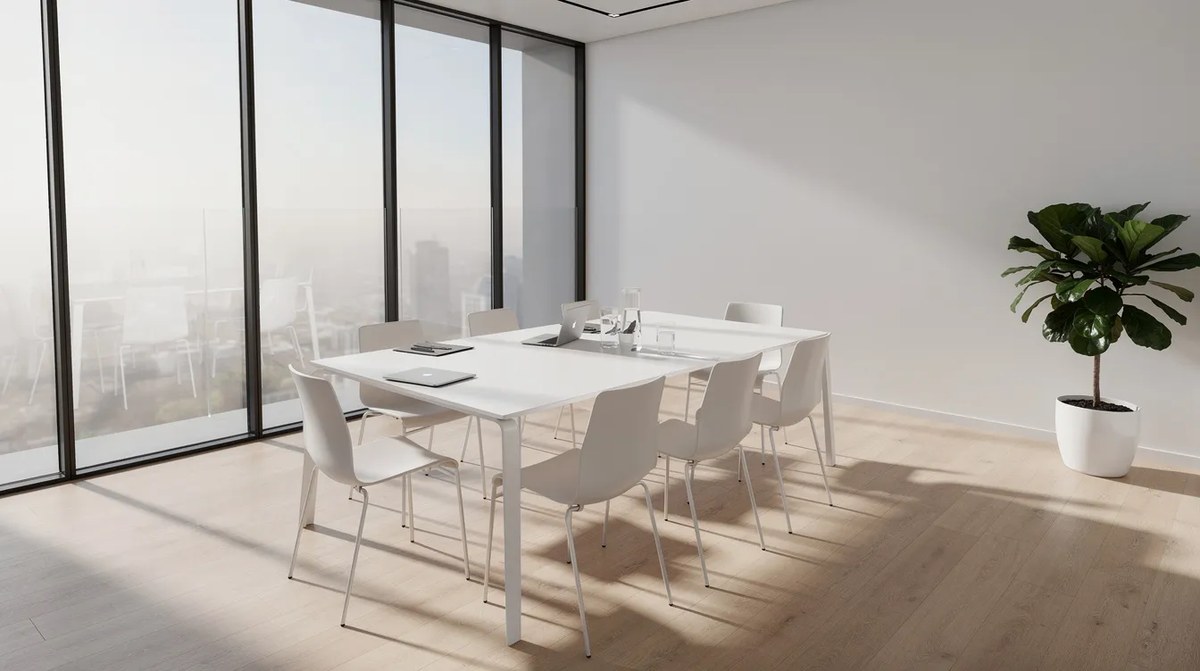
Smart glass improves energy efficiency by reducing solar heat gain. This is especially valuable on south- and west-facing windows where afternoon sun can overheat rooms and increase cooling loads.
In commercial buildings, smart glass windows can reduce commercial HVAC cooling costs by up to 20%. In the right climate and application, smart glass provides up to 30% energy savings by reducing solar heat gain, lowering cooling demand, and allowing better daylight control.
Smart glass can block 99% of harmful UV rays when installed. Smart glass blocks 99% of harmful UV rays, helping protect flooring, furniture, artwork, merchandise, and occupants. Smart glass can block 99% of harmful UV rays in many PDLC and solar-control configurations, though exact performance should always be confirmed from the selected product specifications.
Other comfort benefits include:
- less glare on monitors and TVs
- improved visibility in office and conference rooms
- reduced dependence on blinds
- more consistent indoor temperatures
- more daylight without sacrificing privacy, especially when combined with photochromic transitional window films that automatically tint in sunlight
- better support for wellness-focused interiors
Smart glass enhances comfort by minimizing glare indoors. It can also significantly improve occupant wellness by providing access to natural light while still giving people control over privacy and brightness.
For building performance planning, resources such as ENERGY STAR window guidance can help explain why window selection, solar control, and insulation matter for energy consumption.
Security, Safety and Code Considerations
Smart glass still needs to meet local safety glazing codes just like any other window, door, shower panel, or partition. This is especially important in wet areas, impact zones, fire-rated walls, storefronts, overhead glass, and egress routes.
Laminated smart glass includes a bonded interlayer. If the glass breaks, that laminated layer can help hold shards together, improving safety and security compared with some forms of regular glass in a way similar to security window films that reinforce existing glass.
In opaque mode, privacy glass can hide valuables, equipment, inventory, and private rooms from view. For storefronts, street-facing homes, and commercial interiors, that can reduce casual snooping and opportunistic break-ins.
Common code and product checks may include:
- safety glazing compliance
- tempered or laminated requirements
- UL/ETL conformity for electrical components
- low-voltage wiring requirements
- wet-location considerations
- fire-rated wall compatibility
- local building inspections where required
A local installer should verify compliance before materials are ordered. This is especially important if the glass is near doors, showers, stairs, public spaces, or required exits.
Control Options: From Wall Switch to Full Automation
Controlling intelligent glass is as important as the glass itself. If the controls are awkward, the system will not feel convenient in daily use.
Basic control methods include:
- wall rocker switch
- momentary push button
- handheld remote control
- individual room switches
- simple zone control
Smart glass systems can be controlled via smartphone apps or wall switches. Advanced options may include:
- smartphone app control
- voice control through popular smart home platforms
- scheduled scenes
- occupancy-based triggers
- daylight sensors
- building management system integration
For example, an office could use separate zones for conference rooms, reception glass partitions, executive offices, and open office dividers. Presets might include:
- meeting mode
- open office mode
- presentation mode
- night privacy mode
- cleaning mode
Early planning with the project manager and electrician helps hide wires, place switches naturally, and preserve a clean minimal look. This is where precision matters. The best systems look simple because the planning happened before the walls, frames, and controls were finalized.
How to Choose the Right Local Smart Glass Provider
Smart glass is a specialty product. Not every glass shop, window company, or electrician has the right experience with PDLC, low-voltage controls, switchable smart glass, or privacy-on-demand systems.
Before hiring a provider, ask these questions:
- How many smart glass and smart film projects have you completed?
- Do you have photos or case studies of similar work?
- Do you install both laminated smart glass and PDLC smart film?
- Are your installers trained for glass, film, wiring, and controls?
- What warranties cover the film, glass, electronics, and labor?
- Who handles measurement, manufacturing, scheduling, and installation?
- What happens if a controller or transformer needs service later?
A strong quote should separate:
- material cost
- glass type or film type
- labor
- wiring
- transformers and drivers
- control system
- permits or inspections, if needed
- expected lead time
You should also expect clear communication. A dedicated project manager should explain the possibilities, identify constraints, and recommend the best product for the space rather than pushing the same solution for every project.
Why Choose Our Team for Smart Glass Windows Near You
Our team focuses on smart glass and smart film solutions rather than treating them as a side service. That matters because these projects require careful measurement, electrical planning, product selection, and installation discipline.
Here is what clients can expect:
- experienced project managers on every order
- certified installers for smart glass installation
- up-to-date smart glass technologies
- laminated smart glass and PDLC smart film options
- support for residential and commercial projects
- clear timelines from quote to completion
- practical guidance on controls, wiring, and maintenance
We can help with a single bathroom window, a private office, a storefront, or full office floors with dozens of intelligent glass partitions. Once drawings or measurements are provided, we can typically prepare an initial estimate quickly, often within 24 hours for straightforward projects.
Our goal is not just to install glass. It is to create a customized, functional, and elegant design that feels like it belongs in the space from day one.
Frequently Asked Questions About Smart Glass Windows Near Me
Here are direct answers to the questions people ask most often before starting a smart glass project.
How long do smart glass windows last?
Laminated smart glass can often last 20+ years when properly installed and maintained. Retrofit smart film commonly lasts 10–15 years, depending on UV exposure, moisture, cleaning habits, and installation quality.
Can I add smart film to my existing windows?
Yes. Smart film can be added to existing glass when the surface is smooth, flat, clean, and structurally sound. It is a good retrofit option for office partitions, interior windows, and many residential applications. New laminated smart glass may be better for exterior replacement windows, wet areas, custom doors, or projects requiring a more seamless finish.
What happens to smart glass during a power outage?
Most PDLC smart glass turns opaque when power is lost. This is sometimes called fail-opaque behavior. For certain projects, backup power or special fail-clear configurations may be considered during design.
Is smart glass safe in bathrooms and showers?
Yes, when the correct safety glass, moisture-rated components, seals, and low-voltage electrical planning are used. Bathrooms and showers need extra attention because of humidity, water exposure, and safety glazing rules.
How do I clean smart glass or smart film?
Use a soft microfiber cloth and a non-abrasive, pH-neutral cleaner. Do not use sharp tools, harsh solvents, scraping blades, or aggressive scrubbing near film edges. Follow the manufacturer’s cleaning instructions to maintain performance and appearance.
How soon can you install after I approve the quote?
Retrofit smart film projects can often move quickly when film is available, sometimes within days after final measurement. Custom laminated smart glass usually requires 2–4 weeks of manufacturing, plus 1–3 days for installation depending on project size. Permits, HOA approvals, or specialty glass can add time.
Does smart glass use a lot of electricity?
PDLC smart glass uses power when clear. Energy use varies by product and size, but most systems use low-voltage power supplies. Electrochromic systems usually need very little power to maintain a tinted state after switching.
Can smart glass replace blinds and curtains?
In many spaces, yes. Smart glass can replace blinds and curtains when the main goal is privacy, glare control, and a cleaner look. Some bedrooms or media rooms may still use shades if complete blackout is required.
Conclusion and Next Steps
Smart glass windows offer instant privacy, a modern aesthetic, flexible control, UV window protection, and better comfort without the clutter of traditional window coverings. For homes, offices, healthcare spaces, retail interiors, and hospitality projects, switchable glass can make a space feel more private, more open, and more adaptable at the same time.
The right product depends on your goals. Smart film may be the fastest way to upgrade existing glass. Laminated smart glass may be the better choice for new construction, replacement glass, doors, showers, and premium interiors.
If you are ready to explore options, request a quote or schedule a consultation. A project manager can review your plans, confirm measurements, recommend smart glass or smart film, and coordinate certified installers for a smooth project from start to finish. Ordinary windows can become smart glass windows that match the way people live and work today.