Table of Contents
- Introduction to Bathroom Window Privacy
- Understanding Bathroom Window Privacy Fundamentals
- Types of Bathroom Window Privacy Solutions
- Installation Methods and Best Practices
- Common Challenges and Solutions
- Conclusion and Next Steps
- Frequently Asked Questions
Introduction to Bathroom Window Privacy
Bathroom window privacy refers to the ability of windows or window treatments to block visibility from outside while still allowing natural light to enter the space. Whether your bathroom faces neighboring homes, a busy street, or simply an adjacent property, finding the right solution to maintain privacy without sacrificing brightness remains a common challenge for homeowners and renters alike.
This guide covers privacy films, glass treatments, window coverings, and permanent glass solutions designed specifically for the humid bathroom environment. We exclude exterior landscaping modifications, structural changes like fences, or window relocation projects. The target audience includes homeowners planning renovations, renters seeking temporary options that won’t damage surfaces, and anyone looking to upgrade their bathroom’s privacy without compromising the soft light that makes these spaces feel open and comfortable.
Direct answer: Bathroom window privacy is achieved through frosted window film, etched glass treatments, or moisture-resistant window coverings that block visibility while allowing light to pass through. These solutions diffuse incoming light rather than blocking it completely, maintaining brightness while preventing clear views from outside.
By the end of this guide, you will:
- Understand different privacy levels and how they affect visibility and light transmission
- Identify which materials resist moisture and humidity in bathroom environments
- Learn proper installation techniques for films, coverings, and glass treatments
- Compare cost-effective options based on your budget and rental status
- Know how to maintain your chosen solution for long-term performance

Understanding Bathroom Window Privacy Fundamentals
Bathroom window privacy means blocking outside visibility—from ground level, neighboring windows, or the street—while preserving enough natural light to keep the room bright and inviting. Unlike other rooms in your home, bathrooms require solutions that handle constant humidity exposure, temperature fluctuations from showers, and the need for consistent privacy around the clock. Many homeowners seek added privacy and increased privacy without sacrificing daylight.
Standard window treatments designed for living rooms or bedrooms often fail in bathrooms. Untreated wood warps, porous fabrics develop mold, and adhesives break down when exposed to steam and condensation. Bathrooms typically maintain relative humidity above 60-70%, creating conditions that quickly degrade unsuitable materials.
Privacy vs. Light Balance
Effective bathroom privacy solutions diffuse light rather than block it completely. Frosted glass and privacy window film scatter incoming rays to create soft light throughout the room while preventing anyone outside from seeing detailed shapes or movement inside. These materials also help with light control and can reduce glare in bright bathrooms.
Light-diffusing materials typically transmit 70-90% of ambient daylight while obscuring clear views. This balance prevents bathrooms from feeling like dark, enclosed spaces that require constant artificial lighting. Solutions that block too much light often lead to higher energy bills from increased electrical use during daytime hours.
Moisture and Humidity Considerations
Moisture-resistant materials are essential in any bathroom privacy application. Vinyl, PVC, polyester, and composite materials perform well in humid environments, while untreated wood, natural fabrics, and low-quality adhesives deteriorate rapidly.
High humidity causes specific problems: adhesive films may peel at the edges, metal components can corrode, and organic materials support mold growth. Materials like PVC, faux wood, or vinyl are moisture-resistant and prevent mold or warping in wet conditions. When selecting any privacy solution, verify the product carries moisture or humidity ratings appropriate for bathroom installation.
These humidity concerns directly influence which privacy solutions work best for your specific situation, which brings us to the full range of available options.
Types of Bathroom Window Privacy Solutions
Building on these fundamental requirements for moisture resistance and light preservation, bathroom privacy solutions fall into four main categories. Each offers different durability levels, installation complexity, and price points to match various needs and budgets.
Window Films and Static Clings
Frosted window film is a popular choice for bathrooms as it creates a smooth, blurred appearance that blocks visibility while allowing light to pass through. Bathroom window privacy film allows natural light to enter while blocking visibility, making it ideal for bathrooms facing neighbors or streets. It can also provide privacy without making the room feel closed in.
Static cling films use pressure instead of adhesive to stick to the glass, making them easier to remove but potentially less effective in humid bathroom environments compared to adhesive films, especially when compared with more robust privacy and decorative window film options designed for long-term use. Static cling privacy films are easy to apply and remove, making them a good temporary solution for bathroom windows, especially in rental properties.
Adhesive privacy films are designed for long-term performance and are less likely to shift or peel in humid bathroom environments compared to static cling films. High privacy films, such as full frosted and etched glass styles, completely block visibility from both sides of the glass, making them ideal for shower windows and exposed bathrooms.
Etched glass window film mimics the look of real etched glass, providing a decorative and upscale appearance while delivering high privacy and strong light diffusion. Low privacy films typically feature light decorative patterns that soften the view but do not fully block visibility, making them suitable for high windows where complete privacy is not necessary. Some designs even replicate stained glass for a more decorative appearance.
Glass Treatments
Frosted glass spray paint offers a budget-friendly way to create permanent privacy on existing glass panes. Applied in light, even coats, these sprays create a frosted appearance that diffuses light while blocking clear views. Results vary based on application technique, and the finish may be less uniform than factory-produced frosted glass or professionally installed architectural window films for homes.
Glass etching cream provides another DIY approach for creating permanent privacy patterns. Applied with stencils or brushes, etching cream chemically alters the glass surface to produce genuine frosted areas. This technique works well for decorative patterns or partial coverage where you want to block visibility in specific zones while leaving other areas clear.
Professional acid-etching and sandblasting create permanent, factory-quality finishes that last the lifetime of the window. These treatments modify the glass itself rather than adding a surface layer, eliminating concerns about peeling or degradation in humid environments, and they are often complemented by professional window film installation services when additional privacy or solar control is desired.
Window Coverings
Waterproof blinds and vinyl roller shades provide adjustable privacy that adapts to different times of day. Light-filtering roller shades are made from synthetic fibers like polyester, which are durable and easy to clean. Moisture-resistant shades, such as faux wood blinds, are ideal for high-humidity areas as they won’t warp like natural wood, though some homeowners are beginning to explore switchable smart window film for on-demand privacy without traditional coverings. Others still prefer curtains as part of their bathroom privacy strategy.
Top-down/bottom-up shades enable light entry from above while keeping the lower section covered for privacy in bathrooms. This configuration works particularly well for ground-level windows where blocking visibility at eye level matters most while still allowing light and fresh air circulation from the upper portion.
Adjustable coverings allow for control over views and privacy in bathroom windows, letting you create complete privacy when needed while opening for maximum light and ventilation at other times. Houseplants can be used to create a natural privacy screen in bathroom windows, adding visual interest while providing additional privacy.
Permanent Glass Solutions
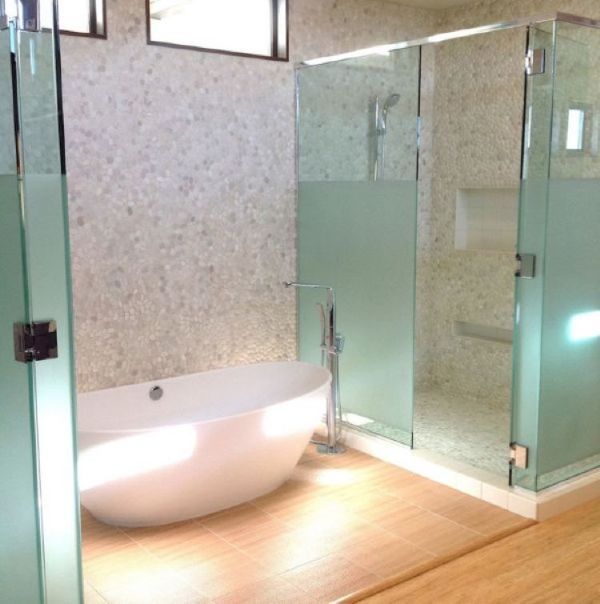
Frosted glass is a popular choice for bathroom windows as it completely blocks visibility while allowing light to pass through, making it ideal for maintaining privacy in high-moisture environments. Replacing clear panes with factory-produced frosted or obscure glass eliminates ongoing maintenance concerns associated with films or coverings. For homeowners seeking a permanent solution, this option remains highly effective.
Obscure glass features molded patterns that distort visibility while still allowing light to enter, making it a suitable option for bathrooms that require both brightness and privacy. Options include rain glass, ribbed glass, and various decorative patterns that scatter light while preventing clear views, similar in intent to transitional window films that adapt to sunlight for added glare control and comfort. Homeowners exploring design ideas can also use these glass styles in a bathroom door with glass inserts to extend privacy beyond the window itself.
Glass blocks create thick, non-transparent walls of glass that offer maximum privacy with moderate light transmission. Installation costs typically range from $400 to $1,500 per window depending on size and style, with individual blocks costing $6-$70 each based on pattern and opacity level. Homeowners concerned about breakage or intruders may also pair windows with security window films to help hold glass together if impacted.
Casement windows, which are hinged at the side and open outward, create a tight seal when closed, making them suitable for bathrooms where moisture control and privacy are important. Transom windows are narrow horizontal windows placed high on walls, allowing natural light into the bathroom while minimizing visibility from outside, thus enhancing privacy. Awning windows, which are hinged at the top and open outward, are particularly effective in bathrooms as they provide ventilation while protecting against rain and maintaining privacy.
Installation Methods and Best Practices
With a clear understanding of available solution types, proper installation becomes the determining factor in long-term performance. The techniques below apply to the most common DIY options, while more complex installations like glass block or full window replacement typically require professional installation.
DIY Film Application Process
Film installation works best for renters seeking temporary solutions or homeowners who prefer handling projects themselves. Success depends entirely on surface preparation and attention to detail during application. Following proven installation tips can improve long-term performance and appearance.
Proper installation of bathroom privacy window film requires cleaning the glass thoroughly to remove dirt and soap buildup, ensuring a smooth bond with the film. Use isopropyl alcohol or glass cleaner to eliminate oils, silicone residue, and any buildup that might prevent proper adhesion.
Static cling films are easier to install than adhesive films, as they use water and pressure to stick to the glass without adhesive, making them ideal for temporary solutions, while dedicated solar window films are better suited when heat and glare control are also key goals.
Installation steps:
- Clean glass thoroughly – Remove all dirt, oils, and residue using alcohol-based cleaner; ensure the surface is completely dry before proceeding
- Measure and cut film – Cut slightly larger than the window pane to allow for trimming; multiple measurements help avoid mistakes
- Apply with soapy water – Spray the glass surface with a solution of water and mild soap to allow repositioning before final adhesion
- Smooth out bubbles – Use a squeegee or soft tool, working from the center outward to push trapped air and water to the edges
- Trim edges – Once positioned correctly, use a sharp blade to create clean edges; seal if recommended by manufacturer
To avoid bubbles and peeling during installation, it is recommended to use a spray solution to position the film and smooth it out slowly with a soft tool, paying attention to edges and corners. When installing window films, it is important to ensure that the film is moisture resistant to prevent peeling or bubbling due to the high humidity in bathrooms.
Allow proper curing time—some adhesive films require several days to fully bond before the window receives direct water exposure.
Solution Comparison by Durability and Cost
Different privacy solutions offer varying lifespans and require different levels of investment. The table below summarizes key factors to help you choose between temporary and permanent options.
| Solution Type | Durability | Cost Range | Installation Difficulty |
|---|---|---|---|
| Static Cling Films | 1-3 years | $10-30 per pane | Easy – DIY friendly |
| Adhesive Privacy Films | 5-10 years | $20-60 per pane | Moderate – careful prep required |
| Glass Etching Cream | Permanent | $15-40 per project | Moderate – pattern skill needed |
| Frosted Glass Spray Paint | 3-5 years | $10-25 per can | Easy – multiple coats required |
| Factory Frosted Glass | Permanent (20+ years) | $200-400 per panel | Professional recommended |
| Glass Block Window | Permanent | $400-1,500 per window | Professional required |
| For rental properties, static cling and removable adhesive films make the most sense since they don’t damage glass surfaces and can be removed when you move. Homeowners investing in long-term solutions should consider permanent glass options that eliminate recurring replacement costs or work with local privacy window film installers in Sacramento and similar markets to explore professionally applied films. This can be a great solution for homeowners looking for durability and convenience. |
Budget planning should include labor costs for professional installation (typically 30-50% of total project cost for glass replacement), any permit requirements for safety glazing near tubs or showers, and ongoing maintenance supplies.
Common Challenges and Solutions
Even properly selected and installed privacy solutions can encounter issues in bathroom environments. Understanding common problems helps you prevent them or address them quickly when they occur, and in some cases consulting local experts in privacy and security window film installation can help you choose products that better withstand humidity and daily use.
Film Peeling in High Humidity
Film edges peeling away from glass typically indicates inadequate surface preparation or use of non-moisture-rated products. The solution requires choosing moisture-rated adhesive films specifically designed for humid environments and ensuring thorough cleaning before installation. Remove all soap residue, oils, and cleaning product buildup with isopropyl alcohol. Allow films to fully cure before exposing them to direct water spray, and consider sealing edges with clear caulk in high-moisture areas like shower windows.
Nighttime Privacy Concerns
Many privacy films and window tints that appear opaque during daylight hours become transparent when interior lights are on at night. Frosted and etched window films are recommended for bathroom windows as they provide consistent privacy during both day and night, without relying on reflective properties. Frosted films provide a 24/7 privacy solution by blurring views while allowing soft daylight. For spaces requiring absolute nighttime privacy, combine frosted glass or films with adjustable coverings like roller shades that can be closed after dark, or consider switchable smart glass film that can turn opaque on demand.
Reduced Natural Light
Some privacy solutions block too much light, making bathrooms feel dark and enclosed while increasing reliance on artificial lighting. Choose light-diffusing films over dark tints, and avoid completely opaque solutions except for shower windows where maximum privacy justifies the light reduction. Products specifying 70-90% light transmission maintain brightness while providing adequate privacy. For windows with excellent natural light exposure, consider top-down shades that cover only the lower portion while allowing light to enter from above. This is an easy way to maintain privacy while preserving brightness.
Conclusion and Next Steps
Effective bathroom window privacy balances three requirements: blocking outside visibility, preserving natural light transmission, and withstanding the humid bathroom environment. The right solution depends on your specific situation—rental status, budget, window location, and how much installation work you’re willing to undertake.
Immediate next steps:
- Assess your current privacy needs by checking visibility from outside at different times of day
- Measure your window dimensions carefully, including frame depth for coverings
- Evaluate your bathroom’s humidity level and proximity of windows to water sources
- Select a moisture-appropriate solution matching your budget and permanence requirements
- Gather installation supplies or schedule professional installation for complex projects
For bathrooms requiring additional improvements, consider ventilation upgrades to reduce overall humidity levels, which extends the lifespan of any privacy solution you install. Major renovations may warrant full window replacement with factory-installed privacy glass, combining improved efficiency with permanent privacy in a single project. Watch for a limited time deal from local installers if you are planning a larger renovation.
Frequently Asked Questions
Will privacy film work in a shower area?
Privacy film can work in shower areas when you select high-quality adhesive film rated for moisture exposure and install it properly. Ensure thorough glass cleaning to remove all soap residue, apply the film when the surface is completely dry, and allow full curing time before shower use. Static cling films are generally inadequate for direct water spray zones—adhesive films or permanent etched glass perform better in these high-humidity locations.
Can I see through frosted window film at night?
Quality frosted films maintain privacy regardless of interior lighting conditions. Unlike reflective or tinted films that depend on lighting differentials, true frosted window film scatters light in both directions, preventing clear views whether lights are on or off. However, very bright interior lighting may allow faint silhouettes to pass through some translucent films. For complete nighttime privacy in exposed bathrooms, choose high-opacity frosted films or layer with adjustable shades.
How long does window privacy film last in a bathroom?
Film longevity varies by type and installation quality. Static cling films typically last 1-3 years before edges begin to wear or curl. Adhesive privacy films designed for humid environments can last 5-10 years with proper installation and care. Actual lifespan depends on humidity levels, direct water exposure, UV exposure from sunlight, and cleaning practices. Always check manufacturer warranties when comparing products.
What’s the best privacy solution for rental properties?
Static cling films offer the easiest installation and removal without damaging glass surfaces, making them ideal for renters. Removable adhesive films that peel cleanly also work well. Waterproof vinyl roller shades and faux wood blinds that mount without permanent hardware provide adjustable privacy you can take with you when moving. Avoid any solution requiring permanent glass modification unless your landlord approves in writing. Temporary products are often fine for rental situations.
How much natural light will I lose with privacy film?
Most light-diffusing privacy films transmit 70-90% of ambient daylight while blocking clear views. This creates soft light throughout the room without significant brightness reduction. Darker tints, metallic finishes, or high-opacity decorative patterns reduce light transmission more substantially—potentially to 50% or below. Check product specifications for light transmission percentages, and choose frosted or lightly patterned films to maximize brightness while maintaining privacy.
Can I install bathroom window privacy film myself?
Yes, film installation is well-suited to DIY projects with proper preparation. The process requires thorough glass cleaning, careful measuring and cutting, wet application with soapy water, bubble removal with a squeegee, and clean edge trimming. Most homeowners complete a single window in 30-60 minutes. Glass treatments like factory frosted glass replacement or glass block installation require professional tools and expertise—hire qualified installers for these projects.
Which privacy solutions work best for ground-level bathrooms?
Ground-level bathrooms facing streets or neighboring homes require higher privacy levels due to direct sightlines at eye level. High privacy films such as full frosted or etched styles completely block visibility from both sides, making them ideal for these situations. Consider permanent obscure glass or glass blocks for maximum privacy without ongoing maintenance. Top-down shades provide flexibility by covering the lower portion where visibility matters most while allowing light entry from above.
How do I clean privacy window film?
Clean privacy film with mild soap and water using a soft cloth or non-abrasive sponge. Avoid ammonia-based cleaners on some adhesive films—check manufacturer recommendations. Never use razor blades, abrasive scrubbers, or harsh chemicals that can scratch or damage the film surface. For static cling films, a mix of water and isopropyl alcohol works well. Gently dry with a microfiber cloth and avoid trapping moisture at the edges, which can cause peeling over time.