- The Unseen Vulnerability: Why Your Windows Are the Weakest Link
- How Security Film for Windows Transforms Your Weakest Points
- Delay and Deter: The Core Function of Security Film in an Emergency
- Beyond Forced Entry: The Comprehensive Benefits of Security Film
- Is Security Film for Windows the Right Choice for You?
- Real-World Scenarios: Security Film in Action
- Why Professional Installation is Non-Negotiable
- Frequently Asked Questions
The Unseen Vulnerability: Why Your Windows Are the Weakest Link
When we think about securing a building, our minds often go to reinforced doors, advanced locks, and sophisticated alarm systems. We invest in controlling access at designated entry points, but we often overlook the most plentiful and fragile entry points we have: our windows. Glass is the Achilles’ heel of modern architecture, an invitation for a fast and disruptive breach.
Glass: The Overlooked Entry Point in Security Planning
It takes only a few seconds and a simple tool for an intruder to shatter a standard glass window, bypass your other security measures, and gain entry. For a school superintendent or a business owner, this presents a serious dilemma. You want to create a safe environment, but you don’t want to turn your building into a fortress with bars on the windows, which can feel intimidating and unwelcoming. This is the fundamental challenge. How do you reinforce your building’s most vulnerable points without sacrificing the open, natural light and positive atmosphere that glass provides? The answer lies not in eliminating the glass, but in fundamentally changing its properties.
The True Cost of Unprotected Glass
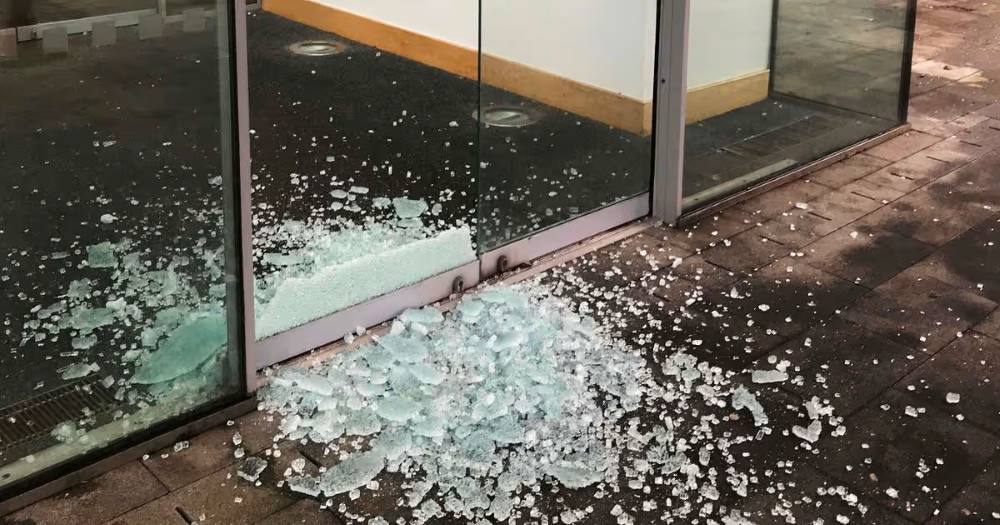
A broken window is never just a broken window. The initial cost of replacing the glass is often the smallest part of the expense. Consider the cascading effects, like the operational downtime required for cleanup and repair, the potential for stolen assets, and the damage to interior furnishings from exposure to the elements.
More importantly, there’s the human cost. Shattered glass creates a shower of dangerous, razor-sharp shards that can cause serious injury. For a school or a public-facing business, the psychological impact of a violent entry or even an act of vandalism can erode the sense of safety and trust that is so crucial. Mitigating this initial explosion of glass is a critical first step in protecting people.
Understanding Threats: From Forced Entry to Natural Disasters
While we often focus on intentional human threats, the vulnerability of glass extends to a wide range of events. A comprehensive security plan accounts for all of them. Reinforcing your windows is a strategic upgrade that protects your property and people from multiple hazards, including:
- Forced Entry and Smash-and-Grab: These crimes depend on speed. An intruder’s goal is to get in and out as quickly as possible. A window that resists shattering and delays entry for several minutes can be enough to deter them completely.
- Vandalism: Spontaneous acts of vandalism are often crimes of opportunity. A rock thrown at a standard window causes instant, costly damage. A reinforced window can absorb the impact, often preventing the glass from shattering and requiring replacement.
- Natural Disasters and Severe Weather: During a hurricane, tornado, or earthquake, flying debris and high winds can turn unprotected windows into a major liability. The breach of even one window can lead to catastrophic internal pressure changes, causing significant structural damage.
- Accidents and Personal Safety: In any building, accidents happen. A child falling against a glass door or a stray ball hitting a window can have devastating consequences. Reinforcing the glass helps contain these accidents and prevent serious injury.
How Security Film for Windows Transforms Your Weakest Points
Now that we’ve established the problem, let’s focus on the solution. Security window film is a proven, cost-effective technology designed to transform your most vulnerable points into a source of strength. It’s an optically clear, polyester-based product that is professionally applied to the interior surface of your existing glass. While it won’t make your glass “bulletproof,” it performs a critical function. It holds the glass together upon impact.
Instead of shattering into countless dangerous projectiles, the glass cracks but remains a cohesive sheet held firmly in the window frame. This simple but powerful function is what buys you time, deters intruders, and protects people from the hazard of flying glass.
The Science Behind Shatterproof Window Film
The strength of security film comes from its construction. It’s engineered from one or more layers of heavy-duty polyester, which has exceptional tensile strength and puncture resistance. These layers are bonded together and then applied to glass using a specialized, aggressive adhesive.
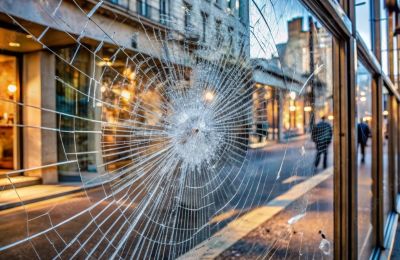
When an object strikes the window, the force of the impact may be enough to crack the glass, but the film absorbs and disperses a significant portion of the energy. The powerful adhesive then grips onto the broken pieces, effectively holding the shards in place. It’s this combination of a tough, flexible membrane and a tenacious adhesive that turns a standard pane of glass into a durable, shatter-resistant shield.
From Thin Layers to Formidable Barriers
Security films are measured in “mils,” where one mil is equal to one-thousandth of an inch. While that may sound incredibly thin, even a small increase in thickness dramatically increases the film’s strength. Choosing the right thickness depends entirely on your building’s specific needs and threat level.
- 4-7 Mil Films: This range is excellent for baseline safety and security. It provides solid protection against accidental breakage, spontaneous vandalism, and quick smash-and-grab attempts.
- 8-14 Mil Films: This is the most common range for schools, retail establishments, and commercial offices. These films offer significantly more resistance to determined forced entry attempts, buying critical minutes for occupants to react and for law enforcement to arrive.
- 15+ Mil Films: Reserved for high-risk facilities like government buildings and critical infrastructure, these thicker films provide an exceptional level of protection and can even offer mitigation against blast-related hazards.
The Critical Role of an Attachment System
Professionally installed security film is highly effective on its own, but for maximum performance, it should be paired with an attachment system. This is a crucial detail that separates a good installation from a great one. An attachment system mechanically anchors the security film to the window frame itself.
Think of it this way. The film keeps the broken glass together as a single sheet, but what stops an intruder from simply pushing that entire sheet out of the frame? The attachment system. By applying a bead of structural silicone or a similar bonding agent around the perimeter, we effectively fuse the film and glass to the frame. This creates a powerful, unified barrier that can withstand significant and prolonged force, maximizing the delay and deterrence factor.
Demystifying Film Types: Clear, Tinted, and Reflective Options
One of the best features of modern window protection film is that you don’t have to compromise on aesthetics to achieve safety. The technology has evolved to offer solutions that can meet any building’s functional and design requirements.
- Optically Clear Security Films: For most applications, especially in schools and retail environments where maintaining a welcoming appearance is key, a clear security film is the perfect choice. It’s virtually invisible once installed, providing robust protection without altering the look of your windows or the view from inside. You get all the security benefits without anyone ever knowing it’s there.
- Solar Security Films: If you’re looking to solve multiple problems with a single investment, a solar security film is an excellent option. These innovative products combine the heavy-duty protective layers of security film with the heat-blocking, glare-reducing, and UV-filtering properties of solar control film. This means you can reinforce your windows while also lowering your energy bills, protecting your interior furnishings from fading, and improving the comfort of your building.
Delay and Deter: The Core Function of Security Film in an Emergency
While we hope to never face a crisis, preparing for one is a fundamental responsibility. In any emergency involving forced entry, time is the most critical asset. An intruder’s goal is to breach a building’s perimeter as quickly and quietly as possible. Security film is engineered to disrupt this plan at its most vulnerable point. Its core function isn’t to make glass unbreakable, but to hold it together after impact, creating a significant and often unexpected delay.
How Forced Entry Resistant Film Buys Critical Time
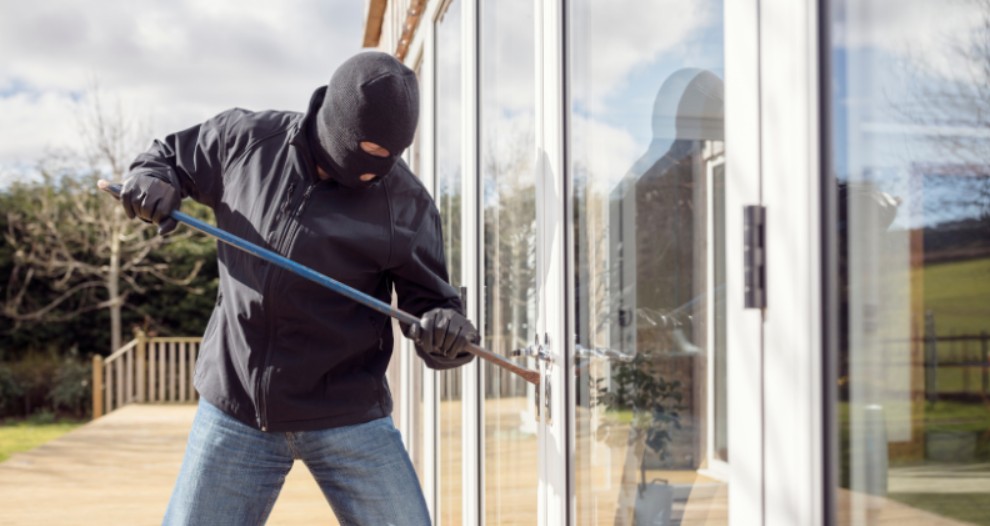
When an unprotected window is struck, it shatters and falls away, granting immediate access. With security film, the outcome is completely different. The glass will still crack and spiderweb, but the powerful, flexible layer of film holds the broken shards tightly in the frame.
Instead of a single, swift breach, an intruder is now faced with a frustrating and time-consuming new task. They must repeatedly strike the same area to create a hole large enough to pass through, a process that is loud, physically demanding, and draws significant attention. This delay, even if it’s just a few minutes, is often the entire response window that emergency services need to arrive and intervene.
Disrupting the Plan: From Smash-and-Grab to Active Threats
The effectiveness of this delay applies across a spectrum of threats. For a common smash-and-grab burglar, the unexpected resistance is often enough to make them abandon the attempt and flee. Their plan relies on speed and ease of entry, but security film removes both of these advantages, making your building a much less appealing target.
In a more determined or violent scenario, disrupting the intruder’s plan is even more critical. These events are often planned with an expectation of surprise and control. When entry is delayed at the perimeter, that control is lost. The loud, prolonged effort to break through the glass serves as an undeniable alarm, giving occupants inside precious time to react, lock down, or evacuate according to their emergency protocols.
Turning Seconds into Minutes
It’s difficult to overstate the value of turning seconds into minutes during an active threat. This is not just a theoretical delay, it is a life-saving gap. This is the time your staff needs to initiate a lockdown. It’s the time people inside have to move away from windows and find secure cover. It’s the time needed for the first person to call 911 and clearly communicate the situation. Security film provides this time by fortifying the very points an intruder expects to be weakest.
The Psychological Deterrent of Resilient Glass
Beyond the physical delay, there is a powerful psychological deterrent at play. An attacker who strikes a window and expects it to shatter, only to see it remain stubbornly in place, is immediately put on the defensive. This unexpected resistance can cause confusion, frustration, and a loss of confidence. In many cases, an intruder will simply give up and move on, deciding the effort and exposure are not worth the risk. The building is no longer perceived as a soft target.
Beyond Forced Entry: The Comprehensive Benefits of Security Film
While the primary driver for installing security film is often threat mitigation, its value extends far beyond emergency preparedness. This single upgrade delivers multiple benefits that improve a building’s safety, comfort, and operational efficiency every single day, making it one of the most cost-effective facility improvements you can make.
Blast Mitigation and Occupant Safety
In the event of an explosion, whether from an industrial accident or a terrorist act, flying glass is one of the greatest threats to human life. The pressure wave from a blast can turn untreated windows into deadly projectiles. Security film mitigates this danger by holding the glass shards together, preventing them from being propelled into a room and injuring occupants. This feature is a key component of physical security planning for government buildings and high-risk facilities.
Protection from Severe Weather and Accidents
The same properties that make security film effective against forced entry also make it an excellent defense against severe weather and everyday accidents. During a high-wind event, the film can prevent wind-borne debris from shattering a window and compromising the building’s envelope. It also contains the glass in case of accidental impact, protecting people from injury and making cleanup safer and easier.
Enhanced Privacy Without Sacrificing Light
For facilities like schools and ground-floor offices, maintaining privacy is crucial, but so is creating a bright, welcoming environment. Security films are available in a variety of tints and styles, including frosted and mirrored options, that can obscure the view into a building from the outside. This allows you to protect sensitive areas from prying eyes without resorting to heavy blinds that block all-natural light.
The Added Value of UV Protection and Energy Efficiency
Many security films also incorporate advanced solar control technology, providing a suite of benefits that offer a tangible return on investment. This isn’t just a security product, it’s a smart building upgrade.
- Blocks Harmful UV Rays: Most security films block up to 99% of the sun’s ultraviolet radiation, the leading cause of fading. This protects your furniture, flooring, artwork, and equipment from sun damage.
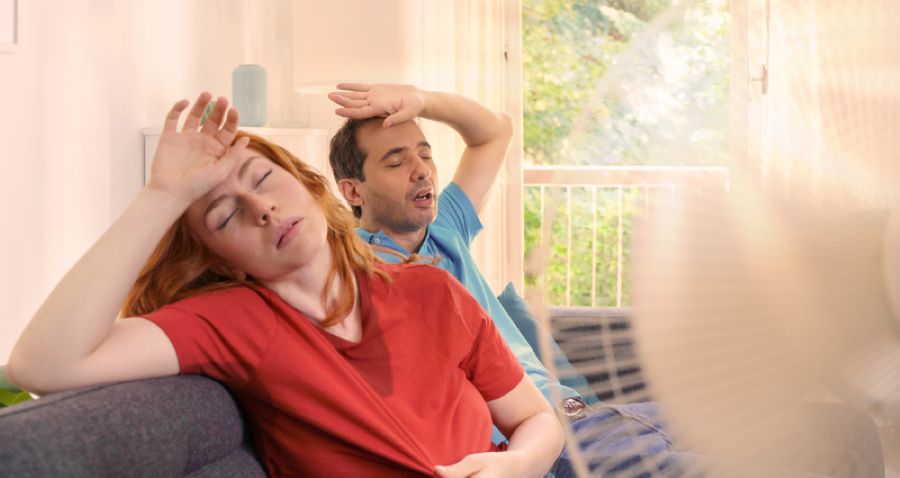
- Reduces Solar Heat Gain: In warmer months, solar control film can reject a significant amount of solar heat. This keeps your building cooler and reduces the load on your air conditioning systems, which leads to lower energy bills.
- Decreases Annoying Glare: The film cuts down on harsh glare, improving visibility of screens and whiteboards and creating a more comfortable visual environment for students and staff.
Is Security Film for Windows the Right Choice for You?
Deciding on the right security upgrades can feel overwhelming. You need solutions that are effective, fit your budget, and preserve the character of your building. Security film sits at a unique intersection, offering powerful protection without demanding major compromises. It’s a strategic choice that deserves careful consideration.
A Proactive Measure for School Safety
For any educational leader, safety is not just about reacting to incidents. It’s about creating an environment where students and staff feel secure enough to focus on learning. School security window film is a fundamentally proactive measure. It works silently in the background, transforming a building’s most vulnerable points into a source of strength.
The presence of this invisible shield provides genuine peace of mind. It sends a clear message to parents and the community that you are taking tangible, preventative steps to enhance school safety. This quiet confidence allows the daily rhythms of school life to continue uninterrupted, free from the constant visual reminders of more intrusive security measures.
Balancing Security with a Welcoming Environment
One of the biggest concerns for administrators is the risk of creating an intimidating, prison-like atmosphere. You want a secure campus, not a fortress that frightens students and erodes a positive culture. This is precisely where security film excels.
Professionally installed shatter-resistant film is virtually invisible. It doesn’t block natural light or obscure views, preserving the open, welcoming feel that is vital to a healthy learning environment. Unlike bars, gates, or dark, reflective glass, security film allows you to harden your building’s perimeter without altering its architectural character. You can achieve a high level of security while maintaining the aesthetic and psychological benefits of a space filled with daylight.
A Cost-Effective Alternative to Laminated Glass
When considering glass strengthening solutions, many organizations immediately think of laminated or ballistic glass. While these are highly effective, they often come with a prohibitive price tag and require a complete, disruptive replacement of existing windows and frames.
For organizations researching a guide to Bulletproof Glass Film, it’s important to understand that security film is designed to delay entry, contain shattered glass, and improve safety, but it is not the same as ballistic-rated glass systems.
For organizations researching a guide to Bulletproof Glass Film, it’s important to understand that security film is designed to delay entry, contain shattered glass, and improve safety, but it is not the same as ballistic-rated glass systems. For a broader look at residential security upgrades, resistance ratings, and reinforced glazing options, see our guide to burglar proof windows.
Security film offers a much more practical path to delaying forced entry. It can be retrofitted directly onto your existing glass for a fraction of the cost of full window replacement. This makes it an accessible upgrade for a wide range of budgets, from a single storefront to an entire school district. By choosing security film, you are making a smart, fiscally responsible decision that delivers a significant security upgrade without the capital expense and operational downtime of a major construction project.
Analyzing the ROI for Commercial Security
For businesses and public agencies, the return on investment for security film extends far beyond a single metric. It’s a comprehensive benefit that impacts safety, finance, and operations.
- Asset Protection: It provides a robust defense against smash-and-grab burglaries and vandalism, safeguarding inventory, equipment, and sensitive data.
- Business Continuity: By preventing or delaying a breach, the film helps you avoid the costly downtime and repairs that follow a security incident.
- Employee Safety and Morale: Knowing that the workplace has an added layer of protection can significantly boost employee confidence, particularly in public-facing roles.
- Insurance Considerations: Many insurance carriers look favorably upon proactive security measures like safety film, which may lead to reduced premiums.
- Energy Savings: Many advanced security films also reject solar heat. This can lead to measurable energy savings on cooling costs, providing a direct financial return every month.
Real-World Scenarios: Security Film in Action
Understanding the technical benefits is one thing, but seeing how security film performs in real-world situations truly demonstrates its value.
- Securing a School Campus: Imagine the main entrance of an elementary school, with its large glass doors designed to welcome students. A facilities manager decides to upgrade security over a holiday break. A team applies a thick security film and attachment system to all ground-floor glass. When students return, the school looks exactly the same, with bright, inviting hallways. However, that glass is now capable of withstanding significant force, buying precious minutes for lockdown procedures in an emergency.
- Protecting a Retail Storefront: A high-end retailer is a prime target for after-hours theft. One night, a burglar strikes the glass door with a heavy tool. Instead of shattering, the glass cracks but is held firmly in the frame by the security film. The attacker strikes again, creating noise but failing to get through. Frustrated and with their window of opportunity closed, the thief flees empty-handed.
- Reinforcing a Corporate Office: A downtown corporate headquarters faces a range of risks. They install security film on all exterior-facing windows up to the third floor. Months later, a protest nearby turns volatile, and individuals begin throwing objects. While unprotected windows on neighboring buildings shatter, the reinforced windows absorb the impacts. The glass may crack, but it stays in place, protecting employees and preventing unlawful entry.

Why Professional Installation is Non-Negotiable
A high-performance security film is an incredible piece of technology, but the film itself is only half of the security equation. The system’s effectiveness hinges entirely on the quality of the installation. This is not a place to cut corners. A flawless installation is what transforms a sheet of polyester film into a formidable security barrier.
The Difference Between DIY and Professional
While it might seem tempting to consider a DIY approach, the difference in outcome is stark. A DIY application is prone to bubbles, trapped dust, or peeling edges. These aren’t just cosmetic flaws, they are critical weak points that can cause the film to fail quickly under impact.
A professional installation is a meticulous process that guarantees performance. It involves surgical-level surface preparation, expert application techniques, and most importantly, edge anchoring. Professionals use specialized silicone anchoring systems to bond the film and glass directly to the window frame. This mechanical attachment is what prevents the entire pane from being pushed out of the frame after being broken. A professional installation with an anchoring system is what truly creates the time you need for first responders to arrive.
The Importance of a Thorough Security Assessment
Every building has different vulnerabilities. A one-size-fits-all approach is rarely effective, which is why a thorough on-site assessment with an experienced professional is an essential first step. A true security film expert acts as a consultant, not just a salesperson.
During a professional consultation, we don’t just measure windows. We analyze your facility’s unique risk profile. We’ll walk the grounds with you to identify high-risk areas, like isolated ground-floor classrooms or glass-walled administrative offices. We assess your existing window and frame types to determine the best film and attachment system for your specific goals. This consultative process ensures the solution is precisely tailored to your needs, providing maximum protection without turning your space into a fortress.
Why a Proven Track Record Matters
For facilities like schools, government buildings, and corporate headquarters, the stakes are simply too high to entrust security to an inexperienced team. When protecting people and property, a proven track record isn’t just a bonus, it’s a prerequisite.
A history of successful projects demonstrates more than just technical skill. It shows an understanding of the unique operational needs of sensitive environments. An experienced team knows how to work discreetly and efficiently, minimizing disruption to your daily activities. Looking at a provider’s portfolio of work with other schools, municipalities, and large-scale commercial clients gives you the confidence that you are not their learning project.
Leveraging Decades of Experience for Your Project
At CoolVu, our “100 years of combined experience” isn’t just a number, it’s the foundation of the trust our clients place in us. This deep well of collective knowledge means we’ve encountered, and successfully solved, virtually every type of window security challenge imaginable. We’ve worked on historic buildings with delicate frames and modern glass structures with unique architectural features.
This experience translates directly into superior results for your project. Our assessments are more accurate, our installations are more efficient, and our ability to solve unexpected on-site issues is second to none. When you partner with us, you’re gaining access to a team that has dedicated their careers to mastering this craft. We leverage that vast experience to ensure your security film installation is done right the first time, delivering the performance you expect and the peace of mind you deserve. Contact CoolVu today for a free estimate and discover the right solution for your property.
Frequently Asked Questions
Will security film make my windows bulletproof?
No, this is a common misconception. Security film is not “bulletproof” or ballistic-rated. Its primary purpose is to hold glass together upon impact, which creates a significant delay for forced entry and prevents dangerous glass shards from flying inward during a blast, storm, or break-in. This delay is critical for allowing occupants to react and for first responders to arrive.
How long does security film for windows last?
Professionally installed, high-quality security film is incredibly durable. Most films come with a manufacturer’s warranty of 10-15 years or even a lifetime for residential applications. It is a long-term, low-maintenance solution designed to provide protection for decades.
Can security film be installed on any type of window?
Yes, security film can be retrofitted onto most types of existing glass, including single-pane, double-pane, tempered, and annealed glass. A professional consultation is the best way to determine the ideal film thickness and attachment system for your specific windows and frames to ensure maximum effectiveness.
Does security film change the appearance of my building?
It doesn’t have to. The most popular option is an optically clear security film that is virtually invisible once installed. It provides robust protection without altering your building’s appearance. If you also want to add privacy or energy efficiency, tinted and reflective versions are available that combine security with other benefits like heat and glare reduction.
Is shatterproof window film expensive?
Compared to the alternatives, shatterproof window film is a very cost-effective security upgrade. It costs a fraction of what it would to replace your existing windows with laminated or ballistic glass. When you also factor in the added benefits like UV protection and potential energy savings, it offers an excellent return on investment for any property owner.