Table of Contents
- What Bulletproof Glass Film Can and Cannot Do
- Understanding Bulletproof Glass Film vs Security Window Film
- Types of Security Film Solutions for Ballistic Protection
- Installation Methods and Performance Testing Standards
- Common Challenges and Solutions
- Conclusion and Next Steps
- Frequently Asked Questions
What Bulletproof Glass Film Can and Cannot Do
True “bulletproof glass film” is largely a misnomer that creates dangerous misunderstandings about window protection. Security window film is not bulletproof and does not stop bullets unless installed on ballistically rated glass. What the industry markets as bulletproof film is actually a security window film—a thin polyester layer that holds broken glass in place and delays forced entry but cannot stop a bullet from penetrating standard window glass.
This guide covers the full spectrum of window protection options: security films for fragment retention and entry delay, ballistic glazing systems that actually stop bullets, and retrofit solutions that combine both approaches.
The content addresses facility managers evaluating building security, security professionals designing protection systems, school administrators responding to safety mandates and school shooting preparedness requirements and building owners balancing cost against threat levels.
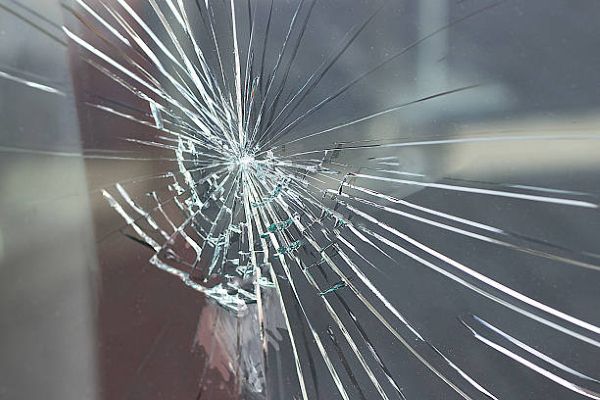
Direct answer: Security window film delays forced entry by holding shattered glass together for 30-60+ seconds, but only bullet-resistant glass—engineered with layered glass and polycarbonate—actually stops bullets. Film applied to standard window glass will not prevent a determined intruder from gaining entry or protect building occupants from ballistic attack.
After reading this guide, you will understand:
- The critical difference between security film and true bulletproof protection
- UL 752 protection levels and which threats each level addresses
- Installation requirements that determine whether security film performs as designed
- Cost comparisons between film retrofit and ballistic glazing systems
- How to select appropriate protection based on threat assessment and budget
Understanding Bulletproof Glass Film vs Security Window Film
The distinction between marketing language and actual ballistic protection capabilities determines whether a security investment protects lives or creates false confidence. Security window film, also known as ballistic-resistant film, is a high-strength, thin, clear polyester layer applied to existing glass surfaces to create a shatter-resistant barrier—but that barrier does not stop bullets.
What Security Window Films Actually Do
Window security window film is designed to hold broken glass in place, reducing the risk of injury during forced entry attempts and delaying unauthorized access to a facility. The film is constructed of multiple layers of polyester and uses high-performance adhesive to bond firmly to the glass, creating a membrane that keeps broken shards from scattering when the window breaks.
RiotLite security film can delay an attacker’s access through glass for up to 60 seconds during an active shooter situation, providing critical time for law enforcement to respond. This forced entry delay matters significantly—a 60-second delay represents the difference between a breached perimeter and time for building occupants to evacuate or shelter.
The film’s ability to hold glass together provides additional protection against bomb blasts and extreme weather events, enhancing safety beyond direct security applications. While security window film can help hold fragmented glass in place, it is primarily designed to improve human safety by preventing glass from flying dangerously inwards during breakage. Security window film provides protection from broken glass hazards due to accidents or natural disasters, such as storms and earthquakes.
Most window security films block over 99% of harmful ultraviolet rays, which protects interior furniture and merchandise from fading—an ancillary benefit that adds value beyond security functions and mitigates UV damage that causes furniture and flooring to fade.
True Ballistic Protection Requirements
Bullet-resistant glass is specifically engineered to stop bullets and is available in various types, including acrylic, laminated polycarbonate, and glass-clad polycarbonate, which provide different levels of protection against firearms. Bullet-resistant glass is made of layered glass and polycarbonate designed to stop bullets, typically used in high-risk scenarios where ballistic attack is a credible threat and often incorporates ballistic glass technology.
UL 752 establishes the testing standards for bullet-resistant materials in architectural applications. This standard defines protection levels 1-8 based on specific ammunition calibers, number of shots, projectile velocities, and criteria including zero full penetration. Level 1 addresses three shots of 9mm FMJ ammunition; Level 5 handles a single shot of 7.62mm (.308) rifle ball; Level 8 withstands five shots of .308 military ball.
Thickness requirements for ballistic glazing start around ¾-inch (approximately 19-21mm) for low handgun threats and rise to over 2 inches (50-60mm or more) for high-powered rifle protection. These panels are heavy, require reinforced window frames, and sometimes demand structural modifications to support the additional load.
Bullet-resistant security glazing can prevent an attacker from reaching through a penetrated window or door, effectively stopping them from gaining entry into a building—a capability that no security film applied to standard glass can match.
Common Misconceptions About Bulletproof Films
Marketing often stretches what security film can accomplish, using phrases like “bullet-proof film” or “ballistic window film” to describe products that provide no actual ballistic protection. The reality is that standard window glass cannot be made bulletproof with film alone, regardless of film thickness or installation method. There is no such thing as a standalone bulletproof window film that turns ordinary glass into ballistic protection.
Security window film can delay forced entry by making it harder for an attacker to shatter a window, but it will not prevent a determined intruder from gaining entry. An attacker with a firearm will penetrate both the film and the existing glass with every shot—the film simply holds the broken shards together rather than stopping the bullet.
While security window film can delay entry during an attack by holding glass together, bullet-resistant glass provides a more effective solution for stopping bullets and preventing breaches in high-risk environments. Understanding this distinction prevents dangerous overconfidence in protection systems that cannot perform as expected.
The effectiveness of security film increases when used as part of a layered security strategy, rather than as a complete substitute for bullet-resistant glass. Film serves an important role in comprehensive security design, but that role is delay and fragment retention—not ballistic protection.
Types of Security Film Solutions for Ballistic Protection
Selecting appropriate protection requires matching the solution to both the threat level and the budget constraints of the facility. Options range from basic security films that delay entry to retrofit ballistic glazing systems that provide true bullet resistance.
Standard Security Window Films
Standard security films in the 8-14 mil thickness range provide basic intrusion delay and glass retention at a cost-effective price point. These films install on existing tempered and annealed glass without requiring window replacement, making them accessible for many schools, commercial businesses, and government facilities operating under limited budgets.
Installation typically costs $8-18 per square foot, depending on film thickness and attachment method. A 4-6 mil film primarily holds glass together to reduce injury; an 8-12 mil film resists forced entry tools for 30-45 seconds with proper frame attachment; films of 12-14+ mil provide longer delay (1-3 minutes) in high-risk storefronts or high-value targets.
For facilities facing vandalism, smash-and-grab theft, or storm damage risks, security window films that create a clear barrier against forced entry and shattered glass represent a cost-effective solution that addresses the most common threats without the expense of complete glazing replacement or the need to replace existing glass.
Heavy-Duty Ballistic Films
Heavy-duty security films in the 20-41 mil range provide enhanced protection for higher-threat environments. Products like RiotLite deliver maximum forced entry delay when installed correctly with structural anchoring systems using wet glazing or mechanical attachment to the window frame.
These thicker films can be part of stackable systems that approach low UL levels (Level 1-3) when combined with polycarbonate overlays and proper frame attachment. However, the key limitation remains: even heavy-duty film applied to standard window glass does not stop bullets—it delays entry and holds broken glass together more effectively than thinner films, a crucial distinction emphasized in ballistic window film guidance for school security and active shooter threats. Such systems may slow entry attempts but do not provide true ballistic protection.

Performance with structural anchoring is critical. Without proper attachment to the frame, the glass may dislodge from the opening even if the film holds fragments together. This attachment requirement distinguishes professional-grade installations from consumer-applied films.
Retrofit Ballistic Glazing Systems
Retrofit ballistic glazing systems like BulletShield polycarbonate panels provide true bullet resistance by installing over existing glass. These systems are independently tested to UL 752 protection levels and can stop bullets of specific calibers based on their rating.
| Feature | Security Window Film | Retrofit Ballistic Glazing |
|---|---|---|
| Stops bullets | No | Yes (per UL 752 level) |
| Delays forced entry | 30-60+ seconds | Minutes to indefinite |
| Typical cost per sq ft | $8-18 | $70+ |
| Installation complexity | Moderate | High |
| Weight impact | Minimal | Significant |
| Lifespan | 7-10 years | Decades |
| Retrofit glazing panels range from approximately ¾-inch polycarbonate for UL Level 1 protection to over 2-inch hybrid panels for Level 8 protection. Installation requires assessment of existing frames, potential structural reinforcement, and matching of doors and hardware to the same protection level. |
The choice between film and glazing depends on threat assessment: film addresses forced entry and environmental hazards effectively, while glazing addresses active shooter and ballistic attack scenarios where bullets must be stopped.
Installation Methods and Performance Testing Standards
Proper installation determines whether security film performs as designed or fails when needed. Even the highest-quality film delivers no protection if installed incorrectly, applied to compromised glass, or left without proper frame attachment.
Professional Installation Process
Professional installation is required for security applications where performance matters. The process involves several critical steps:
- Surface preparation: Thorough cleaning to remove dirt, oils, and coatings; inspection for glass damage, warping, or delamination that could compromise performance
- Measurement and cutting: Accurate cut-to-fit film application with proper edge coverage
- Wet application: Wetting the surface during application to avoid bubbles and optical distortion, followed by methodical squeegee technique
- Frame attachment: Structural anchoring using wet-glazing adhesives (structural silicone like Dow Corning 995) or mechanical anchors along jambs to prevent glass from dislodging from the window frame
- Curing period: Adhesive cure times vary by product and climate conditions; during curing, the film remains vulnerable to impact
Without frame attachment, an attacker can often push the entire glass panel out of the opening even if the film holds fragments together. Proper anchoring ensures the glass remains in place, maximizing delay time and forcing the attacker to breach through the film-glass combination rather than around it, helping protect the property.
Testing Standards and Certification
UL 752 defines protection levels for bullet-resisting materials in architectural applications. Understanding these levels helps match protection to threat:
- Level 1: Three shots of 9mm FMJ (124 grain) at 1,175-1,293 fps
- Level 2: Three shots of .357 Magnum JSP
- Level 3: Three shots of .44 Magnum
- Level 4: One shot of .30-06 rifle soft point
- Level 5: One shot of 7.62mm (.308) military ball
- Levels 6-8: Multiple rifle rounds of increasing power
Certification requires laboratory ballistic testing of the complete system—panel, frame assembly, sealants, and anchoring—not just the glazing material alone. Security films are generally not UL 752 rated unless part of a certified assembly with ballistic glazing.
Performance Comparison Table
| Protection Level | Glazing Thickness | Bullet Types Stopped | Typical Applications |
|---|---|---|---|
| Security Film Only | 8-41 mil | None (delays entry only) | Retail storefronts, schools (non-ballistic), commercial buildings |
| UL 752 Level 1 | ~¾ inch (19-21mm) | 9mm handgun (3 shots) | Retail transaction windows, small office lobbies |
| UL 752 Level 2 | ~1 inch (25-30mm) | .357 Magnum (3 shots) | Bank teller windows, high-risk retail |
| UL 752 Level 3 | ~1.25 inch (32mm) | .44 Magnum (3 shots) | Financial institutions, government offices |
| UL 752 Level 4 | ~1.4 inch (35mm+) | .30-06 rifle (1 shot) | High-security government, military |
| UL 752 Level 5 | ~1.7 inch (42-45mm) | .308 military ball (1 shot) | Diplomatic buildings, high-threat facilities |
| UL 752 Level 8 | 2+ inches (50mm+) | .308 military ball (5 shots) | Military, critical infrastructure |
| Selecting the appropriate level requires honest threat assessment. A school facing potential active shooter scenarios needs different protection than a retail store addressing smash-and-grab theft. Over-specifying wastes money; under-specifying creates dangerous gaps in protection. |
Common Challenges and Solutions
Implementation of window security systems frequently encounters practical obstacles that require creative solutions balancing protection, cost, and operational requirements.
Budget Constraints for Comprehensive Protection
Full ballistic glazing throughout a facility often exceeds available budgets, particularly for many schools and smaller commercial businesses. A phased implementation strategy addresses this reality by deploying film retrofit in lower-risk zones while reserving ballistic glazing for critical entry points, reception areas, and high-occupancy spaces facing accessible exterior exposure.
Grant funding options exist for schools and government facilities through federal and state safety programs. Security assessments that document threat levels and protection gaps strengthen grant applications by demonstrating specific needs rather than general security desires.
Life-cycle cost analysis often reveals that ballistic glazing, despite higher upfront cost, provides better long-term value. Security films require replacement every 7-10 years due to UV degradation, adhesive breakdown, and scratching, while glazing panels or solar window films that reduce heat gain and UV exposure can last decades with minimal maintenance.

Balancing Security with Aesthetics
Clear security films maintain building appearance while adding protection—an important consideration for commercial businesses, historic buildings, and facilities where visible security measures may create unwanted impressions. Modern architectural window films that improve energy efficiency, safety, privacy, and aesthetics offer minimal optical distortion, and thin-profile ballistic panels with reduced frame exposure preserve architectural intent.
Interior versus exterior installation creates different aesthetic and performance tradeoffs. Interior film installation protects the film from weather exposure and vandalism but may affect interior space near the window. Exterior installation exposes film to environmental degradation but keeps interior surfaces unchanged; working with professional window film installers for residential and commercial properties helps select the best approach for each facade.
Back-glazing—installing ballistic panels behind existing glass—preserves exterior appearance completely while adding protection, an approach often used in historic buildings or locations where facade changes face restrictions and can be paired with local security window film and privacy film services for homes and businesses. Many installers provide a video demonstration of system performance before purchase.
Code Compliance and Fire Safety Requirements
Security modifications must comply with building codes governing emergency egress, fire rating, and safety glazing. Adding thickness to windows, door glass, or installing ballistic panels may impede opening windows or glass doors required for emergency escape routes, so many facilities coordinate with local window film providers specializing in security and privacy upgrades to balance safety with code compliance.
Local building codes often require that security modifications maintain ADA compliance, fire suppression system accessibility, and emergency rescue access. Glazing on corridors or stairwells may require fire ratings if they form part of fire separation assemblies.
Structural load considerations matter when adding heavy ballistic panels—existing frames and walls must support additional weight without compromise. Consultation with architects, structural engineers, and code officials before purchase and installation prevents costly compliance failures.
Conclusion and Next Steps
Effective ballistic protection requires understanding the fundamental difference between security window films and true bullet-resistant glazing systems. Security window film holds broken glass in place and delays forced entry—critical functions that protect building occupants from injury and provide response time. But film applied to standard glass does not stop bullets, regardless of marketing claims or thickness specifications.
For facilities where ballistic attack represents a credible threat, only UL 752 certified glazing systems provide actual bullet-stopping capability. For facilities addressing forced entry, vandalism, environmental hazards, or requiring time delay for emergency response, security film delivers meaningful protection at accessible cost. No company should guarantee that standard security film alone will stop bullets.
Immediate actionable steps:
- Conduct security assessment: Identify specific threats, vulnerable entry points, and protection priorities based on realistic threat scenarios
- Determine protection level needs: Match UL 752 levels to credible threats—avoid both over-specification and dangerous under-protection
- Get professional consultation: Request a free consultation from certified installers who can assess existing glass, frame conditions, and structural requirements
- Obtain UL 752 certified products: Require test reports and certification documentation; avoid products with marketing claims but no independent testing
Related topics for comprehensive security planning: blast-resistant films for facilities near potential explosion hazards, forced entry protection standards (ASTM F1233), integrated facility security combining physical barriers with cameras, alarms, and response protocols, and smart window films that switch between transparent and private states for sensitive areas.
Frequently Asked Questions
Can window film alone make glass bulletproof?
No. Security window film applied to standard glass does not meet UL 752 ballistic levels and cannot stop bullets. The film holds broken glass together and delays forced entry, but a bullet will penetrate both the film and standard window glass. Only bullet-resistant glazing systems engineered with layered glass and polycarbonate actually stop bullets. Products marketed as bulletproof window film should be evaluated carefully against independent testing standards.
What thickness of security film is needed for school protection?
For most schools, security films of 8-14 mil thickness with proper frame attachment systems provide forced entry delay of 30-60+ seconds. RiotLite security film can delay an attacker’s access through glass for up to 60 seconds during an active shooter situation, providing critical time for law enforcement to respond. For protection against rifle threats, many schools require UL 752 Level 1-3 glazing at primary entry points rather than film alone.
How long does security window film last before replacement?
Quality security films typically carry warranties of 7-10 years. In high-exposure conditions (direct sunlight, coastal environments, high-traffic areas with abrasion risk), performance may degrade earlier through clouding, peeling, or adhesive breakdown. Ballistic glazing panels generally last decades, making them more cost-effective over extended time horizons despite higher initial investment.
What is the cost difference between security film and ballistic glazing?
Security film installations typically cost $8-18 per square foot for moderate-thickness films with professional installation. Ballistic glazing systems often cost $70+ per square foot before framing, doors, and hardware. Life-cycle cost considerations favor glazing when replacement frequency, maintenance, and long-term protection requirements are factored in.
Do security films work on all types of glass?
Security film works on annealed, tempered, and laminated glass when properly installed. However, the condition of existing glass affects performance—old, warped, or weak panes compromise protection regardless of film quality. Tempered glass shatters differently than annealed glass; laminated glass already contains internal interlayers; specialty coated glass may require specific adhesive formulations.
How do you maintain bulletproof glass film after installation?
Clean security film with non-abrasive cleaners and soft cloths—avoid scratching or using strong solvents that degrade adhesives. Monitor edges for peeling, adhesive slump, or film delamination. Check frame attachment points periodically. Some films yellow over time or lose optical clarity under UV exposure, indicating approaching replacement need.
What are UL 752 protection levels and which one do I need?
UL 752 defines eight standard protection levels: Level 1 protects against three 9mm handgun rounds; Level 2 against .357 Magnum; Level 3 against .44 Magnum; Level 4 against one .30-06 rifle shot; Level 5 against one .308 military round; Levels 6-8 against multiple rifle rounds of increasing power. Selection depends on credible threat assessment—over-specification wastes money while under-specification creates dangerous gaps.
Can security film be removed if building requirements change?
Yes, security films are removable through heat application, chemical solvents, or scraping, and do not permanently alter glass. However, removal may damage glass if film was improperly installed or adhesive has bonded aggressively. Frame anchoring systems may leave residue or require repair after removal. Ballistic glazing panels represent more permanent installations requiring professional removal.