When glass is the weakest link in your building’s defense, security window film offers a fast, cost-effective upgrade that strengthens every pane without replacing it. Here’s everything you need to know about finding qualified local installation.
Table of Contents
- Introduction: Finding the Right Security Film Installation Near You
- What Is Security Film & How Does It Work?
- Key Benefits of Security Window Films
- Safety and Security Performance: What You Can Expect
- Sun Control, UV Protection & Energy Savings
- Residential and Commercial Applications
- Types of Security Window Films to Consider
- How Professional Security Film Installation Works
- How to Choose a Local Security Film Installer
- Why Choose Our Company for Security Film Installation
- Care, Maintenance & Longevity
- Frequently Asked Questions About Security Window Film
- Conclusion: Take the Next Step Toward Safer, More Comfortable Windows
Introduction: Finding the Right Security Film Installation Near You
Despite U.S. burglary rates declining to roughly 229 per 100,000 people in 2024, glass remains a primary vulnerability. Break ins, storms, and accidents still shatter windows daily. Security window films are clear or tinted polyester layers bonded to existing glass surfaces that hold fragments together under impact, delaying intruders and reducing injuries.
When people search security film installation near me, they want a local professional who can assess their property, recommend the right film, and install it correctly. Professionally installed security film upgrades windows for safety and security without full glass replacement-saving time and money. This article covers what security film does, who it’s for across residential and commercial properties, and how to choose a trusted installer. We specialize in security window film for homes, office buildings, retail storefronts, and government buildings across your city and surrounding suburbs.
What Is Security Film & How Does It Work?
Security glass film is a multi-layer polyester laminate applied to the interior side of glass. Its construction includes strong pressure-sensitive adhesive, a scratch-resistant hard coat, and optional sun control or privacy features. Unlike standard tint (2–4 mils, minimal protection), safety and security film runs 4–15 mils thick. Safety films hold shattered glass together during impacts, while security films deter forced entry and intruders by forcing multiple strikes before penetration. Specialty 3M window film products like Scotchshield Ultra add blast and forced-entry ratings. Modern films work with most window and door glass, though certain specialty or tempered glass assemblies require evaluation. Clear security options are virtually invisible once installed.
Key Benefits of Security Window Films
Security film delivers layered benefits from a single upgrade. Security window films block up to 99% of harmful UV rays, protecting furnishings from fading while helping prevent theft, vandalism, and forced entry. Safety films can mitigate injuries from flying glass shards during storms or accidents, especially in high-traffic areas and office buildings. Safety films also reduce glare for improved indoor comfort.
Energy saving window film can yield significant savings-tinted films reduce energy costs by blocking heat in summer, and window films maintain a more consistent indoor temperature, cutting cooling loads by 15–30% depending on orientation and glass type.
Privacy films hide views into rooms without blocking outdoor light and come in various designs, including frosted options. 3M Privacy Window Films enhance privacy while maintaining aesthetic appeal. Custom privacy and decorative window films can be tailored for residential or commercial use, and privacy films can reduce glare while allowing natural light indoors. Combined with decorative film options, you can increase privacy in conference rooms and lobbies without sacrificing style.
Safety and Security Performance: What You Can Expect
No film makes glass unbreakable, but high-quality film dramatically changes how glass fails-keeping it in place instead of shattering everywhere. In a smash-and-grab attempt, intruders must strike repeatedly, creating noise and delay that often causes them to abandon the effort before they can gain access. This buys occupants time to react.
Film applied without a frame-anchoring system can be pushed out upon impact, which is why proper edge-anchoring is necessary to resist blunt force impacts. A structural silicone sealant can secure film directly to the window frame, significantly improving performance. Commercial applications like storefronts, schools, hospitals, and government buildings use security window film as part of layered protection strategies that meet ANSI and ASTM safety classifications, and some facilities incorporate ballistic and bullet-resistant glazing solutions to further delay forced entry and contain glass fragmentation.
Sun Control, UV Protection & Energy Savings
The same upgrade that improves security can also deliver sun control. 3M Sun Control Films reject up to 97% of infrared light, keeping interiors cooler, and advanced options like smart window films can switch between clear and private states for added flexibility. Sun control films can block up to 97% of infrared light overall, and 3M Sun Control Films reduce glare and enhance visual comfort-particularly in south-facing spaces with TV screens and monitors where glare reduction matters. For both residential and commercial spaces, solar window tinting films provide energy savings while protecting valuables from fading.
Residential and Commercial Applications
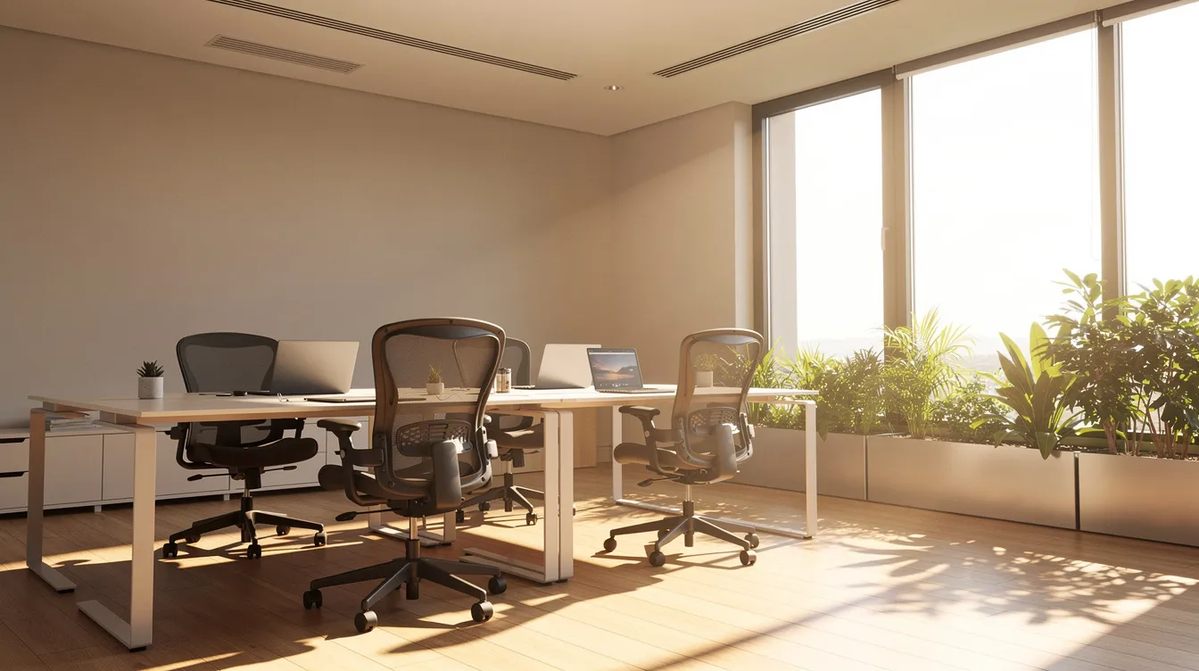
We install security film for both residential and commercial clients. Homes benefit from protection on sliding glass doors, street-facing windows, and anywhere family safety matters. For commercial applications, storefronts gain asset protection, while office buildings and government buildings address liability, compliance, and employee safety across lobbies, glass partitions, and perimeter walls. Architectural window films can also enhance aesthetics and energy performance in these spaces. Security window films can be blended with decorative or branded elements in reception areas, maintaining aesthetics while adding protection. Schools and healthcare facilities enjoy the same benefits after upgrading vulnerable entry points.
Types of Security Window Films to Consider
Categories include clear safety film (4–8 mil), tinted security film with sun control (8–12 mil), reflective or dual-reflective options, privacy film combinations, and transitional window films that automatically adapt to changing sunlight. Premium brands like 3M window film offer tested performance, long warranties, and the highest quality window films against peeling and discoloration. 3M window films are used for both residential and commercial installations. The right product depends on glass type, orientation, building use, and whether energy savings or privacy are priorities. Double-pane and low-E glass require professional evaluation to avoid thermal stress. Request a customized proposal rather than choosing by thickness alone.
How Professional Security Film Installation Works
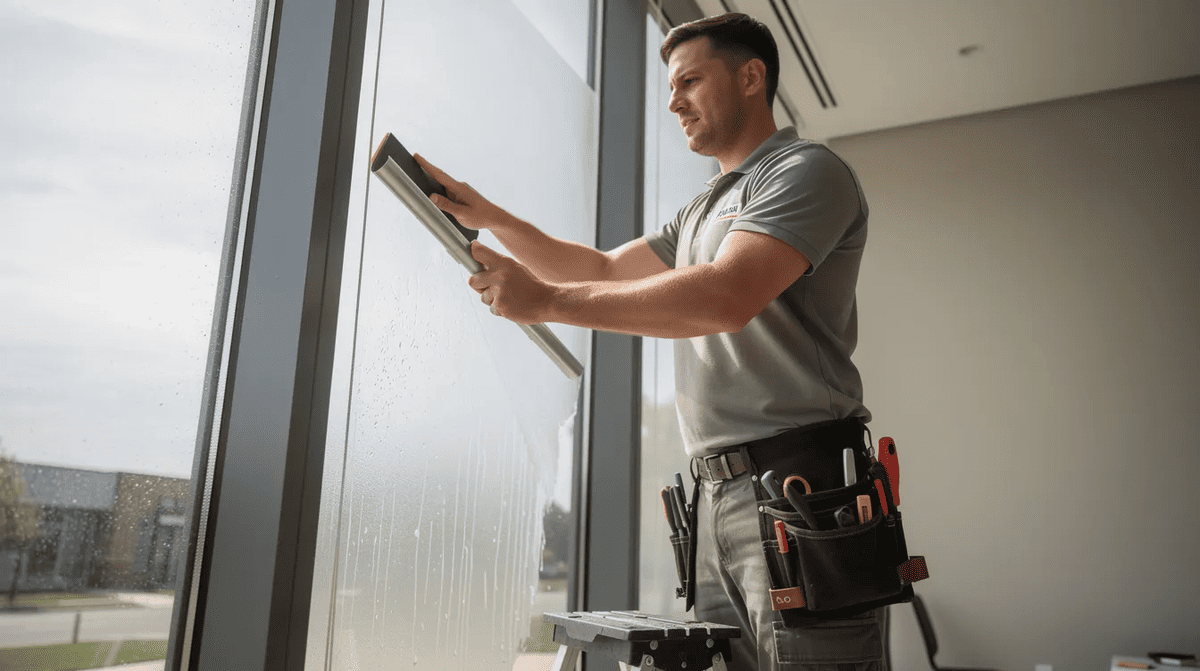
Security window film installation requires a precise wet-application process. Pre-cut security films should be 1 to 2 inches larger than window dimensions. Installers mist the adhesive side of the film before applying it to reduce tackiness, and using a slip solution facilitates easier handling of the film during installation. Squeegeeing removes moisture and air from under the film, while microfiber cloths are recommended for cleaning and wiping moisture during installation. Leaving a gap between film and window frame allows water to escape during curing, and professional window tinting and film installation services help ensure these steps are completed correctly.
Dust or debris trapped under the film will cause bubbles and weaken the bond, which is why professional installation is vital to avoid bubbles and alignment issues. Local experts, such as providers of security window film and privacy film in Salt Lake City, follow certification compliance to ensure installation methods meet industry standards. Curing for security film takes 3 to 7 days to achieve maximum strength, though full clarity may develop over 30 days. A typical home project takes one to two days.
How to Choose a Local Security Film Installer
Many results appear for “near me” searches, but not all dealers specialize in safety and security film. Look for licensing, insurance, specific experience with security window films, and manufacturer certifications. Authorized dealers of top-tier film manufacturers provide reliable installation and valid warranties. In some regions, specialists in security window film and window tinting in The Villages offer this level of expertise. Request detailed quotes covering film brand, thickness, square footage, and any anchoring systems. Choose a company that explains performance ratings in plain language and offers on-site consultations with transparent pricing.
Why Choose Our Company for Security Film Installation
We bring deep expertise in security window film across residential and commercial projects. We’re proud to serve homes, office buildings, storefronts, and government buildings with a consultative approach: on-site assessment, clear explanations, no-pressure recommendations, and written proposals customized to each property. Our installers deliver precise cutting, clean edges, and careful handling of furnishings. We use high-quality films with robust warranties and conduct post-installation inspections. Contact us by phone or through our online form for a free security film evaluation-discover how easy it is to protect your space.
Care, Maintenance & Longevity
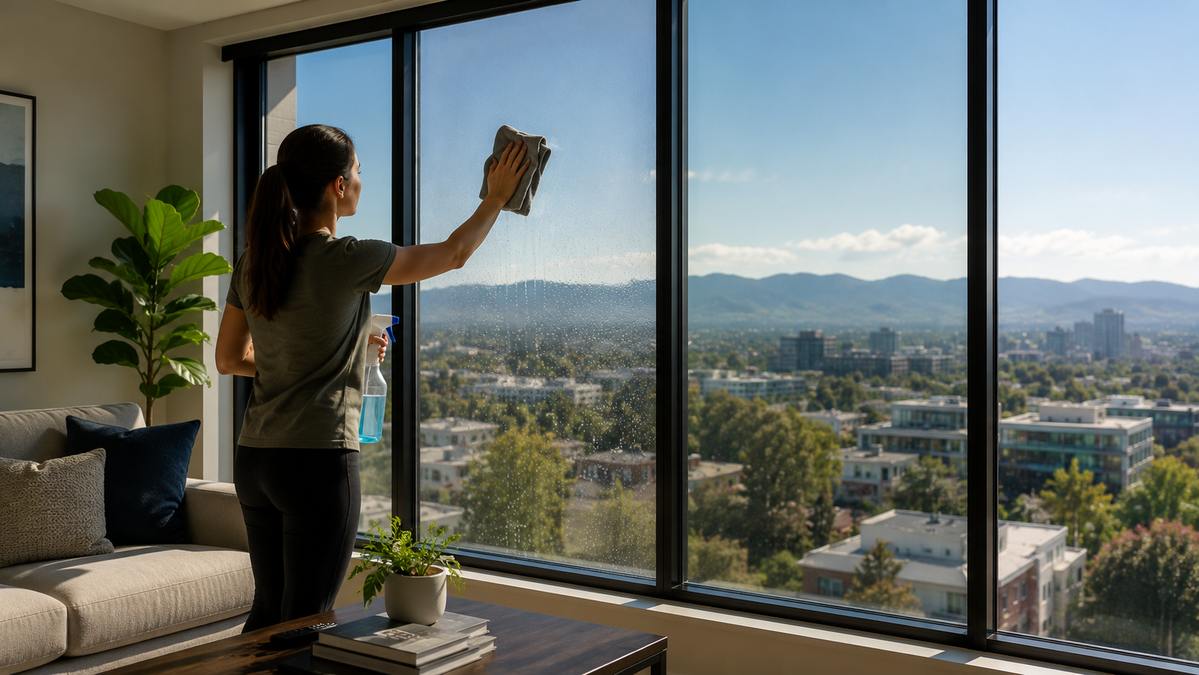
Quality safety and security films typically last 10–15 years on vertical glass. Wait 30 days after installation before cleaning, then use non-abrasive cloths and ammonia-free cleaners. Watch for edge lifting or deep scratches over time. Properly installed film resists bubbling and discoloration. If glass is ever replaced, film on that pane must be reinstalled-we can match existing film for consistent appearance. Periodic visual inspections are recommended for commercial settings with high foot traffic.
Frequently Asked Questions About Security Window Film
How much does security window film cost per square foot? Basic safety film runs $7–$10/sq ft installed, mid-range $10–$14, and premium forced-entry rated systems $13–$20+. Final cost depends on glass type, access, and film selected.
Will security film make my windows too dark? Clear options reduce visible light by only 5–10%. Tinted or reflective films darken more-discuss preferences with your installer.
Can it be installed on double-pane windows? Yes, with proper film selection to avoid thermal stress. A professional survey is essential.
Does it replace alarms or bars? No. Film is one layer in a broader safety and security strategy alongside locks, alarms, and good practices.
How do I schedule an assessment? Contact our service team through our online form or call directly. We typically schedule on-site evaluations within days across our service area.
Conclusion: Take the Next Step Toward Safer, More Comfortable Windows
Security window films improve safety, comfort, and energy efficiency for homes and businesses in one straightforward upgrade. Professional installation is critical to achieving the performance and aesthetics you expect-especially for larger commercial applications. With rising energy costs and ongoing property concerns, there’s no better time to protect what matters most. Request a consultation today to enjoy stronger windows, lower bills, and complete peace of mind while maintaining your natural light and view.