Table of Contents
- What Security Film Is and Why It Matters
- Understanding Security Film
- Types and Specifications
- Installation and Application
- Common Challenges and Solutions
- Conclusion and Next Steps
- Frequently Asked Questions
What Security Film Is and Why It Matters
Security film is a polyester-based protective layer applied to glass surfaces that holds shattered glass together and resists impact, providing both safety and security enhancement for windows. This retrofit window film features pressure-sensitive adhesive that bonds directly to existing glass, creating an added layer of protection that absorbs impact energy and keeps broken glass hazards contained when the window breaks. As an extra layer of security, it helps strengthen vulnerable glazing areas.
This guide covers residential and commercial security window film applications, installation basics, product types ranging from clear security glass films to specialized variants, and cost considerations. It excludes military-grade ballistic glazing and nuclear containment systems that fall outside typical retrofit applications. Whether you’re a homeowner concerned about break-ins or natural disasters, a business owner protecting storefronts from smash-and-grab attempts, or a property manager balancing security needs with budgets, this guide delivers the information you need. Consider this an installation guide for understanding your options before investing in security film.
Security film is a multi-layer polyester material with pressure-sensitive adhesive that bonds to glass, holding fragments together when breakage occurs and significantly delaying forced entry attempts.
After reading this guide, you will:
- Understand the various types of security films and their technical specifications
- Know when professional installation is mandatory versus when DIY might work
- Recognize the primary security benefits including break-in deterrence and storm protection
- Evaluate cost considerations across different property types and film thicknesses
- Plan for proper maintenance to maximize your film’s lifespan
Understanding Security Film
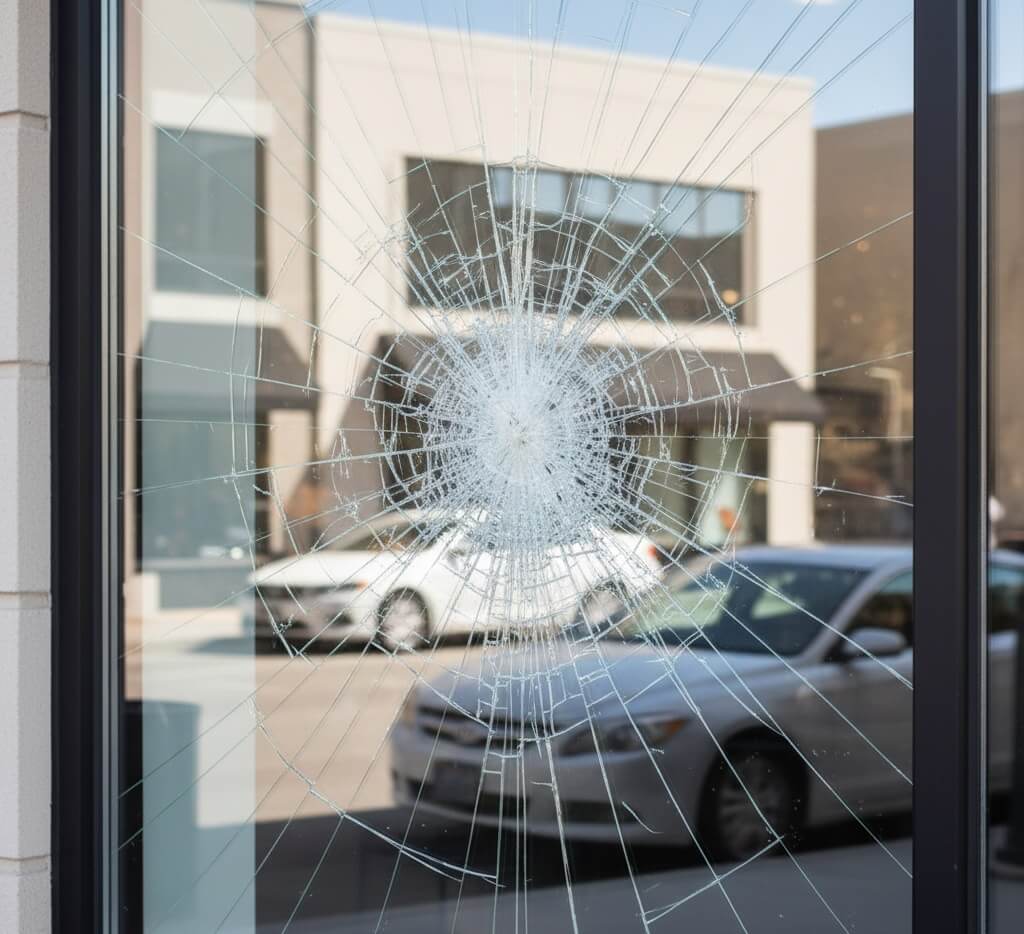
Security film consists of multiple layers of polyester (PET) bonded together with pressure-sensitive adhesive designed to adhere permanently to your glass surface. When impact occurs, this protective layer distributes force across the entire pane while maintaining the structural connection between glass fragments. The relevance to property protection is immediate: security films can hold shattered glass together, minimizing the risk of dangerous shards being propelled into your home and reducing the chance of injury.
How Security Film Works
When a stone, tool, or intruder strikes filmed glass, the polyester layers absorb and redistribute the impact energy across a wider area. This energy distribution mechanism means the glass surface experiences stress more evenly rather than concentrating at a single point. Thicker films with multiple layers provide greater energy absorption, which is why the level of protection is primarily determined by the film’s thickness, measured in “mils” (one-thousandth of an inch).
The fragment retention mechanism is what separates security film from ordinary glass. When glass breakage occurs, the adhesive bond keeps shattered pieces attached to the film rather than scattering as flying glass shards. This means even if a window broke completely, the fragments remain largely in place within the frame. These films create a protective layer that absorbs impact energy, making the glass much harder to break open, which can deter break-ins.
Window film integrates into broader security strategies by adding time—the most valuable commodity during a break-in attempt. While security film won’t stop a determined attacker indefinitely, it forces them to spend significantly more effort and create more noise, giving alarm systems time to alert authorities and increasing the risk of detection.
Primary Security Benefits
The primary deterrent value comes from delayed entry. When faced with filmed glass, intruders must repeatedly strike and peel through multiple barriers rather than simply punching through. Laboratory tests under UL 972 standards measure exactly how long film-protected glass resists repeated tool impacts, with quality installations providing meaningful delays during break in attempts.
In the event of high winds and flying debris, security films can help prevent wind-driven rain from entering your home by holding the glass intact if it breaks. This storm protection applies to hurricanes, severe thunderstorms, and even accidents where objects strike windows. The film keeps the weather barrier functional even when the glass itself has fractured.
Beyond security, these films provide excellent safety benefits by eliminating the hazard of dangerous shards in schools, healthcare facilities, and high-traffic commercial spaces. Security films can reject about 99% of UV rays, significantly reducing the risk of fading on furniture and other UV-sensitive items. This dual functionality—protection from both physical threats and harmful uv rays—makes security film a comprehensive glazing solution.
The security benefits you achieve depend directly on the film specifications you choose, which brings us to the technical details of thickness, clarity, and specialized features.
Types and Specifications
The technical specification of a security film determines its effectiveness. Understanding thickness options, clarity variants, and specialized features helps you select the right window film for your specific protection needs and building requirements.
Film Thickness Options
Security films come in various thicknesses, typically ranging from 4 mil to 8 mil, with thicker films providing greater impact resistance and security. The thickness of security films ranges from 4 to 14+ mils, with thicker films offering more protection.
4-mil films serve as basic safety film for glass retention and fragment control. These entry-level options hold shattered glass together effectively but provide minimal delay against determined forced entry. They’re appropriate for interior glazing, low-risk residential applications, and situations where code compliance for safety glazing is the primary concern. Warranties typically run around 5 years, with installed costs averaging $7-10 per square foot.
8-mil films deliver enhanced security with meaningful impact resistance. This mid-range thickness meets most residential security needs and many commercial applications. These films pass mid-level forced entry tests and provide measurable protection against both break-ins and storm debris. Expect warranties of 7-10 years and installed costs of $10-13 per square foot.
12-15 mil films offer maximum protection for forced entry resistance, hurricane zones, and blast mitigation applications. These thicker options require careful attention to edge anchoring and often need professional assessment of frame and glass compatibility. Commercial storefronts, institutional buildings, and coastal properties most commonly specify these heavy-duty films. Warranties extend to 10-15+ years, with installed costs ranging from $12-18 or more per square foot.
Clarity and Appearance Variants
Security films are categorized by their functionality, including basic clear safety layers and specialized blast-resistant and solar-control versions. Types of security films include clear (visibility), tinted/solar (heat reduction), reflective (privacy), and decorative/frosted.
Clear films films maintain natural light transmission while remaining essentially unseen on the glass. A quality clear security film like 3M Scotchshield Ultra Prestige S50 achieves approximately 49% visible light transmission when film applied to standard quarter-inch glass. The application of UV-blocking window films helps to protect interiors from harmful solar rays while maintaining visibility and clarity.
Tinted and solar control variants combine security with heat control and sun control benefits. These reduce glare, lower cooling loads, and enhance privacy while providing the same fragment retention. The trade-off involves reduced natural light and potential appearance changes that may affect building aesthetics or code compliance.
Ceramic window films offer a non-reflective appearance while providing heat rejection and UV protection, making them suitable for those who prefer a subtle look. These represent the premium tier for those wanting maximum performance without visible color shift.
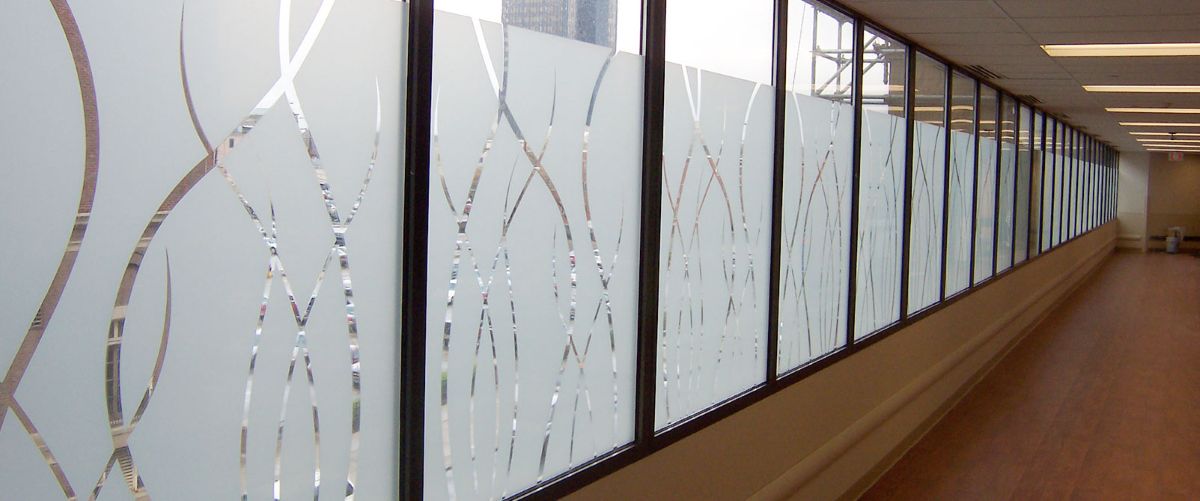
Decorative and frosted films add privacy alongside protection. These work well in office buildings, healthcare facilities, and residential bathrooms where visibility control matters as much as security. Some products combine decorative patterns with full security-grade performance.
Specialized Security Features
Beyond thickness and appearance, several specialized features affect film performance and longevity.
UV protection comes standard on most quality security films. Using UV protection films can help preserve the color and integrity of artwork and photographs by minimizing exposure to damaging UV radiation. This protection helps reduce fading of precious furniture, flooring, and interior finishes directly exposed to sunlight.
Scratch-resistant coatings protect the film surface from cleaning damage and everyday wear, particularly important in commercial settings with frequent maintenance. Without adequate top coats, visibility degrades over time as fine scratches accumulate.
Adhesive technology varies between products. Pressure-sensitive adhesive films bond instantly to surfaces upon contact, making them ideal for quick installations, while dry adhesive films require activation and allow for adjustments during application. The adhesive must maintain its bond across temperature changes and humidity variations throughout the product warranty period.
Edge anchoring systems significantly enhance security performance. Films work best when edges are sealed with silicone-based compounds or mechanically anchored with metal channels. Without proper edge attachment, even thick films can peel away from the frame under sustained attack.
Testing certifications validate real-world performance. Look for specification data showing compliance with ANSI Z97.1 or CPSC 16 CFR 1201 for safety glazing, UL 972 for forced entry resistance, EN 356 for manual attack resistance, or ASTM E1886/E1996 and Miami-Dade TAS for hurricane protection. These standards ensure the film you’re purchasing actually delivers the protection claimed.
Understanding these specifications prepares you for informed discussions about installation requirements and proper application methods.
Installation and Application
Proper installation determines whether your security film delivers its rated performance or falls short. The difference between a successful window film installation and a failed one often comes down to surface preparation, technique, and appropriate curing time.
Professional vs. DIY Installation Process
Professional installation is mandatory for maximizing the performance of thicker, high-security films. For 12-mil and above, edge anchoring systems, and any installation where certification compliance matters, hire qualified installers. DIY may work for basic 4-mil safety applications on standard residential windows, but expect reduced lifespan (3-8 years versus 10-15+ for professional work) and voided warranties.
Surface Preparation
Before any film is applied, the glass surface must be thoroughly cleaned. All dirt, grease, and residue from previous films must be removed completely. Use a water solution with appropriate cleaning agents, then ensure the glass is completely dry before proceeding. Any contamination reduces adhesion and creates visible defects.
Before installing window film, it is essential to evaluate the glass type, including whether it is single or double pane, and its category—annealed, laminated, or tempered—as each has unique considerations for tinting. Double pane windows require particular attention because film affects the thermal dynamics between the two layers of glass.
Cutting and Measurement
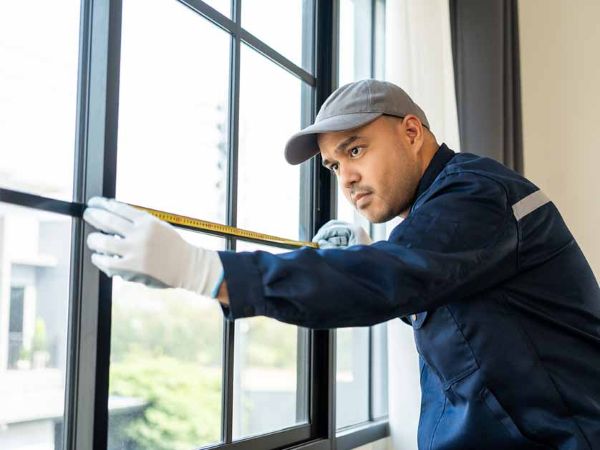
Film must be cut accurately with slight overage beyond the glass edge to allow for edge sealing or anchoring. Measurements should account for frame space and any mechanical attachment systems. For large panes, professional installers use scaffolding or lifts to maintain proper technique across the entire surface.
Application Technique
Apply the film using a spray bottle with soapy water to allow positioning. Once aligned, use a squeegee to remove the water solution and air bubbles, working from one corner outward toward each edge. Multiple passes ensure complete contact between adhesive and glass. Environmental control matters—installation should occur between 50-90°F with minimal airflow to prevent premature drying.
Curing and Inspection
After installation, the adhesive requires time to reach full bond strength. Depending on product and environmental conditions, this takes anywhere from a few hours to several days. During curing, avoid aggressive cleaning or exposing edges to moisture. Final inspection should verify all edges are sealed, no bubbles remain visible, and clarity meets expectations.
Application Comparison by Property Type
| Property Type | Recommended Thickness | Installation Complexity | Security Level | Installed Cost | Expected Lifespan |
|---|---|---|---|---|---|
| Residential (low-risk) | 4-8 mil | Simple rectangular panes, easy access | Deterrence, basic storm protection | $8-12/sq ft | 8-12 years |
| Commercial storefront | 8-12 mil with anchoring | Multiple large panes, visibility requirements | Higher forced entry resistance | $12-15/sq ft | 10-15 years |
| Institutional/Coastal | 12-15+ mil with mechanical anchoring | Code compliance, mixed glazing types, possible permits | Maximum protection, certified performance | $15-18+/sq ft | 15+ years with maintenance |
For residential applications, a typical 3-bedroom home with 200-250 square feet of glass will cost $2,500-$3,500 for mid-range film with professional installation. Commercial projects scale accordingly based on glass area and specification requirements.
Shading considerations are crucial for successful window tinting, as external shading can create a risk of thermal fracture where shaded and sunlit areas of the glass meet, increasing the likelihood of glass breakage due to thermal stress. The location and orientation of heating and cooling vents are important to consider before installation, as vents directing air towards the glass can cause temperature variations that may lead to thermal stress and compromise the integrity of the glass and film.
Even careful installation can encounter problems, which brings us to common challenges and their solutions.
Common Challenges and Solutions
Understanding typical installation and performance issues helps you avoid problems and troubleshoot when they occur. Most challenges trace back to preparation, technique, or environmental factors.
Bubble Formation During Installation
Air or water trapped beneath the film creates visible bubbles that compromise both appearance and performance. The primary causes include dirty glass, improper spray mixture, low temperature during application, and insufficient squeegee technique.
Solution: Use deionized water mixed with a small amount of soap in your spray bottle. Ensure the glass surface is pristine before beginning. Apply film at temperatures between 50-90°F. Use a firm squeegee with multiple overlapping passes from the center outward toward each edge. If small bubbles remain after 24 hours, they often disappear during curing. Persistent large bubbles indicate a fundamental application error requiring removal and reapplication.
Film Adhesion Problems
Poor bonding manifests as edges lifting, film peeling away from the frame, or visible separation between film and glass. Causes include inadequate surface preparation, incompatible glass coatings, extreme temperature or humidity during installation, and insufficient curing time.
Solution: For new installations, clean thoroughly with appropriate solvents and verify the glass is free of low-E coatings or other surface treatments that might interfere with adhesion. When installing window film on Low-E (low-emissivity) windows, it is crucial to consult a professional installer experienced in both Low-E glass and window film to ensure compatibility and performance. For existing adhesion failures, the film typically requires complete removal and reinstallation with proper technique. Edge sealers or mechanical anchoring can provide additional security for high-performance applications.
Glass Compatibility Issues
Adding security film changes the thermal load on glass. Annealed glass with microscopic defects or two pieces of glass with different thermal characteristics (as in some double pane windows) can experience stress cracks or spontaneous breakage when filmed.
Solution: Before installation, assess glass type and condition. Tempered glass handles thermal stress better than annealed. For insulated glass units, verify manufacturer approval for film application. In cases of uncertainty, professional assessment by qualified installers protects both your investment and your warranty. Some situations require upgrading the glass itself rather than simply adding film.
With challenges addressed, you’re prepared to move forward with your security film project.
Conclusion and Next Steps
Security film delivers measurable protection against break-ins, storm damage, and injury from broken glass hazards. The right window film selection depends on your specific risk profile, building type, and budget—but for most residential and commercial applications, professionally installed mid-range films (8-12 mil) provide the optimal balance of protection, longevity, and value. We hope this guide helps simplify the product selection process for your property.
Immediate next steps:
- Conduct a security assessment of your property, identifying vulnerable glazing areas and prioritizing protection for ground-floor windows, entry points like the back door, and high-value interior spaces
- Select appropriate film specifications based on your risk level, consulting the thickness and feature guidelines outlined above
- Request quotes from certified installers who can provide test reports matching your specific product, glass type, and attachment requirements
- Schedule installation during appropriate weather conditions, allowing adequate time for proper curing before any protective performance is needed
For comprehensive security, consider how window film integrates with alarm systems, surveillance cameras, and physical security measures. Film adds time during intrusion attempts—time that matters when other systems can respond. Maintenance schedules should include annual inspection of edges and periodic cleaning with non-abrasive, film-safe products to protect your investment and maintain visibility.
Security film represents one layer in a complete protection strategy. For properties in hurricane zones, verify Miami-Dade TAS compliance. For commercial spaces, consider combining security film with anti-graffiti coatings. And for any application where energy efficiency matters, explore solar control variants that help protect interiors while reducing cooling loads.
Frequently Asked Questions
How long does security film last on windows?
With proper professional installation, quality adhesives, and appropriate maintenance, security film typically lasts 10-15 years. Product warranty periods range from 5 years for basic films to 15+ years for premium options. DIY installations or lower-quality products may require replacement in 3-8 years. Factors affecting lifespan include UV exposure, temperature variations, cleaning practices, and whether edges remain properly sealed.
Can security film be applied to both sides of glass?
Security film is generally installed on the interior side of glazing. Exterior side application exposes the film to weather, abrasion, and accelerated degradation. Most performance specifications and warranties assume interior installation. Some specialized products exist for exterior use with different adhesive formulations, but these represent exceptions rather than standard practice.
Does security film affect window appearance from inside?
Clear security glass films have minimal visible impact, though slight haze or color shift may occur under certain lighting conditions. Quality clear films maintain good natural light transmission—around 49-70% depending on glass type and film specification. Tinted, reflective, or decorative variants intentionally alter appearance. Customers find that premium clear films are nearly undetectable in normal viewing conditions.
What thickness is recommended for residential applications?
For typical residential security needs including deterrence and basic storm protection, 4-8 mil films provide adequate performance. Ground-floor windows, areas with higher break-in risk, and homes in hurricane zones benefit from 8-12 mil films with edge anchoring. The optimal choice depends on local risk factors—consult with professional installers for personalized recommendations based on your specific situation.
How much does professional security film installation cost?
Professional installation typically costs $7-15 per square foot for standard residential applications (4-8 mil films). Premium thicker films (12-15 mil) or specialty products with anchoring systems range from $12-18+ per square foot. A typical 3-bedroom home with 200-250 square feet of glass runs $2,000-$4,000 depending on film selection. Commercial and institutional projects scale based on area, specifications, and complexity.
Can security film be removed without damaging windows?
Yes, security film can be removed, though the process requires care. Removal involves peeling the film and cleaning adhesive residue from the glass surface. Some risk of scratching exists, particularly if previous film has bonded aggressively or if the glass has coatings. Professional removal costs approximately $3-6 per square foot. For difficult removals or coated glass, professional help prevents property damage. During some manufacturer training materials or digital support resources, you may be prompted to close dialog windows before proceeding with removal instructions.
Does security film provide any energy savings benefits?
Some security films include solar control properties that reduce heat gain and glare, potentially lowering cooling costs. Look for specification data showing solar heat gain coefficient (SHGC) and visible light transmission values. Not all security films offer significant energy efficiency benefits—this varies by product. Films with heat control properties may partially offset their installation cost through reduced HVAC expenses over time.
How soon can windows be used after film installation?
Windows can be used normally immediately after installation in terms of viewing and basic function. However, adhesive curing to full bond strength takes anywhere from a few hours to several days depending on product formulation, temperature, and humidity. During the curing period, avoid aggressive cleaning, water exposure at edges, and testing the film’s adhesion. Manufacturer guidelines specify exact wait times—typically 3-7 days for complete cure. You may also watch for any remaining moisture pockets to disappear as curing progresses.