Table of Contents
- What Is Riot Glass?
- Understanding Riot Glass and Security Glazing
- Types of Riot Glass and Protection Levels
- Installation Methods and Implementation
- Common Challenges and Solutions
- Conclusion and Next Steps
- Frequently Asked Questions
What Is Riot Glass?
Riot glass is a multi-layered security glazing system specifically designed to protect commercial properties against forced entry, vandalism, ballistic threats, and smash and grab theft. In today’s world, where security concerns for businesses and government buildings continue to escalate, standard windows and glass doors represent vulnerable entry points that intruders can exploit within seconds. Ballistic Film is often considered as part of a broader glazing security strategy, helping improve glass protection and occupant safety when used in appropriate security applications.
This guide covers everything property managers, business owners, and security professionals need to know about riot glass—including protection levels, installation methods, cost considerations, and practical implementation strategies. We focus on professional installation scenarios for commercial properties rather than DIY approaches, which typically fail to meet security standards for this specialized glazing.
Direct answer: Riot glass combines laminated glass layers with polycarbonate composites and specialized interlayers to create an impact-resistant barrier that prevents entry even under sustained attack, with ballistic-rated versions capable of stopping handgun and rifle rounds.
By the end of this guide, you will understand:
- The core materials and construction that make riot glass effective against various threats
- How security rating systems help you match protection levels to your specific security needs
- Different types of riot glass and when each application makes sense for your property
- Installation methods including retrofit options for existing windows
- How to balance budget, aesthetics, and maximum protection in your security strategy
Understanding Riot Glass and Security Glazing
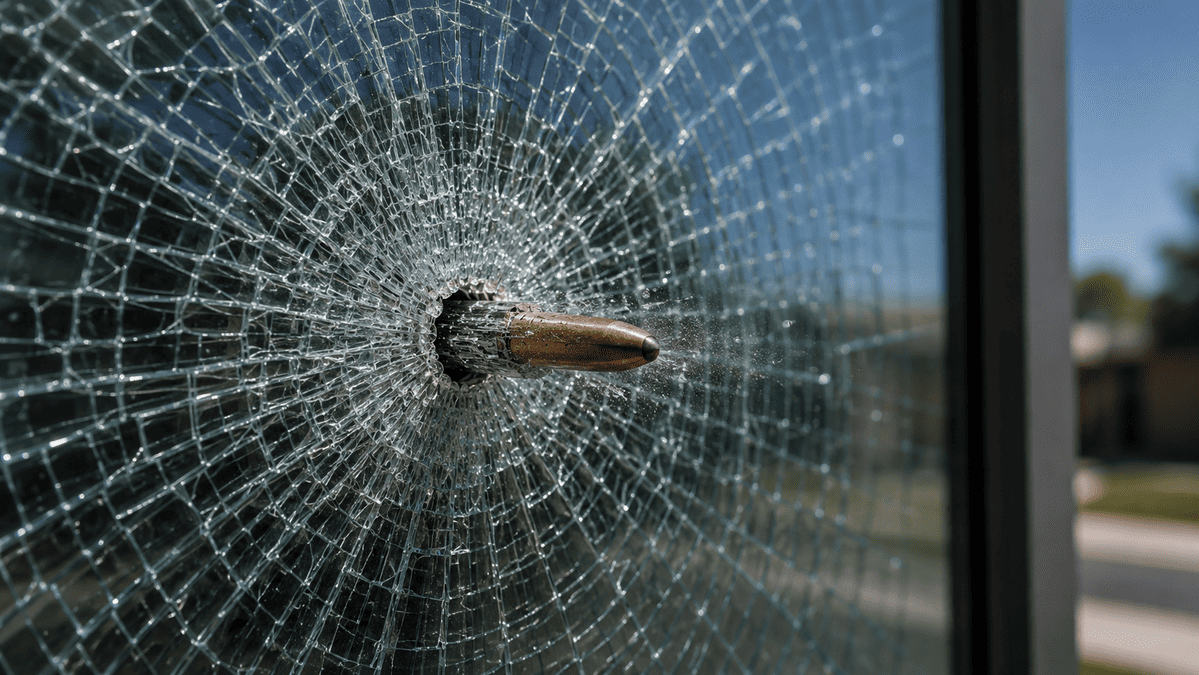
Riot glass refers to a class of security glass systems engineered to resist forced entry attempts, vandalism, looting, and in certified versions, ballistic impacts. Unlike standard commercial glazing—which shatters under moderate impact—riot glass maintains its integrity as a barrier even when struck repeatedly with tools, bricks, or other types of weapons. Its primary purpose is access denial: delaying or completely preventing unauthorized entry through vulnerable windows and doors.
Standard tempered glass may break into safer pieces than annealed glass, but it loses all protective function the moment it fractures. Security film applied to existing glass can hold glass fragments together temporarily, but it cannot create the structural resistance needed to prevent entry during sustained attacks. Riot glass solves both problems through composite construction that absorbs energy, prevents penetration, and continues functioning as a protective barrier even after multiple impacts. While not unbreakable glass, it is engineered to provide significantly greater resistance than conventional glazing.
Core Components and Materials
The effectiveness of riot glass comes from layering multiple materials with complementary properties:
Polycarbonate layers form the core of most riot glass systems, providing exceptional impact resistance—approximately 200-250 times greater than standard annealed glass. Polycarbonate flexes rather than shatters, absorbing energy from impacts without creating dangerous fragments. However, untreated polycarbonate scratches easily and degrades under UV exposure, which is why it’s typically protected by outer glass layers.
Laminated glass elements consist of glass sheets bonded with polymer interlayers such as PVB (polyvinyl butyral), EVA, or ionoplast materials. These interlayers hold glass fragments in place when windows broken under impact, preventing dangerous spalling and maintaining the structural integrity of the barrier. The glass facing provides scratch resistance, weather durability, and maintains the appearance expected in commercial properties.
Glass-clad polycarbonate (GCP) combines both approaches: glass on the exterior for durability and aesthetics, polycarbonate on the interior for impact resistance, with multiple interlayers bonding everything together. This hybrid construction delivers the benefits of both materials while minimizing their individual weaknesses.
Security Rating Systems
Understanding security rating systems helps you match protection levels to actual threats your property faces.
UL 752 ballistic ratings are the primary U.S. standard for bullet resistant glass used in buildings. The system defines discrete levels (1 through 10) based on weapon caliber, number of shots, and projectile velocity. Level 1 resists multiple 9mm handgun rounds; Level 4 stops .30-06 rifle rounds. For example, a UL 752 Level 4 rated panel typically requires approximately 1.29 inches thickness and weighs around 14 pounds per square foot.
Forced entry resistance standards address non-ballistic threats. ASTM F3038 tests whether glazing can withstand 15 minutes of attack by multiple people using hand tools—relevant for protection against forced entry during riots or burglary attempts. UL 972 provides burglary resistance ratings for glazing systems.
The relationship between ratings and materials is direct: achieving higher UL 752 levels requires thicker composites with more polycarbonate and additional glass layers, increasing both cost and weight. Non-ballistic forced entry protection can often be achieved with thinner, lighter, and less expensive materials.
Understanding these rating systems prepares you to evaluate the specific types of riot glass available for different risk scenarios.
Types of Riot Glass and Protection Levels
With rating systems established, selecting the right riot glass type depends on your threat assessment, budget constraints, and building requirements. Three main categories address different security needs.
Access Denial Glazing
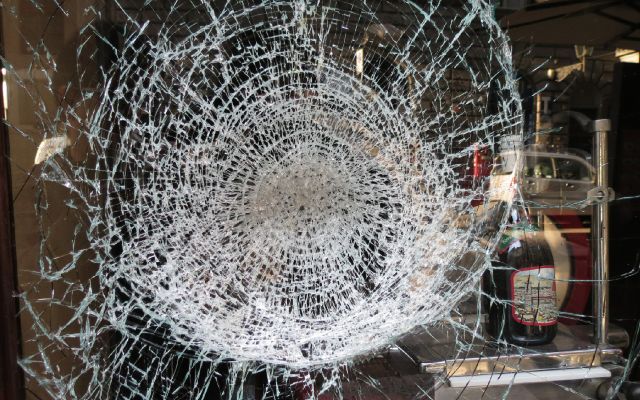
Access denial glazing—also called containment-grade or forced entry resistant glass—provides protection against smash and grab theft, break ins, and vandalism without ballistic certification. These systems use polycarbonate or laminated polycarbonate/glass composites, typically 4-6mm thick, designed to resist hammers, bricks, axes, and similar tools.
This category suits retail storefronts, specialty retailers with high-value merchandise, churches, and commercial properties in areas prone to civil unrest. The glazing maintains transparency and curb appeal while eliminating vulnerable windows as easier target entry points. For businesses facing property damage from vandalism or looting rather than armed threats, access denial glazing provides cost-effective protection without the expense of ballistic glass. It can also discourage would be intruders from attempting gaining entry through vulnerable storefront glazing.
Installation time is generally shorter, and structural requirements are lower than ballistic options, making this the most accessible entry point for upgrading glass security.
Ballistic-Resistant Glazing
Ballistic protection requires certified bullet resistant glass meeting specific UL 752 levels. These systems use glass-clad polycarbonate construction with sufficient thickness to stop projectiles—handguns at lower levels, rifles at higher levels.
Key specifications for ballistic glass include:
- UL 752 Level 1-3: Protection against handgun calibers (9mm, .357 Magnum, .44 Magnum)
- UL 752 Level 4-5: Protection against rifle rounds (.30-06, 7.62mm)
- UL 752 Level 6-8: Protection against higher-power rifle ammunition
A typical Level 4 panel offers approximately 75% light transmission—noticeable reduction from standard glass but maintaining visibility and natural lighting. Weight increases substantially: 14+ pounds per square foot versus 3-4 pounds for standard glazing.
For properties where ballistic threats exist—government buildings, financial institutions, high-profile retail locations—ballistic-resistant glazing addresses risks that access denial systems cannot. Cost and installation complexity increase proportionally with protection level.
Containment-Grade Glazing
Specialty applications require containment-grade glazing that combines forced entry resistance with specific performance characteristics. Correctional facilities, courthouses, detention centers, and high-security installations often specify these systems.
The J-Series sub-framing approach exemplifies this category: compression-fit frames install over existing window openings without drilling or permanently modifying building fabric, meeting ASTM F3038 forced entry standards while remaining removable. This solution addresses security needs in historic buildings where alterations are restricted.
Some installations combine approaches: containment-grade throughout with ballistic-rated panels at specific high-risk locations. This hybrid strategy manages cost while providing maximum protection where threats concentrate.
Understanding these categories enables informed decisions about installation methods and implementation strategies.
Installation Methods and Implementation
Choosing appropriate glazing types is only half the equation—implementation method significantly affects cost, timeline, and final performance. Most commercial riot glass projects involve retrofitting existing windows rather than new construction.
Retrofit Installation Process
Retrofit installation allows upgrading protection on existing windows and glass doors without complete glass replacement in many cases. The process follows these key steps:
- Threat assessment and threat evaluation: Analyze which risks—vandalism, burglary, forced entry, active shooter scenarios— apply to your property, determining the protection level required. Security should remain a top priority when selecting glazing solutions.
- Existing window analysis: Evaluate current frame strength, capacity to support additional weight, and whether existing glass will remain. Historic building constraints require special consideration at this stage.
- Material and rating selection: Choose between polycarbonate, glass-clad polycarbonate, or laminated glass based on threat profile, aesthetics requirements, and budget. Select appropriate UL 752 level or forced entry rating.
- Framing and seal design: Specify framing system (overglaze, back-glaze, structural, or compression sub-frame) with adequate edge engagement (minimum 19mm recommended), proper gaskets, and weathering seals.
- Installation and commissioning: Remove protective masking, install panels, seal connections, inspect for optical clarity and finish quality, verify warranty documentation.
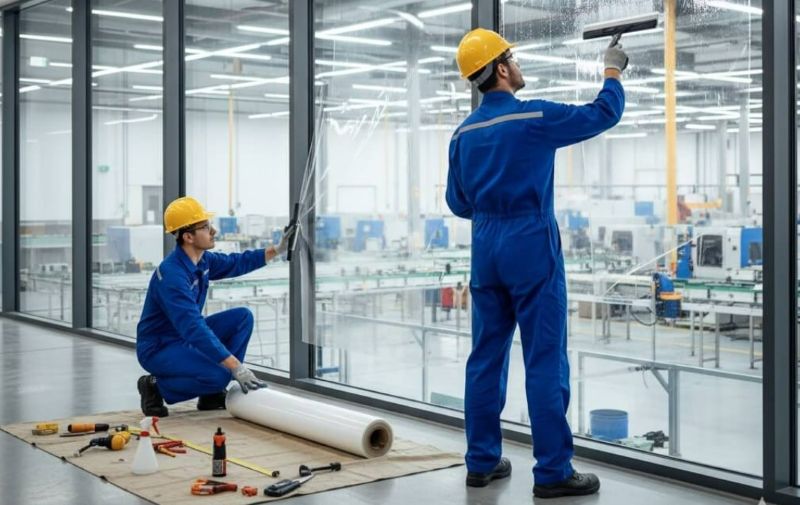
For small window retrofits, professional installation may complete in a single day. Large façade projects or historic buildings requiring custom framing and regulatory approvals may take weeks to months.
Framing System Comparison
Different framing approaches balance security performance, cost, aesthetics, and building constraints:
| Framing Type | Advantages | Limitations | Best Applications |
|---|---|---|---|
| Over-glazing | Less invasive; preserves original frames; faster install; lower labor cost | Adds visual depth; requires frame structural capacity | Non-ballistic protection; moderate budgets |
| Back-glazing | Hidden from exterior; minimal visual change | Requires interior access; may affect egress | Moderate protection levels; aesthetic priority |
| Structural glazing | Highest performance; clean integration; optimal weathering | Highest cost; full frame replacement; longer timeline | High ballistic levels; new construction |
| Compression sub-framing | Non-invasive; preservation-compliant; removable | Custom manufacturing time; visible interior framing | Historic buildings; government facilities |
For properties where frame modifications are acceptable, structural glazing with new frames provides the strongest integration. Where existing conditions must be preserved, compression systems like the J-Series allow security upgrades without permanent alterations.
These installation decisions connect directly to common implementation challenges.
Common Challenges and Solutions
Every riot glass project encounters practical obstacles. Anticipating these challenges enables better planning and budget allocation.
Historic Building Preservation Requirements
Many protected buildings prohibit drilling into original window frames or altering visible exterior elements. Compression-fit sub-framing systems install inside existing window openings without permanent modification, meeting forced entry or ballistic standards while maintaining architectural integrity. These systems can be removed later without trace, satisfying preservation requirements while providing modern security measures.
Budget Constraints and Cost Management
Ballistic glass costs escalate quickly—materials alone for UL 752 Level 4+ panels may run $3,000-$10,000+ per unit versus $500-$2,500 for standard storefront glass. Strategic prioritization manages costs effectively: install ballistic protection at high-risk vulnerable entry points (street-facing windows, entry doors, cashier areas) while using less expensive access denial glazing in lower-risk zones. This hybrid approach delivers meaningful protection without requiring ballistic-level investment throughout the entire building.
Per-square-foot costs range from $20-$35 for standard commercial glazing to several hundred dollars for installed ballistic systems, depending on rating level, framing requirements, optical specifications. Available products are manufactured in standard sizes for many commercial applications, though custom configurations are also available across the security glazing market.
Aesthetic Concerns and Visibility
Thick multi-layer panels reduce light transmission and may introduce visual distortion or haze. Solutions include specifying high-optical-clarity materials (low-iron glass, premium polycarbonate), ensuring glass-clad construction so exterior faces present traditional glass appearance, and concentrating thicker panels where view quality matters less. Modern riot glass achieves approximately 75-85% light transmission—noticeable but acceptable for most commercial applications prioritizing both security and appearance.
Addressing these challenges positions projects for successful completion.
Conclusion and Next Steps
Riot glass provides commercial properties with proven protection against forced entry, vandalism, ballistic threats, and other security concerns that standard glazing cannot address. The technology spans from economical access denial systems protecting against smash and grab theft to certified ballistic glass stopping rifle rounds—matching available solutions to actual threat profiles.
Take these steps to move forward:
- Conduct a security assessment of your property identifying vulnerable entry points, high-risk windows and doors, and areas requiring protection
- Evaluate threat levels specific to your location, business type, and historical incidents to determine appropriate rating requirements
- Consult with security glazing professionals who can assess existing frames, recommend appropriate products, and provide accurate cost estimates
- Develop an implementation plan that phases installation if budget requires, prioritizing critical areas first
For properties where riot glass represents more protection than needed, security film alternatives provide entry-level impact resistance at lower cost. Comprehensive security strategies typically combine glazing upgrades with complementary measures including security cameras, access control, and alarm systems to create layered protection.
Frequently Asked Questions
How much does riot glass cost per square foot?
Costs vary significantly by protection level. Non-ballistic polycarbonate retrofit systems typically run several hundred dollars per square foot installed. Ballistic systems meeting UL 752 Levels 3-5 cost substantially more depending on thickness, framing requirements, and optical specifications. Standard commercial glazing runs $20-$35 per square foot for comparison; specialty security glazing represents a meaningful multiple of that baseline.
Can riot glass be installed on existing windows?
Yes. Over-glazing, back-glazing, and compression sub-framing systems allow retrofit installation without replacing existing windows or frames. Success depends on existing frame strength supporting additional weight—professional assessment determines feasibility. Historic buildings often use removable compression systems that install without any permanent modification.
What’s the difference between riot glass and security film?
Security film is a surface layer applied to existing glass that may slow penetration and hold fragments together but cannot provide structural forced entry or ballistic resistance. Riot glass is a complete glazing system—laminated composites specifically designed to meet forced entry and ballistic standards. For serious security needs, riot glass delivers protection that window film cannot match and provides enhanced safety against glass-related hazards.
How long does riot glass installation take?
Timeline depends on scale, complexity, and regulatory requirements. A single window retrofit may complete in one day. Large commercial projects involving multiple windows, custom framing, or historic preservation approvals may require weeks to months including assessment, manufacturing, permitting, and installation phases. Project timelines may also vary depending on whether protection is being installed to deter a burglar or address broader security requirements.
Is riot glass bulletproof?
Only ballistic-rated products (those certified to UL 752 levels) provide bullet resistance—and “bulletproof” overstates reality. Even certified systems are “bullet resistant” rather than completely bulletproof; every rating specifies which calibers and how many shots the glazing withstands. Access denial riot glass without ballistic certification does not stop projectiles. Specify UL 752 Level 4 or higher for protection against rifle rounds and performance under extreme conditions.
Does riot glass affect natural lighting?
Yes. Multiple layers, thicker construction, and protective coatings reduce visible light transmission compared to standard glass. Typical ballistic panels transmit approximately 75% of visible light; high-quality polycarbonate achieves 80-90%. Some haze or minor color shift may occur. For most commercial applications, the reduction is acceptable while maintaining building energy efficiency and interior lighting quality.
What maintenance does riot glass require?
Maintain coatings by cleaning with appropriate non-abrasive materials. Avoid scratching polycarbonate surfaces. Inspect seals periodically for weathering. Replace panels if delamination, yellowing, or hazing occurs. Manufacturer warranties typically cover specific defects for defined periods—the Riot Glass RG Series includes a 5-year limited warranty covering yellowing and delamination.
Can riot glass be removed if needed?
Compression sub-framing systems are designed for removal without trace—particularly important for historic buildings or temporary installations. Structural glazing integrated into new frames represents permanent installation requiring professional removal. Over-glazing systems fall between these extremes, removable but potentially leaving minor evidence of attachment points.