Table of Contents
- What You Should Know
- Understanding Bullet Resistant Window Film
- Types and Applications of Security Window Film
- Installation and Performance Comparison
- Common Misconceptions and Limitations
- Conclusion and Next Steps
- Frequently Asked Questions
What You Should Know
Bullet resistant window film is a retrofit security product applied to existing glass that holds broken shards together and delays forced entry—but it does not stop bullets like purpose-built ballistic glass systems. This distinction matters critically for school administrators, commercial property managers, and security professionals evaluating protection options for vulnerable facilities.
This guide covers what security window film actually accomplishes, how it compares to ballistic glazing systems, installation requirements, realistic performance expectations, and when true ballistic protection becomes necessary. The content addresses common misconceptions while providing actionable guidance for security planning decisions.
Direct answer: Bullet resistant window film creates a tear-resistant barrier that anchors broken glass in place, delaying intruders for 1–2 minutes during forced entry attempts. This delay is usually enough time for police arrival during an active shooter situation, but the film itself does not stop bullets from penetrating standard glass.
Key takeaways from this guide:
- Security films delay intruders for 1–2 minutes, which is usually enough time for police arrival, but they do not stop bullets
- The effectiveness of the film is highly dependent on the quality and strength of the underlying glass it is bonded to
- True ballistic protection requires purpose-built ballistic glass; “ballistic” films generally only hold glass fragments together after a hit
- Reinforcing door glass and window glass on at least the main floor with bullet-resistant products can effectively slow down an intruder, allowing time for law enforcement to respond
- Cost savings of 50–70% compared to full ballistic glass replacement make security film a practical option for many facilities
Understanding Bullet Resistant Window Film
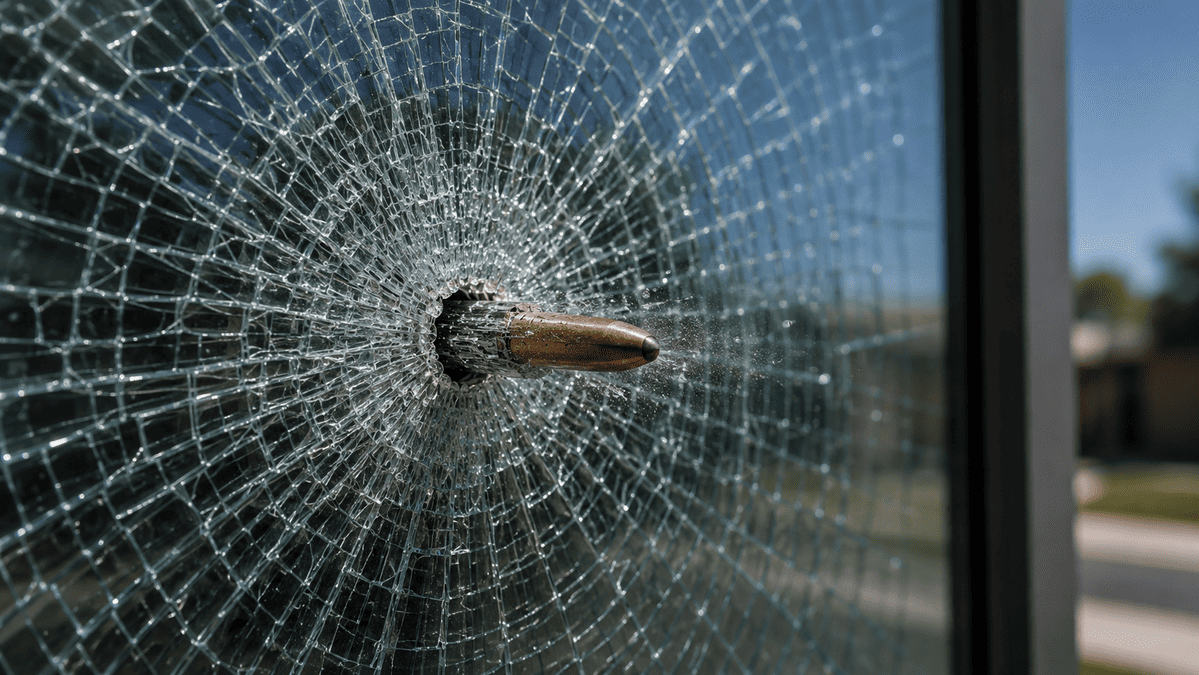
Security window film refers to a multi-layer polyester laminate adhered to the interior side of existing glass using structural adhesive systems. The film transforms standard glass into a safety barrier, reducing injuries from shattered glass during violent attacks, forced entries, or severe weather while providing UV protection and improved energy efficiency. However, it does not provide the same protection level as engineered ballistic glass systems tested and rated under standards like UL 752. Many facility managers researching Bullet Proof Film for Windows are often surprised to learn that security film is primarily designed to delay entry and retain glass fragments rather than stop bullets.
Bullet-resistant film is often a misnomer; in most cases, most films are designed to hold glass together rather than stop bullets entirely. This critical distinction separates fragment retention products from true ballistic protection systems such as bullet resistant glass and bullet proof glass.
How Security Film Actually Works
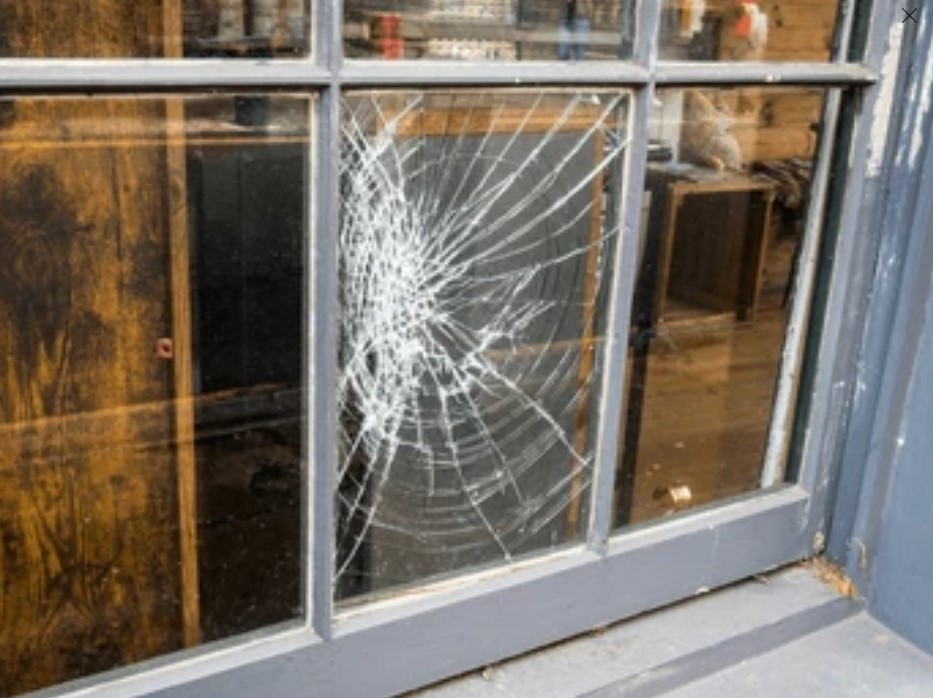
The primary mechanism of security window film is fragment control. When a projectile or impact breaks the glass, the film holds the shards in place, preventing them from flying inward and creating dangerous spall. Bullet-resistant window film acts as a high-strength, tear-resistant barrier primarily to delay forced entry by anchoring broken glass in place.
Structural adhesive bonding to the existing glazing frame is essential for performance. Edge sealing ensures that during an impact, the film-glass assembly acts as a single unit rather than allowing shattered glass to peel away or fall out. Without proper anchoring to the window frame, even high-quality film may fail to contain broken glass effectively.
The film creates a tough barrier that significantly delays intruders, providing critical time for building occupants to seek safety or for authorities to respond. Forced entry delay is distinct from stopping bullets—the film may not prevent penetration, but it creates valuable response time by requiring attackers to work through a resistant barrier rather than simply breaking through.
Security Film vs. Ballistic Glass Systems
Security window films, often referred to as ballistic window security film, hold broken glass in place and can delay entry during an attack. However, security window security film only contains glass fragmentation and delays entry; it does not achieve a ballistic rating unless installers apply it to ballistically rated glass.
Ballistic glazing protects building occupants from ballistic threats, unlike standard window films that do not stop bullets. Manufacturers test and certify ballistic glass systems under standards such as UL 752, which establishes 10 levels of protection:
- Level 1–3: Handgun threats (9mm through .44 Magnum)
- Level 4–6: Higher-powered handguns and lower-powered rifles
- Level 7–8: Rifle threats including 7.62mm rounds
- Level 9–10: Armor-piercing rounds up to .50 caliber
Bullet-resistant glazing can be made from materials such as polycarbonate, which is capable of stopping certain types of bullets from penetrating, while traditional glass is not designed for this purpose. Film can help achieve lower UL levels (1–3) when combined with appropriate laminated glass substrates, but film-only retrofits cannot meet higher rifle-level requirements.
Types and Applications of Security Window Film
Security film products vary by thickness, adhesive type, and tested performance claims. Applications range from schools and retail shops to office buildings and healthcare facilities, with different products suited to different threat profiles and budget constraints.
Standard Security Window Films
Standard security films are polyester-based laminates applied to the interior surface of existing windows. Thickness options range from 8 mil (approximately 0.2mm) for basic protection up to 41 mil configurations for maximum forced entry resistance, providing security window film protection against break-ins and vandalism.
Most high-quality security films block over 99% of harmful UV rays, protecting furniture, flooring, and merchandise from fading. This secondary benefit makes the investment more practical for commercial applications where window appearance matters, especially given how UV radiation accelerates fading of furniture and flooring.
Schools are increasingly installing bullet and shatter resistant glass and films as a measure of increasing security and providing protection to students and staff. Common implementation strategies prioritize entry vestibules, administrative offices, and first-floor windows facing exterior walkways—the zones where attackers are most likely to attempt to gain entry, where ballistic window films for school security can serve as a critical delay layer rather than true bulletproofing.
Ballistic Polycarbonate Systems
For higher threat levels, retrofit polycarbonate panels or multi-ply laminates combining glass, polycarbonate, and adhesive interlayers provide genuine ballistic protection. Products like BulletShield and DefenseLite install over existing glass or replace glazing entirely.
There is no such thing as ‘bulletproof glass’; instead, bullet-resistant products are designed to withstand specific ballistic threats and slow down intruders, allowing time for law enforcement to respond. These systems are pre-certified under UL 752 and involve replacement glazing or overlay systems rather than simple film application. A ballistic window film retrofit may be considered for lower-level threat mitigation, but it should not be confused with certified ballistic glazing systems.
The cost is substantially greater than film—often several times higher per square foot—but provides independently tested ballistic resistance rather than fragment retention alone. Weight and thickness increase significantly, and optical clarity may be affected in some configurations, which is why many facilities also consider architectural window films for security and energy efficiency as a complementary or alternative upgrade.
Active Shooter Mitigation Applications
Security professionals use active shooter mitigation techniques, materials, and security measures to prevent active shooter situations and slow individuals attempting to harm people in schools and other vulnerable locations with firearms. Security film represents one layer in comprehensive active shooter preparedness, alongside options like solar window film to manage heat and glare while adding protection.
Most security films do not stop bullets; they offer a cost-effective, transparent alternative to bars that protects against break-ins and storms. For school applications, this means treated windows can delay an intruder long enough for lockdown procedures to complete and law enforcement to arrive—without creating an institutional appearance that affects the learning environment.
Bullet-resistant window film enhances security by holding glass in place upon impact, significantly delaying forced entry, smash-and-grab robberies, and vandalism. Case studies from school districts report successful implementations without complaints from students, teachers, or staff, suggesting minimal disruption to daily operations when installed by professional security window film installers.
Installation and Performance Comparison
Properly installed security window films can provide a level of protection against forced entry and ballistic attacks by holding broken glass in place and preventing it from shattering inward. Installation quality directly determines whether the system performs as intended, making experienced providers of security window film and tinting services an important part of any upgrade plan. For example, two installations using the same film may perform very differently depending on anchoring methods and frame conditions.
Installation Process and Requirements
Professional installation follows a precise sequence to ensure maximum performance:
- Surface preparation and measurement: Thorough cleaning of glass surfaces, removal of any coatings, and precise measurement for film cutting. Any contamination or debris compromises adhesion.
- Film application and bubble elimination: Careful application of film to the interior glass surface, working out air bubbles and ensuring complete contact across the entire surface.
- Edge sealing with structural adhesive: Application of structural adhesive or mechanical anchoring systems to bond film edges to the window frame. This prevents shattered glass from peeling away or being pushed through during an attack.
- Curing time and performance testing: Adhesive systems require specific curing periods based on chemistry, temperature, and humidity. Testing after installation verifies system integrity.
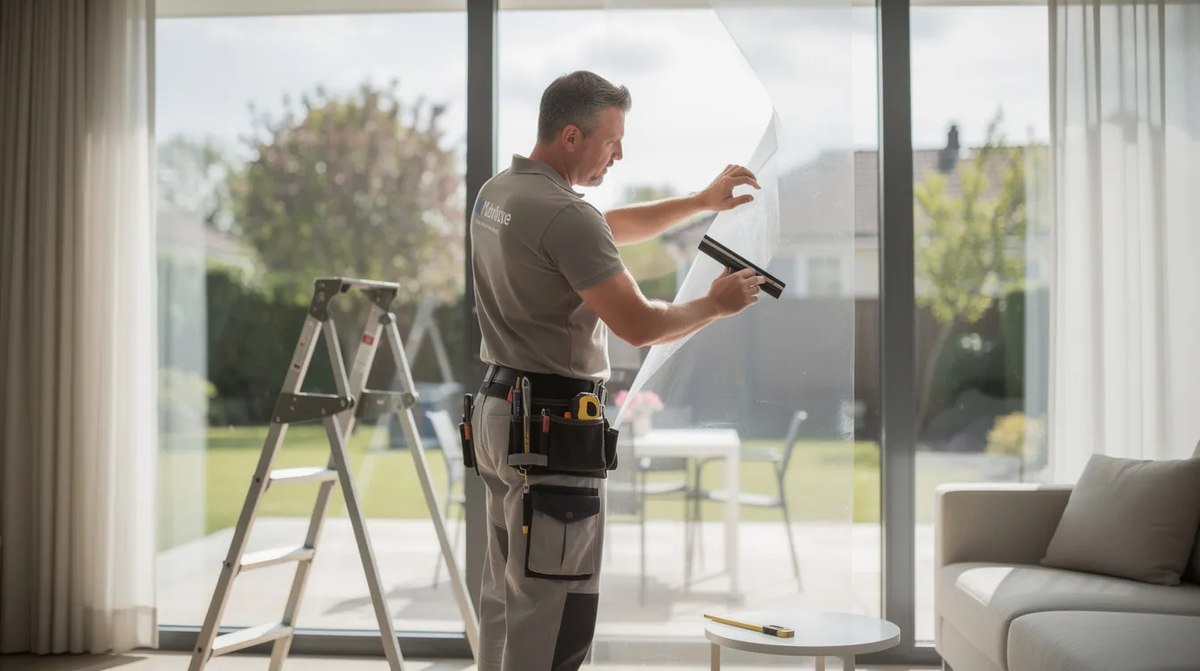
The effectiveness of the film is highly dependent on the quality and strength of the underlying glass it is bonded to. Film applied to weak, damaged, or thin glass provides substantially less protection than the same film on quality laminated glazing. Incorrect installation—poor edge bonding, compromised glass, inadequate cleaning—can cause failure at threat levels far below rated performance, underscoring the need for local security window film specialists who follow tested installation protocols.
Performance Comparison Table
| Criterion | Security Film (Retrofit) | Ballistic Glazing Systems |
|---|---|---|
| Bullet Resistance | Generally, none for rifle threats; may delay handgun penetration when paired with appropriate glass; film alone rarely achieves UL 752 levels | Designed to resist specific rounds; can achieve UL 752 Level 7–8 or higher, stopping rifle rounds depending on configuration |
| Forced Entry Delay | Significant delay (60+ seconds to several minutes) when glass, film, and frame all perform properly; keeps shards and pane intact | Even greater delay; maintains integrity under ballistic attack with built-in fragment control |
| Cost per Square Foot | Relatively low; 50–70% savings compared to full ballistic glass replacement | High; specialized materials and structural support requirements multiply costs |
| Installation Complexity | Lower; retrofits work with existing windows when glass is in good condition; minimal disruption | Higher; often requires frame replacement, structural reinforcement, and longer lead times |
| Visual Impact | Minimal; some tint or glare reduction depending on film type | Potential optical distortion from thickness; frame changes may affect sightlines |
| Bullet-resistant window film is primarily a forced-entry deterrent rather than a bullet-stopping solution. For facilities requiring genuine ballistic protection against rifle threats, full glazing system replacement remains necessary. For forced entry delay and fragment retention, properly installed security film provides substantial protection at significantly lower cost. |
Common Misconceptions and Limitations
Widespread confusion about bulletproof film capabilities leads to inappropriate product selection and unrealistic expectations. Understanding actual performance prevents dangerous overreliance on inadequate protection.
The Bulletproof Film Myth
Marketing materials frequently use terms like “bulletproof film” or “ballistic film” without clarifying that certification under standards like UL 752 typically applies to complete glazing assemblies—glass, film, and frame together—not the film alone. True ballistic protection requires purpose-built ballistic glass; “ballistic” films generally only hold glass fragments together after a hit. This is where facilities need a clear line between marketing claims and tested protection.
The confusion between spall protection (preventing glass fragments from causing injuries) and ballistic resistance (stopping bullet penetration) creates dangerous misconceptions. Standard window glass with security film cannot stop bullets from firearms commonly used in attacks. The film holds broken glass together, which delays entry and reduces fragment injuries, but does not create a ballistic barrier.
Realistic Expectations for Security Film
Security films delay intruders for 1–2 minutes, which is usually enough time for police arrival, but they do not stop bullets. This delay window is valuable—it provides critical time for lockdown procedures, evacuation, and law enforcement response while creating additional space for occupants to move to safer locations.
Bullet-resistant window film is primarily a forced-entry deterrent rather than a bullet-stopping solution. Realistic expectations include:
- Fragment retention preventing glass shards from injuring building occupants
- Forced entry delay requiring sustained effort to breach treated windows
- UV protection blocking over 99% of harmful rays
- Reduced damage from storms, vandalism, and accidents
- Lower cost compared to full glazing replacement
Over time, adhesive degradation from UV exposure, moisture, or temperature changes can reduce effectiveness. Glass scratching or fogging also affects performance. Regular inspection and maintenance schedules help ensure continued protection.
When True Ballistic Protection Is Needed
Facilities with high-risk profiles—government buildings, courts, police stations, healthcare facilities with security concerns, or locations with specific threat intelligence—often require glazing rated UL 752 Level 4 or higher. Rifle threats (AR-15 style weapons, AK-47 pattern rifles) exceed what film on standard glass can resist.
Reinforcing door and window glass on at least the main floor with bullet-resistant products can effectively slow down an intruder, allowing time for law enforcement to arrive during an active shooter situation. For many facilities, this combination of security film on lower-risk areas and ballistic glazing on high-vulnerability entry points provides balanced protection within budget constraints.
Weak window frames can compromise the entire system by failing to properly anchor ballistic glass or film-glass assemblies. A thorough security assessment should evaluate frame condition and anchoring capacity, not just glass and film specifications.
Conclusion and Next Steps
Bullet resistant window film provides meaningful protection through fragment retention and forced entry delay, but does not stop bullets like purpose-built ballistic glass systems. The film creates a tough barrier that significantly delays intruders, providing critical time for building occupants to seek safety or for authorities to respond—often the 1–2 minutes needed for law enforcement arrival.
Immediate action steps:
- Conduct a threat assessment identifying your facility’s specific risk profile and vulnerable entry points
- Inspect existing windows for glass condition, frame integrity, and current protection levels
- Prioritize high-risk zones: main entrances, administrative offices, first-floor exterior windows, door glass
- Consult with security professionals for product recommendations matched to your threat level and budget
- Request documentation of independent testing and UL certifications for any products considered
- Schedule a free consultation with qualified installers to evaluate existing glazing compatibility and work with an industry leader in commercial glass protection solutions.
Related security topics worth exploring include comprehensive building hardening approaches, emergency preparedness protocols, access control systems, and integration of physical security with electronic monitoring. Security film represents one layer in defense-in-depth strategies that protect building occupants through multiple complementary measures, which may also incorporate smart window films for on-demand privacy and light control and privacy window films to manage sightlines and confidentiality. Security professionals may also use limited video surveillance as part of a broader security strategy.
Frequently Asked Questions
Is bullet resistant window film actually bulletproof?
No. Bullet-resistant film is often a misnomer; most films are designed to hold glass together rather than stop bullets entirely. True ballistic protection requires purpose-built ballistic glass tested and certified under standards like UL 752. Security film delays forced entry and contains glass fragments but does not prevent bullet penetration through standard window glass, a distinction commonly referred to in the security industry.
How long does security window film delay forced entry?
Security films delay intruders for 1–2 minutes, which is usually enough time for police arrival. Actual delay time depends on film thickness, glass type, edge bonding quality, and frame strength. Thicker films (20–41 mil) with structural adhesive bonding and solid frames provide maximum delay.
What’s the difference between security film and ballistic glass?
Security window film is a retrofit layer that holds broken glass together and delays entry. Ballistic glass uses materials like polycarbonate in multi-layer configurations to stop bullets. Manufacturers test ballistic systems under UL 752 standards and certify them for specific threat levels. While security window films can help contain glass fragmentation and delay entry, they do not achieve ballistic ratings unless installers apply them to ballistically rated glass.
Can security film be installed on existing windows?
Yes, security film retrofits to existing glass without requiring window replacement. The quality and strength of the underlying glass largely determine how effectively the film performs.Professional installation with proper edge bonding to the existing glazing frame is essential for performance. Damaged, weak, or improperly sealed glass reduces protection significantly.
How much does bullet resistant window film cost compared to ballistic glass?
Security film installations typically cost 50–70% less than replacing windows with ballistic-certified glazing. Exact costs vary based on film thickness, glass condition, frame work requirements, and facility size. Ballistic glass requires thicker materials, specialized frames, and often structural reinforcement, multiplying costs per square foot.
What thickness of security film is recommended for schools?
For school entry points and administrative offices, mid-range to heavy films (15–41 mil) with laminated glass substrates provide appropriate protection. Systems claiming UL 752 Levels 1–3 require specific glass and installation specifications. Security professionals can recommend configurations based on threat assessment and budget constraints.
Does security film work against AR-15 style rifles?
Film on standard glass does not stop high-velocity rifle rounds from AR-15 style weapons or similar firearms. Defense against rifle threats requires ballistic glazing rated UL 752 Level 4–8 depending on specific ammunition. Security film may reduce glass fragmentation after rifle impact but will not prevent penetration.
How is security window film attached to prevent peeling?
Edge sealing with structural adhesive or mechanical anchoring captures film edges within the window frame. Molecular adhesion systems permanently bond film to glass at the substrate level. Proper edge bonding keeps shattered glass attached to the window frame and stops intruders from pushing it through during forced entry attempts. Professional installation is essential because improperly bonded film fails under much lower force levels than its rated performance.