Table of Contents
- What You Should Know
- Understanding Bulletproof Window Film vs. Security Film
- Types of Window Security Solutions
- Practical Applications and Installation
- Common Misconceptions and Solutions
- Conclusion and Next Steps
- Frequently Asked Questions
What You Should Know
True “bulletproof window film” does not exist—no standard security window film applied to existing glass can stop bullets on its own. However, security film provides substantial protection against forced entry, holds shattered glass together during impacts, and serves as a critical component in layered security strategies for schools, commercial buildings, and government facilities. Window security film remains one of the most widely used security upgrades for existing glazing. Ballistic Film is often discussed alongside these solutions because it helps strengthen glass and improve overall safety, even though true ballistic protection requires certified glazing systems.
This guide covers what security window film can and cannot do, the difference between film products and true ballistic glazing, cost considerations across protection levels, and how to select the right solution for your security needs. The target audience includes facility managers, school administrators, security consultants, and anyone responsible for protecting building occupants from threats ranging from break-ins to active shooter situations.
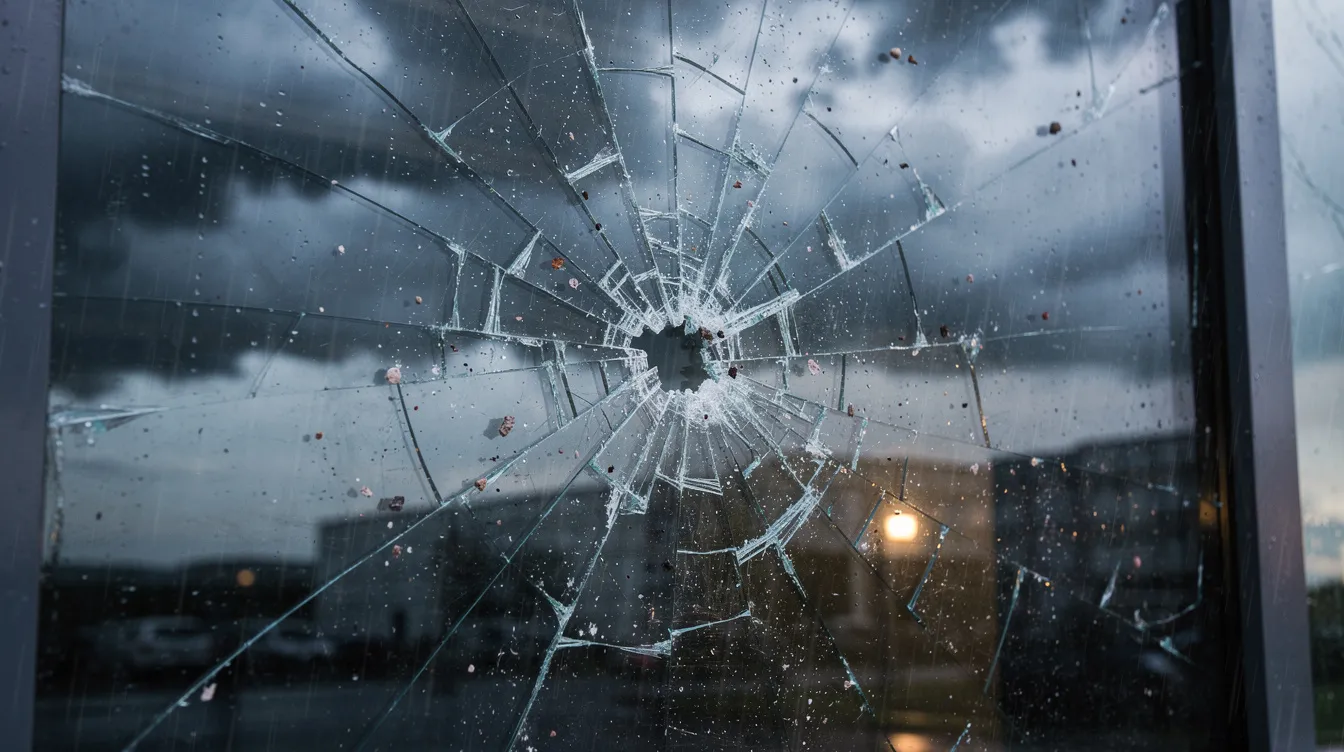
Direct answer: Security window film creates a shatter-resistant barrier that holds glass fragments together and delays entry during forced intrusion attempts, but it requires ballistic-rated glazing underneath to provide actual bullet resistance. It is technically bullet-resistant when combined with proper glazing systems, not bulletproof on its own.
By the end of this guide, you will understand:
- The actual capabilities and limitations of security window film
- How UL 752 ballistic rating standards determine true bullet resistance
- Cost comparisons between film systems and ballistic glass replacement
- Installation requirements and attachment system considerations
- How to implement a phased, cost-effective solution for your facility
Understanding Bulletproof Window Film vs. Security Film
Security window film is a multi-layer polyester laminate applied to the interior face of window glass. It is designed to hold shattered glass in place, reducing the risk of injury from flying glass shards during an impact or forced entry attempt. While it is often marketed as bulletproof, most industry experts clarify that standard film cannot entirely stop bullets on its own—the term “bulletproof film” is fundamentally misleading.
The confusion stems from aggressive marketing that conflates forced entry delay with ballistic protection. Understanding this distinction is essential before making any purchase decisions for your facility’s security.
What Security Window Film Actually Does
Security film excels at fragment retention. When glass breaks from impact, explosion, or severe weather, the film prevents razor-sharp glass shards from flying, which is a major cause of injury during these events. This creates a shatter-resistant barrier that significantly delays intruders and prevents broken shards from scattering during forced entries, explosions, or severe weather. Ballistic film for windows is often marketed for enhanced protection, although true ballistic resistance requires certified glazing systems.
Forced entry delay is another primary function. When a threat attempts to breach window glass, the film holds the broken glass together, forcing attackers to spend additional time and effort creating an opening large enough to pass through. This delay can provide crucial minutes for building occupants to evacuate or for law enforcement to respond during an active shooter event.
When used in conjunction with ballistic glazing, security film provides spall protection—containing small fragments or secondary projectiles that might otherwise penetrate the interior space. Security window film can enhance the performance of existing glass by reducing spalling, which occurs when glass fragments during a ballistic impact, thereby maintaining visibility and safety.
Film is often used as part of a layered security strategy, such as installing certified ballistic glass on ground floors and high-strength film on upper levels where threats are less direct.
What Constitutes True Ballistic Protection
There is no such thing as 100% bulletproof glass; instead, various types of bullet-resistant glass are available that can stop certain types of bullets from specific firearms, while window film does not provide this level of protection. True ballistic protection requires glazing systems independently tested and certified to specific standards.
The UL 752 Standard for Bullet Resistance is a critical benchmark for evaluating the effectiveness of bullet-resistant glazing, ensuring that products meet specific performance criteria against various calibers of firearms. This standard defines eight primary protection levels and provides a clear line between tested ballistic products and standard security films:
- Level 1: Three shots of 9mm FMJ at approximately 1,175-1,293 fps
- Level 2: Three shots of .357 Magnum at approximately 1,250-1,375 fps
- Level 3: Three shots of .44 Magnum at approximately 1,350-1,485 fps
- Level 4: One shot of .30-06 rifle at approximately 2,540-2,794 fps
- Level 5: One shot of 7.62mm military ball at approximately 2,750-3,025 fps
- Levels 6-8: Multiple rifle rounds including 5.56mm at higher velocities
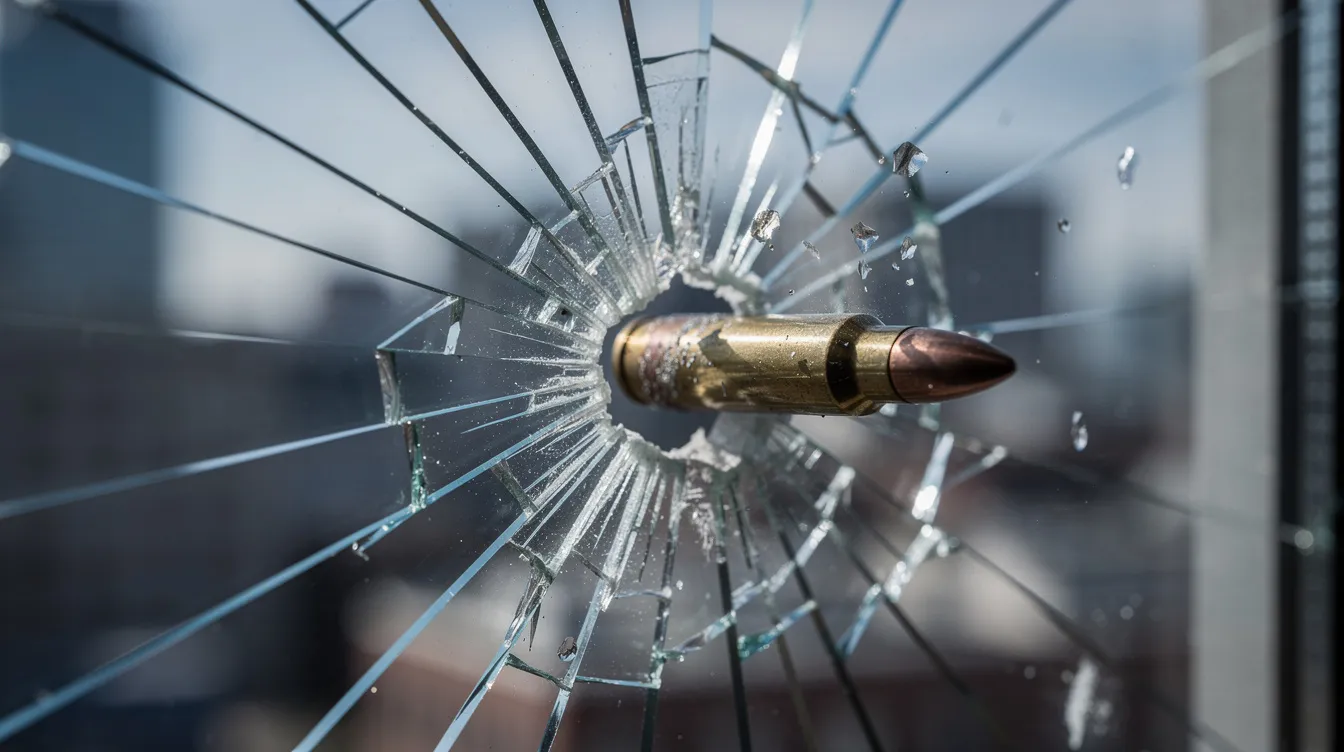
Bulletproof glass is designed to trap a bullet and disperse its energy, making it a more effective solution against ballistic threats compared to window film, which does not stop bullets but can help hold shattered glass in place. Bullet-resistant glazing is not the same as security window film; it is specifically engineered to withstand ballistic threats and prevent bullet penetration, while security window film primarily helps hold shattered glass together.
The relationship between film thickness and ballistic protection is often misunderstood. While security window film can delay forced entry by holding glass together, it does not stop bullets unless applied to ballistic-rated glass. The glazing substrate and frame anchoring are what determine actual bullet resistance—not the film alone.
Types of Window Security Solutions
Building on the distinction between security film and ballistic glazing, several protection levels exist between basic film and full ballistic glass replacement. Understanding these options allows you to match protection to threat level and budget.
Security Window Film Systems
Standard security film specifications range from 8-14 mil thickness (1 mil = 0.001 inch). The film typically ranges in thickness from 7 to over 23 mils; thicker films offer superior tear resistance. Heavy-duty options extend up to 41 mil with high-elongation interlayers that provide enhanced tear resistance under stress.
They are significantly cheaper to apply to existing windows than to replace them with specialized ballistic glass. Materials typically cost $7-$18 per square foot before installation, with professional installation adding $6-$28 per square foot depending on complexity.
An attachment system is highly recommended to anchor the film to the window frame for maximum strength. Without proper attachment, film-coated glass may fail at edges during impact—the glazing could simply pop out of the frame rather than maintaining its protective function. Attachment options include:
- Mechanical anchor profiles secured to the window frame
- Structural glazing adhesives bonding film edges to frame
- Perimeter caulk systems for continuous edge protection
- Nano-bond adhesive technologies for enhanced chemical adhesion
Ballistic Glazing Retrofit Systems
Bullet-resistant glazing options include various types of materials such as acrylic, laminated polycarbonate, glass-clad polycarbonate, and insulated glass, each designed to stop specific types of bullets from firearms. These systems replace or supplement existing glass with certified ballistic materials.
Polycarbonate shield systems mount interior or exterior to provide certified UL 752 protection. Glass-clad polycarbonate composites combine transparent aesthetics with genuine ballistic protection while managing weight and optical distortion. These systems typically cost $70-$150 per square foot.
Laminated glass replacement involves multi-ply glass with PVB or ionomer interlayers, sometimes with polycarbonate backing. These assemblies are measured in fractions of an inch rather than mils and are certified to specific UL 752 levels. Full replacement typically runs $100-$200+ per square foot including framing modifications.
Interior mounting is generally easier and less expensive than exterior installation. Exterior ballistic glazing must address temperature swings, UV exposure, moisture infiltration, and sealant performance over time.
Hybrid Protection Solutions
Combining security film with ballistic glazing creates layered protection appropriate for different threat zones within a facility. Many schools and commercial buildings use this approach—certified ballistic glazing for ground-floor entry points and main office areas, with security film providing fragment retention and forced entry delay on upper levels or secondary openings. This approach can help protect students while balancing security requirements and budgets.
Film enhances fragment retention even on ballistic glazing systems, preventing spall from compromising interior safety after a ballistic impact. This layered approach also provides disaster protection, helping windows withstand extreme weather such as hurricanes or explosions while maintaining ballistic resistance where needed.
Protection levels should match identified threat profiles: retail storefronts may need only forced entry protection, while schools require consideration of both small arms threats and rapid forced entry scenarios associated with active shooter events.
Practical Applications and Installation
It is installed on storefronts, schools, churches, and government buildings to protect against forced entry, active shooters, and robberies. It is applied to car windows to protect occupants from smash-and-grab crimes, providing a bullet-resistant barrier when combined with appropriate glazing. Understanding proper installation ensures these systems perform as intended during ballistic attacks and other security incidents.
Installation Process for Security Film
Security film installation requires professional execution to achieve rated performance. When installed correctly, film maintains its protective function for 5-10 years depending on environmental exposure.
- Glass surface preparation and cleaning: Remove all contaminants, existing adhesives, and coatings that could interfere with adhesion. Professional installers use specialized cleaning agents to ensure a smooth, dry surface free of oils and debris.
- Film application and bubble removal: Apply film to the interior glass surface using application solutions that allow positioning. Use squeegees systematically to remove air and moisture, working from center to edges. Wet application methods help achieve bubble-free adhesion.
- Structural adhesive attachment to frame: Apply perimeter adhesives or structural glazing adhesives to bond film edges directly to the window frame. This step is critical—without proper frame attachment, the entire glazing system can fail during forced entry or ballistic events.
- Curing time and final inspection: Allow adequate curing time (typically 24-72 hours depending on adhesive system and environmental conditions). Inspect for bubbles, wrinkles, edge lifts, and proper frame adhesion. Document installation for warranty purposes.
In the event of a blast, accident, or storm, the film prevents razor-sharp glass shards from flying, which is a major cause of injury—but only when installation is complete and properly cured.
Cost Comparison Analysis
Budget constraints often drive security decisions. This comparison helps facility managers and school administrators understand what protection levels are achievable at different investment levels.
| Solution Type | Cost Range (per sq ft) | Protection Level | Best Use Cases |
|---|---|---|---|
| Security Film (8-14 mil) | $10-$25 installed | Forced entry delay; fragment retention; no bullet stopping | Retail storefronts, administrative windows, upper floors |
| High-performance film + attachment | $25-$50 installed | Enhanced forced entry delay; fragment retention; partial threat buffer | Schools, offices, secondary entry points |
| Polycarbonate Shields | $70-$150 | UL 752 Levels 1-5; stops handgun rounds | Guard stations, reception areas, transaction windows |
| Full Ballistic Glass Replacement | $100-$200+ | UL 752 Levels 1-8; rifle protection | Government buildings, high-risk school zones, vaults |
Security film projects for residential applications typically range from $1,500-$15,000. Commercial installations can reach $20,000-$60,000 or more depending on scope. Full ballistic glass systems for critical infrastructure often require six-figure investments.
Most high-quality films block up to 99% of harmful UV rays, protecting interior furnishings from sun damage and fading—an ancillary benefit that can offset costs through reduced maintenance and replacement of interior assets. These long-term savings can help organizations preserve money while improving security.
Understanding these cost differentials helps organizations develop phased implementation strategies that match available funding with security priorities.
Common Misconceptions and Solutions
Security window film is often misrepresented as bulletproof; however, it is primarily designed to hold glass fragments together and delay entry rather than stop bullets. Addressing these misconceptions directly helps customers make informed decisions and avoid costly mistakes.
“Any Film Can Stop Bullets” Myth
The reality is unequivocal: no ordinary security film over standard float or tempered glass stops bullets. Film catches glass shards and slows intrusion, but penetration still occurs without proper ballistic-rated glazing underneath. Marketing claims suggesting otherwise create dangerous false security. No manufacturer can guarantee bullet-stopping performance from standard film alone.
Solution: Always demand documentation showing the complete system—film, glazing, and attachment—has been independently tested and certified. Look specifically for UL 752 level designations or ASTM F1233 ratings. Request test reports rather than accepting marketing copy. Contact manufacturers directly for verification before any purchase.
Thickness Equals Bulletproof Protection
Film thickness influences resistance to tearing and breakage, but ballistic protection depends on the complete system: material composition, interlayers, glass type, and frame integrity. A 40-mil film over weak float glass fails catastrophically if the frame cannot resist load or the glass substrate shatters.
Solution: Evaluate system performance holistically. Specify the glass substrate, attachment method, and frame reinforcement alongside film selection. Certified ballistic systems test the entire assembly—not individual components. Consult with qualified security professionals who understand complete system requirements rather than focusing on single-component specifications.
Cost-Effective Bulletproofing Expectations
True ballistic glazing is expensive, heavy, and may create optical or architectural constraints. Security film offers a cost-effective solution for forced entry protection but cannot substitute for ballistic-rated systems against firearms threats. Organizations seeking “cheap bulletproofing” often end up with inadequate protection or must eventually replace film-only installations with proper ballistic systems.
Solution: Implement a phased security upgrade approach. Conducting a site assessment to identify weaknesses, such as unlocked doors and vulnerable glass, is a crucial first step in preparing for an active shooter situation. Prioritize the most vulnerable or high-traffic areas—main entrances, reception, and administrative offices—for full ballistic protection. Use security film for secondary areas and upper floors where threat probability is lower. Schools should implement a closed campus policy, lock doors during school hours, and limit visitor access to enhance security against potential active school shooting incidents. Reinforcing door and window glass with bullet-resistant products can significantly slow down an intruder, allowing more time for law enforcement to respond during an active shooter event. This approach is especially valuable when security budgets are limited.
Many schools and public facilities qualify for safety grants that can offset costs of glazing upgrades. State and federal school safety funding programs often cover glass hardening as part of comprehensive security improvements.
Conclusion and Next Steps
Security window film provides valuable protection against forced entry, flying glass shards, and environmental hazards—but it is not bulletproof. Understanding this limitation is essential for making informed security decisions. True bullet resistance requires certified ballistic glazing systems tested to UL 752 or equivalent standards, with security film serving as an enhancement rather than a substitute.
Active shooter mitigation refers to techniques, materials, and security measures used to prevent and slow individuals attempting to harm people in populated areas with firearms. Glazing protection is one component of comprehensive security planning that should also address access control, emergency response protocols, and ongoing risk assessment.
Immediate next steps:
- Assess current security needs and threat levels by identifying vulnerable entry points, door glass exposure, and areas where building occupants concentrate
- Schedule a professional security assessment with qualified consultants who can evaluate your specific facility and recommend appropriate protection levels
- Compare certified ballistic solutions from multiple vendors, requiring UL 752 documentation and installation credentials
- Develop a phased implementation approach that addresses highest-risk areas first while planning for comprehensive protection over time
- Request a free consultation from certified security glazing installers to understand costs and timelines for your specific application
Related topics worth exploring include integrated access control systems, emergency response planning for active shooter scenarios, and ongoing security maintenance protocols. Many schools and businesses find that glazing protection works best as part of a comprehensive security strategy that addresses multiple threat vectors simultaneously. Security teams may also incorporate video monitoring to strengthen overall protection efforts.
Frequently Asked Questions
Is bulletproof window film real?
No, there is no such thing as a truly bulletproof film for windows. The term “bulletproof film” is a marketing misnomer. Security window film holds broken glass together and delays forced entry, but it cannot stop bullets when applied to standard window glass. True bullet resistance requires ballistic-rated glazing systems certified to standards like UL 752.
How thick does security window film need to be to stop bullets?
No thickness of security film alone can stop bullets. The film typically ranges from 7 to over 23 mils, with thicker films offering superior tear resistance against forced entry—but ballistic protection depends on the complete system including certified bullet-resistant glazing, not film thickness. Even 40-mil film over standard glass will not prevent bullet penetration.
What’s the difference between security film and ballistic glazing?
Security film is a polyester laminate applied to existing glass that holds shattered glass together and delays entry. Ballistic glazing consists of specialized materials—acrylic, laminated polycarbonate, glass-clad polycarbonate, or multi-layer glass—engineered to stop specific caliber bullets. Bullet-resistant glazing is certified to UL 752 standards; security film is not rated for ballistic protection.
Can security window film stop an AR-15 bullet?
No. Security window film cannot stop rifle rounds from an AR-15 or similar firearms regardless of film thickness. Stopping rifle-caliber threats requires ballistic glazing rated to UL 752 Level 4 or higher. Even handgun rounds penetrate standard security film installations. It is technically bullet-resistant only when combined with proper ballistic-rated glazing substrates.
How much does bulletproof window protection cost?
Costs vary significantly by protection level. Security film runs $10-$25 per square foot installed. Polycarbonate shield systems cost $70-$150 per square foot. Full ballistic glass replacement ranges from $100-$200+ per square foot including framing. A typical commercial security film project costs $20,000-$60,000, while comprehensive ballistic glazing for a school or government facility can exceed six figures.
Do schools use bulletproof window film?
Many schools use security window film as part of layered security strategies, but film alone does not provide bulletproof protection. Schools typically reinforce entry vestibules and main office windows with security film to delay forced entry and contain glass fragments, allowing more time for lockdown procedures and law enforcement response. Schools in higher-risk areas may install certified ballistic glazing on ground-floor entry points to help protect students and their family members who visit the facility.
What UL rating should I look for in ballistic protection?
The appropriate UL 752 level depends on anticipated threats. Level 1-3 protects against handguns (9mm through .44 Magnum). Level 4-5 addresses rifle threats (.30-06 and 7.62mm military ball). Levels 6-8 protect against multiple high-velocity rifle rounds. Most school and commercial applications specify Level 1-3 for handgun protection; government and high-risk facilities may require Level 4 or higher.
Can security window film be installed on existing windows?
Yes, security window film is designed for retrofit application to existing glass. Professional installation includes surface preparation, film application, and structural adhesive attachment to the window frame. However, the underlying glass substrate and frame condition affect performance. Weak frames or damaged glazing may require replacement or reinforcement for optimal protection. Most installations can be completed without replacing the entire window assembly.