
Table of Contents
- What You Need to Know
- Understanding Burglar Proof Windows
- RC Resistance Classes Explained
- Types of Burglar Proof Glass and Installation Methods
- Common Challenges and Solutions
- Conclusion and Next Steps
- Frequently Asked Questions
What You Need to Know
Burglar proof windows are security windows specifically designed to deter break ins by combining laminated glass, reinforced frames, and advanced locking systems that significantly hinder access attempts. These windows create a mechanical barrier that delays forced entry for measured periods, giving homeowners critical response time and often causing burglars to abandon their efforts entirely.
Given the high number of burglaries, especially in Poland, securing your house requires robust protection for both windows and doors. This guide covers everything you need to know about burglar proof windows for residential properties: resistance class ratings from RC1 to RC6, glass types including laminated and polycarbonate options, installation methods for both new construction and existing windows, and realistic cost expectations. The target audience includes homeowners evaluating security upgrades for their house, property managers responsible for building protection, and security-conscious individuals seeking effective protection against burglary by reinforcing both windows and doors.
Direct answer: Burglar-proof windows are categorized into resistance classes from RC1 to RC6, with RC1 offering minimal protection and RC6 providing the highest level of security. EN 1627 provides a European standard with RC2 recommended for standard homes to resist basic tools, and RC3 for high-risk areas to resist crowbars and drills. These windows can delay forced entry for 3 to 20+ minutes depending on their resistance class rating.
By the end of this guide, you will understand:
- How RC resistance classes work and which level suits your property
- The differences between glass window types and their protective capabilities
- Installation options for retrofit and complete replacement scenarios
- Realistic budgeting for burglar proof window upgrades
- How these improvements affect insurance premiums and property value
Understanding Burglar Proof Windows
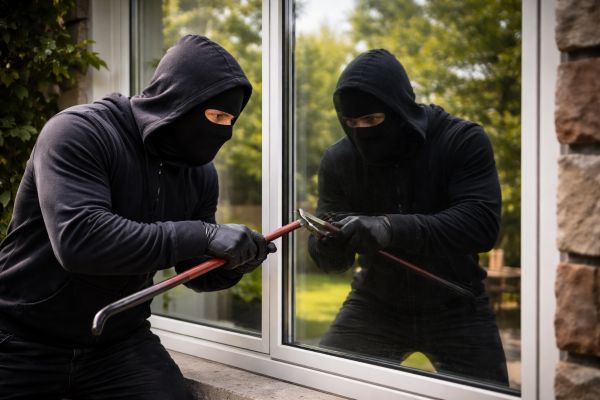
Burglar proof windows function as mechanical protection systems that create layered barriers against forced entry attempts. Unlike standard windows that can be breached in seconds, these security solutions integrate multiple components that must be defeated simultaneously, making successful burglary significantly more difficult and time-consuming.
Affordable security devices, such as alarms and reinforced windows, act as an effective safeguard for valuables and overall home security by complementing physical barriers and enhancing your protection against break-ins. Don’t forget that layered security measures often provide the best overall protection.
Core Components and Materials
Laminated glass features a plastic interlayer sandwiched between glass panes, preventing shattering upon impact. When struck, the glass may crack, but the interlayer holds fragments together, maintaining the barrier and preventing the dangerous inward shattering that creates easy entry points. Glass classifications under EN 356 range from P4A through P8B, with P6B and higher providing meaningful burglary resistance rather than just safety glass protection.
Reinforced frames made of steel, aluminum, or reinforced vinyl/fiberglass offer better resistance to being pried or broken compared to standard materials. Using advanced locks, such as mushroom head locks and keyed sash locks, adds significant security to windows. Multi-point locks secure the window in multiple spots, preventing forced entry by engaging the frame at several positions rather than relying on a single latch point. Anti-drill plates protect lock mechanisms from tool attacks that would otherwise compromise the entire system. Materials like polycarbonate and laminated glass are valued for their durability, offering strong resistance to mechanical damage and ensuring long-term performance against both forced entry and regular wear.
The effectiveness of burglar-proof windows is often classified according to European standards, indicated by Resistance Class (RC) ratings, which assess their ability to withstand various burglary methods. Each component—glazing, frame, locks, and hardware—must meet class-specific requirements, as the weakest element determines the overall protection level.
How They Differ from Standard Windows
Standard windows typically use single or double-glazed float glass, sometimes tempered glass for safety purposes, but neither is designed to resist determined forced entry. For example, a burglar might simply break the glass with a heavy object or force the handle open with a crowbar, quickly gaining access to the property. Tempered glass is significantly stronger than standard glass; if broken, it crumbles into small, less dangerous pieces. However, this shattering characteristic actually aids burglars by creating immediate access rather than maintaining a barrier.
Burglar-proof windows can incorporate toughened or laminated glass, which provides enhanced resistance to mechanical damage and makes forced entry more difficult. While regular glass windows can be breached in seconds with a simple tool, security glazing combined with reinforced frames and advanced locking systems creates resistance measured in minutes under standardized attack conditions.
ASTM E2190 ensures laminated and tempered glass meet strict strength requirements for impact resistance, while AAMA Certification ensures window components meet strict performance tests for wind load and forced entry resistance. Standard residential windows undergo no such forced entry testing.
RC Resistance Classes Explained
The RC (Resistance Class) system provides standardized protection ratings under EN 1627, replacing older WK classifications with clear, testable criteria. These ratings span from RC1 through RC6, with each level specifying the tools attackers may use and the minimum resistance time the window must provide during testing.
RC2 and RC2 N: Basic Protection
RC2 windows are designed to withstand an amateur burglar for three minutes, but experienced burglars can breach them in about one minute due to the glass not being tested for resistance. This class assumes attackers use simple tools like screwdrivers, pliers, and wedges—the implements an opportunistic burglar finds readily available.
RC2 N windows present a significant security concern that many homeowners overlook. The “N” designation indicates normal glazing rather than laminated safety glass, meaning the frame and hardware meet RC2 requirements while the glass pane itself offers minimal break-in protection. For residential security film applications in low-risk areas, standard RC2 with P4A or better glazing provides adequate baseline security, but RC2 N should be avoided where genuine protection is needed.
RC3 and RC4: Standard Home Security
RC3 windows provide effective burglary protection, requiring a practiced burglar to take about five minutes to break in, although the glass specified for these windows can be broken in around 15 seconds. This class introduces resistance against crowbars and multiple screwdriver attacks, making it suitable for typical residential applications where burglars typically abandon attempts after 3-5 minutes.
RC4 windows are expected to delay an experienced burglar for approximately ten minutes, but the standard does not test the glass, which can be broken in about 30 seconds. This class adds protection against axes, chisels, and portable drills, creating a more durable barrier for properties with higher value or greater risk exposure. The construction includes additional locking points and reinforced frame profiles capable of withstanding sustained prying attacks.
RC5 and RC6: Maximum Security
RC5 windows are designed to withstand forced entry for up to 15 minutes against experienced burglars using power tools, including drills and small angle grinders. This resistance class serves high-risk residential properties, valuable collections, or ground-floor access points in crime-prone areas where professional burglars might attempt entry.
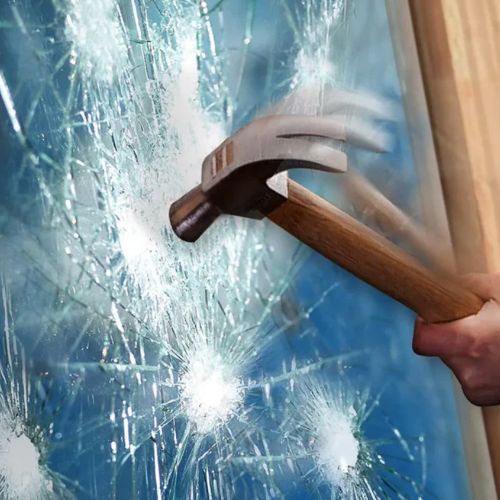
RC6 windows can resist for over 20 minutes against similar threats, including heavy power tools like large angle grinders and hydraulic equipment. Hammerglass, a type of unbreakable glass, is certified as being of Security Class P8B, which corresponds to the highest protection class for security grilles and roller shutters, and can withstand 70 axe strokes without breaking. These specifications typically apply to commercial, institutional, or government installations rather than standard residential use.
Types of Burglar Proof Glass and Installation Methods
Understanding the relationship between glass options, installation methods, and cost enables informed decisions that balance security needs with practical constraints. In many cases, you can replace existing glass or fittings with burglarproof components to significantly enhance window security. The choices you make here directly impact both protection levels and long-term value.
Glass Options and Performance
| Glass Type | Thickness Range | Break Resistance | Recommended RC Class |
|---|---|---|---|
| P4A Laminated | 8-12 mm | Impact resistant, penetrable with sustained effort | RC2 minimum |
| P5A Laminated | 10-15 mm | Better tool resistance, still vulnerable to determined attack | RC2-RC3 |
| P6B Security | 15-30 mm | Resists axes, sledgehammers; significant delay | RC3-RC4 |
| P7B Security | 20-35 mm | Power tool resistance | RC5 |
| P8B Maximum | 25-40+ mm | Extended power tool resistance | RC6 |
| Polycarbonate | Varies | Nearly impossible to break through | All classes |
| Polycarbonate panels are significantly more difficult to break than both standard glass windows and laminated glass, providing superior protection against forced entry attempts and burglaries. These materials offer times stronger impact resistance than traditional glazing, though they may present optical clarity trade-offs. |
Unbreakable laminated glass, often referred to as ‘shatterproof glass’, is designed to hold glass shards in place when broken, preventing dangerous inward shattering, but is not completely unbreakable. The term “unbreakable” refers to the glass maintaining its barrier function rather than literal indestructibility.
Security window films are applied to existing glass to hold panes together when struck. Professional security window film installation holds shards together if broken, delaying entry similar to laminated glass—a cost-effective option when complete window replacement isn’t feasible.
Installation Methods
Retrofit installation allows upgrading existing windows with new glazing and enhanced locks without complete frame replacement. This approach works when the current frame and surrounding structure can support security-rated components. Professional assessment is essential, as weak points in the frame or wall connection will limit achievable protection regardless of glass quality. Burglar-proof windows and security components should be professionally installed to ensure maximum effectiveness and maintain warranty coverage.
Complete window replacement provides maximum security by ensuring all components—frame, glazing, hardware, and anchoring—meet specified resistance class requirements. This option costs more but eliminates compatibility concerns and provides integrated protection certified as a complete system.
Attachment window systems serve historic buildings or rental properties where modifying existing architecture isn’t permitted. Internal security panels, secondary glazing, or external grille systems preserve the original appearance while adding protection. Impact ratings test a window’s ability to resist impact and pressure, ranging from Level A to Level E, providing benchmarks for these supplementary systems.
Installation timelines vary from 1-2 days per window for retrofits to several weeks for complete replacement including manufacturing lead time. DP (Design Pressure) Ratings measure the structural load a window can withstand; a DP rating of 50 or higher is recommended for high-risk areas where severe weather compounds security concerns.
Cost Considerations and Property Value
The cost of installing burglar-proof windows can vary significantly based on the resistance class, with higher classes offering better protection at a higher price. Typical ranges include:
- Security film retrofit: $150-$550 per window
- Laminated glass replacement: $500-$1,200 per window
- RC2 complete units: $800-$1,500 per window
- RC3-RC4 complete units: $1,200-$3,000+ per window
Burglar-proof windows can increase the value of a property, as they provide a sense of security and are considered a critical factor in the real estate market. In security-conscious neighborhoods, properties with documented RC-rated windows often command premium prices.
Investing in burglar-proof windows is often seen as a long-term cost-saving measure, as they can reduce the likelihood of break-ins and the associated costs of theft and property damage. Insurance companies in many cases offer reduced premiums for homes with verified security upgrades, creating ongoing energy savings in your security budget. This benefit is especially valuable when security upgrades are focused on the same spot that burglars are most likely to target.
Common Challenges and Solutions
Implementing burglar proof windows involves practical considerations that require thoughtful solutions. Understanding these challenges beforehand prevents costly mistakes and ensures your security investment delivers intended protection.
Historic Building Restrictions
Solution: Use internal attachment systems or heritage-approved retrofit glass that maintains the existing architecture and appearance. Modern security glazing can be manufactured to match historic muntin patterns and sight lines. Interior-mounted laminated panels provide protection without altering the facade, satisfying preservation requirements while delivering genuine security improvements.
Budget Constraints
Solution: Prioritize ground floor and accessible windows where burglars most commonly attempt entry. In many cases, criminals target the easiest access points—securing these first provides disproportionate protection relative to cost. Consider security window films as an interim measure on remaining windows, then upgrade glazing when budget allows. This phased approach creates immediate improvement without requiring full investment upfront.
Balancing Security with Fire Safety
Solution: Ensure bedroom windows remain operable for emergency egress, using quick-release locks where required by local fire codes, as accessible fire escape routes are especially important at night when occupants are sleeping. Casement and picture windows are among the most secure window types due to their design and locking mechanisms, and casement windows are considered more secure than sliding windows because they are harder to pry open—while still permitting emergency exit when needed. Specify hardware that meets both security ratings and egress requirements during the planning phase.
Conclusion and Next Steps
For most residential applications, RC2-RC4 windows with P6B glazing provide effective protection that balances security needs with practical cost considerations. The combination of reinforced frames, quality laminated glass, and multi-point locking systems creates barriers that deter opportunistic burglars and significantly delay determined attackers.
Immediate action steps:
- Assess your current windows for weak points: glass type, lock quality, frame condition, and wall anchoring
- Determine your risk level based on neighborhood crime statistics, property visibility, and valuables present
- Get quotes from certified installers who can provide documentation of EN 1627 compliance
- Verify that proposed solutions meet local building codes for fire safety and egress
Related security topics to explore: reinforced door systems that complement window protection, alarm systems with glass-break sensors that detect the specific sound frequency of breaking glass and trigger immediate alerts, and comprehensive security assessments that identify all potential entry points. Glass-break sensors detect the specific sound frequency of breaking glass, triggering alarms that produce noise which attracts attention and deters burglars—a valuable complement to physical barriers.
Frequently Asked Questions
Do burglar proof windows increase property value?
Yes. Burglar-proof windows can increase the value of a property, as they provide a sense of security and are considered a critical factor in the real estate market. In security-conscious areas, documented RC-rated windows can contribute to price premiums of 5-10%, while reduced insurance costs add ongoing financial value.
How much do burglar proof windows cost?
Costs range from $150-$550 for security film on existing windows, $500-$1,200 for laminated glass replacement, and $1,000-$3,000+ for complete RC-rated window units. The cost of installing burglar-proof windows can vary significantly based on the resistance class, with higher classes offering better protection at a higher price.
What’s the difference between RC2 and RC2 N?
RC2 N uses normal glazing (“N”) rather than laminated safety glass. While the frame and hardware meet RC2 standards, the glass pane itself offers minimal protection. RC2 with proper P4A or better glazing provides genuine security; RC2 N should be avoided for meaningful protection.
Can I retrofit my existing windows?
Yes, if the frame structure is sound. Retrofit options include replacing glass panes with laminated glazing, upgrading locks to multi-point systems, and adding security film. However, the frame and wall connection may limit achievable protection levels. Professional assessment determines whether retrofit or replacement makes more sense.
How long do burglars typically spend trying to break windows?
Research indicates most burglars abandon attempts after 3-5 minutes of resistance. This psychology underlies the RC classification system: RC2 provides 3-minute resistance, RC3 provides 5 minutes, and higher classes extend delays further. Each additional minute significantly increases the likelihood that a burglar finds the effort not worthwhile.
Are lockable window handles necessary with security glass?
Yes. Even with resistant glazing, handles that allow tilt or opening create access points. Multi-point locks secure the window in multiple spots, preventing forced entry. Using advanced locks, such as mushroom head locks and keyed sash locks, adds significant security to windows regardless of glass type.
Do I need burglar proof windows if I have an alarm system?
They serve complementary functions. Alarm systems detect intrusions and alert responders; burglar proof windows delay or prevent entry. The combination provides optimal protection: physical barriers buy time while alarms ensure response. Many insurance companies recognize this combination with premium reductions.
Can burglar proof windows be opened for emergency escape?
Yes. Security hardware can include quick-release mechanisms that meet egress codes while maintaining protection when locked. Bedroom windows in particular must remain operable for fire safety. Specify hardware that balances security with emergency access during planning.
How do I know which RC class I need?
Assess your risk factors: local crime rates, window accessibility, property value, and insurance requirements. For most homes, RC2 provides adequate protection. RC3 suits high-risk areas or ground-floor access points. RC4 and above address specific high-value situations. Professional security assessments help determine appropriate levels.
Will burglar proof windows reduce natural light?
Thicker laminated glazing may slightly reduce light transmission, though modern interlayers maintain high optical clarity. Reinforced frames may require larger profiles, marginally reducing glass area. Select materials specifically rated for optical quality if light transmission is a priority and discuss this concern with your installer during specification.