Table of Contents
- Introduction
- Understanding Window Security Film
- Film Composition and Materials
- Thickness Classifications
- Security Film Types and Applications
- Clear Security Films
- Tinted Security Films
- Specialized Security Films
- Installation Methods and Professional Implementation
- Professional Installation Process
- DIY vs. Professional Installation Comparison
- Common Challenges and Solutions
- Glass Compatibility Issues
- Adhesion and Bubbling Problems
- Performance Expectations vs. Reality
- Conclusion and Next Steps
- Frequently Asked Questions
- Additional Resources
Introduction
Window security film is a polyester-based protective laminate that strengthens glass windows against break-ins, impacts, and accidental breakage by holding shattered glass together when the pane is compromised. This added one layer of protection transforms standard glass into a more secure barrier that resists forced entry and reduces the risk of injury from flying glass fragments.
This guide covers residential and commercial applications of security films, installation requirements, performance standards, and cost considerations. Automotive window films fall outside this scope. The target audience includes homeowners evaluating safety upgrades, business owners protecting storefronts, and security professionals specifying glass protection solutions for buildings.
Direct answer: Window security film is a multi-layer polyester coating with adhesive backing that holds shattered glass in place when breakage occurs and significantly increases the time and effort required to penetrate glass windows—typically increasing impact resistance by 8× or more compared to untreated glass.
After reading this guide, you will understand:
- The difference between film types and how to select the right window film for your needs
- Installation methods and when professional implementation is essential
- Realistic security benefits and limitations of window film protection
- Cost ranges for materials and professionally installed solutions
- Maintenance requirements for long-term performance
Understanding Window Security Film
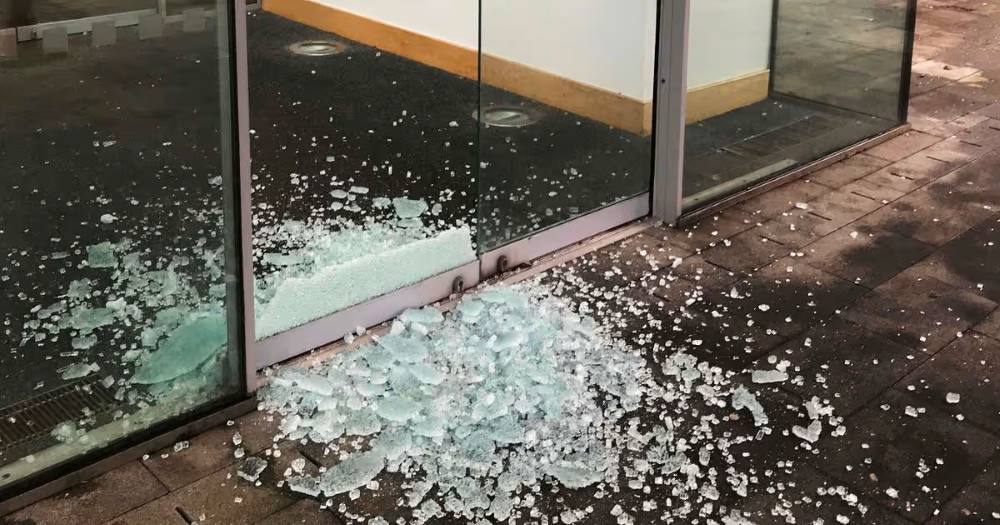
Window security film is a clear or tinted polyester laminate applied to interior glass surfaces using specialized adhesives. Its primary function is twofold: hold shattered glass fragments together when glass breaks and create resistance against repeated impacts during forced entry attempts. Unlike decorative films that serve aesthetic purposes only, security films are engineered and tested to specific safety and performance standards.
The film works by absorbing and distributing impact energy across a larger surface area. When glass breaks, the film’s tensile strength—reaching approximately 25,000 psi in quality products—prevents fragments from separating and becoming dangerous projectiles. This protection helps protect building occupants from accidents and property damage while simultaneously making windows far more difficult to breach.
Film Composition and Materials
The fundamental substrate in security film is polyethylene terephthalate (PET), a biaxially oriented polyester known for optical clarity, dimensional stability, and mechanical strength. Quality security films use multiple PET layers bonded together—for example, a 4-mil film might comprise two 2-mil layers laminated for enhanced performance.
Two primary adhesive types determine installation method and bond characteristics:
- Pressure-sensitive adhesives (PSA) remain tacky and form bonds upon contact with glass, offering straightforward application but requiring precise positioning
- Water-activated adhesives are applied wet, allowing repositioning before the adhesive cures and creates a permanent bond
UV stabilizers and inhibitors protect both the film and interior furnishings. Premium security films block 99% or more of UV radiation, reducing fade damage to furniture, flooring, and merchandise. Clarity retention over time depends directly on adhesive quality, UV protection, and film thickness—higher quality products maintain visible light transmittance above 86-87% throughout their service life across the entire surface from corner to corner.
The connection between material composition and security performance is direct: superior PET layers provide greater tensile strength, quality adhesives determine how well the film holds shattered glass to the frame, and proper UV protection ensures these characteristics don’t degrade over the film’s lifespan.
Thickness Classifications
Film thickness is measured in mils (one mil equals 0.001 inch), and this measurement significantly influences both protection level and application requirements.
4-mil films provide baseline protection suitable for residential safety applications and budget-conscious installations. Testing shows that 4-mil film on regular glass increases penetration resistance approximately 8× compared to untreated glass, with minimal secondary damage from glass shards during impact.
8-mil and thicker films deliver enhanced security appropriate for commercial storefronts, high-risk residential areas, and buildings requiring forced-entry resistance. Premium options at 12-15 mil provide maximum protection and may include blast mitigation capabilities when properly installed with frame anchoring systems.
However, thickness alone doesn’t determine performance. A poorly adhered thick film may underperform a thinner, well-constructed product. Expert analysis emphasizes that film engineering—multi-ply PET construction, adhesive bond strength, edge sealing, and frame attachment—matters more than raw mil count. The difference between adequate and exceptional protection often lies in these engineering details rather than simply choosing the thickest available roll.
Understanding thickness classifications naturally leads to examining specific film types and their intended applications, where these performance characteristics translate into practical protection scenarios.
Security Film Types and Applications
Building on thickness fundamentals, product selection depends on matching film characteristics to specific security requirements, aesthetic needs, and environmental conditions. Security films divide into three main categories, each serving distinct purposes while sharing core protective properties.
Clear Security Films
Clear security films maintain nearly full visibility and natural light transmission while providing substantial protection. With visible light transmittance exceeding 86%, quality clear films create minimal visual change to glass windows—occupants maintain outside views while gaining significant security benefits.
These films excel in storefronts where merchandise visibility matters, residential windows where natural light is valued, and commercial buildings where aesthetic impact must be minimized. They’re frequently specified for schools, hospitals, and public buildings where human traffic near glass creates accident risks.
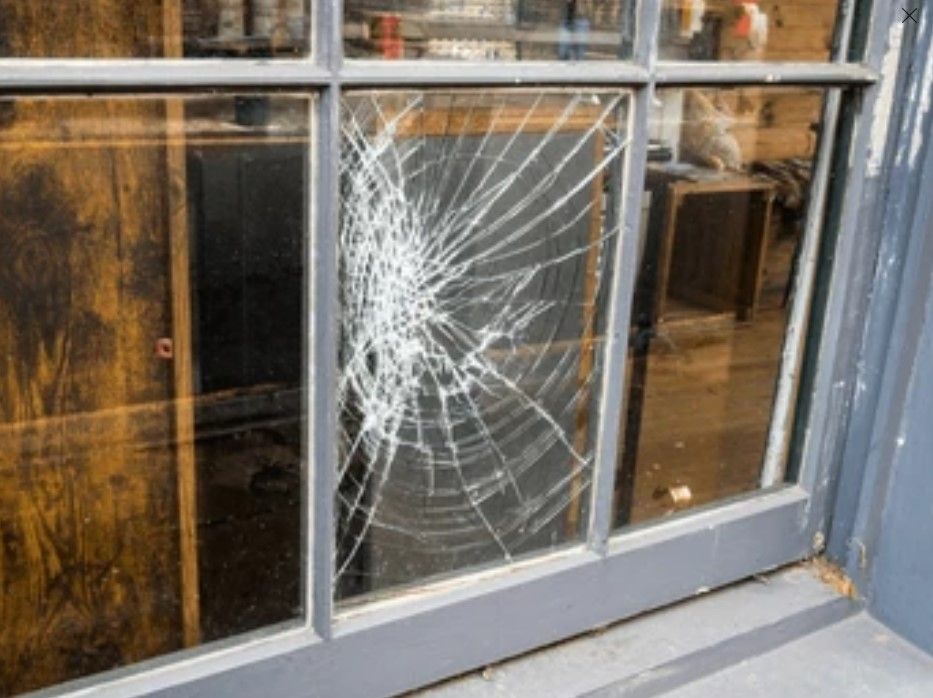
Performance ratings for clear security films follow established standards:
- ANSI Z97.1 designates Class A (400 ft-lb impact) or Class B (150 ft-lb impact) ratings
- CPSC 16 CFR 1201 specifies Category II (400 ft-lb) or Category I (150 ft-lb) requirements
- UL 972 covers burglary resistance testing through repeated impact protocols
When evaluating clear films, look for tested break strength specifications—quality 8-mil clear films typically rate at 200 lb/in break strength, providing reliable shatter containment across diverse impact scenarios.
Tinted Security Films
Tinted security films combine privacy and security with solar control benefits, making them particularly valuable in commercial applications where energy efficiency and occupant comfort matter alongside protection.
These films use dyed, metallized, or ceramic tinting technologies to reduce visible light transmission while maintaining security properties. The tinting provides daytime privacy—people outside see a darker, more reflective surface while interior occupants retain outside views. At night, privacy levels may be reduced when interior lighting is brighter than exterior conditions. Heat rejection properties can significantly reduce cooling costs, with some films rejecting substantial portions of total solar energy, and advanced transitional window films can automatically adjust tint levels based on sunlight and shade.
Commercial applications benefit most from tinted security films: office buildings seeking energy savings, retail spaces managing glare and heat, and any building where the added layer of solar control justifies the premium cost over clear alternatives. Be aware that tinted films may absorb more heat, potentially creating thermal stress in certain glass types—a consideration that becomes important during product selection and installation planning.
Specialized Security Films
Beyond standard clear and tinted options, specialized security films address specific threat profiles and use cases:
Blast-resistant films are engineered and tested for overpressure events per standards including GSA TS01, ASTM F1642, and ISO 16933. These products require frame anchoring systems—film alone is insufficient. Installation in high-risk locations, such as schools and critical facilities concerned about ballistic or forced-entry threats, often includes ballistic-resistant glazing solutions and demands professional specification and implementation.
Anti-graffiti security combinations protect against vandalism while providing break resistance. These often include sacrificial outer layers that can be replaced when damaged, maintaining both protection and appearance without full film replacement.
Decorative security options serve retail environments requiring both brand expression and glass protection. Etched, frosted, or patterned films can incorporate security-grade materials while achieving style objectives.
Key point: Film selection depends on accurately assessing your security level requirements, aesthetic constraints, and budget parameters. A world-class film installed incorrectly provides less protection than a mid-grade product properly applied—which brings us to installation considerations and the importance of proper implementation.

Installation Methods and Professional Implementation
Proper installation transforms security film from a promising product into reliable protection. The process demands attention to surface preparation, application technique, edge sealing, and curing conditions. Understanding these requirements helps determine whether DIY or professional installation suits your situation.
Professional Installation Process
Professional installation is recommended for security-grade films (8-mil and above), large or difficult-to-access windows, commercial applications requiring warranty coverage, and any installation where performance certification matters for insurance or code compliance.
The process follows these essential steps:
- Surface preparation and cleaning — Glass must be thoroughly cleaned to remove oils, dust, and residues that compromise adhesion. Professionals use specific cleaning solutions and lint-free tools to create an ideal bonding surface. Edge profiles and frame conditions are assessed for compatibility, including aluminum framing systems where applicable.
- Film cutting and positioning — Film is typically cut slightly larger than the window, then trimmed precisely after positioning. Water spray or wet adhesive application allows repositioning before final placement—a critical window for achieving bubble-free results.
- Squeegee application and bubble removal — Using soft rubber or plastic squeegees with consistent pressure, installers work from the center outward to expel air and water. This process requires technique developed through experience; improper pressure or angle creates visible defects.
- Edge sealing and frame attachment — For maximum security performance, edges are sealed with specialized sealants or structural adhesives. High-threat installations may include mechanical anchoring to the frame, preventing glass dislodgement under extreme loads.
- Curing time and final inspection — Adhesive strength increases over days or weeks. Manufacturer specifications often require 72+ hours before full rated performance is achieved. Final inspection confirms adhesion quality, absence of bubbles, and proper documentation for code/insurance compliance.
DIY vs. Professional Installation Comparison
| Factor | DIY Installation | Professional Installation |
|---|---|---|
| Material Cost | $1-5 per sq ft | Included in service |
| Total Cost | $1-5 per sq ft | $7-25 per sq ft |
| Warranty Coverage | Often voided | Typically maintained |
| Quality Consistency | Variable | Reliable |
| Completion Time | Learning curve adds hours | Efficient, experienced |
| Equipment Required | Must purchase tools | Provided |
| Risk of Glass Damage | Higher | Minimal |
| Performance Certification | Unable to certify | Documentation available |
| DIY installation suits budget-conscious homeowners with small, easily accessible windows and lower security requirements. Success requires clean-room-like conditions, proper tools (quality squeegees, sharp blades, precise measuring equipment), and patience for the learning process, especially when working with security window films designed to resist forced entry and impacts. |
Professional installation costs more but ensures correct substrate preparation, appropriate adhesive matching, proper edge sealing, and—where needed—frame anchoring systems that maximize security performance. For commercial applications or any installation affecting building code compliance, partnering with a professional window film installer for residential and commercial projects is essentially mandatory.
The choice often comes down to risk tolerance: a point of failure in DIY installation may not become apparent until the film is tested by an actual break-in attempt or impact event. Professional installation includes quality verification before that moment arrives, providing peace of mind for every person involved.
Common Challenges and Solutions
Even quality security films face installation and performance challenges. Understanding these issues—and their solutions—helps set realistic expectations and maintain protection over time.
Glass Compatibility Issues
Thermal stress presents the most significant compatibility concern. Film applied to annealed glass may induce heat buildup leading to edge cracks, particularly in windows receiving direct sunlight. Low-E coatings can be especially sensitive to film application.
Solutions:
- Conduct pre-installation glass assessment to identify annealed, tempered, or coated glass types
- Select films specifically tested for your glass type
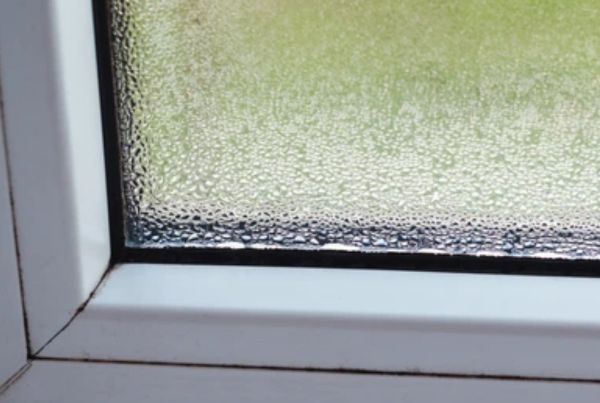
- For double-pane or insulated glass units (IGUs), use only films approved for those assemblies—improper film can cause seal failure or fogging
- Consult manufacturer specifications for Low-E compatibility before proceeding
The glass-frame interface also matters: security performance depends on film bonding past the glass edge or into the frame, not just covering the visible glass surface. Without proper edge attachment, glass can dislodge from frames under severe impact loads.
Adhesion and Bubbling Problems
Poor adhesion and visible bubbles result from surface contamination, improper wetting technique, incorrect adhesive type, temperature/humidity issues during installation, or expired products.
Prevention requires:
- Strict cleaning protocols using appropriate solutions
- Correct moisture levels on the substrate
- Primer or edge sealants where specified
- Installation within manufacturer-recommended temperature ranges
- Verification of product freshness and storage conditions
Repair options: Minor bubbling may resolve as adhesive cures. Persistent bubbles or edge peeling can sometimes be addressed by resealing edges or applying touch-up adhesive. Severe defects typically require complete replacement—contact your installer or the company that supplied the film for warranty assessment.
Performance Expectations vs. Reality
Security film significantly increases resistance to forced entry but does not create impenetrable barriers. Understanding this distinction prevents disappointment and enables realistic security planning.
What security film does well:
- Delays entry, buying time for alarm response or occupant escape
- Reduces injury risk from flying shards in storms, accidents, or break-in attempts
- Blocks UV radiation, protecting interiors
- Improves overall safety glazing performance along the line of impact
What film cannot do:
- Provide bulletproof protection (unless specifically rated for ballistic threats)
- Guarantee hurricane or natural disasters survival without proper anchoring systems
- Prevent determined attackers with adequate time and tools from eventual penetration
Environmental factors affect longevity. UV exposure, harsh weather, and thermal cycling can degrade adhesives and PET layers over time. Clarity may reduce through hazing or yellowing. Warranties typically cover 5-10 years, with some products offering longer coverage under specific conditions.
Maintenance for long-term performance includes regular cleaning with non-abrasive, ammonia-free cleaners; periodic edge and sealant inspection; and prompt repair of minor issues before they compromise overall protection.
Conclusion and Next Steps
Window security film provides effective, cost-efficient glass protection that holds shattered glass together, increases forced-entry resistance, and reduces injury risk from accidents or natural disasters. Success depends on selecting the right window film for your threat profile, ensuring quality installation, and maintaining realistic expectations about protection capabilities. We hope this guide helps property owners make informed decisions regardless of location or country.
Immediate actionable steps:
- Assess your current windows: identify glass types, measure square footage, and note any compatibility concerns (Low-E coatings, IGUs, tempered glass)
- Determine your security requirements: basic residential safety, commercial forced-entry resistance, or specialized blast/ballistic protection
- Get professional quotes from certified installers—expect $7-25 per square foot for security-grade films professionally installed
- Compare film options based on thickness, certifications (ANSI Z97.1, CPSC Category II), and warranty coverage
- Begin the process by scheduling a professional consultation to evaluate your specific property and building requirements
Related security considerations worth exploring include door reinforcement, alarm systems, and comprehensive property protection planning. Window film addresses one point of vulnerability; complete security typically requires integrated approaches covering multiple access points and detection methods, and many architectural window film solutions for homes and buildings are designed to complement broader security and energy-efficiency upgrades. Property owners looking for professional installation services can also explore window security film installation near me to connect with qualified local specialists and compare available options.
Frequently Asked Questions
How long does window security film last?
High-quality security films maintain structural performance for 10-20 years under proper installation and maintenance conditions. Warranties typically cover 5-10 years, with some manufacturers offering lifetime coverage under specific conditions. Factors affecting longevity include UV exposure, climate severity, and maintenance practices.
Can security film be removed without damaging glass?
Yes, though the process requires care. Removal difficulty depends on adhesive type, installation duration, and edge attachment methods. Long-installed films with strong adhesive bonds may leave residue requiring professional cleaning. Plan for professional removal if the film has been in place for several years or includes frame anchoring.
Does window security film void glass warranties?
It can. Applying film may void warranties on IGUs, Low-E coated glass, or tempered glass if the film specification doesn’t meet manufacturer requirements. Always check with your glass manufacturer before installation and document compatibility confirmation.
Will security film make windows look different?
Quality clear films create minimal visual change, maintaining visible light transmittance above 86% and low reflectivity. Some slight difference in reflection or clarity may be noticeable from certain angles. Tinted films intentionally alter appearance for privacy and solar control. Watch sample installations before committing to ensure the aesthetic meets your expectations and hear recommendations from qualified installers.
How much does professional installation cost?
Expect approximately $7-25 per square foot for residential and commercial security films, depending on film grade and thickness. A typical 3-bedroom home with 200-250 square feet of covered glass costs $2,500-$6,000 for mid-range to premium films. Specialized blast-resistant or ballistic films cost significantly more. Material-only costs for DIY run $1-5 per square foot.
Can security film prevent all break-ins?
No. Security film increases resistance and delays forced entry—often by several minutes—but determined attackers with adequate time and tools can eventually penetrate film-protected glass. The security benefit lies in creating deterrence, buying response time, and making your property a less attractive target compared to unprotected buildings in the area.
Is security film effective against natural disasters?
Security film helps protect against storm damage by holding shattered glass fragments together when debris impacts windows, preventing dangerous projectile hazards and reducing building envelope breaches. For hurricane or blast protection, film must be part of a complete assembly including frame anchoring, tested per relevant standards (Miami-Dade TAS 201/203 for hurricanes, ASTM F1642 for blasts). Film alone provides limited natural disaster protection.
What maintenance does security film require?
Regular cleaning with soft cloths and non-abrasive, ammonia-free cleaners maintains appearance. Periodic inspection of edges and sealants—especially in humid or high-temperature environments—identifies early signs of failure. Address minor peeling or adhesion issues promptly to prevent progressive degradation. Avoid harsh chemicals or abrasive cleaning tools that can damage the film surface.
Additional Resources
Security film certification standards and testing procedures:
- ANSI Z97.1-2015: Safety glazing materials in buildings
- CPSC 16 CFR 1201: Architectural glazing materials (federal requirement)
- UL 972: Burglary-resisting glazing material
- EN 356, EN 12600: European manual attack and impact safety standards
- GSA TS01, ASTM F1642, ISO 16933: Blast mitigation testing
Professional installer considerations:
- Request documentation showing film test reports matching your specific assembly (film + glass type + frame + attachment method)
- Verify installer certification and experience with your film type
- Confirm warranty coverage and what installation conditions must be met
Glass compatibility assessment:
- Identify glass type before product selection (annealed, tempered, Low-E, IGU)
- Consult manufacturer specifications for dual-pane compatibility
- Document existing glass warranties and confirm film compatibility
Related home and commercial security resources:
- Door reinforcement and strike plate upgrades
- Alarm and monitoring system integration
- Comprehensive property security assessments
- Insurance considerations and potential premium impacts from certified security film installation
- Local security window film and tinting services in Central San Diego
- Security and privacy window film specialists serving Salt Lake City
- Security and privacy window film solutions for The Villages and surrounding areas