Table of Contents
- Introduction
- Understanding Commercial Window Tinting
- Types of Commercial Window Tinting Films
- Commercial Window Tinting Installation Process
- Common Challenges and Solutions
- Conclusion and Next Steps
- Frequently Asked Questions
Introduction
Commercial window tinting involves applying engineered films to glass surfaces in offices, storefronts, healthcare facilities, warehouses, and other non-residential buildings to modify how light, heat, and visibility interact with your commercial space. These window films serve multiple purposes: reducing solar heat gain, blocking harmful UV radiation, minimizing glare, enhancing privacy and security, and improving building aesthetics.
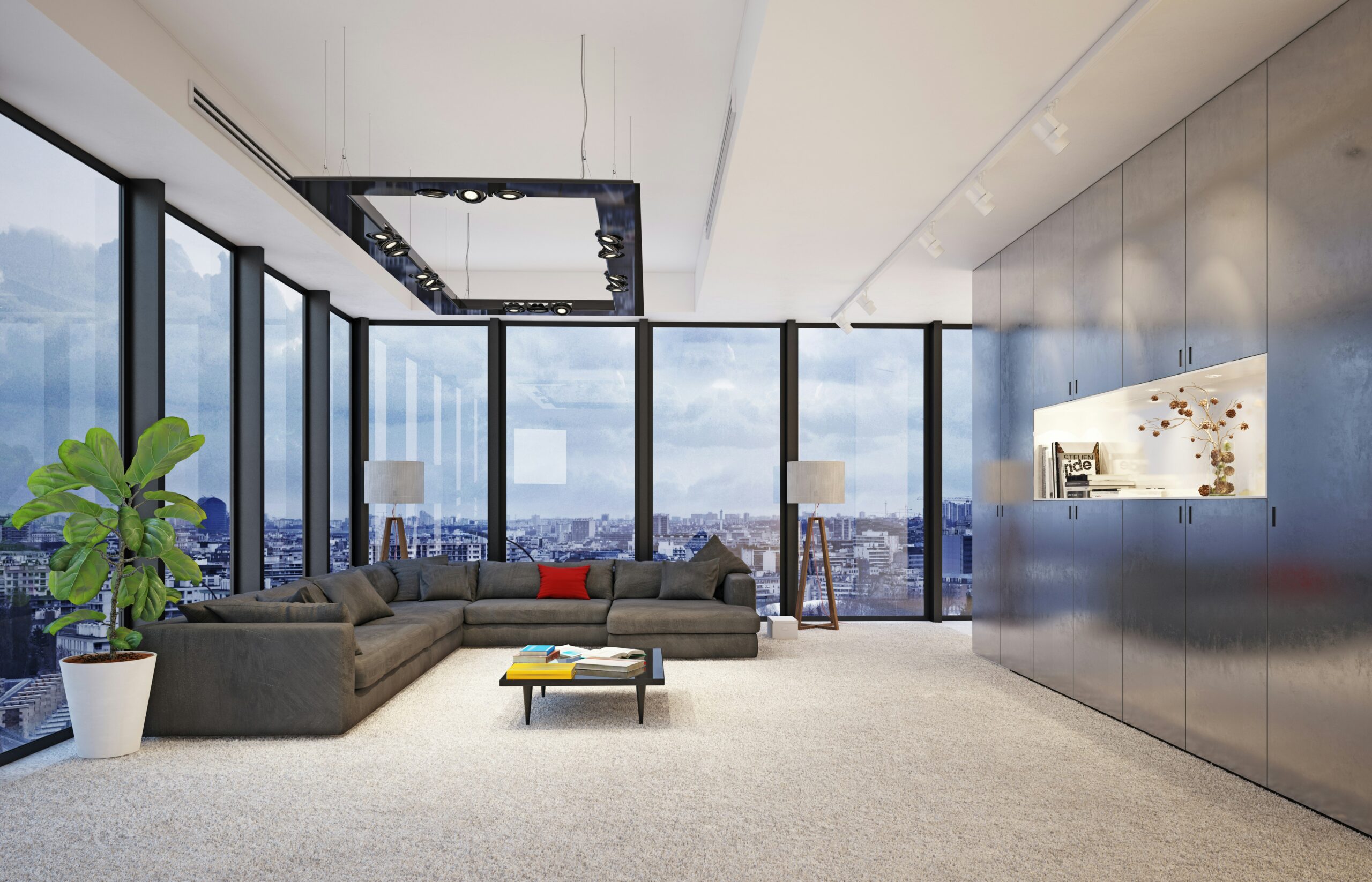
This guide covers commercial applications across various building types—from small retail storefronts to multi-story office towers—including different glazing configurations such as single-pane, insulated glass units, low-e coatings, and laminated safety glass. The scope extends to energy efficiency improvements, safety compliance, decorative enhancements, and cost-benefit analysis, but does not address automotive or residential tinting specifications.
Business owners, facility managers, and property developers represent the primary audience for this content. Whether you’re evaluating ways to reduce operating costs, protect valuable assets from sun damage, or enhance employee comfort and productivity, understanding commercial window films helps you make informed investment decisions.
Direct answer: Commercial window tinting refers to applying multi-layer polyester films to building glazing to control solar energy transmission, block UV radiation, and modify visibility properties. Businesses invest in it because the benefits translate into measurable cost savings (typically 20-40% reduction in cooling costs), extended lifespan of interior furnishings, improved occupant comfort, enhanced security, and potential tax incentives.
After reading this guide, you will understand:
- How commercial window films reduce energy costs and improve HVAC efficiency
- The different film types available and which best suit your building needs
- What the installation process involves and realistic cost expectations
- How to navigate building code compliance and minimize operational disruption
- ROI calculations and payback timelines for your investment
Understanding Commercial Window Tinting
Commercial window tinting utilizes engineered multi-layer laminates built on polyester substrates, incorporating dyes, metallic particles, ceramic nanoparticles, adhesives, and protective topcoats. Unlike residential applications, commercial projects involve larger glass areas, more complex access requirements (including multi-story facades), stricter regulatory oversight, and performance demands tied to energy codes like ASHRAE 90.1 and IECC.
The science behind how films work centers on three key mechanisms: absorption, reflection, and selective spectral blocking. Quality commercial window films manipulate these properties to block heat while allowing natural light through, protect interiors from UV damage, and reduce glare without creating a dark environment. Key performance metrics include Visible Light Transmission (VLT), Total Solar Energy Rejected (TSER), Solar Heat Gain Coefficient (SHGC), and UV rejection percentage.
Energy Efficiency Benefits
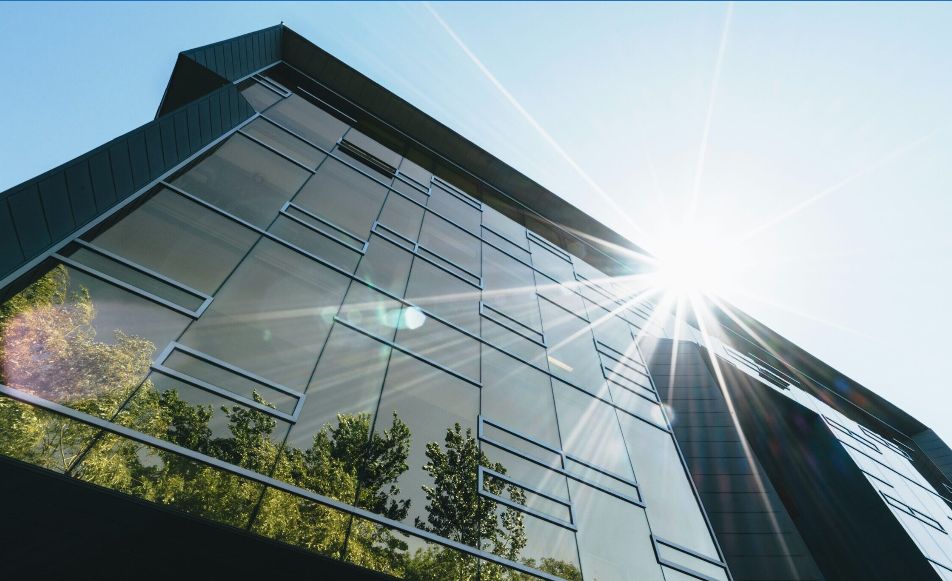
Commercial buildings with extensive glazing—particularly west and south-facing facades—experience significant solar heat gain that strains HVAC systems and inflates energy costs. Adding solar control or spectrally selective films can reduce cooling costs by 20-40%, depending on climate, building orientation, and film specifications.
Premium ceramic and spectrally selective solar window films achieve Total Solar Energy Rejection (TSER) values of 60-85% while maintaining higher visible light transmission, meaning your space stays bright without the heat. Mid-rise office retrofit case studies demonstrate payback periods of 2-4 years when films target problematic facades, with some projects achieving payback as quickly as 1.3 years under optimal conditions.
Beyond direct energy savings, window films reduce peak load charges, smooth temperature gradients across floor plates, eliminate hot spots near windows, and extend HVAC equipment lifespan by reducing operational stress. For buildings pursuing LEED certification or other sustainability goals, documented energy efficiency improvements from window films can contribute to credit achievement.
UV Protection and Glare Reduction
Quality commercial window films block 99% to 99.9% of ultraviolet radiation (UVA and UVB wavelengths from 280-400nm). This protection extends to even lightly tinted or optically clear films, making UV blocking achievable without significantly darkening your commercial space.
UV protection delivers tangible asset preservation benefits. Carpeting, office furniture, artwork, retail merchandise, and equipment near windows experience accelerated fading and degradation from UV exposure causing furniture fading. By installing protective films, businesses extend the useful life of interior investments and reduce replacement costs. Healthcare and educational facilities additionally benefit from occupant health protection, reducing UV-related skin and eye concerns.
Reducing glare improves employee comfort and productivity in office environments, particularly where computer screens are positioned near windows. Films with moderate VLT plus anti-glare properties maintain productive visual conditions, reduce eye strain, decrease reliance on blinds or shades, and support better utilization of natural light throughout the workday.
Understanding how films work scientifically sets the foundation for evaluating which type best addresses your building’s specific challenges.
Types of Commercial Window Tinting Films
Commercial window films fall into four primary categories: solar control films (including dyed, metalized, and ceramic variants), security and safety films, privacy and decorative films, and specialized products like low-e and anti-graffiti films. Many applications combine features—for example, a ceramic solar control film that also provides safety glass compliance—similar to comprehensive architectural window film solutions used in building applications.
Selecting appropriate films requires matching performance characteristics to your building’s needs, considering factors like orientation, existing glass type, aesthetic preferences, regulatory requirements, and budget constraints.
Solar Control Films
Dyed films represent the most economical option, using dye layers to absorb visible light and some UV radiation. These films achieve TSER values around 30-45% with VLT ranging from 5-60% and UV blocking near 98-99%. However, dyes can fade over time (developing a purplish hue), and absorbed heat may re-radiate inward. Best for budget-conscious projects requiring basic glare and UV protection with expected lifespans of 5-8 years.
Metalized films incorporate aluminum, nickel-chrome, silver, or other metal particles to reflect solar infrared radiation, achieving TSER values of 50-75%. These films offer superior heat rejection and durability (12-15 years) but create a more reflective exterior appearance. Important considerations: metalized films can interfere with RF signals (WiFi, cellular, GPS, access control systems), and some jurisdictions restrict exterior reflectivity levels.
Ceramic and nano-ceramic films use ceramic nanoparticles or metal oxides rather than metals, delivering excellent TSER (60-80%+) with high VLT potential (30-70%). These films maintain color stability over 15-20+ years, block 99.9% UV, and remain largely RF-transparent—making them ideal for offices, retail environments, and healthcare facilities where signal integrity matters. Premium pricing reflects superior performance and longevity.
Spectrally selective films are engineered to block specific portions of the solar spectrum—primarily infrared heat—while maximizing visible light transmission. This technology achieves high TSER with minimal impact on interior brightness, supporting daylighting goals and occupant wellbeing.
Security and Safety Films
Security films use thicker construction (typically 4mil to 15mil or more) with enhanced adhesives designed to hold shattered glass together upon impact. These security window films protect against forced entry attempts, windstorm debris, accidental breakage, and in specialized applications, blast events.
Performance testing follows established standards: ASTM F1642 and F3561 for security glazing, ANSI Z97.1 and CPSC 16 CFR 1201 for safety glazing, ASTM E1886/E1996 for hurricane debris resistance, and GSA-TS01 for blast mitigation. Security films must be evaluated as a complete system—glass, frame, and film working together, especially where higher-threat applications call for ballistic and bullet-resistant glazing solutions.
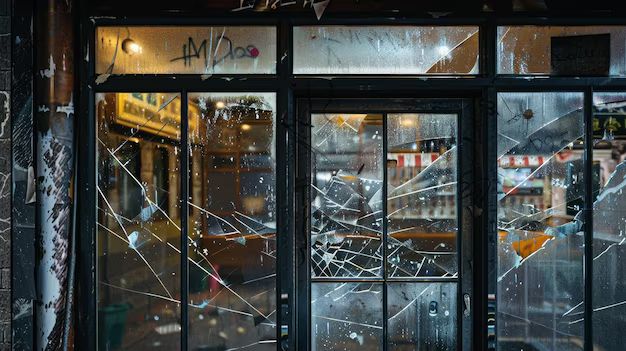
Safety films also help buildings meet code requirements for glazing in hazardous locations (near doors, in exit paths) without full glass replacement. Thicker security films slightly reduce optical clarity and may increase cost to $12-25+ per square foot, but the protection against risk of injury, vandalism, and break-ins often justifies the investment. For facility managers, property owners, and security professionals looking for a guide to Glass Protection and Safety, security window films offer a practical way to strengthen existing glazing, reduce hazards from shattered glass, improve occupant safety, and enhance protection against forced-entry attempts without the expense of full window replacement.
Privacy and Decorative Films
Frosted, etched, and patterned films transform clear glass into privacy partitions for conference rooms, executive offices, examination rooms, and other spaces requiring visual separation. These privacy window films diffuse light while blocking direct visibility, maintaining natural light transmission throughout the space.
One-way privacy films create daytime privacy by exploiting the brightness differential between exterior and interior—allowing occupants to see out while restricting inward visibility during daylight hours. At night when interior lighting exceeds exterior brightness, this effect reverses, whereas switchable smart window films can provide on-demand privacy independent of ambient light conditions.
Custom printed films add branding opportunities, incorporating logos, graphics, or brand colors onto glass surfaces. Decorative films may combine aesthetic features with solar control or safety properties, and advanced options such as switchable smart glass films can double as dynamic privacy partitions and projection surfaces. Costs vary significantly based on pattern complexity and customization requirements, typically ranging from $8-18 per square foot installed.
These film categories provide the foundation for evaluating what your building needs; the installation process determines how effectively those needs are met.
Commercial Window Tinting Installation Process
Professional commercial installation follows a structured process from initial assessment through quality verification. Timeline varies dramatically based on project scope: small storefronts may require just one day, while multi-story buildings need weeks or months of phased work. Working with professional window film installers ensures proper film selection, code-compliant installation, and valid manufacturer warranties.
Pre-Installation Assessment
A thorough pre-installation evaluation examines glazing types throughout your building—identifying single-pane, double-pane, low-e coated, laminated, and tempered glass that may require different film specifications or present thermal stress concerns.
Assessment elements include:
- Building orientation analysis: Identifying which facades receive the most solar exposure (typically south and west-facing)
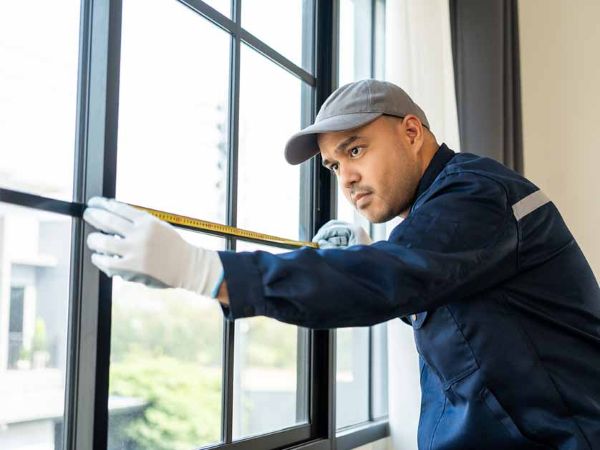
- Square footage measurements: Precise glass area calculations for accurate cost estimation
- Glass condition evaluation: Checking for existing damage, coatings, or previous film installations requiring removal
- Access considerations: Determining whether interior or exterior installation is feasible, especially for multi-story buildings
- Sample testing: Installing test patches to verify appearance and performance before full commitment
Cost estimation factors include film type selected, total square footage, building height and access complexity, removal of existing film (add approximately $2-4 per square foot), custom shapes or curves, labor rates, and warranty coverage. Check eligibility for tax incentives—Section 179D deductions can provide $2.90-$5.81 per square foot for qualifying energy efficiency improvements.
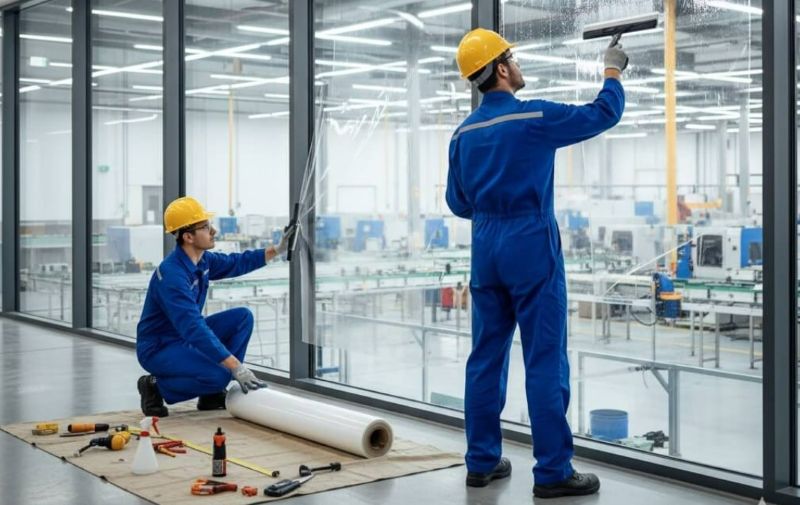
Installation Steps
Professional installation follows these procedures:
- Surface preparation and cleaning: Removing dirt, debris, grease, and any existing film or adhesive residue. Inadequate cleaning causes bubbles, adhesion failures, and visual defects.
- Precise measurement and cutting: Cutting film slightly larger than glass dimensions to allow accurate trimming during application.
- Wet application: Applying slip solution to glass surface, positioning film, and using squeegees to remove water and air bubbles from between film and glass.
- Edge trimming and sealing: Cutting film precisely at edges and ensuring proper adhesion to frame perimeters. Security films require specific anchoring methods for maximum performance.
- Drying and curing: Allowing moisture between film and glass to dissipate completely. Curing typically requires 30-45 days depending on film type and weather conditions.
- Quality inspection: Checking for bubbles, edge lifting, optical defects, and verifying VLT and appearance meet specifications. Documenting warranty information.
Timeline expectations:
- Small retail storefront (200-500 sq ft glass): 1 day or less
- Mid-size office floor (~2,000 sq ft): 3-5 days
- Large commercial building or high-rise: Weeks to months, typically phased by floor or facade
Cost Comparison and ROI Analysis
| Film Type | Cost per Sq Ft | TSER | Lifespan | Best Use |
|---|---|---|---|---|
| Dyed | $7-10 | 30-45% | 5-8 years | Budget projects, basic UV/glare |
| Metalized | $8-12 | 50-75% | 12-15 years | Maximum heat rejection, limited RF needs |
| Ceramic | $10-15 | 60-80% | 15-20+ years | Offices, healthcare, signal-sensitive |
| Security | $12-25 | Varies | 15-20 years | High-risk areas, code compliance |
| Decorative | $8-18 | Low | 10-15 years | Branding, privacy, partitions |
| Project cost examples: |
- Small retail storefront (200-500 sq ft): $3,000-6,000
- Mid-size office building (2,000 sq ft glass): $14,000-25,000
- Large institutional projects: $50,000-$200,000+
ROI calculation factors: Return on investment typically ranges from 2-5 years depending on energy costs, building exposure, and film selection. Entry-level solar control films deliver 20-30% annual energy savings; premium spectrally selective or ceramic films can achieve 30-40% reductions. Calculate your specific payback by comparing annual energy savings against installation costs, factoring in maintenance requirements and expected film lifespan.
Compared to full glazing replacement with high-performance glass, window film costs a fraction—often one-fifth to one-tenth—while achieving similar SHGC and U-factor improvements for code compliance purposes when using NFRC-certified products.
Understanding costs and ROI helps build the business case; anticipating challenges ensures smooth project execution.
Common Challenges and Solutions
Commercial window tinting projects encounter predictable obstacles around regulatory compliance, operational disruption, and technical film selection. Incorporating transitional photochromic window films into the specification can also influence performance expectations across varying light conditions. Addressing these proactively minimizes delays, unexpected costs, and performance disappointments.
Building Code Compliance Issues
Energy codes (ASHRAE 90.1, IECC) specify maximum SHGC, minimum U-factor, and visible transmittance requirements for fenestration. Window films must carry NFRC certification to be accepted for code compliance and incentive programs. Safety codes (ANSI Z97.1, CPSC 16 CFR 1201) govern glazing in hazardous locations, while some jurisdictions limit exterior reflectivity.
Solution: Use only NFRC-certified film products with documented lab reports. Engage certified installers who understand local commercial building requirements, can verify safety glazing compliance, and maintain proper documentation for permits and inspections. For appearance-sensitive projects, request test patches to confirm visible reflectivity meets local ordinances before full installation.
Disruption to Business Operations
Large installation projects require window access that may block natural light, create noise, involve scaffolding, and necessitate furniture relocation. For occupied buildings, this disruption affects employee productivity and customer experience.
Solution: Schedule installation during off-hours, weekends, or after business hours when possible. Use phased installation approaches—completing one facade or floor section at a time—to maintain partial building functionality throughout the project. Communicate timelines to tenants and stakeholders in advance via email, protect interior furnishings with coverings, and plan temporary workstation relocations for affected areas.
Film Selection for Multiple Window Types
Commercial buildings often contain various glass types, multiple orientations, and different shading conditions. A single film specification may not optimize performance everywhere—west-facing facades need more aggressive heat rejection than north-facing glass, while conference rooms may require privacy features unnecessary in open floor plans.
Solution: Zone your glazing strategy by orientation and use requirements. Specify higher TSER films for south and west exposures, lighter films for north and east, decorative or privacy films for meeting spaces, and safety films where code requires or security concerns justify. Work with film suppliers to match color and appearance across different film types, maintaining aesthetic consistency on the building exterior. Order sample panels of each specification to verify visual harmony before full installation.
Addressing these challenges proactively positions your project for success; the conclusion provides your action roadmap.
Conclusion and Next Steps
Commercial window tinting delivers measurable returns through energy cost reduction, asset protection, occupant comfort improvement, and enhanced security—benefits that translate directly to your bottom line. With proper film selection and professional installation, businesses typically achieve payback within 2-5 years while enjoying 15-20+ years of ongoing performance from premium film products.
Immediate action steps:
- Schedule a professional energy audit or glazing assessment to identify your building’s highest-priority opportunities
- Request sample patches of recommended film types to evaluate appearance and performance
- Obtain multiple quotes from certified commercial installers, ensuring each includes NFRC ratings, warranty details, and timeline commitments
- Evaluate eligibility for Section 179D tax deductions or local utility rebates
- Plan installation timing to minimize business disruption—consider off-hours scheduling or phased approaches
Related topics worth exploring include ongoing window film maintenance protocols, warranty terms and manufacturer coverage details, and integration of window treatments with broader building energy management strategies.
Frequently Asked Questions
How long does commercial window tinting last?
Film lifespan depends on type and quality: dyed films typically last 5-8 years, metalized films 12-15 years, and premium ceramic or spectrally selective films 15-20+ years with proper installation and maintenance. Manufacturer warranties generally correspond to these expected lifespans.
Can window tinting be removed if needed?
Yes, professional removal is straightforward. Existing film and adhesive must be completely removed before installing replacement film—attempting to layer new film over old causes adhesion failures and thermal stress. Removal adds approximately $2-4 per square foot to project costs.
Does window tinting void window warranties?
It can, particularly on low-e coated glass, special reflective coatings, or insulated glass units. Always verify manufacturer guidelines before installation. Using films specifically rated for your glass type and working with certified installers helps preserve existing window warranties.
What maintenance is required for commercial window films?
Maintenance requirements are minimal: regular cleaning with mild, non-ammonia cleaners and soft cloths, periodic inspections for edge lifting or peeling, and avoiding abrasive tools or harsh chemicals. Most films feature scratch-resistant topcoats suitable for standard commercial cleaning protocols.
How much can businesses save on energy costs with window tinting?
Energy savings typically range from 20-40% reduction in cooling costs depending on climate, building orientation, existing glazing, and film selection. Entry-level solar control films deliver 20-30% savings; premium spectrally selective and ceramic films achieve 30-40%. Payback periods generally fall between 2-5 years.
Are there tax incentives available for energy-efficient window films?
Yes, in the United States, Section 179D provides deductions of approximately $2.90-$5.81 per square foot for qualifying energy efficiency improvements to commercial buildings. State and local utility rebates may also apply. Eligibility requires NFRC-certified products and documented energy performance improvements.
Can window tinting be installed on all types of commercial glass?
Most glass types accept window film: annealed, tempered, laminated, and insulated glass units. However, special coatings (low-e, reflective), double-pane units with interior treatments, and certain tempered glass configurations require careful assessment. Films can cause thermal stress on incompatible glass—professional evaluation identifies appropriate products for each glass type.
How does weather affect the window tinting installation process?
Most commercial installation occurs on interior glass surfaces, minimizing direct weather impact. However, ambient temperature and humidity affect adhesive curing—very cold or wet conditions may delay proper bonding. Optimal installation occurs in clean, dry conditions with moderate temperatures. High heat exposure immediately after installation (before curing completes) can cause bubbling or adhesion issues.