Table of Contents
- Introduction: Why Window Film Matters in Indianapolis (2024–2026)
- Commercial Window Films for Indianapolis Businesses
- Energy Efficiency: Reduce Heat, Cut Glare, and Save on Utilities
- UV Protection, Interior Preservation, and Health Benefits
- Privacy Window Film Options for Offices and Homes
- Security Film and Safety Upgrades for Glass
- Commercial Window Tinting vs. Residential Window Tinting
- How the Window Film Installation Process Works
- Costs, ROI, and Factors that Affect Pricing
- Choosing the Right Window Film for Your Indianapolis Property
- Why Choose Our Indianapolis Window Film Team
- Service Areas in and Around Indianapolis
- Frequently Asked Questions about Window Film in Indianapolis
- Get a Free Quote for Window Film in Indianapolis
Introduction: Why Window Film Matters in Indianapolis (2024–2026)
Indianapolis summers bring hot sun, high humidity, and intense afternoon sunlight that punishes west- and south-facing windows. Winters are cold enough that heat escapes through glass and drafts creep in around frames. Together, these extremes drive up cooling costs and energy bills for both homes and commercial spaces across the city.
Rising utility rates in central Indiana have pushed more property owners toward practical retrofits. Window film is a thin polyester laminate applied to existing glass that comes in several categories: solar control films that reduce heat and glare, privacy window film for offices and residential rooms, decorative films for branding and appearance, and security film that holds glass together under impact. If you’ve been researching window film Indianapolis options, the core benefits are straightforward-reduce glare, block harmful UV rays, improve energy efficiency, add privacy, and protect building occupants and interiors.
This article covers everything you need to choose the right film for your property and request a free quote from a local expert team.

Commercial Window Films for Indianapolis Businesses
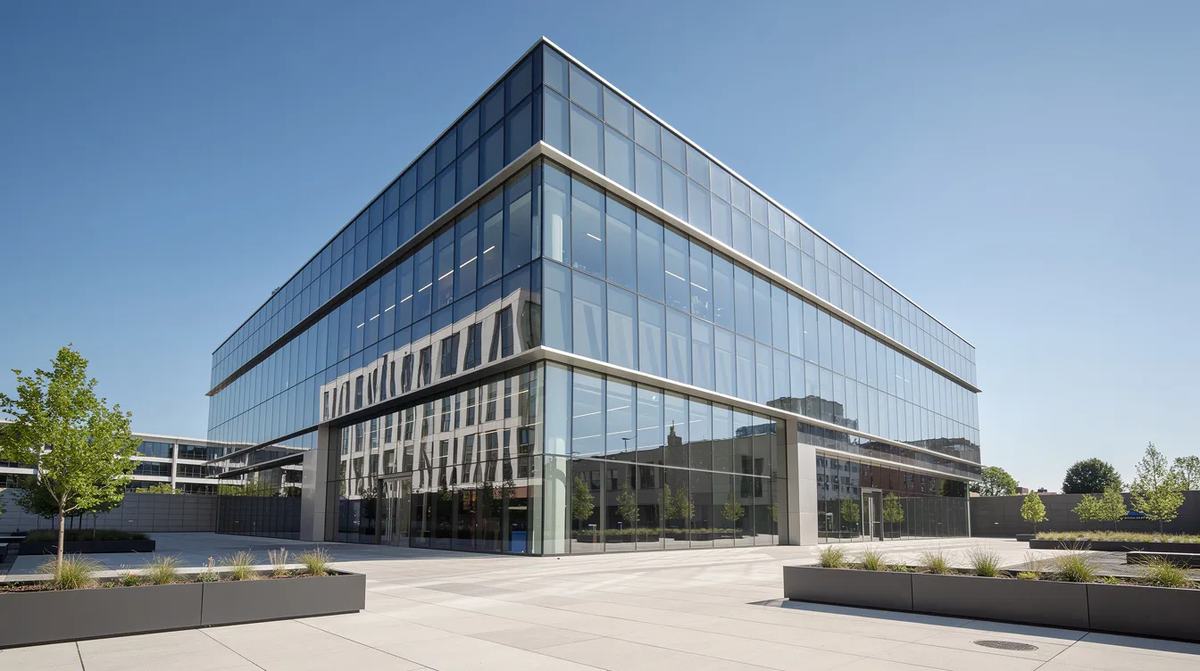
Office buildings, retail storefronts, schools, healthcare facilities, and government buildings across Marion County and suburbs like Carmel, Fishers, Greenwood, Avon, and Noblesville rely on commercial window films to solve everyday problems. Commercial window film can improve optimal comfort, lower energy bills, and modernize the exterior appearance of commercial properties without replacing glass entirely.
Typical building types served include low-rise office parks downtown, medical offices near I-465, warehouses with large glass panels, street-level storefronts, and Class A towers along Meridian Street. Both interior- and exterior-applied commercial window tint options are available-exterior application works well for high-rise buildings with limited interior access, while interior films suit most standard commercial window installations. Commercial window films reduce glare by up to 79%, and commercial spaces utilize decorative films for branding purposes, making them a smart way to upgrade any business. Building managers and property owners should consider film during renovations or HVAC upgrades for better ROI, and a professional assessment can measure existing glass performance and estimate payback.
Energy Efficiency: Reduce Heat, Cut Glare, and Save on Utilities
During July and August, untreated windows in Indianapolis allow massive solar heat gain that forces HVAC systems to work overtime. Premium solar control films reject up to 79% of solar heat, and window film can reduce incoming heat by up to 78%, dramatically lowering the load on cooling equipment.
These films work by reflecting and absorbing a portion of incoming solar energy while still allowing natural light through. Window film can reject up to 79% of incoming solar energy, and energy-saving films are certified by the NFRC (National Fenestration Rating Council), giving buyers reliable performance data. The result: window film reduces energy bills by 15% to 30% annually, providing substantial energy savings in both residential and commercial properties.
Window film improves HVAC efficiency and reduces temperature swings, while also stabilizing indoor environments during extreme temperatures. Advanced films can enhance aesthetics and reduce glare simultaneously-window film minimizes glare from sunlight on screens, and window tint reduces glare without blocking natural light. Window films can reject specific light frequencies causing glare, so glare reduction improves screen viewing comfort and productivity in office settings. Window films also help reduce employee eye strain from glare across long workdays.
In winter, specialized low-e films reflect heat back indoors, helping reduce drafts near large windows. Window film boosts window glazing performance for energy efficiency year-round, helps lower HVAC loads and energy consumption, and improves energy efficiency and comfort in buildings. Consider an Indianapolis office suite on the south side of a building: after film installation, hot spots near windows drop noticeably, rooms stay cooler, and the space reaches optimal comfort without cranking the thermostat.
UV Protection, Interior Preservation, and Health Benefits
Most modern window films block up to 99% of UVA and UVB rays. Window tint blocks 99.9% of UV rays, and 3M films block up to 99.9% of UV radiation-making UV protection from window film equivalent to SPF 1000 on every pane. This matters because UV exposure through standard clear glass causes real damage even on newer windows unless they’re specially coated.
Items at risk from the sun’s rays include hardwood flooring, office furniture, retail merchandise, artwork, and residential upholstery near windows, and understanding why your furniture is fading from UV damage underscores the importance of proactive protection. Window films can prevent fading of furniture and flooring, saving thousands in replacement costs over time. Window film also protects against skin and eye diseases, reducing long-term health risks for anyone who spends hours near sunlight. In preservation-sensitive settings like museums, galleries, and historic homes around Indianapolis, UV control film is an essential window treatment. If you’ve noticed fading carpets or discolored furnishings, UV-focused film is a preventative investment worth considering.
Privacy Window Film Options for Offices and Homes
Open-plan offices, medical suites, street-level storefronts, and urban condos all share a common challenge: how to add privacy without sacrificing natural light, which is where privacy and decorative window film solutions become especially useful. Privacy window films are available for both residential and commercial use, and various styles of privacy films include frosted and patterned options along with one-way reflective and tinted designs.
Frosted and reflective films are ideal for privacy in homes, while reflective films provide daytime privacy while allowing natural light into the space. Window tint enhances privacy without blocking natural light the way blinds or window treatments do. Window film offers enhanced privacy for ground-floor locations, and window film can be applied to conference rooms for added privacy during sensitive meetings.
Concrete use cases include patient exam rooms, lobby partitions, bathroom windows, and street-facing home offices; in some of these applications, smart window films that switch from clear to opaque can provide flexible, on-demand privacy. Decorative window film enhances aesthetic appeal without structural changes, and decorative films come in various designs and patterns. Custom printed films can feature business names or logos, making them ideal for commercial properties. Decorative films can provide privacy while allowing natural light, and window film is a cost-effective alternative to designer glass. Films are removable if layouts change, providing increased privacy without making rooms feel closed-in.
Security Film and Safety Upgrades for Glass
Safety and security film is a thicker, high-tensile product designed to hold shattered glass pieces in place when windows break. In Indianapolis, common risks include attempted break ins at storefronts, forced entry at offices, storm-related debris, and accidental impacts in schools.
Security film is anchored to frames for maximum effectiveness and can be combined with tinted or clear sun control films, and modern security window films for forced-entry resistance are engineered to create a clear but durable barrier over existing glass. Window film can deter break ins and intrusions by slowing intruders and buying time for response. Safety and security films reduce glass-related injuries from flying shards. For higher-threat environments, ballistic resistant window films and protective glazing can withstand gunfire and explosions, and bomb blast protection films retain glass fragments during impacts. Security films hold shattered glass pieces in place, providing an extra layer of protection.
Typical thickness ranges from 4 to 15 mil, and codes or insurance requirements may influence the recommended system for commercial properties. Building owners, school administrators, and facility managers should consider security film as part of their broader safety strategy.
Commercial Window Tinting vs. Residential Window Tinting
Commercial window tinting typically focuses on occupant comfort, professional appearance, and code or lease requirements, while residential window tinting prioritizes comfort, views, and curb appeal. Commercial projects may involve large curtain walls, multiple floors, and stricter performance specs; homes usually involve mixed window sizes and styles.
Film choices differ too-neutral or low-reflective films suit office buildings, while more decorative or privacy-focused films work for bathrooms and entry doors. Scheduling also varies: off-hours or phased work for businesses versus flexible daytime appointments for homeowners. Both markets benefit from energy savings, glare reduction, UV protection, and increased privacy, and innovative transitional window films with photochromic tinting can automatically adjust to changing sunlight for added comfort. Consider future resale value and occupant expectations when deciding on film darkness and reflectivity.
How the Window Film Installation Process Works
The process starts with an on-site consultation where the experienced team assesses your glass type, sun exposure, and goals. From there, you receive tailored solutions with a written proposal and free quote.
On installation day, crews protect floors and furnishings, clean each pane thoroughly, precisely cut the film, apply it with a slip solution, and squeegee out water and bubbles, following best practices used for architectural window film installations in homes and commercial buildings. The result is virtually undetectable on the glass. Curing takes 30 to 60 days depending on film type and season-small water pockets or slight haze during this period are normal and will clear. Avoid cleaning for the first few days, then use mild non-ammonia cleaners and soft cloths. Professional installers work efficiently to minimize disruption to your office or home life.
Costs, ROI, and Factors that Affect Pricing
Pricing depends on film type, total square footage, glass condition, building access, and project complexity. Standard solar control film costs less than premium spectrally selective or security options, and the cost difference reflects the performance gap, especially with high-performance solar window films designed for heat and glare reduction.
Commercial properties often calculate ROI using estimated energy savings, HVAC load reduction, and improved occupant productivity. Security film may also factor into risk reduction, potential insurance benefits, and avoided damage costs. Request a detailed, line-item free quote that separates materials, labor, and optional upgrades or warranties. Reputable installers in Indianapolis will always perform a site visit before finalizing pricing to avoid surprises.
Choosing the Right Window Film for Your Indianapolis Property
Film choice should align with your goals: energy efficiency, privacy, security, aesthetics, or a combination. Start by prioritizing your top two or three objectives, such as “reduce heat on west-facing offices” or “increase privacy in front-facing bedrooms.”
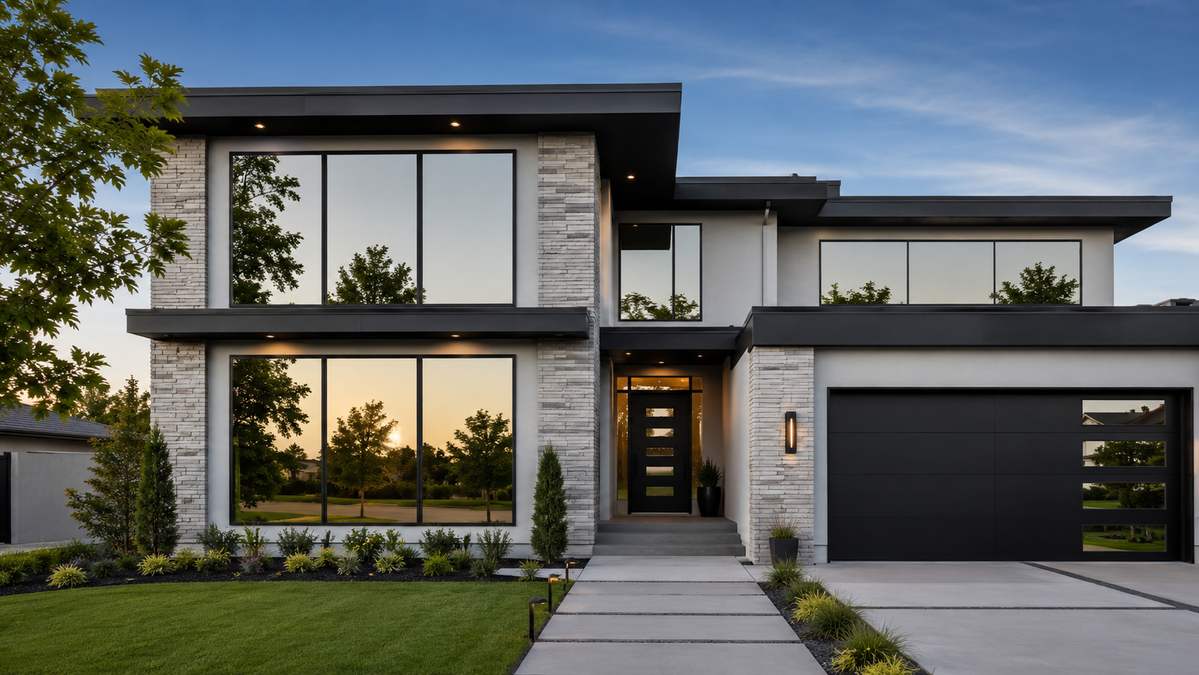
Consider building orientation, existing glass type, local HOA or building guidelines, and desired interior light levels. Very dark tints block more solar heat but reduce natural light; spectrally selective films maintain clearer views while still rejecting heat. Ask for physical samples or small test installations before committing to a full building project, and work with window film experts who understand Indianapolis climate and typical commercial property needs; for certain conference rooms or medical spaces, switchable smart glass film systems may also be an option to explore.
Why Choose Our Indianapolis Window Film Team
Our company brings years of hands-on installation experience across the greater Indianapolis area, specializing in both residential and commercial window film solutions similar to other Indianapolis window tinting and film providers. Our expert team handles everything from downtown office towers to suburban homes, delivering tailored solutions backed by strong customer communication.
We offer a full range of films-solar, privacy, decorative, and security film-from reputable manufacturers with solid warranties. Our professional, insured crews maintain clean job sites and focus on long-term performance. We stand behind our workmanship and support our customers long after installation is complete.
Service Areas in and Around Indianapolis
Our team serves the broader Indianapolis metropolitan area, including:
- Indianapolis, Carmel, Fishers, Noblesville, Westfield, Zionsville
- Greenwood, Avon, Plainfield, Brownsburg, Lawrence
We handle both single-family homes and large commercial properties along the I-65, I-69, and I-70 corridors. If you’re outside the core city, contact us to confirm whether your property falls within our regular service radius. We also support multi-site regional projects beyond Indianapolis proper.
Frequently Asked Questions about Window Film in Indianapolis
Here are answers to common questions from our customers.
How long does window film last in Indiana’s climate? High-quality ceramic or spectrally selective films last 10 to 20 years with proper installation. Lower-end dyed films may fade sooner due to Indiana’s temperature swings and strong UV exposure.
Will film void my window warranty? Generally, interior-applied film with compatible adhesives does not void glass manufacturer warranties. Always verify with your window manufacturer before installation.
Can I still see out at night with privacy film? One-way reflective films reverse at night when interior lights are on, reducing privacy. For 24/7 coverage, frosted or textured films are the better choice for rooms like bathrooms and street-facing bedrooms.
How much heat can film really block? Window film can reduce incoming heat by up to 78% and reject up to 79% of incoming solar energy, depending on film grade and glass type.
Is security film worth it for my storefront? For retail locations prone to vandalism or cars posing smash-and-grab risks, security film provides fragment retention and delays entry. It’s not bulletproof but adds meaningful protection and may reduce insurance premiums.
How soon will I notice energy savings? Most property owners notice lower cooling costs within the first summer season. Full ROI typically arrives in three to five years for commercial properties.
Will film cause my windows to crack? Thermal stress is rare when films are matched correctly to your glass type. Professional installers assess compatibility with double-pane and low-E windows before recommending a product, preventing issues with graffiti-prone or sealed units.
Have a question not listed here? Contact our team for project-specific answers.
Get a Free Quote for Window Film in Indianapolis
If you’re dealing with hot rooms, glare on screens, fading interior furnishings, or privacy concerns, the next step is simple. Request a free quote through our online contact form, by phone, or by email-most inquiries receive a response within one business day.
Share your property type, approximate window count or square footage, and main goals (such as commercial window film for energy efficiency or privacy window film for offices). Every consultation is no-obligation and includes professional recommendations tailored to your building and budget.
The benefits are clear: improved comfort, measurable energy savings, enhanced security, and a more polished appearance for homes and commercial properties across Indianapolis. Contact our team today to schedule your on-site consultation and start planning your window film project.