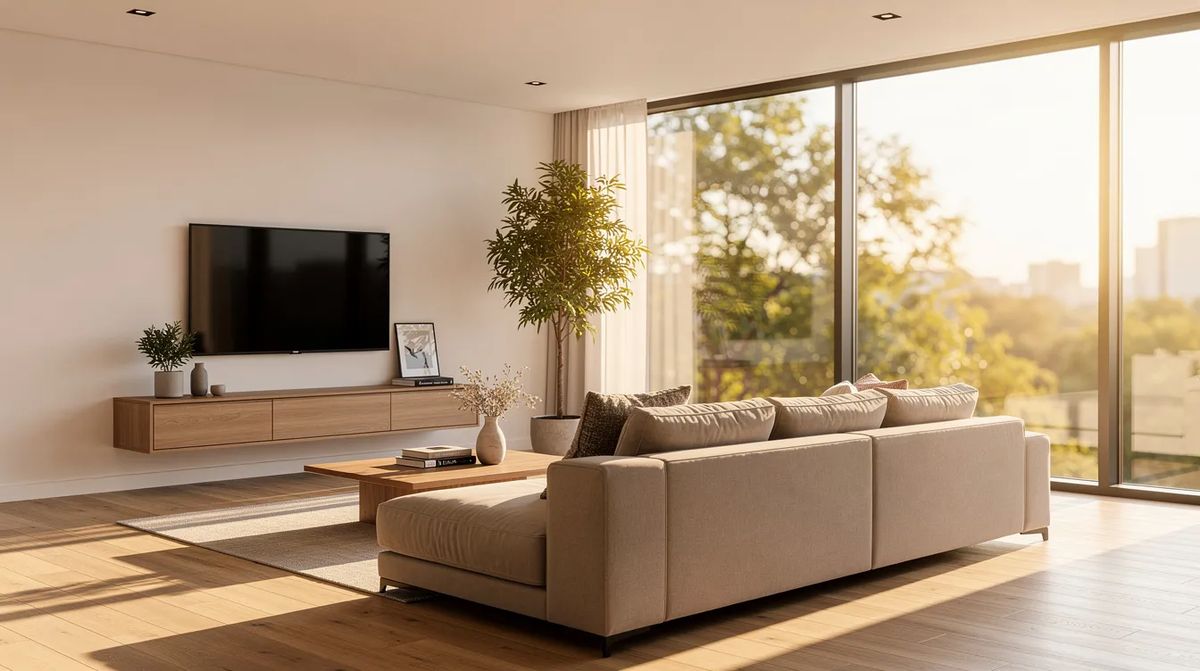
If you’ve ever squinted through a sun-drenched window only to draw the blinds and lose your view entirely, you already understand the problem. Transitional window film offers a different approach-one that adapts to sunlight automatically, controlling glare, heat, and UV exposure without forcing you to choose between comfort and natural light.
This article breaks down how it works, what it costs, where it fits, and whether it’s the right solution for your space.
Table of Contents
- What Is Transitional Window Film?
- How Transitional Window Film Works
- Key Benefits of Transitional Window Film
- Types of Transitional Window Films
- Transitional vs. Traditional Window Tint
- Performance Ratings: Clarity, Heat, Glare & Energy Savings
- Installation Process for Transitional Window Film
- Ideal Applications for Transitional Window Films
- Costs, ROI & Getting a Free Estimate
- Maintenance & Care of Transitional Window Film
- Frequently Asked Questions About Transitional Window Film
- Is Transitional Window Film Right for You? (Conclusion & Next Steps)
Learn more about transitional window films and how they can work for your project.
What Is Transitional Window Film?
Transitional window film is a photochromic film embedded with specialized photochromic micro-particles that shift the glass from a near-clear state to a tinted state in response to sunlight. Unlike electrochromic smart glass film that requires electrical wiring, or switchable SmartVu smart glass films that change state on demand, transitional film relies on a passive chemical reaction to adapt to sunlight-no switches, no power source.
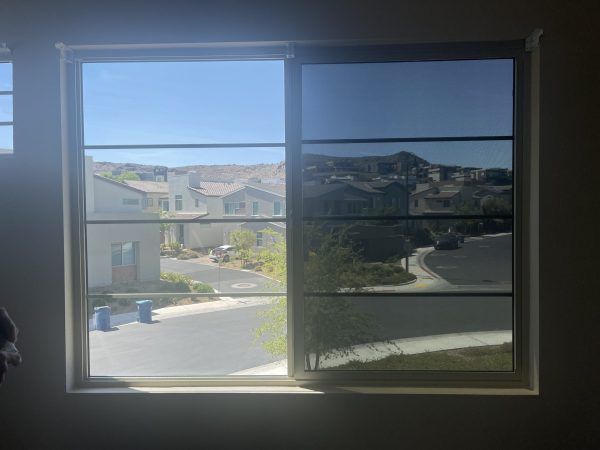
The light-change range varies by product. For example, CoolVu’s CV 35/20 variant allows roughly 35% visible light transmission (VLT) in its lighter state and drops to about 20% VLT when fully darkened by direct sunlight. Other models span from approximately 55% down to 15% VLT.
Ideal applications include homes, offices, storefronts, and certain automotive glass where regulations permit. Core benefits at a glance:
- Glare reduction for screens, workspaces, and driving visibility
- Heat control that lowers solar heat gain
- Daytime privacy without sacrificing outward views
- Improved energy efficiency by reducing cooling loads
How Transitional Window Film Works
The science is straightforward. The film contains photochromic molecular compounds that react to UV light, primarily around 395 nm wavelength. When sunlight triggers a chemical shift in these photochromic particles, the molecules rearrange their structure, increasing visible-spectrum absorption. The result: the film darkens.
The reaction is fully reversible. Photochromic window film returns to a clear state when UV exposure decreases-whether from clouds moving in, shade from adjacent structures, or evening. The automatic adjustment happens gradually rather than as an abrupt on/off switch, creating a smooth visual transition.
Typical response times: darkening begins within approximately 30 seconds of sufficient UV intensity and reaches a full tinted state in a few minutes under strong sun. The return to a lighter state follows a similar timeline once UV drops.
Indoor lighting from LEDs or fluorescents generally lacks the UV component needed to trigger darkening, so the film stays mostly clear under artificial light. This means your indoor environment isn’t perpetually tinted-only direct sunlight activates the change.
Key Benefits of Transitional Window Film
Transitional films adapt their tint based on sunlight exposure, delivering a range of advantages for comfort, protection, and long-term savings. Here’s what matters most.
Glare Reduction & Visual Comfort
Harsh glare causes eye strain, washes out screens, and makes south- or west-facing rooms nearly unusable during summer afternoons. Transitional film provides dynamic glare reduction by adapting to sunlight intensity-softening bright light on TVs, monitors, and mobile screens without blocking the view entirely.
Unlike blackout shades that eliminate the connection to the outdoors, the film maintains outward visibility even in its darker state. Transitional films reduce glare, enhancing comfort in homes and offices where people work near windows throughout the day.
Heat Control, UV Protection & Fade Reduction
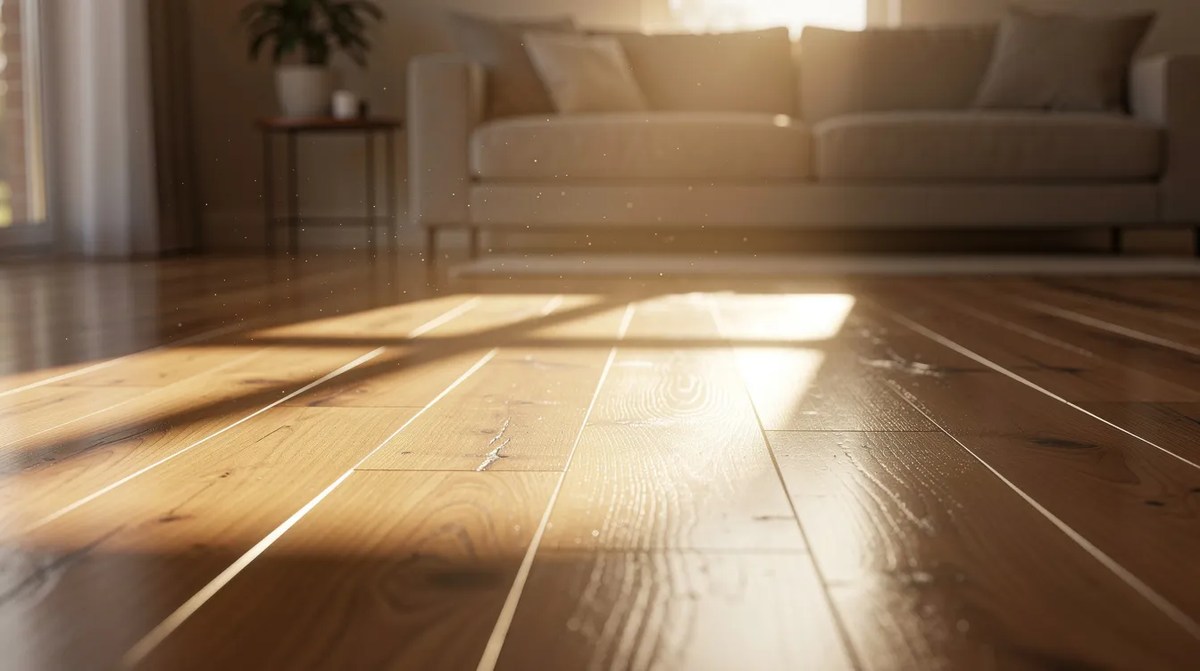
These films can reduce infrared heat gain by over 80%, keeping interior spaces noticeably cooler during peak sunlight exposure. Transitional window films block over 80% of infrared heat while also blocking up to 99% of harmful UV rays-both UVA and UVB-which protects skin health and dramatically slows fading of hardwood flooring, artwork, fabrics, and furnishings.
Consider an unprotected west-facing window over several summers: hardwood floors lose color, fabric upholstery fades unevenly, and artwork degrades. With transitional film installed, that UV protection and infrared rejection work continuously to preserve your interior without any user action.
Energy Efficiency & Cost Savings
Reduced solar heat gain translates directly to lower cooling costs. Transitional window film reduces the workload on HVAC systems because the adaptive tinting allows occupants to enjoy natural light without as much accompanying heat-eliminating the need to close blinds and rely on artificial lighting.
Photochromic window tints can reduce energy bills significantly. In cooling-dominated climates, realistic savings range from 10–30% on cooling loads depending on building type, glass area, and orientation. A case study at Temple College in Texas demonstrated annual utility savings of nearly $34,000 after installing solar control film across approximately 30,000 square feet, with ROI achieved in about 3.6 years.
These films enhance energy efficiency by reducing heat loss in addition to heat gain, and they help maintain comfortable indoor temperatures year-round. Professional energy modeling or utility bill comparisons before and after installation can quantify your specific savings.
Privacy, Daytime Security & Aesthetics
When the film enters its darker tinted state under bright sun, it increases daytime privacy from the street while preserving interior views out. The sleek, tinted appearance enhances curb appeal and gives a modern look versus bare clear glass-no bulky blinds or heavy drapes needed.
One important note: at night with interior lights on, privacy is limited because the light differential reverses. Additional window coverings may still be needed for nighttime security in certain settings.
Types of Transitional Window Films
Not all transitional films are identical. Products vary by intended use, base color (neutral, gray, bronze), reflectivity level, and whether they prioritize maximum heat control or solar heat and glare reduction and low interior reflectance.
Architectural Transitional Films for Homes & Offices
Designed for flat glass windows, doors, and curtain walls, architectural transitional films balance heat control, glare reduction, daylighting, and clear views when not in a tinted state. Common locations include living rooms, conference rooms, lobbies, storefronts, and atriums. CoolVu Transitional Window Films, for example, offer models with total solar energy rejection (TSER) ranging from about 54% to 66% depending on the variant and state.
When comparing options, request performance metrics: VLT in both light and dark states, solar heat gain coefficient (SHGC), and UV rejection percentage.
Automotive & Specialty Transitional Films
Automotive photochromic film is engineered for curved glass and the demands of on-the-road conditions-vibration, heat cycling, and frequent cleaning. Benefits for drivers include reduced windshield and side-window glare, a cooler car interior, and consistent visibility.
However, local window tint laws for vehicles vary significantly by state. Front side windows and windshields often require VLT above 70%. Any transitional film must remain legal in both its clear and tinted state. Specialty applications like skylights, roof glazing, and custom glass features also benefit from automatic tint adjustment.
Transitional vs. Traditional Window Tint
Readers often weigh transitional film against standard static tint. Here’s how they compare:
- Adaptability: Traditional tints maintain a fixed level of opacity regardless of conditions. Photochromic films provide dynamic protection and comfort by adjusting throughout the day.
- Flexibility: Transitional film excels in variable climates and mixed-use spaces where light conditions change frequently. Static tint works well for consistent, predictable sun exposure patterns.
- Heat rejection: Traditional tint can offer slightly more predictable heat rejection at its rated level. Transitional film’s rejection varies with intensity-higher in bright sun, lower in overcast conditions.
- Cost: Transitional films carry a higher upfront price due to advanced photochromic technology. Standard film is more budget-friendly for straightforward applications.
- Appearance: Static tint maintains one consistent appearance. Transitional film shifts from nearly clear to a darker tint level, which some prefer for its versatility in aesthetics.
Performance Ratings: Clarity, Heat, Glare & Energy Savings
Understanding product ratings helps you compare films meaningfully:
- Clarity measures how natural and distortion-free the view appears. High-end modern films rate approximately 85–90% clarity in the light state.
- Heat control indicates the percentage of solar heat blocked. Look for TSER or SHGC values-lower SHGC means less heat entering.
- Glare control balances comfort against maintaining sufficient daylight. Photochromic films automatically adjust their opacity based on sunlight, keeping this balance dynamic.
- Energy savings and daytime privacy ratings should be evaluated against your actual use case-large glass facades will see more dramatic results than small windows.
Request product data sheets dated 2023 or later from your installer to ensure current performance and warranty data.
Installation Process for Transitional Window Film
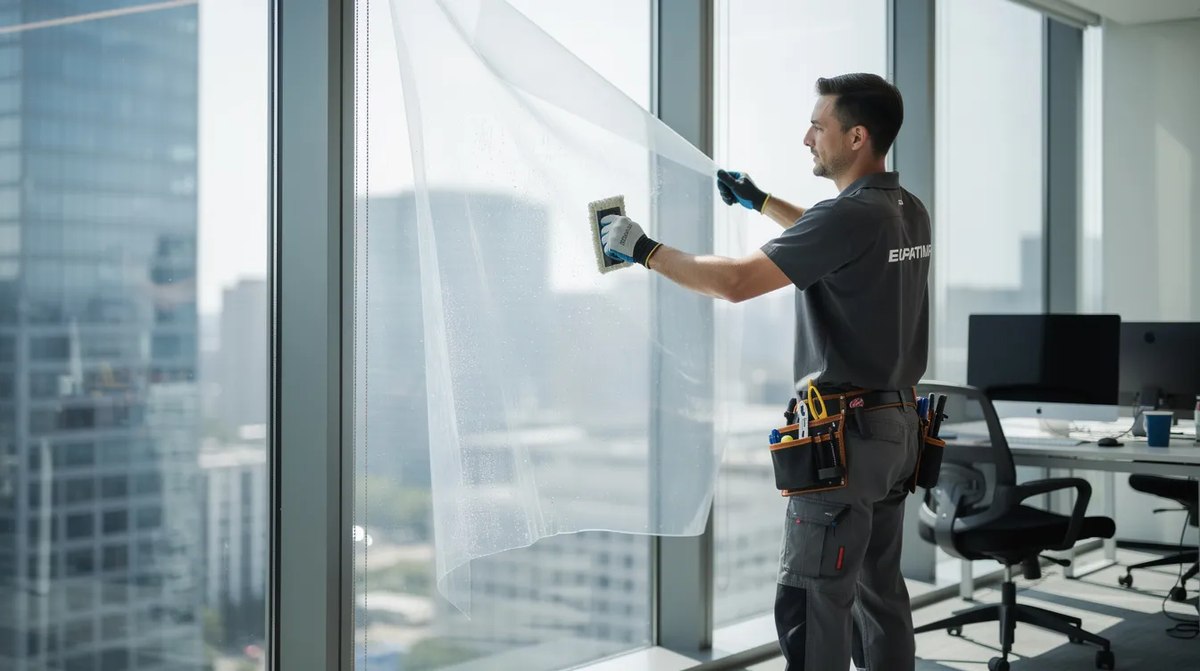
Professional installation is recommended for photochromic window tint. The process typically follows these steps: consultation, glass inspection, measurement, film selection, surface prep (thorough cleaning and scraping contaminants), film application with slip solution, squeegeeing out air and moisture, precision trimming, and edge finishing.
A standard residential project-say, 8 to 12 windows-usually takes a half day to a full day. Curing time ranges from several days to a few weeks depending on climate before the film reaches full optical clarity and performance. Minor haze or moisture pockets near edges during curing are normal.
Choosing the Right Installer
Film quality and installer skill matter equally. Look for certified or factory-trained professionals with experience specifically in transitional and photochromic film. Check recent reviews from 2022–2026, ask for portfolio photos and references from similar projects. Written warranties covering both material and labor-including coverage for bubbling, peeling, discoloration, or adhesive failure-are essential.
DIY vs. Professional Installation
DIY kits exist, but installation requires careful attention to ensure optimal performance. Transitional film is more sensitive to handling and surface contamination than basic tints. Common DIY risks include trapped dust, visible seams, creases, and premature failure from improper preparation. Improper installation can lead to bubbling or peeling.
DIY installation of photochromic tint is challenging and not recommended for large windows, curved glass, or vehicles. Reserve DIY attempts for small, low-risk interior panels. For homes, offices, and anything of significant value, have the film professionally installed.
Ideal Applications for Transitional Window Films
Residential Windows & Doors
Large patio doors, picture windows, and bay windows on south and west exposures benefit most. Consider a home with oversized sliders: transitional film allows clear morning views and tinted afternoon comfort without touching a blind. Children’s rooms, home offices, and media rooms where screen glare is a persistent problem also see immediate improvement. Transitional window film gives unobstructed views while controlling sunlight throughout the day, similar to other architectural window film solutions designed for homes and buildings.
Commercial & Office Spaces
In commercial spaces and office environments, automatic glare reduction helps employees see screens without closing blinds all day. Lobbies, waiting areas, and storefronts benefit from reduced harsh brightness while keeping open views for customers. When combined with other efficient building upgrades and dedicated privacy window film solutions, transitional film can support green-building goals and energy certifications.
Automotive, Specialty & Smart-Home Integrations
For vehicles where legal, transitional film reduces eye strain during long drives and keeps interiors cooler when parked. Pairing transitional film with smart home shades or lighting controls creates sophisticated automated comfort management. Modern smart homes completed in recent years increasingly use both adaptive film and automation for optimized control of their indoor environment across all seasons, including cloudy days and shifting sun angles.
Costs, ROI & Getting a Free Estimate
Cost variables include total glass area, accessibility, film brand and performance level, and whether old tint must be removed. Transitional film typically starts around $8.00 per square foot-more than standard window film due to its photochromic layer.
Payback comes through energy savings, reduced HVAC strain, and extended life of furnishings and flooring exposed to sun. To request a free estimate, prepare your window sizes, photos of the exterior and interior glass, and your primary goals-whether that’s heat control, privacy, or protecting your space from fading.
Compare quotes that include film specification sheets, warranty terms, and installation details-not just price.
Maintenance & Care of Transitional Window Film
Transitional film is low-maintenance but does require basic care for longevity. During the initial curing period (typically 7–30 days), avoid cleaning the filmed surface entirely.
For routine maintenance:
- Use soft microfiber cloths with mild soap or ammonia-free glass cleaner
- Apply gentle pressure-no abrasive pads or razor blades on the film surface
- Avoid harsh chemicals that can damage the photochromic layer
Dealing with Scratches, Damage & Replacement
Modern films are durable, but surface wear can occur in high-traffic areas. Minimize scratches by keeping furniture, blinds, or shades from rubbing directly against filmed glass. Localized damage usually requires replacing only that specific pane’s film, not the entire project. Contact the original installer for assessment, as improper removal can damage glass or leave adhesive residue.
Photochromic window films can last over 10 years with proper care, with some manufacturers offering warranties covering photochromic transition functionality for up to 8 years.
Frequently Asked Questions About Transitional Window Film
What is the difference between transitional film and regular window tint? Traditional tints maintain a fixed level of opacity at all times. Transitional film adapts its darkness based on UV exposure, providing more comfort flexibility across changing conditions without manual adjustment.
How long does transitional window film last? Quality architectural films typically last 10–15 years when professionally installed and maintained. Photochromic performance may gradually diminish over time, with manufacturer warranties commonly covering 5–8 years of transition functionality.
Will the film work on any type of glass? Photochromic window tint can be installed on most glass types, but certain low-E or laminated glass may require professional evaluation to ensure compatibility and avoid thermal stress.
Does transitional film work on cloudy days or in winter? The film still reacts to UV rays present on cloudy days, but it will typically darken to a lighter tinted state since UV intensity is lower. It provides year-round UV protection regardless of season.
Is transitional window film legal on cars in my area? Tint laws vary by state and jurisdiction. Verify your local regulations and ensure the film’s VLT in both its clear and darkened state meets legal requirements before installation on any automotive glass.
Can the film be removed later? Yes, transitional film is removable by professionals. Proper removal techniques protect the glass surface from adhesive residue or damage.
Does transitional film interfere with radio, Wi-Fi, or cellular signals? Non-metallic photochromic films generally do not interfere with signals. Some films with metallic layers could cause minor interference—check product specs and discuss with your installer.
Is Transitional Window Film Right for You? (Conclusion & Next Steps)
If hot rooms, fading furnishings, or relentless glare are part of your daily experience, transitional film delivers a solution that works automatically-no switches, no batteries, no constant adjusting of blinds. You get glare reduction when the sun is intense, heat control when you need it most, UV protection around the clock, and energy efficiency that compounds over years of use.
Think about your specific pain points. Which windows get the worst afternoon sun? Where does fading show up first? Which rooms force you to choose between a view and comfort?
Contact us for a free estimate. Share your window sizes, a few photos, and your goals-whether that’s protecting an interior, cutting energy bills, or simply enhancing the appearance of your building. Schedule an on-site assessment so we can review your glass type, orientation, and priorities before recommending the right film.
Your windows should work for you, not against you. Modern transitional window film makes that possible.