Table of Contents
- Introduction: What Commercial Window Tinting Does for Your Business Today
- Key Benefits of Commercial Window Tinting for Modern Buildings
- Types of Commercial Window Films and How to Choose the Right One
- Solar Control: Heat Rejection, Glare Reduction, and UV Protection
- Security Films and Safety Upgrades for Commercial Windows
- How Commercial Window Tinting Improves Energy Efficiency and Lowers Bills
- Installation Process: What to Expect from Start to Finish
- Maintenance, Lifespan, and Warranty Coverage
- Why Choose Our Team for Your Commercial Window Tint Project
- Frequently Asked Questions About Commercial Window Tinting
- Conclusion: Next Steps to Upgrade Your Commercial Windows
Introduction: What Commercial Window Tinting Does for Your Business Today
Commercial window tinting is the process of applying a commercial window film to existing glass in offices, storefronts, schools, healthcare facilities, and other commercial settings to control heat, glare, UV exposure, and privacy. Rather than replacing windows entirely, film upgrades the performance of glass you already have.
If you manage or own a commercial building, the problems are familiar: excessive heat radiating through south- and west-facing windows, glare washing out computer screens and digital signage, harmful UV rays fading flooring and furniture, limited privacy in conference rooms or patient areas, and energy bills that keep climbing. These are the exact issues modern window film is designed to solve.
Films installed between 2020 and 2026 are far more advanced than the dark, mirror-like tints many people picture. Modern films are available in various finishes and shades, including ceramic and spectrally selective options that look nearly invisible from the inside while rejecting significant solar heat. Commercial window tinting blocks up to 99% of UV rays and can reject up to 82% of heat entering through glass.
This article covers film types, the installation process, realistic energy savings, warranty coverage, and how to choose the right solution for your property. Here is what you can expect to gain:
- Heat rejection that lowers cooling loads and air conditioning costs
- Glare reduction that improves screen visibility and reduces eye strain
- UV protection that slows fading of interiors and protects occupants
- Enhanced privacy for sensitive spaces without sacrificing natural light
- Security upgrades that make glass more resistant to impact and forced entry
Key Benefits of Commercial Window Tinting for Modern Buildings
A quality commercial window film upgrade can transform existing glass without the cost and disruption of full window replacement. Most projects are completed in a single phase, and energy savings from window films can start immediately after installation.
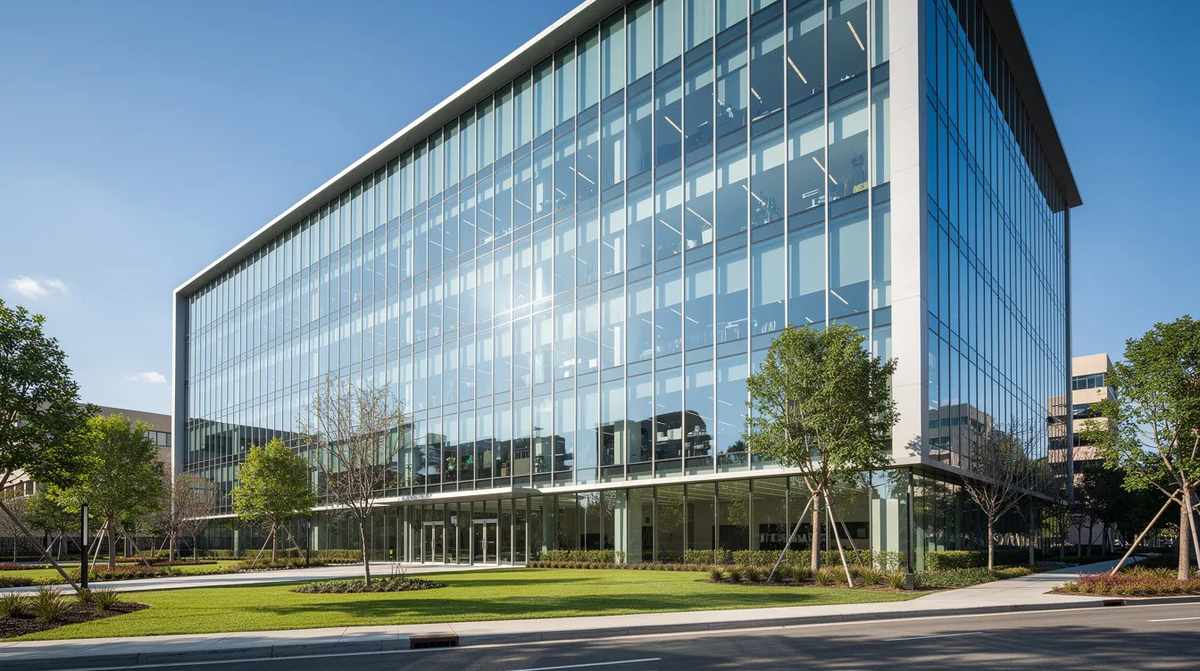
The benefits span several categories. Improved energy efficiency is often the primary driver-tinted windows reduce glare, improving visibility and comfort while cutting cooling demand. Window films help reduce HVAC energy consumption, meaning your equipment runs fewer hours and lasts longer. Glare reduction films enhance productivity in workspaces where employees spend hours on monitors, and window films can reduce eye strain for those employees. Films also contribute to enhanced privacy by limiting outside visibility in commercial spaces, and decorative options can enhance the appearance of aging facades.
For context, the Ellis Building in Sarasota, Florida-a 12-story high-rise with roughly 38,000 square feet of vision glass-applied exterior solar control film that reduced electricity use by over 200,000 kWh annually from cooling savings alone. In South Florida broadly, commercial buildings with single-pane glazing have achieved average perimeter energy savings of up to 29% after installing high-performance films. Commercial window tinting can lower energy bills significantly in similar climates.
Comfort improvements matter too: fewer hot spots near glass walls, more consistent indoor temperatures across zones, and better occupant satisfaction. Films can also support sustainability initiatives, contributing to LEED credits for optimized energy performance and indoor environmental quality.
At-a-glance benefits:
- 10–30% reduction in cooling-related energy costs
- 99%+ UV protection for interiors and occupants
- Measurable glare reduction for screen-heavy environments
- Security and safety upgrades without structural changes
- Aesthetic improvements that avoid full glass replacement
Types of Commercial Window Films and How to Choose the Right One
Not every film type solves the same problem. Some focus on solar control, others on privacy, security, or branding. Selection depends on building orientation, glass type (single pane vs. double pane vs. Low-E), local climate, and whether your priorities are energy savings, privacy, or protection.
Solar control films are the most common choice. These reduce solar heat gain by reflecting and absorbing infrared energy. On single-pane clear glass with a solar heat gain coefficient (SHGC) of about 0.86, a high-performance ceramic or low-e solar window film can reduce that to 0.20–0.30-cutting cooling load dramatically. A light neutral solar control film on a south-facing glass facade of a 10-story office completed in 2023, for example, can maintain good natural light while sharply reducing heat.
Privacy films prevent passersby from seeing inside buildings, making them ideal for medical offices, conference rooms, and street-level business spaces. Tinted windows limit outside visibility in commercial spaces while still allowing daylight to pass through. Frosted decorative bands installed on medical office doors provide HIPAA-friendly privacy without darkening the space.
Decorative films can mimic frosted glass finishes, and custom branding films can display logos and designs on glass partitions or storefronts. Frosted and patterned films give spaces a modern look, and emerging options like smart window films add switchable privacy and projection capabilities. Decorative films enhance aesthetics without replacing glass, making them cost-effective for tenants refreshing their environment.
Security films use thicker, multi-layer polyester to hold glass together on impact. These security window films are available clear or combined with solar tint for dual-purpose protection.
Specialty films include anti-graffiti coatings (sacrificial layers replaced every 3–5 years) and exterior-applied solar films for facades where interior access is difficult, as well as transitional window films that automatically adapt to changing sunlight. Non-metalized exterior films can last up to 10 years, while metalized versions may degrade in 3 years or less.
One critical limitation: using incompatible film can cause seal failure in double pane windows. Certain high-performance IGUs from 2010–2020 require careful film selection to avoid thermal stress. Always verify manufacturer glass-film compatibility charts before proceeding.
- Solar control: strong energy and comfort gains; risk of over-darkening if poorly selected
- Privacy: cost-effective visibility control; may reduce outside views
- Security: strong protection; higher cost and thicker profile
- Decorative: flexible branding and aesthetics; limited thermal performance
- Exterior application: needed where interior access is blocked; shorter lifespan
Solar Control: Heat Rejection, Glare Reduction, and UV Protection
Solar control is the most common reason businesses invest in commercial window film, especially for buildings with large south- and west-facing windows that absorb intense afternoon sun.
Films reflect and absorb portions of solar energy before it enters the space, reducing reliance on air conditioning systems. Window films can reject up to 82% of heat, with most modern options landing in the 50–82% range depending on film type and construction. Premium ceramic window films and spectrally selective films maintain visible light transmission (VLT) of 50–80%, meaning your space stays bright without sacrificing natural light for heat performance.
Reducing glare is essential in open-plan offices, call centers, classrooms, and healthcare waiting rooms. The 2022–2025 shift to hybrid work has increased screen time in offices, making glare control more relevant than ever. A well-chosen solar control film can cut glare by 50–70%, directly improving screen readability and reducing eye strain.
UV protection from films helps slow fading of flooring, furniture, displays, and artwork, extending replacement cycles for interior finishes by several years. UV damage to furnishings and finishes is driven largely by wavelengths in the 290–380 nm range, and most quality films block 99%+ of this radiation-the wavelengths responsible for the majority of material degradation and skin damage.
Modern spectrally selective films achieve this combination by targeting infrared wavelengths while passing visible light. A clear single-pane window with SHGC of 0.82 and VLT of 90% lets in nearly all solar heat and light. Applying a spectrally selective film can reduce SHGC to approximately 0.30 while maintaining VLT around 60%-cutting heat by roughly 55% without noticeably darkening the space. A darker reflective film might push SHGC to 0.20 with VLT around 30%, but would require more interior lighting. The trade-off depends on your priorities and the building’s orientation.
Certain films also help retain indoor heat during winter by reducing radiant heat loss through glass, which matters in cooler climates where heating season energy use is a factor.
Security Films and Safety Upgrades for Commercial Windows
Security films are thicker, multi-layer polyester or hybrid films designed primarily to hold glass together upon impact. They do not make windows unbreakable, but security films make glass more resistant to breakage, significantly increasing the time and effort required to breach a window.
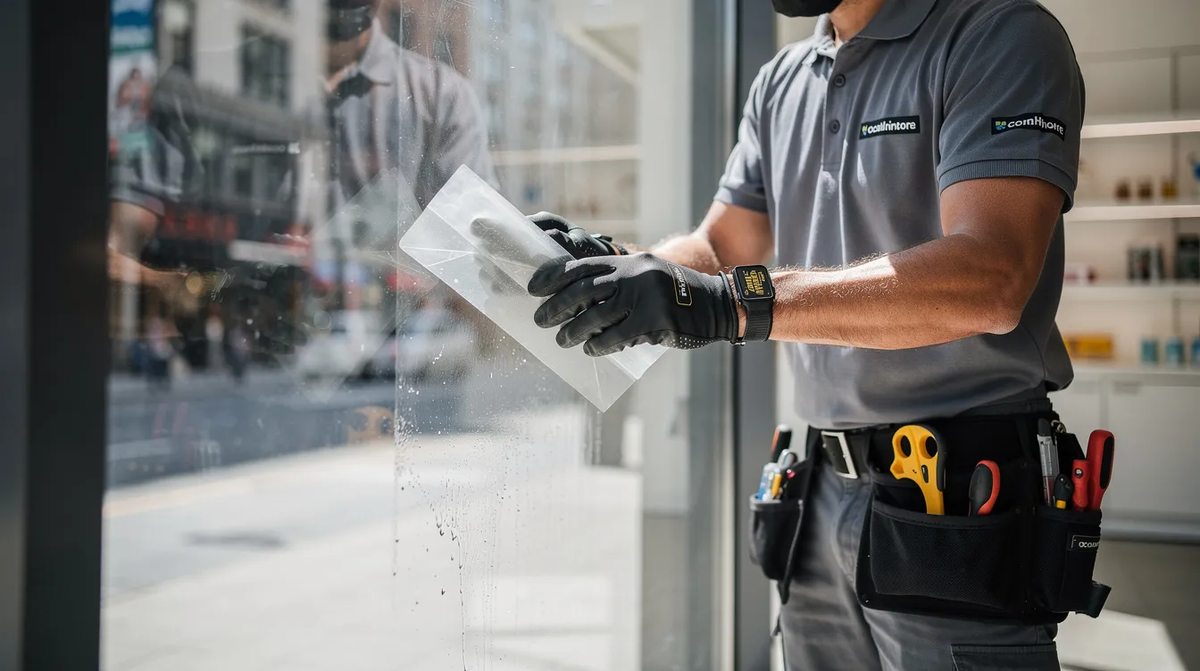
Typical use cases include deterring forced entry at retail storefronts, slowing smash-and-grab attempts, helping glass stay in place during storms, and improving safety in schools and public buildings. Specialized options, including ballistic-resistant window glazing solutions, enhance security against break-ins and violent incidents, making them valuable for any property with street-level exposure or high foot traffic.
Many security films are available as clear options or combined with solar control tints to provide both protection and energy efficiency in a single product. This combination means you get heat rejection and intrusion resistance without doubling up on materials.
Proper performance requires an attachment system that anchors film to window frames, increasing resistance to impact and blast pressures. Films installed to standards like ANSI Z97.1 and ASTM F3561 provide objective, tested performance benchmarks for safety glazing and forced-entry resistance.
Consider a 2022 retail chain that upgraded street-level storefront glass with clear security film after repeated break-ins. Even when glass was attacked, it remained intact in the frame, reducing losses and cutting replacement frequency. The film did not eliminate risk entirely, but it added a deterrent layer that changed the cost-benefit calculation for would-be intruders.
- Impact resistance: glass stays in place under strikes and storm debris
- Injury reduction: fewer dangerous shards if glass does break
- Intrusion delay: significantly more time and effort required to breach
- Storm and weather protection: holds glass during high winds and hail
- Dual-purpose options: combine security with solar and UV control
How Commercial Window Tinting Improves Energy Efficiency and Lowers Bills
Energy costs have risen sharply from 2021 through 2025, and commercial window tint has become a popular, low-disruption energy retrofit. Unlike HVAC replacements or full window swaps, film installation requires no structural changes and minimal business interruption.
Films reduce solar heat gain, lowering peak cooling loads and allowing HVAC equipment to operate more efficiently. Architectural window films help reduce HVAC energy consumption by keeping solar heat from entering the building in the first place, which means your air conditioning costs drop and your equipment experiences less wear.
Typical annual energy savings range from 5–15% for many commercial buildings, with some high-glass, sun-exposed properties achieving 20% or more depending on climate and film choice. Energy modeling tools that use historical utility data from the last 12–24 months can estimate payback time, which commonly falls between 3–7 years.
Some jurisdictions and utilities in North America and Europe have offered rebates or incentives for qualifying film installations between 2022–2026. Check current local programs through your utility provider or state energy office, as thresholds and availability change regularly.
Simple ROI example: A 20,000-square-foot office building in a hot climate might spend roughly $5 per square foot installed (about $100,000 total). With energy savings of approximately $0.50 per square foot per year, payback arrives in about 3 years. Over a 10-year film lifespan, net savings could reach $80,000–$100,000 in energy alone. Commercial window tinting should generate long-term financial returns, and comparing warranties among providers can help estimate potential ROI.
Secondary savings also add up: slower fading means less frequent furniture and flooring replacement, and reduced glare means tenants keep blinds open more often, cutting lighting energy use.
Installation Process: What to Expect from Start to Finish
Installation typically takes a few days depending on window quantity. A small to mid-size building is often completed in 1–3 days, while larger projects are scheduled in stages to minimize disruption, especially when handled by experienced window tinting and window film installation teams.
The installation process follows clear steps:
Assessment: Professionals evaluate window type-single pane, double pane, tempered, laminated-along with existing coatings, frame conditions, and building orientation to determine the correct film type and ensure compatibility.
Film selection and scheduling: Based on assessment findings, your installer recommends film options matched to your priorities (heat, glare, privacy, security). Work is scheduled around business operations, with evening or weekend installation available where needed.
Preparation: Furniture near windows is moved or covered. Protective coverings go down on floors and sills to manage moisture and protect finishes from dust and debris during the process.
Glass cleaning: Windows must be thoroughly cleaned before film application. This multi-stage process includes scraping, squeegeeing, and edge wiping to remove dirt, oils, and debris that could cause bubbles or imperfections under the film.
Application: Film is cut to size and applied smoothly to glass using a slip solution. Installers position the film, squeegee out water and air, trim edges precisely, and complete a final pass to secure adhesion.
Curing: Films may appear slightly hazy or show minor streaks for several days to weeks after install. Full clarity typically arrives within 30–60 days depending on temperature and humidity. This is normal.
What your staff should know on installation day:
- Clear window ledges and move items away from glass
- Keep blinds and shades open for installer access
- Expect minimal noise and disruption
- Avoid cleaning film for at least 30 days after install
- Slight haze during curing is temporary and expected
Professional installers ensure proper adhesion and warranty coverage by following manufacturer specifications at every stage.
Maintenance, Lifespan, and Warranty Coverage
High-quality commercial films, when properly installed, often last 10–20 years for interior applications. Lifespan depends on film type, sun exposure, glass orientation, and maintenance. Interior-applied films generally outlast exterior versions, though modern exterior films are formulated for improved durability and can last up to 10 years in favorable conditions.
Maintenance is straightforward: wait at least 30 days before the first cleaning to allow adhesive to fully cure. After that, use soft cloths or rubber squeegees with mild, non-ammonia cleaners. Avoid abrasive pads, metal blades, or harsh chemicals near film edges. Inspect annually for signs of edge lifting, discoloration, or haze.
Typical warranty coverage protects against peeling, bubbling, cracking, delamination, and noticeable discoloration for a defined term-often 10–15 years for many commercial products. Reputable manufacturers should provide solid warranties covering materials and labor. Commercial installations should include comprehensive warranties covering both materials and labor, with written documentation specifying coverage dates, conditions, and transferability if a building changes ownership.
Warranty coverage can be voided by improper installation or incompatible glass pairings, which reinforces the value of working with experienced, manufacturer-certified installers who follow documented guidelines.
Quick care checklist:
- Wait 30 days minimum before first cleaning
- Use non-abrasive, ammonia-free cleaning solutions
- Clean with soft cloths or rubber squeegees only
- Avoid scraping or cutting near film edges
- Schedule annual inspections to catch issues early
Why Choose Our Team for Your Commercial Window Tint Project
Commercial window tinting applications are more complex than residential or automotive tinting. Flat glass specialization is critical for commercial tinting installers, and our team brings years of hands-on experience installing films on offices, schools, retail centers, and healthcare facilities.
We hold formal factory certifications from major manufacturers, carry valid business licensing and comprehensive commercial insurance, and stand behind every project with manufacturer-backed and workmanship warranty coverage. We use high-quality films-not low-cost, low-durability products-because the difference shows up in performance and longevity, as seen in our regional commercial window film installation services.
Our process starts with a detailed on-site consultation to match film types to your building’s real performance goals. We provide clear proposals, accurate measurements, and realistic timelines. In 2023, an office upgrade we completed reduced glare complaints by over 70%, and a multi-location retail rollout was finished on schedule with consistent exterior appearance across all properties.
If you are ready to explore solutions for your property, request a site assessment. We will walk your building, review your glass, and provide a customized recommendation based on your space, orientation, and priorities.
Frequently Asked Questions About Commercial Window Tinting
These FAQs address common concerns building owners and facility managers raise before installing film.
Will window tint make my office too dark? Modern spectrally selective and ceramic films maintain VLT of 50–80%, preserving natural light while rejecting heat. If darkness is a concern, select a film with VLT of 50–60% rather than below 35%. You can simulate light levels with samples before committing.
Can commercial window film be removed or replaced later? Yes. Interior films can be removed with professional tools, though some adhesive residue may remain. Replacement is common when tenants change or needs evolve.
How long does commercial window tint last on busy facades? Interior high-performance films typically last 10–15 years, with premium ceramic options reaching 15–20 years. Exterior films in high-exposure settings may last 3–10 years depending on material and climate.
Does tinting help with glare on screens and digital signage? Absolutely. Films that modulate VLT can cut glare by 50–70%, improving readability and reducing eye strain for anyone working on monitors or viewing videos and digital displays throughout the day.
Will window film block harmful UV rays enough to protect furnishings? Quality films block 99%+ of UV radiation (290–380 nm), which is the primary cause of fading in fabrics, furniture, and artwork. This protection is largely independent of visible tint level.
Can security films really improve security? Security films add a strong deterrent by holding glass intact after impact and delaying forced entry. They are not a replacement for laminated safety glass in high-security settings, but for most commercial properties they provide meaningful protection at a fraction of the cost of full glass replacement.
Is there a difference between residential and commercial films? Yes. Commercial films are engineered for heavier use, more aggressive sun exposure, and frequent cleaning. Warranty terms differ, and installation requires flat glass specialization that goes beyond standard residential or automotive work. Look for installers with formal factory certifications from major manufacturers.
Will films change the exterior appearance of my building? They can, but subtle options exist. Spectrally selective films with high VLT and neutral tones produce minimal change in appearance. Mock-ups on a sign or sample pane help you assess before a full install.
What about winter heating costs? Some low-E films reduce radiant heat loss through glass, which can offset a portion of winter heating impact. Energy modeling helps determine net annual benefit by balancing reduced summer gain against reduced winter passive heating.
Can film be applied to any type of commercial window? In many cases yes, but glass compatibility matters. Dark absorptive films on annealed IGUs or certain Low-E units may cause thermal stress or seal failure. Professional installers check manufacturer compatibility charts and select accordingly. Commercial property managers must also ensure window tints comply with fire safety visibility regulations, and local municipalities may enforce tint restrictions regarding exterior reflectivity and VLT percentages.
What does the installation process involve? It covers assessment, film selection, scheduling, surface preparation, deep cleaning, film application, and curing. Your team will need to clear window areas and allow access, and the seamless process is designed to avoid business disruption.
What does warranty coverage include? Typical warranties cover bubbling, peeling, color change, and delamination. They exclude damage from improper cleaning, physical abuse, or incompatible glass. Always get written documentation specifying legal terms, coverage period, conditions, and whether the warranty transfers with property ownership.
Conclusion: Next Steps to Upgrade Your Commercial Windows
Commercial window tinting delivers measurable returns across every category that matters to building operators: lower energy costs, improved occupant comfort, glare reduction, UV protection, added security, and enhanced building aesthetics-all without the disruption of full window replacement.
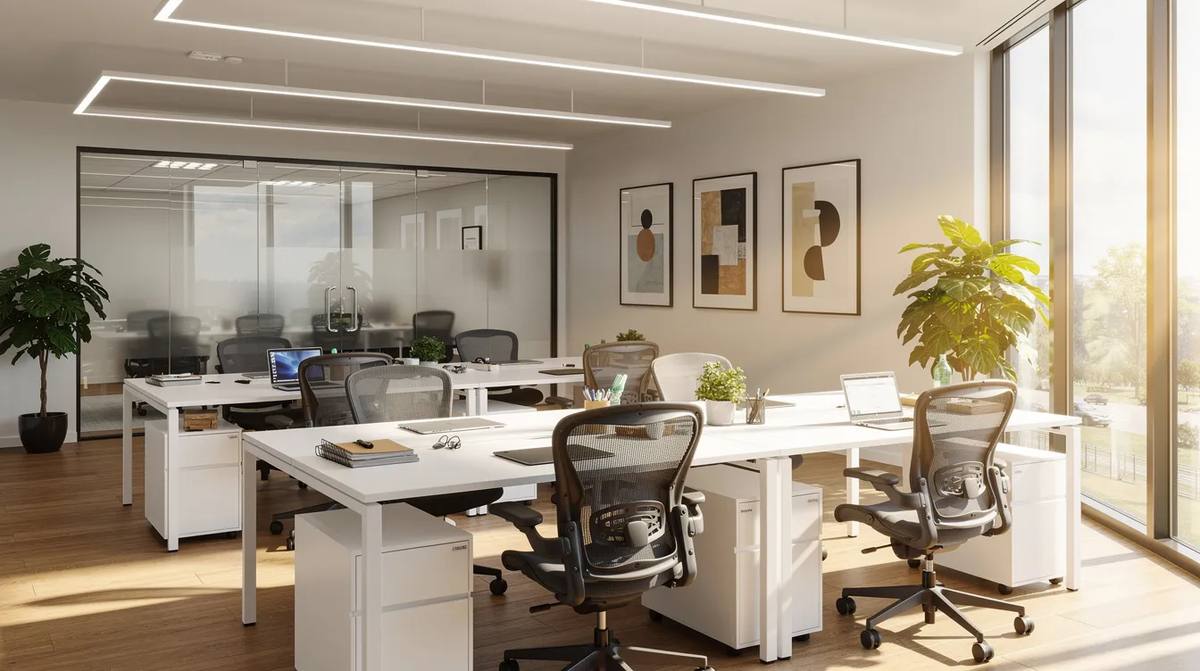
Installation can be scheduled around normal business hours, completed in stages if needed, and the benefits begin accumulating from day one. Whether your priority is cutting energy bills on a sun-exposed facade or adding a security layer to street-level glass, the right film type exists for your building.
Contact our team by phone or online form to schedule an on-site evaluation. We will assess your glass, orientation, and goals, then deliver a customized proposal with clear pricing and realistic performance projections. Every year of film performance is a year of compounding savings and a more comfortable, secure environment for your occupants and visitors.