Homeowners searching for bullet proof window film for home protection want real answers about what this product delivers. The truth is that security window film and true ballistic glass serve very different purposes, and confusing the two can leave your family underprotected. Here’s a clear breakdown of what works, what doesn’t, and where to invest.
Table of Contents
- What Is Security Window Film for Homes (and Why People Call It Bulletproof)?
- Does Bulletproof Window Film Really Exist for Homes?
- Home Security Window Film vs Bullet Resistant Glass & Ballistic Glazing
- Benefits of Security Film for Forced Entry Protection at Home
- Active Shooter & Ballistic Threats: What Homeowners Should Know
- Costs, Installation, and What to Expect from Bulletproof Film Claims
- FAQs About Bullet Proof Window Film for Home
- Why Choose Our Team for Home Security Window Film and Ballistic Protection
- Conclusion: Setting Realistic Expectations and Strengthening Your Home
What Is Security Window Film for Homes (and Why People Call It Bulletproof)?
Security film is a clear, multi-layer polyester laminate applied to existing glass on residential windows and doors. Heavy-duty polyester layers hold broken glass fragments together upon impact, keeping shards in place rather than scattering across a room. Security films are measured in mils – one-thousandth of an inch – and security films range from 4 to 15+ mils thick, with 8 mils being the benchmark for residential forced entry resistance. Film is typically 4 to 14 mils thick for most home applications.
The thickness of security film influences its performance against forced entry. Thicker options (10–14 mil) suit high-risk areas like sliding glass doors, sidelights, basement windows, and street-facing window glass. Marketing and word of mouth have led people to call this product ballistic window film or bulletproof film, but standard window film is not bullet resistant. Security window film does not stop bullets.
Does Bulletproof Window Film Really Exist for Homes?
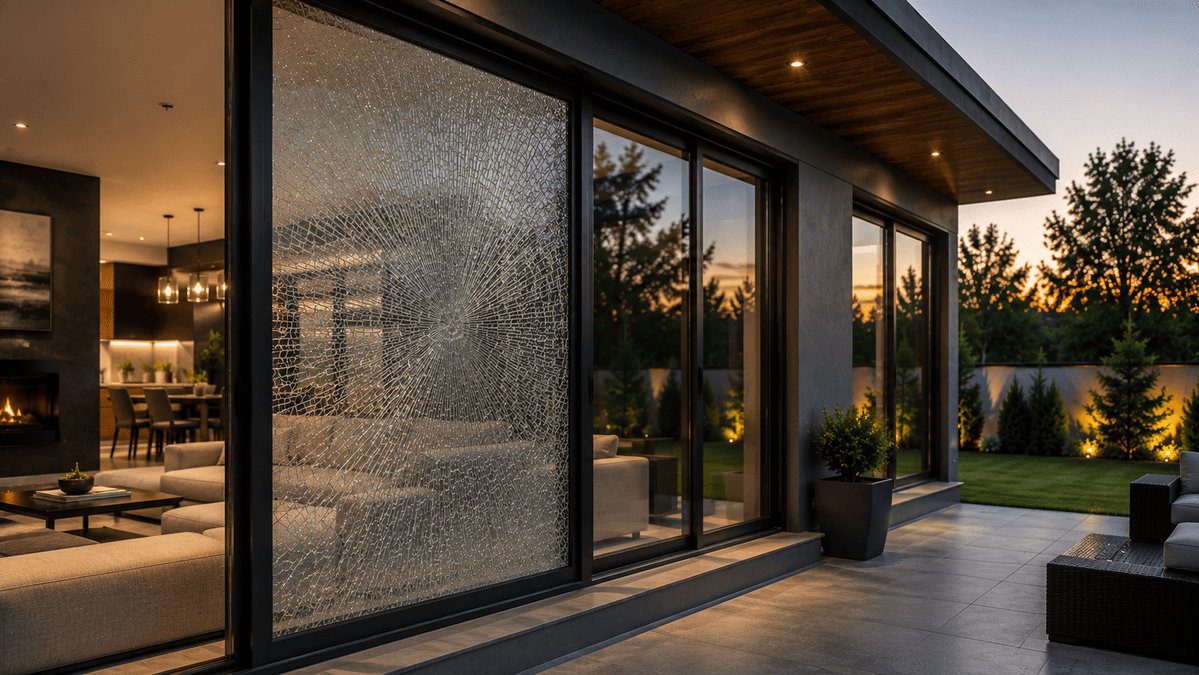
No. Bulletproof window film does not exist as a bulletproof product. Security film is not bulletproof and cannot prevent penetration by firearm rounds. The term arose because security film is sometimes used on top of bullet resistant glass in municipal and office buildings, leading homeowners to assume the film itself provides bullet stopping power.
The correct terms are bullet resistant, ballistic protection, and ballistic grade security glazing – and these refer to engineered glazing material systems, not film alone. A thin polyester layer simply cannot absorb the kinetic energy of rounds from a 9mm handgun or .223 rifle the way thick ballistic glass or polycarbonate can. True ballistic protection requires specially tested glass, not film.
Home Security Window Film vs Bullet Resistant Glass & Ballistic Glazing
Homeowners often weigh affordable security film products against higher-end bullet resistant glass. Here’s how they compare:
| Factor | Security Film | Bullet Resistant Glass |
|---|---|---|
| Stops bullets? | No | Yes (to rated caliber) |
| Stops smash-and-grab? | Significantly delays | Yes |
| Typical thickness | 4–14 mils | 3/4″ to 2½″ |
| Cost per sq ft | $8–18 installed | $70+ installed |
| Retrofit or replace? | Retrofit onto existing glass | Requires full glazing replacement |
What Security Window Film Actually Does for Your Home
- Holds broken glass together upon impact, minimizing injuries from glass shards during break ins or accidents
- Security window films delay forced entry by stretching and tearing instead of shattering – commonly referred to as “anti-shatter” performance – buying 45 seconds to several minutes
- Security window films can reinforce glass to withstand high winds and flying debris, providing an effective solution for storm-prone regions
- High-quality solar window films block up to 99% of harmful UV rays to prevent interior fading
- Does not provide ballistic protection but keeps door glass and window glass from disintegrating if struck
What Bullet Resistant Glass and Ballistic Protection Do Differently
Bullet resistant glass is independently tested to UL 752 standards, the gold standard for ballistic protection. BulletShield, for example, provides UL 752 ballistic ratings against various bullets. These systems are commonly referred to as security glazing and are engineered to stop bullets from specified firearms across multiple shots.
Three types of ballistic glazing for residential use:
- Laminated ballistic glass – ballistic laminated security glass uses multiple layers of glass bonded with thermoplastic interlayers for protection
- Polycarbonate panels – polycarbonate security glazing is lightweight and virtually unbreakable
- Glass-clad polycarbonate – glass-clad polycarbonate combines glass and polycarbonate for high protection; bullet resistant glass can withstand specific calibers like 9MM
Ballistic glass is millimeters thick at minimum – often 3/4″ to 2½″ – and requires upgraded framing. Bullet resistant glass thickness ranges accordingly. This is why many homeowners limit ballistic upgrades to front doors, safe rooms, or home office windows.
Benefits of Security Film for Forced Entry Protection at Home
National crime data shows windows and glass doors remain among the most common entry points for property crimes. Security film can delay forced entry but not prevent it entirely. A determined intruder using a bat or pry bar must strike repeatedly and still contend with a tough film membrane that refuses to shatter cleanly, making it harder and noisier to gain entry.
Security film works best as a layer in a full range of home security measures – quality locks, reinforced doors, alarms, and cameras. It is an effective solution for protecting a street-level basement window or rear patio glass doors where a quick, quiet break-in is the primary risk, especially when combined with bullet resistant window glazing in the highest-risk areas.
Where to Install Security Film in a House
Prioritize these locations for installation:
- Sliding glass doors and French doors
- Sidelights adjacent to door locks
- Ground-floor and basement windows on the exterior perimeter
- Large front-facing picture windows
- Garage entry doors with glass panes
Upper-floor windows are lower priority unless accessible via decks, balconies, or adjacent structures.
Active Shooter & Ballistic Threats: What Homeowners Should Know
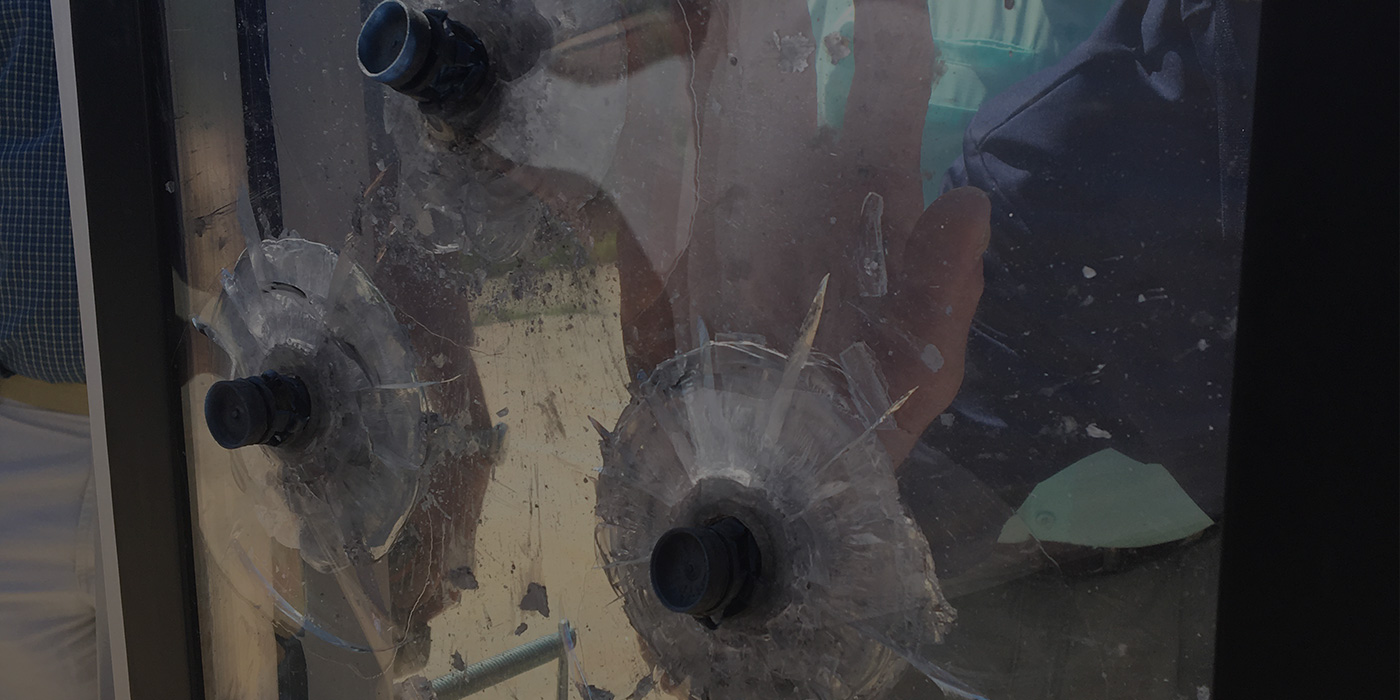
Concerns about active shooter situations have led some homeowners to search for ballistic protection at the residential level. Security film can delay entry and keep glass intact after gunfire, reducing hazards – but it should not be relied on to stop bullets or prevent active shooter situations. Film has limited bullet stopping power on its own.
Active shooter mitigation for homes relies on bullet resistant glass, ballistic polycarbonate shields, or full ballistic security glazing systems – not film alone. Security film is one layer in a broader safety plan that includes safe room design, communication plans, smart window films for on-demand privacy, and contact with local law enforcement.
Combining Security Window Film with Ballistic Glazing
In commercial facilities, schools, and office buildings, security film is often installed on the interior face of ballistic glass to control spall and improve post-impact integrity. Homeowners can apply the same layered approach: install bullet resistant glass on critical openings, then add a security film layer for extra glass retention. Film does not increase the ballistic rating but does improve human safety by reducing flying glass fragments. Prime candidates include safe room windows, front entry doors, and home offices protecting valuables.
Costs, Installation, and What to Expect from Bulletproof Film Claims
Security window film costs $8–18 per square foot for materials and professional installation. A typical project covering 10–15 ground-floor windows runs $1,500–$4,000. Bullet-resistant glass starts at approximately $70 per square foot, and full bullet-resistant glass systems can range from $15,000 to $30,000 depending on the number of openings and ballistic rating required.
Security film is far more affordable and minimally invasive, but it should never be marketed or purchased as a replacement for bulletproof glass. Before you purchase, ask installers for written performance data, impact test results, and clear language about whether the product is a security film or certified ballistic glazing. Bullet-resistant glass is tested to UL 752 standards – if a product claims to be ballistic grade, demand the test report.
Professional vs DIY Installation for Home Security Film
Security window film installation should be done by professionals. Unlike thin decorative films, security film requires precise surface preparation, dust-free conditions, exact cutting, and proper edge sealing. Structural anchoring systems are needed for effective installation – these bond the film to the window frame so a determined intruder cannot simply push the glass-and-film assembly out of the frame to delay entry far longer than film alone.
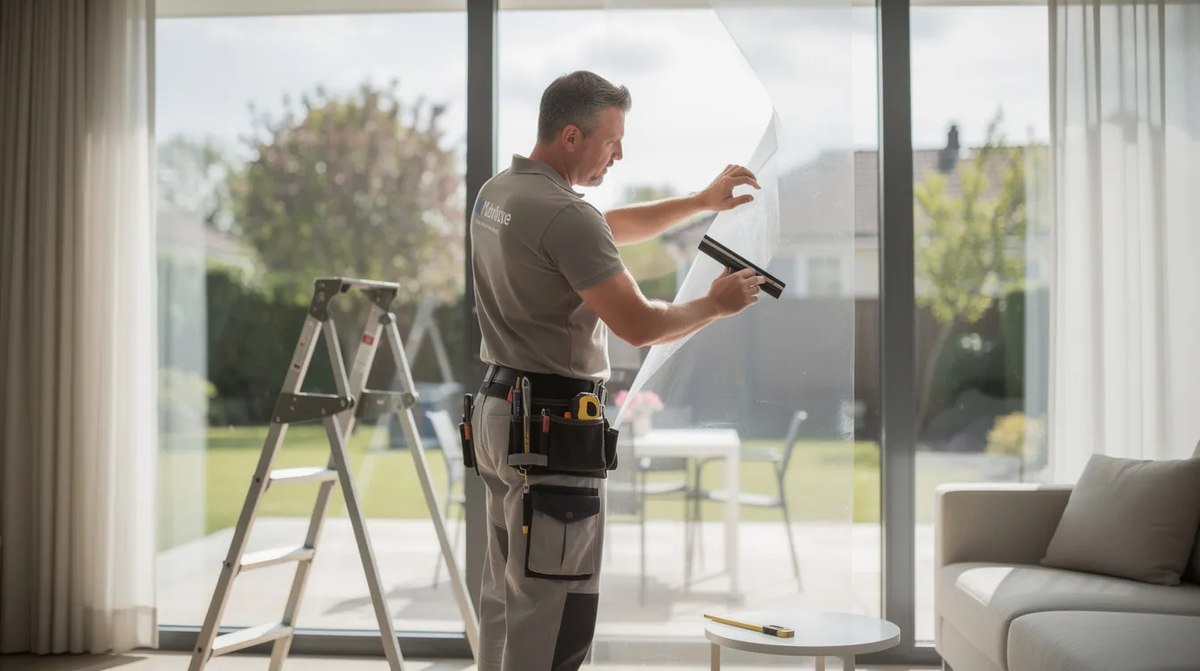
Improperly installed film can bubble, peel, and lose both clarity and performance over time. Expect a professional install to include masking, film application, cleanup, and a cure period of 60–120 days for full adhesive strength on thicker films.
FAQs About Bullet Proof Window Film for Home
Does bullet proof window film for home actually exist? No. There is no such thing as a standalone bulletproof film for regular glass. Security window film does not stop bullets, but it is valuable for delaying forced entry, protecting against broken glass injuries, and improving storm resistance.
How long does security window film last? Most heavy-duty window films last 10–15 years in residential use, with some high-quality products lasting 20+ years depending on UV exposure and installation quality.
Does security film affect natural light or appearance? Quality security films are optically clear with minimal haze. Many homeowners pair them with privacy window film options. Most heavy-duty window films block up to 99% of harmful UV rays while retaining 70–90% visible light transmission, so your interior stays bright and protected from fading.
Is film installed on the interior or exterior? Security film is almost always applied to the interior surface of existing glass. Interior installation protects the film from weather and extends its lifespan while keeping it in direct contact with the glass for maximum shattering resistance.
What’s the difference between safety film, security film, and solar/security combo films? Safety film (4–6 mil) handles accidental breakage. Security film (8–14 mil) targets forced entry and severe impacts. Combo films add solar heat rejection or privacy tinting to the same architectural window film security layer, giving homeowners a multi-purpose system in a single building application.
Why Choose Our Team for Home Security Window Film and Ballistic Protection
We help customers understand exactly what level of protection they are purchasing – whether that’s security film for break-in resistance or certified ballistic glazing for risks that demand more. Our trained installers handle everything from careful in-home consultations to structural anchoring, ensuring every project delivers the performance you expect.
- Transparent pricing with no hidden fees
- Experienced, security-focused installation teams
- Tailored recommendations based on your home’s layout and risk profile
- Free consultation to assess your windows and doors
Contact us to schedule a no-obligation assessment and find out where film is the right fit and where ballistic glazing might be worth the investment.
Conclusion: Setting Realistic Expectations and Strengthening Your Home
Security window film is a proven, cost-effective layer for protecting your property against forced entry, storm damage, and broken glass injuries. But it is not bullet resistant glass, and no amount of film alone will replace certified ballistic glazing where true ballistic threats are a concern.
Think in terms of layered security: locks, alarms, cameras, reinforced doors, security film on vulnerable glass, and ballistic security glazing on the most critical openings when warranted. Schedule a home window security assessment today to get a clear plan – matched to your actual risks – that strengthens your home without turning it into a fortress.