Whether you own a home or run a business, protecting your glass is no longer optional. Here’s your at-a-glance guide to everything you need to know when searching for security window film near me.
Table of Contents
- Introduction: Why People Are Searching for Security Window Film Near Me in 2026
- What Is Security Window Film & How It Works
- Types of Window Film for Security, Privacy & Comfort
- How Security Window Film Is Installed (Step-by-Step)
- Cost of Security Window Film Near You in 2026
- How to Choose a Local Security Window Film Installer
- Benefits of Security Window Film Beyond Break-In Protection
- Why Choose Our Team for Security Window Film Installation
- Frequently Asked Questions About Security Window Film
- Conclusion: Next Steps to Protect Your Glass with Local Security Window Film
Introduction: Why People Are Searching for Security Window Film Near Me in 2026
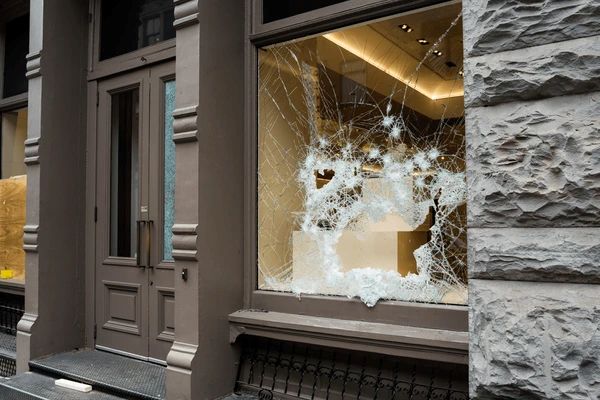
Since 2020, property owners across the country have faced a sharp rise in smash-and-grab retail thefts, increasingly severe storm seasons, and growing awareness of glass-related injuries at home. The 2024 and 2025 hurricane seasons alone drove thousands of homeowners to find better protection for their windows and entry doors. Security window film can reduce smash-and-grab thefts and storm damage without requiring a full window replacement.
So what exactly is it? Security window film is a multi-layer polyester membrane applied to the inside of your existing glass. When the glass breaks, the film holds the shattered pieces together, keeping the opening protected and dramatically slowing forced entry. It’s a retrofit solution – fast, cost-effective, and far less disruptive than replacing every window in your house.
If you’re typing “security window film near me” into a search bar, you likely want a local installer you can trust, clear pricing, and a quick turnaround. This article covers all of that – plus how different window films compare, what installation looks like, and what to budget for in 2026.
What Is Security Window Film & How It Works
Security window film is a clear or tinted polyester film applied to the interior surface of the window. Its primary job: hold glass fragments in place under impact, preventing shattering and reducing injury risk.
The construction is straightforward. Multiple polyester layers are bonded with pressure-sensitive adhesive, often arriving at the job site in one continuous roll that the installer cuts to each pane. Thickness options for security window film generally range from 4 to over 15 mil (1 mil = 1/1000 inch), with thicker products offering greater resistance to forced entry.
Here’s how it performs in real-world scenarios:
- Forced entry: Security window film slows or prevents burglar entry by requiring far more strikes and effort to breach the glass. The film holds shattered glass together during break-ins, keeping the opening intact longer.
- Storms and debris: During high winds, film keeps broken panes from spraying dangerous shards into occupied spaces.
- Accidents: A stray baseball, a child’s fall against a sliding door – the film prevents large, dangerous glass fragments from scattering.
Security films help prevent glass shattering and forced entry, and they’re compatible with single-pane glass, insulated units, storefronts, sidelites, and doors. Installation is almost always done from the inside, protecting the film from weather wear.
Types of Window Film for Security, Privacy & Comfort
Not every window film is purely about security. Products fall into several categories – and many modern films combine features into a single layer.
- Safety and security film: Typically 8–12 mil or thicker, these clear films are engineered to resist impact and hold broken glass. They’re the backbone of any anti-intrusion or storm-protection project.
- Sun control film: Designed to reduce heat and glare from sunlight. Tinted or reflective films can reduce glare and lower air conditioning costs, especially on south- and west-facing windows.
- Privacy film: Privacy films block views into rooms while allowing outdoor visibility. Options range from reflective mirror finishes for daytime privacy to frosted and opaque styles for bathrooms and offices. Decorative films enhance aesthetic appeal without extra hardware, offering patterns and textures that complement interior design.
- Combined and specialty products: Many homeowners and businesses choose a film that provides both security and daytime privacy on street-level windows and glass doors. Some projects mix products – clear security film on display windows, tinted film on upper floors – all supplied from a continuous roll and cut on site.
Daytime Privacy vs Nighttime Privacy: What to Expect
Reflective mirror films provide strong daytime privacy when it’s brighter outside than inside. Sunlight bounces off the exterior side, letting you see out while people on the street cannot view in.
At night, the effect reverses. Interior lighting makes rooms visible from outside unless you use blinds or curtains. If 24/7 privacy is the goal, frosted or opaque films work on both sides of the clock – though they sacrifice your view and some natural light.
Match film type to room function:
- Living rooms and offices with street exposure: reflective or lightly tinted security film
- Bathrooms and conference rooms: frosted or decorative film
- Storefronts: clear security film to maintain product visibility
A reputable local installer will bring physical samples so you can evaluate privacy levels under real light conditions before you commit.
Security Film Thickness & Performance Levels
Thickness directly affects how long film resists impact and how much it costs.
| Thickness | Typical Use | Protection Level |
|---|---|---|
| 4–7 mil | Accidental break, basic safety | Entry-level glass retention |
| 8–12 mil | Residential security, light commercial | Strong anti-intrusion, storm debris |
| 12–15+ mil | High-risk retail, schools, blast zones | Maximum forced-entry delay |
| An 8 mil thick film is sufficient to deter most criminals attempting a quick smash-and-grab. For higher-risk sites, and especially for schools or other vulnerable facilities, thicker ballistic and bullet resistant window film solutions paired with a structural edge attachment – silicone wet-glazing or mechanical retention – dramatically increase resistance. Structural adhesion is crucial for maximizing the security of window film, because even a thick film can peel away if the edges aren’t anchored to the frame. |
Keep in mind that thicker films can increase the risk of seal failure on older windows, particularly insulated glass units with aging seals. An experienced installer will flag this during assessment.
Even thick film cannot make standard glass “unbreakable,” but it buys critical time and significantly reduces injury from flying shards.
How Security Window Film Is Installed (Step-by-Step)
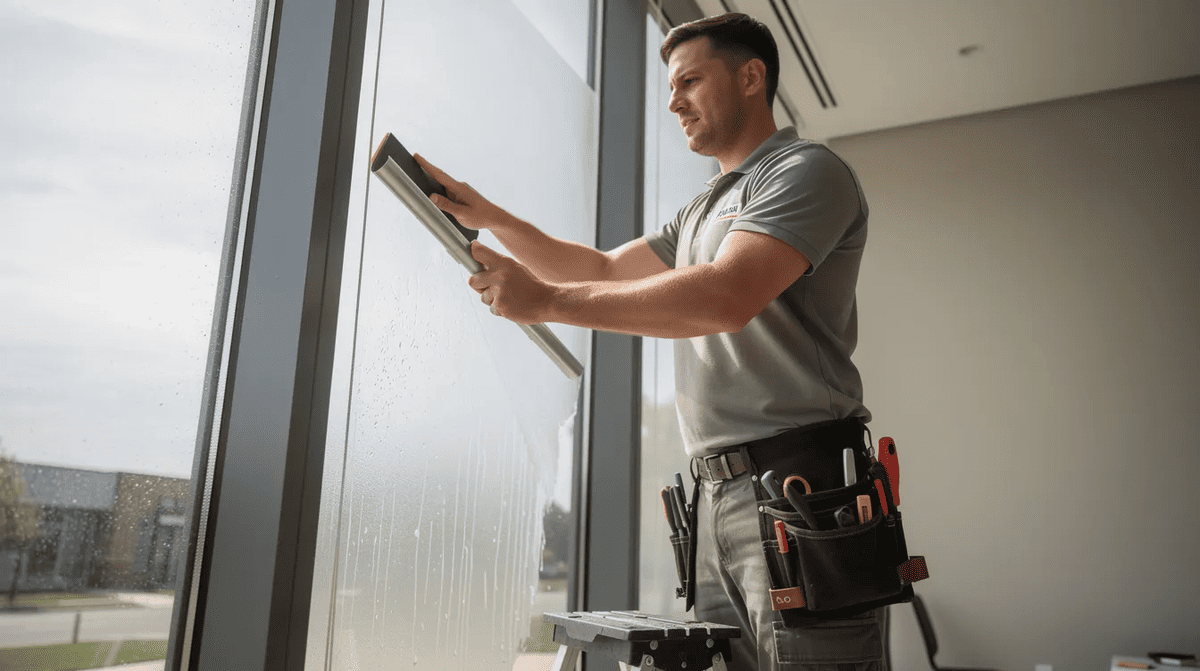
Professional installation on a typical home takes a few hours to a full day, depending on window count and access. Here’s what the process looks like:
- Assessment: The installer measures each pane, identifies glass type and framing material, checks for existing coatings, and discusses your goals – security, UV protection, daytime privacy, energy savings.
- Film preparation: Film arrives in one continuous roll (often up to 50 feet) and is cut on site. Installers cut the film slightly smaller than window dimensions to allow precise fitting and clean edges.
- Glass prep: Installation requires a clean window surface. Technicians deep-clean and scrape off paint, debris, or old adhesive – any contaminant risks bubbles or poor adhesion.
- Application: A slip solution is sprayed on the glass, the backing is peeled, and the film is positioned on the interior surface. The installer uses a squeegee to remove water and trapped air, working from center to edges.
- Edge sealing: For elevated security, a silicone bead can secure the film after installation, anchoring it to the window frame and preventing peel-off during forced entry.
- Curing: Light haze or small bubbles may appear initially. These typically disappear over 2–4 weeks as residual moisture evaporates.
Maintenance is easy: clean with non-abrasive, ammonia-free products and soft cloths. Avoid razor blades or harsh pads on the film surface.
Cost of Security Window Film Near You in 2026
Here are typical 2026 price ranges per square foot for professionally installed security window film:
| Film Grade | Per Sq Ft (Installed) | Best For |
|---|---|---|
| Basic safety (4–8 mil) | $7–$10 | Accidental breakage, light safety |
| Mid-range security (8–12 mil) | $10–$14 | Residential anti-intrusion, storm protection |
| Premium / structural (12–15+ mil) | $13–$20+ | High-risk retail, blast zones, edge anchoring |
| Key cost factors include film type, project size, glass access (ground floor vs. upper stories), and whether structural attachment systems are needed. |
Concrete examples:
- A standard 3-bedroom family home with ~200–250 sq ft of vulnerable front windows and doors: roughly $2,500–$4,500 with mid-range security film.
- A small street-front shop with ~500 sq ft of large display glass, premium film, and edge anchoring: $6,000–$12,000+ depending on local labor rates.
Shipping film in one continuous roll reduces waste and labor time compared with patchwork pieces, helping keep project costs lower on larger jobs. DIY film sold at retail sites runs $1–$5 per sq ft but is often thinner, untested, and installed without edge anchoring – which affects real-world protection and warranty coverage.
Request at least one detailed quote from a local installer that itemizes film type, square footage, labor, and any edge-attachment work.
How to Choose a Local Security Window Film Installer
The right installer matters as much as the film brand. A poorly applied product won’t deliver the protection you’re paying for.
- Experience: Look for years in business and a track record of completed residential and commercial window film projects, with specialty expertise in security and safety films.
- Certifications and insurance: Verify that installers follow manufacturer specifications and carry proper insurance. Certification from major film manufacturers is often required for full warranty coverage.
- Portfolio: Review local photos or case studies from 2022–2026 showing similar properties – homes, storefronts, schools, medical offices.
- Reviews: Read recent reviews on Google and local directories. Pay attention to mentions of security film quality, punctuality, cleanup, and after-sale support.
- Written estimates: Demand clear documentation showing film model, mil thickness, square footage, labor, edge-attachment costs, warranty terms, and realistic timelines.
- In-person consultation: Schedule a visit so the installer can evaluate glass conditions, discuss your goals, and show film samples under actual lighting. This is the easiest way to find the right product match.
Questions to Ask Before You Hire
Before you commit, ask these questions:
- What thickness and brand of security film do you recommend for my situation, and why?
- Has this film been tested for forced-entry or impact resistance? Can I see documentation?
- Do you recommend a structural edge attachment (silicone anchoring) for my doors or large panes?
- What’s the curing time, and when can I clean my windows after installation?
- How long have you been serving this area, and what’s your typical turnaround from quote to completed installation?
- What does your warranty cover – both the film material and your labor?
Benefits of Security Window Film Beyond Break-In Protection
Modern security films are multi-functional. The return on investment extends well beyond deterring break-ins.
- Safety: Reduced risk of injury from broken glass during accidents, storms, or vandalism – especially important in a house with children and pets.
- UV protection: Security films block 99% of harmful UV rays, and UV rejection films block up to 99% of harmful UV rays – helping protect flooring, furniture, and artwork from fading over the years.
- Sun control and energy savings: Energy-saving films can significantly lower energy costs by reducing solar heat gain and cutting glare on screens. Transitional window films that automatically tint in response to sunlight are especially effective on west- and south-facing windows.
- Privacy and aesthetics: Subtle tints, reflective finishes, smart window films that switch from clear to opaque, or decorative patterns improve a building’s appearance and provide peace of mind with daytime privacy on street-level glass.
- HVAC longevity: By reducing the cooling load, films can help extend the service life of your HVAC system in both residential and commercial spaces.
Why Choose Our Team for Security Window Film Installation
We’ve been committed to installing security and safety window films in the local region since the early 2020s, serving homes, storefronts, schools, and office buildings. Our expertise comes from hands-on work across a wide range of property types and risk profiles.
We carry professional-grade products in continuous roll form, which allows precise cuts, minimal seams, and less waste – particularly on larger commercial projects. Every project starts with a careful assessment: we evaluate your glass, frames, and exposure before offering specific recommendations, whether that’s clear security film, tinted sun control, or a daytime privacy finish.
Our service standards are straightforward: punctual appointments, clean work areas, clear communication throughout the process, and detailed post-installation care instructions. We provide transparent pricing with written estimates, manufacturer warranties, and workmanship guarantees – and we’re available for questions long after the job is done.
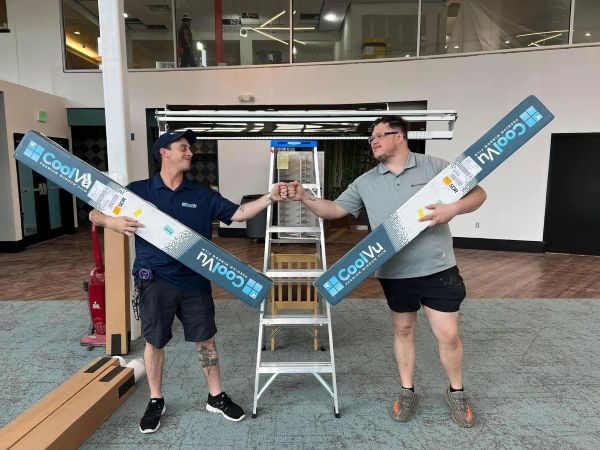
Ready to learn what security window film can do for your property? Contact us for a local assessment or quote, whether you’re protecting a family home or a commercial building.
Frequently Asked Questions About Security Window Film
Here are the questions homeowners and business owners ask us most often in 2024–2026.
How long does security window film last?
Most high-quality security films last 10–15 years under normal conditions. Sun exposure, climate, and cleaning habits all affect durability. Harsh chemicals or abrasive tools will shorten lifespan.
Does film go on the inside or outside?
You install film on the interior surface of the window. Interior application protects the film from weather, extending its life and maintaining adhesive integrity.
Can I remove or replace the film later?
Yes. A professional installer can remove old film using heat and specialized tools. If the film has degraded or you want an upgrade, replacement is straightforward – though removal cost depends on how long the film has been in place.
Will security film change how my windows look?
Clear security film is nearly invisible, with minimal impact on light transmission. Tinted or reflective finishes will alter the appearance and can apply a mirror effect or subtle color. Your installer should show you samples before work begins.
How does security film compare to laminated or tempered safety glass?
Laminated glass is built into the window and offers stronger forced-entry resistance, but it requires full window replacement and costs significantly more. Tempered glass shatters into small pieces but doesn’t stay intact. Security film is a retrofit solution – lower cost, less disruption, and effective for most residential and commercial needs.
Do occupants need to vacate during installation?
Generally, no. Residential jobs typically take a few hours. You may lose access to certain rooms temporarily, and there may be a mild odor from the slip solution, but it dissipates quickly.
Have a unique situation – historic building, specialty glass, or specific privacy issues?
Schedule a local evaluation. An in-person assessment is the best way to match the right film to your exact needs.
Conclusion: Next Steps to Protect Your Glass with Local Security Window Film
Security window film is one of the fastest, most cost-effective ways to improve safety, comfort, and privacy across your property – without tearing out a single window. Whether your mind is on deterring break-ins, shielding your family from storm debris, or simply cutting glare and UV damage, the right film delivers on all fronts.
Start by identifying your most vulnerable windows and doors, learn the basics of film types and thickness, and then contact a qualified local installer for a tailored quote. A good installer will walk your property, show you samples, and provide a written estimate with no surprises.
If you searched “security window film near me” to get here, take the next step: call us, request an online quote, or schedule an on-site consultation. We serve both residential and commercial properties and are ready to help you get your glass protected.