Table of Contents
- Security Window Film Explained
- Understanding Security Window Film Fundamentals
- Security Film Applications and Threat Protection
- Installation Methods and Professional Requirements
- Common Challenges and Solutions
- Conclusion and Next Steps
- Frequently Asked Questions
Security Window Film Explained
Security window film is a multi-layer polyester protective coating applied directly to glass windows and glass doors to hold shattered glass together upon impact, delay forced entry attempts and reduce the risk of personal injury from flying glass. It can also be applied to a tempered glass door to enhance glass retention and improve overall safety after breakage. This window film serves as an added layer of protection for property owners seeking practical security enhancements without replacing existing glazing, and local providers offer security, privacy, and decorative window film solutions tailored to regional needs.
This guide covers residential security window film applications, commercial storefronts, and institutional building requirements. The target audience includes homeowners evaluating safety upgrades, business owners seeking loss prevention solutions, security professionals specifying protection levels, and facility managers planning retrofit projects. Whether you need protection against break ins, natural disasters, or vandalism, understanding film performance characteristics and options like solar window tinting films helps protect both property and occupants while providing peace of mind for your family or business. It is equally valuable for protecting a house.
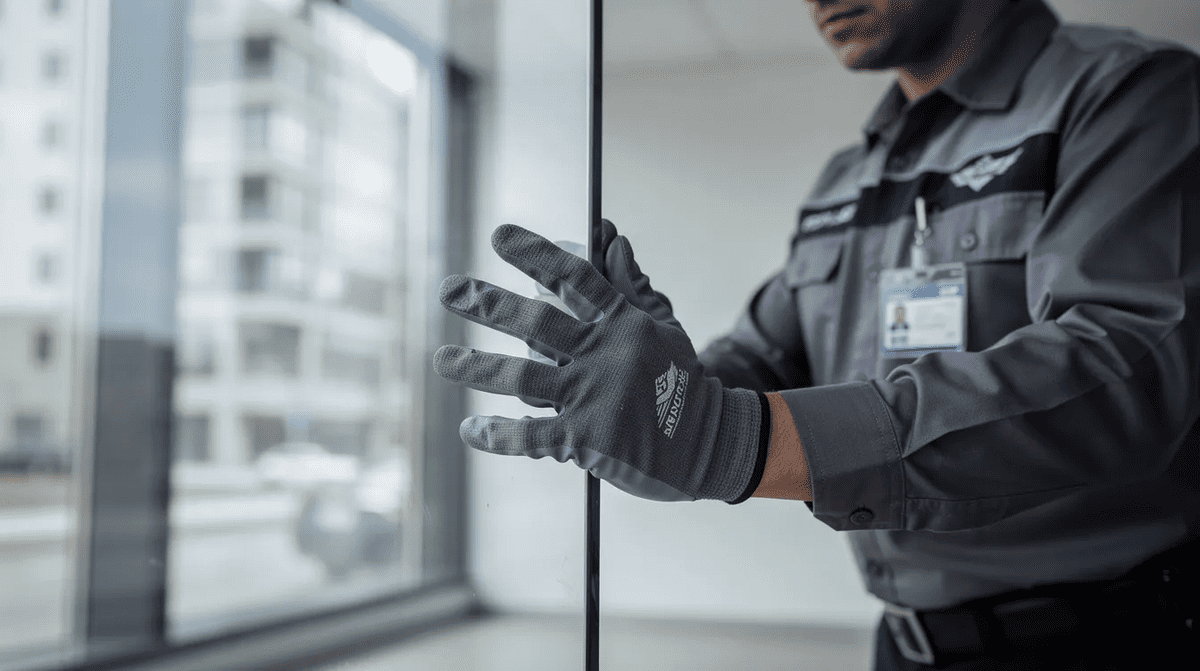
Direct answer: Security window film is a polyester-based protective layer that bonds to window glass, holds broken glass fragments together when the glass breaks, delays forced entry by several minutes, and blocks approximately 99% of harmful UV rays that cause interior fading.
After reading this guide, you will understand:
- Film thickness options and their protection capabilities
- Adhesive systems and bonding technology fundamentals
- Installation methods and professional requirements
- Cost considerations and return on investment factors
- Selection criteria based on specific threat scenarios
Understanding Security Window Film Fundamentals
Security window film consists of multiple layers of biaxially oriented polyester (PET) bonded together with optical-grade adhesives. When glass security film is professionally installed, this film creates a barrier that absorbs kinetic energy upon impact, keeping shattered glass intact within the window frame rather than scattering dangerous fragments throughout a space. This helps protect valuable stuff inside the property.
The technology serves property protection and occupant safety simultaneously. Unlike laminated glass, which requires complete window replacement, professionally installed security window films retrofit existing glazing at a fraction of the cost while delivering comparable fragment retention performance. This can save significant money compared to replacement.
Film Thickness and Protection Levels
Thickness in window film is measured in mils, where one mil equals 0.001 inch. Security films range from 4 mil for basic safety applications to 15 mil or higher for serious blast and ballistic threats.
| Thickness Range | Protection Level | Primary Applications |
|---|---|---|
| 4-6 mil | Basic safety | Accident prevention, UV protection, minor impact resistance |
| 8-12 mil | Moderate security | Smash-and-grab deterrence, storm debris, forced entry delay |
| 12-15+ mil | High security | Blast mitigation, government buildings, high-threat facilities |
| Thicker films provide greater protection but cost more, may slightly reduce optical clarity, and require more complex installation. A 4 mil safety film prevents injury from accidental glass breaks, while 8-12 mil residential security window film delays break ins significantly, giving alarm systems and responders time to act. |
Adhesive Systems and Bonding Technology
Pressure-sensitive adhesives (PSA) form the bond between film and glass. These adhesives activate under pressure during installation and develop full bond strength over time—typically reaching optimal performance within 30 days depending on environmental conditions.
Acrylic-based PSAs dominate the market due to superior UV resistance and long-term durability. Silicone adhesives perform better in extreme temperature environments but cost more. The adhesive layer determines how well the film holds broken glass together and influences cure time requirements before the film reaches rated performance.
Understanding adhesive chemistry matters because bond strength development directly affects when protection becomes fully active after installation—a critical point for projects with security deadlines.
Security Film Applications and Threat Protection
With fundamental concepts established, examining specific threat scenarios reveals how security films perform under real-world conditions. Each application leverages the film’s ability to hold glass together while presenting distinct performance requirements.
Forced Entry and Burglary Deterrence
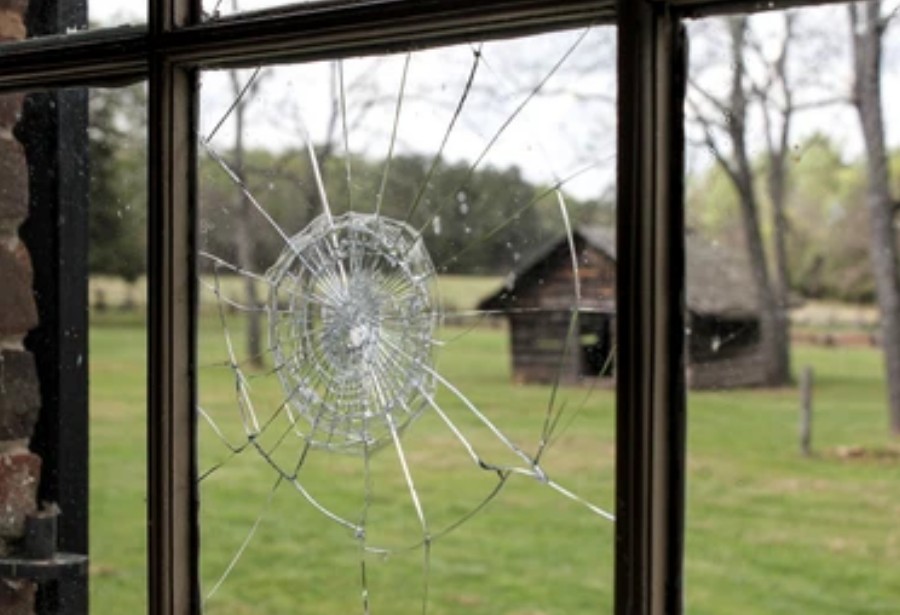
Approximately 23% of residential burglaries occur through first-floor windows and sliding glass doors. Standard glass breaks in seconds, allowing immediate entry. Security films transform this vulnerability by keeping broken glass adhered to the film, prevent entry even after multiple impacts, and extending breach time from seconds to several minutes. This makes it harder to create a usable hole for entry.
This delay proves critical for two reasons: alarm systems have time to alert monitoring services, and intruders face increased risk of detection. Smash-and-grab criminals targeting retail businesses encounter similar obstacles—the glass breaks but refuses to collapse, making quick theft difficult. For businesses in high-risk areas, local security window film specialists can tailor film and attachment choices to specific threat profiles. Property damage from a single prevented break in often exceeds the total cost of film installation.
The film acts as a secure barrier even when glass fractures, forcing would-be intruders to work through a tough, flexible membrane rather than simply reaching through broken glass.
Natural Disaster and Weather Protection
During hurricanes, tornadoes, and earthquakes, flying glass causes significant personal injury and property damage. Security films maintain glass retention within the window frame even when wind-borne debris impacts at high velocity. This window protection serves multiple functions:
- Prevents dangerous glass shards from becoming projectiles inside occupied spaces
- Maintains the building envelope against water and wind infiltration
- Reduces secondary damage from weather exposure after initial impact
- Helps protect occupants who cannot evacuate in time
In hurricane-prone regions, security window film provides additional protection that complements impact-rated glazing requirements while costing substantially less than full replacement of glass windows with laminated glass systems.
Blast and Impact Resistance
GSA-certified security films installed in government buildings must meet ASTM F1642 testing standards, which measure glass fragment retention under dynamic overpressure. These tested films, combined with proper film-to-frame attachment, achieve specific Levels of Protection (LOP) rated from Very Low to High.
Beyond government applications, ballistic and blast-resistant window films protect against vandalism during civil unrest, accidental explosions near industrial facilities, and terrorism threats to high-profile buildings around the world. Ballistic Film solutions are often specified in these environments to enhance glass retention and reduce hazards associated with shattered glazing during high-impact events. The film absorbs explosive energy while containing glass fragments, reducing the risk of injury from the primary cause of blast casualties: flying glass. Similar protection is sought throughout the country.
Performance in these scenarios depends heavily on the complete system—film, adhesive, and attachment to the window frame—rather than film quality alone.
Installation Methods and Professional Requirements
Protection capabilities exist on paper until proper installation translates them into real-world performance. Expert installation becomes essential when security rather than basic safety is the objective, particularly for thicker films and applications requiring frame attachment systems.
Professional Installation Process
Professional installation follows a systematic procedure that ensures optimal adhesion and long-term performance:
- Assessment and measurement – Evaluate glass condition, frame type, and threat requirements to determine appropriate film thickness and attachment method
- Surface preparation – Clean glass thoroughly using solvent wipes, water rinse, and isopropyl alcohol to remove all contaminants that compromise adhesion
- Film cutting and positioning – Pre-cut film slightly oversized, apply slip solution, and position carefully to avoid trapped air
- Application and squeegee work – Work from center to edge with professional squeegees, removing all water and air bubbles systematically
- Trimming and edge sealing – Cut film flush to glass edge or overlap onto frame as required, then apply perimeter sealant to prevent moisture ingress and peeling
Environmental conditions during installation significantly affect results. Ambient temperature should remain above 60°F, and humidity must be controlled to ensure proper adhesive cure. Even a small job on a single door requires attention to these details.
Film-to-Frame Attachment Systems
For maximum security performance, attaching film only to glass proves insufficient. The film must connect to the window frame through one of several methods:
| Attachment Method | Security Level | Visibility | Cost Impact |
|---|---|---|---|
| Structural wet glaze | High | Minimal | +$3-5/sq ft |
| Silicone bead | Medium-High | Low | +$2-4/sq ft |
| Mechanical pressure plates | Highest | Visible | +$4-6/sq ft |
| Edge-only PSA | Basic | None | Base cost |
| Wet glaze systems use structural silicone to bond the film edge continuously to the frame, distributing impact loads across the entire perimeter. Mechanical attachment with metal pressure plates and anchors provides the highest blast resistance but creates visible hardware around the frame. Hybrid approaches combine chemical bonding with selective mechanical reinforcement at the corner points experiencing greatest stress. These systems are often used with safety and security films in higher-risk environments. |
Selecting the appropriate attachment method depends on threat level, aesthetic requirements, and budget. A security professional or manufacturer can figure out the optimal combination for specific applications.
Common Challenges and Solutions
Installation and performance challenges arise even with quality materials and professional installation. Recognizing common problems and their solutions prevents costly callbacks and ensures film delivers promised protection throughout its service life.
Film Bubbling and Adhesion Issues
Bubbles and poor adhesion typically result from inadequate surface preparation or unfavorable environmental conditions. Residual oils, cleaning product residue, or low-emissivity coatings on glass surfaces compromise the adhesive bond before installation even begins.
Solution: Follow rigorous cleaning protocols using manufacturer-specified products. Ensure glass temperature exceeds minimum requirements (typically 60-65°F) and allow adequate cure time before exposing film to stress. Professional installers use slip solutions that permit repositioning while enabling complete bubble removal through proper squeegee technique.
Edge Failure and Peeling
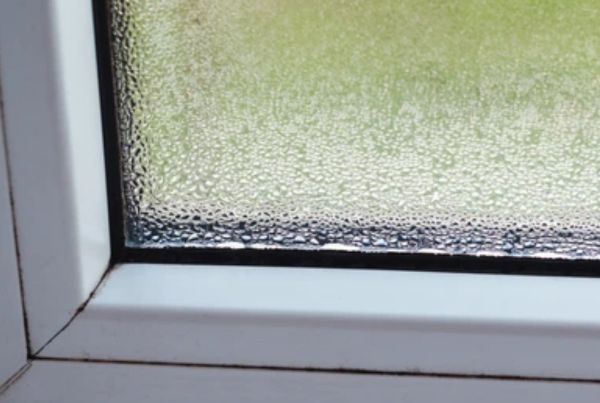
Edge failure represents the most common long-term problem with security film installations. Without proper perimeter sealing or frame attachment, moisture infiltrates the edge, degrading adhesive bond strength and causing progressive peeling that compromises protection.
Solution: Apply structural glazing or silicone sealant around the entire perimeter. Ensure the window frame is clean, sound, and compatible with sealant chemistry. For security applications, mechanical edge attachment or wet glaze systems eliminate this failure mode entirely by physically securing film to frame. This is especially important for older wood frames. A bead of clear silicone around the edge of the glass, applied 24-48 hours after installation, is recommended to keep the glass and film firmly anchored in the frame if the glass is broken.
Optical Clarity and Distortion
Thicker security films may introduce slight haze or visible distortion, particularly on large glass surfaces or curved glazing. Poor installation technique—trapped moisture, uneven pressure, or adhesive irregularities—worsens optical issues.
Solution: Select high-quality films with optical-grade polyester layers from reputable manufacturer sources. Professional installation minimizes distortion through proper technique. Managing expectations matters: even the best films create subtle optical changes that most people do not notice under normal viewing conditions but may become visible at certain angles or in reflected images.
Conclusion and Next Steps
Security window film provides meaningful protection against forced entry, natural disasters, and blast threats while offering UV blocking and safety benefits for everyday use. The technology works by holding shattered glass together, delaying breach attempts, and reducing personal injury risk from flying glass—all at significantly lower cost than replacing glass windows with laminated glass. Property owners hope to achieve this level of protection while controlling costs.
Immediate action items:
- Conduct a security assessment of your property identifying vulnerable glass doors and windows
- Consult with a professional installer about threat levels and appropriate film thickness
- Request quotes that include film-to-frame attachment for maximum protection
- Verify installer credentials and ask for documentation of tested products
- Plan installation timing to allow full cure before protection is needed
Related topics worth exploring include comprehensive building security systems that integrate film with alarm monitoring, insurance company guidelines that may reduce premiums for security film installations, and local building code requirements for hurricane or blast protection in your area. In some projects, integrating switchable smart window film technology or privacy and decorative window films alongside security films can address both safety and interior design goals in a single glazing strategy.
Frequently Asked Questions
How long does security window film last?
Quality security films carry warranties of 5-10 years for optical clarity and adhesive performance. Actual service life typically extends 12-15 years depending on UV exposure, environmental conditions, and edge seal integrity. Regular inspection identifies degradation before protection is compromised.
Can security film be installed on tempered glass?
Yes, though specific considerations apply. Tempered glass is heat-treated and breaks into small cubes rather than sharp shards. Some manufacturer warranties restrict film application on tempered glazing due to thermal stress concerns. Check with both the glass and film manufacturer before proceeding.
Does security film affect window visibility?
High-quality security films maintain excellent optical clarity with minimal visible change. Thicker films (12+ mil) may introduce slight haze noticeable at certain angles. Professional installation minimizes distortion. Most occupants cannot detect film presence under normal conditions.
What’s the difference between 8 mil and 15 mil security film?
Eight-mil film provides moderate forced entry resistance suitable for residential and commercial applications, delaying break ins significantly while remaining cost-effective. Fifteen-mil film delivers substantially higher impact and blast resistance for government buildings, high-threat facilities, and locations requiring GSA-certified protection.
How much does professional security film installation cost?
Professional installation typically runs $7-12 per square foot for basic to mid-grade films, $12-18 for heavy-duty security films, and $25+ for ballistic-rated products. Frame attachment systems add $3-6 per square foot. Total residential projects commonly range from $1,500 to $6,000 depending on glass area and protection level. The price varies by region and installer. Some installers offer promotional pricing during a special event.
Will security film void my window warranty?
Possibly. Many window manufacturer warranties contain clauses about applied coatings or films. Review your window warranty documentation and consult with the manufacturer before installation. Some film installers offer warranties that cover glass replacement if film causes failure. This is particularly important if the property has been recently sold.
Can security film be removed without damaging glass?
Yes, though removal requires care. Professional removal using heat and solvent dissolves adhesive without scratching glass. DIY removal risks leaving residue that requires additional treatment. Low-emissivity coatings on some glass may be damaged during removal regardless of technique.
Does security film provide UV protection?
Most quality security films block 99% of UV-A and UV-B rays. This protection reduces interior fading of furniture, flooring, and artwork while decreasing skin exposure risk for occupants. UV-blocking window film also helps preserve interior finishes and paint, by minimizing long-term sun damage, and its UV blocking remains effective throughout the film’s service life.
How effective is security film against break ins?
Highly effective when properly installed with frame attachment. Tested films with structural glazing transform a seconds-long breach into a multi-minute ordeal. Criminals face increased detection risk and physical difficulty penetrating the flexible, tough membrane even after glass breaks. Many intruders abandon attempts entirely.
What certifications should I look for in security film?
ASTM F1642 certification confirms blast resistance testing. GSA-TS01-2003 applies to government building specifications. EN/BS standards (such as BS6206 Class A) verify impact resistance. For ballistic protection, look for specific UL or NIJ ratings. Reputable manufacturer documentation should include test reports showing performance under rated conditions.
Professional consultation remains highly recommended for security applications where protection performance matters. A qualified installer can assess your specific situation, recommend appropriate solutions, and provide documentation supporting insurance or compliance requirements.