Table of Contents
- What is Glass Security Film and Why You Need It
- Understanding Glass Security Film Technology
- Types and Applications of Security Window Film
- Installation Process and Best Practices
- Common Challenges and Solutions
- Conclusion and Next Steps
- Frequently Asked Questions
What is Glass Security Film and Why You Need It
Glass security film is a heavy-duty, transparent polyester layer applied to windows and doors to strengthen glass, preventing it from shattering upon impact. This protective material transforms ordinary glass windows into reinforced barriers that hold shattered glass together when broken, significantly reducing the risk of injury and property damage from a broken window.
This guide covers residential, commercial, and institutional applications of window security film while excluding automotive films. Property owners, facility managers, and security professionals seeking enhanced window protection will find comprehensive information on film selection, installation methods, and performance expectations. Understanding this technology matters because it offers a cost-effective upgrade to existing windows without requiring complete glass replacement.
Direct answer: Glass security film is a polyester-based protective layer bonded to the interior surface of glass that strengthens windows and prevents glass shards from scattering when broken, providing an added layer of defense against forced entry, accidents, and natural disasters.
After reading this guide, you will understand:
- How security films work to hold broken glass in place during impacts
- Which film thickness provides appropriate protection for your specific needs
- The differences between professional and DIY installation outcomes
- How to select films that balance security with visible light transmission
- Cost considerations and long-term value of professionally installed window film
Understanding Glass Security Film Technology
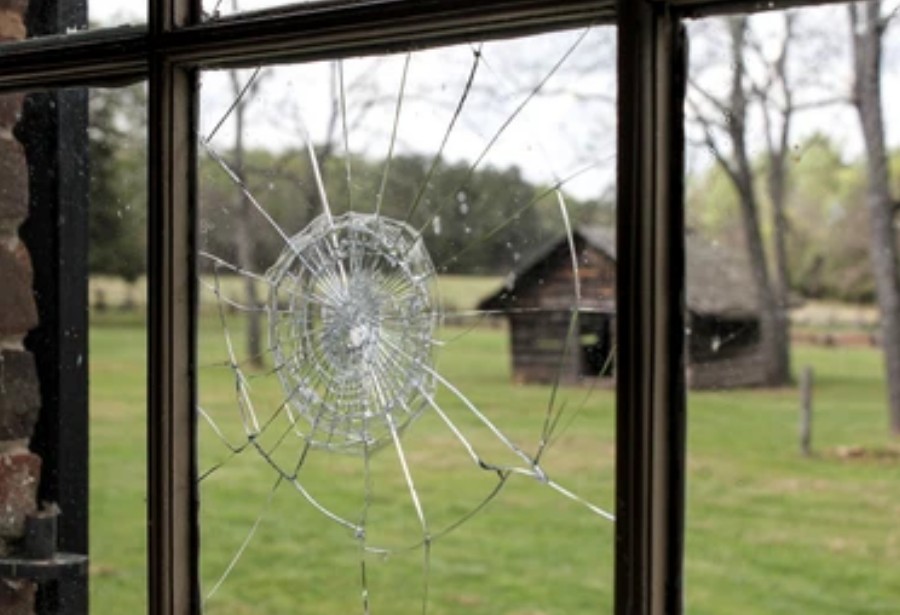
The core technology behind safety and security films involves multi-layered polyester substrates bonded with pressure-sensitive adhesive to the interior surface of glass. When glass breaks, the film acts as a membrane that absorbs impact energy and keeps shattered glass fragments contained within the window frame. This technology addresses modern building safety requirements by upgrading existing glass doors and glass windows without structural modifications. Unlike plastic alternatives, these films are engineered specifically for security applications.
Film Composition and Materials
Safety window film consists of biaxially oriented polyester (PET) layers combined with scratch-resistant hardcoats and UV-stable components. Film thickness is measured in “mils” (one-thousandth of an inch), with window films available in various thicknesses ranging from 100 micrometers (4 mils) to over 525 micrometers (21 mils). The thickness selected depends on the level of protection desired and the dimensions of the glass pane.
The material construction includes multiple polyester layers that distribute impact energy across a broader surface area. When force strikes the glass, these layers work together to prevent catastrophic failure. Thicker films absorb more energy, delay forced entry longer, and handle higher stress loads, though performance beyond 12-15 mil depends heavily on proper anchoring to the window frame.
Adhesive Technology
The effectiveness of security film lies in its construction, including bonding with high-strength adhesive and energy distribution upon impact. Most architectural security window films use acrylic pressure-sensitive adhesive that forms permanent bonds under pressure without requiring heat activation. This adhesive film technology allows the material to grip glass surfaces immediately while developing full bond strength over time.
Adhesive strength determines the film’s ability to hold glass fragments during break-ins, storms, or blast scenarios. The performance of window films is influenced by factors such as adhesive bond strength, thickness of the polyester, quality of application, and the structure of the window frame. Poor adhesion represents a common failure mode, which is why environmental factors like humidity and temperature cycles must be considered during installation.
Understanding these material properties helps explain why different applications require specific film types—a topic the following section addresses in detail.
Types and Applications of Security Window Film
Building on the adhesive technology and material science covered above, security films are manufactured in thickness variations from 4-mil to 15-mil to address different threat levels and protection requirements. Safety and security window films can be applied to toughened, annealed, or laminated glass, and the thickness of the film is selected based on the level of protection desired and the dimensions of the glass pane.
Residential Security Film (4-8 mil)
For standard home protection, 4 Mil is standard for safety against accidental breakage and light storms, while 7-8 Mil is recommended for medium burglary deterrence. These films help protect families by containing shattered glass during impacts and making windows more resistant to break ins.
Glass security film blocks up to 99% of harmful UV rays, protecting furniture from fading and reducing interior sun damage. Clear safety film options maintain 85-90% visible light transmission, ensuring natural lighting remains unchanged. High-quality films can act as solar control films, reflecting heat in the summer and retaining it in the winter to lower utility bills—providing both security and energy savings from a single upgrade.
Safety and security window films can help protect against injuries from broken glass by containing shards and preventing them from flying into a home or business during an impact, such as a break-in or natural disaster. This protection extends to everyday accidents involving glass doors and large windows in high-traffic areas of the house.
Commercial and Institutional Film (8-15 mil)
Heavy-duty security films in the 8-15 mil range serve schools, government buildings, and high-risk facilities requiring additional protection against serious threats. Safety and security window films are designed to hold shattered glass together, minimizing the risk of injury from broken glass in environments such as schools and commercial buildings. These films can also be applied in food processing facilities to contain glass fragments in case of breakage, preventing contamination and ensuring safety. Many businesses throughout the world rely on these systems to improve safety standards.
For federal installations and buildings requiring tested blast mitigation capabilities, GSA-approved films meet specific performance standards.
The thickness of security window films can vary, with options ranging from 100 micrometers (4 mils) to over 525 micrometers (21 mils), allowing users to select the level of protection desired based on the glass dimensions.
Commercial applications often require films certified to ASTM F1642 blast standards and installed with structural silicone edge sealing.
Safety films can provide additional protection against natural disasters, such as earthquakes and hurricanes, by retaining glass in its frame and preventing injury from falling shards. Buildings in high winds zones or seismic regions benefit from films that maintain flexibility while preserving adhesive performance under stress.
Specialty Applications
Anti-graffiti films provide a sacrificial surface layer that protects underlying glass from scratching and vandalism. When damaged, installers can replace small film sections rather than entire glass panels—an easy way to maintain building appearance while controlling costs and saving money.
Privacy tint options combine security film substrates with reflective coatings or frost patterns, providing visual obscuration while retaining protective qualities. Different types of window films can provide additional features such as solar control and decorative effects, while their primary function remains to enhance safety and security.
Matching the correct film type to specific protection needs ensures optimal performance. The following section explains why proper installation is crucial for realizing these benefits.
Installation Process and Best Practices
Building on the film types discussed previously, proper installation determines whether security window film achieves its rated performance. The quality of application directly affects how well the film will hold shattered glass together during an actual impact event.
Professional Installation Requirements
Professional installation is recommended for thick films over 8-mil and for applications requiring warranty coverage or certified performance. The best method of installation for security window film is to remove the glass from the window frame, apply the film, and then reinstall the glass into the frame, which acts as an anchor to the film. A professional company can ensure the installation meets manufacturer requirements.
The professional process follows these steps:
- Surface preparation – Technicians clean glass thoroughly using a lint free cloth and specialized solutions to remove dust, oils, and contaminants
- Measurement and cutting – Film is precisely measured and trimmed with appropriate edge clearance for the specific window frame
- Application – Using a spray window technique with soap solution, installers position the film and squeegee from center outward to eliminate air bubbles.
- Edge sealing – For blast-rated or hurricane applications, structural silicone bonds the film edge to the frame
- Curing – Full adhesive bond strength develops over a 30-day curing period
Proper application of window security film is crucial for its effectiveness, and it is recommended to use a soap solution to aid in the installation process, ensuring a professional result. Blast-rated installations require mechanical anchoring or wet-glaze systems that secure the film to the building structure.
Performance Comparison by Installation Type
| Factor | DIY Installation | Professional Installation |
|---|---|---|
| Film thickness feasible | Thin to medium (under 8 mils) | Any thickness including 10-15 mil |
| Surface preparation | Minimal; risk of dust/defects | Rigorous cleaning; repairs addressed |
| Optical quality | Risk of air bubbles, haze, edge lifting | High consistency, fewer defects |
| Warranty coverage | Often void or limited | Full manufacturer warranty with certified installers |
| Cost per square foot | Materials only: $2-5 | Materials + labor: $7-25 |
| Expected lifespan | 3-8 years typical | 10-15+ years with maintenance |
Security window films are designed to slow or prevent entry from burglars by holding shattered glass together, thereby delaying intruders and buying time for help to arrive.
However, this protection only performs as designed when film is properly installed and bonded.
When selecting an installation approach, property owners should consider that professionally installed films deliver longer lifespans and maintain warranty protections.
Understanding common challenges helps ensure successful outcomes regardless of installation method.
Common Challenges and Solutions
Even quality security film installations can encounter issues that affect performance and appearance. Addressing these challenges during planning and installation prevents most long-term problems.
Bubble Formation and Edge Lifting
Air bubbles and lifting edges result from insufficient surface preparation, dust contamination, or improper squeegee technique. Solutions include:
- Clean glass thoroughly with a lint free cloth before beginning
- Apply film using a spray window technique with adequate soap solution for repositioning
- Work squeegee from the center outward with consistent pressure
- Avoid applying window film in direct sunlight or high temperatures that cause adhesive to stick prematurely
For thick security films, structural edge anchoring prevents the material from pulling away from the frame under load.
Film Selection for Climate Conditions
High humidity environments, coastal areas with salt exposure, and locations with extreme temperature variations require films with enhanced adhesive formulations. Select products specifically rated for exterior exposure and UV stability in harsh climates. If property owners are unable to determine the correct specification, they should consult a professional installer.
Desert environments present different challenges—high solar heat loads create thermal stress that can damage glass if film blocks heat while the window frame expands differently. Choose films with high clarity and minimal solar heat buildup and verify compatibility with tempered or laminated glass in these applications.
Balancing Security and Aesthetics
Clear optically transparent films maintain natural light transmission while providing protection, making them suitable for visible, high-traffic areas where appearance matters. Tinted or reflective security films reduce visible light and may create color shifts or mirror-like effects that affect interior appearance.
When both privacy and security are priorities, select films that balance adequate visible light transmission with the desired level of visual obscuration. Installation quality directly impacts aesthetics—air bubbles, haze, and wrinkles degrade both appearance and perceived value of the upgrade.
Proper planning during the selection and installation phases prevents most challenges and ensures the film performs as expected throughout its service life.
Conclusion and Next Steps
Glass security film provides a cost-effective window protection upgrade that strengthens existing glass windows without requiring complete replacement. The technology helps protect occupants from broken or flying glass injuries, delays forced entry attempts, blocks harmful UV radiation, and can reduce energy costs—all from a single material application.
To move forward with window film protection:
- Assess current vulnerabilities – Identify glass doors and windows exposed to break-in risk, storm damage, or high-traffic areas where accidental breakage could occur
- Determine appropriate thickness – Match film mil rating to your threat level: 4-6 mil for basic safety, 7-8 mil for residential security, 8-15 mil for commercial or blast applications
- Obtain professional quotes – Contact certified installers for inspections and pricing, especially for thick films or applications requiring warranty coverage
- Verify compatibility – Confirm film compatibility with your glass type and check whether installation affects existing window warranties
Related topics worth exploring include complete building security systems that integrate window film with other protective measures, and comprehensive safety assessments for facilities requiring tested protection against specific threats throughout the country.
Frequently Asked Questions
How long does glass security film last? Professionally installed security window film typically lasts 10-15 years with proper maintenance. High-quality installations in favorable climates can extend toward 15-20 years. DIY installations often degrade sooner, typically within 3-8 years, due to application errors and adhesive issues.
Can security film be applied to tempered glass? Yes, safety and security window films can be applied to various types of glass, including toughened, annealed, or laminated glass, to enhance their protective qualities. Tempered glass installations require adhesives formulated to accommodate thermal expansion without causing stress fractures.
Will film void my window warranty? Generally, no, but manufacturer specifications vary. Some dual-pane window units include warranty clauses addressing applied films. Check with your window manufacturer before installation and retain documentation showing the film product used.
How much does professional installation cost? Professional installation typically costs $7-25 per square foot depending on film type, thickness, and complexity. Total installed project costs for an average house range from $1,500 to $6,000 based on glass area and film quality selected.
Does security film prevent all break-ins? No—security film does not make glass unbreakable. However, it significantly delays entry, creates noise during attempted break-ins, and raises risk for intruders. Many burglars abandon attempts when entry takes longer than expected, buying time for help to arrive.
Can I remove security film later? Yes, removal is possible. Thin films can often be removed by property owners, though professional removal is recommended for thick films or those installed with structural anchoring. Improper removal techniques may damage glass, corners or frame surfaces.
What certifications should I look for? Key certifications include ANSI Z97.1 and CPSC 16 CFR 1201 for safety glazing standards. GSA-approved films meeting Interagency Security Committee criteria are required for federal blast protection applications. Hurricane zone installations should meet ASTM E1886/E1996 wind-borne debris standards. Manufacturers such as Gordon Glass may also provide product documentation and testing information for specific film systems.