If your windows are a weak point in your home, storefront, office, or facility, security window film can add meaningful protection without replacing the glass. This guide explains how the technology works, where it makes the biggest difference, what it may cost, and how to choose the right local installer.
Table of Contents
- Looking for “Window Security Film Near Me”? Start Here
- What Is Window Security Film?
- How Security Window Film Works
- Key Benefits of Window Security Film
- Types of Window Films for Security, Comfort & Style
- Where Security Window Film Makes the Biggest Difference
- Our Window Security Film Installation Process
- How Much Does Window Security Film Cost?
- Why Choose Our Local Window Film Specialists
- Frequently Asked Questions About Window Security Film
- Next Steps: Schedule Your Window Security Film Consultation
Looking for “Window Security Film Near Me”? Start Here
If you searched for window security film near me, you are probably trying to solve a real problem: vulnerable glass doors, rising break in attempts, storm damage, glare, hot rooms, or merchandise fading in the sun.
Professionally installed window film can help strengthen existing glass, improve safety, and make your space more comfortable. In many cases, property owners choose safety and security films because they want more protection without bars, shutters, or a full window replacement project.
In this blog, you will learn how security films work, which products fit different needs, what installation involves, and how to choose a local service provider with the right expertise.
What Is Window Security Film?
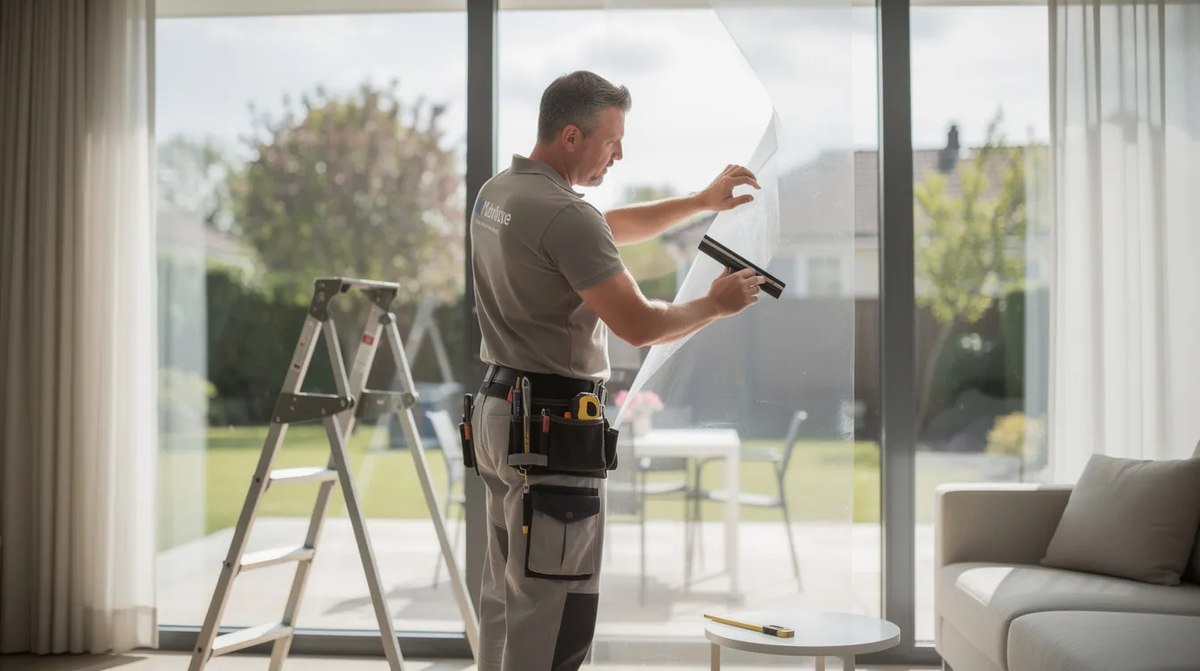
Window security film is a heavy-duty polyester film bonded directly to the interior surface of existing glass. It can be optically clear, tinted, reflective, frosted, or decorative, depending on the look and performance you want.
The main difference between standard window film and dedicated security window films is purpose. Standard films often focus on tint, heat, glare, or design. Security films are engineered for impact resistance, glass retention, and forced-entry delay.
Typical safety and security films range from about 4 mil to 15 mil or more. An 8-mil thickness is the industry standard for robust break-in protection, especially for residential and light commercial applications. Higher-risk buildings may need thicker products, anchoring systems, or specialty glazing.
Modern films can be nearly invisible from the street. They can also be combined with privacy, solar, or decorative films to protect glass while improving comfort and aesthetic appeal.
How Security Window Film Works
Security window film is professionally applied to glass surfaces using strong pressure-sensitive adhesives. The goal is to create a reinforced unit where the film and glass work together after impact.
Heavy-duty polyester film bonds directly to the glass surface. 3M films are composed of multiple layers of bonded polyester, which helps improve tear resistance and glass retention. 3M Safety and Security Film holds shattered glass in place, reducing the chance that broken shards fall away immediately.
That matters during burglary attempts, accidents, or severe weather. When untreated glass breaks, it can create an instant opening. Security films prevent shattering and damage from impact by holding fragments together, making fast entry much harder.
For the strongest results, the film may be paired with an edge attachment or anchoring system. Anchoring helps keep the filmed glass connected to the frame, increasing the time and effort needed to breach the opening.
No film makes windows unbreakable or bulletproof by itself. But the right film can slow intruders, protect occupants, and give alarms, cameras, a security server, police, staff, or family members more time to respond.
Key Benefits of Window Security Film
Well-chosen window films can solve several problems at once. A single project may improve security, safety, UV protection, comfort, privacy, and energy savings.
Security & Forced-Entry Protection
Security films deter burglars by increasing break-in time. Instead of one quick strike creating open access, the intruder may need repeated blows to create a passable opening.
That delay is often enough to change behavior. Many criminals expect quick entry and may abandon break in attempts when the glass does not give way easily.
High-value locations include:
- Ground-level windows
- Patio and sliding glass doors
- Sidelights near front doors
- Large storefront display windows
- Jewelry stores, pharmacies, and offices with expensive electronics
- Residential windows near hidden or low-visibility areas
Residential window security film fortifies vulnerable entry points without making the home feel closed off. It is a practical option for a family that wants protection while maintaining a clear view and natural light.
Accident & Storm Safety
Safety films reduce the risk of injury from flying glass during accidents, falls, impacts, or severe weather. This is especially helpful around kids, pets, glass doors, lobbies, entry areas, and interior partitions.
Security films protect against severe weather and flying debris. During high winds or hail, filmed glass is more likely to stay together instead of scattering shards across a room, making security window films an effective way to enhance safety without replacing your existing glass.
Some projects may also support safety glazing goals when specified correctly. Always confirm local codes, especially for schools, healthcare facilities, public buildings, and hazardous glass locations.
UV Blocking & Fade Reduction
Quality films block up to 99% of ultraviolet light. Window security film blocks harmful UV rays and prevents furniture fading, helping protect finishes from UV damage to furniture, flooring, and décor, making it valuable for living rooms, retail showrooms, offices, galleries, and waiting areas.
UV protection helps preserve:
- Hardwood floors
- Upholstery and curtains
- Rugs and carpets
- Artwork and photography
- Retail merchandise
- Interior finishes
For example, a showroom with large west-facing windows may use film to protect displays from fading while improving comfort for customers and staff.
Comfort, Glare Control & Energy Savings
Sun control films reduce heat and glare indoors. That can make rooms near large windows more usable during the day without closing blinds or blocking views.
Safety films improve energy efficiency and stabilize internal temperatures by reducing solar heat gain and helping rooms stay more consistent. Solar window film can yield significant savings, especially in buildings with large glass areas, strong sun exposure, or high air-conditioning demand.
Research summarized by the U.S. General Services Administration notes that certain spectrally selective films can reduce total heating and cooling energy use in hot climates, depending on building conditions and film selection. You can learn more from the GSA’s building envelope evaluation on solar control films.
Window film also cuts glare on TVs, computer monitors, classroom screens, and point-of-sale systems. For businesses, that means fewer distractions. For homeowners, it means a more comfortable place to relax or work.
Types of Window Films for Security, Comfort & Style
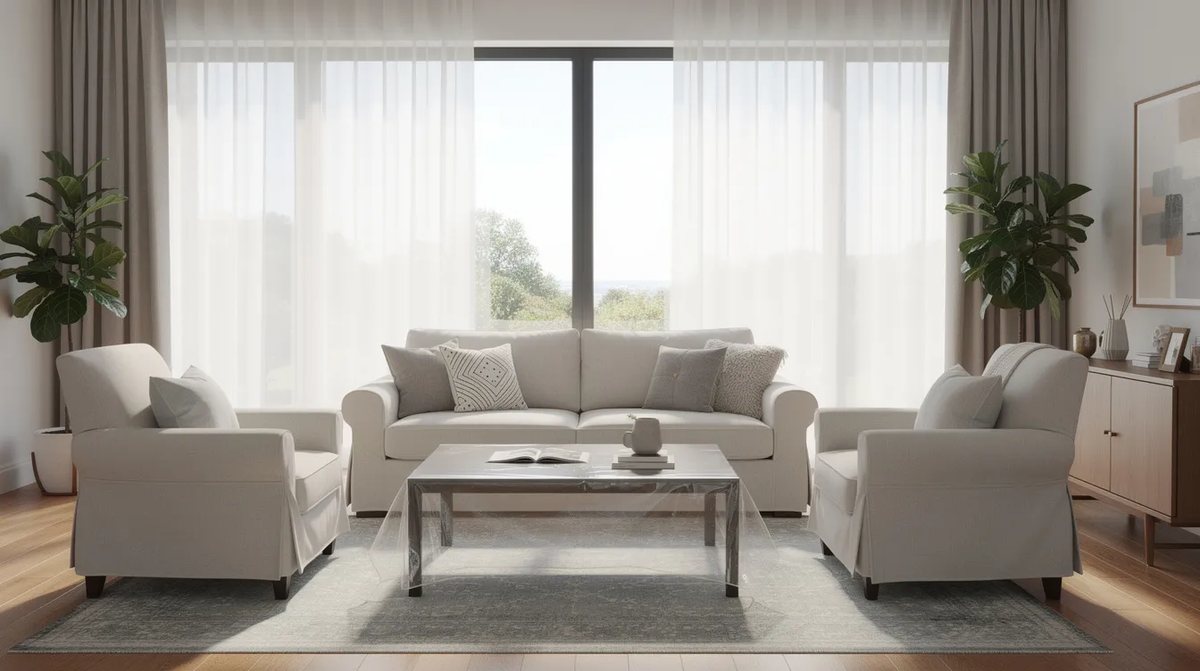
Not all films are the same. The best recommendation depends on your glass type, frame condition, building orientation, local climate, privacy goals, and threat level.
Clear Security Window Film
Clear security films are designed for impact resistance and glass retention with minimal visual change. They are a strong fit for storefronts, historic properties, schools, HOAs, and homes where appearance needs to stay the same.
Clear films still provide UV protection and may offer modest solar performance improvements, but their primary value is safety and security.
Tinted & Reflective Security Films
Tinted and reflective security window films combine forced-entry delay with sun control. They can reduce glare, improve daytime privacy, and create a more uniform exterior appearance.
These products are often chosen for:
- South- and west-facing office glass
- Residential windows with intense afternoon sun
- Warehouse doors
- Retail storefronts
- Restaurants with hot seating areas near windows
They may also contribute to stronger energy savings than clear film alone.
Privacy & One-Way View Films
Privacy films obscure views into rooms while maintaining outdoor visibility in many daytime conditions. Frosted, dual-reflective, and one-way view films are common choices for bathrooms, conference rooms, medical offices, and street-level workspaces.
One-way privacy depends on lighting. If it is brighter inside than outside at night, visibility can reverse. A good installer will explain this clearly so expectations are realistic.
Decorative & Branded Films with Security Options
Decorative films enhance aesthetic appeal without extra hardware. They can add patterns, gradients, etched-glass looks, or branded graphics while still being paired with safety or security layers. Businesses also use window perf for graphics when they want to display promotional messaging, branding, or advertising on exterior glass while maintaining outward visibility from inside the building.
Common uses include:
- Office partitions
- Lobby glass
- Retail front doors
- Conference rooms
- Hospitality spaces
Decorative window films are especially useful when you want both visual impact and added protection, and purpose-designed privacy and decorative window films can also help control sightlines inside homes and offices.
Where Security Window Film Makes the Biggest Difference
Some windows deserve priority because they are easier to reach, more visible to intruders, or located near occupied areas. A local assessment helps identify where film will have the greatest impact.
Residential Homes & Apartments
In homes and apartments, the most vulnerable areas often include sliding glass doors, basement windows, sidelights, and large picture windows.
Security film adds another layer of protection for a family while also improving comfort and helping control cooling costs in summer. It is discreet, so it does not change the look of the property the way bars, grilles, or heavy shutters might.
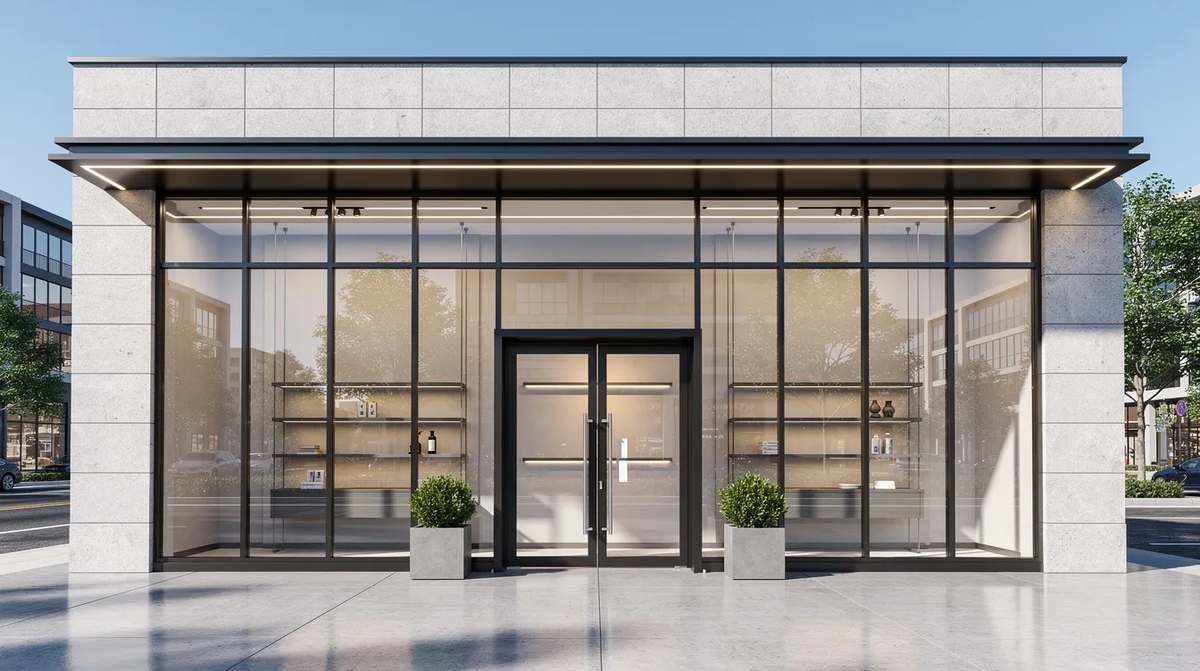
Commercial Buildings & Retail Storefronts
For retail spaces, security window film helps protect merchandise during smash-and-grab attacks and vandalism. It also reduces cleanup, damage, and downtime after an incident.
Office buildings, banks, restaurants, and showrooms often use films on:
- Ground-floor curtain walls
- Glass atriums
- Lobby entrances
- Display windows
- Glass doors and sidelights
A local storefront with electronics or luxury goods, for example, may use 8-mil or thicker film with anchoring to make forced entry more difficult, while schools and public facilities sometimes evaluate ballistic and bullet-resistant glazing solutions as part of broader threat mitigation plans.
Schools, Campuses & Public Facilities
Schools and public buildings often include security films as part of broader emergency preparedness plans. Film is commonly installed on entry doors, sidelights, vestibules, and interior glass near gathering areas.
The purpose is not only entry delay. Film also helps contain glass during emergencies, supporting safer evacuations and response.
Standards for glazing and forced-entry performance can vary by project. ASTM publishes guidance such as ASTM E2395 for security glazing assemblies, but retrofit film performance depends on the full assembly, including glass, frames, and attachments.
Hospitals, Clinics & Critical Infrastructure
Healthcare and critical facilities need protection while maintaining daily operations. Film may be used at emergency room entrances, pharmacy windows, waiting areas, corridors, reception zones, and staff access points.
Some projects call for higher-spec safety, security, or blast-mitigation films coordinated with architects, risk managers, or security consultants, and in those cases working with local security window film specialists can help align film performance with broader protection goals.
Our Window Security Film Installation Process
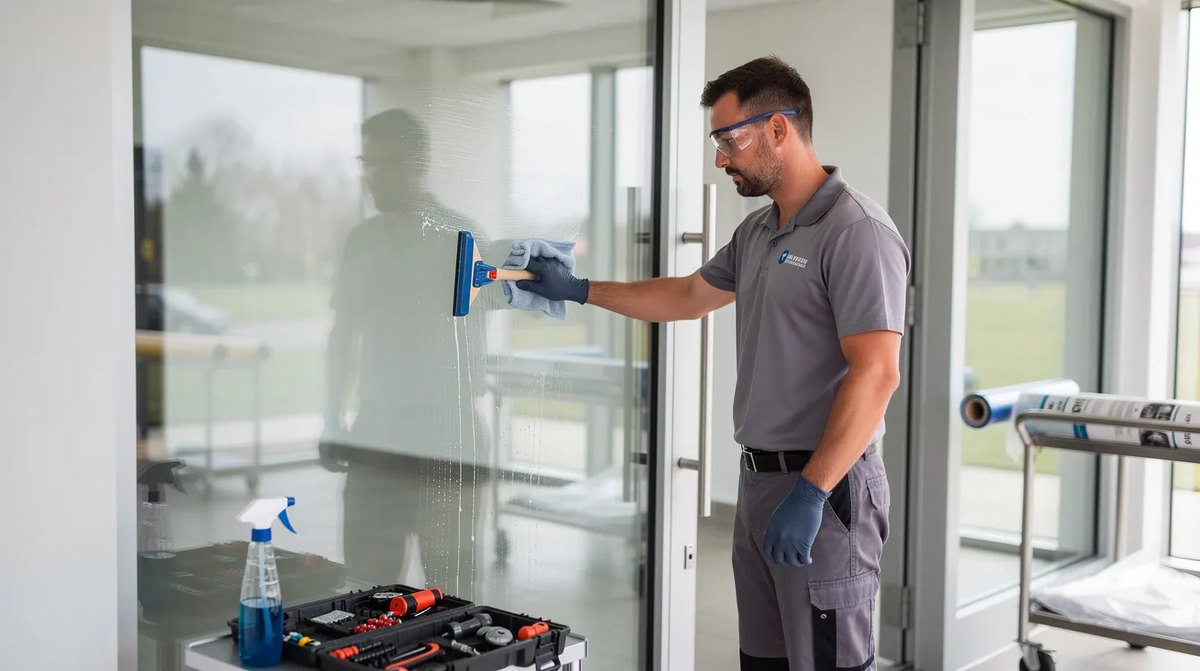
Performance depends on more than the product. Professional installation ensures a bubble-free application of window films and helps the finished system perform as intended, which is why many property owners work with specialized window film installation services rather than attempting DIY application.
Many residential projects can be completed in a day. Larger commercial projects may be scheduled in phases to reduce disruption.
Consultation & Security Assessment
The process starts with an on-site visit. We inspect glass types, frames, access points, existing tint, coatings, and areas exposed to sun, storms, or security risks.
During this visit, we identify:
- High-risk entry points
- Sun-exposed rooms
- Privacy concerns
- Glass that may need special film selection
- Frame conditions that may affect anchoring
- Any old films that need removal
Measurements and photos help define the project scope accurately.
Product Recommendation & Transparent Quote
Next, we match film type and thickness to the building’s needs. The right choice balances security, appearance, budget, energy performance, and code considerations, often using architectural window films designed specifically for residential and commercial buildings.
A clear quote should show:
| Quote Item | Why It Matters |
|---|---|
| Film type and thickness | Determines performance and appearance |
| Square footage | Drives material and labor cost |
| Anchoring system | Improves frame retention where needed |
| Access requirements | Affects scheduling and equipment |
| Warranty details | Clarifies long-term protection |
| Timeline | Helps plan around home or business operations |
| 3M films are backed by comprehensive warranties, and many high-quality products include coverage for issues like peeling, bubbling, adhesive failure, or discoloration when installed correctly. |
Professional Installation
Installers clean the glass thoroughly, remove minor debris, cut films to size, and apply the film using a controlled wet installation method. The film is then squeegeed to remove solution and air, creating a smooth finish.
Furniture, displays, floors, and inventory are protected during the work. At the end of each day, the work area should be left clean and safe.
Final Inspection, Curing & Maintenance Tips
After installation, the team checks alignment, edges, clarity, and overall appearance. Some moisture or haze may be visible during curing, which is normal.
Curing can take several days to a few weeks depending on film thickness, humidity, temperature, and sun exposure. For specialty applications like conference rooms or clinical spaces that need privacy on demand, smart window film technology can add switchable clarity on top of these benefits. To maximize film life:
- Wait before cleaning as instructed by your installer
- Use mild soap and water
- Avoid abrasive pads
- Avoid ammonia-heavy or harsh chemical cleaners unless approved
- Inspect edges periodically for lifting or damage
How Much Does Window Security Film Cost?
Window security film cost depends on glass size, film thickness, access, labor, project complexity, and whether anchoring systems or specialty products are required.
Typical installed ranges may include:
| Project Type | Common Installed Range |
|---|---|
| Basic residential safety film | About $7–$10 per sq. ft. |
| Mid-grade 8–12 mil security film | About $10–$14 per sq. ft. |
| Premium security, specialty, or anchored systems | About $12–$20+ per sq. ft. |
| Complex commercial or high-security work | Can be higher depending on scope |
| A small residential project may cost around $1,200–$2,200, while a larger home or commercial storefront may cost several thousand dollars. The only precise way to price your windows is through an on-site estimate. |
When you factor in reduced damage, better safety, UV protection, improved comfort, and potential energy savings, many projects offer a strong long-term return.
Why Choose Our Local Window Film Specialists
Choosing the right installer is just as important as choosing the film. Local experience matters because climate, building styles, crime patterns, glass types, and service expectations vary from place to place.
Experience & Technical Expertise
Our team brings practical experience across residential, commercial, and specialty glass projects. That includes homes, retail spaces, offices, schools, and facilities where maintaining safety and operations is critical.
Window Genie has been trusted by homeowners since 1994, showing how long-term residential service standards matter in this industry. On the national commercial side, Window Film Depot has performed more national installations than any other company, which highlights the importance of proven systems, trained teams, and scalable project management.
When comparing dealers, look for installers who understand film thickness, glass compatibility, anchoring, warranties, and local building conditions.
High-Performance Window Films & Strong Warranties
We work with proven security, solar, privacy, and decorative products designed for clarity, durability, UV rejection, and tested impact performance.
Our role is to help you avoid over-specifying or under-specifying. Not every home needs the thickest film available. Not every storefront should use the same product as a school vestibule. The right recommendation protects your property without wasting budget.
Local Service, Honest Advice & Timely Scheduling
A local service provider can respond faster, explain local risk factors, and schedule work around your routine. We provide clear estimates, realistic timelines, and proactive updates from start to finish.
For businesses, we can plan installation before opening, after hours, or in phases to reduce downtime. For homeowners, we work carefully around family schedules and daily routines.
Clean, Respectful Installations
Clean workmanship matters. Installers should protect floors and furnishings, minimize dust and mess, work safely around occupants, and leave each space ready to use.
We are committed to careful craftsmanship, clear communication, and results that provide peace of mind for years.
Frequently Asked Questions About Window Security Film
Here are the questions homeowners, facility managers, and property owners most often ask before installing safety and security films.
How Effective Is Window Security Film Against Break-Ins?
Security film significantly slows forced entry and helps keep glass intact, but it does not make windows completely unbreakable.
The added delay can deter opportunistic burglars and provide more time for alarms, cameras, staff, police, or occupants to respond. Effectiveness depends on glass type, frame condition, film thickness, and whether anchoring systems are used.
Will Security Window Film Change the Way My Windows Look?
Clear security films are designed to be nearly invisible. They preserve the appearance of the windows from inside and outside.
Tinted, reflective, privacy, or decorative films change the appearance by design. Samples and mockups can help you choose the right look before installation.
How Long Do Window Films Last?
Quality window films can last many years when installed and maintained properly. Interior-applied films generally last longer than exterior films because they are protected from direct weather exposure.
Product lifespan depends on sun exposure, climate, film type, glass condition, cleaning habits, and installation quality.
Can Window Film Be Installed on Any Glass?
Most common glass types can receive film, including single-pane, double-pane insulating units, and tempered glass. However, not every film is appropriate for every window.
Certain films are designed to be safe for insulated glass and reduce thermal stress concerns. A professional should evaluate unusual glass, wired glass, specialty laminates, existing coatings, or old film before recommending products.
Will Window Film Help With My Energy Bills?
Yes, sun control window film can reduce heat gain, improve comfort, and contribute to lower cooling costs. The exact energy savings depend on window orientation, glass area, local climate, HVAC efficiency, and the film selected.
For many properties, energy-focused films are more cost-effective than full window replacement, especially when the existing windows are still in good condition.
Next Steps: Schedule Your Window Security Film Consultation
Security window film improves safety, comfort, privacy, and energy savings without major construction. It helps protect people, property, furnishings, and glass from impact, UV rays, forced entry, accidents, and severe weather.
If you are ready to learn which products are right for your home or business, schedule a no-obligation on-site assessment. We will inspect your windows, explain your options, and provide a clear quote for your project.
Request your local consultation today through our window security film near me service page and take the next step toward stronger glass, better comfort, and greater peace of mind.