If you own a home, manage a building, or drive through Columbus every day, window film is one of the most practical upgrades you can make. It cuts heat, blocks harmful UV rays, strengthens glass, and improves privacy – all without replacing a single window. This article breaks down every type of window film available in the Columbus, Ohio area, what it costs, how installation works, and how to choose the right solution for your needs.
Table of Contents
- Window Film Columbus Ohio: Fast Overview & Why It Matters
- What Is Window Film & How It Works on Columbus Properties
- Residential Window Film in Columbus, OH
- Commercial & Office Window Tinting in Columbus
- Security Window Film for Columbus Homes & Businesses
- Automotive Window Tinting in Columbus, OH
- How to Choose the Right Window Film in Columbus
- Professional Window Film Installation Process in Columbus
- Why Choose Our Columbus Window Film Team
- Frequently Asked Questions About Window Film in Columbus, OH
- Get a Quote for Window Film in Columbus, Ohio
Window Film Columbus Ohio: Fast Overview & Why It Matters
Modern window film solves a handful of stubborn problems that Columbus property owners deal with year-round: summer heat that overwhelms air conditioning, winter drafts that drive up gas bills, glare that makes screens unreadable, fading that ruins hardwood floors and furniture, and security vulnerabilities at street-level glass. Window films help manage humid summers and cold winters – exactly the kind of seasonal extremes Columbus is known for, with July highs averaging 83°F and January lows near 22°F.

Our Columbus, OH team installs residential window film, commercial window films, and security window film across the metro area – from Downtown and the Short North to Dublin, New Albany, Westerville, Hilliard, Grove City, and beyond. Whether you need window film Columbus Ohio for a sunroom, a storefront, or a fleet vehicle, we bring the right options to your property.
Here is what quality film delivers at a glance:
- Window films can block up to 99.9% of harmful UV rays, protecting skin, flooring, and furnishings
- Solar control films reject a significant portion of infrared and solar energy, reducing heat gain without eliminating natural light
- Security films hold glass together under impact, slowing forced entry and protecting interiors from flying shards
- Privacy and decorative films enhance appearance while letting light through
The rest of this article will help you choose the right film type, understand realistic costs for the Columbus area, and decide whether professional installation is worth the investment.
What Is Window Film & How It Works on Columbus Properties
Window film is a thin, multi-layer laminate – typically polyester-based, sometimes with ceramic or metallic additives – applied directly to the interior face of existing glass. It modifies how light, heat, and UV energy pass through your windows without requiring glass replacement.
Key film categories:
- Solar control window tint – reduces glare, blocks UV and infrared energy, lowers your solar heat gain coefficient (SHGC). Solar window films can reduce indoor cooling costs by rejecting up to 80% of solar heat.
- Privacy and decorative films – frosted, etched, or printed patterns that obscure the view from outside while maintaining interior light. 3M offers decorative, privacy, and security window films that cover a wide range of commercial and residential needs.
- Safety and security window film – thicker films (4–8 mil or more) with strong adhesives that hold shattered glass in place during impacts, forced entry, or storms.
- Specialty solutions – anti-graffiti coatings, bird protection patterns, transitional window films, and RF-blocking films for sensitive environments.
How films work at a physical level:
Films reflect or absorb portions of the solar spectrum – particularly UV and infrared wavelengths – before that energy reaches your interior. UV filtering prevents fading and skin damage. Safety films use high-tensile polyester and aggressive adhesives to keep glass fragments bonded together after breakage.
“Window film” vs. “window tint”:
The terms overlap, but “tint” usually implies a darker, colored finish common in automotive applications. “Film” is the broader category, covering everything from nearly invisible spectrally selective films to heavily tinted or reflective products. Solar Tint uses 3M products for superior window film quality, which is one example of how industry-leading materials show up in the Columbus market.
Modern window films are engineered for Ohio’s four-season climate. They withstand freeze-thaw cycles, intense summer UV (index peaks around 6 in central Ohio), and everything in between.
Residential Window Film in Columbus, OH
If you live in Clintonville, Bexley, Powell, Worthington, or any Columbus neighborhood with south- or west-facing windows, you already know the problems: rooms that turn into ovens by mid-afternoon, floors and furniture bleaching from UV exposure, and a total lack of daytime privacy when blinds are open. Residential window film tackles all of these issues in a single installation.
Core benefits for Columbus homeowners:
- Heat reduction – Window films can reduce solar heat by up to 79%, keeping south- and west-facing rooms noticeably cooler. In sun-heavy rooms, window films can reduce cooling costs by up to 20-30%.
- Glare control – Window films provide glare reduction to minimize eye fatigue on TVs, monitors, and laptops, especially in open-concept living areas.
- UV protection – Window films can block up to 99.9% of harmful UV rays, extending the life of hardwood floors, rugs, artwork, and upholstery.
- Daytime privacy – Proper window films can enhance privacy while allowing natural light to enter, so you can stop closing blinds every morning.
- Winter comfort – Window tint can reduce energy costs in winter by lowering heat loss through glass, especially on older single-pane windows.
Typical residential use cases:
- Large picture windows in living rooms and dining rooms
- Sunrooms and sliding glass doors
- Two-story foyer glass
- Bedroom windows facing streets or neighboring homes
- Historic homes with original glass or sash frames where replacement is impractical or restricted
Residential window film can lower cooling costs during Columbus summers and help your HVAC system work more efficiently, without the five-figure price tag of full window replacement.
Film options range from nearly invisible (VLT of 70–80%, almost no color shift) to moderately tinted (VLT of 35–50%), so homeowners who want full natural light and those who prefer a more shaded look can both find a match.
Popular Home Window Tint Options for Columbus Neighborhoods
Choosing the right residential film depends on your home’s age, your neighborhood’s design guidelines, and what problem you are solving.
- Light neutral films (VLT ~60–80%) – Allow high natural light with minimal aesthetic change. Ideal for historic areas like German Village and Victorian Village where appearance matters and HOA or historic district rules may limit reflectivity.
- Reflective solar films – Mirrored or metalized finishes that deliver high heat rejection and strong glare control. Best for newer builds in suburbs like New Albany and Lewis Center where there are fewer appearance restrictions.
- Ceramic and spectrally selective films – Ceramic window films block heat and UV rays without significantly darkening glass. They offer excellent clarity, no signal interference, and minimal color shift over time. This is the premium tier for homeowners who want maximum performance with minimal visual impact.
- Frosted and decorative films – Perfect for bathroom windows, sidelights, and interior glass doors. These provide privacy and detail in design without eliminating light.
Warranty and lifespan: Premium ceramic or spectrally selective films typically last 15–20 years or more with proper care. Budget dyed films may begin to fade or discolor after 5–7 years. Many professional installers offer lifetime warranties on residential film when it is installed by their team.
Cleaning and maintenance: Use non-ammonia cleaners, soft cloths, or a squeegee. Avoid abrasive pads. Allow the film to cure for several days to a few weeks after installation before cleaning aggressively.
Real-world example: A recent sunroom retrofit in Dublin used premium ceramic film on all west-facing glass. The homeowner reported afternoon peak temperatures dropping by several degrees, cutting AC runtime during July and August – months when Columbus regularly sees days above 90°F.

Commercial & Office Window Tinting in Columbus
Property managers, facility directors, and business owners overseeing buildings in Downtown Columbus, Polaris, Easton, and the OSU area deal with a common set of glazing headaches: hot spots near perimeter windows, uneven temperatures across open office floors, blinding glare on computer screens, and energy costs that spike every summer.
Many Columbus property managers choose architectural window tinting to improve comfort and efficiency.
Primary benefits of commercial window tint:
- Improved tenant and employee comfort – More uniform temperatures and fewer complaints about hot or cold zones near windows
- Reduced HVAC load – Lower operating costs as the cooling system works less hard to compensate for solar heat gain
- Glare reduction – Easier screen-based work for office employees, especially in east- and west-facing workstations
- Enhanced building aesthetics – Consistent exterior appearance across all floors, plus branded or decorative films for lobbies and conference rooms
- Privacy for meeting spaces – Frosted or gradient films on conference room glass maintain openness while keeping sensitive discussions shielded from view
For conference rooms, lobbies, and storefronts, decorative or branded window films can elevate a commercial space without major construction. Printed graphics, etched-look patterns, and gradient privacy films all serve double duty as both functional and visual upgrades.
Window films can reduce energy costs and earn LEED credit when combined with other building performance improvements, making them a practical addition to sustainability programs. Commercial glazing retrofits can lower SHGC from a typical 0.60–0.70 on clear double-pane glass down to 0.30 or below – a meaningful improvement in energy code compliance.
Professional installers can work after-hours, on weekends, or in phased schedules to minimize disruption to office staff, retail customers, or healthcare patients.
Specialty Commercial Window Films for Columbus Businesses
Certain Columbus neighborhoods and building types call for more than standard solar control.
- Security films – Essential for retail storefronts along High Street corridors, the Arena District, and the Short North, where smash-and-grab risk is a concern. Security films hold glass shards together during break-ins or severe weather, buying critical time for response.
- Anti-graffiti films – Anti-graffiti window films resist scratching and vandalism damage on exterior glass, mirrors, and transit-facing windows. When damaged, the film is replaced for a fraction of the cost of new glass – a smart investment in high-traffic urban areas.
- Bird protection films – Bird strike protection film reduces bird collisions, and bird strike protection films help reduce bird collisions with glass on mid-rise and campus-style buildings. Patterned coatings stay relatively transparent for occupants while creating visual cues that birds can detect.
- RF-blocking films – Specialty commercial films include anti-graffiti films and RF-blocking films for environments requiring signal control or electromagnetic shielding.
Columbus example: A retail storefront in the Short North recently added both solar and security film to its street-level glass. The owner gained heat rejection during summer, UV protection for merchandise displays, and a deterrent against forced entry – all from a single installation job.

Security Window Film for Columbus Homes & Businesses
Security window film is one of the most effective and affordable ways to protect Columbus properties against break-ins, vandalism, and storm damage. Whether you manage a downtown storefront or own a home with ground-level patio doors, professional window film installation adds a meaningful layer of defense.
How security film works:
- Security films are typically 4–8 mil thick (some go up to 12 mil), applied with strong adhesive that bonds the film to the glass
- Safety window film protects against glass shattering – when the glass breaks, the film holds fragments in place rather than allowing them to scatter
- Films can be anchored at the frame for maximum holding strength
- Available in clear or tinted versions, so security and comfort improvements happen simultaneously
Common use cases in Columbus:
- Ground-level storefront glass in Downtown and the Short North
- Street-facing windows in urban residential neighborhoods
- First-floor home windows and sliding patio doors
- Schools, daycare centers, and healthcare facilities
- ATM vestibules and bank lobbies
Security window film works best when combined with properly anchored frames, quality locks, alarm systems, and cameras – a layered defense approach. Film alone does not make glass impenetrable, but it significantly raises the difficulty and time required for forced entry.
Secondary benefits of security film include UV blocking (up to 99% in many products) and optional tint for added privacy. Kepler’s security window film enhances protection against break-ins, and similar products from other manufacturers follow the same principle: delay, deter, and contain.
How Security Window Film Performs in Real Events
During an attempted break-in, security film does not stop the glass from cracking. What it does is keep the shards bonded together, forcing an intruder to spend far more time and effort punching through. The noise and delay increase the chances of detection and response.
Safety window films protect against glass shattering injuries by preventing dangerous flying shards during storms, accidents, or impacts. In severe weather, filmed glass reduces the risk of interior debris and injury.
Realistic scenario: A Columbus retail shop with security film on its street-level glass experienced a late-night break-in attempt. The glass cracked on impact but stayed intact in the frame, preventing easy entry until police arrived. Without film, the window would have collapsed immediately.
Common misconception: Security film does not make glass “unbreakable,” and even bullet-resistant window film systems are designed to delay and deter rather than create truly “bulletproof” glass. It improves resistance and containment. Think of it as a seatbelt for your windows – it will not prevent the collision, but it dramatically reduces the damage.
Quality safety and security films meet recognized test standards such as ANSI Z97.1 and various ASTM impact classifications. When comparing products, ask your installer about certifications and lab-tested performance ratings.
Automotive Window Tinting in Columbus, OH
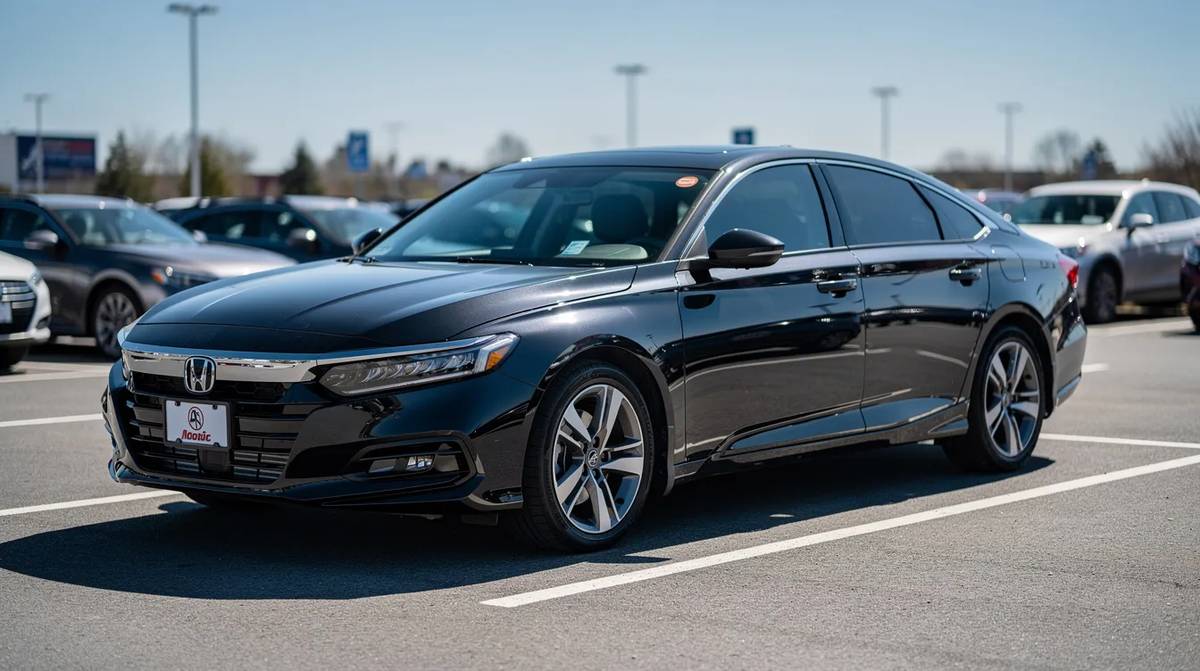
Columbus drivers spend a lot of time behind the windshield – commuting on I-70, I-71, and I-270, sitting in construction traffic, and dealing with direct sun exposure that heats up interiors and degrades dashboards and upholstery. Automotive window tint addresses all of these issues while giving your vehicle a cleaner appearance.
Key benefits of auto tint:
- Reduced cabin temperatures, especially during peak summer months
- Less glare while driving, improving visibility and reducing eye fatigue
- Window tint blocks up to 99% of harmful UV rays, protecting leather, vinyl, and fabric from cracking and fading
- Window tint reduces solar heat by up to 79%, which directly lowers AC load and improves fuel efficiency
- Enhanced privacy for personal items left in your vehicle
Ohio window tinting laws:
Ohio window tint laws require front side windows to allow more than 50% light transmission (VLT). Rear side windows and the rear window can be tinted to any darkness, though dual exterior mirrors may be required if the rear window falls below a certain VLT threshold. Windshield tint is allowed only as a non-reflective strip along the top (above the AS-1 line, typically the top five inches), and red or yellow tint is prohibited anywhere on the vehicle.
Always confirm specifics with your installer at the time of your appointment, as enforcement tolerances and measurement methods can vary.
Film types for vehicles:
| Film Type | Heat Rejection | Durability | Signal Interference | Price Range (Sedan) |
|---|---|---|---|---|
| Dyed | Low–Moderate | 3–5 years | None | $250–$400 |
| Metalized | Moderate–High | 5–8 years | Possible | $300–$450 |
| Ceramic | High | 8–15+ years | None | $350–$600 |
| Different film types offer varied levels of durability, heat rejection, and signal clarity. Ceramic tint is the top recommendation for customers who want maximum heat rejection without interfering with GPS, Bluetooth, or satellite radio. Professional installation reduces the risk of bubbles, peeling, and discoloration that commonly occur with DIY films. |
Pricing for SUVs and trucks typically runs $50–$100 higher than sedan pricing in each category.
How to Choose the Right Window Film in Columbus
The best window film choice depends on what you are trying to solve. Energy savings, privacy, security, style – or a combination of all four. Here is how to narrow it down.
Factors to evaluate:
- Window orientation – South- and west-facing glass receives the most solar load in Columbus. Prioritizing those windows delivers the biggest return on investment.
- Glass type – Single-pane, double-pane, triple-pane, Low-E coated, or historic wavy glass all respond differently to film. Thermal stress analysis is essential for multi-pane or specialty glass installations to avoid seal failure or cracking.
- HVAC issues – If cooling is your primary concern, choose film with strong infrared rejection. If winter heat loss is the bigger problem, look for films with low U-factor properties. Energy-saving window film is less expensive than double-paned glass and delivers measurable comfort improvements without the disruption of full replacement.
- Longevity expectations – Compare visible light transmission (VLT), SHGC, UV rejection percentage, and infrared rejection across products. Warranty terms vary – lifetime coverage is available on many premium films when professionally installed.
- Local regulations – HOAs in neighborhoods like Upper Arlington and historic districts like German Village may restrict mirrored or highly reflective films. Check before you buy.
Request a professional site assessment before committing. A qualified installer will measure current heat and glare levels, assess your glass type, and place film samples directly on your windows so you can see and feel the difference before signing off.
If you are unsure where to start, contact our team for a customized recommendation based on your Columbus neighborhood and building type. We will walk you through your options so you can choose with confidence.
Professional Window Film Installation Process in Columbus
Professional installation matters more than most people expect. Proper technique affects how the film looks, how long it lasts, how well it performs, and whether your warranty stays valid.
Steps in a typical installation:
- On-site consultation and quote – An installer visits your property, measures windows, assesses glass type and condition, and discusses your goals (heat reduction, privacy, security, or a combination).
- Product selection – Based on the assessment, you choose a film type, thickness, VLT level, and finish. Samples are available for side-by-side comparison on your actual glass.
- Scheduling – Residential work is typically scheduled during business hours. Commercial projects can be completed after-hours or on weekends to avoid disrupting your team or customers.
- Preparation – Glass is cleaned thoroughly. Old film is removed if present. Adjacent surfaces are protected.
- Cutting and application – Film is precisely cut, a mounting solution is applied, and the film is positioned on the interior glass surface.
- Squeegeeing – Air and solution are pressed out from between the film and glass, ensuring full adhesion and a smooth finish.
- Final inspection – The installer checks for bubbles, wrinkles, and edge alignment, and confirms everything meets quality standards.
Typical timelines:
| Project Size | Estimated Time |
|---|---|
| Small home (3–5 windows) | Half-day |
| Whole home (10–20+ windows) | 1–2 days |
| Commercial office floor | 1–2 days per floor |
| Multi-floor commercial building | Phased over several days |
| Curing period: Films typically need several days to a few weeks to fully cure, depending on temperature and humidity. During this time, minor haze or small water pockets may be visible – this is normal and will clear as the film dries completely. |
Post-install care:
- Wait at least 30 days before cleaning newly installed film
- Use non-ammonia cleaners (ammonia damages adhesive)
- Wipe with soft cloths or a rubber squeegee – never abrasive pads
- Avoid pressing or peeling at film edges
Why Choose Our Columbus Window Film Team
We are a locally focused window film company serving Columbus and surrounding suburbs with both residential and commercial installation experience. Our work covers everything from single-window privacy film in Bexley to full-building solar control in Downtown office towers.
What sets our team apart:
- Deep industry experience in central Ohio – We understand Columbus-specific challenges: intense western sun on streets like Broad and Main, winter temperature swings that stress glass, and a mix of building ages from 1890s German Village row houses to 2025 new construction in New Albany.
- Factory-trained installers – Every member of our crew is trained on precision application techniques for the brands we carry. This means fewer callbacks, cleaner edges, and films that perform at spec for their full rated lifespan.
- Premium window film solutions – We use top-tier films with strong manufacturer warranties. Our product lines include solar, security, decorative, and automotive options backed by written warranty coverage.
- Transparent pricing – You get a detailed, written estimate before any work begins. No hidden fees, no surprise add-ons.
- Customer care from start to finish – On-time appointments, clean work areas, clear communication about timelines, and follow-up support after installation. Our goal is to make every client happy with the process and the result.
The Columbus window film market includes established names – JM Tint has over 30 years of experience in window tinting, and Sunray Window Films has been serving Columbus since 1994. We stand alongside these industry veterans with a commitment to precision, quality materials, and great service that keeps customers coming back.
Real outcomes: An Upper Arlington homeowner came to us with a second-floor office that was unbearable by 2 p.m. every summer. After installing ceramic solar film on three west-facing windows, the room temperature dropped enough to eliminate the need for a portable AC unit. A 2025 office retrofit downtown improved employee comfort scores and reduced peak cooling demand across an entire floor.

Frequently Asked Questions About Window Film in Columbus, OH
These FAQs address the most common questions from Columbus homeowners, business owners, and drivers considering window film.
How long does window film typically last in Columbus’s climate?
Premium ceramic and spectrally selective films typically last 15–20 years or longer when professionally installed and properly maintained. Budget dyed films have a shorter lifespan of roughly 5–7 years before they may fade, discolor, or peel. Columbus’s freeze-thaw cycles and summer UV exposure are demanding, so investing in higher-grade film pays off over time.
Does window film void my window warranty?
It depends on the window manufacturer and the film product. Some window makers restrict certain high-absorptive films on insulated glass units (IGUs) because of thermal stress concerns. A reputable installer will check your window brand and glass type before recommending a product to make sure compatibility is not an issue. Many film manufacturers also offer warranties that cover glass damage caused by their products when installed according to specifications.
What does residential versus commercial window tinting cost in Columbus?
Residential window film installation in Columbus typically ranges from $5.15 to $12.15 per square foot, depending on film type, window accessibility, and glass condition. Basic solar film runs closer to $6.00 per square foot, while premium ceramic or security films can reach $10–$15 per square foot or more. Commercial projects vary based on building size, access requirements (scaffolding, lifts), and scheduling needs. Contact us for a free consultation and a written quote tailored to your budget.
How much heat reduction and energy savings can I realistically expect?
Solar control films can reduce solar heat by up to 79%, and in sun-heavy rooms, window films can reduce cooling costs by up to 20–30%. The actual savings depend on window orientation, film grade, glass type, and your HVAC system’s efficiency. South- and west-facing rooms in Columbus will see the most dramatic difference. Winter energy savings are also possible, as film helps retain interior heat and reduce drafts through older glass.
Will window film make my rooms too dark during Ohio’s cloudy winter days?
Not if you choose the right VLT. Light neutral and spectrally selective films with VLT ratings of 60–80% allow the vast majority of visible light through while still blocking heat and UV energy. These films are specifically designed for climates where you need year-round performance – you get protection during sunny summer days without sacrificing light during overcast Ohio winters.
How does security window film differ from standard solar film?
Standard solar film is designed primarily for heat rejection, UV blocking, and glare reduction. Security window film is thicker (typically 4–8 mil versus 1–2 mil for solar film), uses a stronger adhesive, and is engineered to hold glass fragments together under impact. It is meant to resist forced entry, protect against vandalism, and reduce injury from flying glass during storms. Some security films also include solar control properties, giving you both protection and comfort in a single product. Window films can block up to 99.9% of harmful UV rays in both categories, but the structural performance is where security film stands apart.
How quickly can I get an appointment for window film in the Columbus area?
For most residential and small commercial projects, same-week or next-week appointments are available depending on the season and film stock. Summer is our busiest time in the Ohio area, so booking a few weeks ahead during June through August is a good idea. Larger commercial jobs may require a phased scheduling plan. Give us a call or submit a quote request and we will confirm availability for your specific needs.
Get a Quote for Window Film in Columbus, Ohio
Ready to improve the comfort, security, and energy efficiency of your home, office, storefront, or vehicle? Request a free, no-obligation estimate from our Columbus team today. We serve all of central Ohio, from Downtown and the Short North to Dublin, Westerville, Powell, New Albany, and everywhere in between.
Here is how to get started:
- Call us directly to speak with a team member and schedule your free consultation
- Submit a quote request through our online contact form – include photos and basic window measurements for a faster, more accurate estimate
- Book online using our scheduling tool for the time that works best for you
Same-week and next-week appointments are often available for Columbus neighborhoods, depending on project size and season. Share your building plans or a few photos when you reach out and we can provide preliminary pricing before the on-site visit.
Whether you need solar film for a sunroom, security film for a storefront, or automotive tint that keeps your ride cool and legal, we are here to bring the right window film solutions to your property. Partner with a trusted local team and find out how much of a difference quality film and precision installation can make – all year long in central Ohio.