If your home has rooms that feel like a greenhouse by 3 p.m., furniture that’s fading season after season, or energy bills that keep climbing, the problem likely starts at your windows. Modern residential window film offers a practical, same-day solution that blocks heat, cuts glare, protects interiors, and lowers what you pay to keep your house comfortable-without tearing out a single pane of glass.
This guide walks through everything you need to know before investing in home window film, from the different film types and real energy savings numbers to installation details and how to pick the right product for your specific situation.
Table of Contents
- What Is Residential Tint and Why Homeowners Are Choosing It in 2026
- Benefits of Residential Tint: Comfort, Energy Savings, and Protection
- Types of Home Window Film: Solar, Ceramic, Decorative, and Security
- How Residential Tint Improves Energy Efficiency and Lowers Bills
- Glare Reduction, Privacy, and Decorative Films for Better Everyday Living
- Installation Process, Longevity, and Maintenance of Home Window Film
- How to Choose the Right Residential Tint for Your Home
- Frequently Asked Questions About Residential Tint
- Why Choose Our Team for Your Home Window Tinting Project
- Conclusion: Start Saving Energy and Improving Comfort with Residential Tint
What Is Residential Tint and Why Homeowners Are Choosing It in 2026
Residential tint is a thin, polyester-based laminate applied directly to the interior surface of existing window glass. Depending on the product, it may contain dyes, metals, or nano-ceramic particles engineered to control how much solar energy, visible light, and ultraviolet radiation pass through. Installation is done in place-no construction crews, no weeks-long lead times-and most homeowners start feeling the difference the same afternoon.
The problems tint solves are ones nearly every homeowner recognizes. High summer cooling bills driven by solar heat pouring through glass. Uncomfortable hot spots on west- and south-facing sides of the house that make certain rooms unusable after noon. Screen glare that forces you to close blinds in your home office or living room. And street-level windows that offer zero daytime privacy.
Modern home window film addresses all of these at once. It can block a significant percentage of infrared heat, reject up to 99% of UV radiation, reduce glare, and increase privacy-all while keeping natural light flowing into your rooms. And the timing makes sense: electricity rates across the U.S. have risen steadily since 2022, summers are running hotter, and full window replacement costs several times more than tinting. For many homeowners in 2024–2026, residential window tinting is the most practical energy efficient upgrade available.
Benefits of Residential Tint: Comfort, Energy Savings, and Protection
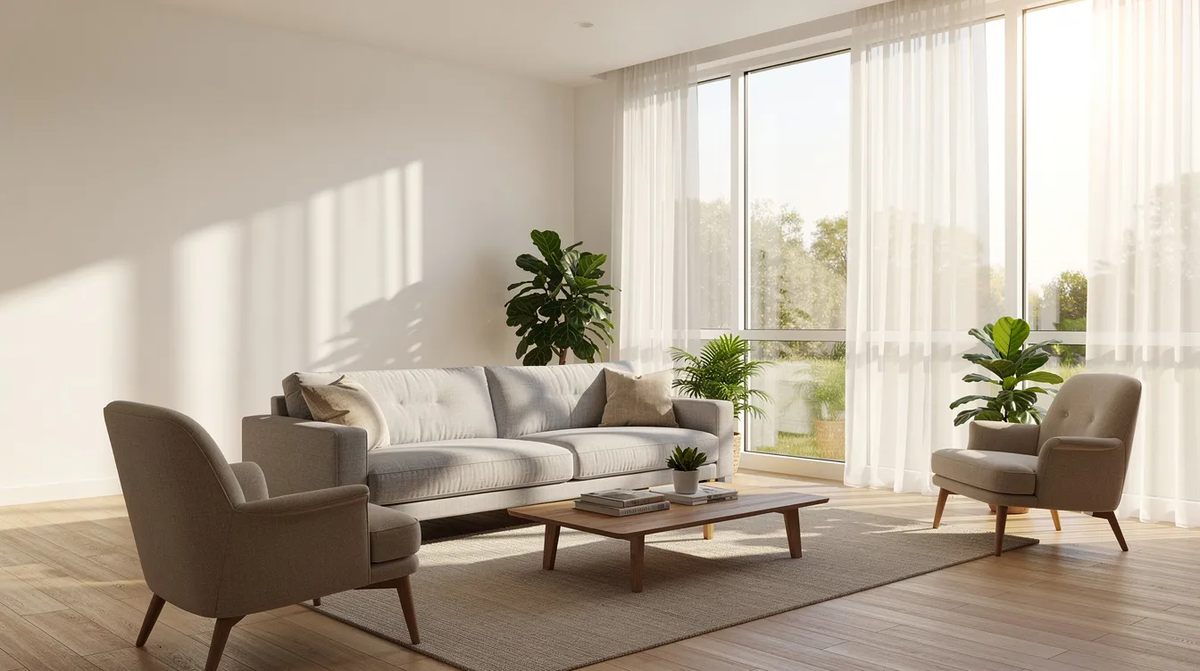
Properly selected window film delivers benefits that overlap and compound. It blocks heat, cuts glare, protects what’s inside your house from sun damage, and adds a layer of privacy-all from a single installation. Here’s how those advantages break down.
Energy savings and lower cooling costs. Window film can reduce energy costs by 5 to 15% in homes with significant sun-exposed glass, with some heavily exposed rooms seeing even larger drops. Because the film reduces the amount of solar heat entering your house, your air conditioning runs less often, which directly lowers air conditioning costs and extends the life of your HVAC equipment. Residential window tinting offers energy savings that start accumulating the day the film goes on.
Thermal comfort. High-quality window film regulates indoor climate effectively by smoothing out temperature swings. Rooms that used to spike 8–10°F above the thermostat setting on summer afternoons-west-facing bedrooms, sunrooms, kitchens with large glass doors-stay noticeably cooler. The result is a home that feels evenly comfortable without cranking the AC.
UV protection and interior preservation. Window tint blocks up to 99% of UV rays, dramatically slowing the fading of hardwood floors, rugs, artwork, and furniture that would otherwise fade from sun exposure. A refinished oak floor that would show noticeable color change within a couple of years of direct sunlight exposure stays protected for far longer. The Skin Cancer Foundation also recognizes window film as a tool for reducing indoor UV exposure to skin.
Glare reduction. Films can cut screen glare in living rooms, home offices, and media rooms while still letting in enough daylight that you don’t need to flip on overhead lights. Window tint reduces glare by up to 84%, depending on the film type and visible light transmission level you choose.
Privacy. Options range from light-neutral films that slightly reduce visibility from the street to frosted films that completely obscure the view while still admitting soft, diffused light. Window tinting enhances daytime privacy by obstructing the view into your home without making you feel closed off from the outdoors.
Window tint protects furniture from fading due to sunlight, keeps rooms cooler, lowers energy bills, and improves daily comfort-a high-ROI upgrade that starts working the moment it’s installed.
Types of Home Window Film: Solar, Ceramic, Decorative, and Security
Not all window film is built the same. Different types of window films target specific household problems, and understanding the differences helps you match the right product to each room.
Solar Control Films
Solar control film is designed primarily to block heat and lower energy bills. These products use reflective, metallized, or spectrally selective layers to bounce infrared and visible solar radiation away from your glass. Solar control films block up to 79% of solar heat on certain glass types, with total solar energy rejection (TSER) often landing in the 60–75% range. The trade-off with highly reflective versions is a mirrored exterior appearance and potential interference with Wi-Fi or cellular signals-something spectrally selective options avoid.
Ceramic Films
Ceramic window films are the premium tier. They use nano-ceramic particles instead of metals, which means they block infrared heat without darkening rooms or interfering with smart-home signals, cell reception, or Wi-Fi. Many ceramic films reject 88–95% of infrared radiation while maintaining visible light transmission in the 50–70% range. They cost more per square foot but tend to last longer and deliver cleaner aesthetics. For homeowners who want maximum heat rejection with minimal visual change, ceramic films are hard to beat.
Decorative and Privacy Films
Privacy and decorative films can mimic stained or frosted glass, adding style and visual interest to bathrooms, sidelights, transoms, and home offices at a fraction of the cost of replacing glass. Frosted films provide privacy while allowing natural light to pass through softly. Reflective films offer one-way privacy during the day, making it difficult for passersby to see in while you retain a clear outward view. Many decorative and privacy options also include UV blocking and modest heat rejection, so they’re functional as well as attractive.
Safety and Security Films
Security window films are thicker, multi-ply laminates designed to hold glass together during impacts. Tinting can improve safety by holding shattered glass together during impacts from storms, accidents, or attempted break-ins. Safety films delay forced entry by up to 2 minutes, which can be enough time for an alarm to trigger a response. Some products combine security performance with solar control, giving homeowners heat rejection and impact resistance in a single layer.
Budget and Specialty Options
Dyed films are the most affordable but offer lower heat rejection (roughly 25–35% TSER) and shorter lifespans. Carbon films sit in the middle, with stable color and moderate infrared rejection. Blackout films are used to block out almost all light, making them suitable for home theaters or shift workers who need complete darkness during the day, while transitional window films automatically adapt to changing sunlight for flexible comfort and glare control.
How Residential Tint Improves Energy Efficiency and Lowers Bills
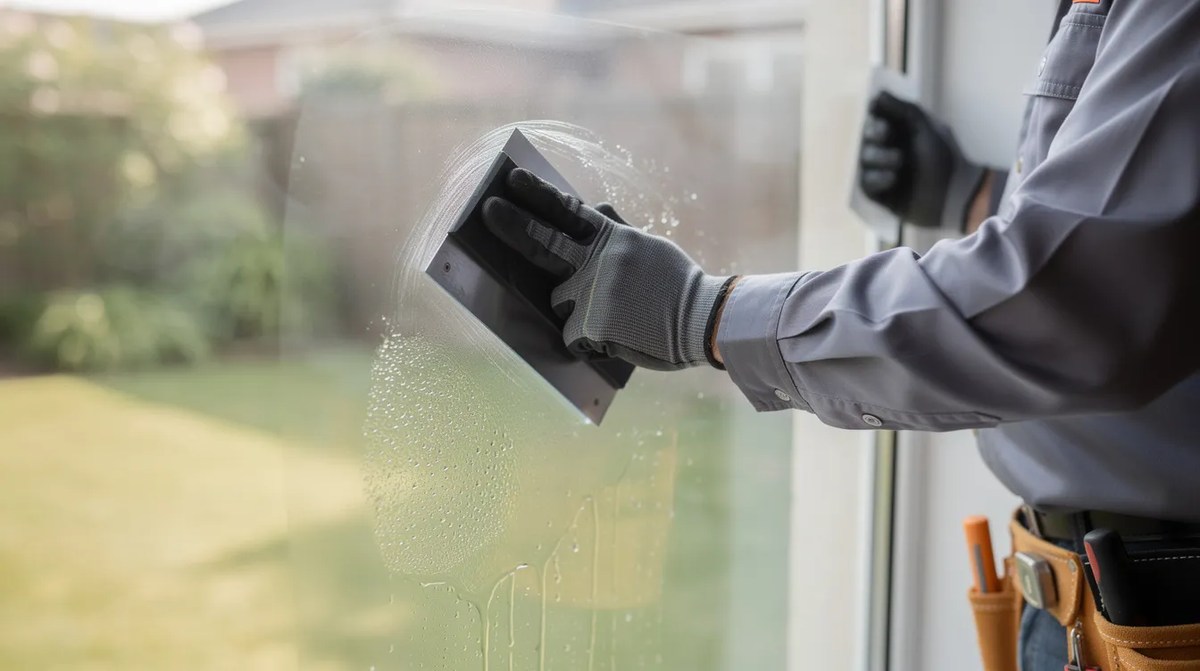
Understanding why window film works starts with a basic fact about solar energy. Sunlight hitting your glass delivers heat in three forms: visible light, ultraviolet radiation, and infrared radiation. Window film reflects and absorbs portions of that spectrum before the energy converts to heat inside your house, reducing what’s known as solar heat gain.
Solar heat gain through windows accounts for one third of cooling costs in a typical home. When you cut that gain-by applying a film that drops your glass’s solar heat gain coefficient (SHGC) from around 0.70 down to 0.25–0.35-you’re removing a huge chunk of the thermal load your air conditioning system has to handle. Window films can reject up to 75% of solar heat, which translates directly into lower energy costs and less wear on your HVAC systems.
The impact on cooling equipment is significant. Professionally installed window films can reduce HVAC run time by 30%, which not only trims energy bills but also extends compressor and fan motor life. Window tinting minimizes strain on HVAC systems year-round, not just in summer.
In colder months, advanced window films help retain indoor warmth during colder months by reflecting radiant heat back into the room. Low-emissivity film types act like a thermal mirror on the interior glass surface, reducing heat loss without blocking your view. This makes window film a year-round energy efficiency tool, not just a summer fix.
For specific problem areas-a hot upstairs bedroom, a sunroom that hits 95°F in July, a kitchen with a wall of south-facing glass-the relief is immediate and measurable. A 2,000-square-foot home with many south-facing windows might see 5–12% lower annual cooling costs after treating those exposures. Window film installation can reduce energy costs by 5 to 15%, depending on glass type, orientation, and local climate. And compared to full window replacement at several times the cost, tinting is a far more affordable and less disruptive path to making your home cooler and more energy efficient.
Glare Reduction, Privacy, and Decorative Films for Better Everyday Living
Older window tints earned a reputation for turning rooms into dim caves. Today’s films are different. Spectrally selective and ceramic options control glare and increase privacy without stripping out the natural light that makes a room feel open and alive.
Controlling glare where it matters most. Window films can help reduce glare on screens and work surfaces, making a real difference in home offices with dual monitors, living rooms with large TVs, and any space where direct sunlight washes out what you’re trying to see. A film with visible light transmission (VLT) around 40–60% typically provides strong glare reduction while keeping the room bright enough that you won’t reach for a light switch. The result is less eye fatigue during long work sessions and a more enjoyable viewing experience without needing to close curtains or blinds.
Privacy without isolation. Privacy films can reduce visibility from outside while allowing light in, which makes them ideal for street-facing windows, ground-floor bedrooms, and entry sidelights on newer townhomes with minimal setback from the sidewalk. Frosted films provide instant privacy without blocking natural light-soft and diffused, they work beautifully in bathrooms and sliding doors, and emerging smart window films offer on-demand privacy that switches between clear and opaque at the touch of a button. For living rooms and bedrooms, lightly tinted or reflective options maintain your outward view while making it difficult for anyone outside to see in during daylight hours.
Decorative films as a design tool. Decorative films can enhance privacy and aesthetics simultaneously. Frosted bands on shower enclosures, geometric patterns in a glass-walled home office, or stained-glass effects on a transom window above the front door-all achievable without replacing the glass. Unlike etched or sandblasted glass, decorative films can be updated or removed later as your style or needs change.
Even purely decorative and privacy-focused films typically include UV rejection and some level of heat reduction, so every film you install pulls double duty: it looks good and it protects your interiors.
Installation Process, Longevity, and Maintenance of Home Window Film
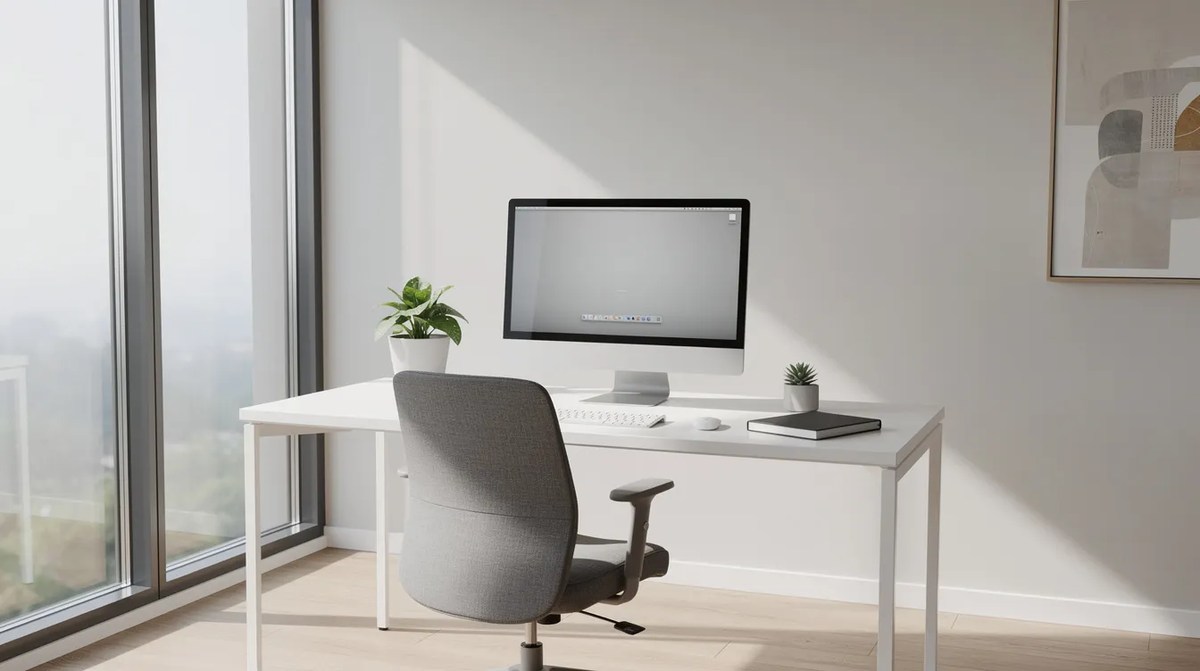
What to expect during installation. A professional install begins with an on-site consultation where the installer evaluates your glass type, measures each window, checks sun orientation, and discusses your priorities. After selecting the right film type, the installer cleans the glass thoroughly, cuts the film to precise dimensions, applies it wet with an adhesive solution, squeezes out air and moisture, trims the edges, and performs a final inspection. Professional installation ensures a bubble-free finish and clean sight lines.
Timing. Most homes can be tinted in one day. Larger homes with many windows or difficult access points-upper stories, skylights-may take two days. The process is quiet, non-invasive, and leaves no construction debris.
Preparing your home. Clear window sills of plants, picture frames, and fragile items. Secure pets in a separate room. After installation, expect a curing period of a few days to several weeks depending on humidity. During this time, you may notice small bubbles or slight haziness beneath the film-this is normal and clears as trapped moisture evaporates.
Durability and warranties. High quality films from established manufacturers carry warranties of 10–15 years, and some product lines offer lifetime residential warranties covering adhesion, discoloration, and peeling. In real-world conditions, premium ceramic and spectrally selective films last 10–20 years. Budget dyed films, on the other hand, may degrade in 3–5 years.
Maintenance. Wait a few weeks after installation before cleaning aggressively. Use soft cloths and non-ammonia cleaners. Avoid abrasive pads or razor blades. Periodically check edges for lifting, especially on exterior-exposed windows that take heavy sun and weather.
Glass compatibility. Not every film works on every glass type. High-absorption films on double-pane or factory low-E glass can cause thermal stress, potentially cracking the glass or breaking the seal between panes. This is exactly why professional installers evaluate existing glass before recommending a product-it protects both the glass warranty and the film warranty.
DIY kits include tools for easy installation, but the risk of visible defects, shortened lifespan, and voided warranties makes professionally installed window film the better investment for most homeowners. Static cling films can be removed without residue, making them a low-commitment option for renters or temporary needs.
How to Choose the Right Residential Tint for Your Home
Selecting the right window tint comes down to balancing four factors: heat control, natural light, privacy, and budget. Getting this balance right means the film works for your life, not against it.
Understand the key specs. Visible light transmission (VLT) tells you how bright the room will feel-higher percentages mean more light. Solar heat gain coefficient (SHGC) measures how much solar energy passes through; lower is better for cooling. UV rejection indicates protection against fading and skin exposure. Most films block 99%+ of harmful UV rays. Infrared rejection (IRR) measures how effectively the film blocks infrared heat specifically. Ask your installer to walk you through these numbers for each option.
Match film to room use. Ceramic films make sense for large living room windows where you want to preserve the view and keep rooms bright. Decorative films work well for bathrooms and entry sidelights where privacy matters most. Security films belong on ground-floor doors and sliding doors that are vulnerable to break-ins or storm damage, and for higher-risk facilities some owners look at ballistic and bullet-resistant glazing solutions as an added layer of protection. For home offices with persistent screen glare, a film with VLT around 45–55% strikes a good balance.
Consider your climate and orientation. West-facing glass in a hot climate deserves your strongest heat-rejecting film. North-facing or well-shaded windows may need only UV protection. In cooler climates, avoid overly aggressive heat-blocking films on south-facing glass where you want passive solar warmth in winter.
Think about budget and ROI. Premium ceramic or spectrally selective films run $7–$15 per square foot installed, while basic options cost less. The more glass you treat, the lower the per-unit cost tends to be. In areas with high electricity rates, the payback period shortens significantly.
Get a professional assessment. A good installer brings light-meter readings, glass-type identification, and side-by-side film samples placed directly on your windows. Most manufacturers require professional installation to honor warranty terms, and the consultation itself is typically free. Many factors-glass age, frame condition, HOA rules, and sun exposure-affect the best choice, so expert input is worth the time.
Frequently Asked Questions About Residential Tint
Will window film make my rooms too dark?
Not if you choose the right product. Films come in a wide range of VLT levels. A spectrally selective or ceramic film with 50–70% VLT keeps rooms bright and airy while still delivering strong heat and UV rejection. Darker tints (VLT below 35%) do reduce light noticeably and work better in media rooms or bedrooms where dimming is welcome. Most films used in living spaces are designed to reduce glare without making the room feel gloomy.
Can home window film be removed later?
Yes. Quality residential films are designed to be removable. The process involves peeling the film slowly, sometimes with the help of heat or steam, and then cleaning any adhesive residue from the glass. Most removals leave the glass undamaged. Static cling films peel off even more easily, leaving no residue at all. Removal is straightforward, but having a professional handle it helps avoid scratches.
Will tint void my window warranty?
It depends on the window manufacturer and the film type. Some window makers restrict modifications to factory coatings or insulated glass units, particularly with high-absorption metallized films. Most manufacturers of window film offer independent warranties, but it’s smart to check your glass warranty terms first. A qualified installer will verify compatibility before recommending a product.
How much does residential window tinting cost?
For professional installation of ceramic or spectrally selective films, expect to pay roughly $7–$15 per square foot. A standard 15-square-foot window might run $150–$225. Basic dyed or carbon films cost less. Price varies based on film type, number of windows, access difficulty, and your region. Larger whole-home projects often bring the per-square-foot cost down.
How does tint impact energy bills?
Window film can reduce energy costs by 5 to 15% in homes with significant sun exposure, with payback periods typically landing in the 3–7 year range. Homes with high local electricity rates or large areas of south- and west-facing glass see faster returns. Beyond direct savings on energy bills, reduced HVAC run time means lower maintenance and replacement costs over the life of your system.
How long does window film last?
Premium ceramic and spectrally selective films typically last 10–20 years with proper care. Most manufacturers back these products with 10–15 year warranties, and some offer lifetime residential coverage. Budget dyed films may start showing color change or edge lifting after 3–5 years. Sun exposure intensity, climate, and installation quality all affect lifespan.
Can window film increase privacy during the day and at night?
Reflective and lightly tinted films provide strong daytime privacy because the exterior side is brighter than the interior. At night, when interior lights are on and outside is dark, this effect reverses-people outside can see in more easily. If you need consistent privacy around the clock, frosted or opaque films are the better choice. They block the view in both directions while still allowing diffused sunlight to enter during the day.
Will Residential Tint Pay for Itself Over Time?
While exact payback varies by home, many homeowners recover the full cost of installation through lower energy bills within 3–7 years. Homes with large south- and west-facing glass areas, high local electricity rates, or older single-pane windows tend to see the fastest return. Beyond direct energy savings, the protection against fading furniture and hardwood floors, improved comfort, and added privacy represent non-monetary value that many families prioritize just as highly as the bill reduction.
Can I Tint Just a Few Problem Windows Instead of the Whole House?
Absolutely. Many projects start with a handful of problem areas-a sun-blasted sunroom, a glaring living room wall, or a bedroom that overheats every afternoon-and expand later as the homeowner experiences the benefits firsthand. For aesthetic consistency, it’s generally best to treat all panes on the same elevation or within the same room with the same film, so the exterior appearance stays uniform. Talk to your installer about a phased approach that balances budget, performance, and curb appeal over time.
Why Choose Our Team for Your Home Window Tinting Project
We approach every residential window tinting project with the same standard: assess the home carefully, recommend the right product solutions for each room, and install with precision that protects both performance and warranties.
Our installers are trained on a full range of film types-ceramic films, decorative films, privacy films, and security films-so we can tailor recommendations to your specific needs rather than pushing a single product, similar to comprehensive window tinting and window film installation services offered by full-service providers. We follow manufacturer guidelines on every installation to ensure your warranty stays intact and your film performs as rated.
What homeowners tell us they appreciate most is the transparency. You get a clear quote before we start, honest guidance on which windows will benefit most, and realistic projections of energy savings based on your home’s orientation and glass type. We show up on time, protect your space during the install, and clean up when we’re done.
If you’re exploring architectural window films that deliver measurable comfort and lower energy bills, we’d like to earn your business. Request a free in-home assessment or virtual consultation, and we’ll provide specific film recommendations with projected performance data for your windows.
Conclusion: Start Saving Energy and Improving Comfort with Residential Tint
The pain points that bring most homeowners to window film-hot spots that make rooms unusable, direct sunlight fading expensive interiors, energy costs that climb every summer, and a lack of privacy in street-facing rooms-are all solvable with the right film, properly installed.
Home window film is a fast, non-invasive upgrade. There’s no demolition, no weeks of waiting, and no dramatic change to the look of your house. What changes is how your home feels: cooler rooms, lower glare, protected furnishings, and energy bills that reflect the work the film is doing every hour of every sunny day.
Schedule a consultation to find the right film for your windows. Whether you’re looking to treat a single problem room or every pane in the house, the process starts with understanding your glass, your climate, and your goals-and we’re ready to help you get there. With energy costs projected to keep rising and summers only getting hotter, residential tint is one of the smartest efficiency investments you can make for the next decade.