If your west-facing living room turns into an oven every afternoon, your hardwood floors are fading near the windows, or your energy bills keep climbing – residential window tinting may be the most practical upgrade you haven’t considered yet. This article breaks down how modern window film works, what it costs, and whether it makes sense for your home.
Table of Contents
Click any heading to jump directly to the topic that matters most to you – whether that’s comfort, privacy, energy efficiency, or UV protection.
- What Is Residential Window Tinting & Why Homeowners Are Choosing It Now
- Key Benefits of Residential Window Tinting
- Types of Residential Window Film & How to Choose
- Energy Efficiency, Energy Savings & Cost Considerations
- How Residential Window Film Installation Works
- Design, Style & Decorative Options for Residential Windows
- Potential Limitations, Glass Compatibility & Warranty Questions
- Frequently Asked Questions About Residential Window Tinting
- Why Choose Our Team for Your Residential Window Tinting Project
- Next Steps: Get a Residential Window Tinting Quote
What Is Residential Window Tinting & Why Homeowners Are Choosing It Now
Residential window tinting is the process of applying a thin, engineered film to the interior surface of your home’s glass windows. These films use ceramic particles, metallic layers, dyes, or combinations of all three to control how much solar heat, visible light, and ultraviolet radiation passes through the glass. The result is an upgrade to existing windows without the expense or disruption of replacing them entirely.
Standard glass allows solar infrared and visible light to pass directly into homes, and untreated glass windows are the largest source of unwanted heat transfer in most homes. That reality creates a cascade of problems most people recognize immediately: hot spots in south- and west-facing rooms, excessive glare on screens, fading of floors and furnishings, and rising energy costs that have accelerated since 2020. Window film can reflect or absorb solar radiation before it heats the interior space, addressing each of these issues at the source.
Modern residential window film is thin, optically clear or lightly tinted, and installed on the interior side of your residential window. It’s engineered for UV protection, glare reduction, and energy efficiency without changing the structure of your house. Because window film installation costs about 5–10% of full window replacement, it’s a practical first step before investing in new windows – especially when many of your existing windows are structurally sound. Films are compatible with most glass types when selected and installed by a professional who understands manufacturer guidelines and window warranty implications.
Key Benefits of Residential Window Tinting
The appeal of home window film comes down to measurable improvements in comfort, protection, and cost. Here’s what quality film actually delivers.
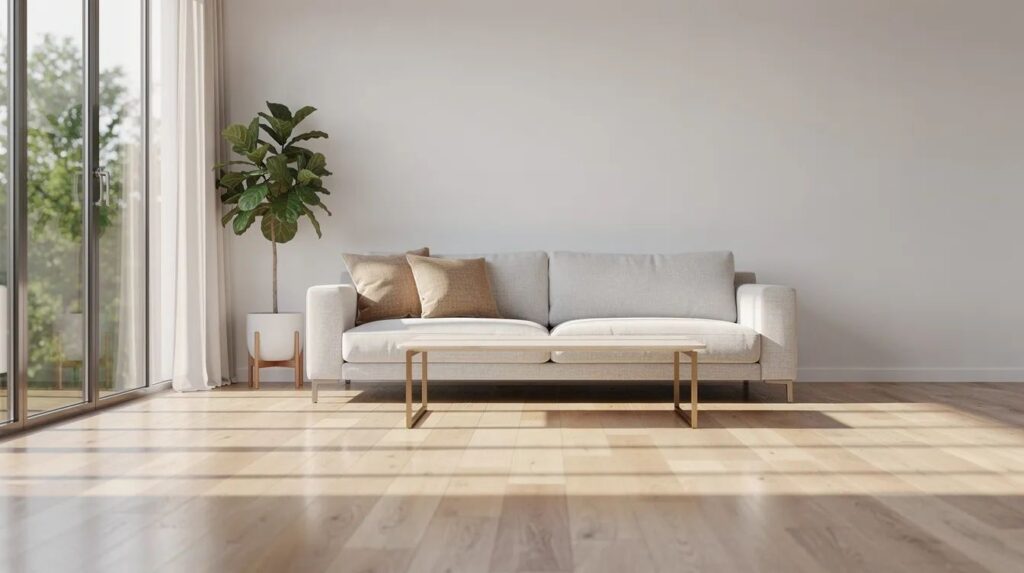
Heat Reduction & Comfort. Window tinting can reduce solar heat gain by 75% or more on high-exposure glass, keeping south- and west-facing rooms noticeably more comfortable during July and August without overworking your air conditioning. Window films eliminate temperature zones caused by standard glass – those frustrating hot spots near windows where no one wants to sit. Window tinting can lower air conditioning costs significantly as a result, because your HVAC system doesn’t need to fight as hard against the sun’s heat.
Energy Efficiency & Lower Energy Costs. Residential window tints improve energy efficiency by regulating temperatures throughout your home. Whether you have single-pane or double-pane windows, film improves the performance of your glass, typically delivering 5–15% annual energy savings depending on climate, window orientation, and HVAC efficiency. Residential window films enhance energy efficiency and privacy at the same time, making them one of the few window treatments that deliver dual value. Window films can also extend HVAC equipment life by reducing strain on your system during peak cooling months.
UV Protection & Fade Control. Solar window films can block up to 99.9% of UV rays – and even standard-quality films block up to 99% of harmful uv rays that cause premature fading. This level of protection matters because direct sunlight degrades hardwood floors, artwork, upholstery, and photographs over time. Window films preserve flooring and furniture from sun damage, and tinting helps protect furniture from fading due to sunlight year after year. Beyond furnishings, window films safeguard skin health by blocking harmful rays inside the home, which is something curtains and blinds alone can’t do consistently.
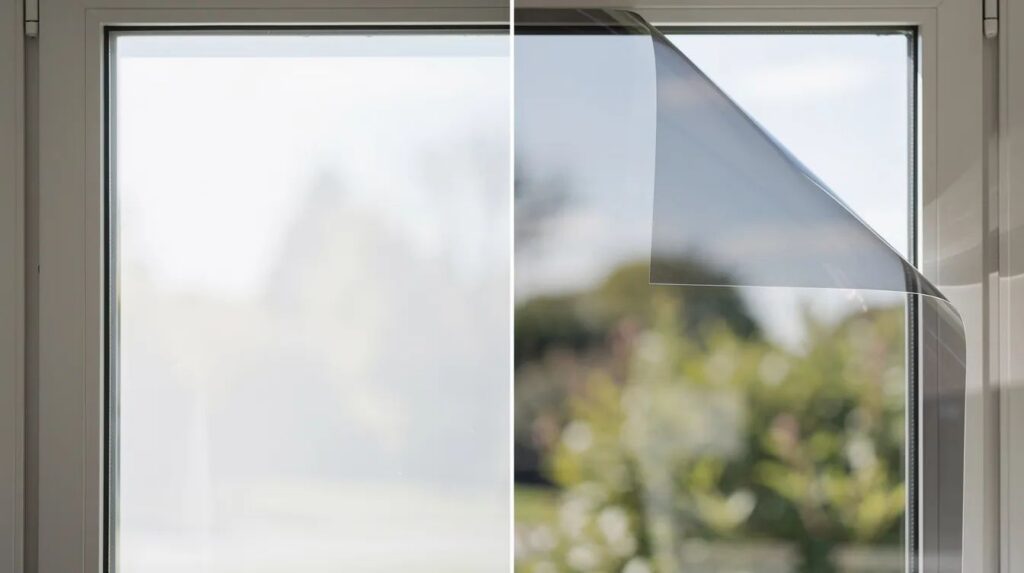
Glare Reduction. Excessive glare can reduce visibility on screens, making home offices and media rooms difficult to use during peak sun hours. Window films can reduce glare by up to 87%, and window tinting reduces glare from direct sunlight without sealing you off from your view. Tinted windows allow natural light while reducing glare, so you don’t have to choose between a bright room and a usable one. This is a meaningful quality-of-life improvement for anyone who works from home or watches TV during the day.
Privacy. Tinted films enhance privacy by obscuring views from the outside during the day, and tinted windows create a mirror-like effect for privacy on street-facing glass. Window films provide daytime privacy by allowing clear visibility from inside while making it harder for neighbors to see in. Window tinting makes it harder for intruders to see inside, adding a layer of security to ground-level rooms. Privacy films come in various colors and patterns, from subtle reflective finishes to decorative options that look like frosted or stained glass for entry doors and sidelights.
Safety & Security. Thicker safety films help glass stay together during accidental impact, storms, or attempted break-ins, giving families more time to react. Security film helps hold glass together during break-ins, and tint can enhance glass shatter resistance during severe weather or break-ins. These films don’t replace security systems, but they contribute an extra barrier that can deter someone trying to gain entry through a window.
Aesthetic Upgrade. Neutral, ceramic, and decorative films can complement a home’s architecture and create beautiful windows without making them look mirrored or overly dark. Today’s films match a wide range of styles – from barely-there clarity to bronze and gray finishes – so the installation doesn’t change the vision you have for your home’s appearance. Types of Residential Window Film & How to Choose
Not all residential window film is the same. While window films can be broadly categorized into three types – solar control, decorative, and safety – the market has expanded significantly, and choosing the right product depends on many factors including your goals, glass type, and climate. Window films vary in color and reflectivity levels, so understanding the categories helps you determine the best match.
Solar Control Films. Solar control films are designed to keep homes cooler by blocking UV rays and infrared heat. They’re available in neutral, bronze, gray, and low-reflective options, making them ideal for sun-exposed living rooms, kitchens, and sunrooms. These are the workhorses of the film world – they block heat, reduce glare, and protect interiors from fading.
Low-E and All-Season Films. Low-E films reflect indoor heat back into the house during winter, and certain high-performance window films provide secondary winter insulation. In summer, these same films help reject external solar heat. They’re particularly useful in climates with both hot summers and cool, colder months, where you need year-round temperature regulation. Low-emissivity window films add an insulating layer to older single-pane windows, improving R-value without replacing the glass.
Ceramic and Nano-Ceramic Films. Ceramic films effectively reject heat and UV rays without using dark dyes or shiny metals. The 2024–2026 generation of ceramic technologies uses non-metallic nanoparticles to reject infrared heat while remaining very clear and maintaining strong signal reception for Wi-Fi and mobile devices. They hold color over time and don’t interfere with electronics – a key advantage over older metallized films.
Decorative and Stained Glass Style Films. Decorative films include etched patterns and stained glass options that mimic frosted or art glass at a fraction of the cost. They’re commonly used on entry doors, bathroom windows, and interior glass partitions where you want light but not a clear view.
Safety and Security Films. These thicker films hold shards together during impact and can be paired with anchoring systems for maximum protection. They’re most common on ground-level windows and doors in areas concerned about storm damage or building security.
Privacy Films. Options range from one-way reflective films that provide daytime privacy and glare reduction to matte frosted films offering day-and-night privacy. Note that reflective films offer daytime privacy and glare reduction but can be see-through at night when interior lights are on – choose based on room orientation and how the shade of light shifts through the day.
A professional installer will match film type with your glass type – single pane, double pane, tempered, or laminated – to avoid thermal stress and protect your window warranty.
Energy Efficiency, Energy Savings & Cost Considerations
Residential window film contributes to whole-home energy efficiency when combined with proper insulation and HVAC maintenance. Here’s how the numbers work in practice.
Energy Performance Metrics. Window films can lower the Solar Heat Gain Coefficient (SHGC), which measures how much solar radiation passes through your glass. A lower SHGC means less heat entering your home. Visible Light Transmission (VLT) indicates how much natural light gets through – lower VLT means a darker appearance. The right film balances both values based on your room and orientation.
Typical Energy Savings. Tinting can reduce energy costs by 5 to 15% annually on heating and cooling combined. Energy-saving window film can reduce cooling costs by up to 30% in homes with large glass areas and high solar exposure. Results vary by climate zone, shading conditions, window size, and existing insulation. A GSA evaluation of Low-E window film found roughly 29% HVAC energy savings when retrofitting single-pane windows.
Cooling and Heating Cost Impact. Films reduce summer cooling demand by rejecting infrared heat before it enters the room. With the right product – particularly Low-E or all-season films – you can also help retain indoor heat during colder months, stabilizing comfort year-round and reducing heating costs.
Cost vs. Replacement. Professional window tinting typically costs a fraction of new windows per square foot. Film installation runs about 5–10% of full window replacement cost, yet delivers a substantial share of the same performance gains in heat and UV control.
Payback Period. Many projects have a payback period of less than three years, especially when targeting high-impact windows on south or west exposures. Homeowners with large glass areas in hot climates often recover the investment even faster through lower energy bills.
Rebates & Incentives. Some utilities and local programs periodically offer rebates for qualifying energy-efficient window film installations. Check current 2026 programs in your region – these can further shorten payback timelines.
Long-Term Value. Beyond direct energy savings, improved comfort, UV protection, and interior preservation add non-monetary value that contributes to a better daily life and stronger resale appeal for your home.
How Residential Window Film Installation Works
Installation is clean, fast, and performed from the inside in most cases, minimizing disruption to daily life. Here’s what to expect from the project.
Site Visit & Quote. A specialist inspects your existing windows, identifies glass types (single-pane, double-pane, Low-E, tempered), measures each window, and discusses your goals – whether that’s heat control, privacy, glare reduction, or decorative effect. You’ll receive a detailed written estimate outlining film specifications, warranty details, and projected performance.
Film Selection. You’ll review samples in different VLT levels, colors, and finishes directly on your residential window to see real-world appearance during day and evening light. This step helps you determine exactly how much light you want and how the film will look from both inside and outside.
Preparation. The installer cleans frames and glass thoroughly, covers nearby furniture and flooring, and ensures a dust-free surface for proper adhesion. Ambient temperature and humidity are checked to confirm ideal install conditions.
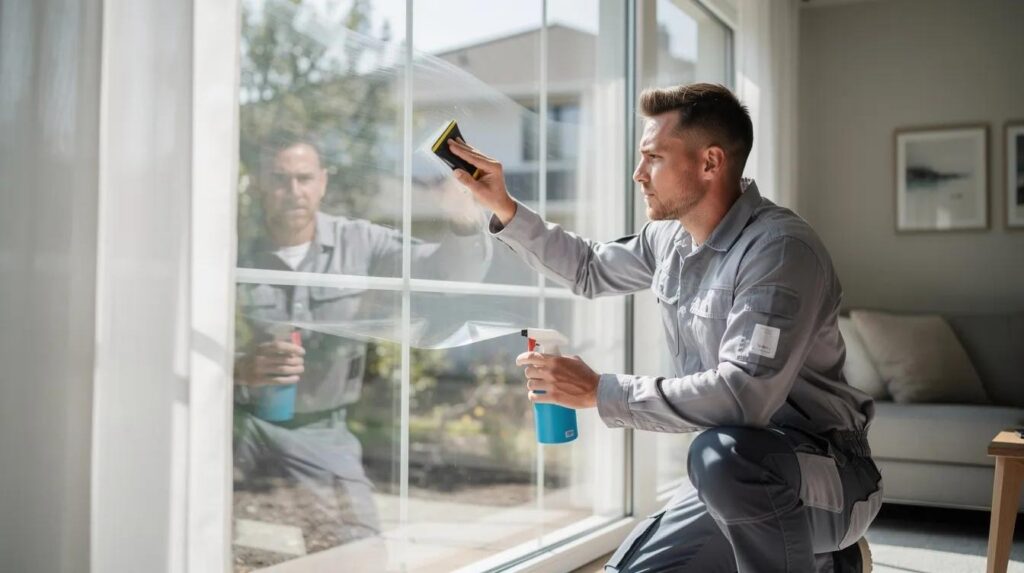
Installation. Film is cut to size, applied with a water-based solution, squeegeed to press out water and air, and trimmed along edges for a precise, nearly invisible finish. A skilled installer works quickly – most people are surprised at how seamless the process looks.
Cure Time. Films typically take several days to a few weeks to fully cure depending on film type and season. Slight haze or small water pockets are normal during this period and will clear as the adhesive sets. Avoid cleaning or pressing the film surface during curing.
Care & Maintenance. After the recommended waiting period, maintain your film with non-abrasive, ammonia-free cleaners and soft cloths. Avoid sharp tools on the film surface. Proper care keeps the film looking clear and performing well for years.
Warranty Documentation. Quality residential window film often comes with manufacturer-backed warranties – sometimes lifetime on residential applications – covering peeling, bubbling, discoloration, and adhesive failure. Keep your documentation and note the condition of your glass before installation.
Design, Style & Decorative Options for Residential Windows
Window film is not only functional – it’s a design tool that can enhance interior style and curb appeal without the permanence or cost of replacing glass.
Neutral and Barely-There Looks. Modern films with high VLT (70–80%) subtly soften daylight and control heat without making the glass obviously tinted. These are ideal for homeowners who want performance without a dark or mirrored appearance – the glass simply looks like clean, high-quality glass.
Tinted, Bronze, and Gray Finishes. Slightly darker films create a uniform exterior look, reduce glare more aggressively, and complement specific architectural styles. A house with warm brick might suit a bronze tone, while a modern building with large glass panels might look best with a cool gray.
Frosted and Etched-Glass Looks. Films that simulate sandblasted glass install in minutes and provide day-and-night privacy while still transmitting sunlight. They’re popular for bathrooms, home offices, and sidelights where vision into the room needs to be blocked without sacrificing light.
Stained Glass Effects. Patterned films that mimic stained glass motifs add color and interest to entryways, stairwell windows, and transoms – all without the cost and permanence of real stained glass. These decorative films create a focal point while still offering UV control.
Room-by-Room Strategy. Consider mixing films throughout your house: high heat-rejection ceramic film on a south-facing sunroom, frosted privacy film on bathroom windows, and a subtle neutral film in main living areas. This approach lets you install the right solution for each room’s specific challenges rather than applying the same shade everywhere.
Potential Limitations, Glass Compatibility & Warranty Questions
While window film offers clear benefits, proper product selection and installation are critical for safe, long-term performance. A balanced view helps you make a smarter decision.
Glass Compatibility. Most annealed, tempered, and double-pane insulated glass works well with residential window film. However, very dark or highly reflective films on certain glass types can risk thermal stress – where the center of the glass heats faster than its edges, potentially causing cracks. A professional installer will check compatibility before recommending a product.
Manufacturer Warranties. Some window manufacturers may limit or void their glass warranty when aftermarket films are applied, especially on insulated glass units with Low-E coatings. Reputable film brands sometimes offer warranty coverage that supplements glass warranties. Always get written confirmation and keep your window warranty documentation current.
Climate Considerations. In colder climates, overly dark films on south-facing glass can reduce beneficial winter solar gain, increasing heating costs instead of lowering them. The solution is to choose light-transmitting, energy-efficient films that balance comfort year-round rather than defaulting to the darkest option available.
Installation Quality. Poor installation leads to bubbles, peeling, or edge contamination. These aren’t film failures – they’re installer failures. Choosing an experienced, certified professional for residential work protects both your investment and your glass.
Realistic Expectations. Film improves the performance of existing windows but does not fix structural issues like rotting frames, failed seals causing condensation between panes, or cracked glass. If your windows have these problems, address them first.
Maintenance Constraints. Abrasive cleaners and sharp tools should never be used on tinted glass surfaces. Follow your installer’s care guidelines with the same attention you’d give any quality home improvement to maintain appearance and warranty coverage.
Frequently Asked Questions About Residential Window Tinting
How Much Does Residential Window Tinting Cost?
Cost depends on several factors: film type (solar, decorative, security), total window area, access difficulty, and the number of windows being treated. Professional installation typically runs significantly less per square foot than window replacement – often 5–10% of the cost of new glass. You’ll receive a detailed written estimate outlining film specifications, warranty, and projected energy efficiency benefits before any work begins.
How Long Will My Residential Window Film Last?
Quality films in residential settings typically last 10–20 years or longer, depending on sun exposure, climate, and cleaning methods. Many modern films include scratch-resistant coatings and UV-stable adhesives that maintain clarity and performance over time. Higher-end ceramic films often carry manufacturer warranties that cover the full life of the product.
Will Tinting My Home Windows Make Rooms Too Dark?
Not if you choose the right VLT level. A film with 70% VLT is very light – most visitors won’t notice it’s there – while still providing UV protection. A 35% VLT film creates a moderate tint that noticeably reduces glare but still admits comfortable natural light. Most homeowners find the sweet spot somewhere in between, and viewing samples on your actual glass before installation eliminates guesswork.
Can Window Film Be Removed or Replaced Later?
Yes. Professional removal uses safe solutions and careful techniques to peel the film without damaging glass or frames. After removal, the surface is cleaned and ready for a new application. This means you can update to newer technologies, different styles, or different privacy levels as your needs change over the life of your home.
Does Residential Window Film Really Reduce Energy Bills?
Properly specified films reduce solar heat gain, which means less air-conditioning runtime and measurable energy savings in many homes. Independent evaluations consistently show 5–15% reductions in total cooling and heating costs, with some high-exposure installations seeing cooling reductions up to 30%. Monitor your energy costs for several months before and after installation under similar seasonal conditions to see the impact clearly.
Is Window Tint Safe for Double-Pane and Low-E Glass?
Many films are engineered to be compatible with insulated and Low-E glass when selected correctly. Professionals check manufacturer guidelines before installation and use film-to-glass compatibility charts to avoid thermal stress or seal failure. Using films not designed for certain glass types increases risk – which is exactly why expert guidance matters, and DIY approaches on expensive windows carry unnecessary risk.
How Long Does Installation Take in an Average Home?
A few hours for a single room, a half-day for a small home, and a full day or more for larger homes or complex projects with arched or bay windows. Customers can usually remain in the home during installation, with only minor temporary disruption near treated windows. Cure time adds several days to a few weeks, but daily life continues normally.
Why Choose Our Team for Your Residential Window Tinting Project
We approach every project as a consultation, not a sales pitch. Our installers carry certifications from leading residential window film manufacturers and invest in ongoing training to stay current with ceramic, Low-E, and security film technologies.
We use high-performance films with proven UV protection, strong glare reduction, and robust warranties designed specifically for residential applications. Every recommendation starts with listening – understanding your hot spots, fading concerns, and privacy priorities – so the solution we propose is tailored, not generic.
Our installation process emphasizes on-time arrivals, careful protection of your furniture and flooring, and thorough clean-up so your home is left as tidy as before we arrived. Quotes clearly break down film types, coverage areas, and warranty details with transparent pricing. And because we understand local climate and sun patterns, we recommend films that deliver the best value for regional heat, humidity, and seasonal changes – not just the most expensive option on the shelf.
Next Steps: Get a Residential Window Tinting Quote
Ready to improve comfort, privacy, and energy efficiency in your home? Schedule a free in-home consultation or virtual assessment. A specialist will evaluate your existing windows, discuss your goals, and provide a personalized recommendation – no pressure, no obligation.
When you request a quote, you’ll receive a written proposal outlining film options, projected energy savings, warranty coverage, and installation timeline. Before your consultation, jot down a simple list of rooms that feel too hot, suffer from glare, or show signs of fading – this helps us focus on the highest-impact areas first.
Residential window film is a low-disruption, high-impact upgrade that can start delivering comfort and energy savings from the day it’s installed. The best project to start with is the room that bothers you most – the rest will follow.