
If one room in your house is always too bright, too hot, or too exposed to neighbors, your windows may be doing more than letting in light. Modern window film can improve comfort, privacy, and UV protection without replacing the glass or changing the character of your home.
For homeowners dealing with rising energy costs, stronger summer heat waves, screen glare, fading floors, or street-facing rooms, home window tinting is a practical upgrade that works on many existing windows and doors.
Table of Contents
- What home window tinting does
- How residential window tinting works
- Benefits of home window film
- Heat rejection, glare reduction & UV protection
- Privacy, decorative options & security film
- Choosing the right residential window film
- Energy savings & cost breakdown
- Professional vs. DIY installation
- Best rooms for window tint
- Home window tinting FAQs
- Why choose our team
- Conclusion & next step
What Is Home Window Tinting and Why Homeowners Are Choosing It in 2026
Home window tinting is the application of a thin, transparent or tinted residential window film to the inside of existing glass. Professionally installed window film upgrades performance by reducing heat, glare, harmful UV rays, and visibility into the home without the cost of new windows.
In 2024–2026, more homeowners are considering residential window tinting because energy bills are higher, summer sunlight feels harsher, and dense neighborhoods make privacy harder to maintain. This guide explains how film works, which film type fits each goal, what installation involves, and how to compare cost, comfort, and long-term energy savings.
How Residential Window Tinting Works
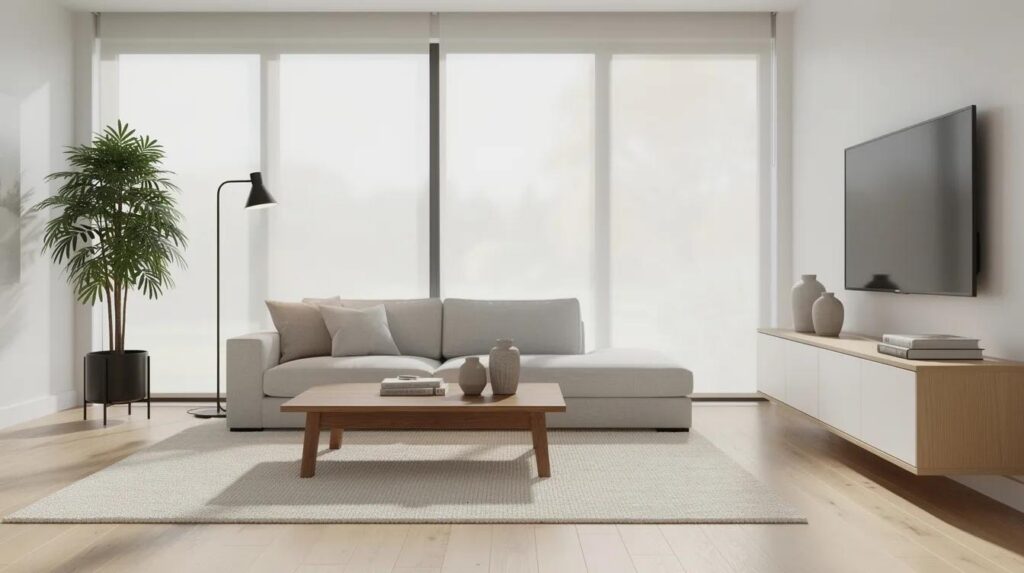
Home window tinting filters sunlight by absorbing, reflecting, or blocking energy before it turns into heat inside the room. Window tinting alters how glass interacts with different wavelengths of the solar spectrum, so the right tint can make a room cooler, calmer, and more private.
Sunlight is composed of visible light, ultraviolet rays, and infrared light. Visible light affects brightness and clear visibility, uv rays contribute to fading and skin exposure, and infrared heat is a major source of the sun’s heat coming through large windows and patio doors. Absorption prevents specific wavelengths of light from transferring into living spaces, while reflection involves bouncing a significant portion of infrared and visible light away.
Most residential window film has several layers: an adhesive layer, a polyester film base, dyed, metalized, ceramic, or spectrally selective coatings, and a scratch-resistant top coat. Heat absorbed by window film is slowly re-radiated away or kept inside based on film type, which is why product selection matters for comfort in both summer and colder months.
Most home window film is installed on the interior side of the glass. Interior installation protects the film from weather, makes cleaning easier, and helps the adhesive bond securely. Adhesive bonding of window film strengthens glass to improve safety and security, though it does not make glass unbreakable.
Compatibility is important. Single-pane, double-pane, low-E, older windows, and tempered glass can all react differently to heat absorption. The solar heat gain coefficient and visible light transmission are key product specifications, and a professional should confirm the right film before you install window film on insulated or specialty glass.
Key Benefits of Residential Window Tinting
The main benefits of residential window tinting are heat rejection, glare reduction, UV protection, privacy, safety/security, and aesthetics. Done well, tinted windows are effective for both glare reduction and indoor temperature control while still letting in natural light.
- Heat control: Window films are designed to block UV rays and solar heat. Home window tinting improves energy efficiency by reducing solar heat gain, which can lower energy costs and reduce strain on HVAC systems.
- UV protection: Window film blocks 99% of UV rays, and some films block up to 99.9% of UV rays. Window films are recommended by The Skin Cancer Foundation as part of a broader sun-protection strategy, and window tinting prevents fading of furniture and flooring.
- Glare reduction: Window films minimize harsh brightness and eye strain from screens. This helps reduce glare on TVs, laptops, phones, and glossy surfaces without needing to close curtains, blinds, shades, or other window treatments all day.
- Comfort: Film can reduce hot spots in living rooms, home offices, sunrooms, and bedrooms that receive direct sunlight.
- Privacy: Window tinting makes it harder to see inside homes, especially during daylight. Reflective or darker tints restrict visibility from outside during the day.
- Security: Window tinting enhances home security by obscuring valuables. Security film and safety films also help hold broken glass together.
- Appearance: Decorative films provide style and mild privacy to interior glass surfaces, creating beautiful windows, glass doors, pantry panels, and bathroom accents.
Heat Rejection, Glare Reduction & UV Protection
Most homeowners first look at window tint because one room gets too much heat, screen glare, or fading. West-facing living rooms, south-facing sunrooms, and home offices with direct sunlight are common problem areas.
Solar Control Films block solar energy and are suitable for west- or south-facing windows. Solar control films block up to 79% of solar heat, and 3M solar control films reject up to 79% of solar heat. Some high-performance window films can lower indoor temperatures by blocking up to 86% of solar heat gain, while premium films commonly reject 50–70% of total solar energy depending on the glass and product.
Energy results vary, but window tinting can reduce energy costs by 5 to 15% in many homes. High-performance films can reduce summer cooling costs by up to 30%, and window films can reduce air conditioning run time by 30% in strong sun-exposure situations. Energy-saving window film can significantly lower utility bills when installed on the windows that drive the biggest cooling load.
Glare control is just as practical. Certain tints can reduce glare up to 80%, making it easier to watch TV in a south-facing family room or work at a computer near bright glass. Quality film softens light instead of making the room feel dark or cave-like.
UV damage occurs even on overcast days, so protection matters year-round. Quality residential window film blocks harmful rays whenever daylight reaches the glass, helping protect hardwood, rugs, artwork, furniture, and the life of interior finishes.
Privacy, Decorative Options & Security Film
Not every film is dark. Some films are nearly clear, some are frosted, and others are patterned or built for impact resistance.
Reflective films create a one-way mirror effect during the day. Reflective Films prevent outsiders from seeing in during daylight, and tinted windows create a mirror-like effect during the day when the outside is brighter than the inside. These films work well for street-facing windows, bathrooms, sidelights by front doors, home offices, and exposed patio doors. At night, interior lights can reverse the effect, so blinds or shades may still be needed for nighttime privacy.
Privacy films can come in various colors and patterns. Decorative films come in various patterns and colors, including frosted, etched, geometric, and stained glass effects. Decorative films can refresh 2010s tract-home bathroom windows, glass pantry doors, a back door, or entry sidelights at a fraction of the cost of custom glass.
Frosted films provide instant privacy without sacrificing light. Frosted films provide privacy while allowing natural light, making them ideal when you want privacy but do not want a room to feel closed off.
Security film is thicker than standard solar film. Security films reinforce the glass to prevent shattering injuries, and safety films hold glass together during impacts and storms. Security films do not stop glass from breaking but hold shards together, which can reduce injuries and make forced entry harder.
For break-ins, security film adds time and resistance. It does not make a window burglar-proof, but it creates a tougher membrane that someone must repeatedly strike or cut to gain entry. Some security films combine solar control, glare reduction, and uv protection so homeowners do not have to choose between comfort and safety.
Choosing the Right Residential Window Film
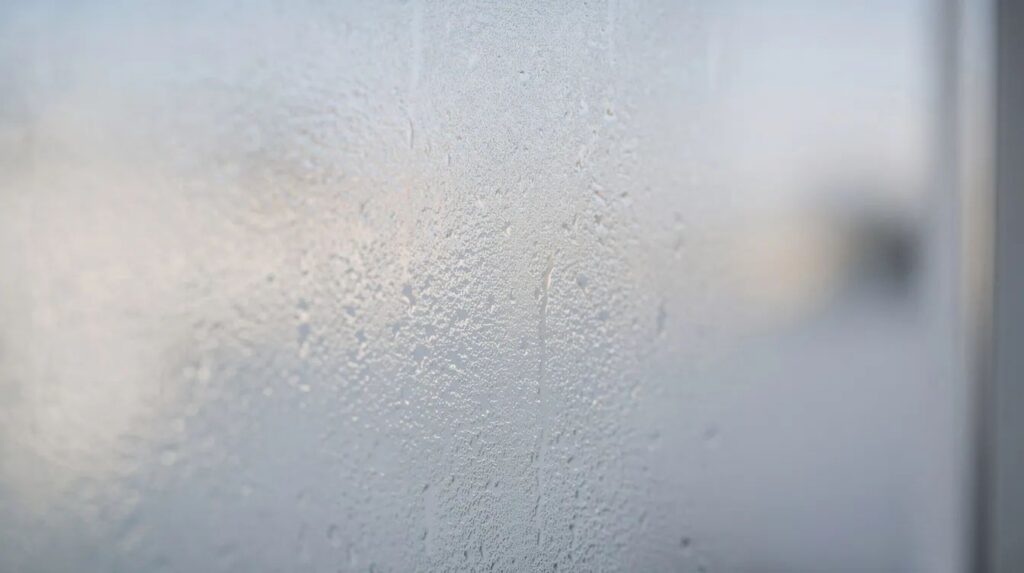
Choosing window tint depends on goals like heat reduction or privacy. A sunny upstairs bedroom may need heat rejection, while front doors may need privacy, and glass near valuables may need security film.
Common options include:
- Dyed films: Dyed films absorb light and heat for glare control. They are budget-friendly but may fade sooner than premium products.
- Metalized films: Metalized films reflect heat and infrared rays using metallic particles. Various technologies are used to craft window films, including dyed and metalized options, but metalized products may have a stronger mirror effect.
- Ceramic window film: Ceramic films block infrared heat without darkening spaces. Ceramic films block heat and UV rays without metallic reflection, which makes them popular for modern homes.
- Spectrally selective film: Premium window films provide maximum heat rejection without a mirror appearance. These are good when you want light, view, and comfort.
- Frosted and decorative films: Best for instant privacy, style, and mild obscuring of interior glass.
- Security film: Best for safety, storm resistance, and added protection against break-ins.
East and west-facing windows need dramatic heat reduction and daytime privacy because low-angle sun can be intense. High-sun-exposure areas benefit from films that reduce heat gain and protect against fading. For these areas, the right film should balance heat rejection, visible light, exterior appearance, and indoor view quality.
Before choosing, look at samples from inside and outside the house. Match the tinting shade to trim colors, exterior finishes, and interior décor. If you are unsure about the right tint, test a sample on one window and watch how the light changes throughout the day.
Cost, Energy Savings & Return on Investment
Window film is usually far more affordable than full window replacement. It can also pay back in comfort, lower energy bills, reduced air conditioning costs, fewer hot spots, and longer-lasting furnishings.
Professional residential projects often fall in the mid-single-digit to low double-digit dollar range per square foot, depending on film type, window height, access, and complexity. Premium ceramic window film, decorative films, and security film usually cost more than basic solar or dyed products.
Many factors influence price: total square footage, large windows, skylights, divided panes, patio doors, whether old film must be removed, and whether the work requires ladders or special access. Ask whether pricing includes materials, labor, cleanup, and warranty support.
Tinted windows manage energy through reflection, absorption, and radiation prevention. In summer, film reduces solar heat gain before it reaches the room. In winter months, tinted windows help keep heat inside during winter months, though film is not the same as replacing drafty windows. Some low-E films may also help reduce heating costs during colder months.
To estimate ROI, compare utility bills from summer 2023–2025 and identify the rooms that drive the most air conditioning use. Then consider a 3–7 year payback window, plus non-energy value: better comfort, reduced fading, improved privacy, and stronger curb appeal.
Professional vs. DIY: How to Install Window Film on Your Home Windows
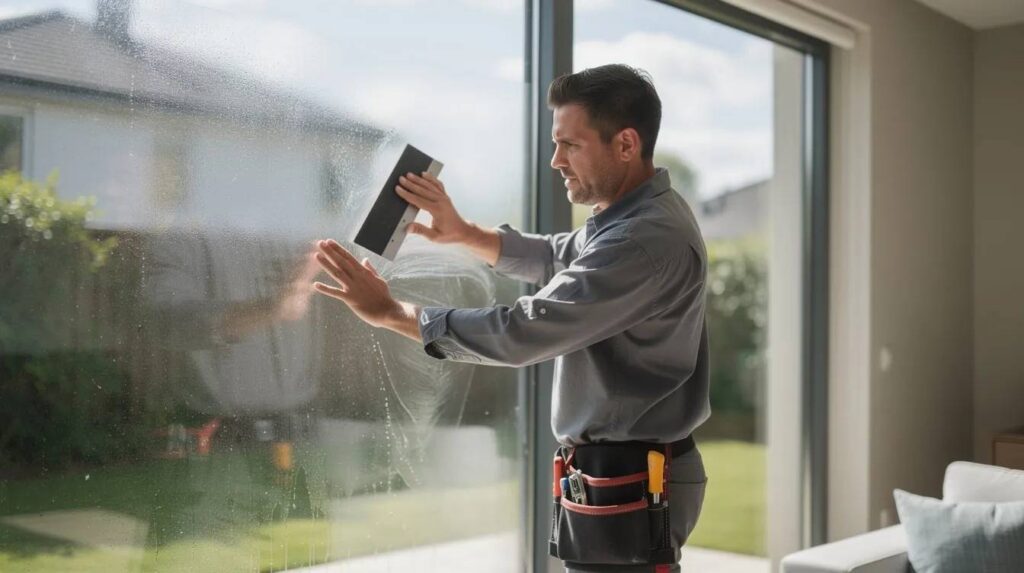
DIY kits can work for small, low-visibility panes, but professional installation typically gives better film quality, cleaner edges, fewer bubbles, and stronger warranty coverage. Window film installation can take longer than 15 minutes, especially on large panes or doors.
A professional process usually includes an in-home consultation, glass assessment, film selection, measuring, cleaning, cutting, wet application, squeegeeing, edge trimming, and final inspection. Most homes can be completed in a single day, although large projects or second-story access may take longer.
If you try DIY, installation requires a spray bottle, knife, and squeegee. Use a towel to catch excess water during installation. Cut window film slightly larger than the window pane, apply it with slip solution, squeegee out water and air, then trim the edges carefully.
The common DIY problems are trapped dust, creases, miscuts, uneven edges, and choosing a film that is not compatible with the glass. That is why many homeowners use professional services for large windows, visible living spaces, tempered glass, and older windows.
After installation, film may show light haze or small water pockets while curing. This is normal and can take around 30 days to fully clear. Avoid abrasive pads, razor blades, and ammonia-based cleaners; use a soft cloth and mild, film-safe cleaner instead.
Best Rooms and Use Cases for Home Window Film
Not every window needs film. The best value often comes from treating the rooms where heat, glare, fading, or privacy problems are most obvious.
Good candidates include large living room picture windows, sunrooms, south- and west-facing bedrooms, kitchens with afternoon sun, home offices, sliding glass doors, patio doors, and rooms with valuable artwork or musical instruments. Home gyms, nurseries, hobby rooms, and upstairs bonus rooms can also benefit from better temperature control.
Privacy-focused placements include bathroom windows, shower glass, street-facing bedrooms, sidelights near front doors, glass around an entry, and a back door facing a neighbor. A tiered plan often works best: stronger heat rejection upstairs, lighter film in low-sun rooms, and decorative frosted film in bathrooms.
Home Window Tinting FAQs
Here are the questions homeowners ask most often before choosing residential window film.
Will window film make my rooms too dark?
Not necessarily. Many premium films keep visible light high while reducing heat and glare. If you want clear visibility and natural light, choose ceramic or spectrally selective film instead of a very dark tint.
Can I open and clean my windows normally after film is applied?
Yes, after the curing period. Wait for the installer’s recommended time before cleaning, then avoid ammonia, abrasive tools, and rough scrubbing near edges.
How long does residential window film last?
Quality residential window film can last many years. Premium ceramic and spectrally selective films often last longer than basic dyed options, especially when professionally installed and properly maintained.
Can film damage my windows or void my window warranty?
It can if the wrong film is used. Most manufacturers have rules for insulated glass, low-E coatings, and thermal stress, so a professional should confirm compatibility before installation.
What happens if the film starts to peel or bubble years later?
Peeling or bubbling may be covered if the film is under warranty and properly cared for. Save your paperwork and ask about both manufacturer and installer warranty coverage before work begins.
How much can window tinting actually lower my energy bills?
Results depend on climate, exposure, glass type, and air conditioning habits. Many homes see 5–15% energy savings, while high-sun rooms with premium film may perform better.
Will film help with winter drafts or only summer heat?
Film mainly reduces the sun’s heat in summer, but some products help retain warmth in colder months. It will not seal air leaks like weatherstripping or replacement windows.
What films work best if I want privacy during the day but still want to see out?
Reflective or darker films are best for daytime privacy with outward visibility. Remember that nighttime privacy changes when interior lights are brighter than outdoors.
Can I get a stained glass look without replacing my windows?
Yes. Decorative films can create stained glass, etched, frosted, or patterned looks without replacing the window.
How do I know which film is right for my home?
Start with your top goal: heat, glare, privacy, safety, or style. Then schedule a professional assessment so samples, glass type, energy efficiency, and warranty coverage can be reviewed on your actual home window surfaces.
Why Choose Our Team for Residential Window Tinting
Our team focuses on residential window tinting, not one-size-fits-all film work. We help homeowners choose products based on the room, glass type, sun exposure, privacy needs, and long-term appearance.
We use high-quality residential window film from trusted manufacturers, explain pricing clearly, and help compare options for heat rejection, glare reduction, UV protection, privacy, and security. During the consultation, we can show samples on actual glass so you can see the view, light, and exterior look before choosing.
On installation day, our technicians work carefully around your floors, furniture, trim, and window treatments. We aim for clean installations, minimal disruption, thorough cleanup, and film choices that protect the manufacturer warranty while avoiding compatibility issues.
Conclusion: Is Home Window Tinting Right for Your House?
Home window tinting can solve everyday problems like excessive heat, high energy bills, glare on screens, fading interiors, and privacy concerns. It is especially useful when you can name two or three problem rooms, such as a hot upstairs bedroom, a blinding sunroom, or exposed front windows.
The key is choosing the right film and having it installed correctly. A single afternoon assessment can reveal which windows matter most, which products fit your goals, and what energy savings may be realistic.
If you are ready to make your home more comfortable, private, and efficient, contact our team to request a quote and compare film samples on your own windows.