Table of Contents
- How Solar Window Film Works to Reduce Heat, Glare & UV
- Key Benefits of Solar Window Film for Homes
- Types of Solar Window Film for Homes (and When to Use Each)
- Choosing the Right Film for Your Home & Lifestyle
- The Professional Installation Process with CoolVu
- Solar Window Film FAQs for Homeowners
What Solar Window Film Can Do for Your Home in 2026
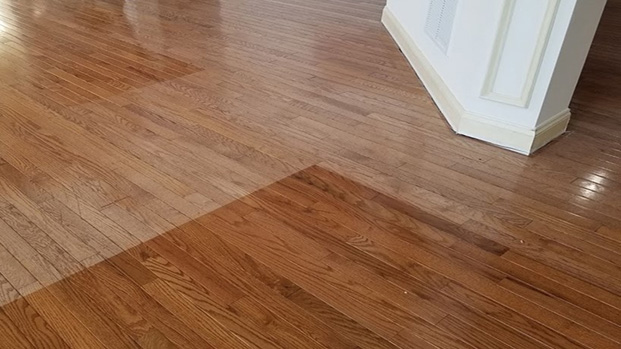
If your west-facing room turns into an oven by 3 PM, your hardwood floors are fading near the windows, or your energy bills keep climbing every summer, solar window film for homes offers a practical fix without the cost of replacing your existing glass. This thin, nearly invisible layer applied to the interior of your windows delivers measurable heat reduction, blocks harmful uv rays, and lets you keep your natural light and clear views.
In 2026, homeowners face more extreme summer heat, rising energy costs, and growing concern about uv damage to furniture, artwork, and flooring. Solar window film addresses all of these problems at once. High-quality films can block up to 99% of uv rays and reject 50 to 80% of total solar energy, helping you save energy on cooling without closing your blinds or curtains every afternoon.
CoolVu is a nationwide window film specialist offering free in-home consultations, professional installation, and a full range of residential film options through local teams such as CoolVu of Tucson residential window tinting. Below, you will learn how to choose the right film, understand realistic costs and ROI, and see how the installation process works.
How Solar Window Film Works to Reduce Heat, Glare & UV
Solar film is made from optically clear polyester layers with metalized, ceramic, or nano coatings that manage how solar energy interacts with your glass.
- Solar films are engineered to reflect and absorb infrared radiation, enhancing energy efficiency. The film intercepts the sun’s heat before it enters your room, then safely re-radiates absorbed energy outward, keeping interior temperatures more stable.
- Most residential window films block nearly 99% of uv radiation (both UV-A and UV-B), significantly slowing fading of wood floors, fabrics, and furniture.
- Films reduce glare by controlling visible light transmission, improving screen visibility on TVs and monitors without forcing you to close shades or curtains.
- Modern films preserve natural light and outside views. These are not the dark, auto-style tints people often picture. Spectrally selective films allow visible light to pass while blocking infrared heat.
Key performance metrics you will see on film specs include heat rejection (total solar energy rejected), visible light transmission (VLT), and uv blocking percentage.
Key Benefits of Solar Window Film for Homes
Here is what solar window film delivers for homeowners in real, measurable terms:
- Heat reduction: On south- and west-facing glass, quality films can reduce interior temperatures by 5 to 10 degrees Fahrenheit and eliminate hot spots near windows. Solar window films can stabilize indoor temperatures throughout your space.
- Energy savings: Lowering heat gain reduces AC run time. Solar window films can lower cooling costs by up to 30%, with most homeowners seeing 10 to 30% cooling energy reductions depending on climate and window area.
- UV protection: UV-blocking films are crucial for protecting valuable furnishings from sun damage. Film blocks the primary cause of fading, shielding your interior finishes and skin from uv damage over years of exposure.
- Glare control: High-quality solar films block 80% of solar heat gain and reduce glare on screens, making work-from-home setups, home theaters, and bright kitchens far more comfortable.
- Year-round comfort: Some films also help with winter heat loss by reflecting interior radiant heat back into the room.
- Privacy and appearance: Solar window film provides daytime privacy while allowing natural light to enter. Reflective films and dual reflective options give glass a clean, uniform exterior look without heavy drapes.
- Environmental impact: Lower cooling demand means reduced carbon emissions and smaller HVAC loads, aligning with sustainability goals across your building.
Types of Solar Window Film for Homes (and When to Use Each)
Not every window in your home needs the same film. Here is how the main residential categories compare:
- Neutral and spectrally selective films: Neutral N1020 provides solar control without changing glass appearance. These films maintain a natural appearance and views while delivering strong heat rejection and uv protection. Ideal for living rooms and view-sensitive windows.
- Reflective films: R-20 Silver reflects 80% of the sun’s heat. Reflective RN07G offers daytime privacy with a one-way mirror effect. Best for high-heat exposures and less view-sensitive areas, though the mirror-like exterior may not suit every neighborhood.
- Dual reflective films: Dual-reflective films combine a reflective exterior with a less reflective interior for privacy. Dual Reflective DRN-25 eliminates the nighttime mirror effect, making these ideal for bedrooms and street-facing rooms.
- Ceramic and nano-ceramic films: Ceramic films are non-conductive and block heat without interfering with signals. They deliver strong solar control with minimal reflectivity, perfect for HOA-sensitive neighborhoods.
- Security window film with solar performance: Thicker laminates that combine impact resistance with solar control, similar to security window films used for forced-entry resistance in homes and businesses, helping protect against forced entry and storm debris while still offering heat and uv control.
- R-50 Silver: R-50 Silver blocks over half the heat with 49% light transmission, a strong mid-range option.
CoolVu can recommend different film types for different elevations and rooms in the same home based on sun exposure, privacy needs, and aesthetic goals.
How Effective Is Solar Window Film in Real Homes?
- A typical two-story home with large west-facing windows can experience afternoon rooms 5 to 10 degrees hotter than the rest of the house. Film installation reduces that differential dramatically, making those rooms usable again in summer.
- High-performance films can block up to 79% of solar heat, and a medium-sized office saved 20% on cooling costs after installation. Residential results in warm climates like Texas, Florida, and Arizona are similar.
- Solar window films can reduce HVAC energy consumption by 10 to 30%, with cumulative uv protection benefits visible as less fading on hardwoods and rugs over several summers.
- Results depend on film selection, glass type, window orientation, and local climate, which is why CoolVu conducts on-site evaluations rather than one-size-fits-all recommendations.
Choosing the Right Film for Your Home & Lifestyle
Choosing the right film depends on heat rejection, glare control, visible light transmission, and aesthetics. It also depends on window direction and sunlight exposure. Here is how to approach the decision:
- Rank your priorities: heat and glare, fading, privacy, or safety.
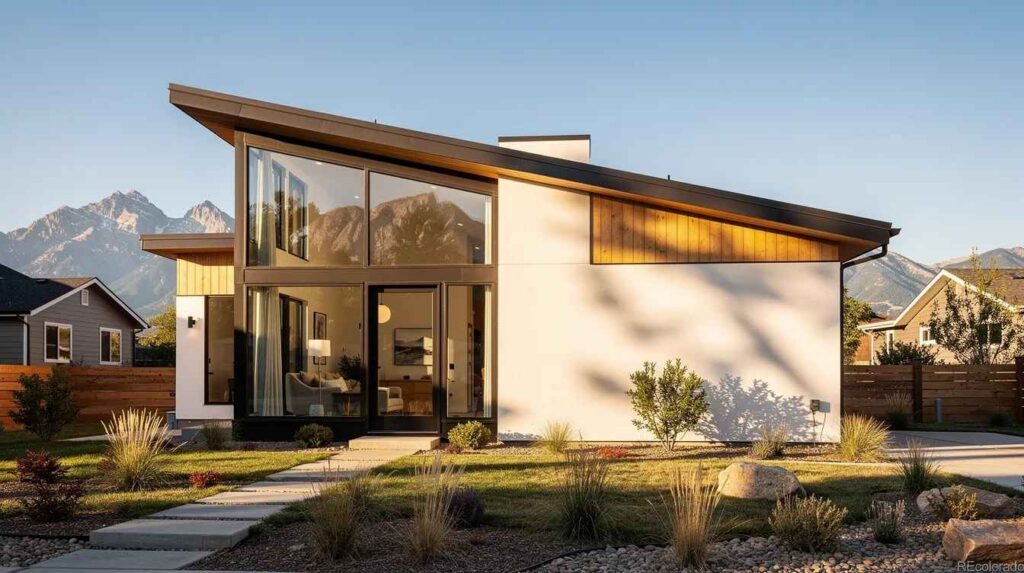
- South, west, and large skylights need stronger heat rejection. North and shaded windows can use lighter neutral films.
- Darker films offer more privacy but allow less natural light. Higher VLT films work better in darker rooms.
- Ceramic and neutral films often satisfy HOA architectural standards better than highly reflective options.
- Some films are not suitable for laminated or triple-pane glass. Different films are engineered for single-pane, double-pane, low-E, or tempered glass, and improper pairing can risk seal failure. This is another reason to use a professional installer like CoolVu.
- Premium ceramic or dual reflective films cost more upfront but deliver better long-term ROI through superior heat rejection and natural appearance.
Solar vs. Privacy vs. Security Window Film: What’s the Difference?
- Solar control window film: Primarily focused on heat reduction, uv protection, and glare control while maintaining clear views.
- Privacy films: Frosted, patterned, or one-way view films that obscure views in bathrooms and sidelights, similar to privacy window film options designed for both homes and offices. Some still provide modest solar benefits.
- Security window film: Thicker laminates designed to hold glass in place under impact, which can slow intruders and reduce hazards from broken glass, and are a key part of CoolVu’s window tinting and security window film installation services. May be paired with solar coatings for combined safety and comfort.
CoolVu often layers privacy and security needs with solar performance, recommending integrated solutions using its broader portfolio of architectural window films. Discuss all three goals during your consultation to avoid piecemeal decisions.
Impact on Energy Efficiency, HVAC Load & Carbon Emissions
Reducing solar heat gain helps maintain stable indoor temperatures, letting thermostats run at more moderate settings and improving comfort and energy efficiency throughout the home.
- Less heat entering through glass reduces strain on AC compressors, potentially extending equipment life and lowering maintenance costs.
- High-performance films can lower cooling energy use by up to 30% in hot climates for homes with large glass areas. Energy savings often recover installation costs within 2 to 5 years.
- Lower electricity use during cooling season means less demand on power plants and reduced carbon emissions across the film’s 10 to 20 year lifespan.
- In some jurisdictions, window film projects may contribute to meeting local building performance standards or energy benchmarking goals.
Common Misconceptions and Trade-Offs
- “Will my rooms get too dark?” Many modern films keep interiors bright. Ceramic and spectrally selective films offer strong solar control without a heavy tint, so your room stays filled with light.
- “Will my windows look like mirrors?” Only certain reflective films create a strong mirrored look on the exterior. Dual reflective and neutral films minimize interior reflectivity at night.
- “Can I DIY this?” Hardware store kits often lead to bubbles, peeling, and voided warranties. Improper installation can lead to peeling and void warranties. Professional installation is recommended for large or insulated glass units.
- “Will film damage my windows?” Reputable manufacturers test for glass compatibility, and trained CoolVu installers match films to glass types to avoid thermal stress.
- “Is this the same as car tint?” Residential films are engineered differently for flat glass, longevity under constant exposure, and optical clarity in a building environment.
The Professional Installation Process with CoolVu
Professional installation ensures proper adhesion and warranty protection. Here is how the process works with CoolVu:
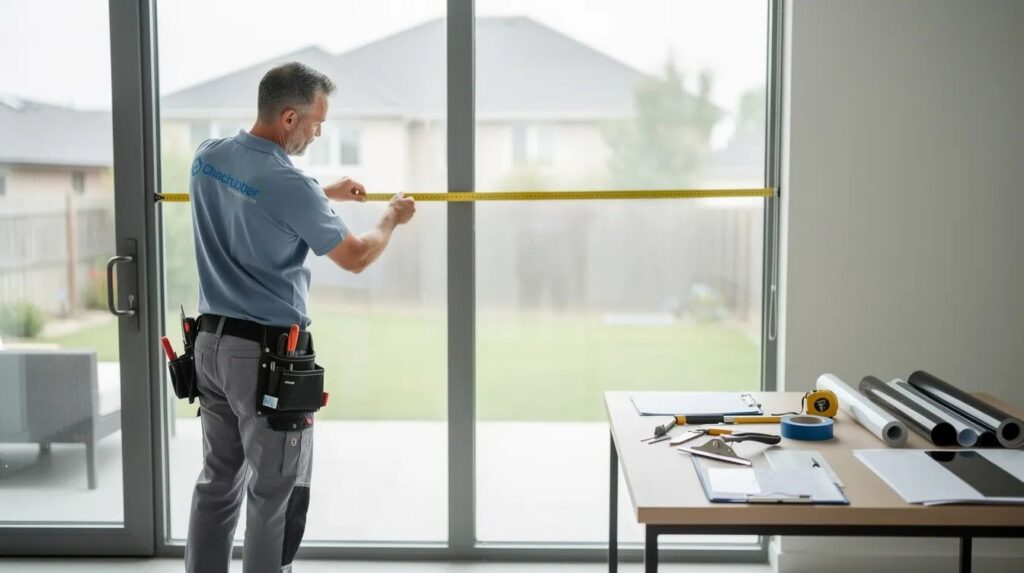
- Consultation: A CoolVu specialist visits your home, measures each window, identifies hot spots, and discusses your goals for heat, glare, privacy, and appearance.
- Product selection: You see film samples on your actual glass, review performance data, and receive a written quote with options tailored to window size and orientation.
- Preparation and application: Installers clean the glass thoroughly, protect adjacent flooring and furnishings, then apply the film using slip solutions, precision cutting, and squeegees for clean lines.
- Curing: Slight haze or small water pockets may appear initially and typically disappear as the film cures over days to weeks. Wait 30 days after installation before cleaning the film.
- Walkthrough: CoolVu reviews the finished work and provides written cleaning, maintenance, and warranty documentation.
Costs, ROI, and Expected Lifespan
- Standard solar or UV films typically cost around $5 to $8 per square foot installed. Mid-range reflective films run $7.50 to $11. Premium ceramic or spectrally selective films range from $11 to $20 per square foot.
- Cost factors include film type, glass access (upper stories, complex shapes), and total square footage.
- Many homeowners in warm regions recover their investment through energy savings in roughly 3 to 5 years, with benefits continuing for a decade or more.
- High-quality solar window films last between 10 and 20 years depending on sun exposure, climate, and film technology. CoolVu offers manufacturer-backed and franchise-backed warranties covering peeling, bubbling, and discoloration.
Maintenance, Cleaning & Signs It’s Time to Replace
- Allow the initial curing period to complete. Expect temporary mild haze during this time.
- Use a soft cloth with a mild cleaner, non-ammonia, for routine cleaning a few times per year. Avoid abrasive pads or harsh chemicals.
- Avoid applying stickers or suction cups directly to the film where possible.
- Replacement signs include visible bubbling, edge lifting, significant discoloration, or persistent haze. Contact CoolVu for inspection if you notice these.
Solar Window Film FAQs for Homeowners
How much heat can solar window film really block?
Quality films reject 40 to 80% of total solar energy depending on film type and window orientation. Solar window films can block up to 79% of solar heat on high-exposure glass.
Will solar film stop my furniture and floors from fading?
Film blocks nearly all UV, the main fading culprit, but visible light and heat still play smaller roles. Fading is greatly slowed, not completely eliminated. Solar films help protect interiors from fading by blocking uv rays.
Is solar window film safe for double-pane and low-E windows?
Properly selected films from a professional installer like CoolVu are tested for these glass types. Glass-compatibility checks prevent thermal stress issues.
Can I film just a few windows?
Absolutely. CoolVu often starts with the hottest or brightest rooms first, then expands. Targeted strategies are common and effective.
How long does installation take?
Most residential projects take a half day to a couple of days depending on window count and complexity. The crew handles prep and cleanup.
Can solar window film be removed later?
Yes. Professional films can be removed by trained installers without replacing the glass if you renovate or change preferences.
Does film affect window operation?
Film is applied to the glass surface only and does not interfere with opening, closing, or standard cleaning routines.
Why Homeowners Choose CoolVu for Solar Window Film
- National reach, local expertise: We combine nationally standardized products and training with local franchise owners who understand regional climates and building styles, such as CoolVu of Central San Diego, which tailors solutions to coastal Southern California homes.
- Comprehensive portfolio: We offer solar, privacy, decorative, and security window films plus architectural surface finishes, enabling integrated solutions for your glass and interior, all backed by the expertise described on our About Us – CoolVu Glass & Surface Solutions page.
- Trained installers: Our teams are factory-trained and follow manufacturer guidelines to install and protect your glass, frames, and furnishings, whether you work with a local group like CoolVu of Tucson for residential window tinting or another regional franchise.
- Consultative approach: We perform free, no-obligation estimates, demonstrate samples on your actual windows, and help you discover the right film rather than pushing a single product, a process mirrored by regional teams like CoolVu of The Villages in Florida.
- Warranty and support: Strong product and labor warranties ensure ongoing local service if issues arise years after installation.
- Commercial-grade knowledge: Our experience with complex commercial energy efficiency projects informs every residential solution we deliver.
Next Steps: Schedule Your CoolVu Home Consultation
Solar window film for homes delivers improved comfort, protection from harmful uv rays, reduced heat and glare, and meaningful energy savings, all without replacing your windows, with performance similar to the solar window film solutions used in both residential and commercial buildings. Whether you want to cover a few problem windows or treat your entire home, the right starting point is a professional evaluation.
Schedule a free in-home assessment with your local CoolVu franchise to evaluate your windows, explore solar, dual reflective, and security film options, and receive a custom quote. Contact CoolVu by phone, online form, or through our website to find the nearest location and book a convenient time. The consultation is educational and pressure-free, focused entirely on helping you decide if solar window film fits your comfort, budget, and sustainability goals.