Table of Contents
This comprehensive guide walks you through every aspect of finding and hiring local window tinting professionals. Use the sections below to navigate to the information most relevant to your needs.
- What to Know Before Choosing a Local Window Tinting Company
- Understanding House Window Tinting
- Benefits of Professional House Window Tinting
- How to Find Quality Window Tinting Services Near You
- Common Issues When Choosing Local Window Tinting Services
- Conclusion and Next Steps
- Frequently Asked Questions
What to Know Before Choosing a Local Window Tinting Company
Local window tinting services are available in most areas through certified installers, glass shops, and specialized window film companies that serve residential customers. Finding quality house window tinting near you requires knowing what to look for in professional installers and understanding how proper installation affects performance, longevity, and warranty coverage.
This guide covers everything homeowners need to know about finding, evaluating, and hiring professional home window tinting services in their local area. Whether you’re looking to reduce energy costs, protect furniture from harmful UV rays, or enhance privacy, the right local installer makes all the difference. Professional installers are recommended to ensure films do not bubble, peel, or damage windows—issues that commonly plague DIY attempts.
Direct answer: Quality residential window tinting installers can be found through manufacturer dealer networks, online directories, local referrals, and home improvement store recommendations. The best services offer written warranties, proper licensing, and demonstrated experience with house windows.
By reading this guide, you will:
- Learn proven methods for finding reputable window tinting services near your location
- Understand how to compare local options based on credentials, experience, and pricing
- Know what questions to ask and red flags to avoid when evaluating installers
- Gain clarity on pricing structures and warranty expectations for professional installation
- Ensure quality results that provide lasting energy efficiency and UV protection
Understanding House Window Tinting
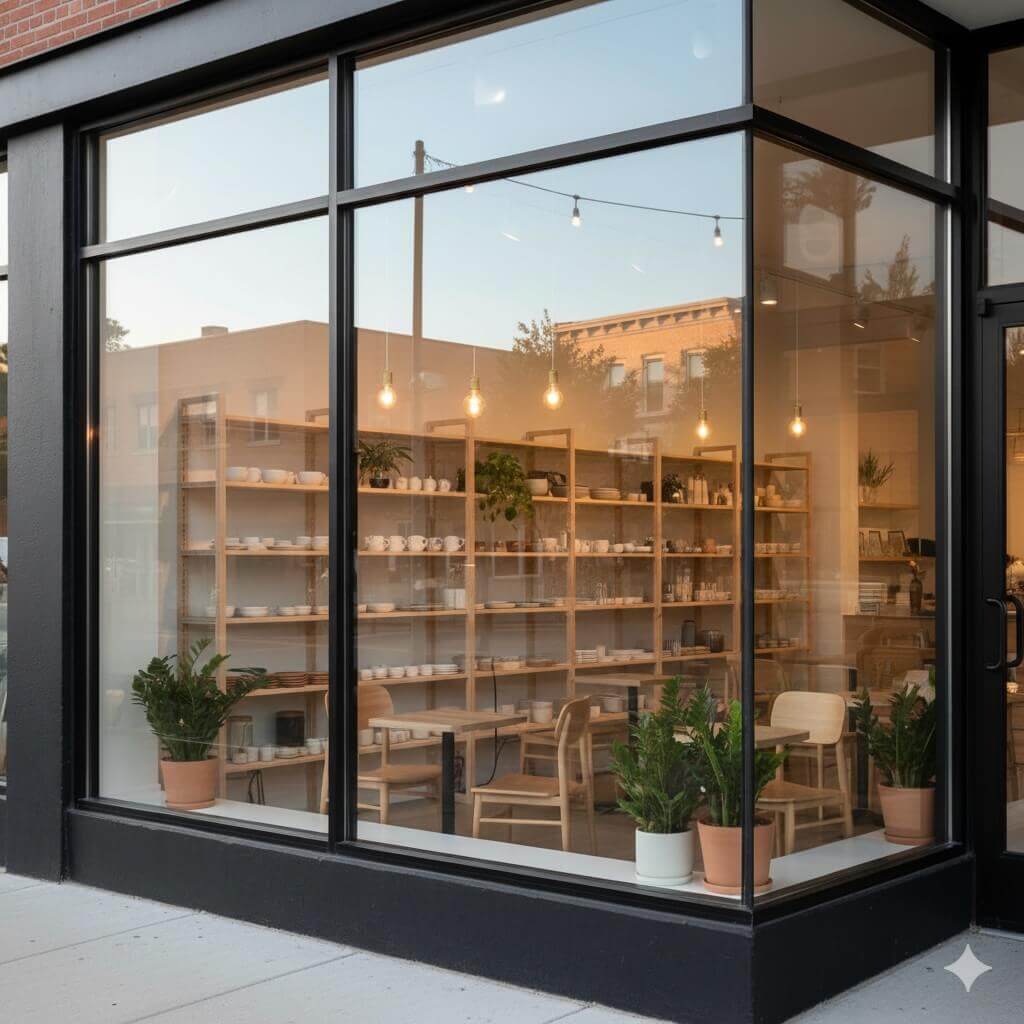
House window tinting involves professionally applying thin, multi-layer films to residential glass surfaces—including windows, doors, and skylights—for functional and aesthetic purposes. These window films provide benefits ranging from heat reduction and glare control to enhanced privacy and UV protection, especially when using modern architectural window films for homes. For homeowners searching for local services, understanding the basics helps you communicate effectively with installers and make informed decisions while exploring home window tinting options and whether home window tinting worth the investment for your property.
Types of Window Tint Films
There are various types of window tint films available for residential use, including darkening, reflective, safety, and decorative films. Each type offers different performance characteristics, and window tint films come in different shades and tints, allowing homeowners to choose the right amount of light and heat blockage based on their needs.
Ceramic/Nano-Ceramic Films: These premium films use non-metallic ceramic nanoparticles to reject heat and UV rays while maintaining high clarity. They offer excellent performance without interfering with electronic signals and typically carry lifetime warranties. Different materials provide varying levels of performance, durability, and cost—ceramic films represent the high end with lifespans of 15-25 years.
Dyed Films: The most budget-friendly option, dyed films contain organic color dyes that absorb portions of visible and UV light. While effective for reducing sun glare and providing privacy, they’re prone to fading over time and offer modest heat rejection (25-45% of solar energy). Lifespan typically ranges from 5-10 years.
Metalized Films: These films incorporate thin metallic layers that reflect infrared and solar heat. They provide strong thermal rejection (60-80%) but may interfere with cellular, GPS, and radio signals. The reflective appearance may also conflict with HOA guidelines or local building codes regarding window tint reflectivity and darkness.
Hybrid/Carbon Films: Combining elements of dyed and ceramic technologies, hybrid films offer middle-ground performance at moderate cost. They provide better heat and UV protection than pure dyed film with improved color stability and lifespans of 10-20 years. This combination of technologies appeals to homeowners seeking balanced performance and value.
Professional vs DIY Installation
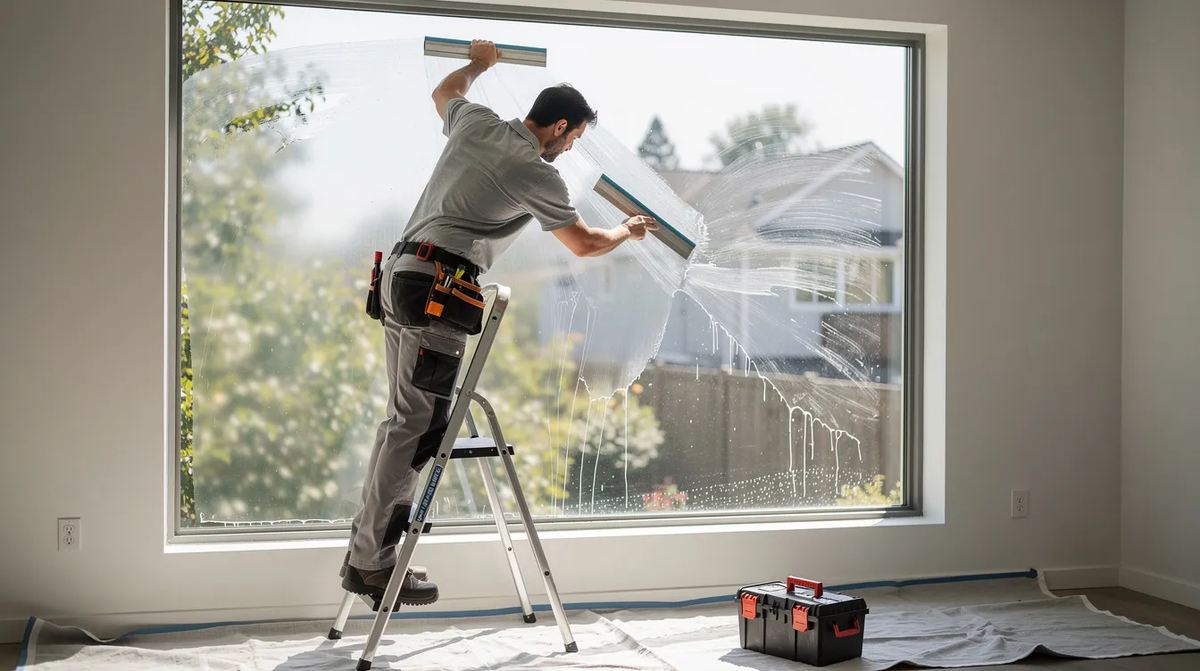
Hiring a professional window tinter is recommended to ensure a clean application that looks seamless, as it can be challenging to achieve this without experience and proper tools. The installation process requires precise measurement, meticulous surface preparation, correct moisture application, proper squeegeeing technique, and expert trimming—skills that take years to develop.
A clean surface is essential for the successful application of window tint film, as it prevents bubbles or imperfections once the film is applied. Professionals bring specialized equipment, controlled environments, and the expertise to handle curved glass, custom shapes, and hard-to-reach areas like skylights.
DIY installation often results in premature failures, void warranties (most manufacturers require professional installation for coverage), and uneven visual results. The cost savings rarely justify the risks when proper installation affects both performance and longevity. The lifespan of the film and robust manufacturer warranties should be considered when selecting window films—and both depend heavily on quality installation.
Benefits of Professional House Window Tinting
Understanding the tangible benefits of residential window tinting helps you communicate your priorities to local installers and select the right film type for your specific needs. House window tinting is a versatile home improvement that offers long-term financial savings and daily lifestyle benefits.
Energy Efficiency and Heat Reduction
Window tinting can significantly reduce heat gain in homes, leading to lower indoor temperatures and improved energy efficiency by deflecting the sun’s intense heat. Residential window tinting can block over 50% of solar heat, which helps maintain a consistent indoor temperature and reduces reliance on heating and cooling systems.
High-quality films offer the best heat reduction, lowering cooling costs by rejecting solar heat. By applying window tint, homeowners can potentially save on energy costs, as it helps keep heated or cooled air inside, reducing the need for constant HVAC adjustments. Applying window tinting professionally maximizes these benefits. This benefit extends to both summer cooling and winter heating retention.
Window orientation is a key factor in selecting the right window film for heat control. The south- and west-facing windows often require high-performance tints to manage intense heat, while north-facing windows may need less aggressive solutions. Professional installers assess your home’s specific orientation and recommend appropriate films for each area.
UV Protection and Furniture Preservation
Residential window tinting can block up to 99% of harmful UV rays, protecting your furnishings from fading and deterioration by reducing the UV damage that causes furniture fading. UV rays are a primary cause of fading and discoloration in fabrics, leather, and wood, making window tinting an effective solution for preserving interior furnishings.
Installing window tinting can significantly reduce UV exposure indoors, thereby extending the lifespan of your home’s interior decor and furniture. Without protection, flooring, artwork, and fabrics near windows—especially those facing harsh sunlight—degrade significantly over time. Quality home window film creates an invisible shield that protects your investment while still allowing natural light to brighten your living environment, similar to high-performance solar window film that cuts heat and glare. This helps fill the gap between comfort, energy efficiency, and interior protection without changing the appearance of your home.
Privacy and Security Enhancement
Window tinting can significantly enhance privacy by blocking the view from outside while still allowing natural light to enter the home, especially when you use specialized privacy window film and decorative glass films. One-way mirror or frosted films provide privacy during the day without needing closed blinds. Some films obscure the view from outside while providing a clearer view out, enhancing privacy while maintaining your connection to the outdoors and preserving your ability to enjoy natural light.
Residential window tinting allows homeowners to maintain a level of privacy without sacrificing natural light, making it a popular choice for enhancing home comfort. Many window films are designed to provide varying degrees of privacy, allowing homeowners to choose the level that best suits their needs while still enjoying daylight and increasing privacy throughout the home.
Beyond privacy, thicker security films hold glass together if it shatters, deterring intruders and preventing injuries during storms, similar to comprehensive security window film and privacy solutions. This added safety feature helps reduce the risk of shattered glass and protects your family from both break-ins and severe weather events.
Tint softens bright light, making it easier to watch TV or work on computers without losing natural light. Significant reduction in screen glare makes watching TV or working on a computer more comfortable—a benefit that improves daily quality of life throughout your home without creating a shiny appearance on the glass from the inside.
How to Find Quality Window Tinting Services Near You
With a clear understanding of window tinting benefits, you’re ready to find local professionals who can deliver quality results, such as full-service window tinting and window film installation companies. The research methods and evaluation criteria below help homeowners find installers who meet professional standards and provide lasting value.
Research Methods for Local Installers
Different research approaches work better depending on your location and specific needs. Here’s when and how to use each method:
- Online directories and Google searches – Start with searches like “residential window tinting near [your city/zip]” or “home window tinting services [location].” Check Google Maps listings, Yelp, Angi, and HomeAdvisor for reviews with photos showing actual installations. Look for patterns in reviews—consistent praise or complaints reveal true quality.
- Local referrals and reviews – Ask neighbors, family members, and local home improvement contractors for recent installation references, including regional experts like Indianapolis window tinting and window film installers. Request to see completed work firsthand when possible. Personal referrals from people with similar homes provide valuable real-world validation.
- Manufacturer dealer networks – Major brands like 3M, Llumar, and Hüper Optik maintain certified dealer networks on their websites. These installers meet quality standards set by manufacturers and typically have access to full warranty coverage. This method ensures you’re working with trained, authorized professionals.
- Home improvement store recommendations – Local stores often maintain relationships with trusted contractors. While they may sell films directly, their installer recommendations come from ongoing professional relationships and customer feedback.
Evaluating Local Window Tinting Companies
Use this comparison framework when evaluating potential window tinting services:
| Criteria | What to Look For | Red Flags |
|---|---|---|
| Licensing/Insurance | Proof of business license, liability insurance, worker’s compensation documentation | No license verification available, informal contracts, reluctance to provide documentation |
| Experience | Portfolio of residential projects, years serving your area, photo evidence of completed work, positive reviews | Only automotive tint references, no residential portfolio, minimal online presence, new business with no track record |
| Warranties | Written warranty covering both film and labor, manufacturer warranty registration, clear explanation of coverage | Vague verbal promises, “lifetime” claims without documentation, inability to produce warranty details |
| Pricing | Itemized quotes showing materials and labor separately, per-window or per-square-foot breakdown, multiple quotes for comparison | Prices significantly below market rate, ambiguous pricing, high minimums without explanation |
When requesting quotes, ask about the complete installation process. The installation process for window tinting typically includes an initial consultation, precise measurement and custom film cutting, window preparation and cleaning, film application, and final inspection. Companies that skip steps or rush the process often deliver inferior results. An expert team should also explain each stage before work begins.
Homeowners can selectively apply window tint to specific areas of their windows, allowing for customization based on personal preferences for privacy or glare reduction. Quality installers will discuss your specific needs and recommend appropriate solutions for different rooms and window orientations.
Common Issues When Choosing Local Window Tinting Services
Awareness of common problems helps you avoid costly mistakes when choosing among local providers, whether you’re evaluating national brands or regional specialists like residential window tinting services in Tucson. Here are the most frequent issues homeowners encounter and how to prevent them, whether you’re hiring a nearby independent installer or a regional specialist like residential window tinting experts in Tucson.
Unreliable or Unlicensed Contractors
The Problem: Unlicensed contractors may deliver substandard work, lack proper insurance, and leave you without legal recourse if problems arise. Invalid warranties and poor workmanship often result.
The Solution: Always request contractor license numbers and verify them through your state licensing board. Ask for certificates of insurance and confirm coverage is current. Check online reviews across multiple platforms and request local references you can contact directly. Legitimate professionals readily provide this documentation.
Poor Quality Materials or Installation
The Problem: Low-quality films fade, bubble, and peel prematurely. Poor installation techniques cause distortion, trapped dust and bubbles, and edge failures. These issues undermine both appearance and performance.
The Solution: Ask for specific brand names and request technical performance specifications (SHGC, VLT, infrared rejection rates). Look for NFRC-certified products with documented performance claims. Ask to see sample films and, when possible, visit past installations. Verify that installers follow proper preparation protocols including thorough glass cleaning and controlled application environments. If an older film is already installed, ask whether they also remove window tint before fitting the new product.
Inadequate Warranties or Service Support
The Problem: Some warranties don’t cover key failure types like adhesive breakdown or color shift. Others become void due to improper installation or lack of registration. Homeowners discover too late that their protection is limited.
The Solution: Get all warranty terms in writing before installation. Understand the duration for both film and labor coverage. Ensure the manufacturer warranty is valid in your state and that the installer properly registers your installation. Keep your sales receipt and warranty documentation in a safe place. Quality installers offer warranties covering peeling, bubbling, delamination, and fading—typically 10 years to lifetime depending on film quality.
Verify HOA guidelines or local building codes regarding window tint reflectivity and darkness before installation, especially if you’re working with area-specific providers such as window tinting services in Oklahoma City. Some communities restrict certain film types, and discovering conflicts after installation creates expensive problems.
Conclusion and Next Steps
Finding quality house window tinting services near you requires systematic research and careful evaluation. The right installer delivers seamless installation, lasting performance, and warranty protection that makes your investment worthwhile. With proper professional installation, you’ll enjoy energy savings, UV protection, enhanced privacy, and reduced glare for years to come. Whether you’re planning a complete upgrade or replacing older films, choosing the right installer makes a lasting difference.
Your immediate next steps:
- Research local installers using the methods outlined above—start with manufacturer dealer networks and local reviews
- Request detailed quotes from at least 3 companies, ensuring each includes itemized pricing and warranty information
- Verify credentials including licensing, insurance, and demonstrated residential experience
- Schedule installations during moderate weather when possible for optimal curing conditions
- Keep all documentation including receipts, warranty cards, and maintenance instructions
For related topics, consider exploring information about maintaining your window tint after installation, understanding different tint shades and their applications, and learning about specialty films for specific rooms like bathrooms or home offices.
Frequently Asked Questions
How much does house window tinting cost in my area?
Costs vary by region, film type, and project scope. National averages range from $316-$941 for typical residential projects, with per-square-foot rates of $6-$15 depending on film quality. Ceramic films cost more ($7-$12/sq ft) than standard dyed films ($6-$7/sq ft). Urban areas with higher labor rates typically run $10-$20 per square foot. Request multiple quotes from local installers and compare itemized pricing to understand your market.
How long does professional window tint installation take?
Standard ground-floor windows typically require 15-30 minutes each. Larger, curved, elevated, or custom-shaped windows take longer. A complete home installation often takes a full day or more depending on the number and complexity of windows. Professional installers will provide time estimates during consultation.
What should I look for in a local window tinting company?
Prioritize residential experience (not just automotive), proper licensing and insurance, written warranties covering both film and labor, transparent pricing, and positive reviews with photos. Manufacturer certification from brands like 3M or Llumar indicates adherence to quality standards. Ask for references and verify credentials before committing. This gives you better visibility into the installer’s experience and workmanship.
Do I need permits for house window tinting?
Most residential window tinting doesn’t require permits. However, verify HOA guidelines or local building codes regarding window tint reflectivity and darkness, especially for front-facing windows. Historic districts may have additional restrictions. Check local regulations before installation to avoid compliance issues.
How do I maintain professionally installed window tint?
Use soft, non-abrasive cloths and ammonia-free cleaners. Avoid razor blades or metal scrapers that can scratch the film. Clean from the interior using gentle squeegee motions to prevent water spots. Allow the film to cure fully (typically 30 days) before cleaning and avoid touching edges heavily during this period.
What warranty should I expect from local installers?
Manufacturer warranties typically range from 10 years to lifetime depending on film quality, covering bubbling, peeling, delamination, and color shift. Labor warranties may be shorter (1-5 years). Insist on written documentation, understand what’s covered, and ensure the installer registers your installation with the manufacturer for full coverage.
Can window tinting be installed year-round?
Yes, in most climates. However, extreme temperatures affect adhesive curing—very cold conditions slow the process while intense heat can cause issues during application. Moderate temperatures and shade during installation produce optimal results. Professional installers manage these conditions appropriately regardless of season.
How do I find certified window tint installers near me?
Use manufacturer websites such as 3M and Llumar to locate authorized dealers in your area. Search “residential window film installer” and review local business listings. Check for NFRC-certified products and ask about installer training and certification during consultations. Manufacturer-certified installers meet established quality standards and typically offer better warranty coverage.