Table of Contents
- Choosing the Right Security Window Film
- Understanding Window Film Security
- Types and Applications of Security Window Films
- Installation Requirements and Performance Factors
- Common Challenges and Practical Solutions
- Implementation Steps and Next Actions
- Frequently Asked Questions
Choosing the Right Security Window Film
Security window film transforms standard glass windows and glass doors into reinforced barriers that resist break ins, contain shattered glass during accidents, and provide protection against natural disasters. This multi-layered polyester material bonds to existing glazing, creating an added layer of defense without the expense of full window replacement.
This guide covers residential and commercial applications of safety and security films, from basic home protection to government-specification installations. Property owners, security managers, and facility administrators will find practical guidance for selecting, installing, and maintaining these protective systems. Bulletproof glazing and ballistic-rated materials fall outside this scope—those require specialized armored glass solutions.
Direct answer: Security window film delays forced entry by holding broken glass together during impact, typically adding 1-2 minutes of resistance that forces intruders to strike repeatedly. Most burglars abandon attempts when entry takes longer than 3-4 minutes, making this delay tactically significant.
Key outcomes from this guide:
- Understanding film thickness options from 4-mil basic to 15-mil maximum security
- Installation requirements including professional application and frame anchoring
- Certification standards (ASTM, GSA, EN 12600) for different threat levels
- Cost-effectiveness compared to laminated glass replacement
- Maintenance considerations for 10-15 year product lifespan
Understanding Window Film Security
Security window film consists of multi-layered polyester sheets ranging from 100 micrometers (4 mils) to over 525 micrometers (21 mils) in thickness, applied with pressure-sensitive adhesive to interior glass surfaces. Safety and security window films are designed to perform under adverse conditions and can be applied to toughened, annealed, or laminated glass. The film is commonly called safety film, shatter-resistant film, or intrusion protection film, depending on the application context.
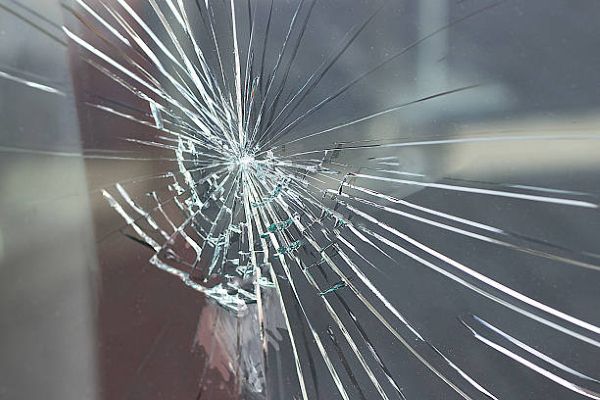
These films create a flexible membrane that holds glass fragments together when the glass breaks, preventing dangerous shards from scattering while maintaining the structural barrier of the window opening.
Primary Protection Mechanisms
Impact resistance forms the first line of defense. When struck, the film absorbs energy and distributes force across the glazing surface. If glass breaks, the fragments remain bonded to the film rather than shattering into projectiles. Safety and security window films can help minimize glass-related injuries by holding shattered glass together, thus preventing sharp shards from causing harm.
Entry delay tactics multiply the time and effort required to breach a window. Without protection, an intruder can break through standard glass in under 10 seconds. With security films, that same entry requires 10 or more strikes, extending breach time by 1-4 minutes depending on film thickness and installation quality. These films can delay forced entry, providing critical time for help to arrive during an attempted burglary and helping prevent entry for as long as possible.
Criminological research confirms the tactical value: approximately 60% of intruders abandon break-in attempts when forced entry exceeds 4 minutes. The psychological deterrent of repeated failed strikes compounds the practical barrier.
Secondary Security Benefits
UV protection accompanies most security window films, with quality products blocking up to 99% of harmful UV rays. This protects interior furnishings from fading while maintaining visibility through the glass.
Safety films can enhance energy efficiency by improving climate control, which can lead to reduced energy demands and lower utility costs. Security films can reduce heat gain, lowering air conditioning costs by 10-15% in many installations, especially when combined with dedicated solar window film designed for glare and heat control.
Accident and disaster protection extends value beyond security. In earthquake zones, film-reinforced windows resist becoming falling hazards. In storm-prone regions, the same fragment retention that deters intruders also prevents injury from windborne debris impacts. These films can provide additional protection against bomb and blast hazards by containing glass shards and preventing them from becoming projectiles during an explosion, especially when professionally installed by a window film installation and security window film specialist. They can also help reduce property damage following glass breakage and provide added peace of mind both day and night.
These mechanisms apply differently across building types and threat levels, requiring careful selection of film specifications, and in some projects, coordination with switchable smart glass film used for on-demand privacy and projection surfaces.
Types and Applications of Security Window Film
Selecting appropriate film thickness and certification levels depends on specific security needs, building codes, and threat assessment. Security window film is an affordable alternative to replacing existing windows with laminated security glass, making it accessible for most property protection budgets.
Residential Security Films
Home applications typically use films ranging from 100 micrometers (4 mils) to 200 micrometers (8 mils). Basic security window films range from 3–4 mils, providing adequate protection against accidental breakage and opportunistic break-ins targeting a house or property. These systems are particularly valuable in homes with kids and in households where cars are parked close to large glass areas.
Clear film options maintain natural light transmission with minimal visual impact on windows. Quality products achieve optical clarity comparable to unfilmed glass, addressing homeowner concerns about aesthetics without changing the existing paint or finishes around the window frames.
Sliding door and large window applications benefit particularly from security films. These entry points attract intruders due to their size and typical single-pane construction. An 8-mil film transforms a vulnerable glass door into a substantial barrier requiring sustained effort to breach. This makes a significant difference in the real world for many homeowners.
Commercial and Institutional Films
Business, retail, and institutional settings demand heavier protection. Medium security from 7–8 mils addresses commercial storefronts facing smash-and-grab risk. Schools, offices, and retail locations often specify 8-12 mil films professionally installed with frame attachment systems, frequently working with local experts such as security window film and privacy film providers that understand regional building conditions. Choosing the right company is just as important as choosing the right film.
GSA-certified films meet government security standards for federal building protection. These products undergo rigorous tested protocols, including ASTM E2395 forced entry simulation and blast resistance evaluations. Facility managers seeking approved specifications should verify GSA compliance documentation from the manufacturer or consider consulting resources on bullet-resistant window film and ballistic glazing when planning higher-threat protections.
Specialized applications include overhead glazing in atriums and curtain wall systems on high-rise buildings. These installations require careful engineering consideration of wind loads, thermal stress, and evacuation requirements, and may benefit from adaptive transitional window film that automatically adjusts tint levels in response to sunlight.
Specialized Security Applications
High-risk facilities and government buildings may require blast-resistant specifications. Safety and security window films are available in various thicknesses, from 100 micrometers (4 mils minimum 2 ply) to over 525 micrometers (21 mils), with thicker films providing higher levels of protection. High security applications typically use 13–14+ mils.
For maximum effectiveness against high-pressure events like bomb blasts or hurricanes, films should be anchored to the window frame using specialized silicone or mechanical attachment systems. These attachment methods prevent the entire filmed glass panel from detaching under extreme force and provide a tough layer of protection during extreme events
Hurricane protection films for coastal property applications must meet ASTM E1886/E1996 standards or Florida TAS protocols. These certifications verify performance against windborne debris at specified velocities.
Installation Requirements and Performance Factors
Professional installation proves critical for warranty coverage and optimal protection. Security window films are installed on the interior surface of a window, and the best method is to remove the glass from the frame, apply the film, and then reinstall the glass. While this approach delivers superior results, edge-to-edge installation with proper sealing provides excellent performance for most applications.
Professional Installation Process
Films thicker than 4 mils or windows larger than 20 square feet require professional installation. Certified installers follow manufacturer specifications that protect warranty coverage and ensure performance.
Step 1: Surface Preparation Thorough glass cleaning removes contaminants that prevent proper adhesion. Technicians inspect for scratches, chips, or defects that could compromise the installation. Different glass types—annealed, tempered, or low-E coated—require specific preparation protocols and specialized tools. If technicians discover a small hole or defect that could affect adhesion, they will discuss the best course of action before installation proceeds.
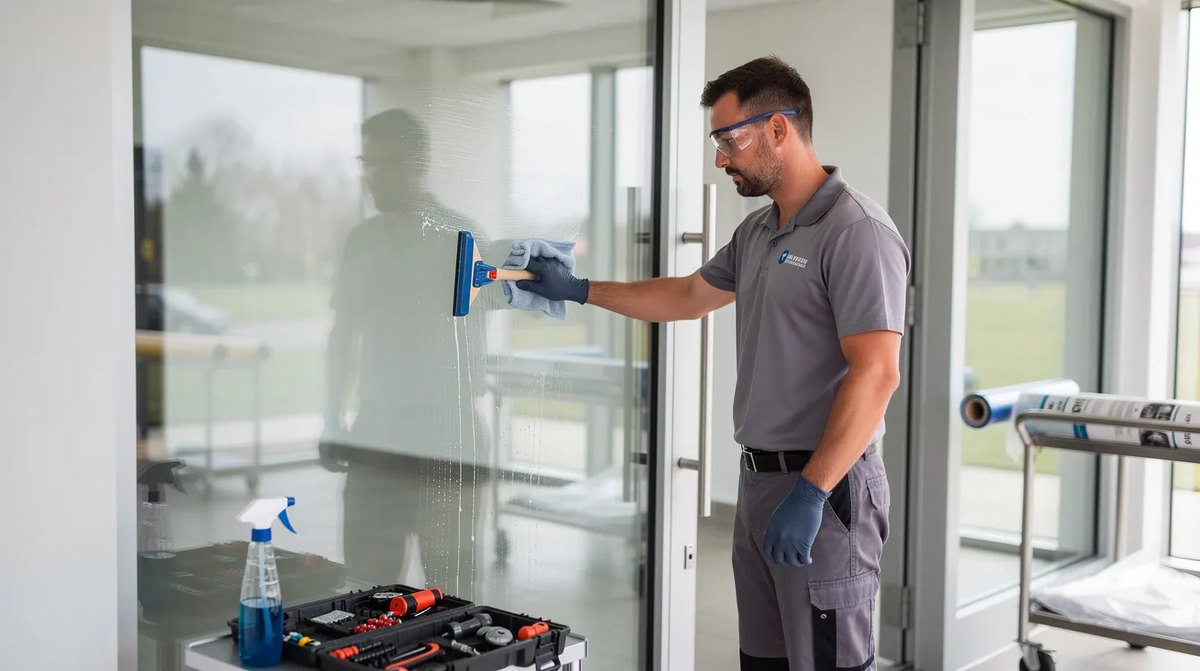
Step 2: Film Application Installers apply slip solution to the glass surface, allowing precise positioning of the film. Professional squeegees remove air bubbles and excess moisture while achieving uniform adhesion. This process requires careful technique to avoid distortion or trapped debris. The film is then carefully rolled into its final position before finishing.
Step 3: Edge Sealing and Frame Attachment It is recommended to use a bead of clear silicone around the edge of the glass 24-48 hours after installation to keep the glass and film firmly anchored in the window frame if the glass is broken. For high-security or blast-resistant applications, mechanical attachment systems using pressure plates provide additional protection against panel displacement.
Step 4: Curing Period The adhesive requires 30-60 days to reach full strength. During this period, the film may appear hazy or show moisture pockets—these dissipate as curing completes. Avoid cleaning or disturbing the installation during this critical phase.
Performance Comparison by Thickness
The thickness of security window films can vary, with common options ranging from 100 micrometers (4 mils) to 525 micrometers (21 mils), depending on the level of protection desired.
| Film Thickness | Protection Level | Entry Delay | Typical Applications |
|---|---|---|---|
| 4-mil (100µm) | Basic Safety | 30-60 seconds | Residential windows, interior glazing |
| 8-mil (200µm) | Security | 1-2 minutes | Commercial storefronts, sliding doors |
| 12-mil (300µm) | Heavy-Duty | 2-4 minutes | Schools, high-risk retail, offices |
| 15-mil (380µm) | Maximum | 4+ minutes | Government buildings, critical facilities |
Balancing cost, visibility, and security level requires honest threat assessment. Over-specifying film wastes money; under-specifying leaves vulnerabilities. Most residential applications achieve adequate protection with 8-mil film, while commercial storefronts facing organized theft may warrant 12-mil or higher, making a detailed quote from a regional security window film and privacy film specialist especially valuable.
Common Challenges and Practical Solutions
Installation and performance issues affect security effectiveness when not properly addressed. Understanding common problems helps protect your investment and ensures reliable protection.
Adhesion Failure on Textured Glass
Frosted, patterned, or textured glass surfaces present bonding challenges. Standard adhesives may not achieve full contact with irregular surfaces, and some privacy window film products are engineered specifically to address these decorative and functional needs.
Solution: Use specialized adhesives designed for textured surfaces. Avoid low-quality films with generic adhesive formulations. Professional installers stock appropriate products for these applications and can assess whether specific glass types will accept film successfully. If the film is unable to bond correctly, a different product may be recommended.
Edge Lift and Peeling Issues
Film edges may lift due to inadequate surface preparation, low-quality adhesives, or frame conditions that trap moisture. This compromises both appearance and security performance.
Solution: Ensure thorough surface preparation by certified installers. Use frame attachment systems on security-critical windows. Silicone edge sealing prevents moisture intrusion that degrades adhesive bonds. Avoid DIY installation on large glass panels or security applications where edge integrity is essential.
Optical Distortion and Clarity Loss
Thick films or improper installation can introduce visual distortion, haze, or waviness that reduces clarity and aesthetics.
Solution: Select high-grade optical films with documented light transmission specifications. Avoid bargain products that lack quality controls. Professional installation with proper tension and air removal minimizes visual artifacts. Some distortion may be inherent to thicker security films—evaluate samples before committing to building-wide installation. This is especially important near the corner of large glass panels.
Warranty Void Due to Improper Installation
Manufacturer warranties typically require certified installation following specific protocols. DIY or uncertified installation often voids coverage entirely.
Solution: Use certified installers documented by the film manufacturer. Maintain installation records including installer credentials, product batch numbers, and application dates. Follow manufacturer specifications exactly, including curing time and cleaning protocols.
Conclusion and Next Steps
Window film security provides cost-effective glass protection when properly selected and professionally installed. The technology transforms vulnerable windows and glass doors into resilient barriers that delay forced entry, protect occupants from injury due to broken glass, and maintain building envelope integrity during natural disasters. We hope this guide helps property owners across the country make informed security decisions with confidence.
Immediate action steps:
- Conduct security assessment of vulnerable glass on your property—identify ground-level windows, sliding doors, and high-value areas that attract intruders or face weather exposure
- Get quotes from certified installers for appropriate film thickness based on your threat assessment and building requirements
- Verify local building codes and HOA requirements before installation—some jurisdictions restrict reflective or tinted films, and safety glazing mandates may affect product selection
Related topics worth exploring include smart glass integration combining switchable opacity with security films, comprehensive security system planning that coordinates film protection with alarms and monitoring, and energy efficiency upgrades that leverage the UV blocking and heat control properties of safety and security window films.
Frequently Asked Questions
How long does security window film last?
With proper installation and maintenance, security films last 10-15 years. UV inhibitors and scratch-resistant coatings slow degradation. Annual inspection helps identify adhesive deterioration or damage requiring attention.
Can security film be removed without damaging glass?
Yes. Professional removal techniques using heat and specialized solvents release the adhesive without scratching or etching the glass surface. DIY removal risks damage—the price of professional removal protects your investment in the glazing. Some removal products are sold through specialist suppliers rather than a typical hardware store.
Does window film void glass warranties?
Typically, no, but verify with the glass manufacturer before installation. Some warranty terms exclude damage caused by improper film application or incompatible products. Using manufacturer-approved films and certified installers minimizes risk. Keep your purchase records and warranty documentation linked to your account for future reference.
What’s the difference between safety and security film?
Thickness and intended protection level distinguish these categories. Safety films (3-4 mils) primarily prevent injury from accidental breakage. Security films (7-15+ mils) add forced entry resistance and may include frame anchoring for blast or storm protection.
Can I install security film myself?
Not recommended for films over 4-mil or windows larger than 20 square feet. Professional installation ensures proper adhesion, eliminates bubbles and distortion, and maintains warranty coverage. DIY attempts on security-grade films frequently result in poor performance and wasted material. Professional installers have the right experience and stuff needed to complete the job correctly.
How much does professional installation cost?
Typically, $6-12 per square foot, depending on film type, building access, and complexity. Frame anchoring systems, high-security specifications, or difficult installations may push costs to $10-18 per square foot. Get multiple quotes from certified installers for accurate pricing and search for certified local providers before making a decision.
Will security film make windows look dark or tinted?
Clear options maintain high visible light transmission with minimal visual impact. Tinted or reflective films add solar control but change appearance. Review samples in actual lighting conditions before selecting a style for your space, rather than relying solely on online photos or video demonstrations.
Does security film provide energy savings?
Yes. UV blocking protects furnishings while reducing solar heat gain. Many installations see cooling cost reductions of 10-15%. Dual-function products combine security performance with energy efficiency specifications for maximum value. This makes security film absolutely worth considering for many homes and businesses.