
Table of Contents
Use this list to jump to break-ins protection, natural disaster info, or installation guidance:
- Introduction: Why Home Security Window Film Matters in 2026
- What Is Security Window Film and How Does It Work?
- How Security Window Film Protects Your Home
- Types of Security Films & Thickness Options
- Benefits Beyond Security: UV Rays, Comfort, & Privacy
- DIY vs Professional Installation of Security Window Films
- Cost, Lifespan, & Long-Term Value
- Care, Cleaning, & Maintenance Tips
- Common Myths & Realistic Expectations
- FAQs: Home Security Window Film
- Conclusion & Next Steps
Introduction: Why Home Security Window Film Matters in 2026
Fast break ins, severe weather, vandalism, civil unrest, and everyday accidents all expose one weak point in a house: glass. According to MoneyGeek burglary data, 23% of burglars enter through first floor windows, while many incidents involve a door or other opening being forced. FBI crime data through 2023 also shows forced entry remains common, which means standard glass windows are often attacked directly.
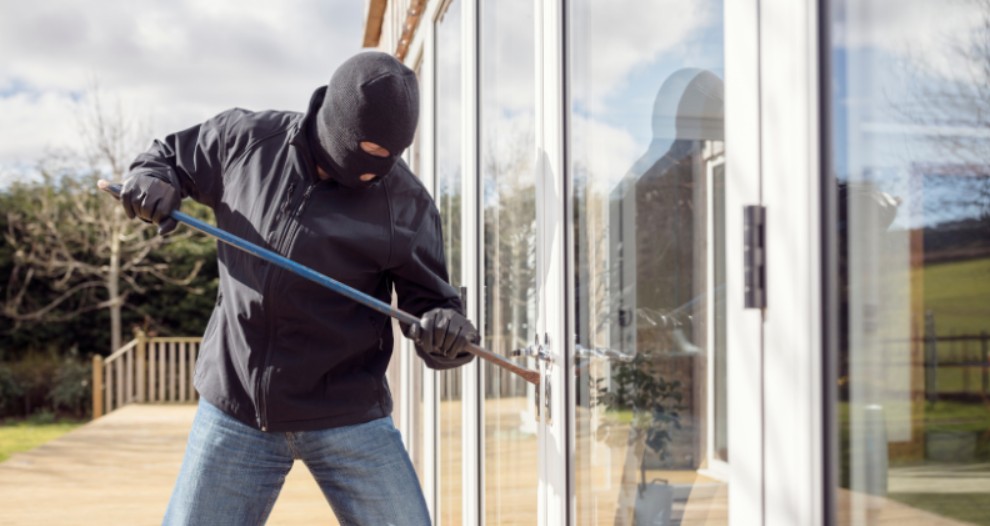
Home security window film is a thin clear or tinted film installed on the interior surface of windows. Security window film helps hold shattered glass together, slow intruders who try to gain entry, and block 99% of harmful UV rays while keeping views largely intact. This guide covers how security window films work, which thickness fits your risk, installation choices, cost, and long-term home safety value.
What Is Security Window Film and How Does It Work?
Security window film is different from decorative window film. Ordinary window films may add style, privacy, or solar control, but security films are engineered for stronger adhesion, tear resistance, and impact performance.
Security window films use heavy-duty polyester or PET layers bonded with adhesives, often with a strong adhesive, scratch-resistant surface, and optional tinted or reflective coating for heat and glare. The material is typically clear, lightly tinted, or reflective.
During break in attempts, storms, or accidents, the glass may crack or break, but the film keeps broken glass attached in one sheet instead of releasing flying glass shards. Security film holds broken glass together, reducing injury risk, and security window film reduces risk of injury from flying glass.
Thickness is measured in mils, or thousandths of an inch. Security films range from 4 to 15 mil in thickness; thicker films range from 4 to 12 mil for better protection, while thicker films, ranging from 8 to 14 mil, offer better protection for high-risk openings. Many options are virtually invisible, so they do not dramatically change the exterior appearance.
How Security Window Film Protects Your Home
Security window films support home security in three ways: intrusion delay, personal injury reduction, and weather protection. Professionally installed security window films can strengthen glass by 2-3 times its original strength, depending on glass type, film quality, and attachment.
Most criminals want fast entry. Security window film can delay break-ins by up to 1 minute; security window film can prolong forced entry time to 1 minute, and stronger assemblies can prolong forced entry time to over 1 minute. That extra time can make an intruder abandon the job, especially when alarms, lights, cameras, or neighbors are present.
For daily safety, security film helps keep shattered glass intact during impacts. This matters around sliding doors, patio glass, basement windows, and family spaces where kids or pets may hit glass panels. Home security window film improves safety by reinforcing glass against shattering.
During natural disasters, high winds and debris can damage windows. Security film helps prevent wind and rain from entering during storms by helping glass stay in the window frame after impact, reducing property damage and interior cleanup. It does not replace shutters or code-rated glass, but it adds protection that cameras and alarms cannot provide.
Types of Security Films & Thickness Options
Most residential choices fall into practical tiers. Thicker security films range from 4 to 12 mil in thickness, but thicker is not always the best answer for every property. The right choice depends on budget, window size, risk, glass type, and whether the frame is strong enough to stand up to impact.
Clear films preserve natural light. Tinted security films combine protection with privacy and solar control measures. Reflective security films provide daytime privacy with a mirror-like finish, while security films can obscure the view from outside while allowing natural light.
3–4 Mil Safety & Natural Disaster Films
Natural disaster films are typically 3-4 mil thick. They are generally used for safety, storm debris, earthquakes, and reducing injury from shattered glass, not for serious forced entry defense.
This film can act as a limited safety upgrade for large doors, bathroom windows, and mild weather risk areas. It can help with cleanup and personal injury prevention, but it should not be the only security feature for potential break ins.
7–8 Mil Forced-Entry Security Films
For burglary prevention, choose films that are at least 8 mil thick. 8 mil films significantly increase tear resistance for residential defense against forced entry, and 8 mil security film is sufficient to deter most criminals in typical smash-and-grab scenarios.
This thickness works well for first-floor windows, patio doors, garage glass, and basement windows. Performance depends on glass, the window frame, and edge attachment. Annealed glass shatters into large shards while tempered glass breaks into small beads; security film is effective on annealed glass by holding shards together. A wet-glaze anchoring system is needed for tempered glass to ensure proper adhesion of film in demanding applications.
13–15 Mil High Security & Specialty Films
High security films are 13-15 mil thick for maximum protection. 12 to 14+ mil films are designed for severe storms and high-velocity impacts, as well as homes with visible valuables, remote locations, or a past targeted entry, and some specialty ballistic and bullet-resistant glazing solutions are engineered to further delay armed intruders.
These films are stiffer, heavier, and more sensitive to installation quality. Professional installation with reinforced framing or structural silicone is highly recommended for best performance. Homeowners considering broader physical security upgrades may also benefit from exploring burglar proof windows as part of a comprehensive protection strategy.
Benefits Beyond Security: UV Rays, Comfort, & Privacy
Security window film blocks 99% of harmful UV rays, and security films can block up to 99% of harmful UV rays. Security window film blocks 99% of harmful UV rays to help slow fading on furniture, flooring, artwork, rugs, and store displays in commercial spaces.
Certain security films reduce solar heat gain, contributing to energy efficiency similar to dedicated solar window tinting films. That can make rooms more comfortable, reduce glare on screens, and help protect the interior without closing curtains all day.
Privacy is another benefit. Tinted and reflective options improve daytime privacy while still allowing light into the house or business, while interior privacy and decorative window films can add style and seclusion to doors, glass partitions, and cabinets. Homeowners seeking higher levels of protection may also want to learn more about security glass for applications where enhanced resistance to forced entry and impact is required. The result is better safety, comfort, and peace of mind knowing your windows are doing more every day.
DIY vs Professional Installation of Security Window Films
Some thinner products can be DIY, but security window film installation has to be careful. Poor prep, dust, bubbles, or edge gaps reduce performance and can shorten film life.
DIY saves money on labor, but the price of mistakes can be high. Consider pane size, access, film thickness, tools, and whether the glass is old, coated, or fragile.
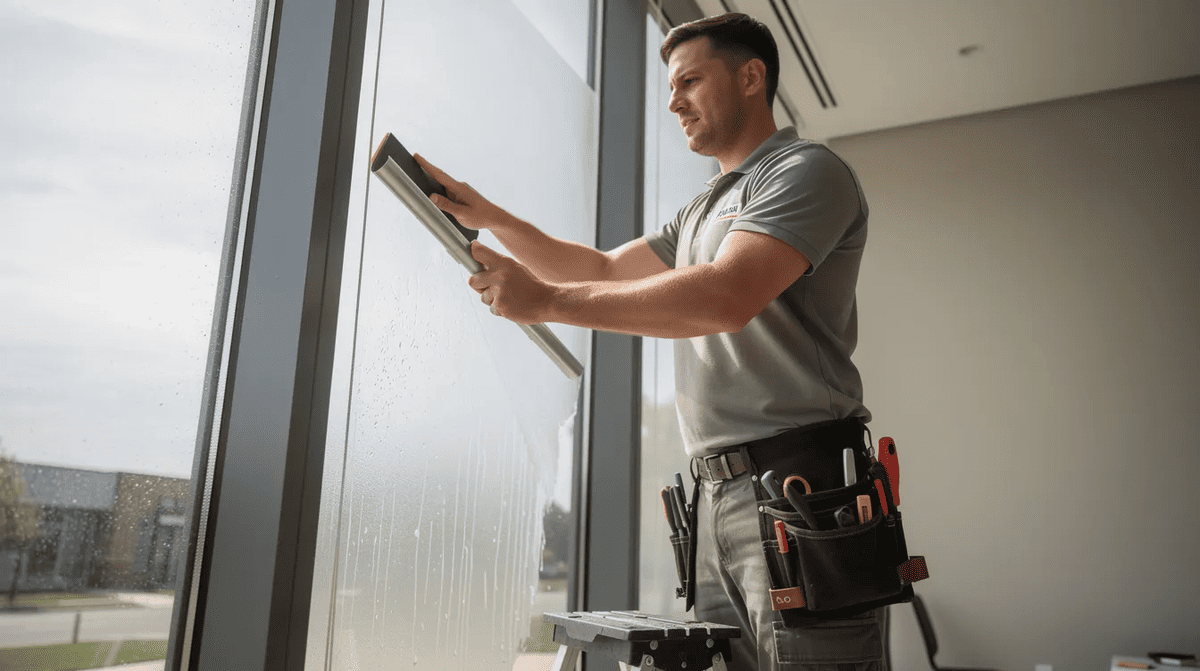
DIY Installation Tips for Homeowners
DIY installation requires cleaning windows before applying the film. Cut the film to fit your window dimensions before installation, wet the glass with slip solution, place the film, and use a squeegee to smooth out bubbles during installation.
You need the right tools: spray bottle with soapy water, sharp knife, hard squeegee, microfiber cloth, and tape measure. Avoid direct sun, dirty glass, and touching adhesive surfaces. Curing can take days or weeks; follow the manufacturer instead of puncturing small water pockets.
A silicone bead is recommended 24-48 hours after installation when an attachment system is specified. Keep DIY work to simple, accessible panes and thinner film.
When to Call a Professional Installer
Call a professional for large panes, multi-story glass, thick 8–15 mil security films, fragile glass, or attachment systems. Installers bring specialty tools, product knowledge, and tested methods that create a more secure result.
A reputable installer should provide written estimates, film specs, warranty details, sample pieces, and cleaning guidance. The upfront cost is higher, but long-term value is often better than replacement after a failed DIY install.
Cost, Lifespan, & Long-Term Value
In 2025–2026, installed residential security film typically costs about $7–$12 per square foot for basic safety film, $10–$13 for mid-range security, and $13–$19 for premium high-security material. Total cost depends on thickness, access, old film removal, tinting, and attachment systems.
Quality security films often last 10–20 years when installed and maintained correctly. Sun exposure, cleaning methods, edge sealing, and manufacturer quality all affect life span. The value comes from reduced repairs after break ins, fewer injury hazards, UV protection, possible insurance benefits, and daily comfort.
Care, Cleaning, & Maintenance Tips
Maintenance is simple. Wait the manufacturer’s curing period, often about 30 days, before cleaning so the adhesive bonds fully to the glass surface.
Use mild non-ammonia cleaner or diluted dish soap with a soft cloth or rubber squeegee. Avoid abrasive pads, razor blades, harsh chemicals, and sharp tools near edges.
Inspect security-critical windows once or twice a year for peeling, bubbling, discoloration, or scratches. If you see edge lift or large bubbles, contact an installer before the problem spreads.
Common Myths & Realistic Expectations
Security film is powerful, but it is not magic. It does not make glass unbreakable; glass can still crack, but the film holds pieces together to slow entry and reduce injury.
It is also not a replacement for locks, lighting, alarms, cameras, or security bars where appropriate. The best home security plan layers multiple security features.
Not every product labeled window film is security-grade. Decorative or solar-only film may offer little resistance to forced entry. Look for security films that have been tested for impact, tear resistance, and real-world protection.
FAQs: Home Security Window Film
What thickness is best for a typical home?
For child safety, accidents, and mild storms, 3–4 mil may be enough. For burglary deterrence, 7–8 mil is the common residential sweet spot, while 12–15 mil fits high-risk or severe weather needs.
Can security film be removed or replaced?
Yes. Professionally installed film can usually be removed and replaced without damaging the glass, although old adhesive may require careful cleanup.
Is security window film visible from the street?
Clear film is often virtually invisible. Tinted or reflective film changes the look more, but can add privacy, style, and solar control.
Does it really help with UV rays?
Yes. Most quality products block up to 99% of uv rays, helping protect skin indoors and slow fading on furniture, floors, and fabrics.
Does security film help during natural disasters?
Yes, it can help keep glass together during severe weather, earthquakes, and impact events. It should complement shutters, strong frames, and other home safety measures, not replace them.
Conclusion & Next Steps
Glass security window film reinforces vulnerable glass, delays break ins, reduces personal injury risk, limits property damage, and blocks harmful uv rays while preserving natural light. It is one of the few upgrades that improves security, comfort, safety, and weather resilience at the same time.
Walk your property and identify the most accessible windows and glass doors first. Then speak with a professional window film provider for a site assessment, film recommendation, and written quote. With quality security window films installed correctly, you can protect your family and gain lasting peace of mind.