Choosing the right window tinting service can transform how your home or business handles heat, glare, privacy, and security. This guide covers everything you need to know-from film types and installation processes to costs and long-term returns-so you can make a confident, informed decision.
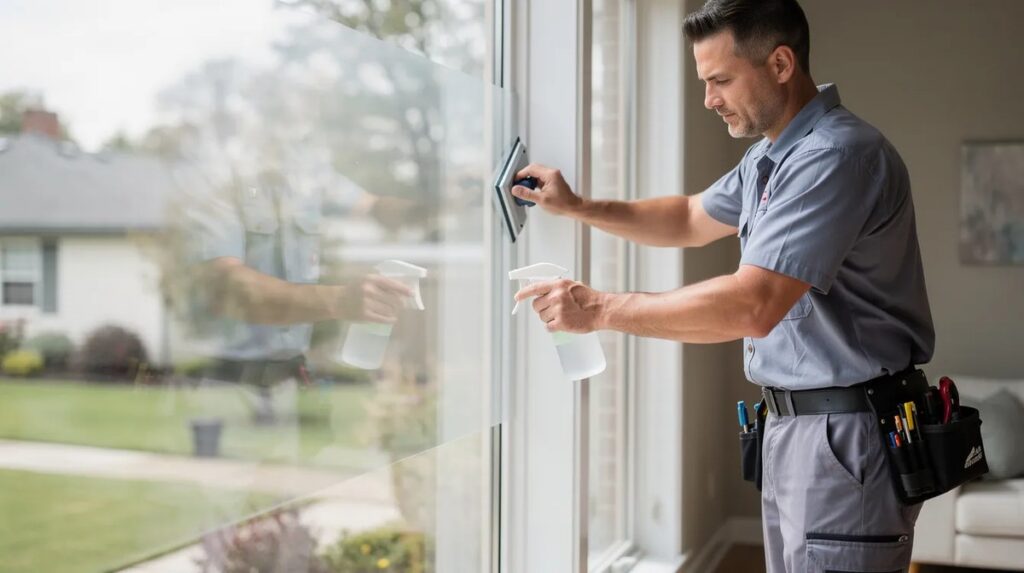
Table of Contents
- What Is a Professional Window Tinting Service?
- Benefits of Professional Window Tinting Services
- Residential Window Tinting Services
- Commercial Window Tinting Services
- Types of Window Tint and Window Film We Install
- Our Window Tinting Installation Process
- How to Choose the Right Window Tinting Service
- How Much Do Window Tinting Services Cost?
- Why Choose Professional Window Tinting Over DIY?
- Frequently Asked Questions About Window Tinting Services
- Find Professional Window Tinting Services Near You
What Is a Professional Window Tinting Service?
Window tinting is the application of specialized multi-layer laminate films to glass surfaces in homes, businesses, and vehicles. These films are engineered to filter sunlight, reject heat, block harmful uv rays, enhance privacy, and strengthen glass against impact.
A full-service professional window tinting provider like CoolVu delivers the entire project life cycle: initial consultation to understand your goals, product selection matched to your glass and climate, precise installation by trained technicians, thorough cleanup, and aftercare support including warranty registration. Services cover residential homes, commercial buildings, institutional facilities (schools, hospitals, government), and select auto window projects such as fleet vehicles or specialty cars where local regulations allow.
How does professional installation differ from DIY kits? Professionals use advanced tools like computer-controlled plotters for exact film cutting, industry-grade application equipment, and manufacturer-backed films with published performance data. The result is a clean installation free of the creases, bubbles, and alignment issues common with retail kits. It is crucial to ensure compliance with local window tint laws, and legal regulations typically specify visible light transmission levels for tints-something professionals navigate daily. VLT regulations vary by state for car windows, making expert guidance essential.
CoolVu operates as a national franchise network across the U.S., delivering standardized quality and processes through locally owned locations that understand regional climate, building codes, and tinting laws.

Benefits of Professional Window Tinting Services
Professionally installed window film improves comfort, energy efficiency, and security across homes, offices, schools, and vehicles. Here’s how each benefit works in practice.
- Heat reduction and energy savings. High-quality tint films can reject 60–70% of total solar energy, and window tinting can reduce heat by up to 96% with advanced ceramic+ formulations. Window films reduce solar heat and block ultraviolet rays simultaneously. Case studies from hot U.S. climates show cooling load reductions of 30–50%, often with payback in two to five years. Tinting can even improve gas mileage by reducing AC use in vehicles.
- UV protection. Most quality window tints block up to 99% of harmful UV rays, and advanced window films can block up to 99% of UV rays across both UVA and UVB spectrums. This level of uv protection helps reduce skin exposure and slows interior damage.
- Glare reduction. Certain film types provide glare reduction for better visibility, cutting glare from the sun and headlights by 50–90% without making rooms or vehicles feel overly dark.
- Enhanced privacy. Tinted windows enhance privacy and security by obscuring interior views. Daytime one-way privacy films work well for street-facing windows, while decorative frosted films suit conference rooms, bathrooms, and ground-level apartments. Tinted windows also reduce visibility of valuables inside vehicles, adding a layer of deterrence.
- Increased security and safety. Thicker security and safety films hold glass together during impact, helping protect against break-ins, smash-and-grab theft, vandalism, and severe weather. Tinting films aid in shatter protection during accidents. High-quality tints enhance vehicle security against theft by making it harder for criminals to assess a car’s interior. Window tinting can deter potential thieves from targeting vehicles.
- Protection against fading. Window tinting helps protect car interiors from fading, and the same applies to hardwood floors, artwork, office furniture, and dashboards. UV, heat, and visible light all contribute to fading over time.
- Improved comfort and aesthetics. Window tinting enhances the overall appearance of vehicles and buildings alike. Tinted windows provide a sleek and stylish look, and window tinting can change a vehicle’s aesthetic without repainting. Reduced hotspots and more consistent indoor temperatures make any space feel more comfortable.
Residential Window Tinting Services
Residential window tinting is designed for single-family homes, condos, townhouses, and multi-unit buildings. The tinting can reduce energy costs in summer and winter, making it a smart upgrade for any climate. Here’s how it applies room by room:
- Living rooms. Large picture windows with south or west exposure benefit from films with moderate to high solar energy rejection that preserve outward views while cutting heat and glare.
- Bedrooms. Privacy-enhancing and soft-tinted films reduce morning glare and block street lighting without requiring heavy curtains-ideal for finding the perfect tint that balances light control and comfort.
- Kitchens. Rooms with lots of glass, sliding doors, and skylights need heat control films that maintain natural daylight for cooking and entertaining.
- Sunrooms and patios. These high-heat glass areas see dramatic temperature improvement with ceramic-style architectural films that protect furniture and keep spaces cool.
- Home offices. Anti-glare solutions tailored to computer screens and video calls have become essential for remote workers since 2020.
- Specialty glass. French doors, sidelites, transoms, and decorative glass can be fitted with frosted, patterned, or custom privacy solutions.
CoolVu residential services include free in-home estimates and before/after photo examples for each room type so you can see the difference before committing.
Commercial Window Tinting Services
Commercial and institutional clients use window tinting to manage energy costs, improve occupant comfort, and address security requirements. Here’s how it breaks down by facility type:
- Office buildings. Solar control films reduce glare on monitors, cut HVAC load, and improve comfort in both high-rise and low-rise spaces.
- Retail stores. Storefront UV protection prevents merchandise fading while maintaining product visibility from the street.
- Restaurants and cafés. Films address evening glare and guest comfort near windows without sacrificing ambiance or clear views.
- Healthcare facilities. Privacy films serve waiting rooms and patient areas, while energy savings benefit 24/7 operations.
- Schools and universities. Daylight management, student comfort, and security film for threat mitigation make tinting a practical safety and efficiency upgrade.
- Hotels and hospitality. Guest room comfort, uniform exterior appearance, and brand-consistent decorative films elevate the guest experience.
- Government and municipal buildings. Energy mandates, improved security, and preserving existing glass instead of full replacement drive adoption. A GSA study found low-e retrofit films averaged 29% perimeter energy savings across seven climate zones.
CoolVu franchises provide B2B service agreements, flexible scheduling, and multi-site project management nationwide.
Types of Window Tint and Window Film We Install
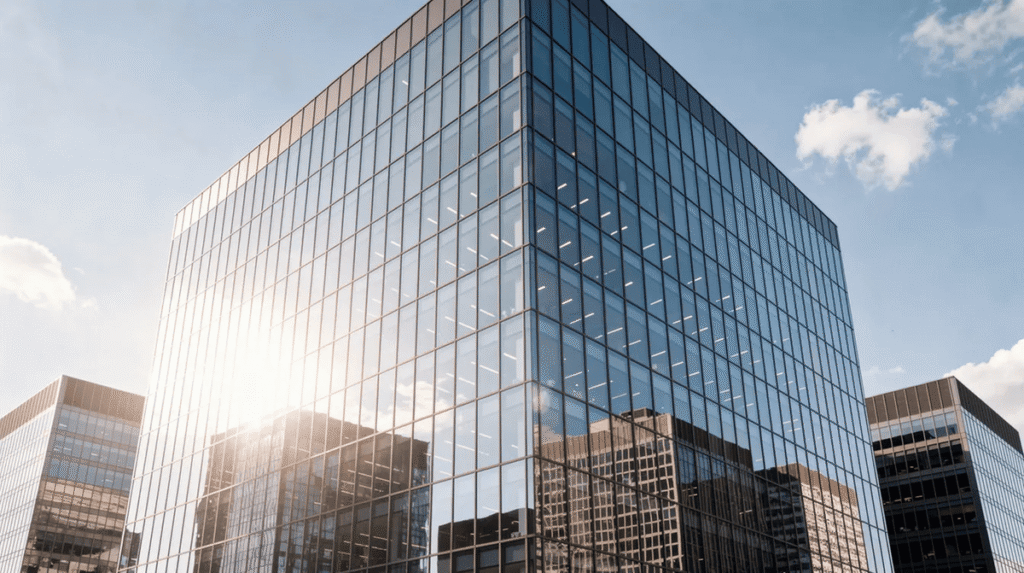
Different glass problems require different film technologies. Window tinting films come in various types including dyed, metalized, carbon, and ceramic, each with distinct performance characteristics. Window tinting involves applying multi-layer laminate films to glass surfaces, and CoolVu uses high-performance films focused on long-term clarity and durability.
Solar Window Film
Solar control film is the primary solution for heat reduction and energy savings. Key metrics include TSER (Total Solar Energy Rejected) and VLT (Visible Light Transmission). Standard window tint offers 12% heat rejection, while ceramic+ tint provides up to 96% heat rejection-a dramatic difference in performance. Ceramic window tint offers up to 99% UV protection and a non-reflective appearance. Carbon window tint provides a non-reflective appearance with strong infrared blocking. Metalized window tint enhances durability and strength but can interfere with wireless signals. Dyed window tint is budget-friendly and stylish, though it may fade faster under intense UV exposure. Nano ceramic films deliver superior heat rejection without the signal interference issues of metalized options. Light or dark options are available so customers can choose between nearly invisible films and a more tinted look.
Privacy Window Film
Daytime one-way privacy films allow visibility out while reflecting incoming views, but performance depends on lighting conditions. Options range from light smoke tints to mirror-like reflective films suited for commercial and institutional buildings. Most popular applications include bathrooms, ground-floor apartments, lobbies, and glass-walled offices.
Decorative Window Film
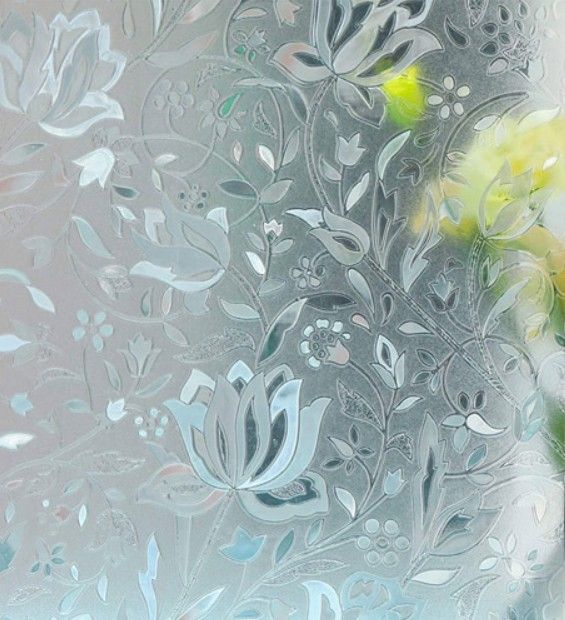
Decorative films include patterned, frosted, or custom-printed options for branding and interior design. Common patterns-frosted, linen, gradient, geometric-are used in corporate interiors, medical offices, conference rooms, clinic partitions, and residential shower enclosures. CoolVu can integrate custom graphics like logos and branded elements directly into the film.
Security Window Film
Security window film ranges from 8 to 15 mil thickness and helps glass resist impact and forced entry. These films are installed with specialized edge attachment systems for enhanced performance and are especially relevant for schools, ground-floor retail, government facilities, and high-risk entry points. They provide an extra layer of protection against break-ins, smash-and-grab theft, vandalism, and severe weather events.
Safety Window Film
Safety film is thinner than security film and focuses on protection from accidental breakage and flying glass shards. Common applications include doors, sidelites, low glass in homes, childcare centers, and public buildings-anywhere occupant safety from broken glass is a priority.
Anti-Graffiti Film
Anti-graffiti film is a sacrificial clear layer applied to glass and smooth surfaces in high-traffic areas. It protects storefront glass, elevator interiors, transit shelters, and public facilities from scratches and tagging. When damaged, the film is peeled and replaced at a fraction of full glass replacement cost.
Bird Strike Prevention Film
Bird-safe film features patterns visible to birds but subtle to humans, helping reduce collisions on large commercial glass facades and residential homes near natural areas. These films help meet emerging bird-friendly building standards in North American cities.
Custom Decorative Graphics
CoolVu prints and installs custom graphics including logos, branded patterns, murals, and wayfinding designs on glass and walls. Examples include branded glass in corporate headquarters, university seals on entrance doors, and retail promotional graphics. Window perf for graphics is another popular solution, allowing businesses to display vibrant advertising and branding on glass while maintaining visibility from the inside. Custom vinyl wraps can completely alter a vehicle’s look, and similar principles apply to architectural surfaces where function meets brand identity. This service pairs with tinting to combine performance with marketing and aesthetics.
Our Window Tinting Installation Process
CoolVu follows a consistent, step-by-step process across all franchise locations to ensure quality results and customer satisfaction.
- Initial consultation. Phone or online discussion to understand your goals-heat control, privacy, security, branding-and gather basic project details.
- Site assessment. On-site measurement of glass, documentation of existing conditions, and evaluation of sun exposure by orientation and climate.
- Film selection. Your installer presents film samples, performance data (TSER, VLT, UV rejection), and appearance options from light to dark tints and ceramic options.
- Professional installation. Thorough glass cleaning, precise film cutting (often with plotters), application using industry tools, and minimal disruption to daily driving schedules or business operations.
- Final inspection. Walk-through with the client reviewing each treated window, verifying quality, and noting any areas that will clear as the film cures.
- Warranty and aftercare. Written warranty coverage, recommended cleaning methods, and expected curing times of 30–60 days depending on climate.
Experienced technicians ensure a flawless finish for window tinting at every step, and proper installation is crucial for the longevity of window tint. This attention to detail is what separates professional service from guesswork.
How to Choose the Right Window Tinting Service
Evaluate providers based on training, product lines, and long-term support-not just the cheapest quote.
- Experience and certifications. Look for installers with documented project history, manufacturer training, and safety certifications.
- Product quality. Choose providers who use quality materials with published performance specs and lab testing-quality products with proven track records.
- Warranties. Understand the difference between limited lifetime warranties for residential and multi-year commercial warranties covering color stability and adhesion.
- Customer reviews. Check Google, Yelp, and industry sites for consistent positive feedback from recent customers.
- Portfolio of completed projects. Request photos or case studies similar to your building type or region.
- Service area and local expertise. A nearby CoolVu franchise understands local climate, building codes, and tinting regulations. Some states allow 35% VLT for front side windows, while others are stricter-local knowledge matters.
How Much Do Window Tinting Services Cost?
Pricing varies by film type, glass size, access complexity, and project scope, but professional tinting is typically far more affordable than full glass replacement.
Factors that affect pricing: Square footage, film type (standard, ceramic, security), number of stories, ladder or lift requirements, and prep work like old film removal all influence your custom quote.
Residential pricing considerations. Tinting a few key rooms costs significantly less than a whole-home project. Industry ranges fall between $5–$20 per square foot installed, depending on film quality and window count. You can get high quality services at an affordable price without sacrificing performance.
Commercial pricing considerations. Larger projects may benefit from volume pricing, phased installations, and off-hours work. Payback periods in commercial settings often fall within two to five years.
Long-term return on investment. Energy savings, reduced HVAC wear, and extended interior life pay back installation costs over time. In hot climates, monthly cooling-season savings of $40–$70 on a typical home add up quickly, delivering long lasting results and the best price over the life of the film.
Energy savings and maintenance costs. Films require minimal maintenance and can support energy benchmarking goals and green building certifications like LEED.
Why Choose Professional Window Tinting Over DIY?
While DIY kits exist for auto window and flat glass applications, professional tinting services deliver superior and more consistent results.
- Installation quality. Professional installation minimizes the risk of creases and bubbles. Quality installation can prevent peeling and fading of tint films that plague DIY attempts.
- Product performance. Professional-grade films offer higher heat rejection, better clarity, and longer color stability than retail kits. You’re in the right place when your installer uses films with published specs.
- Manufacturer warranties. Many premium films only carry full warranties when installed by authorized professionals. Professional services often provide warranties for installation quality that DIY simply can’t match.
- Time savings. Trained crews complete large homes or multi-floor offices efficiently, often within a day or two, with minimal disruption to your business or daily routine.
- Long-term durability. Expect lifespans of 10–20+ years on quality architectural films when professionally installed and maintained-delivering amazing value compared to replacing cheap film every few years.
Frequently Asked Questions About Window Tinting Services
How long does installation take?
A few rooms typically take half a day. Full homes or mid-size offices require one to three days depending on window count, height, and access.
How long does window tint last?
Premium ceramic or spectrally selective films last 15–20+ years. Carbon and metalized films typically last 10–15 years. Dyed films may show fading or optical degradation in 3–5 years.
Can existing window film be removed?
Yes, but older or baked-on films require professional removal to avoid adhesive residue, glass damage, or frame issues.
Will window tint damage my windows?
Properly selected and installed film is designed for compatible glass types. Professionals avoid risky pairings-for example, certain films on specific low-E units that could cause thermal stress.
Does window tint reduce energy costs?
Yes. Window tinting helps reduce cooling loads by 25–50% in hot climates. Utility rebate programs may also apply for certified films that meet SHGC thresholds.
What maintenance is required?
Use soft cloths and mild non-ammonia cleaners. Avoid razor blades and abrasive pads. Allow 30–60 days of curing before aggressive cleaning.
Is window tint covered by a warranty?
Premium residential films typically carry lifetime limited warranties; commercial warranties run 10–15+ years. CoolVu franchises honor manufacturer terms covering adhesion, bubbling, and color shift.
What about car window tinting options and legal compliance?
For automotive window tinting, some states permit a 6-inch tint strip on windshields, while windshield tinting is illegal in many areas. Medical exemptions may allow darker window tints in certain jurisdictions. Whether you’re upgrading a car window or a vehicle fleet, a professional installer ensures you stay within legal limits while achieving the appearance and protection you want.
Find Professional Window Tinting Services Near You
CoolVu operates a growing franchise network across the U.S., delivering consistent brand standards through locally owned locations. Whether you need paint protection film for a vehicle, ceramic coatings and paint correction consultation, or architectural window film for a factory, office, or home, our focus is matching the right solution to your property.
Request a consultation. Fill out an online form or call for a free on-site assessment for residential, commercial, or institutional properties. Estimates include film recommendations, performance data, and a written pricing proposal.
Find your nearest CoolVu location by entering your ZIP code to connect with a local franchise owner who understands your market, climate, and local regulations.
Every CoolVu installation is backed by attention to detail, a commitment to customer satisfaction, and high performance delivered at an affordable price. From paint protection to decorative graphics and wheels of commerce turning in your favor through energy savings, you’ve found the right place to protect what matters most.