Table of Contents
- What Is Protective Window Film and How Does It Work?
- Understanding Protective Window Film
- Types and Applications of Protective Window Film
- Installation Methods and Performance Standards
- Common Challenges and Solutions
- Conclusion and Next Steps
- Frequently Asked Questions
What Is Protective Window Film and How Does It Work?
Protective window film is a multi-layer polyester-based material applied to existing glass surfaces to enhance safety, security, and energy efficiency. These films strengthen windows against impacts, weather events, and forced entry attempts while holding broken glass together when breakage occurs.
This guide covers the full range of safety and security films, from accident-prevention applications to high-level blast mitigation systems. Property managers seeking code compliance, homeowners wanting break-in protection, contractors specifying materials, and security professionals assessing vulnerabilities will find actionable information throughout. Understanding these films matters because glass remains one of the most vulnerable points in any building envelope—addressing this weakness protects both people and property across the country.
Direct answer: Protective window film adds an extra layer of polyester-based protection to glass that holds shattered fragments together, delays forced entry by 30 seconds to several minutes depending on thickness and can block up to 99% of harmful UV rays while reducing cooling costs by up to 30%.
After reading this guide, you will understand:
- How film construction and thickness affect protection levels
- Which film types match specific security and safety applications
- Installation requirements and performance standards that ensure effectiveness
- Cost-benefit analysis comparing film to glass replacement
- How to select the right film for your building and threat profile
Understanding Protective Window Film
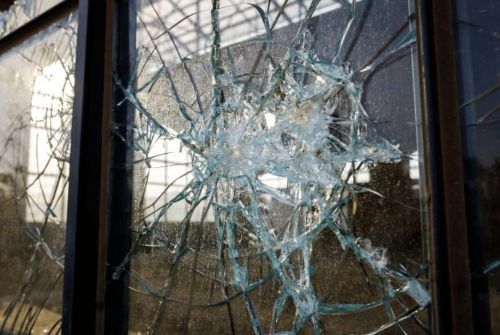
Protective window film transforms ordinary glass into a reinforced barrier that resists impact, contains fragments during breakage, and provides measurable security glass improvements. Whether addressing accidental glass breakage near glass doors or hardening commercial windows against break-ins, these films deliver protection without full window replacement.
Film Construction and Materials
The foundation of all protective films is polyethylene terephthalate (PET), a polyester material processed through biaxial orientation that increases tensile strength and optical clarity. Quality films use multiple PET layers bonded together—a 4-mil security film typically consists of two 2-mil layers working in tandem.
Safety and security window films are available in various thicknesses, ranging from 100 micrometers (4 mils minimum 2 ply) to over 525 micrometers (21 mils), with the thickness selected based on the desired level of protection and the dimensions of the glass pane. The adhesive layer between film and glass must completely wet the surface, displace micro air bubbles, and maintain bond strength across temperature swings. Scratch-resistant top coatings protect the film surface from daily wear, while UV inhibitors embedded in the polyester prevent degradation over time.
These films can be applied to toughened, annealed, or laminated glass, and are designed to perform under adverse conditions, with standards established to ensure their effectiveness in impact situations.
Primary Protection Categories
Security films focus on delaying forced entry and resisting aggressive impacts. These thicker films (typically 8-15+ mil) require proper attachment to the window frame to prevent the entire glass-and-film assembly from being pushed inward. Security professionals specify these for retail storefronts, government facilities, and residential properties facing elevated break-in risk.
Safety films address accident prevention and code compliance. Thinner options (2-8 mil) hold broken glass fragments together when panes shatter from impacts, earthquakes, or thermal stress. Building codes often require safety glazing for overhead applications and doors—these films can retrofit existing annealed glass to meet requirements. They can also provide an alternative solution when upgrading areas around a tempered glass door is not practical or cost-effective.
Temporary construction protection films cover glass during renovation to protect against debris and damage. These lighter-duty options are not designed for long-term security applications.
Understanding these categories helps match film selection to actual needs—choosing a thin safety film when security threats require thicker options leaves buildings vulnerable, while over-specifying drives unnecessary costs.
Types and Applications of Protective Window Film
Moving from basic categories to specific applications requires understanding how film technology intersects with real-world protection needs. The right selection depends on threat assessment, building characteristics, and performance requirements.
Security Window Films
Security window films in the 8-15 mil thickness range provide meaningful forced entry delay. An 8-mil film with proper structural attachment can resist break-in attempts for 30-60 seconds—enough time for alarm systems to alert authorities. A 12-mil film extends this window to 1-2 minutes, while 14-mil and thicker options protect high-value retail, financial institutions, and government buildings that sell goods or services to the public.
GSA-certified blast protection requires testing to ASTM F1642 standards, which define hazard levels from “No Break” through “High Hazard” based on glass fragment projection during explosive events. The GSA Interagency Security Committee rates complete systems (film plus frame attachment) across Levels of Protection from “Very Low” to “High.” A tested example: 3M Ultra S600 film achieves Minimal Hazard ratings under average blast loads of approximately 7 psi, helping reduce damage from an explosion.
For security applications, film thickness alone does not determine performance. The frame must hold when the glass-film assembly flexes under impact, requiring wet-glaze silicone sealant or mechanical anchoring systems.
Safety and Accident Prevention Films
Safety window films can provide additional protection against hazards such as earthquakes and bomb blasts by helping to retain glass in its frame, thus preventing injury from falling glass and reducing damage from flying debris. These window films can help retain glass in its frame during seismic activity, reducing the risk of injury from falling glass.
Films in the 2-8 mil range address building code requirements for safety glazing in locations where human impact is likely—glass doors, sidelights, and overhead glazing. Rather than replacing existing annealed glass with tempered or laminated glass, these films can bring windows into compliance at a fraction of the cost.
Schools, medical facilities, and high-traffic commercial buildings commonly install safety films to reduce liability and protect occupants from accidental injury, helping organizations limit situations where they may be held liable for glass-related incidents, and many education-focused security programs now evaluate bullet resistant window film and ballistic glazing upgrades as part of layered protection strategies.
Specialty Protection Applications
Hurricane and windborne debris protection remains a nuanced application. These films can provide additional protection against windborne debris during hurricanes, helping to maintain the weather seal of a building and reduce water damage. However, in Florida and similar jurisdictions, it is illegal to market film as “hurricane resistant” unless part of a complete approved assembly. Film alone cannot replace impact-rated glazing systems where building codes require them—but it does add meaningful protection in areas where full impact systems are not mandated. Always review any legal requirements before making performance claims.
Energy-Efficient Protective Window Film Options
Energy efficiency hybrids combine protection with solar window film benefits. Protective window films can block up to 79% of solar heat gain and lower cooling costs by up to 30%. Protective films can reduce glare on computer and television screens by up to 84%, improving productivity in office environments. Energy efficiency is improved by protective window films by reducing solar heat gain, blocking up to 99% of harmful UV rays, and reducing glare, which can lower cooling costs by reducing HVAC strain.
Protective film technologies vary in performance characteristics:
- Ceramic Film uses microscopic ceramic particles to block heat and UV radiation while maintaining high clarity, offering maximum UV protection and glare reduction without a mirrored look. Ceramic window film is considered the best option for protection against glare and UV exposure while allowing natural light, blocking up to 99.9% of UV rays.
- Carbon Film provides excellent UV protection around 97%–99% and is durable against fading, making it suitable for homeowners wanting a non-reflective, dark look.
- Metalized/Reflective Film contains tiny metallic particles that reflect sunlight away from the glass, providing maximum heat rejection but can interfere with cell signals.
- Dyed Film is the most affordable option, using a layer of dye to absorb solar energy but is the least durable and tends to fade or turn purple over time.
Winter insulation is improved by Low-Emissivity (Low-E) films and transitional photochromic window films, which reflect indoor heat back into the room, reduce solar heat gain dynamically, and can cut overall heat loss by up to 20% while improving comfort.
Decorative security films offer privacy alongside protection, featuring privacy and decorative window film options such as frosted patterns or slight tints for retail and office applications where aesthetics and style matter alongside security.
Installation Methods and Performance Standards
Film performance depends equally on product quality and installation execution. The best film fails when improperly applied or inadequately attached to the window frame structure.
Professional Installation Process
To install protective window films, it is recommended to clean the window with a gentle solution to remove any dust, then allow the surface to dry before applying the film. Professional window film installation services ensure the glass surface is free of contamination, old films, and residues that compromise adhesion.
The best method of installation for security window films is to remove the glass from the window frame, install the film, and then reinstall the glass into the frame. This allows edge-to-edge coverage and proper attachment to frame elements. When removal is impractical, wet-glaze systems using structural silicone bond film edges directly to the frame perimeter.
Application techniques prevent air bubbles and ensure complete adhesive contact. Installers use appropriate squeegee pressure, working from center outward in overlapping strokes, especially when applying architectural window films for buildings and homes. Curing time for wet adhesive systems typically requires 24-72 hours before full bond strength develops—premature stress or cleaning can compromise long-term performance. Following the correct process makes installation easy to maintain over time.
For blast mitigation and high-security applications, frame anchoring becomes critical. Mechanical systems use pressure plates, bolts, or brackets to secure film edges into the frame structure, preventing the glass-film assembly from being pushed through even when shattered.
Performance Comparison Table
| Film Type | Typical Thickness | Primary Application | Forced Entry Delay | UV Protection | Installed Cost (per sq ft) |
|---|---|---|---|---|---|
| Safety Film | 2-4 mil | Accident prevention, code compliance | Minimal | Up to 99% | $7-12 |
| Standard Security | 8 mil | Break-in deterrence | 30-60 seconds | Up to 99% | $10-18 |
| Enhanced Security | 12 mil | High-value retail, commercial | 1-2 minutes | Up to 99% | $15-22 |
| Maximum Security | 14-21 mil | Government, critical infrastructure | 2-3+ minutes | Up to 99% | $18-25+ |
| Blast Mitigation | 8-15 mil with attachment | Explosive threat protection | Varies by LOP | Up to 99% | $20-30+ |
| Solar Security Hybrid | 8-12 mil | Combined protection and energy efficiency | 30-90 seconds | Up to 99.9% | $15-25 |
Certification and Testing Standards
ASTM F1642 provides the primary test method for glazing systems under blast loading, defining hazard levels based on fragment projection and retention. Testing bodies document how specific film-attachment combinations perform under defined pressure and impulse conditions.
GSA ISC Levels of Protection translate test results into practical specifications: “Very Low” through “High” ratings help security professionals specify appropriate protection for occupied spaces in federal and high-risk facilities.
Building codes address safety glazing requirements (CPSC 16 CFR 1201 in the United States) for doors, sidelights, and overhead glazing. Films meeting these standards through tested assemblies can bring existing glass into compliance.
Manufacturers publish test data for their products—look for independent laboratory verification rather than internal claims alone. Certified installers understand which film-attachment combinations achieve specific ratings and can document compliance for building officials and insurance purposes. This documentation may support insurance reviews or refund requests when applicable.
Common Challenges and Solutions
Understanding typical problems helps set realistic expectations and ensures installations deliver promised protection.
Adhesion Failure and Peeling
Poor surface preparation causes most adhesion failures. Dust particles, grease residue, or moisture trapped during installation create weak spots that expand over time. Environmental factors accelerate degradation—direct sun exposure, high humidity, and severe temperature swings stress adhesive bonds.
Solution: Use certified installers who follow manufacturer specifications for cleaning agents and application conditions. Allow full curing time before exposing edges to water or cleaning. Select adhesives tested for dynamic loading conditions matching your application.
Bubble Formation and Appearance Issues
Air bubbles, dust inclusions, and creases result from trapped particles or incorrect squeegee technique. Large commercial glazing requires scaffolding or lifts for proper access—rushing installation or working from awkward positions compromises quality.
Solution: Professional installation using proper application solutions and tools eliminates most appearance issues. Avoid cleaning for several days after installation. After curing, use non-abrasive, ammonia-free cleaning solutions to maintain appearance.
Performance Below Expectations
Selecting film based solely on thickness or marketing claims without matching frame strength leads to disappointment. Even thick film fails if the window frame pulls out under load or if glass edges cannot handle stress transfer. Overly dark tints may also violate local building codes. Performance may also be affected by indirect environmental factors that are not immediately obvious during installation.
Solution: Match film specifications to actual threat assessment. Ensure structural glazing attachment for security applications. Verify that complete systems (film plus attachment) are tested to relevant standards rather than relying on film-only claims.
Cost and Budget Concerns
Security films can cost three to five times more than basic solar or decorative options. Material costs range from $2-10 per square foot, with installed costs for 8-15 mil security film reaching $10-25+ depending on region, attachment method, and access difficulty.
Solution: Calculate return on investment considering multiple benefits. Energy savings from solar control films can deliver payback in 2-5 years. Compare film costs ($500-3,000 for typical residential applications) against full window replacement ($700-1,500 per window). Factor in potential insurance premium reductions and liability protection. This balanced approach can help property owners act with confidence.
Conclusion and Next Steps
Protective window film delivers meaningful security, safety, and energy benefits at costs substantially below full window replacement. Proper film selection requires matching thickness and attachment systems to actual threats—whether preventing injury from accidental breakage, delaying forced entry, or meeting blast protection standards while promoting greater peace of mind.
Immediate action steps:
- Conduct threat assessment identifying primary risks (break-ins, natural disasters, accidents, energy costs)
- Evaluate existing glass types and frame conditions across your property
- Request consultations from certified installers who can document test data for recommended systems
- Develop specifications that address both protection requirements and budget constraints
- Verify warranty terms and ensure installation meets manufacturer requirements
If you are comparing local providers, searching for window security film installation near me can help identify qualified installers and available service options in your area.
Related topics worth exploring: complete window security systems integrating film with sensors and reinforced frames, building hardening strategies for high-risk facilities, and emergency preparedness planning that addresses glass vulnerability in evacuation routes.

Frequently Asked Questions
How long does protective window film last?
Premium ceramic films last 20-25 years under normal conditions. Carbon films typically provide 15-20 years of service, while basic dyed films may degrade in 5-10 years, especially with direct sun exposure. Warranty periods range from lifetime coverage for residential applications to 5-15 years for commercial installations.
Can window film be applied to any type of glass?
Safety and security window films can be applied to toughened, annealed, or laminated glass, and the thickness of the film should be selected based on the level of protection desired and the dimensions of the glass pane. Curved glass, specialty coated glass (Low-E), and some older glazing types may require special consideration—consult manufacturers or certified installers for specific compatibility.
What is the difference between security film and safety film?
Safety films (2-8 mil) focus on accident prevention—holding broken glass fragments together to reduce injury risk from impacts, earthquakes, or thermal breakage. Security films (8-15+ mil) add forced entry delay, resisting aggressive impacts from tools or deliberate attack. Security applications require proper frame attachment; safety films often work without structural anchoring.
Does protective film affect window appearance or visibility?
High-quality clear films maintain excellent optical clarity with minimal distortion. Tinted or reflective options reduce visible light transmission intentionally. Metalized films may create slight shimmer or reflectivity. Decorative films incorporate patterns or frosted appearances by design, and some advanced smart window films can switch between clear and opaque states for on-demand privacy. Protective window films can block up to 99% of harmful UV rays, helping to protect skin and reduce fading of interior furnishings while remaining visually clear.
How much does professional installation cost?
Installed costs typically range from $7-25 per square foot depending on film type, thickness, attachment requirements, and access difficulty. A typical home with moderate glazing area might invest $500-3,000 total. Commercial projects with complex access or blast mitigation specifications run higher. Request itemized quotes covering both materials and labor.
Will window film void my glass warranty?
Many glass manufacturers do not void warranties for properly installed manufacturer-approved films. However, some glazing systems with integral coatings or specific thermal characteristics may have restrictions. Check existing glass warranties before installation and maintain documentation of film specifications for warranty claims. Manufacturers may also include limitations covering incidental damages.
Can I install protective film myself?
DIY installation works for basic decorative or solar films on small windows. Safety and security films require professional installation to achieve warranted performance—improper application reduces protection levels and may void manufacturer coverage. Local providers, such as security, privacy, and decorative window film specialists, can also implement frame attachment systems for security applications that require specialized tools and training. Many installers also provide a warranty page and installation disclaimer for customers.
What maintenance does window film require?
Use non-abrasive, ammonia-free cleaning solutions and soft cloths. Avoid scraping edges or using abrasive tools near film surfaces. Inspect frame edges periodically for lift or separation. Replace films showing peeling, discoloration, haze, or adhesion loss. Proper maintenance extends service life and maintains protection levels.