Table of Contents
- Introduction to Residential Window Tinting
- Understanding Window Film Technology
- Benefits of Home Window Tinting
- Installation Process and Film Selection
- Common Challenges and Solutions
- Conclusion and Next Steps
- Frequently Asked Questions
Introduction to Residential Window Tinting
Residential window tinting involves applying thin, multi-layered films to existing window glass in your home to reduce the sun’s heat, block harmful ultraviolet rays, and improve privacy. This retrofit solution addresses the three most common complaints homeowners have about their windows: excessive heat coming through sun-exposed glass, fading of interior furnishings, and lack of privacy from street view.
This guide covers the full spectrum of residential window films—from basic dyed options to premium ceramic technology—along with professional installation methods, realistic cost expectations, and performance benchmarks. Whether you’re dealing with a hot west facing window that turns your living room into a sauna, seeking UV protection for expensive furniture, or wanting to increase privacy on patio doors without sacrificing natural light, this content will help you make an informed decision.
Direct answer: Quality residential window tinting reduces cooling energy costs by 15-35% in hot climates while blocking 99% of UV rays that cause interior fading and skin damage. Premium ceramic films can reject up to 85% of infrared heat while maintaining clear views.
After reading this guide, you will understand:
- How different film types work and which performs best for your specific needs
- The professional installation process and when DIY is appropriate
- Realistic cost ranges and ROI timelines for your investment
- How to avoid common pitfalls like warranty issues and seal failure
- Which film characteristics matter most for each room in your house
Understanding Window Film Technology
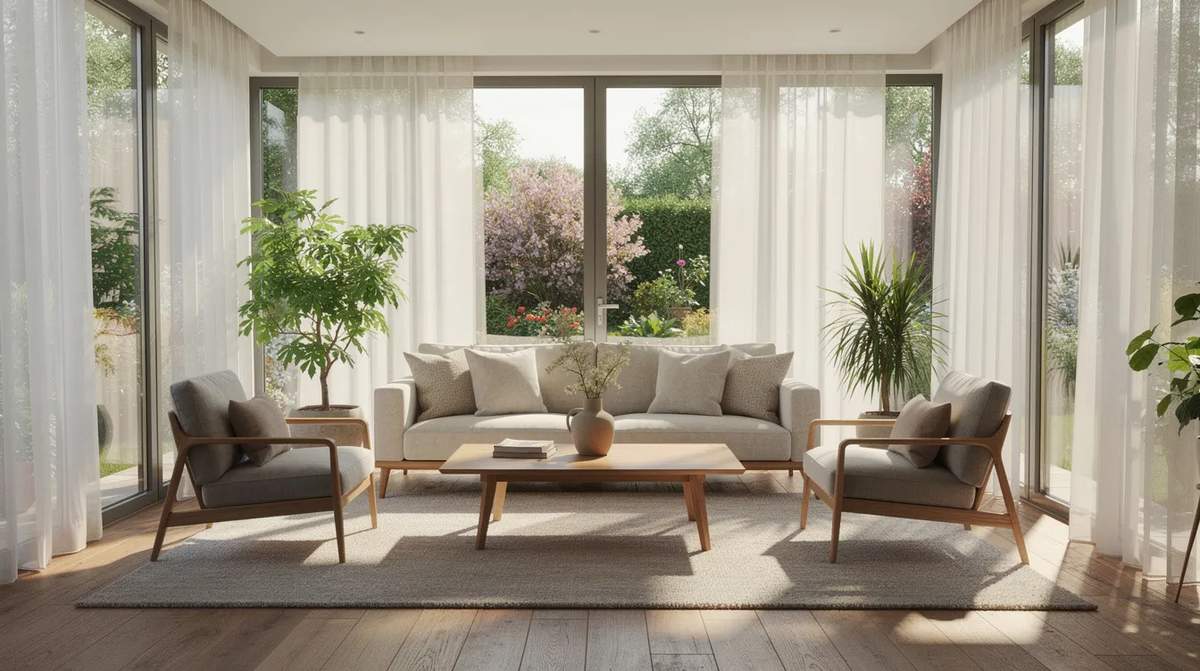
Residential window film consists of thin polyester sheets with specialized coatings applied to the interior surface of your glass. These films work by altering how sunlight interacts with your windows—either absorbing, reflecting, or filtering different wavelengths of the sun’s energy to achieve heat control, glare reduction, and UV protection.
Types of Residential Window Films
Solar control films represent the largest category, designed primarily for energy savings through heat rejection. These include dyed films (budget-friendly but shorter-lived), metalized films (excellent heat rejection but potential signal interference), and ceramic films (premium performance without drawbacks).
Security films use thicker, multi-layered construction to strengthen glass against impacts, and in higher-risk environments they may be paired with ballistic and bullet-resistant glazing solutions that are engineered to delay or resist armed attacks. These films hold shattered glass together during storms or break-in attempts, making it harder for intruders to gain entry through windows and helping to protect your home. Some security films combine glass protection with solar control features, similar to multi-purpose architectural window films that blend energy efficiency, safety, and privacy in a single system.
Privacy films include frosted, etched, or decorative options that obscure the view through windows while still allowing light transmission, much like dedicated privacy and decorative window film collections that offer patterned, frosted, and textured designs for interior glass. These work well for front door sidelights, bathroom windows, and any glass where you need permanent privacy rather than the conditional privacy of reflective films.
Decorative films serve aesthetic purposes, creating patterns, textures, or colored effects on glass surfaces, and advanced smart window film solutions now add switchable opacity and projection capabilities for more dynamic design control. These are common for interior doors, room dividers, and architectural accents throughout the house.
How Window Film Technology Works
Window film achieves heat control through three mechanisms: absorption, reflection, and spectral filtering, and high-performance solar window film lines are engineered to maximize this balance of heat rejection, glare control, and UV blocking for residential applications. Dyed films absorb sunlight and convert it to heat within the film itself—a bit less efficient since some heat radiates inward. Metalized films reflect infrared heat back toward the exterior using microscopic metal particles. Ceramic films use nano-technology to filter specific wavelengths, blocking infrared heat while allowing visible light through, and premium ceramic window tint systems leverage these nanoparticles for maximum IR rejection with excellent clarity.
UV protection comes from specialized coatings that block wavelengths below 400 nanometers. Quality films achieve 99% or higher UV rejection, dramatically reducing the fading of carpets, furniture, artwork, and flooring. This protection also reduces skin exposure to harmful ultraviolet rays for family members in sun-exposed rooms.
VLT (Visible Light Transmission) measures the percentage of visible light passing through the film and glass together. A film with 50% VLT appears moderately tinted; one with 70% VLT looks nearly clear. Lower VLT provides more heat rejection and privacy but reduces natural light entering the room. The key metric for comparing films is the LSG ratio (Light-to-Solar-Gain)—higher LSG means you get more light relative to heat, which is ideal for most residential applications.
Understanding these technical foundations helps you evaluate product solutions and choose films that match your specific goals for each window in your home.
Benefits of Home Window Tinting
Window film technology translates directly into measurable improvements for homeowners—from lower utility bills to longer-lasting interiors and enhanced daily comfort.
Energy Efficiency and Cost Savings
Real-world data shows that residential window tinting reduces cooling costs by 15-35% in hot climates, with higher savings for homes with large sun-exposed glass areas. A Bay Area case study documented homeowners achieving 20-35% summer cooling cost reduction after installing premium ceramic film, with complete payback in approximately 2.5 years.
The savings mechanism is straightforward: standard double-pane windows allow roughly 76% of incident sunlight to enter and become heat. Quality solar control films lower the Solar Heat Gain Coefficient (SHGC) significantly, meaning less heat coming into your home and less work for your air conditioning system during summer months.
During colder months, certain films help retain interior warmth by reducing heat loss through windows, providing modest heating costs benefits. The cumulative effect relieves your HVAC system year-round, potentially extending equipment life while cutting energy costs. Most residential installations achieve ROI within 3-7 years, depending on climate, utility rates, and window area treated.
UV Protection and Interior Preservation
Quality window film blocks 99% or more of UV rays—the primary cause of interior fading, and dedicated guides on UV damage to furniture and finishes illustrate how quickly unprotected interiors can fade under constant sun exposure. Your furniture, hardwood floors, carpets, artwork, and electronics all degrade when exposed to continuous ultraviolet radiation. Homes with large windows or skylights face accelerated fading without protection.
Beyond material preservation, UV protection benefits your family’s health. The Skin Cancer Foundation recognizes certain high-performance films for effectively reducing UV exposure inside homes. This matters especially for rooms where family members spend extended time near windows—home office spaces, living rooms, and sunrooms.

Privacy and Security Enhancement
Reflective and metalized films create a one-way mirror effect during daytime, allowing you to see out while preventing people on the street from seeing inside. This works because the exterior is brighter than your interior during daylight hours—ideal for front-facing windows and patio doors.
Security films strengthen glass against impacts from storms, accidents, or break-in attempts, and modern security window films are specifically designed to create a clear, tear-resistant barrier that helps deter forced entry while holding shattered glass in place. While they won’t make windows impenetrable, they hold shattered glass together and significantly delay forced entry. This protection proves valuable for ground-floor windows, doors, homes in storm-prone regions, and cars parked near vulnerable glass.
Glare reduction improves daily comfort considerably. Quality films can reduce glare by up to 76%, making screen viewing easier in-home office settings and eliminating hot spots in rooms with intense afternoon sun. This benefit often gets overlooked but makes a noticeable difference in livability.
Installation Process and Film Selection
Choosing between professional installation and DIY depends on your windows, film type, and risk tolerance. Professional installation ensures proper technique and typically includes warranty coverage, while DIY can save money on simpler applications.
Professional Installation Process
Expert installation is recommended for premium films, double-pane windows, large glass areas, and any situation where warranty protection matters, and working with an experienced window tinting and film installation provider ensures accurate product selection, warranty-backed work, and optimal performance. A trained installer handles the technical details that commonly cause DIY failures.
- Window assessment and measurement — The installer evaluates glass type (single-pane, double-pane, low e coating), measures precisely, checks orientation and sun exposure, and identifies any conditions requiring special film selection to avoid thermal stress or seal failure. They also take into account the specific needs of each room.
- Glass surface cleaning and preparation — Thorough cleaning removes dust, oils, and any previous film residue. The surface must be perfectly clean to prevent bubbles and ensure proper adhesion. Installers use specialized scrapers and cleaning solutions to achieve the necessary quality.
- Film application using slip solution — The installer applies a soapy water solution to the glass, positions the film with adhesive side down, and uses a squeegee to work out water and air from center outward. This wet application method allows repositioning before the film sets.
- Trimming and final positioning — Edges are trimmed precisely to fit within the frame, ensuring no overlaps or gaps. The installer checks for bubbles, optical clarity, and proper seal around all edges. Full curing takes several days, during which the film bonds completely to the glass.
Residential Film Comparison Guide
Selecting the right film requires matching performance characteristics to your specific rooms and priorities. The following comparison covers the main residential window film categories:
| Film Type | VLT % | Heat Rejection | Best Use | Price Range (per sq ft) |
|---|---|---|---|---|
| Ceramic/Nano-Ceramic | 30-70% | 60-85% IR rejection | Living rooms, offices, high-exposure windows where view and light matter | $10-$15+ installed |
| Metalized/Reflective | 10-50% | 60-75% total solar energy | West facing window, south-facing glass, maximum heat control priority | $7-$12 installed |
| Dyed/Basic Tint | 5-70% | 25-45% heat rejection | Budget installations, bedrooms, privacy over heat performance | $3-$8 installed |
| Security Films | Varies (often clear) | Varies | Front door, entry points, storm-prone areas, ground-floor security | $8-$20+ installed |
| Room-by-room guidance: |
For living rooms with significant sun exposure, ceramic films with 35-50% VLT balance natural light retention with strong heat rejection. These premium films maintain view quality while blocking infrared heat.
Bedrooms often prioritize privacy over maximum heat performance. Darker VLT options (15-35%) work well, though ceramic films preserve room brightness better than dyed alternatives at similar tint levels.
Home office spaces benefit from glare reduction and non-metallic films that won’t interfere with WiFi signals. Look for films specifically rated for glare reduction and signal transparency.
Patio doors and large glass surfaces deserve quality film investment since they contribute disproportionately to heat gain, and photochromic transitional window films that automatically darken in strong sunlight can be especially effective on these expansive openings. Ceramic films work well here, maintaining the outdoor connection while controlling the sun’s heat.
Common Challenges and Solutions
Residential window tinting presents several potential complications that proper planning can prevent.
Rental Property Restrictions
If you’re renting, standard adhesive films may violate your lease or create damage concerns when moving. Static cling films offer a fairly easy solution—they adhere through static electricity rather than adhesive, allowing clean removal without residue. These films typically cost less and can move with you to your next home, though they don’t match the performance or longevity of professionally installed adhesive films.
Before any installation, review your lease and communicate with your landlord. Many landlords approve quality film installation that improves the property’s energy efficiency, especially when professional installation ensures no damage.
Window Warranty Concerns
This challenge deserves serious attention. Many window manufacturers explicitly void warranties if aftermarket films cause seal failure or thermal stress on double-pane windows. Adding heat-absorbing film to insulated glass units can increase glass temperature, stress seals, and potentially cause fogging between panes or even glass breakage.
Solutions: Always verify manufacturer warranty terms before film application. Use spectrally selective or ceramic films that reject heat through reflection rather than absorption—these put less thermal stress on glass. Choose professional installers familiar with IGU compatibility requirements. Avoid dark, heavily absorptive films on vulnerable glass types. When in doubt, contact your window manufacturer directly with the specific film specifications you’re considering.
Nighttime Privacy Limitations
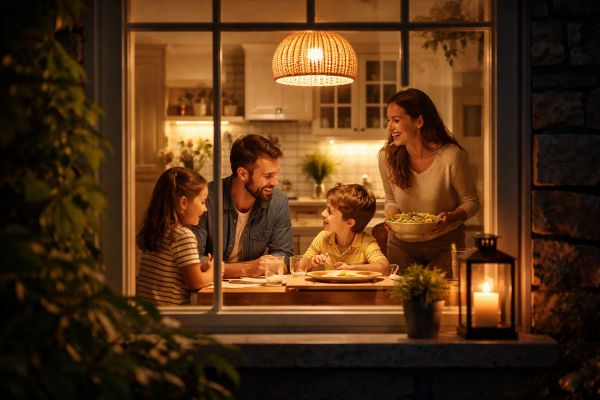
One-way mirror films only work when the exterior is significantly brighter than the interior. At night with interior lights on, the effect reverses—people outside can see in while you see your own reflection. This limitation surprises some homeowners who expect 24/7 privacy from reflective films.
Solutions: Combine window film with curtains or blinds for evening privacy. Alternatively, choose frosted or decorative privacy films that provide constant obscurity regardless of lighting conditions. For rooms requiring both heat control and nighttime privacy, plan for complementary shade solutions from the start.
Additional challenges include signal interference from metalized films (solved by choosing ceramic alternatives), HOA restrictions on reflective exteriors (solved by using low-reflectance films), and cleaning concerns (solved by using non-ammonia cleaners and soft cloths rather than abrasive materials).
Conclusion and Next Steps
Residential window tinting delivers measurable benefits: 15-35% cooling cost reduction, 99% UV protection to prevent fading, enhanced privacy during daylight hours, and improved comfort by eliminating glare and hot spots. Premium ceramic films achieve these results while maintaining natural light and view quality, with lifespans of 15-25 years and warranties to match.
Your immediate next steps:
- Assess your priorities — Identify which windows cause the most discomfort and whether heat rejection, privacy, or UV protection matters most in each room
- Measure your windows — Calculate approximate square footage to estimate costs using the price ranges provided
- Get quotes from 3 local installers — Professional assessment catches compatibility issues and provides accurate pricing for your specific glass types
- Verify warranty compatibility — Check with your window manufacturer before proceeding, especially for double-pane or low e windows
Related topics worth exploring include solar screens for exterior heat blocking, smart glass technology for switchable tinting, and exterior window treatments like awnings that complement film performance.
If you are comparing local providers, searching for window security film installation near me can help identify qualified installers and available service options in your area.
Frequently Asked Questions
How much does residential window tinting cost per square foot?
Pricing varies by film type and region. Budget dyed films typically run $3-$8 per square foot installed, mid-range metalized options $7-$12, and premium ceramic films $10-$15 or more. Security films range from $8-$20+ depending on thickness and features. A typical whole-home installation runs $1,500-$3,500 for quality film with professional installation.
Can window film be applied to double-pane windows safely?
Yes, but with important caveats. Use films specifically designed for insulated glass units—typically non-metallic, spectrally selective options that reflect rather than absorb heat. Professional installation is strongly recommended. Always verify that your window manufacturer’s warranty allows aftermarket film application, as many explicitly void coverage for seal failure potentially caused by thermal stress.
How long does professionally installed window film last?
Lifespan depends heavily on film type. Basic dyed films last 5-8 years before visible fading. Metalized films typically perform well for 10-20 years. Premium ceramic and spectrally selective films last 15-25 years, with many brands offering lifetime warranties on film performance. Proper maintenance extends life across all categories.
Will tinted windows affect my home’s resale value?
Quality window film typically has neutral to positive effects on resale value. Energy efficiency improvements, UV protection documentation, and professional installation appeal to buyers. However, damaged or visibly degraded film, reflective finishes that conflict with neighborhood aesthetics, or warranty complications could negatively impact value. Keep installation documentation and warranty information for potential buyers.
Can I install window film myself or should I hire professionals?
DIY installation works reasonably well for single-pane windows, smaller glass areas, and basic film types. The process is fairly easy to understand—clean glass, apply with a soapy water solution, squeegee out bubbles. However, professional installation is recommended for premium films, double-pane windows, large surfaces, and any application where warranty protection matters. While DIY can be an easy way to save money, poor installation leads to bubbles, peeling edges, and potential glass damage to nearby walls.
What maintenance is required for tinted windows?
Tinted windows require gentle cleaning with non-ammonia solutions and soft cloths. Avoid abrasive tools or harsh chemicals that can scratch or delaminate the film. Wait 30 days after installation before first cleaning to allow complete curing. Inspect edges periodically for lifting and address issues promptly. With proper care, quality film maintains clarity and performance for its full expected lifespan.
Do HOAs typically allow residential window tinting?
HOA policies vary significantly. Many restrict highly reflective or mirror-finish films due to exterior appearance concerns. Some limit tint darkness or prohibit certain colors. Before installation, review your HOA guidelines and submit film samples for approval if required. Non-metallic ceramic films with lower reflectance typically meet most HOA requirements while still providing excellent heat rejection.
How do I clean windows with film without damaging the tint?
Use a soft cloth or squeegee with a mild, non-ammonia cleaning solution. Commercial window cleaners containing ammonia can damage film coatings over time. A simple mix of gentle dish soap and water works well. Avoid abrasive pads, razor blades, or anything that could scratch the film surface. Clean in a pattern that minimizes streaking, and dry thoroughly to prevent water spots.