Table of Contents
- What Is Smart Window Film?
- Understanding Smart Window Film Technology
- Types and Applications of Smart Window Film
- Installation Methods and Control Options
- Common Challenges and Solutions
- Conclusion and Next Steps
- Frequently Asked Questions
What Is Smart Window Film?
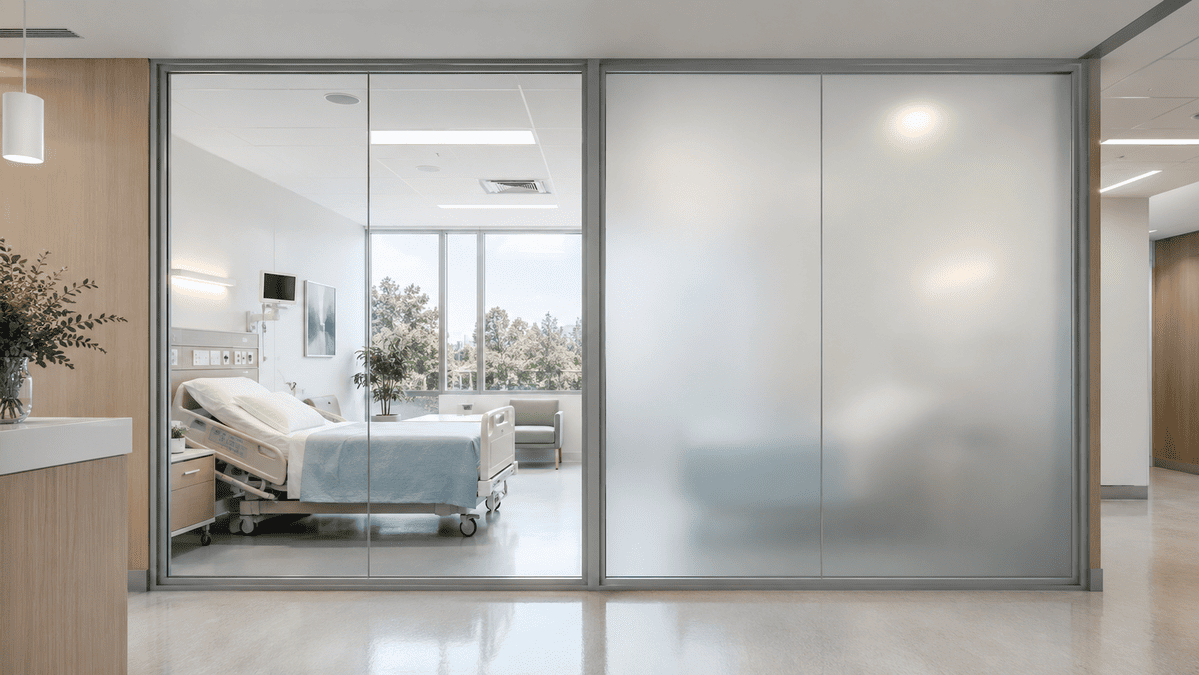
Smart window film is an electrically switchable material that transforms existing windows from transparent to frosted in milliseconds, delivering instant privacy and light control at the touch of a button. This amazing technology uses electrical current to align microscopic elements within the film, allowing you to instantly switch between an unobstructed view and complete privacy on demand.
This guide covers smart film applications across residential, commercial, and automotive settings—focusing on genuine smart film products that retrofit onto existing windows rather than basic static window tinting. The target audience includes homeowners seeking bathroom or home office privacy solutions, business owners upgrading conference room partitions, architects specifying energy efficient building materials, and facility managers looking to reduce solar heat gain while maintaining natural light. Smart window films are adhesive-backed materials that adjust the amount of light, glare, and solar heat entering a space, often in real time—making them increasingly relevant as energy codes tighten and privacy demands grow. Smart window films are often marketed as smart glass alternatives because they provide many of the same privacy and light-control benefits without replacing existing glazing.
Direct answer: Smart window film uses electrical current to instantly change from clear to frosted, providing on-demand privacy without blinds, curtains, or structural modifications to your glass surface.
By reading this guide, you will understand:
- The three primary smart film technology types and how each works
- Residential, commercial, and automotive applications for switchable film
- Installation methods including self-adhesive technology and professional options
- Control systems from optional wall switch setups to smart home automation systems
- Cost considerations, energy savings potential, and common challenges with solutions
Understanding Smart Window Film Technology
Smart window film is an electrically switchable privacy solution applied directly to smooth glass surfaces. Unlike static tinting, switchable smart film responds to electrical signals, changing its light transmission properties within fractions of a second. This core concept—electrical control of molecular or particle alignment—enables the ultimate privacy and energy efficiency that makes smart film technology valuable for homes, commercial spaces, and vehicles. Some smart film technologies are also supported by patents filed through the United States Patent and Trademark Office.
PDLC (Polymer Dispersed Liquid Crystal) Technology
Polymer dispersed liquid crystal (PDLC) film represents the most common smart film technology available today. This switchable film consists of liquid crystal droplets dispersed within a polymer matrix, sandwiched between two layers of conductive transparent material.
When voltage is applied, the liquid crystals align uniformly, allowing light to pass through and creating a transparent state with extreme clarity. When power is removed, the crystals scatter randomly, producing a frosted private appearance that blocks direct visibility. Polymer-dispersed liquid-crystal devices (PDLCs) can switch from a translucent to a transparent state when voltage is applied, allowing for adjustable light transmission. This instant switching—typically under 150 milliseconds—makes PDLC ideal for conference room privacy and bathroom applications where you need to instantly switch between open and private modes.
Smart films allow approximately two-thirds of natural light into a room even when opaque, maintaining comfortable illumination while delivering desired privacy. This balance between privacy and natural light distinguishes genuine smart tint from blackout solutions.
Electrochromic Technology
Electrochromic glass and film technology uses a different mechanism to achieve variable opacity. Rather than liquid crystals, electrochromic devices change light transmission properties in response to voltage through electrochemical reactions—typically involving ion insertion into tungsten oxide or similar materials.
Electrochromic devices can maintain their shade with little to no additional electrical signals, making them energy efficient for applications requiring sustained tinting. However, switching times range from tens of seconds to several minutes depending on panel size, making this technology better suited for façade applications and solar heat management rather than instant privacy needs.
The relationship between PDLC and electrochromic technologies comes down to speed versus sustained efficiency: PDLC delivers instant privacy, while electrochromic excels at gradual, maintained light control for energy savings in building envelopes.
Suspended Particle Technology
Suspended-particle devices (SPDs) use a thin film of nano-scale particles suspended in a liquid, which align to allow light to pass when voltage is applied. This enables precise control over light and glare with variable tinting levels rather than simple on/off states.
SPD technology filters up to 99% of harmful UV rays and offers excellent solar heat rejection across all tinting levels. This makes SPD particularly valuable for skylights, automotive sunroofs, and exterior applications where easily variably controlled light transmission matters more than complete opacity.
Understanding these three technologies helps you select the right solution: PDLC for instant privacy, electrochromic for energy-focused façade control, and SPD for variable light management. Each serves specific applications that we’ll explore next.
Types and Applications of Smart Window Film
With the technology foundation established, practical applications demonstrate how smart film solves real-world privacy and energy challenges across residential, commercial, and automotive environments.
Residential Smart Window Film
Bathroom privacy represents the most popular residential application for smart window film. Window privacy film applied to shower enclosures and bathroom windows allows homeowners to enjoy natural light while maintaining instant privacy—eliminating the need for blinds that collect moisture and mold.
Home offices and residential conference rooms benefit from switchable smart glass partitions that transform spaces from open to private for video calls or focused work. Many homeowners also choose switchable smart film when they want similar functionality without replacing existing glass. Smart window film can be installed using a peel-and-stick application method, allowing for easy installation on any smooth glass surface without permanent modifications.
Energy savings drive many residential installations. Solar window films can reduce energy usage by 20–30% in residential and commercial settings by managing how much solar heat enters living spaces. Energy-efficient smart films can significantly lower utility bills by filtering UV rays and reducing solar heat gain up to 30%. Smart window films can block over 98% of harmful UV rays while providing instant privacy, protecting both occupants and furnishings from sun damage.
Commercial Smart Window Film
Conference room applications showcase smart film’s commercial value. Glass partition walls equipped with architectural window film and genuine smart film create open, collaborative environments that transform into private meeting spaces instantly.
The transparent state maintains visual connection across office floors while delivering ultimate privacy when sensitive discussions require it.
Healthcare facilities use smart window film for patient privacy in exam rooms and treatment areas. Local providers such as security and privacy window film specialists can support healthcare and commercial projects.
The installation process for smart window film typically requires no construction and can be completed without professional help, making it a convenient option for retrofitting existing medical office glass without disrupting operations.
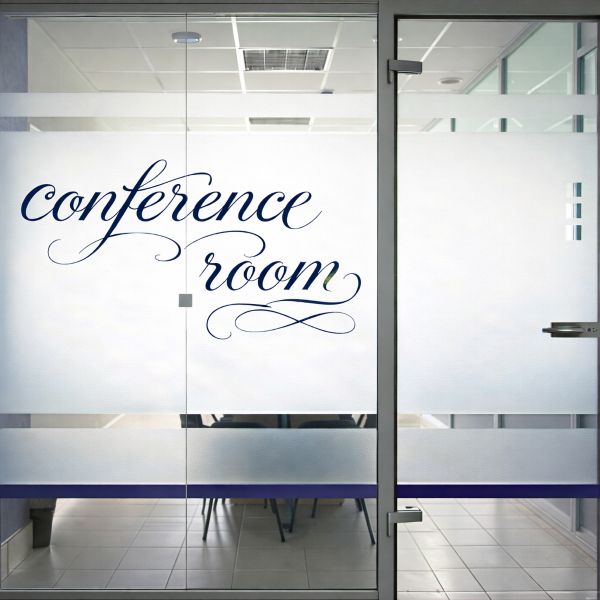
Retail storefronts leverage privacy and decorative window film and switchable film for dynamic displays and after-hours privacy. Production companies and countless movie sets use smart film for projection surfaces that double as windows. Museums world wide protect priceless artwork from harmful UV rays while maintaining visitor sightlines using this technology.
Automotive Smart Window Film
Vehicle applications include electric window tinting for privacy and comfort. Luxury vehicles integrate smart tint with existing control systems, allowing occupants to adjust window opacity from interior controls.
RV and camper applications provide mobile privacy for living spaces. Transitional window films improve efficiency in buildings by actively managing thermal load and providing insulation—the same principle applies to mobile environments where climate control directly impacts fuel consumption.
Automotive installations must handle vibration, temperature extremes, and regulatory requirements for minimum light transmission on driver-side windows. Professional installation ensures compliance while delivering the privacy and solar heat reduction that makes smart film valuable for transportation applications.
Installation Methods and Control Options
Understanding applications leads naturally to implementation. Whether you’re planning a DIY retrofit or coordinating with a dedicated project manager for a commercial project scope, knowing installation procedures and control options ensures maximum performance from your smart film investment.
Installation Procedures
Smart window film installation follows a systematic process regardless of scale, similar to professional window film installation services:
- Surface preparation and cleaning: The glass surface must be completely clean and free of scratches, oils, or debris. Removal of existing film and thorough cleaning with appropriate solutions creates the foundation for successful adhesion. Smart window films are designed to be easily removable without leaving any sticky residue, which simplifies future removal if needed.
- Film application and adhesive bonding: Self-adhesive technology allows peel-and-stick application for many smart film products. Wet application methods permit repositioning during installation. Professional installers use squeegees to eliminate air bubbles and ensure complete contact between the adhesive technology layer and glass.
- Electrical connection and wiring: Smart window films require electrical wiring for installation, which may necessitate professional help. Wire locations must be planned during initial measurements, with connections routed through window frames or hidden channels. Power supply specifications—typically 60-110V AC for PDLC—must match the film requirements exactly.
- Testing and quality control: Final verification confirms uniform switching across the entire film surface, proper adhesion at edges, correct power draw, and expected light transmission in both states. Industry leading warranty coverage depends on proper installation documentation. Manufacturers may also provide technical product details covering electrical requirements, performance ratings, and installation specifications.
Shop drawings showing wire locations and final measurements help engineering teams coordinate electrical requirements before final manufacturing of custom-manufactured film panels.
Control System Comparison
Multiple developed power control options exist for smart film systems. Your choice affects installation complexity, cost, and daily convenience:
| Control Method | Installation Complexity | Cost | Convenience | Compatibility |
|---|---|---|---|---|
| Optional wall switch | Low—basic wiring to power supply | Low | Immediate manual control | Universal compatibility |
| Remote control | Medium—requires receiver module | Moderate | Distance operation, flexibility | Specific receiver requirements |
| Smartphone app (Wi-Fi/Bluetooth) | Higher—network integration needed | Higher upfront | Scheduling, multi-panel coordination | Protocol-dependent |
| Voice control (Alexa/Google/HomeKit) | Similar to app—may need bridge | Similar | Hands-free, smart home integration | Third party control systems compatibility varies |
| Smart home automation systems integration allows scenes where smart film activates alongside lighting scenario adjustments. Party control systems for events can coordinate multiple panels through networked controllers. Third party control systems offer flexibility but require verification of protocol compatibility. |
For larger installations, syncing multiple panels requires properly sized power supplies to avoid voltage drop. The comprehensive online database maintained by industry leaders worldwide helps installers specify correct components for any project’s specifications. Some manufacturers maintain the most comprehensive online database for compatibility verification.
Common Challenges and Solutions
Even with proper planning, smart film installations can encounter issues. Understanding common challenges and solutions ensures your install system performs correctly.
Power Supply Issues
Voltage compatibility causes many switching problems. PDLC films require specific input voltage—using incorrect transformers results in partial switching, flickering, or damage. Solution: Verify power supply specifications match film requirements exactly. Use only UL-listed components rated for your total square footage and power draw. Proprietary smart cling products often require manufacturer-specified power supplies for warranty coverage.
Typical power consumption runs 3-5 watts per square foot when PDLC maintains its transparent state. The upfront investment for smart window film is significantly higher than that for traditional blinds or curtains, but ongoing electrical costs remain modest for most residential applications, especially when combined with professional privacy window film solutions that optimize energy performance.
Air Bubbles During Installation
Air bubbles compromise both appearance and performance. Prevention requires thoroughly wet substrates during application and clean installation environments.
Remove bubbles by working from center toward edges with proper squeegee technique during installation. Small bubbles may dissipate over several days; large bubbles require reapplication of affected sections.
Smart films can experience optical haze or distortion when viewed from certain angles even in their clear state—don’t confuse normal optical characteristics with installation defects.
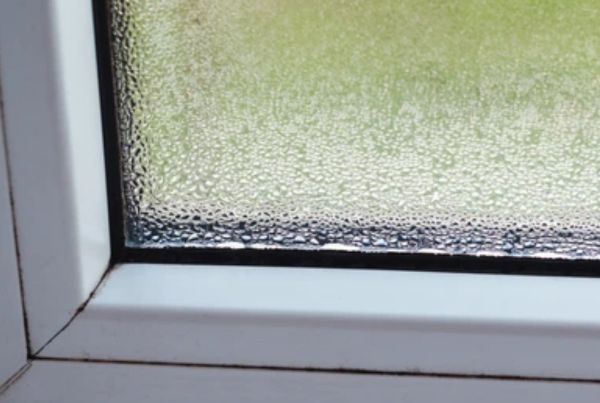
Uneven Switching Performance
Partial opacity or delayed switching indicates electrical distribution problems. Causes include wiring too far from film edges, voltage drop across large panels, or damaged conductive layers.
Solution: Check all electrical connections for continuity. Ensure power supply capacity matches total load. For large installations, distribute bus bars evenly across film surfaces. Many smart films act as an extra thermal barrier, helping to lower heating demand in winter—but installation errors that create switching inconsistencies also reduce these energy efficiency benefits. Partnering with experienced window tinting professionals helps ensure films are specified and installed for maximum performance.
Proper installation by a talented team following manufacturer specifications prevents most performance issues. When problems occur, a dedicated project manager can coordinate between engineering time requirements and field corrections.
Conclusion and Next Steps
Smart window film delivers privacy on demand, energy savings, and UV protection through electrically switchable technology that retrofits existing windows without construction. Whether you choose PDLC for instant privacy, electrochromic for sustained tinting, or SPD for variable light control, smart film technology transforms how buildings manage light, heat, and visibility.
The use of smart window films can lead to energy savings by controlling the amount of sunlight that enters a building, thus reducing the need for air conditioning. Solar heat gain can be reduced by up to 78% by smart window films during hot weather, while smart films can reduce solar heat gain by up to 50%, contributing to energy savings in heating and cooling costs year-round.
Immediate next steps:
- Measure your windows and calculate total square footage for accurate quotes
- Request a sample kit from manufacturers to evaluate transparency and opacity in your specific lighting scenario
- Determine control preferences—optional wall switch for simplicity or smart home integration for automation
- Obtain quotes from professionally installed options and compare with DIY self adhesive products
- Verify electrical capacity and plan wire locations before ordering custom manufactured panels
Related topics worth exploring include electrochromic glass panels for new construction, automated building management systems that integrate with switchable film, and energy efficient retrofit packages combining smart film with other envelope improvements.
Frequently Asked Questions
How much electricity does smart window film use daily?
PDLC smart film typically draws 3-5 watts per square foot when maintaining its transparent state, with near-zero consumption in the opaque/off state. For a 20 square foot window kept transparent 8 hours daily, expect approximately 0.5-0.8 kWh daily—roughly $0.05-0.10 depending on local electricity rates. Passive smart films react automatically to external heat or UV light without requiring electricity, eliminating ongoing power costs entirely.
Can smart window film be removed without damaging windows?
Smart window films remove easily without leaving sticky residue, simplifying installation and future removal. However, installers must handle tempered glass carefully to avoid scratches during removal. For large installations or premium glass, professionals should remove the film to prevent damage. In some cases, cleaners must use specific solvents to remove any remaining adhesive residue completely.
What is the lifespan of smart window film installations?
Warranties typically range from 5-10 years, with high-end products offering industry leading warranty coverage up to 15 years. Actual lifespan depends on UV exposure, temperature conditions, installation quality, and usage patterns. Edge seals and adhesive layers typically degrade before switching elements. Smart window films do not collect dust, allergens, or bacteria and only require minimal maintenance, which extends functional lifespan.
Does smart window film work in extreme temperatures?
Most smart films are rated for -20°C to +80°C operating temperatures. Extreme cold reduces film flexibility during installation and may slow switching response. Extreme heat can stress adhesive bonds and accelerate yellowing. Automotive and exterior applications require films specifically rated for temperature extremes. Interior applications in climate-controlled environments face fewer temperature challenges.
Can multiple film panels be controlled simultaneously?
Yes—panels can be wired in parallel to single controllers or networked through smart home automation systems for coordinated operation. Large installations require properly sized power supplies to prevent voltage drop across multiple panels. Remote control options and smartphone apps enable zone control for different areas. Video shows of completed projects demonstrate multi-panel coordination in commercial spaces.
Is smart window film compatible with existing smart home systems?
Many smart film products integrate with Alexa, Google Home, Apple HomeKit, and other platforms through Wi-Fi, Zigbee, or Z-Wave protocols. Third party control systems may require bridge devices for communication. Verify protocol compatibility before purchasing—the most comprehensive online database resources from industry leaders help identify compatible combinations. Some manufacturers offer proprietary smart cling systems with guaranteed integration.
What maintenance is required for smart window film?
Smart window films require minimal maintenance: periodic cleaning with non-abrasive materials, inspection of edge seals for moisture intrusion, and verification of electrical connections. Avoid harsh chemicals that can damage conductive layers. Smart window films do not collect dust, allergens, or bacteria and only require minimal maintenance compared to traditional window treatments. Annual inspection of power supply components ensures continued maximum performance.
How does smart window film compare to traditional blinds for energy savings?
Smart film offers comparable or superior solar heat rejection without the physical space, dust collection, or mechanical wear of blinds. Smart window films can block over 98% of harmful UV rays, providing significant protection for interiors and occupants—similar to quality blinds. Energy savings of 20-30% from reduced HVAC load often offset higher upfront costs over time. However, blinds offer complete blackout capability and adjustable light angles that smart film cannot match. USA direct manufacture options increasingly compete on cost with premium blind systems while delivering superior energy efficiency through their ability to reject solar heat while maintaining natural light.