- The Unseen Liability: Why Your Clinic’s Windows May Be a HIPAA Violation
- Decoding Visual Privacy: Understanding HIPAA’s Requirements for Medical Facilities
- The Modern Solution: A Guide to HIPAA Compliant Window Film for Healthcare
- Beyond Compliance: The Compounding Benefits of Privacy Film in a Clinical Setting
- Choosing the Right Privacy Solution for Every Area of Your Practice
- How CoolVu Ensures a Compliant, Professional, and Seamless Installation
- Conclusion: Securing Patient Trust and Future-Proofing Your Practice
- Frequently Asked Questions
The Unseen Liability: Why Your Clinic’s Windows May Be a HIPAA Violation
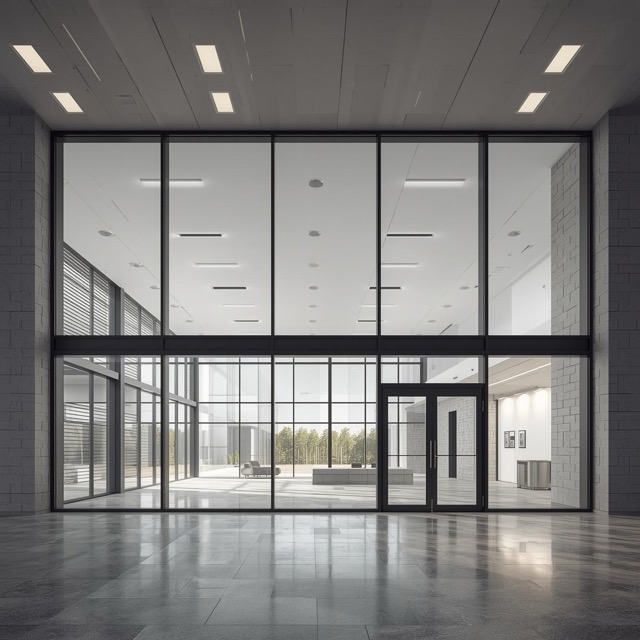

As a medical practice manager or owner, you are deeply committed to patient confidentiality. You have invested in secure electronic health records and trained your staff on the intricacies of the Health Insurance Portability and Accountability Act (HIPAA). Yet, one of the most significant compliance risks in your facility may be something you look through every day: your windows.
Are Traditional Blinds and Curtains Putting Your Practice at Risk?
Traditional window coverings like blinds and curtains seem like a straightforward solution for privacy. In a healthcare setting, however, they represent a significant and often overlooked liability. These solutions are fundamentally unreliable, depending entirely on staff members remembering to close them correctly every time. A slightly angled slat, a drawn-back curtain, or a forgotten window can easily lead to an accidental privacy breach.
Furthermore, these coverings are notoriously difficult to clean and sanitize, accumulating dust, germs, and pathogens. In an environment where hygiene is paramount, they can compromise infection control protocols. Their inherent fragility, with cords that break and slats that bend, means they often fail to provide the consistent visual barrier required to protect patient privacy and ensure compliance.
The Critical Link Between Visual Privacy and Patient Confidentiality
Patient confidentiality extends far beyond digital records. It encompasses the entire patient experience, and visual privacy is a foundational component of that trust. The moment a patient enters your facility, they should feel they are in a secure and private environment.
An unintentional glimpse of a patient in an examination room, a view of a sensitive conversation in a consultation office, or even a passerby seeing a patient’s name on a check-in monitor constitutes a potential HIPAA violation. Protecting confidentiality means controlling the visual environment just as rigorously as you control access to digital files.
How Exposed Glass in Waiting Rooms and Corridors Undermines Patient Trust
While not always a direct HIPAA violation, large panes of untreated glass in public-facing areas can erode the very trust you work so hard to build. Patients in a waiting room who feel exposed to the street or a busy hallway may experience heightened anxiety. This feeling of being “on display” can undermine their perception of your practice’s professionalism and its commitment to their well-being.
A modern medical facility should be a sanctuary where patients feel safe and protected. The architectural choices you make, including how you manage glass and light, send a powerful message about the value you place on their comfort and privacy.
The High Cost of a Privacy Breach: Financial and Reputational Damage
A visual privacy breach is not a minor infraction. The consequences can be severe, impacting your practice on multiple fronts. The Office for Civil Rights (OCR) enforces HIPAA regulations strictly, and penalties for non-compliance are substantial, scaling with the level of negligence.
The potential costs of a single breach include:
- Significant Financial Penalties: Fines can range from a few hundred dollars to millions, depending on the severity and number of patients affected.
- Corrective Action Plans: The OCR can impose mandatory, costly, and time-consuming audits and facility upgrades.
- Reputational Ruin: News of a privacy breach spreads quickly, destroying patient trust and driving potential clients to competitors.
- Loss of Patient Confidence: Existing patients may leave the practice, leading to a direct and sustained loss of revenue.
Decoding Visual Privacy: Understanding HIPAA’s Requirements for Medical Facilities
Navigating HIPAA’s requirements for the physical environment can be challenging, but a clear understanding is essential for compliance. The regulations are designed to be flexible, but this flexibility demands a proactive and thoughtful approach to facility design and management.
What HIPAA’s “Reasonable Safeguards” Mean for Your Windows and Glass Partitions
The HIPAA Privacy Rule requires covered entities to implement “reasonable safeguards” to protect Protected Health Information (PHI) from accidental disclosure. For your facility’s windows and glass partitions, this means you must take practical steps to prevent unauthorized viewing of patients or their information.
The term “reasonable” implies that the solution should be effective without creating an undue burden. Relying on a staff member to remember to close a set of blinds, which can be easily forgotten during a busy day, may not be considered a consistently reasonable safeguard. The rule compels practice managers to seek reliable, passive solutions that do not depend on constant human intervention.
Protecting PHI (Protected Health Information) from Accidental Visual Exposure
It is a common misconception that PHI only refers to written charts or digital files. Under HIPAA, any individually identifiable health information is considered PHI. In a visual context, this can include:
- A view of a patient during an examination or procedure.
- A patient’s name is visible on a check-in screen or a whiteboard.
- A patient is being interviewed at a reception desk visible from outside.
- The presence of a patient in a specialist’s office, which could imply a specific diagnosis.
Any instance where this information can be seen by someone without a legitimate need-to-know is an accidental disclosure and a potential HIPAA violation.
Key Areas of Concern: From Examination Rooms to Front Desk Reception
To ensure compliance, you must assess all areas of your facility where PHI could be visually exposed. A thorough audit should evaluate sightlines from both outside the building and within public or semi-public interior spaces.
Key areas demanding robust privacy solutions include:
- Exterior-Facing Windows: Examination rooms, consultation offices, and administrative areas with sensitive information.
- Reception and Waiting Areas: Windows facing sidewalks or parking lots where check-in screens or patient forms might be visible.
- Interior Glass Walls: Partitions separating patient corridors from administrative workstations or consultation rooms.
- Doorway Sidelights: Glass panels next to doors of sensitive areas like labs, billing offices, or therapy rooms.
Avoiding Common Violations in Healthcare Facility Design
Many common HIPAA violations related to visual privacy stem from facility design flaws. These mistakes are often unintentional but can leave a practice vulnerable to significant risk. Common errors include over-reliance on curtains that leave gaps, specifying blinds that are difficult to sanitize, and failing to consider how sightlines change throughout the day as lighting conditions shift. A proactive strategy involves choosing privacy solutions that are permanent, complete, and do not rely on daily staff action to be effective.
The Modern Solution: A Guide to HIPAA Compliant Window Film for Healthcare
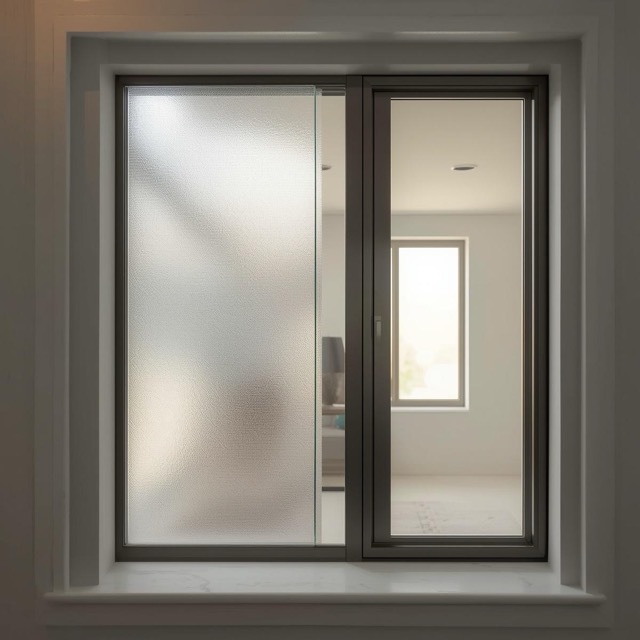
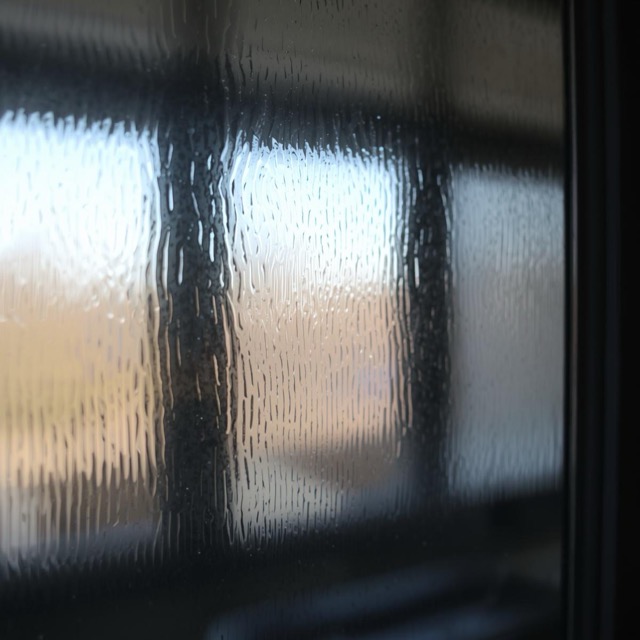
Transitioning from outdated window coverings to a modern privacy solution is a critical step in securing your practice. Advanced window films offer a diverse range of options, each tailored to solve specific privacy challenges within a healthcare facility, ensuring you can protect patient information without compromise.
Understanding Frosted and Decorative Window Films for Total Privacy
For internal glass, such as in consultation rooms, administrative offices, and conference areas, achieving total visual obstruction is paramount. Frosted and decorative window films are the definitive solution for these applications. These films are applied directly to existing glass, instantly transforming a clear pane into a private surface that blocks views from both sides while still allowing soft, diffused light to pass through.
Unlike a drawn curtain, which can be partially opened, these films provide consistent, reliable privacy. They are available in a spectrum of opacities and designs, from a simple, elegant frost that mimics the look of etched glass to custom patterns like gradient fades or opaque bands. This versatility allows you to dial in the exact level of privacy required for each space, ensuring patient consultations and sensitive administrative work remain completely confidential.
Exploring One-Way Mirror and Reflective Films for External-Facing Windows
Exterior windows present a unique challenge: the need for privacy from the outside without sacrificing the view and natural light for those inside. For ground-floor exam rooms, patient lounges, or offices facing public areas, one-way mirror and reflective films provide an effective daytime privacy solution.
These films operate on a light differential. During the day, the brighter exterior causes the film to appear as a reflective mirror to anyone looking in, while staff and patients inside can see out clearly. It is important to note that this effect reverses at night when interior lights are on and it is dark outside. For rooms used after dark, this solution is best paired with traditional blinds, or is ideally suited for spaces that only see daytime use.
The Role of Custom-Branded Films in Enhancing Professionalism and Privacy
Privacy solutions should not only be functional but also enhance your facility’s professional identity. Custom-branded films achieve this by integrating your practice’s logo, name, or other design elements directly into the privacy film. This transforms a simple glass partition or entryway into a sophisticated branding opportunity.
Imagine your clinic’s logo subtly cut from a frosted film on a glass conference room wall, or the names of practitioners elegantly displayed on their office doors. This dual-function approach provides the necessary visual barrier to comply with HIPAA regulations while simultaneously reinforcing your brand and projecting an image of established professionalism that builds patient trust from the moment they arrive.
Technical Specifications: What to Look for in a Medical-Grade Window Film
Not all window films are suitable for the demanding environment of a healthcare facility. When selecting a product, it is crucial to verify that it meets specific technical standards to ensure longevity, safety, and compliance.
- Durability and Scratch Resistance: The film must have a strong, scratch-resistant coating to withstand daily wear and tear from equipment, carts, and frequent cleaning without showing damage.
- Cleanability: Ensure the film is non-porous and can tolerate hospital-grade disinfectants and cleaning agents. This is essential for maintaining proper infection control protocols.
- Adhesive Quality: A high-quality adhesive prevents peeling, bubbling, or delamination, ensuring a seamless appearance for years. It should also allow for clean, residue-free removal if the space is ever reconfigured.
- Opacity and Light Transmission: The film’s specification sheet will list its Visual Light Transmission (VLT). A lower VLT number indicates higher opacity and greater privacy. Match the VLT to the specific privacy needs of each room.
Beyond Compliance: The Compounding Benefits of Privacy Film in a Clinical Setting
While meeting HIPAA requirements is the primary driver for upgrading privacy, advanced window films deliver a host of additional benefits that improve the clinical environment for patients and staff alike. These compounding advantages make film a superior investment compared to traditional window coverings.
Enhancing Hygiene: The Superior Cleanliness of Film vs. Dust-Trapping Blinds
In any healthcare setting, infection control is a top priority. Traditional window blinds and curtains, with their numerous slats, cords, and porous fabrics, are notorious for collecting dust, allergens, and dangerous pathogens. They are exceptionally difficult and time-consuming to disinfect properly.
Window film, in contrast, presents a smooth, non-porous surface. It can be quickly and effectively cleaned and disinfected as part of standard surface sanitation protocols, just like the glass itself. This fundamental difference makes window film the overwhelmingly superior choice for maintaining a hygienic environment and reducing the risk of healthcare-associated infections.
Maximizing Natural Light While Maintaining Complete Patient Confidentiality
Securing privacy should not require plunging a room into darkness. Frosted and decorative films are engineered to obscure the view while diffusing up to 90% of natural light. This floods the interior with soft, usable light, reducing the need for harsh, energy-intensive artificial lighting. Studies have shown that exposure to natural light can improve patient mood, reduce stress, and enhance staff well-being, making it a valuable component of a positive and healing environment.
Projecting a Modern, Professional Aesthetic that Inspires Confidence
The physical appearance of your practice is the first thing a patient assesses. Dated, dusty, or broken blinds can create an impression of neglect, subtly eroding patient confidence in the quality of care. Window film provides a clean, sleek, and contemporary aesthetic that signals professionalism and attention to detail. This modern look aligns with the cutting-edge care you provide, helping to build trust and assure patients they are in a capable, well-managed facility.
Improving Energy Efficiency and Reducing Glare for Staff and Patients
Many privacy films also incorporate solar control technology. These films can reject a significant percentage of solar heat, preventing treatment rooms and waiting areas from becoming uncomfortably warm. This reduces the load on your HVAC system, leading to tangible energy savings. Furthermore, these films effectively cut down on glare, increasing comfort for patients and improving visibility of computer and diagnostic screens for staff, thereby reducing eye strain and boosting productivity.
Choosing the Right Privacy Solution for Every Area of Your Practice
A medical facility is not a monolith. The privacy, lighting, and aesthetic requirements change from the front door to the back office. Adopting a one-size-fits-all approach to privacy is a common mistake that can compromise patient confidentiality or create an unwelcoming environment. A strategic, room-by-room assessment is the only way to ensure your window solutions are fully compliant, functional, and aligned with your practice’s professional standards.
Assessing Privacy Needs: Waiting Rooms vs. Consultation Offices vs. Exam Rooms
The level of privacy required is directly proportional to the sensitivity of the activities performed within a space. A nuanced strategy recognizes this hierarchy of needs.
- Waiting Rooms: The primary goal here is to create a welcoming atmosphere while preventing casual observation from the outside. One-way privacy films are an excellent choice, allowing patients inside to see out while presenting a neutral, reflective, or frosted appearance to passersby. This maintains natural light and a sense of openness without sacrificing discretion.
- Consultation Offices: In these spaces, conversations about sensitive patient information occur. Full visual privacy is essential. Decorative frosted films or gradient films are ideal, as they completely obscure sightlines while still allowing a significant amount of soft, diffused light to pass through. This ensures conversations and documents remain confidential without making the office feel dark or confined.
- Exam Rooms: This is the most critical area for HIPAA compliance, requiring absolute and unambiguous privacy. Opaque or fully frosted blackout films are the standard. There can be no gaps, and the film must ensure that no silhouettes or shadows are visible from the outside, even at night with the lights on. This non-negotiable level of privacy is fundamental to patient trust and legal compliance.
Balancing Aesthetics, Light Transmission, and Privacy Levels for Optimal Results
Modern privacy films offer a sophisticated toolkit for controlling the environment of your practice. You are no longer forced to choose between privacy and a bright, modern facility. The key is to understand the interplay between three critical factors.
Visible Light Transmission, or VLT, is a measurement indicating how much light a film allows to pass through. A lower VLT number means less light and, often, greater privacy. However, a completely opaque film is not always necessary or desirable.
By strategically selecting films with different VLT ratings and finishes, you can tailor the atmosphere of each room. For example, a consultation office might use a decorative film with a 50% VLT to maintain a bright, airy feel, while an adjacent exam room uses a 5% VLT film for maximum privacy. This balance ensures patient comfort and confidentiality are addressed without resorting to the harsh, sterile environments of the past.
Key Questions to Ask When Evaluating Privacy Window Film Options
Choosing the right partner and product involves asking incisive questions that go beyond the surface. A true expert will have confident, clear answers that demonstrate their understanding of the healthcare environment.
- What specific films do you recommend for achieving full HIPAA-compliant privacy in exam rooms?
- How will this film affect the amount of natural light in our waiting area and offices?
- What is the cleaning and maintenance protocol for these films to ensure we meet clinical hygiene standards?
- Can the films be customized with our practice logo or other branding elements?
- What is the expected lifespan of the film, and what kind of warranty do you provide on both the material and the installation?
- Does the film offer secondary benefits like UV radiation blocking, glare reduction, or improved energy efficiency?
Integrating Window Solutions into Your Overall Facility Design Strategy
Window films should not be an afterthought but a core component of your facility’s interior design. When planned correctly, they can unify the aesthetic of your practice, reinforce your brand, and enhance the patient experience from the moment someone arrives.
Consider using a consistent family of films, such as a specific frosted pattern or gradient style, throughout the facility. This creates a cohesive, professional look that communicates attention to detail. In reception areas, custom-cut logos and lettering can transform a simple glass partition into a powerful branding statement. By viewing window films as a design tool, you can elevate your practice beyond a purely clinical space into one that feels modern, thoughtful, and secure.
How CoolVu Ensures a Compliant, Professional, and Seamless Installation
Selecting the right privacy film is only half the battle. The quality of the installation is what ultimately determines the solution’s effectiveness, longevity, and professional appearance. A flawed application with bubbles, peels, or gaps not only looks unprofessional but can create vulnerabilities that compromise privacy and nullify your compliance efforts. This is why partnering with a certified expert is not a luxury, but a necessity.
The Importance of a Professional Consultation to Identify Privacy Vulnerabilities
An experienced professional sees your facility differently. During a consultation, a CoolVu expert will conduct a thorough assessment to identify potential privacy risks that are often overlooked. This includes analyzing sightlines from adjacent buildings, parking lots, and public walkways. We check for unexpected reflections on interior glass that could inadvertently expose patient information on a computer screen. This meticulous, proactive approach ensures that every potential vulnerability is identified and addressed before the first piece of film is ever cut.
Our Proven Process: From Design and Material Selection to Flawless Execution
Our process is built on a foundation of precision, communication, and expertise, ensuring a result that meets the exacting standards of the healthcare industry. We move methodically from initial assessment to final review, keeping your team informed at every stage.
First, we consult with you to understand your specific operational needs, patient flow, and compliance requirements. Then, we recommend specific film solutions tailored to each area of your practice, providing samples and detailed explanations. Finally, our certified installers perform a meticulous, clean, and efficient application, ensuring a flawless finish that is durable, easy to maintain, and completely free of imperfections.
Leveraging Three Decades of Industry Experience for Healthcare Environments
With over 30 years of leadership in the window film industry, CoolVu brings an unparalleled depth of knowledge to every project. We understand the unique challenges of healthcare settings, from the need for materials that withstand rigorous cleaning protocols to the critical importance of working around patient schedules. Our extensive experience means we can anticipate challenges, recommend the most effective and durable products, and execute installations with minimal disruption to your practice.
Partnering with a Certified Expert for Long-Term Peace of Mind
Your investment in patient privacy and facility professionalism deserves to be protected. By partnering with CoolVu, you are not just purchasing a product; you are gaining a long-term partner dedicated to your facility’s compliance and success. Our work is backed by robust manufacturer warranties and our own guarantee of quality installation. This provides you with lasting peace of mind, knowing that your privacy solution was implemented correctly by certified experts and will continue to perform for years to come.
Conclusion: Securing Patient Trust and Future-Proofing Your Practice
The physical environment of your medical practice speaks volumes about your commitment to patient care and confidentiality. In an era of heightened patient awareness and stringent regulatory oversight, every detail matters. Choosing the right window solution is no longer a matter of simple decoration, but a critical decision that impacts compliance, hygiene, and the trust you build with those you serve.
Recapping the Argument: Why Advanced Film Outperforms Traditional Coverings
Throughout this discussion, the evidence has pointed to a clear conclusion. Traditional window coverings like blinds and curtains, once the default choice, now represent a significant liability for the modern medical facility. Their slatted or porous designs are notoriously difficult to clean, creating a potential reservoir for pathogens. More critically, they are prone to damage and user error, which can easily lead to gaps in visual privacy and unintentional HIPAA breaches.
In contrast, advanced privacy window films are engineered specifically to overcome these deficiencies. A single, seamless application to existing glass creates an impassable visual barrier, guaranteeing privacy without relying on mechanical parts that can fail or be misused. The non-porous surface is simple to sanitize using standard medical-grade disinfectants, directly supporting your infection control protocols. This makes privacy film not just an alternative, but the superior and logically necessary solution for today’s healthcare environment.
Key Takeaways for Medical Practice Managers and Owners
As you evaluate the privacy and hygiene standards of your facility, consider these essential points. They distill the core advantages of transitioning to a modern window film solution.
- HIPAA Compliance is Simplified: Privacy films provide consistent, 24/7 privacy. This eliminates the risk of an employee forgetting to close blinds or a patient accidentally exposing a sensitive area, helping to satisfy the “reasonable safeguards” requirement of the HIPAA Security Rule.
- Infection Control is Enhanced: The smooth, non-porous surface of window film does not harbor dust, allergens, or pathogens like traditional fabric curtains or complex plastic blinds. It integrates seamlessly into your standard surface cleaning and disinfection procedures.
- Patient Confidence is Strengthened: A clean, modern, and visibly private environment reassures patients that their confidentiality and well-being are your top priorities. This professional aesthetic enhances their overall experience and trust in your practice.
- Operational Durability and Cost-Effectiveness: Unlike blinds that break or curtains that require laundering, high-quality window film is a durable, one-time installation. It offers a long-term solution that reduces maintenance costs and the need for frequent replacement.
Next Steps: How to Schedule a Professional Privacy Assessment for Your Facility
Understanding how these solutions apply to your unique space is the crucial next step. A professional privacy assessment is the most effective way to identify vulnerabilities and discover the most appropriate and compliant options for your medical office.
We invite you to schedule a no-obligation consultation with a CoolVu expert. During this assessment, a trained professional will visit your facility to evaluate your specific needs, from reception areas and consultation rooms to patient bays and administrative offices. We will analyze your existing glass, discuss your specific privacy and aesthetic goals, and provide a clear, detailed recommendation tailored to ensure your practice meets the highest standards of patient confidentiality and professional presentation. Contact us today to secure your facility and protect your patients’ trust.
Conclusion: Securing Patient Trust and Future-Proofing Your Practice
The landscape of healthcare demands constant adaptation, not only in medical technology but also in the physical environment where care is delivered. Ensuring patient privacy is no longer a matter of simple discretion. It is a legal and ethical mandate, central to the trust that forms the foundation of the patient-provider relationship. Choosing the right solution for your facility’s windows is a critical decision that impacts compliance, hygiene, and the perception of your practice.
Recapping the Argument: Why Advanced Film Outperforms Traditional Coverings
The central argument is clear. Traditional window coverings like blinds and curtains, once the standard, now represent a tangible liability for modern medical facilities. Their tendency to collect dust and pathogens undermines stringent hygiene protocols, and their mechanical nature creates opportunities for privacy breaches through gaps, damage, or improper use. These solutions are simply not engineered for the rigorous demands of today’s healthcare environment.
Advanced privacy window film, in contrast, offers a comprehensive and modern solution. It provides complete and consistent visual privacy, directly addressing the “reasonable safeguards” requirement of HIPAA. The smooth, non-porous surface integrates seamlessly into disinfection routines, promoting a healthier space for patients and staff. Aesthetically, it projects a clean, professional image that enhances patient confidence and modernizes your facility, proving it is the superior choice for any practice committed to excellence.
Key Takeaways for Medical Practice Managers and Owners
For busy decision-makers, the advantages of transitioning to privacy window film can be distilled into several key points. Consider these as you evaluate the needs of your facility.
- Compliance is not a variable. Privacy film provides a static, reliable barrier that eliminates the risk of human error or mechanical failure associated with blinds, offering a more robust approach to HIPAA compliance.
- Hygiene is non-negotiable. The ease of cleaning and sterilizing window film surfaces directly supports infection control protocols, a critical advantage over dust and germ-harboring traditional blinds.
- Patient perception builds your reputation. A modern, clean, and private environment communicates professionalism and a commitment to patient welfare, which can be a significant differentiator for your practice.
- Long-term value outweighs initial cost. With superior durability and no moving parts to maintain or replace, privacy window film is a cost-effective investment that protects your practice from regulatory risks and operational headaches for years to come.
Next Steps: How to Schedule a Professional Privacy Assessment for Your Facility
Understanding the need for enhanced privacy is the first step. The next is to develop a tailored plan that effectively addresses your facility’s specific vulnerabilities. We recommend a professional privacy assessment to help you navigate this process with confidence.
An assessment is a consultative service designed to identify areas where patient privacy may be at risk. A specialist will visit your location to evaluate exam rooms, waiting areas, administrative offices, and any other glass-enclosed spaces. They will discuss your operational needs, aesthetic preferences, and compliance concerns. Following the evaluation, you will receive a professional recommendation that outlines the most effective privacy film solutions for your practice, ensuring you can make an informed decision that secures patient trust and future-proofs your facility.
Frequently Asked Questions
How do privacy window solutions help my clinic stay HIPAA compliant?
HIPAA requires “reasonable safeguards” to protect patient information from accidental visual exposure. Unlike blinds that can be left open or have gaps between slats, privacy window solutions like frosted film provide a permanent, gap-free barrier. This ensures that patients in exam rooms or sensitive data on computer screens remain invisible to unauthorized eyes 24/7.
Can we maintain a bright, welcoming atmosphere while using privacy film?
Absolutely. Many privacy window solutions are engineered for high light transmission. Frosted and decorative films obscure sightlines while diffusing up to 90% of natural light. This creates a bright, “airy” clinical environment that reduces patient anxiety without compromising their confidentiality.
Are these solutions hygienic enough for a medical environment?
Yes—in fact, they are superior to traditional window treatments. Fabric curtains and plastic blinds harbor dust and pathogens and are difficult to disinfect. Medical-grade window film provides a smooth, non-porous surface that can be sanitized using standard hospital-grade disinfectants as part of your regular cleaning protocols.
What is the difference between one-way privacy and frosted film?
One-way mirror films provide privacy during the day by making the glass reflective on the outside while allowing staff to see out. However, frosted films provide “total privacy” both day and night by blocking the view from both directions. Most clinics use frosted films for interior exam rooms and reflective films for street-facing waiting areas.
How long does the installation take, and will it disrupt our patient schedule?
Professional installation is clean and efficient. A typical exam room can be completed in under an hour. Most practices schedule the installation during off-peak hours or in blocks, ensuring there is no mess and minimal disruption to your daily operations.