- The ‘Fishbowl Effect’: The Problem with Glass Conference Rooms in Modern Offices
- The Elegant Solution: What is Privacy Film and How Does It Work?
- A Spectrum of Choices: Types of Privacy Film for Your Meeting Spaces
- More Than Privacy: The Unexpected Benefits of Commercial Window Film
- Choosing the Right Film: A Strategic Guide for Your Brand and Needs
- Achieving a Flawless Finish: Why Professional Installation is Crucial
- Conclusion: Upgrading Your Workspace with Strategic Privacy Film
- Frequently Asked Questions
The ‘Fishbowl Effect’: The Problem with Glass Conference Rooms in Modern Offices
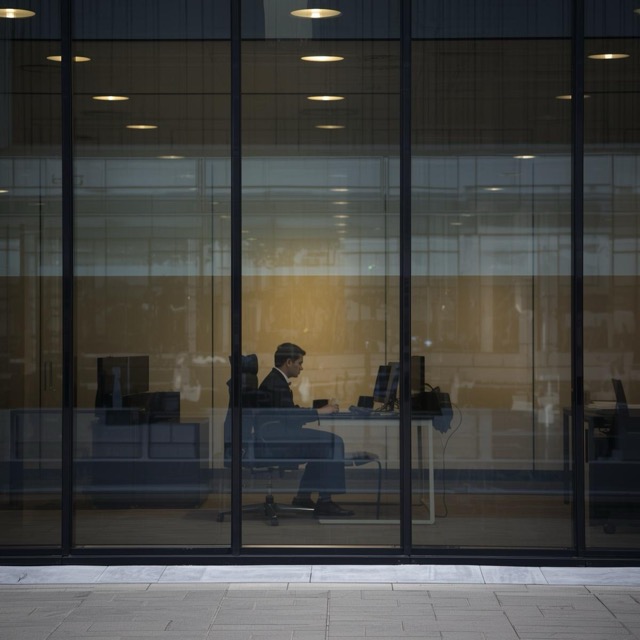
The modern office is a testament to transparency and collaboration. Sweeping open floor plans and glass-walled conference rooms are hallmarks of a forward-thinking corporate culture, designed to break down silos and let natural light flow freely. Yet, this architectural openness has given rise to an unintended consequence: the ‘fishbowl effect’. While visually stunning, a space that puts every meeting and conversation on display creates a unique set of challenges that can undermine the very productivity and confidentiality it was meant to foster.
Balancing Open Aesthetics with Essential Confidentiality
The desire for a bright, open aesthetic often clashes with the fundamental business need for privacy. Glass walls look clean and modern, but they offer zero visual concealment. This creates a direct conflict for any organization that handles sensitive information. A conversation with a client about a proprietary project, a performance review with an employee, or a board meeting discussing financial strategy all require a level of discretion that a transparent room simply cannot provide. The choice, it seems, is between sacrificing the open design for traditional walls or compromising confidentiality.
The Productivity Drain of Constant Distractions
Beyond confidentiality, the fishbowl effect is a significant drain on focus and productivity. For those inside the glass room, the constant movement and activity of the surrounding office is a persistent visual distraction. It becomes difficult to remain engaged in a complex discussion when you can see colleagues walking by, having impromptu conversations, or heading to the coffee machine. This feeling of being “on display” can also make participants feel self-conscious, inhibiting open and creative brainstorming. For those outside the room, the activity within can be equally distracting, pulling their attention away from their own tasks.
When Transparency Becomes a Liability for Sensitive Meetings
In certain contexts, transparency shifts from a design feature to a serious business liability. Human resources departments, legal teams, and executive leadership regularly conduct meetings where the content is highly sensitive, confidential, or legally privileged.
- HR and Legal: Discussing employee relations, disciplinary action, or pending litigation in a glass room exposes the organization to risk. Even the perception of who is in the meeting can lead to office gossip and speculation.
- Executive Strategy: High-level discussions about mergers, acquisitions, layoffs, or new product launches require absolute secrecy. Visual privacy is not a luxury in these scenarios; it’s a necessity to protect company strategy and prevent information leaks.
- Client Negotiations: Building trust with a client often involves handling their confidential data and business plans. Conducting these sensitive negotiations in a room where anyone can observe proceedings can project an image of carelessness and undermine the client’s confidence.
The Elegant Solution: What is Privacy Film and How Does It Work?
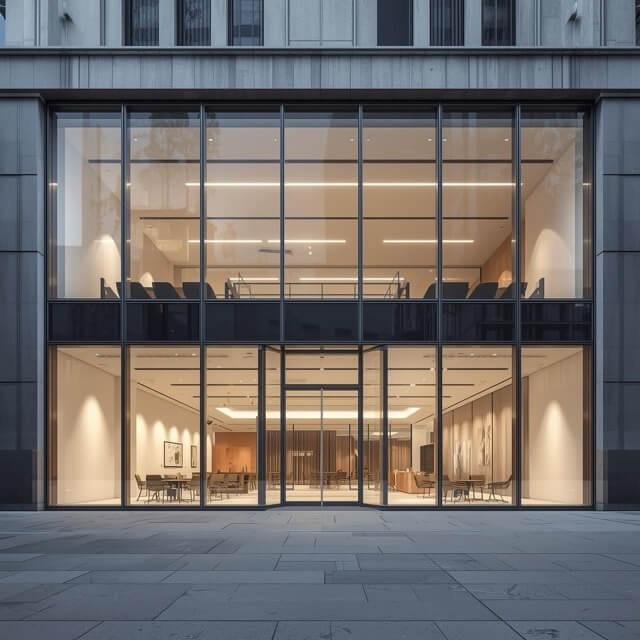
Confronted with the drawbacks of the fishbowl effect, many businesses assume they must resort to costly renovations or clunky, vision-blocking blinds. However, a far more sophisticated and versatile solution exists: professional privacy film. This technology directly addresses the need for confidentiality and focus without sacrificing the aesthetic benefits of glass architecture. It’s not a compromise; it’s a strategic enhancement.
Defining Commercial Privacy Film: More Than Just a Sticker
It is essential to distinguish professional-grade privacy film from the DIY products found in hardware stores. Commercial privacy film is a high-performance material engineered for durability, optical clarity, and aesthetic precision. Applied directly to existing glass surfaces by trained technicians, these films are designed to look like a natural, integrated part of the glass itself. They are crafted from durable polyester materials that resist peeling, bubbling, and discoloration, ensuring a flawless and long-lasting finish that enhances the corporate environment.
The Science of Light: How Films Create Visual Privacy
The effectiveness of privacy film lies in its ability to manipulate light. Rather than simply blocking it, different films use specific technologies to control what can be seen.
Frosted films, for instance, use micro-textured surfaces to diffuse light as it passes through. This scatters the light, blurring the details of objects and people on the other side while still allowing a significant amount of natural light to illuminate the space. The result is a bright, airy room that provides complete visual privacy. Other films use different principles, such as reflectivity or printed patterns, to achieve varying levels of obscurity.
An Introduction to Office Privacy Solutions and Their Mechanisms
Privacy film is not a one-size-fits-all product. It is a category of versatile solutions, each using a different mechanism to deliver a specific outcome. This allows businesses to tailor the level of privacy to the specific needs of each space.
- Frosted & Etched Films: These are the most popular choices for conference rooms and private offices. They diffuse light to obscure vision completely, creating a sandblasted or etched-glass appearance at a fraction of the cost. They provide full privacy day and night while maximizing natural light.
- Decorative Films: These films incorporate patterns, gradients, or custom branding elements. A simple band of frosted film across the middle of a glass wall can provide seated privacy while still allowing a view when standing. Custom-cut logos or brand patterns can reinforce corporate identity while strategically obscuring sightlines.
- Blackout & Whiteout Films: For areas requiring total concealment, such as storage rooms or back-of-house spaces, these opaque films block all vision and light, creating the effect of a solid wall.
- One-Way Mirror Films: Ideal for security offices or observation rooms, these films use a reflective outer layer to create a mirror effect during the day, allowing those inside to see out without being seen. This effect is dependent on the lighting differential between the two spaces.
A Spectrum of Choices: Types of Privacy Film for Your Meeting Spaces
Choosing the right privacy film is not a one-size-fits-all decision. The ideal solution depends on the specific function of the space, your company’s brand identity, and the desired level of confidentiality. Fortunately, modern advancements offer a range of options that move far beyond simple visual barriers, turning glass walls into strategic assets.
Classic Sophistication: Frosted and Etched Glass Films
Frosted and etched films are the cornerstones of office privacy. They masterfully replicate the elegant, high-end look of sandblasted or acid-etched glass at a fraction of the cost and with none of the permanence. These films obscure direct views into a room, providing the necessary confidentiality for focused work or sensitive discussions, while continuing to allow a significant amount of soft, diffused natural light to pass through.
This classic approach is perfect for spaces that require consistent privacy without sacrificing the open, airy feel of the office. It’s an understated, professional choice for executive offices, HR departments, and any meeting room where visual distraction is a concern.
Brand Expression: Custom-Printed and Decorative Window Film
Your office’s glass surfaces are blank canvases. Custom-printed and decorative films transform them into powerful branding and design elements. Go beyond simple privacy by incorporating your company logo, a subtle brand pattern, inspirational quotes, or mission statements directly onto the film. This technique visually reinforces your corporate culture and adds a unique, bespoke feel to the environment.
Decorative films also come in a wide array of pre-made patterns, from simple lines and dots to more complex geometric or organic designs. These options can be used to add visual interest, delineate different work zones, and enhance interior design schemes without the expense of custom architectural glass.
The Future of Privacy: Switchable Smart Film for Conference Rooms
For the ultimate in dynamic confidentiality, switchable smart film offers a truly modern solution. This innovative technology allows a glass panel to transition from completely transparent to fully opaque with the simple flick of a switch. In its “off” state, the film is frosted, providing complete privacy. When powered “on,” it becomes crystal clear, instantly opening up the space.
This on-demand privacy is ideal for high-stakes environments like boardrooms, executive conference rooms, and client-facing meeting spaces. It allows for complete openness and visibility during collaborative sessions but ensures absolute confidentiality when sensitive information is being discussed, offering unparalleled flexibility.
Differentiating Film Types for Specific Corporate Needs
Matching the film to the function of the space is key to a successful implementation. Consider these common applications:
- For General Conference Rooms: Standard frosted film provides a reliable and cost-effective balance of privacy and light transmission.
- For Executive Offices: Etched glass films with a subtle logo or pattern convey sophistication and a sense of permanence.
- For Boardrooms & High-Security Areas: Switchable smart film offers the best of both worlds, enabling seamless transitions between transparency and total privacy.
- For Open-Plan Work Zones: Decorative or custom-printed film bands installed at eye level can create a sense of separation and reduce distractions without closing off the space.
More Than Privacy: The Unexpected Benefits of Commercial Window Film
While confidentiality is often the primary driver for installing privacy film, the benefits extend far beyond simply obscuring a view. Professionally installed film is a multifunctional tool that actively improves the workplace environment in several key areas.
Reinforcing Your Brand Identity and Corporate Culture
Strategic use of decorative and custom-printed film transforms generic glass partitions into storytelling devices. By integrating brand colors, logos, and core value statements into the office design, you create a cohesive and immersive brand experience for both employees and visiting clients. This visual consistency helps to build a stronger corporate identity and foster a sense of shared purpose and pride among your team.
Enhancing Aesthetics and Interior Design
Privacy film is a versatile and cost-effective tool for any interior designer or facilities manager. It can add texture, color, and sophisticated patterns to an office, instantly modernizing a dated space or adding a finishing touch to a new one. Whether you are aiming for a sleek, minimalist aesthetic with clean lines or a more vibrant, creative atmosphere with bold graphics, there is a film that can help you achieve your vision without requiring costly and disruptive renovations.
Improving Comfort: Reducing Glare and UV Exposure
Many privacy films also possess valuable solar control properties. They can significantly reduce the amount of glare that enters a room, which is a major cause of eye strain and discomfort for employees working on screens near windows. Furthermore, these films can block up to 99% of harmful ultraviolet (UV) rays. This not only protects your employees’ health but also prevents your office furniture, flooring, and artwork from fading over time.
Contributing to Acoustic Privacy and Focus
In an open-plan office, noise is a primary enemy of productivity. While window film is not a soundproofing solution, the application of a layer of film to a glass surface does help to dampen acoustic vibrations. This slight reduction in the transmission of sound can help muffle conversational noise and other ambient distractions, contributing to a quieter, more focused work environment for everyone.
Choosing the Right Film: A Strategic Guide for Your Brand and Needs
Selecting the right privacy film is a decision that balances function, aesthetics, and finances. It’s not just about obscuring a view; it’s about making a deliberate choice that enhances your workspace. A strategic approach ensures the final result solves your specific challenges while reinforcing your company’s identity.
Assessing Your Privacy Requirements: From Full Obscurity to Subtle Distortion
The first step is to define what “privacy” means for each specific area of your office. Privacy is not a one-size-fits-all concept. A spectrum of solutions exists to meet varied needs, from highly sensitive areas to collaborative zones.
Consider the purpose of each glass-walled space. The boardroom where confidential financial data is discussed requires a much higher level of privacy, such as a fully opaque or densely frosted film, than a casual breakout area. For conference rooms, a gradient film that is opaque at eye level but clear at the top can maintain privacy while still allowing light to filter through, preserving an open feel. In other cases, a simple, lightly frosted or patterned film can provide enough visual distortion to prevent distractions without completely blocking the view.
Aligning Film Choice with Your Company’s Aesthetic and Brand Guidelines
Privacy film is a powerful tool for brand expression. Beyond its functional role, the film you choose becomes an integral part of your office’s interior design, making a statement to both employees and visiting clients. The goal is to select a film that feels like a natural extension of your brand, not an afterthought.
For a minimalist, modern tech company, a simple, elegant frosted film might be the perfect fit. For a creative agency, a custom-printed film featuring brand colors, abstract patterns, or even a subtle logo can reinforce a dynamic and innovative culture. The film can be cut to create unique designs, mimicking the look of expensive etched glass at a fraction of the cost. By aligning the film with your brand guidelines, you transform a simple glass partition into a sophisticated brand asset.
Budgeting for Your Project: Understanding the Value and ROI
While cost is always a consideration, it’s more productive to view privacy film as an investment rather than an expense. The return on this investment comes in several forms: enhanced confidentiality, improved employee focus and productivity, and an elevated brand image.
When budgeting, compare the cost of professional film installation to the alternatives. Constructing solid walls is a disruptive, expensive, and often permanent change that sacrifices natural light. Etching or sandblasting glass is a costly, irreversible process. In contrast, privacy film is a flexible, cost-effective solution that achieves the same goals without the drawbacks. It allows you to adapt your space as your needs change, all while protecting your initial investment in an open and light-filled floor plan.
Comparing Film Technologies: Static vs. Dynamic Privacy Solutions
The world of privacy film includes a range of technologies designed for different applications and budgets. Understanding the two primary categories—static and dynamic—is key to making an informed choice.
- Static Films: This is the most common and versatile category. It includes frosted, decorative, patterned, and gradient films. These films provide a constant level of privacy and are an excellent, durable solution for most corporate needs. They offer a vast array of aesthetic options and are the most budget-friendly choice.
- Dynamic Films: Also known as switchable or smart film, this technology represents the cutting edge of privacy solutions. With the flip of a switch, this film can change from transparent to opaque, offering instant, on-demand privacy. It is the ideal solution for high-stakes environments like executive offices or boardrooms where flexibility is paramount. While it represents a higher initial investment, its unique functionality provides an unparalleled level of control and sophistication.
Achieving a Flawless Finish: Why Professional Installation is Crucial
Once you have selected the perfect film, the final and most critical step is the installation. The quality of the application is what separates a sleek, professional enhancement from a distracting, unprofessional flaw. The difference in the final result is stark and directly impacts the longevity and performance of your investment.
The Difference Between DIY and Expert Application
Attempting a DIY installation on large glass surfaces is a false economy. Professional installers possess the specialized tools, technical training, and hands-on experience required for a perfect finish. They work in a controlled manner to eliminate dust and contaminants, use a precise application solution, and know how to handle the material to avoid stretching or creasing. A DIY job often results in a finish that undermines the very goal of the project: to create a more sophisticated and professional environment.
Ensuring Longevity and Performance of Your Investment
Proper installation is not just about aesthetics; it is essential for the film’s durability. A professional ensures the film’s adhesive cures correctly, creating a powerful bond with the glass that will last for years without peeling, bubbling, or discoloration. This proper adherence is often a requirement for the manufacturer’s warranty, meaning a professional installation protects your investment in both the material and the labor.
Avoiding Common Pitfalls: Bubbles, Peeling, and Imperfections
The telltale signs of a poor installation are immediately obvious and detract from the entire space. A professional installer knows precisely how to avoid these common issues:
- Bubbles: Caused by trapped air or water, these are meticulously squeegeed out using specialized tools and techniques.
- Peeling Edges: Edges are trimmed with surgical precision to a perfect, uniform gap from the frame, preventing lifting or peeling over time.
- Trapped Debris: Installers follow a rigorous cleaning process to ensure no dust, hair, or other particles are trapped under the film, which would create permanent blemishes.
- Creases and Scratches: Handling large, unwieldy sheets of film requires expertise. Professionals know how to manage the material without causing damage during the application process.
The Role of a Commercial Window Expert in Project Success
Engaging a commercial window expert is about more than just hiring an installer. You are partnering with a consultant who can contribute to the project’s success from start to finish. A true expert will help you assess your needs, recommend the most suitable materials, and anticipate potential challenges with the site or glass type. They manage the project efficiently, minimizing disruption to your business operations and ensuring the final outcome perfectly aligns with your strategic objectives for privacy, branding, and productivity.
Choosing the Right Film: A Strategic Guide for Your Brand and Needs
Selecting the right privacy film is a strategic decision that extends beyond mere aesthetics. It’s an opportunity to fine-tune your office environment to meet specific functional needs, reinforce your brand identity, and make a sound financial investment. The key is to approach the selection process with a clear understanding of your goals.
Assessing Your Privacy Requirements: From Full Obscurity to Subtle Distortion
The first step is to evaluate the level of privacy each space requires. Not all glass surfaces demand the same solution. A thoughtful assessment ensures you get the right balance of openness and seclusion where it matters most.
Consider the spectrum of privacy needs within a typical office:
- Full Obscurity: Ideal for spaces where complete visual confidentiality is non-negotiable. This includes HR offices, legal departments, executive boardrooms, and mothers’ rooms. Opaque or frosted films block views entirely while still allowing soft, diffused light to pass through.
- Partial Obscurity: A popular choice for meeting rooms and collaborative spaces. These films, often featuring patterns, gradients, or frosted bands, obscure direct lines of sight to prevent distractions while indicating whether a room is occupied.
- Subtle Distortion: Perfect for creating a sense of separation in open-plan areas without building walls. Lightly textured or patterned films can blur movement and details, reducing the “fishbowl” effect and giving employees a greater sense of personal space.
Aligning Film Choice with Your Company’s Aesthetic and Brand Guidelines
Professional privacy film is a powerful tool for interior design and brand reinforcement. Gone are the days of limited, purely functional options. Today’s films can be customized to seamlessly integrate with your company’s visual identity, transforming glass from a simple building material into a canvas for your brand.
Whether your aesthetic is minimalist, industrial, or vibrant, there is a film to match. You can incorporate company colors, logos, and mission statements directly into the design. Frosted films can be precision-cut with intricate patterns, and printed films can display high-resolution graphics. This approach ensures that the solution for privacy also contributes positively to your office culture and makes a memorable impression on clients and visitors.
Budgeting for Your Project: Understanding the Value and ROI
When budgeting for privacy film, it’s crucial to view it not as a minor expense but as a long-term investment. The return on this investment manifests in several ways. Compared to the high cost, disruption, and permanence of structural changes like building walls, privacy film is a remarkably cost-effective and flexible solution.
Furthermore, the value extends to productivity and employee satisfaction. By mitigating visual distractions and enhancing confidentiality, you create a more focused and secure work environment. This can lead to measurable gains in efficiency and a reduction in errors. The upfront cost of professional film and installation is quickly offset by these operational benefits and the avoidance of costly renovations.
Comparing Film Technologies: Static vs. Dynamic Privacy Solutions
The technology behind privacy films has evolved, offering a choice between two primary categories: static and dynamic. Understanding the difference is key to selecting the best fit for your budget and functional needs.
Static films are the most common and versatile option. This category includes a vast array of frosted, decorative, patterned, and colored films that provide a constant level of privacy. They are a durable and cost-effective solution for most office applications.
Dynamic, or switchable, films represent the cutting edge of privacy technology. This “smart film” can be changed from transparent to opaque with the flip of a switch, using an electrical charge to realign liquid crystals. It offers unparalleled flexibility, perfect for conference rooms or executive offices where the need for privacy changes throughout the day. While it represents a higher initial investment, dynamic film provides a sophisticated, high-tech solution that makes a powerful statement.
Achieving a Flawless Finish: Why Professional Installation is Crucial
Once you have selected the perfect film, the final and most critical step is the installation. The performance, longevity, and appearance of your investment are all directly dependent on the quality of the application. This is where the value of a commercial window expert becomes undeniable.
The Difference Between DIY and Expert Application
While a do-it-yourself approach may seem tempting for smaller projects, it rarely yields a professional result. Commercial installation is a craft that requires specialized tools, extensive training, and a deep understanding of how different films adhere to various surfaces. An expert ensures the glass is meticulously cleaned and prepared, the film is perfectly aligned, and the application is free of the flaws that plague amateur attempts.
Ensuring Longevity and Performance of Your Investment
Professional installation is your best guarantee that the film will last for its intended lifespan. Experts use proven techniques and solutions to ensure a strong, durable bond between the film and the glass. This prevents premature peeling, lifting at the edges, and discoloration. A properly installed film will perform as designed for years, maintaining its aesthetic appeal and functional benefits without requiring premature replacement.
Avoiding Common Pitfalls: Bubbles, Peeling, and Imperfections
Nothing undermines the sophisticated look of privacy film like a flawed installation. Air bubbles, trapped debris, creases, and peeling corners are common signs of an amateur job. These imperfections are not just unsightly; they can compromise the film’s integrity and lead to further deterioration. A professional installer has the experience to anticipate and prevent these issues, delivering a seamless, bubble-free finish that looks like it is part of the glass itself.
The Role of a Commercial Window Expert in Project Success
A true commercial window expert does more than just apply film. Their role begins with a thorough consultation to help you navigate the choices discussed above. They perform a site assessment, take precise measurements, and help you select the optimal material for your specific environment and goals. They manage the project from start to finish, ensuring minimal disruption to your business operations. Ultimately, partnering with an expert is an investment in a successful outcome, guaranteeing your project is completed on time, on budget, and to the highest possible standard.
Conclusion: Upgrading Your Workspace with Strategic Privacy Film
The modern office is a delicate balance of competing needs: collaboration versus concentration, openness versus confidentiality. While glass-walled conference rooms and offices promote transparency and a connection to the wider workspace, they often create unintended challenges. The solution lies not in abandoning this aesthetic, but in enhancing it with a strategic application of professional privacy film.
Key Takeaways: From Problem to Professional Solution
Throughout this discussion, we’ve seen how the very design meant to foster openness can inadvertently undermine productivity and security. By transitioning from identifying the problem to implementing a professional solution, businesses can reclaim control over their environment.
The key transformation includes:
- From Distraction to Focus: Moving from a line of sight that constantly pulls attention away from crucial meetings to a space that visually signals a need for concentration.
- From Vulnerability to Confidentiality: Shifting from an environment where sensitive information on screens and whiteboards is exposed to one where privacy is assured for client meetings, HR discussions, and executive strategy sessions.
- From Generic to Branded: Evolving a standard glass wall into a sophisticated design element that reinforces brand identity, communicates company values, and elevates the overall office aesthetic.
- From High Cost to High Value: Instead of undertaking expensive and disruptive construction, using privacy film offers a cost-effective, quick, and powerful upgrade that delivers an immediate return on investment through improved focus and functionality.
Privacy Film as an Essential Upgrade, Not a Design Compromise
It is critical to reframe the conversation around privacy film. This is not an afterthought or a compromise to a flawed design. Instead, professionally installed privacy film is an essential upgrade that activates your existing glass architecture, transforming it from a passive divider into a high-performance asset. It is a strategic tool that directly addresses the functional requirements of a contemporary corporate space.
This upgrade allows you to retain the benefits of natural light and an open feel while layering in the necessary elements of privacy, brand reinforcement, and visual calm. The right film doesn’t hide the glass; it enhances its purpose, proving that thoughtful design can solve practical business challenges elegantly and effectively.
Next Steps in Planning Your Conference Room Transformation
Embarking on this upgrade is a straightforward process when you approach it methodically. Before consulting with an installation professional, taking the time to define your objectives will ensure you achieve the best possible outcome for your unique workspace.
Consider the following steps to build a clear plan:
- Assess Each Space: Walk through your office and identify the specific rooms that require enhanced privacy. Note the primary function of each space. A boardroom for executive meetings has different confidentiality needs than a small huddle room for team brainstorming.
- Define Your Privacy Level: Determine how much privacy is truly needed. Do you require full visual blockage, or would a decorative or frosted film that obscures details while still showing occupancy be more appropriate?
- Consider Your Brand Identity: Think about how you can incorporate your brand. This could be as simple as using a clean, minimalist frosted film that aligns with a modern aesthetic or as specific as integrating custom-cut logos or brand colors.
- Evaluate Light and Ambiance: Take note of the natural light in each area. Your goal is to add privacy without creating a dark or enclosed feeling. The wide variety of film opacities and styles makes it possible to maintain a bright, welcoming environment.
Frequently Asked Questions
Can privacy films for conference rooms still allow natural light to enter?
Yes. Most films, especially frosted and etched options, are designed to diffuse light rather than block it. They scatter the light rays to blur visibility while maintaining a bright, airy atmosphere within the room.
Is it possible to add company branding to privacy films for conference rooms?
Absolutely. Decorative films can be custom-cut or printed to include your corporate logo, brand patterns, or mission statements. This allows the film to serve as a dual-purpose tool for both confidentiality and brand reinforcement.
What is “Smart Film” and how does it work for meeting spaces?
Switchable smart film is a dynamic technology that transitions from transparent to opaque with the flip of a switch. It uses an electrical current to align liquid crystals; when the power is off, the crystals scatter light to provide instant privacy.
How do privacy films for conference rooms help with office distractions?
By obscuring the “fishbowl” view, these films eliminate visual distractions from the surrounding office. This helps meeting participants stay focused on the agenda and prevents passersby from being distracted by the activity inside the room.
Are these films permanent, or can they be changed if we rebrand?
While professional films are highly durable and designed to last for years, they can be cleanly removed by a technician without damaging the original glass. This makes them a flexible, non-permanent solution that can evolve with your office design.