- Evaluating Common Glare Solutions: The Limits of Traditional Approaches
- The Modern Solution: Why Professional Window Film Excels
- A Guide to Glare Reduction Films: Choosing the Right Technology
- Demystifying the Process: What to Expect from a Professional Installation
- Calculating the Return: The Unexpected ROI of Glare Reduction Film
- Conclusion: Making the Clear Choice for a More Productive Workspace
- Frequently Asked Questions
Evaluating Common Glare Solutions: The Limits of Traditional Approaches

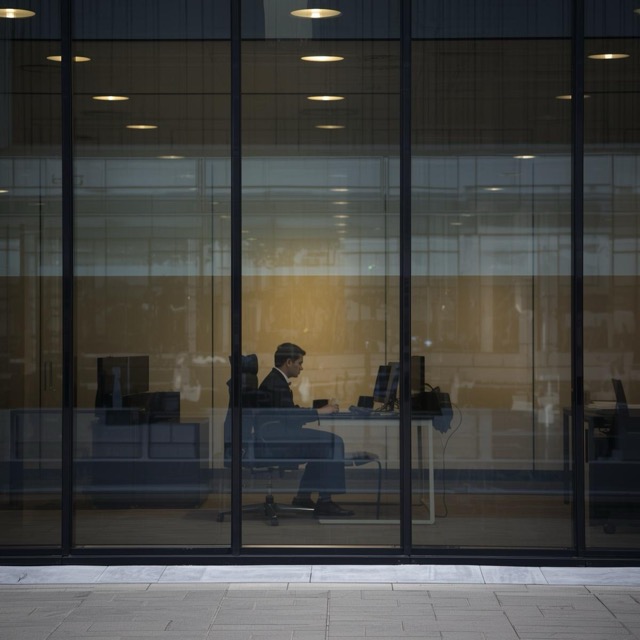
Once you recognize the significant impact of glare on your business, the natural next step is to explore solutions. Most offices turn to familiar, traditional window coverings. While these methods can block light, they often introduce a new set of compromises that fail to address the core needs of a dynamic, professional workspace. They solve the glare problem by eliminating the very thing that makes the space desirable: the natural light.
The All-or-Nothing Problem with Blinds and Shades
Blinds and shades are the default choice for many businesses, but they present a fundamental dilemma. They force a binary choice between full, glaring sunlight and complete, artificial darkness. When drawn to block glare on a presentation screen, they plunge the room into a dim, cave-like environment that can stifle energy and collaboration. This requires flipping on harsh overhead lights, increasing energy costs and eliminating the positive psychological effects of natural daylight.
Furthermore, managing them becomes a constant distraction. The task of opening and closing blinds falls to whoever is most annoyed, interrupting the flow of a meeting. Cords can break, slats can bend, and the constant adjustment often leaves the room looking untidy and inconsistent from the outside, detracting from the building’s professional facade.
Why Curtains and Drapes Fall Short in a Professional Setting
While suitable for hospitality or residential settings, heavy curtains and drapes rarely align with the aesthetic of a modern office. They can feel dated and bulky, conflicting with the clean, open, and transparent culture many companies strive to cultivate. Functionally, they suffer from the same all-or-nothing drawback as blinds.
From a facilities management perspective, they also present a maintenance challenge. Fabric curtains act as significant dust collectors, trapping allergens and requiring regular, costly professional cleaning to maintain a healthy and professional environment. For a space like a conference room that is meant to impress clients and facilitate productivity, drapes are often an impractical and visually cumbersome choice.
The High Cost and Inflexibility of Smart Glass
Electronically tintable smart glass film represents a high-tech approach to light control and is an impressive technology. With the flip of a switch, the glass can change from clear to opaque, offering instant privacy and glare reduction. However, its innovation comes with serious practical and financial limitations.
For most businesses, the primary barrier is the prohibitive cost. The material and installation expenses for smart glass are exponentially higher than any other solution, making it an unrealistic option for all but the most high-end new construction projects. Retrofitting it into an existing building is even more complex and expensive.
- Exorbitant Cost: The price per square foot can be ten to twenty times that of other professional solutions.
- Installation Complexity: Retrofitting requires replacing the entire window unit, a disruptive and costly process.
- Singular Function: Standard smart glass primarily offers one function, privacy and light blocking, without the added benefits of UV protection or improved energy efficiency that other solutions provide.
The Flaw of Relying on Room Layout Alone
Attempting to solve a light problem with furniture arrangement is the most common, and least effective, strategy. This involves shuffling tables, chairs, and presentation screens to position them away from the direct line of sunlight. While it costs nothing, it forces you to compromise the optimal layout of your conference room.
This approach puts temporary relief ahead of functional design. It may force team members to crane their necks to see a screen or lead to awkward seating arrangements that hinder collaboration. Ultimately, it’s a reactive measure that fails to solve the root cause. The sun moves throughout the day, and seasons change, meaning a “safe” layout in the morning can be a glare-filled nightmare by the afternoon, putting you right back where you started.
The Modern Solution: Why Professional Window Film Excels
Where traditional window coverings create a jarring choice between a bright, glaring room and a dark, isolated one, professional window film offers a sophisticated and effective alternative. It works with your existing glass to filter and control light, rather than simply blocking it. This modern approach resolves the core problem of glare while introducing a host of other benefits that enhance the professional environment of your conference room.
How Film Solves the Glare vs. Natural Light Dilemma
The fundamental issue with blinds and shades is their all-or-nothing approach. To eliminate glare on a presentation screen, you must close them, which also eliminates natural light, views, and the feeling of an open, collaborative space.
Advanced window films solve this dilemma through selective filtration. They are engineered to target and reduce the specific wavelengths of light that cause intense glare and eye strain. The result is a softer, more usable natural light that fills the room without washing out screens or causing discomfort. Your team can stay productive and engaged, enjoying the benefits of daylight without the frustrating and distracting downside of glare.
Preserving Views and Connection to the Outdoors
Closing the blinds severs the visual connection to the outside world, making a room feel smaller and more confining. For a space designed for collaboration and clear thinking, this can be counterproductive. High-quality glare reduction films are optically clear, allowing for unobstructed views.
This preserves the architectural intent of your windows and has a tangible impact on employee well-being. Maintaining a connection to the outdoors can reduce stress and improve focus during long meetings. With window film, you no longer have to sacrifice your view to create a functional presentation space.
Adding a Layer of UV Protection for People and Property
The sun’s ultraviolet (UV) rays are a significant contributor to the fading of expensive office furniture, carpeting, and artwork. They also pose a health risk to your employees with prolonged exposure.
Professional window film acts as a powerful screen, blocking up to 99% of harmful UV radiation. This provides an invisible layer of protection for your assets, extending the life of your conference room furnishings and preserving their appearance. It also creates a safer environment for your team, offering peace of mind that goes beyond simple comfort.
Enhancing Privacy Without Sacrificing Light
Many conference rooms, especially those with glass walls or ground-floor windows, face privacy challenges. Opaque shades or closed blinds solve this but create a dark, uninviting atmosphere.
Window films offer a range of privacy solutions that do not depend on darkness.
- Reflective and Dual-Reflective Films: These create a mirror-like appearance from the outside during the day, preventing passersby from seeing in while still allowing those inside to see out clearly.
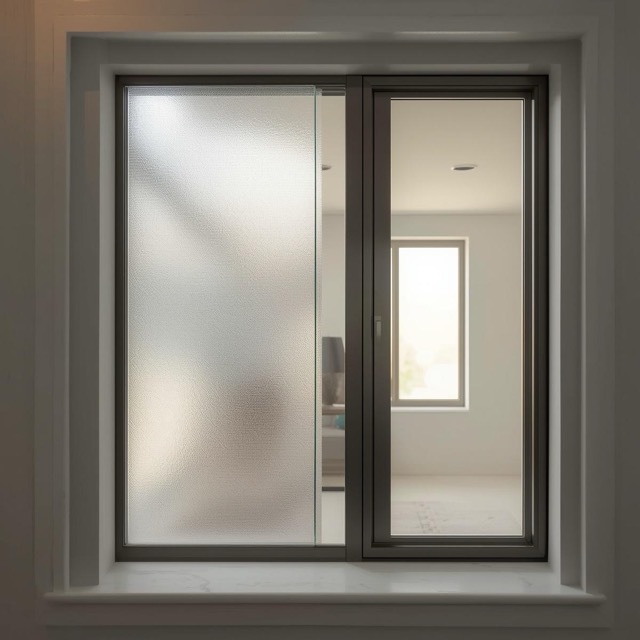
- Decorative and Frosted Films: These can be applied to add a layer of stylish privacy to interior glass walls or exterior windows. They obscure the view while allowing a significant amount of soft, diffused light to pass through, maintaining a bright and open feel.
A Sleek, Professional Aesthetic for Modern Offices
Bulky blinds, with their dangling cords and tendency to collect dust, can detract from a clean, modern office design. Window film, in contrast, integrates seamlessly with your existing glass. It’s a solution that is felt, not seen. This minimalist approach enhances the professional aesthetic of your space, presenting a polished, high-tech image to both employees and visiting clients.
A Guide to Glare Reduction Films: Choosing the Right Technology

Not all window films are created equal. The technology has evolved to offer specialized solutions tailored to different needs and budgets. Understanding the main categories will empower you to have a productive conversation with a professional and select the ideal film for your conference room.
Spectrally Selective Films: The Premium Choice for Maximum Light and Performance
Spectrally selective films represent the pinnacle of window film technology. They are designed to provide the highest possible level of visible light transmission while rejecting the specific wavelengths of light that cause problems: infrared (heat) and UV (fading).
For a conference room, this means you can cut the glare and significantly reduce heat buildup without noticeably darkening the room. It’s the ideal solution for businesses that want to solve the glare problem with absolutely no compromise on natural light and clarity.
Neutral and Dyed Films: Effective Glare Control on a Budget
Neutral and dyed films are a cost-effective and popular choice for glare reduction. They work much like a high-quality pair of sunglasses for your building, absorbing light to reduce its intensity. While they are very effective at cutting harsh glare, they do so by reducing the total amount of visible light that enters the room, resulting in a more noticeable tint. These films are an excellent balance of performance and value for situations where maximum light transmission is not the primary objective.
Dual-Reflective Films: Superior Daytime Privacy and Glare Reduction
If your conference room has exterior-facing windows that require daytime privacy, dual-reflective films are an exceptional option. They are engineered with a more reflective outer layer that creates a one-way mirror effect during the day and a less reflective inner layer that preserves your view out. This technology provides excellent glare control and heat rejection while adding a significant layer of privacy.
How to Select the Right Film for Your Specific Conference Room Needs
Choosing the right film comes down to prioritizing your goals. A professional consultant can provide samples and guide you, but asking yourself these key questions will help you identify the best starting point:
- What is my primary problem? Is it just glare, or is the room also uncomfortably hot? Is daytime privacy a concern? Your main pain point will steer you toward the right technology.
- What is the window’s orientation? South and west-facing windows receive the most intense sun and benefit most from high-performance films that also reject heat, like spectrally selective or dual-reflective options.
- How important is preserving natural light? If maintaining the brightest possible space is critical, a spectrally selective film is your best investment. If a moderate reduction in light is acceptable, a neutral film may be sufficient.
- What is our aesthetic preference? Do you want a completely invisible solution, or would a slight tint or reflective look complement your building’s exterior?
Demystifying the Process: What to Expect from a Professional Installation
Investing in a permanent solution for your office is a significant decision. Unlike temporary fixes, professional window film installation is a precise process designed for longevity and performance. Understanding the steps involved can demystify the project, revealing it to be a far less disruptive and more streamlined experience than many business owners expect.
The Initial Consultation: Assessing Your Unique Glare Problem
The first step is a collaborative assessment. A trained consultant will visit your space not just to measure the windows, but to understand the specific nature of your glare problem. They will consider factors like the orientation of your building, the typical times of day meetings are held, and how your team uses the space.
This is your opportunity to discuss the core issues. Is it the morning sun that disrupts presentations? Or is it the bright, indirect light in the afternoon that causes eye strain? This detailed diagnosis allows the consultant to recommend a film that solves your specific problem, balancing light transmission, glare reduction, and heat rejection to create the ideal environment for your needs.
Site Preparation and What It Means for Your Business Operations
One of the most common concerns is the potential for operational disruption. Fortunately, preparing a conference room for window film installation is a straightforward and minimal process. The primary requirement is providing clear access to the interior of the glass.
Typically, this simply involves:
- Moving a conference table and chairs a few feet away from the windows.
- Clearing any items from the window sills.
- Ensuring that any sensitive electronics are covered or moved from the immediate vicinity.
Your installation team will provide a clear checklist beforehand. They work to be as self-sufficient as possible, understanding that your business needs to continue running with little to no interruption.
The Installation: A Clean, Quiet, and Efficient Process
The actual installation is surprisingly non-invasive. Forget the noise, dust, and fumes of a typical construction project. Professional window film installation is a clean and quiet process that often goes unnoticed by staff in adjacent rooms.
Installers use a specialized solution of water and soap to clean the glass and activate the film’s adhesive. They then use squeegees to apply the film, meticulously removing the solution to ensure a flawless, bubble-free application. There are no power tools, strong odors, or debris. A standard conference room with several windows can often be completed in a matter of hours, minimizing downtime and allowing you to reclaim your valuable meeting space quickly.
Curing and Aftercare: Ensuring Long-Term Performance
After the installers leave, the film enters a “curing” phase. It is normal to see small, hazy water pockets for a few days or even weeks, depending on the film type and climate. This is a natural part of the drying process as the remaining application moisture evaporates through the film. It is critical not to touch or clean the windows during this period.
Once cured, the film becomes a durable, scratch-resistant part of your window. Maintenance is simple. You can clean the windows using soft cloths and standard, ammonia-free glass cleaners. Your installer will provide complete aftercare instructions to ensure your investment maintains its clarity and performance for years to come.
Calculating the Return: The Unexpected ROI of Glare Reduction Film
While the immediate goal is to solve a glare problem, advanced window films deliver a compelling return on investment that extends far beyond a more comfortable meeting. The benefits create a positive ripple effect, touching everything from daily productivity and energy costs to long-term employee satisfaction and property value.
Quantifying Gains in Productivity and Meeting Effectiveness
Consider the time lost in a single meeting due to glare. A team member gets up to close the blinds, plunging the room into darkness and breaking the flow of conversation. The presenter struggles to make their screen visible, and attendees squint to see the details. These small interruptions add up.
By precisely controlling glare without sacrificing natural light, window film allows meetings to proceed without interruption. Presentations are more visible, and participants remain focused and engaged. Reclaiming just five minutes of productive time from every hour-long meeting generates a significant cumulative gain in efficiency across your entire organization.
The Tangible Benefit of Lower Energy Bills
Many business owners are surprised to learn that glare reduction films are also powerful tools for energy management. These films are engineered to reject a significant amount of solar heat, preventing it from penetrating the glass and heating your conference room.
During warmer months, your HVAC system doesn’t have to work as hard to maintain a comfortable temperature. This direct reduction in cooling load translates into lower monthly energy bills. Over time, these energy savings can offset a substantial portion of the initial investment in the film, making it a financially sound upgrade for your facility.
Enhancing Employee Wellness and Retention
A comfortable work environment is a cornerstone of employee wellness. Constant glare forces the eyes to work harder, leading to physical symptoms like eye strain, fatigue, and headaches, which can diminish morale and productivity. Furthermore, most high-quality films block over 99% of harmful ultraviolet (UV) radiation, protecting both your employees and your interior furnishings from sun damage.
Investing in a solution that actively improves comfort and well-being sends a powerful message to your team. It shows that you value their health and are committed to providing a high-quality workplace, a factor that is increasingly important for attracting and retaining top talent.
Boosting Property Value and Tenant Appeal
For building owners or businesses that own their commercial space, window film is a smart capital improvement. It modernizes the building envelope, enhances its energy performance, and improves the aesthetic by creating a uniform, sleek appearance from the exterior.
These upgrades not only increase the property’s intrinsic value but also make the space more attractive to prospective tenants. A building that offers comfortable, productive, and energy-efficient workspaces holds a distinct competitive advantage in the commercial real estate market.
Conclusion: Making the Clear Choice for a More Productive Workspace
The challenge of managing glare in a modern conference room is more than a simple inconvenience. It directly impacts your team’s focus, comfort, and ability to collaborate effectively. While traditional solutions like blinds and shades have long been the default, they present a frustrating compromise: plunge your team into darkness to see a screen, or pull them up and contend with disruptive glare and eye strain. This binary choice is no longer the only option.
Recapping Why Window Film is the Superior Glare Solution
Advanced window film resolves the core conflict between light and visibility. Instead of blocking light, it intelligently filters it. This allows you to tame harsh glare and solar heat without sacrificing the natural light that energizes a room and keeps employees engaged. Unlike bulky blinds that collect dust and obstruct views, professionally installed film is a sleek, maintenance-free enhancement to your existing glass.
It integrates seamlessly into your office aesthetic, preserving your professional image and connection to the outdoors. Furthermore, window film delivers benefits far beyond glare control, offering significant UV protection to safeguard interiors and improving your building’s energy efficiency. It is a comprehensive upgrade that addresses the root of the problem while adding tangible value to your property.
Key Takeaways for Business Owners and Office Managers
As you evaluate the best path forward for your workspace, keep these essential points in mind:
- Glare is a business problem, not just a visual one. It directly hinders productivity during presentations, causes physical discomfort, and can undermine the professional atmosphere you work to create.
- Traditional window coverings create new problems. Blinds and shades force an all-or-nothing choice, require constant adjustment and cleaning, and can cheapen the look of a high-end conference room.
- Modern film offers a nuanced solution. It selectively filters the sun’s problematic rays while allowing ample, pleasant natural light to pass through, creating a perfectly balanced environment.
- The return on investment extends beyond comfort. The added benefits of UV protection, which prevents fading of expensive furniture and flooring, and improved energy efficiency, which can lower HVAC costs, make window film a smart financial decision.
Your Next Step: Scheduling a Professional Glare Assessment
Every office is unique, with different window orientations, glass types, and specific needs. A one-size-fits-all approach is not the answer. The most effective way to find the perfect solution for your conference room is to schedule a professional glare assessment.
During a consultation, an expert can measure the specific light levels in your space, analyze your window’s performance, and listen to your primary concerns. This allows them to recommend the precise film technology, tint, and reflectivity that will resolve your glare issues while aligning with your company’s aesthetic and operational goals. Taking this step ensures you invest in a tailored solution that will serve your business for years to come.
Frequently Asked Questions
Why are blinds considered an “all-or-nothing” solution for glare?
To effectively stop glare on a monitor or presentation screen, blinds must be completely closed, which also blocks all natural light and outdoor views. This forces you to rely on artificial overhead lighting, creating a “cave-like” atmosphere that can reduce employee energy and increase utility costs.
Can window film reduce glare without making the office look dark?
Yes. Unlike traditional tinted glass, spectrally selective films are engineered to filter out the specific wavelengths that cause harsh glare and heat while allowing high levels of visible light to pass through. This results in a bright, inviting workspace that is visually comfortable for screen use.
How does glare reduction film benefit employee wellness?
Persistent glare causes eye strain, squinting, and “computer vision syndrome,” which leads to headaches and premature fatigue. By creating a balanced lighting environment, window film reduces physical discomfort and eye fatigue, helping your team stay focused and productive throughout the day.
Will glare reduction film also protect my office furniture from fading?
Absolutely. Most professional glare reduction films block up to 99% of harmful UV rays. Since UV radiation is a leading cause of fading, the film acts as a protective shield for your expensive office carpets, mahogany desks, and artwork, extending their lifespan significantly.
Is the installation process disruptive to a busy office schedule?
Not at all. Professional installation is a clean, quiet, and “water-based” process that requires no power tools or structural demolition. A standard conference room can typically be treated in just a few hours, often scheduled during off-peak times to ensure zero downtime for your staff.