- The High-Stakes Challenge: Managing Sun Exposure in High-Rise Buildings
- Evaluating Your Options: A Comparison of Common Sun Control Solutions
- Why Advanced Window Film is the Superior Choice for Modern Buildings
- Key Metrics to Understand: A Consultant’s Guide to Window Film Specs
- Calculating the ROI: Energy Savings, Tenant Satisfaction, and Asset Value
- Partnering with Experts: The CoolVu Advantage for Large-Scale Projects
- Conclusion: The Clear Business Case for Advanced Window Film
- Frequently Asked Questions
The High-Stakes Challenge: Managing Sun Exposure in High-Rise Buildings
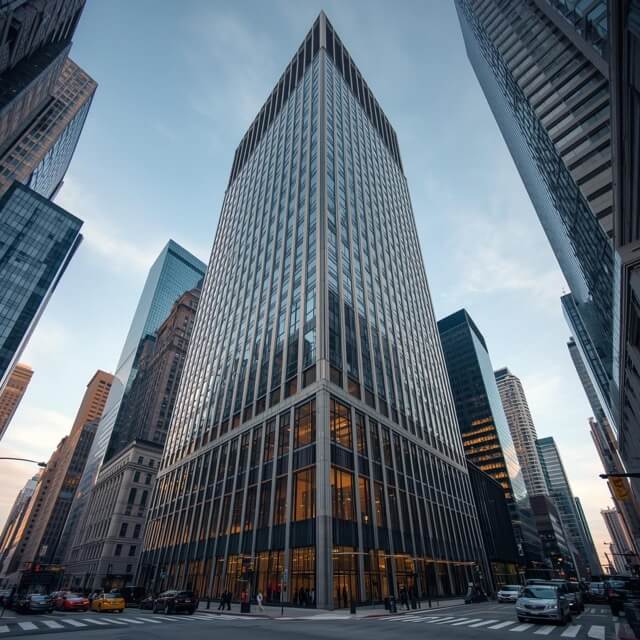
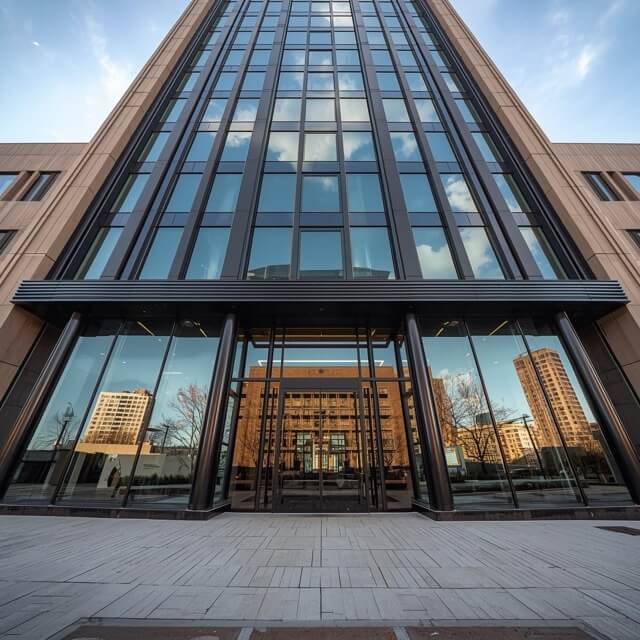
The vast glass facades of modern high-rise buildings are an architectural signature, offering stunning views and defining city skylines. However, this same feature creates a significant and costly operational challenge. For building owners and property managers, managing the immense amount of solar energy pouring through thousands of square feet of glass is a constant battle with high-stakes financial and tenant-related consequences.
Why Standard Sun Control Fails at Scale
Solutions that may suffice in smaller structures are simply ineffective when applied to a high-rise. Manually operated blinds or shades, for instance, become a logistical impossibility. Relying on individual tenants to manage window coverings across hundreds of units results in a chaotic, non-uniform exterior that detracts from the building’s premium image. More importantly, these methods are reactive, not preventative, and fail to address the root cause of the problem.
The Crippling Effect of Solar Heat Gain on HVAC Loads
Solar heat gain is the primary driver of excessive energy consumption in glass-facade buildings. Sunlight passing through untreated glass transfers a massive amount of thermal energy into the interior space. This forces the building’s HVAC system to work overtime, running at peak capacity for longer periods simply to counteract the relentless heating effect of the sun.
This isn’t a minor increase in workload. It’s a fundamental strain on a building’s most expensive operational system. The result is dramatically inflated energy bills, accelerated wear and tear on crucial HVAC components, and a larger carbon footprint. The building essentially becomes a greenhouse, and the operational budget bears the full cost of trying to cool it down.
Battling Inconsistent Temperatures and Tenant Complaints
The sun’s path creates zones of intense heat that move across the building throughout the day. This leads to severe temperature imbalances. Tenants on the sunny side of the building may experience sweltering conditions and report temperatures several degrees higher than the thermostat setting, while those on the shaded side are comfortable or even cold.
This inconsistency is a leading source of tenant complaints for property managers. It triggers a constant cycle of service calls and thermostat adjustments that fail to solve the underlying issue. For commercial office tenants, these comfort problems directly translate into dissatisfaction. For residential tenants, it makes their living space untenable, increasing churn and vacancy rates.
The Hidden Costs of Glare on Productivity and Comfort
Beyond heat, direct sunlight creates intense, disabling glare. In an office environment, this has a measurable negative impact. Glare on computer screens reduces visibility, causes significant eye strain, and leads to physical discomfort like headaches. Employees are forced to change their position, close blinds and block the view, or struggle through the distraction, all of which hinders productivity. In a luxury residential setting, glare can make a premier apartment with a stunning view unpleasant to occupy during key parts of the day.
Evaluating Your Options: A Comparison of Common Sun Control Solutions
Faced with these challenges, building owners and asset managers must evaluate potential solutions. The decision often comes down to a comparison between conventional methods, major capital-intensive replacements, and modern retrofit technologies. Analyzing the cost, performance, and return on investment of each is critical.
The Limitations of Blinds and Shades in Commercial Settings
While seemingly simple, blinds and shades are a poor solution for a high-rise environment. Their primary drawbacks include:
- Inefficient Heat Management: Blinds absorb solar energy and radiate it back into the room, failing to stop heat at the source. They do little to reduce the load on the HVAC system.
- Obstructed Views: To block glare, blinds must be closed, eliminating the natural light and valuable views that are a key selling point of a high-rise property.
- High Maintenance: Blinds and shades accumulate dust, require frequent cleaning, and have mechanical parts that break, creating an ongoing maintenance cost and operational headache.
- Lack of Uniformity: Inconsistent use from unit to unit creates a disorderly exterior appearance, diminishing the building’s curb appeal and perceived value.
The Prohibitive Cost of Full Window Replacement with Low-E Glass
Replacing an entire building’s windows with new, high-performance low-emissivity (Low-E) glass is an effective but enormously expensive and disruptive undertaking. The capital outlay for a full facade replacement on a high-rise can run into the millions or tens of millions of dollars.
Beyond the material and labor costs, this type of project involves significant disruption to tenants, including noise, debris, and potential relocation. The long project timeline can negatively impact occupancy and revenue. While effective, the sheer cost and logistical complexity make full window replacement an impractical option for all but the most extensive building renovations.
Assessing Traditional Films vs. Modern Architectural Solutions
Window film presents a less disruptive alternative, but it is crucial to distinguish between older technologies and modern architectural films. First-generation films were often very dark or highly reflective, like mirrors. While they blocked heat, they also drastically reduced natural light, altered the building’s appearance, and were prone to bubbling, peeling, or discoloring over time.
Today’s advanced spectrally selective window films are a different class of technology. These films are engineered to precisely filter the solar spectrum. They block a very high percentage of infrared heat and damaging UV rays while allowing a maximum amount of visible light to pass through. This means they can solve the heat and glare problem without making rooms dark or creating a mirror-like exterior. They are more durable, optically clear, and offer performance that was previously only available with new, expensive glass.
Why a Retrofit Solution is the Smartest Capital Improvement
When evaluating the options, retrofitting existing windows with a modern architectural film emerges as the most logical and cost-effective capital improvement. This approach provides a powerful combination of benefits. It delivers a level of solar control performance that is comparable to full window replacement but at a small fraction of the cost.
The installation process is fast, quiet, and non-disruptive, allowing tenants to remain in place. The return on investment is compelling, with energy savings alone often providing a payback period of just two to five years. By addressing heat, glare, and UV damage in a single application, a window film retrofit simultaneously reduces operational expenditures, improves tenant satisfaction and retention, and protects the interior assets of the building from fading. It is a strategic investment that enhances the value and performance of the property from day one.
Why Advanced Window Film is the Superior Choice for Modern Buildings
For building owners and facility managers, the constant pressure to reduce operational costs while improving the tenant experience can feel like a zero-sum game. Traditional solutions often force a compromise between energy efficiency, occupant comfort, and aesthetics. However, modern window film technology presents a rare opportunity for a decisive, multi-faceted win, addressing the core challenges of high-rise management without the typical trade-offs.
The Evolution of Window Film: From Basic Tints to Advanced Technology
The term “window film” may still conjure images of early-generation dyed tints that were prone to bubbling, peeling, and turning purple over time. These products offered rudimentary glare control but did little to address the primary driver of building heat: infrared energy. The technology of today bears little resemblance to these outdated solutions.
Modern window films are sophisticated, multi-layered products engineered at a microscopic level. Innovations like nano-ceramic and spectrally selective films allow for precise control over which parts of the solar spectrum are transmitted and which are rejected. This evolution marks a fundamental shift from simply darkening a window to intelligently managing solar energy, transforming glass from a building’s weakest point into a high-performance asset.
Achieving Comprehensive Solar Control Without Sacrificing Natural Light
A primary concern for any high-rise manager is the battle against solar heat gain, which places an enormous load on HVAC systems, particularly on sun-drenched elevations. The challenge has always been to block heat without plunging interior spaces into darkness, a move that would increase lighting costs and negatively impact tenant morale.
Spectrally selective window films solve this dilemma. These advanced films are designed to be nearly invisible, targeting and rejecting a high percentage of infrared radiation, the invisible wavelength of light that produces heat. Simultaneously, they allow a large portion of the visible light spectrum to pass through. The result is a dramatic reduction in solar heat gain and punishing glare, all while preserving the natural daylight and clear views that tenants value. This allows for more comfortable, usable space right up to the window line, effectively increasing a building’s leasable square footage.
Enhancing Building Aesthetics and Architectural Uniformity
Viewed from the street, many high-rise buildings suffer from a chaotic, patchwork appearance. A random assortment of drawn blinds, closed shades, and makeshift window coverings across hundreds of windows detracts from the building’s intended architectural design. This lack of uniformity can devalue the property’s aesthetic and create an impression of poor management.
Installing window film is the most effective way to restore a building’s exterior visual consistency. A single film selection applied to all windows creates a clean, uniform look that enhances the architectural lines of the property. With options ranging from virtually undetectable films that maintain the original appearance of the glass to subtle, modern finishes that can update an aging facade, window film provides both a practical and an aesthetic upgrade.
Strengthening Security and Safety with Shatter-Resistant Properties
Beyond solar control, specific categories of window film offer a critical layer of safety and security. Constructed from thicker polyester and a uniquely strong adhesive, these films bond directly to the glass. In the event of an impact, whether from an accident, severe weather, or a forced entry attempt, the film holds the dangerous shards of glass together.
This single feature provides multiple layers of protection for a commercial asset:
- Injury Prevention: Mitigates the risk of injury to tenants and pedestrians from flying glass during a breakage event.
- Intrusion Deterrence: The film makes it significantly more difficult for intruders to gain entry by smashing a window, creating a delay that can deter a break-in attempt.
- Blast Mitigation: For high-profile buildings, these films can be a crucial part of a blast mitigation strategy, reducing the deadly hazard of glass fragments in an explosion.
Key Metrics to Understand: A Consultant’s Guide to Window Film Specs
To properly evaluate window film as a capital investment, it is essential to move beyond subjective descriptions and understand the key performance metrics. These data points provide an objective way to compare products and forecast their impact on your building’s energy consumption, occupant comfort, and overall operational efficiency.
Demystifying the Solar Heat Gain Coefficient (SHGC)
The Solar Heat Gain Coefficient, or SHGC, is arguably the most important metric for a building in a cooling-dominated climate. It measures the fraction of solar radiation admitted through a window, both directly transmitted and absorbed and subsequently re-radiated inward. The value is expressed on a scale from 0 to 1.
A lower SHGC value indicates superior heat-blocking performance. For a high-rise with significant sun exposure, installing a window film that dramatically lowers the SHGC of the existing glass translates directly into a reduced cooling load. This reduction is the primary driver for the significant energy savings and rapid ROI that high-performance window films can deliver.
Understanding Visible Light Transmission (VLT) for Optimal Daylighting
Visible Light Transmission measures the percentage of visible light that passes through the glazing system. This metric is critical for balancing glare control with the need for natural daylight. A film with a very low VLT will be highly effective at cutting glare but may make the interior feel too dark, potentially increasing reliance on artificial lighting and offsetting energy savings.
The goal is to select a VLT that provides a comfortable level of daylighting without creating a distracting or unproductive environment for tenants. A professional consultation will analyze your building’s specific orientation, window-to-wall ratio, and tenant needs to identify the optimal VLT for maximizing both comfort and energy efficiency.
The Critical Importance of UV Rejection for Asset Protection
Ultraviolet radiation makes up a small part of the solar spectrum but is responsible for nearly all fading and degradation of interior furnishings. UV rays relentlessly attack and break down dyes in carpets, fabrics, and artwork, and can damage wood finishes and other sensitive materials over time.
This is an issue of asset protection, both for the building owner and for the tenants. A significant benefit of modern window film is that virtually all professional-grade products block over 99% of harmful UV radiation. This level of protection effectively halts the fading process, extending the life of interior finishes and protecting the value of tenant property within the space.
Tying Performance Metrics to Tangible Outcomes like LEED Certification
The true power of these performance metrics becomes clear when they are tied to tangible, high-value outcomes like LEED certification. Improving a building’s energy performance by lowering its SHGC and optimizing its daylighting with the right VLT directly contributes to points in key LEED credit categories.
- Energy & Atmosphere (EA): The energy savings generated by reduced cooling demand contribute directly to the Optimize Energy Performance credit.
- Indoor Environmental Quality (EQ): The benefits of improved thermal comfort, glare control, and access to natural daylight align perfectly with credits for Daylight and Quality Views.
Achieving or improving a LEED certification is not just a mark of sustainability. It is a proven market differentiator that increases a building’s prestige, attracts high-value tenants, and can command higher rental rates, ultimately increasing the overall value of the property as a strategic asset.
Calculating the ROI: Energy Savings, Tenant Satisfaction, and Asset Value
A strategic investment in a high-rise property is measured by its return. While some capital improvements offer singular benefits, advanced window film delivers a multifaceted ROI that impacts the building’s financial performance from several angles. Calculating this return requires looking beyond a single utility bill to understand the interconnected value of energy efficiency, tenant stability, and long-term asset protection. The result is a comprehensive upgrade that lowers operational expenditures while simultaneously increasing the property’s market value.
Modeling Your Potential Energy Savings and Reduced HVAC Strain
The most direct financial return from sun control window film comes from significant energy savings. A building’s glass facade acts as a massive heat collector, forcing HVAC systems to run excessively to maintain comfortable temperatures. Advanced films can reject up to 80% of solar heat, drastically reducing the cooling load on the building’s infrastructure.
This reduction translates into immediate and measurable savings on energy costs, often providing a payback period of just a few years. Just as important is the reduced strain on the HVAC equipment itself. By mitigating peak demand and shortening run times, window film extends the operational lifespan of expensive chillers, air handlers, and related components. This leads to fewer costly repairs, less frequent capital replacement, and more predictable maintenance budgets over the long term.
Quantifying the Value of Increased Tenant Comfort and Retention
Tenant complaints about rooms being “too hot” or glare being “unbearable” are a constant challenge for property managers. These issues directly affect productivity and satisfaction, making it harder to retain high-value commercial tenants. The cost of tenant turnover, including lost rent during vacancy, marketing expenses, and tenant improvement allowances, can be substantial.
Window film addresses this problem at its source. By stabilizing interior temperatures and cutting harsh glare, it creates a more comfortable and productive work environment. This tangible improvement in daily experience is a powerful factor in tenant retention. A building known for its comfortable environment becomes more desirable, commanding higher lease rates and experiencing lower vacancy. This stability in occupancy is a critical component of the building’s net operating income and overall financial health.
Protecting Interior Furnishings and Merchandise from UV Fade Damage
Ultraviolet radiation is responsible for the vast majority of fading and degradation of interior assets. For a high-rise, this includes everything from carpets and lobby furniture to valuable artwork and tenant-owned equipment. For properties with ground-floor retail, it extends to valuable merchandise displayed in windows.
Professional-grade solar films are engineered to block up to 99.9% of harmful UV rays. This acts as a powerful shield, preserving the appearance and structural integrity of interior furnishings. By dramatically slowing the fading process, window film protects capital investments and reduces the frequency of costly cosmetic updates and replacements. This preservation of assets contributes directly to a healthier bottom line and maintains the property’s high-end aesthetic.
How Window Film Enhances Overall Property and Asset Valuation
The culmination of these benefits results in a direct and positive impact on the property’s total asset value. A building’s valuation is heavily influenced by its net operating income (NOI), which is calculated by subtracting operating expenses from revenue.
By lowering energy costs, reducing maintenance expenditures, and supporting higher occupancy and retention rates, window film systematically increases a building’s NOI. A higher and more stable NOI translates directly to a greater property valuation when assessed using a capitalization rate. For owners looking to sell or refinance, a documented history of lower operating costs and satisfied tenants makes the asset significantly more attractive to potential buyers and lenders.
Partnering with Experts: The CoolVu Advantage for Large-Scale Projects
Successfully implementing a window film solution on a high-rise is not a simple task. The scale, complexity, and high-stakes nature of the project demand a partner with specialized expertise. The quality of the installation and the strategic planning behind it are just as critical as the quality of the film itself. Choosing the right partner ensures the project is completed efficiently, on budget, and with minimal disruption, maximizing the return on investment.
Navigating the Logistical Complexities of High-Rise Installations
A high-rise installation project involves far more than simply applying film to glass. It requires a sophisticated logistical operation that accounts for the unique environment of a fully operational, multi-story building. An experienced commercial installation team understands how to navigate these challenges, which include:
- Coordinating access with dozens or hundreds of individual tenants and their schedules.
- Managing security protocols and building access requirements.
- Working efficiently to minimize disruption to tenant operations.
- Ensuring absolute consistency in application quality from the first floor to the top.
- Maintaining a clean and safe work environment across multiple active sites within the building.
A seasoned partner has proven processes for project management, communication, and execution that make this complex undertaking feel seamless to building management and tenants alike.
The Importance of a Professional Consultation and Energy Audit
Not all windows are created equal, and neither are their sun exposure challenges. A one-size-fits-all approach to window film will deliver suboptimal results. A professional consultation is the critical first step to designing an effective solution tailored to your specific building. This process involves a detailed analysis of the property, including building orientation, existing glass specifications, and varying solar loads on different elevations.
A formal energy audit can provide a data-driven foundation for the project. Using specialized software, an expert can model the building’s current energy consumption and accurately forecast the savings and ROI that a specific film solution will deliver. This analytical approach moves the decision from speculation to a calculated investment, providing stakeholders with the clear financial justification needed to move forward.
Why Decades of Industry Experience Matter in Commercial Projects
In a large-scale commercial project, experience is the ultimate risk mitigator. An experienced consultant can identify potential issues before they become costly problems, such as recommending a specific film that is safe for a particular type of insulated glass unit to avoid thermal stress. They possess deep product knowledge across a range of technologies and can specify the ideal solution that balances heat rejection, natural light transmission, and aesthetics. This expertise ensures the selected film will perform as expected for its entire warrantied life, protecting the investment for years to come.
Ensuring a Seamless Project from Specification to Final Installation
The goal of a successful partnership is a turnkey solution that relieves the burden on the property owner and management team. This begins with a clear specification and proposal, flows through meticulous project management, and concludes with a flawless installation and quality check. A dedicated project manager should serve as a single point of contact, providing regular updates and handling all coordination. By managing the entire process from start to finish, a professional partner like CoolVu ensures the project is completed on time, within budget, and to the highest standard of quality.
Conclusion: The Clear Business Case for Advanced Window Film
The challenges of managing a high-rise property are unique and complex. The data, however, is clear. For building owners and managers seeking to address the interconnected issues of high operational costs, tenant dissatisfaction, and asset degradation, a single solution stands out for its unmatched efficiency and return on investment.
Summarizing the Financial and Operational Benefits
Investing in advanced sun control window film is not an expense. It is a strategic capital improvement that delivers measurable returns across multiple facets of building management. The installation directly translates into a healthier balance sheet and a more resilient operational model.
The key financial and operational advantages include:
- Significant Energy Savings: A direct reduction in solar heat gain lowers the demand on HVAC systems, leading to substantial decreases in monthly energy bills, often by up to 15%.
- Reduced Peak Demand: By mitigating the intense energy draw during the hottest parts of the day, buildings can often lower their peak demand charges, a major component of commercial utility costs.
- Extended HVAC Lifespan: Less strain on chillers and air handling units means reduced wear and tear, deferring costly replacements and minimizing maintenance budgets.
- Asset Protection: Blocking up to 99% of UV radiation protects valuable interior assets like flooring, furniture, and artwork from fading and degradation, preserving their value and appearance.
- Increased Tenant Retention: A more comfortable, glare-free environment with consistent temperatures leads to higher tenant satisfaction, which is directly linked to improved retention rates and the ability to command premium lease rates.
Reinforcing Window Film as the Premier High-Rise Sun Control Solution
When evaluated against other potential solutions, such as full window replacement or the installation of external shading systems, advanced window film proves to be the superior choice for high-rise applications. Window replacement involves enormous capital outlay, structural engineering reviews, and extreme disruption to tenants and building operations.
In contrast, retrofitting a building with modern window film is a minimally invasive process. Installation is performed from the interior, requires no heavy machinery or scaffolding, and can be scheduled on a floor-by-floor or even office-by-office basis to ensure zero operational downtime. This logistical simplicity and speed of deployment make it the only practical solution for a fully occupied, operational tower. It delivers a significant percentage of the energy performance of new windows at a small fraction of the cost and disruption.
Your Next Steps Toward a More Efficient and Comfortable Building
Moving from analysis to action is a straightforward process. A methodical approach ensures that the solution is tailored to your building’s specific needs and financial goals.
The path forward involves three clear steps:
- Request a Professional Building Assessment: The first step is to engage a commercial window film expert to conduct a thorough evaluation. This should include an energy audit to model potential savings and an analysis of your building’s unique solar exposure and tenant-related challenges.
- Review a Detailed Proposal: Based on the assessment, you will receive a comprehensive proposal. This document should clearly outline the recommended film technology, total project cost, a detailed installation timeline, and, most importantly, a clear projection of your return on investment.
- Schedule a Seamless Installation: Once a plan is approved, a professional project manager will coordinate with your building’s management team to execute the installation. The process is designed to be efficient and non-disruptive, ensuring your tenants and operations continue without interruption.
Frequently Asked Questions
How does “solar control film” help reduce a high-rise building’s peak demand charges?
In many commercial utility structures, you are charged a premium for your highest point of energy usage. By rejecting up to 80% of heat before it enters the glass, solar control film lowers the intensity of the “spike” in air conditioning needed during the hottest hours, effectively flattening your energy profile and reducing expensive demand surcharges.
Can I install this film without losing the views that define my property?
Absolutely. Modern spectrally selective films are engineered to be virtually invisible. They target invisible infrared heat and UV rays while allowing maximum visible light to pass through. You maintain the stunning city views and natural daylight that tenants expect while gaining total climate control.
Does the film provide any benefit during the winter months?
Yes. While its primary job is heat rejection, many professional-grade films also act as a thermal barrier. They help improve the “U-value” of your windows, which increases the glass’s insulating properties and helps retain interior heat when the temperature outside drops, contributing to year-round energy efficiency.
How long does the installation take for a fully occupied commercial tower?
The process is designed for zero downtime. Because the film is applied to the interior surface of the glass, there is no need for scaffolding or heavy machinery. Technicians can work floor-by-floor or office-by-office, often completing large-scale projects in a fraction of the time required for window replacement.
How does window film impact a building’s LEED certification status?
Solar control film contributes directly to multiple LEED credit categories. It helps optimize energy performance (EA category) by reducing cooling loads and improves the indoor environmental quality (EQ category) by enhancing thermal comfort and managing glare, making it a strategic choice for sustainable building initiatives.