- Unlocking Key LEED Credits with Advanced Window Film
- The Building Science of High-Performance Film: SHGC, VLT, and U-Factor
- Putting Theory into Practice: A LEED Gold Retrofit Scenario
- Specification Matters: Selecting the Right Film for Maximum LEED Impact
- Beyond the Spec Sheet: Why Expert Installation is Non-Negotiable for LEED Success
- Conclusion: Elevating Your LEED Strategy with Expert Window Film Integration
Unlocking Key LEED Credits with Advanced Window Film
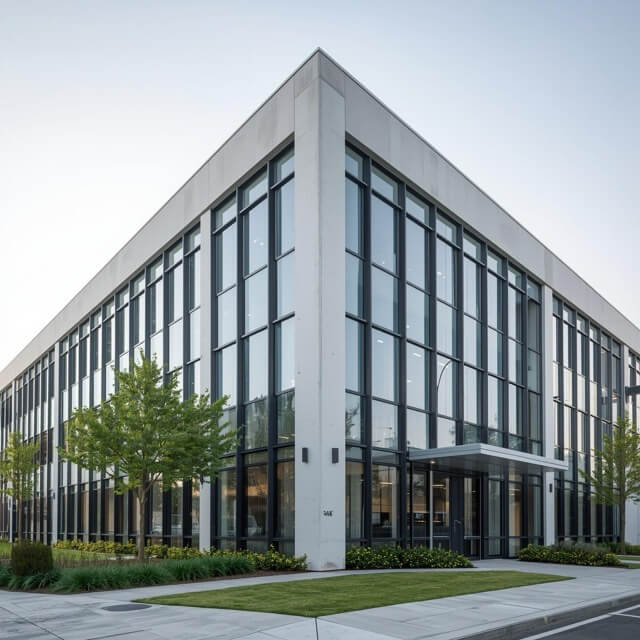
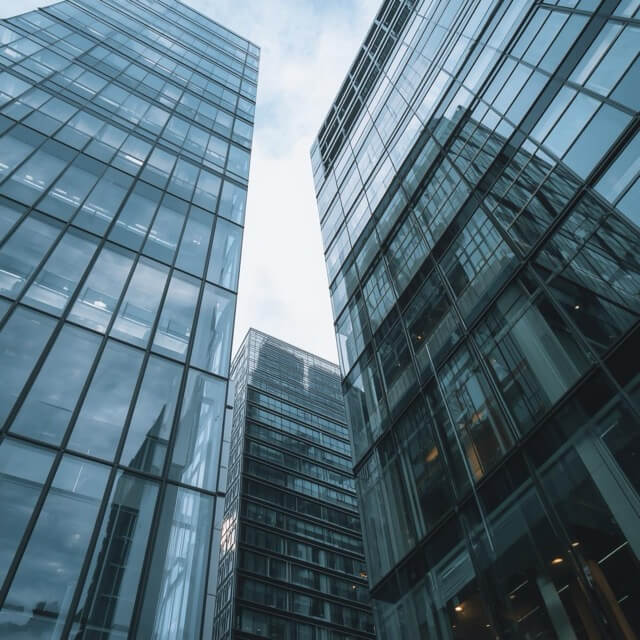
While the building envelope presents a complex challenge, it also offers the most direct path to significant LEED point accumulation. Architectural window film is a uniquely effective tool in this context, acting as a high-impact, low-intrusion upgrade that can directly contribute to earning points across multiple, heavily weighted credit categories. This is where a product strategy shifts into an integrated building performance strategy.
Targeting EA Credit: Optimize Energy Performance
The Energy and Atmosphere (EA) credit for Optimize Energy Performance is the cornerstone of any LEED certification effort, offering the highest number of potential points. Its objective is simple: reduce the energy consumption of the building compared to a baseline model. For buildings with significant glazing, solar heat gain is a primary driver of cooling costs.
Professionally installed solar control films are one of the most cost-effective ways to improve performance in this category. They are engineered to lower the Solar Heat Gain Coefficient (SHGC) of existing windows, which is the measure of solar energy transmitted through the glass. By rejecting a high percentage of infrared heat before it enters the building, these films drastically reduce the load on HVAC systems.
This performance improvement is not just theoretical. For LEED documentation, the improved SHGC and U-value of the film-treated glass are entered into the building’s energy model. The resulting reduction in simulated energy use translates directly into points under this critical credit, often providing a return on investment that far exceeds the initial cost of the film installation. This makes it a powerful alternative to a full, and vastly more expensive, window replacement.
Enhancing IEQ Credit: Daylight and Quality Views
The Indoor Environmental Quality (IEQ) category focuses on the well-being of the building’s occupants. The IEQ credit for Daylight aims to connect occupants with the outdoors by providing sufficient natural light, which has been shown to improve productivity and health. However, uncontrolled daylight can introduce unwanted glare and heat.
This is a classic performance paradox that advanced window films are designed to solve. Modern, spectrally selective films can differentiate between different wavelengths of light. They allow a high percentage of visible light to pass through while simultaneously blocking the majority of infrared (heat) and UV radiation. This achieves two goals for the Daylight credit:
- It allows for the harvesting of natural light, reducing the need for artificial lighting and its associated energy costs.
- It mitigates the negative side effects of sunlight, such as glare and heat, making spaces near windows more comfortable and usable throughout the day.
Furthermore, by reducing excessive glare on screens and surfaces, these films directly support the IEQ credit for Quality Views. This credit requires providing occupants with a clear and comfortable line of sight to the outdoors. A window plagued by glare is not a quality view. Film restores the functionality of the view, helping the project meet the credit’s stringent requirements.
Improving IEQ Credit: Thermal Comfort
Closely related to energy performance but distinct in its focus, the IEQ credit for Thermal Comfort is designed to ensure a high level of comfort for the majority of occupants. The LEED standard references ASHRAE Standard 55, which specifies the environmental factors and personal factors that create a thermally comfortable environment.
Windows are often the source of thermal discomfort, creating hot spots from direct sun and cold spots from radiant heat loss in winter. This variance makes it difficult to maintain a consistent temperature throughout an office, leading to occupant complaints and inefficient HVAC zoning.
Solar control films address this directly by creating a more uniform interior surface temperature on the glass. By blocking solar heat gain, they eliminate the intense hot spots near windows on a sunny day. In cooler climates, low-emissivity films can also help to retain indoor heat, reducing the feeling of cold drafts near windows. This improved temperature consistency is a key factor in satisfying the criteria for the Thermal Comfort credit, contributing to a more pleasant and productive indoor environment.
How Film Contributes to Building Lifecycle Impact Reduction
Beyond operational performance, LEED v4.1 places a strong emphasis on the entire lifecycle of a building, including the environmental impact of its construction materials. This is addressed in the Materials and Resources (MR) credit, Building Life-Cycle Impact Reduction.
A primary intent of this credit is to encourage the adaptive reuse of existing buildings and materials. Window film is a powerful enabler of this strategy. For a renovation project, replacing existing windows carries a significant embodied carbon footprint, from the manufacturing of new frames and glass to the transportation and disposal of the old units.
By upgrading the performance of existing glazing with window film, a project team can avoid this entire cycle of removal and replacement. This act of preservation and enhancement aligns perfectly with the credit’s goal of reducing the environmental impacts associated with new construction. Specifying window film becomes a documented strategy for material conservation, demonstrating a commitment to extending the life of the building’s core components and contributing to a more sustainable, circular approach to building management.
The Building Science of High-Performance Film: SHGC, VLT, and U-Factor
To appreciate how window film impacts LEED certification, we must first understand the core building science principles at play. The performance of any fenestration system is measured by a few key metrics. Modern architectural films are engineered to selectively modify these metrics, turning a building’s existing windows from a liability into a high-performance asset.
Decoding Solar Heat Gain Coefficient (SHGC) for Cooling Load Reduction
The Solar Heat Gain Coefficient, or SHGC, is a measurement of the solar radiation admitted through a window. It is expressed as a number between 0 and 1. A lower SHGC means less solar heat is transmitted, which is critical for reducing a building’s cooling load.
In the context of LEED, particularly within the Energy and Atmosphere (EA) credit category, reducing the cooling load is paramount. A significant portion of a commercial building’s energy consumption is dedicated to HVAC systems fighting solar heat gain. By installing a window film with a low SHGC, a building can dramatically decrease the amount of heat entering through its glass. This directly translates to lower energy consumption, reduced operational costs, and quantifiable performance improvements essential for earning points under EA Prerequisite Minimum Energy Performance and EA Credit Optimize Energy Performance.
Balancing Visible Light Transmittance (VLT) for Daylighting Without Glare
Visible Light Transmittance, or VLT, measures the amount of visible light that passes through a window. A higher VLT allows more natural light into a space, which is a cornerstone of sustainable design and a key factor in the LEED Indoor Environmental Quality (IEQ) credit category. The goal is to achieve points for daylighting credits, which aim to connect occupants with the outdoors and reduce the need for artificial lighting.
However, high VLT can also lead to uncomfortable glare on screens and surfaces, diminishing occupant comfort and productivity. The challenge is to strike the right balance. This is where professional specification becomes crucial. The ideal film maintains a high enough VLT to provide useful daylight while simultaneously controlling glare and rejecting heat. This optimization directly supports IEQ Credit Daylight and IEQ Credit Quality Views, enhancing the occupant experience—a central tenet of the LEED framework.
Understanding U-Factor and Its Role in Year-Round Insulating Performance
While SHGC addresses solar heat gain in warmer months, U-Factor measures the rate of heat loss through a window assembly. It is the inverse of R-value, so a lower U-Factor indicates better insulating properties. This metric is crucial for year-round performance, especially in mixed or cold climates where retaining indoor heat during winter is just as important as rejecting it in the summer.
Modern low-emissivity (low-e) window films can improve a window’s U-Factor. They work by reflecting radiant heat back into the room, reducing heat loss through the glass. While the primary energy-saving mechanism of film in most North American climate zones is SHGC reduction, the added benefit of an improved U-Factor provides a more comprehensive, year-round energy management solution. This contributes to the overall energy performance model required for the LEED EA credits, making the building more efficient in every season.
The Technology Edge: How Spectrally Selective and Low-E Films Work
The ability of window film to manage SHGC and VLT so effectively lies in advanced coating technology.
- Spectrally Selective Films: These are the most sophisticated films for solar control. They are engineered to be “selective” about which parts of the solar spectrum they allow to pass through. They precisely target and reject invisible infrared radiation, which is the primary source of solar heat. At the same time, they allow a large percentage of visible light to enter. This technology resolves the old trade-off between light and heat, enabling a building to stay bright and cool without the dark, highly reflective look of older films.
- Low-E Films: Low-emissivity films feature a microscopically thin, transparent metallic coating that reflects thermal energy. In winter, this means reflecting the heat generated by the building’s HVAC system back into the room, preventing it from escaping through the glass. In summer, it can also help by reflecting some of the exterior ambient heat outward. This dual-action performance improves a window’s U-Factor and contributes to overall energy efficiency.
Putting Theory into Practice: A LEED Gold Retrofit Scenario
To move from theory to tangible results, let’s consider a common scenario. This example illustrates how a data-driven approach to window film specification can transform a building’s performance and become a cornerstone of a successful LEED certification strategy.
The Challenge: An Aging Commercial Building with High Energy Costs
Imagine a 15-story office building constructed in the 1980s. It features standard double-pane clear glass windows, which were adequate for their time but are now a significant energy liability. The facility manager is battling high summer cooling costs, and tenants on the south and west facades frequently complain about intense afternoon heat and glare, forcing them to close their blinds and rely entirely on artificial lighting. The building owner wants to pursue LEED for Existing Buildings: Operations & Maintenance (LEED O+M) certification to improve asset value and attract new tenants, but the building’s poor energy performance is a major hurdle.
The Analysis: Using Energy Modeling to Prescribe a Film Solution
Instead of guessing which film to use, a comprehensive energy analysis is the critical first step. A qualified consultant uses energy modeling software, such as eQUEST or EnergyPlus, to create a digital twin of the building. By inputting architectural plans, utility data, and occupancy schedules, a baseline energy model is established.
This model is then used to simulate the performance of several different window film options. The software calculates the impact of each film’s specific SHGC, VLT, and U-Factor on the building’s hourly energy consumption. This analysis provides a clear, data-backed forecast of potential energy savings, peak load reduction, and the corresponding impact on operational costs, providing the precise documentation needed for a LEED submission.
The Application: A Strategic Film Installation Across Different Exposures
The energy model reveals that a one-size-fits-all approach is not the most effective strategy. The analysis prescribes a more nuanced solution:
- South and West Elevations: For these sun-drenched facades, a high-performance, spectrally selective film with a very low SHGC is specified. This film aggressively blocks solar heat gain where it is most intense, directly addressing the primary source of the building’s cooling load and the tenants’ comfort complaints.
- East Elevation: A film with a moderate SHGC is chosen for the east-facing windows to manage morning heat while preserving natural light.
- North Elevation: Here, solar heat gain is minimal. The prescription is for a film with a higher VLT and minimal heat rejection. This approach maximizes natural daylight and preserves views without spending budget on performance that isn’t needed on this exposure.
This strategic application optimizes performance and budget, demonstrating a sophisticated understanding of building science that LEED reviewers value.
The Outcome: Quantifying Performance Gains for LEED Submission
Following the professional installation, the building’s performance is transformed. Post-retrofit monitoring and the finalized energy model confirm the project’s success. The results are quantified and documented for the LEED submission:
- A 25% reduction in the building’s annual cooling energy consumption.
- A 15% reduction in peak cooling demand on hot summer afternoons.
- Measurable improvements in daylight autonomy and a reduction in interior glare, verified by occupant surveys.
These proven gains contribute directly to earning significant points in the LEED framework, primarily under EA Credit: Optimize Energy Performance and IEQ Credit: Daylight. The project’s return on investment is clear, not just in energy savings, but in the enhanced asset value and marketability that come with achieving a higher level of LEED certification.
Specification Matters: Selecting the Right Film for Maximum LEED Impact
Achieving significant LEED points through window film is not a matter of simply choosing a product from a catalog. It is a sophisticated process of architectural enhancement where the correct specification is paramount. The performance of a building’s fenestration is a delicate balance of physics and aesthetics. The right film acts as a strategic tool to optimize that balance, while the wrong choice can compromise energy models, reduce occupant comfort, and ultimately fail to deliver the anticipated LEED credits.
Aligning Film Properties with Climate Zone and Building Orientation
A building’s interaction with the sun is not uniform. A strategy that is effective for a south-facing glass curtain wall in a hot, sunny climate like Miami (ASHRAE Climate Zone 1A) would be entirely inappropriate for a north-facing facade in a cold climate like Minneapolis (Zone 6A). A truly effective specification accounts for these critical variables.
For projects in cooling-dominated climates, the primary goal is to reduce solar heat gain. The key metric is the Solar Heat Gain Coefficient (SHGC), which measures the fraction of solar radiation admitted through a window. A lower SHGC is better for reducing air conditioning loads, directly impacting the Optimize Energy Performance credit (EA Credit).
Conversely, in heating-dominated climates, a film with a low U-factor is essential. U-factor measures the rate of heat loss and is the inverse of R-value. A lower U-factor indicates better insulation, helping to keep heat inside during winter. Modern low-emissivity (low-e) films are engineered to lower the U-factor, reducing heating costs and contributing to energy performance points.
Furthermore, different elevations of the same building require different solutions. A low-VLT (Visible Light Transmittance) film with a very low SHGC might be ideal for western-facing windows that receive intense afternoon sun. However, applying that same dark film to the northern elevation would needlessly sacrifice natural light, potentially working against the goals of the Daylight and Quality Views credits (EQ Credits). A comprehensive plan often involves specifying two or more different films for a single building.
The Crucial Role of a Professional Glazing Assessment
Before any film can be specified, a thorough assessment of the existing glazing system is not just recommended; it is mandatory for any serious project. Applying film to glass is a chemical and physical interaction that must be fully understood to avoid costly damage and ensure performance.
A professional glazing assessment includes:
- Glass Identification: Determining if the windows are single-pane, double-pane, tempered, annealed, or have an existing factory low-e coating.
- Thermal Stress Analysis: High-absorption films increase the temperature of glass. Applying the wrong film to certain types of insulated glass units (IGUs) or laminated glass can create excessive thermal stress, leading to seal failure, loss of inert gas fill, or even glass fracture. An expert can calculate this risk and specify a compatible film.
- Condition Check: Evaluating the state of the existing glass, frames, and glazing seals to ensure they can properly support a film application and will not compromise its longevity.
This assessment is a fundamental risk-mitigation step. It protects the building owner’s asset and ensures the window film solution will perform safely and effectively for its entire service life.
Comparing Film Technologies for Specific Performance Goals
The term “window film” encompasses a wide range of technologies, each designed for a different purpose. Understanding these distinctions is key to matching a product to a specific LEED objective.
- Spectrally Selective Films: These are among the most advanced films for LEED projects. They are engineered to be nearly invisible, allowing a high percentage of visible light to pass through (high VLT) while rejecting a very high percentage of infrared heat. This unique property allows them to drastically reduce solar heat gain without making the interior feel dark, making them ideal for projects focused on both energy savings (EA Credit) and daylighting (EQ Credit).
- Low-Emissivity (Low-E) Films: These films provide year-round performance. In the summer, they reflect long-wave infrared heat from the outside. In the winter, their low-emissivity surface reflects long-wave heat from the building’s HVAC system back into the room, reducing heat loss. This dual-action capability makes them a powerful tool for energy optimization in mixed and heating-dominated climates.
- Sputtered and Dual-Reflective Films: These films contain micro-layers of metal and are highly effective at rejecting solar energy. They often have a more reflective appearance, which provides excellent daytime privacy and is highly effective for glare control. This can be a major benefit for office environments, contributing to the Quality Views credit by reducing the need for blinds.
Why a One-Size-Fits-All Approach Fails LEED Projects
Specifying a single film for an entire building is a common but flawed approach driven by simplicity rather than performance. This methodology inherently ignores the unique solar exposure of each building elevation, leading to a cascade of negative consequences. It may cause north-facing offices to become too dark, while south-facing occupants still experience significant glare or heat.
From a LEED perspective, this approach surrenders a significant opportunity. It results in a blended, compromised energy model that fails to maximize potential savings. By not tailoring the film to the facade, the project forfeits the nuanced control needed to truly optimize daylight, views, and thermal comfort. This is the difference between simply adding a product and executing a sophisticated building envelope strategy.
Beyond the Spec Sheet: Why Expert Installation is Non-Negotiable for LEED Success
Even with a perfect specification, the entire investment and all potential LEED points are jeopardized if the installation is substandard. The performance data on a spec sheet is based on a flawless application. In the real world, that level of quality is only achieved through the hands of a trained, meticulous professional. For a LEED project, where every detail is scrutinized and documented, expert installation is not a luxury; it is a prerequisite for success.
The Risks of Improper Installation on Energy Performance and Aesthetics
A poorly installed window film is immediately obvious. Bubbles, trapped debris, creases, and peeling edges are not just aesthetic flaws; they are points of failure.
Each gap or unbonded area along the edge of the glass acts as a thermal bridge, allowing energy to pass through unaffected by the film. This compromises the promised SHGC and U-factor, leading to an energy model that cannot be matched by real-world performance. A few millimeters of gap, multiplied across hundreds of windows, results in a measurable and significant loss of efficiency. Aesthetically, these flaws disrupt visual clarity and can degrade occupant experience, undermining the intent of the Quality Views credit.
Ensuring Adhesion, Clarity, and Longevity for Lasting ROI
Professional installation is a technical process designed to create a clean, durable bond between the film and the glass. It involves a precise sequence of steps:
- Immaculate Surface Preparation: The glass must be surgically cleaned to remove any contaminants.
- Correct Slip Solution: Using the right mounting solution allows for proper positioning and helps activate the film’s pressure-sensitive adhesive.
- Systematic Squeegee Technique: A firm, methodical squeegee process forces out all the water, ensuring full adhesion without leaving bubbles or streaks.
- Precision Edge Trim: The film is trimmed perfectly to the edge of the glass, leaving a microscopic, consistent gap that prevents peeling while maximizing coverage.
When executed correctly, this process ensures pristine, distortion-free optical clarity and a bond that will last for the film’s entire warrantied lifespan. This longevity is what secures the long-term return on investment and the building’s continued high performance.
The Importance of Meticulous Documentation for LEED Compliance
LEED certification is a process of verification. Without complete and accurate documentation, no points can be awarded. A professional partner who is experienced with LEED projects understands that their work did not end when the installation was completed.
The project submission to the Green Business Certification Inc. (GBCI) requires a detailed paper trail. An expert installation team will provide a comprehensive documentation package, including:
- Manufacturer-provided technical data sheets for every film product used.
- A detailed “film schedule” or floor plan indicating which specific film was applied to each window, elevation, and zone.
- Copies of all relevant warranty documents.
- A formal letter of completion from the installation company.
This package provides the third-party reviewers with the proof they need to award credits for Optimize Energy Performance, Daylight, and Quality Views.
The CoolVu Advantage: Partnering with Experts Trained in Building Science
Selecting a CoolVu franchisee for a LEED project means engaging a partner who brings more than just installation skills to the table. It means collaborating with a consultant trained in the core principles of building science. They are equipped to conduct a professional glazing assessment, analyze the impact of climate and orientation, and recommend a sophisticated, multi-product solution tailored to the building’s unique needs.
This expertise transforms the process from a simple product transaction into a strategic partnership. For architects, building owners, and facility managers, this de-risks the project. It provides the confidence that the window film solution will be specified correctly, installed flawlessly, and documented meticulously, ensuring it delivers its full potential for energy savings, occupant comfort, and, ultimately, the targeted LEED certification points.
Conclusion: Elevating Your LEED Strategy with Expert Window Film Integration
As we have explored, achieving Leadership in Energy and Environmental Design (LEED) certification is a complex undertaking that requires a multifaceted approach. While major structural and system overhauls often command the most attention, the strategic application of advanced architectural window film presents one of the most compelling and cost-effective pathways to earning valuable LEED points. It is a nuanced solution that bridges the gap between ambitious sustainability goals and practical, budget-conscious implementation.
Recapping the High-ROI Path to LEED Points via Architectural Film
The path to higher LEED certification is paved with decisions that maximize impact while minimizing cost and disruption. Architectural window film excels on this front, offering a direct and measurable contribution to credits within the most heavily weighted LEED categories. By significantly improving a building’s energy performance, it directly addresses goals in Energy & Atmosphere (EA). Simultaneously, by mitigating glare, enhancing thermal comfort, and optimizing daylight, it scores critical points in Indoor Environmental Quality (IEQ). This ability to contribute to multiple credits with a single, non-disruptive installation makes window film a high-return investment, lowering operational costs while accelerating the journey toward certification.
Transforming Your Building Envelope from a Liability to an Asset
For many commercial buildings, the extensive use of glass in the building envelope represents a significant performance liability. Unprotected glazing is a primary source of solar heat gain in the summer and heat loss in the winter, driving up HVAC loads and creating uncomfortable spaces for occupants. Retrofitting with high-performance window film fundamentally transforms this dynamic. The building envelope is no longer a passive weak point but becomes an active, high-performance asset. It selectively filters solar radiation, preserves interior views, and insulates the building, turning a potential energy drain into a cornerstone of your efficiency and sustainability strategy.
Your Next Step: Engaging a Certified Specialist for a Project Consultation
Understanding the potential of window film is the first step. Capitalizing on it requires expert guidance. The sheer variety of film technologies—from spectrally selective to low-e and transitional films—means that the optimal choice is highly specific to your building’s unique characteristics and LEED objectives. A generic solution will yield generic results; a tailored solution is required to unlock maximum points and ROI.
Engaging a certified window film specialist for a project consultation is the critical next step. This process moves beyond product selection into a holistic analysis of your project’s needs. A true specialist will:
- Assess your building’s orientation, existing glazing, and HVAC system performance.
- Conduct an energy analysis to model potential savings and performance improvements.
- Understand your specific goals, whether they are focused on energy savings, occupant comfort, or earning specific LEED credits.
- Recommend the precise film specifications that align with your project goals and budget, ensuring code compliance and maximizing your return on investment.
This consultative partnership ensures that your investment is not just in a product, but in a precisely engineered solution that elevates your entire LEED strategy.
Conclusion: Elevating Your LEED Strategy with Expert Window Film Integration
The path to achieving higher levels of LEED certification requires a strategic, multi-faceted approach. As we have explored, architectural window film offers a uniquely efficient and cost-effective solution, delivering measurable returns across several critical credit categories. Moving forward requires shifting perspective from viewing film as a simple accessory to recognizing it as a sophisticated building performance upgrade.
Recapping the High-ROI Path to LEED Points via Architectural Film
Achieving significant gains in building performance often involves substantial capital expenditure and operational disruption, such as full HVAC system replacements or major window retrofits. In contrast, the professional installation of architectural window film presents a compelling high-return alternative. A single, targeted investment can directly contribute to earning points in both the Energy and Atmosphere (EA) and Indoor Environmental Quality (EQ) credit categories.
By improving the thermal performance of existing glazing, advanced films lower cooling loads, directly impacting the Optimize Energy Performance credit. Simultaneously, by controlling glare and improving access to natural daylight, they enhance occupant comfort and well-being, aligning with the goals of the Daylight and Quality Views credits. This ability to address multiple LEED objectives with one project makes window film one of the highest-impact upgrades available on a per-dollar basis.
Transforming Your Building Envelope from a Liability to an Asset
For many commercial buildings, the extensive use of glass represents the greatest energy liability in the building envelope. Unprotected glazing can lead to massive solar heat gain in the summer and significant heat loss in the winter, forcing mechanical systems to work harder and increasing operational costs. It can also create uncomfortable hot spots and debilitating glare for occupants.
Strategic application of the correct window film fundamentally changes this dynamic. It transforms a passive, underperforming surface into an active, high-performance asset. The film becomes an integral part of your building’s climate and comfort management system, selectively filtering solar radiation to reduce energy consumption while preserving natural light. This turns your building’s windows from a vulnerability into a key contributor to energy efficiency, occupant satisfaction, and overall asset value.
Your Next Step: Engaging a Certified Specialist for a Project Consultation
The difference between merely applying a product and successfully executing a LEED point strategy lies in expertise. The technical specifications of window films are vast, and selecting the optimal solution requires a nuanced understanding of building science, climate zones, and the specific performance data required for LEED documentation.
A professional consultation with a certified window film specialist is the essential next step. This process moves beyond a simple product quote to a comprehensive analysis of your building’s needs. An expert will:
- Evaluate your existing glazing and building orientation.
- Utilize energy modeling software to forecast performance improvements and potential energy savings.
- Recommend specific film solutions that align with your aesthetic goals and LEED point targets.
- Ensure the meticulous installation required to realize the modeled performance benefits.
Engaging an expert partner ensures your investment is not only effective but also correctly documented and validated, turning your vision for a higher-performing, LEED-certified building into a reality.
Frequently Asked Questions
How does window film help earn points in “LEED buildings” compared to replacing windows?
Window film allows you to achieve high-performance SHGC and U-value ratings at a fraction of the cost of new glass. Furthermore, it supports the Materials and Resources (MR) credit for Building Life-Cycle Impact Reduction by upgrading existing materials rather than sending old windows to a landfill and incurring the carbon footprint of manufacturing new ones.
Can window film help with the “Daylight” credit if it’s tinted?
Yes. The goal of the LEED Daylight credit is to provide high-quality light while minimizing glare. Spectrally selective films are ideal for leed buildings because they filter out heat-heavy infrared rays while maintaining a high Visible Light Transmittance (VLT), allowing natural light to flood the space without the blinding glare that forces occupants to close their blinds.
What is the most heavily weighted LEED category that window film affects?
The Energy and Atmosphere (EA) category, specifically the Optimize Energy Performance credit, is the most point-heavy. By reducing solar heat gain by up to 80%, window film lowers the building’s overall energy model, which is the primary metric for this category.
Do LEED reviewers require specific documentation for window film?
Absolutely. To secure credits, you must provide the NFRC (National Fenestration Rating Council) technical data sheets for the specific film used, along with a window schedule documenting where it was applied. Professional installers experienced in LEED buildings provide this “audit-ready” documentation as part of the service.
How does film contribute to the “Thermal Comfort” credit?
LEED follows the ASHRAE 55 standard for thermal comfort. Window film eliminates “hot spots” caused by direct solar radiation and “cold spots” caused by radiant heat loss in winter. This creates a more uniform temperature across the floor plate, which is essential for satisfying occupant comfort requirements.