Instant Overview: Why Indianapolis Businesses Invest in Commercial Window Tint
If your office, retail space, school, or medical building feels too hot near the windows, has annoying glare on screens, or struggles with rising energy bills, commercial window tinting Indianapolis can solve several problems at once. Commercial window tinting improves energy efficiency and enhances security while helping building managers create more comfortable commercial spaces across the greater Indianapolis area, including Downtown, Keystone, Carmel, Fishers, and Greenwood.
- Reduce solar heat, with commercial window films able to reduce heat by up to 79%.
- Cut glare on a computer, TV, digital menu, or customer-facing display; commercial window tinting reduces glare by up to 87%.
- Add UV protection: window films block 99% of harmful UV rays, and 3M films block up to 99.9% of UV radiation.
- Improve indoor comfort with more consistent temperatures and fewer hot spots near large glass.
- Add security film options to deter break ins, impacts, and natural disasters.
- Modernize aesthetics: commercial films enhance the exterior aesthetics of buildings and can create a uniform exterior appearance.
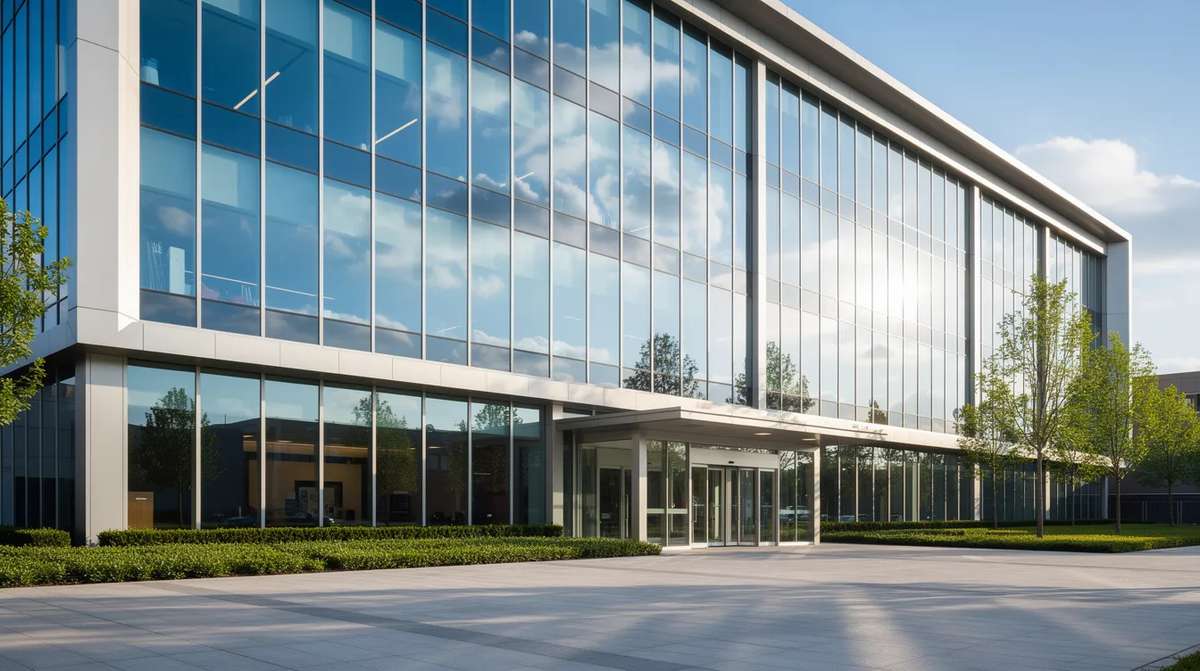
Table of Contents
- How Commercial Window Film Cuts Heat, Glare & Energy Costs in Indianapolis
- Types of Commercial Window Films for Indianapolis Buildings
- Security Film & Safety Upgrades for Indianapolis Commercial Properties
- Design, Privacy & Branding: Decorative Commercial Window Tint Options
- Our Process for Commercial Window Tint Projects in the Greater Indianapolis Area
- Why Choose Coolvu for Commercial Window Tinting in Indianapolis
- FAQs About Commercial Window Tint in Indianapolis
- Schedule Your Commercial Window Tint Consultation in Indianapolis
How Commercial Window Film Cuts Heat, Glare & Energy Costs in Indianapolis
Indianapolis summers bring July averages in the mid-80s°F, and heat index days above 90°F are common. In glass-heavy commercial properties, the sun’s rays pass through windows, trap solar heat, and push HVAC systems harder, especially on south- and west-facing elevations.
A quality commercial window film reflects and absorbs heat before it enters the room. Depending on glass type and film selection, quality window films can reduce solar heat gain by 40–78%, while 3M™ Sun Control Window Films reduce incoming heat by up to 78%. Tinting can reduce incoming solar heat by up to 79%, and solar window films block up to 80% of solar heat gain, while advanced window films can achieve up to 88% heat reduction in select applications.
For many Indianapolis buildings, energy savings from window tinting can reach up to 15%, and window film can reduce energy costs by up to 15%. Window tinting significantly lowers utility bills; some commercial buildings in Indianapolis can save over $3,000 annually after window film retrofitting. Commercial window tinting can lower HVAC loads significantly, while tinting eliminates extreme temperature fluctuations near large glass.
Key benefits include:
- Window tinting reduces distracting glare on computer screens, improving work life in offices and call centers.
- Commercial films block 99% of ultraviolet rays, and window film blocks 99% of UV rays, protecting interiors.
- Less UV exposure helps reduce fading in furniture, flooring, merchandise, artwork, and shades.
- Older Indianapolis buildings built before about 1990 often get better performance at lower cost than full glass replacement.
- High-VLT technology can reduce glare while preserving natural light.
Types of Commercial Window Films for Indianapolis Buildings
No single commercial window film fits every building. The right match depends on heat, glare, privacy, branding, security, aesthetics, existing glass, and budget.
- Solar control architectural window film is the workhorse for sun control, designed to reduce heat, reduce glare, improve energy efficiency, and save energy.
- Neutral and low-reflective films keep clear views and natural light; some are virtually undetectable from the street.
- Reflective films provide strong heat control, added daytime privacy, and a high-tech look to buildings.
- Ceramic film, nano-ceramic options, and transitional window films use modern technology to preserve natural light while reducing solar heat. Titanium nitride films provide exceptional heat reduction.
- Decorative and privacy window films add privacy, patterns, or branding for interior glass walls, clinics, and storefronts.
- Security film and safety film are thicker window treatments that help keep glass together.
- Specialty films include anti-graffiti layers for downtown storefronts and exterior-applied films for curtain walls.
Commercial window films can enhance privacy and comfort, and window films enhance privacy and reduce UV exposure. Insulating films help retain radiant heat inside during colder Midwest months, making some films useful beyond summer.
Security Film & Safety Upgrades for Indianapolis Commercial Properties
Vandalism, smash-and-grab theft, severe storms, and flying debris are real risk factors for Indianapolis businesses. Security glass film is a thicker, multi-layer security window film designed to help keep shattered glass in place, slowing quick entry and reducing hazards.
- Ground-floor offices, banks, pharmacies, jewelry stores, and retail in downtown Indianapolis and Castleton often use security film.
- Schools, daycares, and religious facilities in the greater Indianapolis area add protection on entry glass, sometimes considering ballistic and bullet-resistant glazing upgrades as an added layer of defense.
- Healthcare and government buildings use safety upgrades without bars or grates.
- Safety films hold shattered glass in place during impacts.
- Safety and security films deter break-ins and intrusions.
- 3M’s safety films hold shattered glass pieces in place.
- Window films reduce injury risks from glass breakage.
- Security films protect against severe weather conditions.
Security window film does not make glass unbreakable. It works best with quality frames, locks, alarms, and hardware, and it can often be paired with solar control to reduce heat while adding protection.
Design, Privacy & Branding: Decorative Commercial Window Tint Options
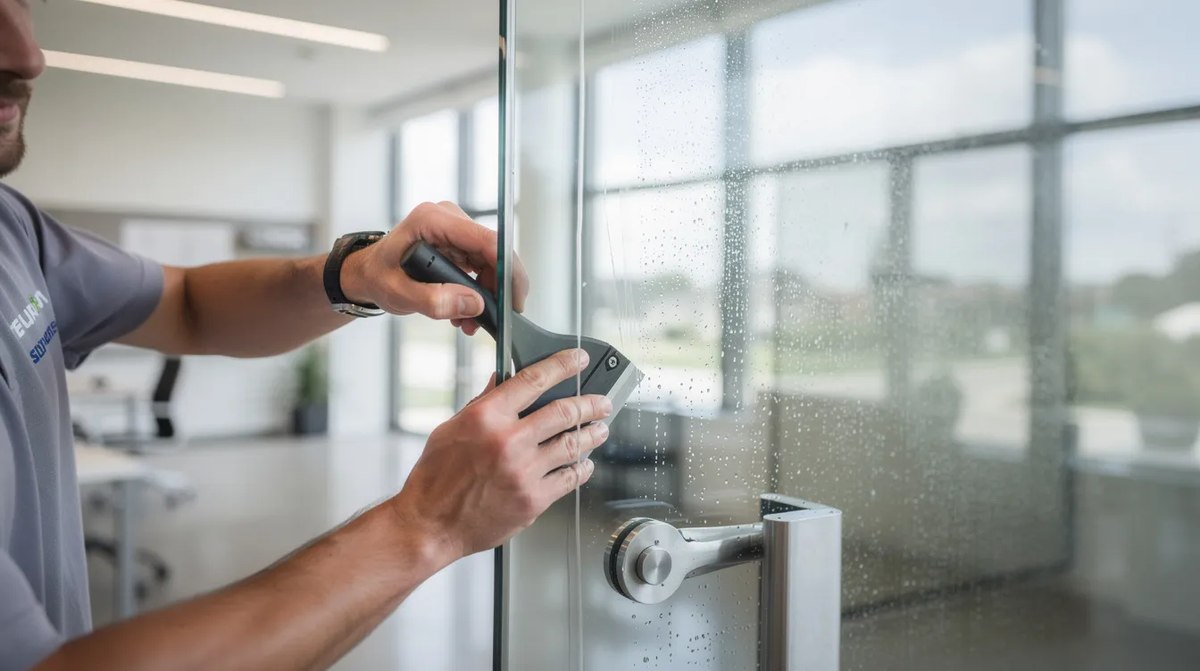
Decorative commercial window tint can turn plain glass into a privacy screen, branded feature, or design element without replacing the glass. Decorative films enhance privacy while reducing glare, and decorative films offer various designs for aesthetic appeal.
Common uses include:
- Frosted film on interior glass conference rooms in downtown office towers; some offices add switchable smart glass film for flexible privacy.
- Patterned film for clinics in Carmel and Greenwood to shield exam areas while allowing daylight.
- Branded film with logos, gradients, or bands on Mass Ave, Broad Ripple, and Fountain Square storefronts.
- Frosted or mirrored styles enhance confidentiality in lower-floor offices.
- Window tinting increases privacy without closing off workspaces.
- Window films enhance a building’s exterior appearance, and high-quality films improve the overall aesthetic of commercial spaces.
Decorative films are removable and updatable, which is useful for tenant improvements, changing brand standards, and customers who want flexibility.
Our Process for Commercial Window Tint Projects in the Greater Indianapolis Area
Our process is built for busy commercial buildings where disruption matters. We work around tenants, patients, students, staff, and customers, similar to how our broader window tinting and surface enhancement services in North Indianapolis are delivered with minimal disruption.
- On-site consultation and glass survey across the Indianapolis property, including measurements, glass type, hot spots, glare zones, and any roof, frame, or access concerns.
- Goal review: reduce heat, improve privacy, increase security, support branding, meet energy targets, or combine tailored solutions.
- Product recommendations with visible light transmission, solar rejection, UV blocking, and safety data.
- Clear proposal with scope, timeline, pricing, and no hidden fees.
- Professional install using trained commercial installers and proper safety practices.
- Final walkthrough with the property managers or facility director, plus cleaning instructions.
Most small to mid-size Indianapolis office projects take 1–3 days. Larger campuses or high-rises may be staged floor by floor.
Why Choose Coolvu for Commercial Window Tinting in Indianapolis
Coolvu focuses on long-term results for commercial window projects, not quick one-size-fits-all recommendations. We help building owners, facility directors, and property managers compare a diverse range of films and choose the right match for their building.
- Commercial focus for offices, schools, retail, healthcare, manufacturing, and mixed-use commercial spaces.
- Warrantied films with documented performance and typical 10–15 year commercial coverage.
- Familiarity with historic facades, modern low-E glass, and Indianapolis building constraints.
- Transparent communication, predictable scheduling, and practical recommendations.
- Ask for references or photos from completed greater Indianapolis projects.
Unlike residential, car, or vehicle tinting, commercial work requires planning for access, tenants, safety, and long-term building performance.
FAQs About Commercial Window Tint in Indianapolis
How much does commercial window tint cost per square foot in Indianapolis in 2026?
Basic solar films often run about $5–$8 per square foot, premium ceramic products $8–$15, and security or specialty films $15–$25+ depending on glass, access, removal, and scope.
How long does installation take for a typical office floor?
A typical office floor often takes 1–3 days. Larger commercial properties may be phased after hours, evenings, or weekends.
Will window tint make my building too dark?
Not necessarily. Ceramic and neutral films can be light, subtle, and nearly invisible while still blocking heat and glare.
Can commercial window tint be applied over existing tinted or low-e glass?
Sometimes, but the glass must be inspected first to avoid thermal stress, seal issues, or poor adhesion.
How long does commercial window film last?
Many films last 10–20 years depending on exposure, cleaning, film type, and whether the film is interior or exterior mounted.
Does window film help in winter?
Yes, insulating films help retain radiant heat inside, which can support comfort during Indianapolis freeze–thaw cycles.
What maintenance is required?
Use soft cloths and mild cleaners after curing. Avoid abrasive pads, ammonia-heavy products, and scraping tools.
Is there a warranty?
Yes. Warranty terms vary by manufacturer, film, install conditions, and maintenance.
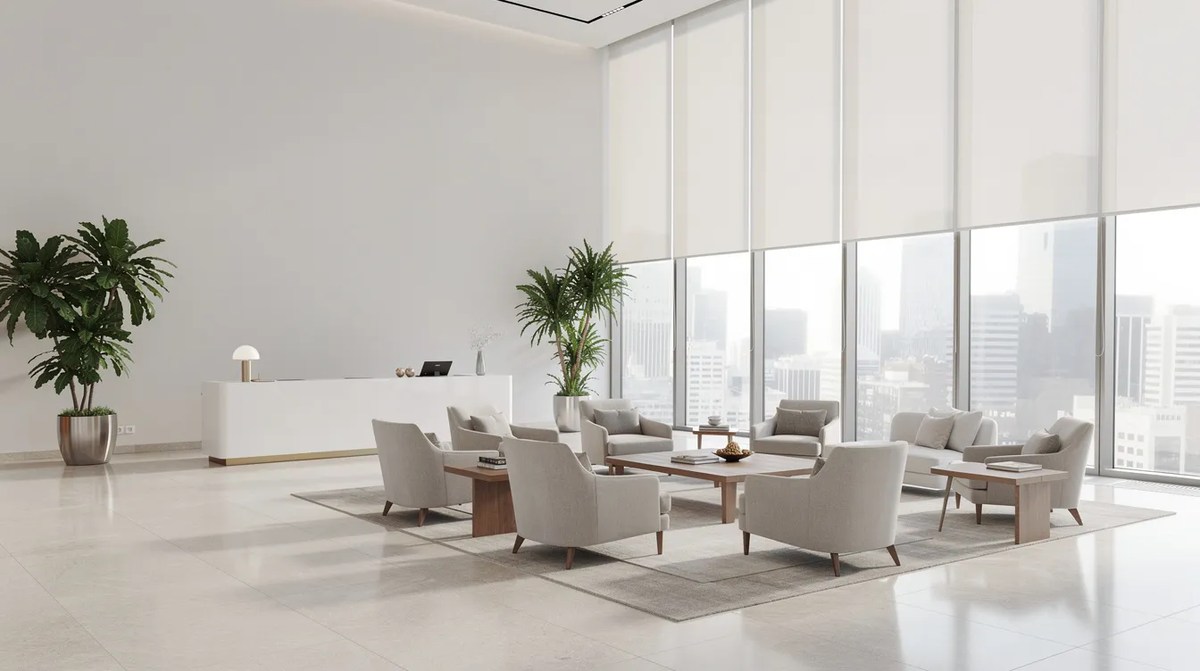
Schedule Your Commercial Window Tint Consultation in Indianapolis
Commercial window tinting can enhance comfort, reduce glare, provide UV protection, improve energy savings, and strengthen security for Indianapolis commercial properties. It can also protect furniture, flooring, inventory, and people from harmful UV rays and skin damage.
To get started, contact Coolvu to request a free on-site assessment and quote. Call during business hours, or fill out an online form to upload floor plans, photos, or glass measurements.
We serve Indianapolis, Carmel, Fishers, Noblesville, Greenwood, Plainfield, Avon, Westfield, and nearby cities across the greater Indianapolis area. Schedule early morning, evening, or weekend appointments so your building is more comfortable, efficient, and secure before the next peak summer or winter season.