- What is Security Window Film for Schools and How Does It Work?
- The Ultimate Benefit: Buying Time to Save Lives
- More Than Intrusion Prevention: All-Hazards Safety Benefits
- How to Choose the Right School Safety Film
- A Foundational Investment in Your School’s Safety
- Frequently Asked Questions
What is Security Window Film for Schools and How Does It Work?
The first step to improving school safety is recognizing a simple fact: your glass doors and windows are your weakest points. The second is realizing there’s a practical, proven, and budget-friendly solution to harden them. Security window film is an advanced polyester membrane designed to do exactly that, transforming your most fragile entry points into a robust layer of defense.
This isn’t about turning your school into a fortress. It’s about intelligently reinforcing the specific places where you are most exposed, buying invaluable time when every second is critical. Let’s explore what this technology is and how it works to protect your students and staff.

Turning a Vulnerability into a Formidable Barrier
Imagine an intruder striking a standard glass door. The glass shatters instantly, falling away and granting immediate access. The entire breach takes only a second or two.
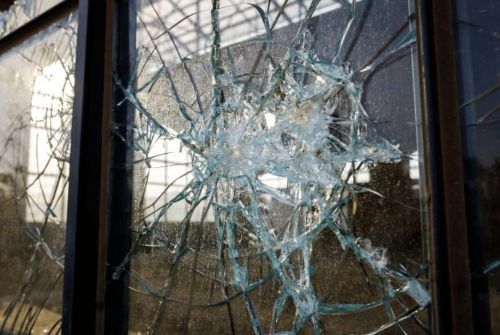
Now, imagine that same door is treated with security window film. The intruder strikes the glass, and it cracks and spiders, but it doesn’t fail. The film, bonded securely to the glass, holds all the dangerous shards together within the frame. The intruder has to strike it again, and again, and again, trying to tear a hole through the tough, flexible membrane. What was once an instant entry point has become a loud, difficult, and time-consuming obstacle. This delay is the entire point. It frustrates and deters the intruder while giving your staff the crucial window they need to initiate lockdown procedures and for first responders to arrive.
The Science Behind Shatter Resistance
While the technology is sophisticated, the concept is straightforward. Security window film is a transparent layer of heavy-duty polyester, engineered for extreme tear resistance and impact absorption. We apply it directly to the interior surface of your existing glass.
The real magic, however, lies in the unique adhesive system.
- A Physical Bond: The film is fused to the glass with an exceptionally strong, aggressive adhesive. This isn’t a simple sticker. It’s a chemical bond that ensures the film and the glass act as a single unit.
- Absorbing and Distributing Force: When an object strikes the glass, the film absorbs a significant portion of the impact energy and distributes it across the entire pane.
- Containing the Hazard: If the force is great enough to break the glass, the film holds the thousands of sharp, dangerous fragments together. Instead of exploding inward, the shattered pane remains largely intact in its frame, creating a shatter resistant glass barrier that is incredibly difficult to breach.
This containment not only delays intruders but also provides immense protection from accidental impacts or storm-related debris, preventing severe injuries from flying glass shards.
It’s Not the Same as Standard Tints or Shades
It’s important to understand that security film is fundamentally different from the solar or decorative films you might be familiar with. While they may look similar, they are engineered for completely different purposes.
Standard window tints are designed primarily for rejecting solar heat, reducing glare, or providing privacy. They are very thin and are not built to withstand any significant force. Security films, on the other hand, are specifically designed for impact and forced entry resistance. They are substantially thicker, often ranging from 4 to 21 mils, and use a far more powerful adhesive to ensure they remain bonded to the glass under violent stress. Choosing a standard film for a security application offers a false sense of safety and will fail when tested.
Maintaining a Welcoming Campus: The Invisible Layer of Protection
One of the most common concerns we hear from administrators is the fear of creating an intimidating, prison-like environment. You work hard to foster a school that feels open, positive, and welcoming, and the last thing you want is for security measures to undermine that.
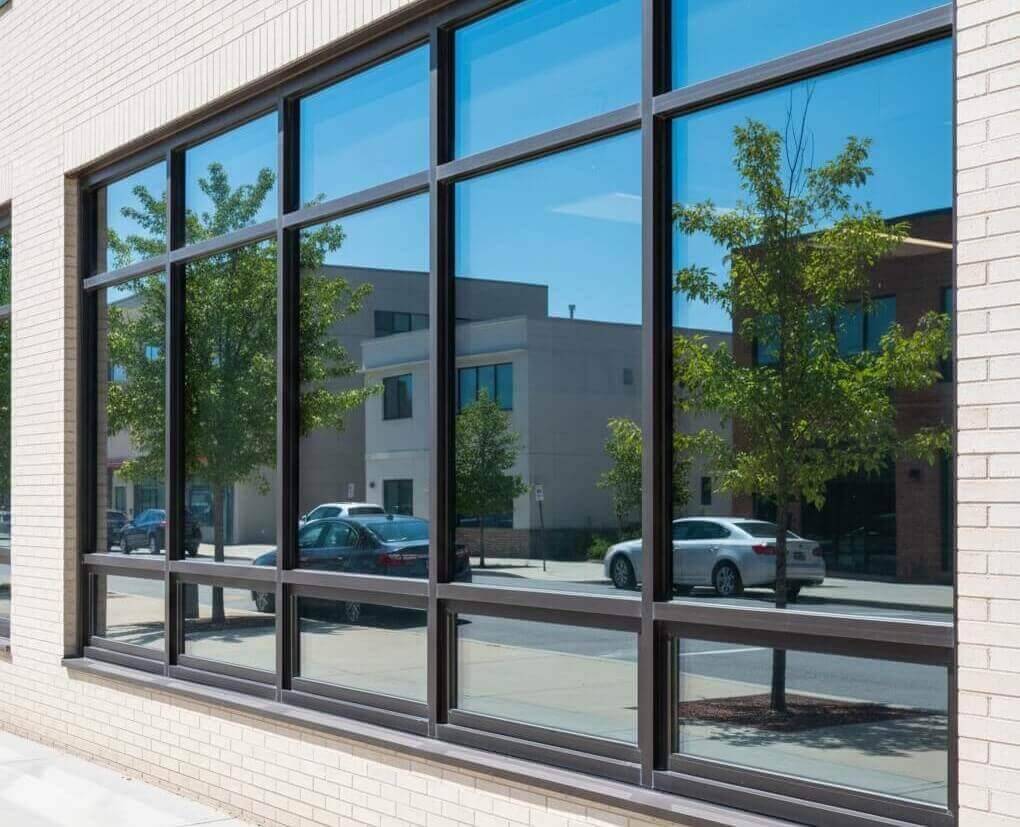
This is where anti-intruder window film truly excels. In its most common application, the film is optically clear and virtually invisible once installed. It doesn’t block natural light or distort views. To your students, staff, and parents, your school’s entrance will look exactly the same. They won’t see the protection, but it will be there, silently standing guard. This allows you to dramatically harden your building’s perimeter security without sacrificing the open, positive atmosphere that is so essential to a healthy learning environment.
The Ultimate Benefit: Buying Time to Save Lives
While no single measure can eliminate all risk, the primary goal of physical security is to create layers of defense that slow down a threat. In an active intruder scenario, time is the single most valuable resource. Every second gained is a second that allows for lockdown procedures to be fully executed and for law enforcement to arrive and neutralize the threat. This is where security window film proves its immense value, transforming your school’s most vulnerable points into a formidable time-buying asset.
Delaying Forced Entry by Critical Minutes
Standard tempered glass, common in schools, is designed to shatter into small, relatively harmless pieces for safety. Unfortunately, this means an intruder can break through a window or glass door in seconds with a single blow.
Shatterproof window film for schools completely changes this dynamic. When struck, the glass will still shatter, but a strong, flexible membrane of film holds all the pieces together, anchored securely to the window frame.
Instead of gaining instant access, the intruder is now faced with a flexible, rubber-like barrier that is incredibly difficult to penetrate.
They are forced to make repeated, loud, and physically exhausting attempts to break through, turning a 3-second breach into a multi-minute ordeal. These are not just seconds, but critical minutes that change the entire outcome of an event.
How Delay Time Enables Effective Lockdown Procedures
Your staff and students practice lockdown drills for a reason, but those procedures are only effective if they have time to be implemented. The sound of an intruder struggling to break through a film-protected window is an unmistakable early warning.
That delay provides the precious window of opportunity needed for:
- Teachers to lock classroom doors and move students out of sight.
- Administrators to issue a school-wide alert and communicate with law enforcement.
- Students to get to a designated safe corner of a room, away from immediate danger.
The film acts as the bridge between the alert and a fully secured classroom. It transforms a reactive scramble into a proactive, procedural response, giving your well-rehearsed school safety plan the time it needs to work.
Protecting People from Dangerous Glass Shards
During a forced entry attempt, the initial impact on unprotected glass creates a secondary, often overlooked danger, which is a spray of high-velocity glass shards. These fragments can cause severe injuries to anyone standing nearby.
Because security film holds shattered glass together, it largely eliminates this threat. The dangerous projectiles remain contained within the film’s membrane, keeping the immediate area safer for occupants. This benefit isn’t just for an active threat scenario. It also protects students and staff from injury in the event of an accidental breakage from a stray ball or everyday mishap.
The Psychology of Deterrence
Potential assailants almost always seek the path of least resistance. They look for soft targets where they can achieve their goals quickly, easily, and with an element of surprise. When an intruder strikes a window expecting it to crumble and instead finds a barrier that refuses to yield, it creates a powerful psychological hurdle.
The unexpected resistance disrupts their plan, draws significant attention through noise and commotion, and dramatically increases their risk of being stopped before they can even get inside. This frustration and loss of momentum can be enough to deter the attempt altogether, causing them to flee the scene.
More Than Intrusion Prevention: All-Hazards Safety Benefits
While the primary focus is often on active threat mitigation, a significant benefit of school safety film is its “all-hazards” approach to safety. The investment provides a return every single day by protecting your school community from a wide range of more common risks, making it a far more justifiable expense for tight budgets.
Defending Against Severe Weather and Natural Disasters
In regions prone to hurricanes, tornadoes, or other severe weather, high winds can turn small debris into dangerous projectiles. A broken window during a storm can lead to significant water damage and poses a direct threat to anyone inside. Security film acts as a protective shield, holding the glass in place even if it’s impacted, which helps keep wind, rain, and debris outside.
Mitigating Injury from Accidental Glass Breakage
Schools are busy places, and accidents happen. A student running into a glass sidelight, an errant piece of sports equipment, or even a landscaping mishap can lead to a broken pane of glass.
By holding the fragments together, security film turns a potentially dangerous event that could cause serious lacerations into a simple, contained cleanup.

An Added Layer of Blast Mitigation Protection
Though a rare event, the danger from an external explosion is a real concern. In a blast event, the number one cause of injury is typically from flying glass. Blast mitigation film is engineered to absorb and disperse the energy from a blast wave, dramatically reducing the speed and quantity of hazardous glass fragments projected into a room.
Enhancing Privacy and UV Protection as a Co-Benefit
This is where security becomes a clear enhancement to the learning environment. While most security films are optically clear to maintain a welcoming atmosphere, some options offer additional benefits that many schools find attractive.
- Enhanced Privacy: For ground-floor offices, classrooms, or bathrooms, frosted or mirrored films can be used to prevent outsiders from seeing in without blocking the view from the inside out.
- UV Protection: All professional-grade security films block more than 99% of damaging ultraviolet rays. This protects students and staff from UV exposure and prevents the fading of floors, furniture, and educational materials.
- Energy Savings: Tinted versions of the film can also reject a significant amount of solar heat, reducing the load on your HVAC system and lowering cooling costs. This is an added benefit that helps the project pay for itself over time.
How to Choose the Right School Safety Film
Making the decision to upgrade your school’s security is a significant one, and we know you want to get it right. While security film seems straightforward, not all products or installations are created equal. Understanding a few key factors will empower you to choose a solution that genuinely hardens your building and protects your students, ensuring your investment delivers the security you expect.
Film Thickness and Forced Entry Resistance
When you begin looking at security films, you’ll see them described by their thickness, measured in “mil.” You’ll commonly see options ranging from 4-mil to 14-mil or more. It’s easy to assume that thicker is always better, but the reality is more nuanced.
Think of it this way: a single sheet of paper tears easily, but a thick stack is much harder to break through. Similarly, a thicker film provides greater tear resistance. A 4 to 7-mil film is excellent for protecting against accidental impact or smash-and-grab incidents. However, when your primary goal is delaying a determined intruder, an 8-mil film or thicker is the professional standard. This added thickness, combined with a powerful adhesive, means it takes significantly more time and energy to breach the glass. That delay is the entire point. It’s the time your staff uses to react and the time first responders use to arrive.
The Critical Role of an Attachment System
This is arguably the most important component of a true security window film system. The film itself is only part of the solution. Without an attachment system, an intruder can shatter the glass and, even though the film holds the shards together, they can simply push the entire broken pane out of the window frame.
An attachment system solves this by mechanically bonding the film-covered glass to the window frame itself. It effectively fuses the film, glass, and frame into a single, robust unit. The most common and highly effective method is a wet-glaze system, where a high-performance structural silicone is used to create a powerful, flexible bond between the edge of the film and the frame.
A proper attachment system is what turns a window from a liability into a formidable barrier. It’s the difference between a film that just holds broken glass and a system that actively denies entry.
Understanding Safety Glazing Standards
How can you be sure a film will perform as advertised? You rely on independent, third-party testing and certifications. These standards aren’t just marketing terms, they are proof of performance in simulated, real-world scenarios.
Quality security films enable your existing glass to meet rigorous safety glazing standards designed to test for human impact, ensuring glass breaks in a way that minimizes injury. More importantly for forced entry resistance, look for films that have passed tests like the UL 972 standard for burglary-resisting glazing or ASTM F1642 for blast mitigation. Choosing a film that has passed these tests gives you confidence that you’re installing a product engineered and proven to withstand a violent attack.
Balancing Cost-Effectiveness with Your Security Goals
We understand that school budgets are a constant balancing act. The good news is that you don’t have to choose between total security and no security. Hardening your school with security film is not an all-or-nothing proposition. A strategic, phased approach, often fundable through school security grants, can provide a massive security upgrade while respecting your budget.
Your most vulnerable points are almost always the glass doors and windows at your ground-floor main entrance. By focusing your initial investment here, you can achieve the greatest impact for the cost. Think of it in tiers:
- A Good First Step: Applying a quality 8-mil film to your primary entry points dramatically hardens them against forced entry. This is the most cost-effective way to make an immediate, tangible difference.
- A Better Solution: Pairing that same film with a wet-glaze attachment system provides a significant increase in resilience, ensuring the entire pane can’t be pushed out of the frame.
- The Best Protection: For the highest level of security, a thicker film (10-mil or more) combined with an attachment system on all ground-floor glass provides a truly formidable barrier that buys the maximum possible time.
The most important thing you can do is start. Even a modest, strategically focused project provides a layer of protection that simply wasn’t there before.
A Foundational Investment in Your School’s Safety
We understand the responsibility for student and staff safety weighs heavily on your shoulders. The challenge is finding effective solutions that fit your budget and preserve the positive, open environment you’ve worked so hard to create. Security window film for schools isn’t just another line item. It’s a foundational upgrade that offers a powerful return on investment in the form of safety, security, and peace of mind.
As you consider your next steps, we hope you’ll remember these critical points:
- Time is Your Most Valuable Asset: The primary function of security film is to create a delay. By holding glass together, it buys precious minutes for lockdown procedures to work and for first responders to arrive.
- Turn Weak Points into a Strength: Glass doors and windows are an intruder’s preferred entry point. Security film hardens these vulnerabilities, making your building a much more difficult target.
- Enjoy Invisible Protection: The film is virtually undetectable, so you can dramatically increase your school’s security without creating a fortress-like, unwelcoming atmosphere.
- Choose a Cost-Effective First Line of Defense: Compared to replacing all glass with laminated alternatives, security film provides a significant level of protection for a fraction of the cost.
Security Film as a Force Multiplier
View security window film not just as a purchase, but as a force multiplier. Active shooter drills become more effective because the film provides the real-world time needed to execute them properly. Access control systems deliver greater value because you have a larger window to alert everyone. Partnerships with law enforcement are strengthened because responders gain the time they need to act before an intruder gains access.
The journey to a more secure campus begins with understanding your specific vulnerabilities. We encourage you to schedule a no-obligation consultation with a CoolVu security film expert. It’s a simple, proactive measure that can provide an immediate and lasting impact on the safety of your entire school community.
Frequently Asked Questions
How much does security window film for schools cost?
The cost depends on several factors, including the type and thickness of the film, the complexity of the installation, and whether you include an attachment system. However, it’s significantly more affordable than replacing all your windows and doors with laminated glass. A strategic, phased installation focusing on the most vulnerable areas like main entrances can be a very budget-friendly way to achieve a major security upgrade.
Will security film make our school look like a prison?
Absolutely not. This is one of the biggest advantages of the technology. The most common security films are optically clear and virtually invisible after installation. They don’t block natural light or change the appearance of your school, allowing you to maintain a bright, open, and welcoming environment while silently adding a powerful layer of protection.
Is security film the same as bulletproof glass?
No, it’s important to understand the difference. Security film is designed for forced entry resistance and blast mitigation. It works by delaying an intruder who is trying to break through the glass with tools like a hammer or a bat. It is not rated to stop bullets. While it provides a huge security upgrade over standard glass, it is not a substitute for ballistic-rated glass in areas where that level of protection is required.
How long does it take to install school safety film?
Installation is a relatively quick and non-disruptive process. An experienced team can typically complete the main entrance and other critical ground-floor areas of an average-sized school in just a few days. The work can often be scheduled outside of school hours, on weekends, or during school breaks to ensure there is zero disruption to your students and staff.