- Your Building’s Most Overlooked Weakness: Unprotected Glass
- What is Protective Window Film?
- How Shatterproof Window Film Buys You Time
- Key Benefits Beyond Forced Entry Protection
- Choosing the Right Forced Entry Protection Film
- A Proactive Step Towards a Safer Future
- Frequently Asked Questions
Your Building’s Most Overlooked Weakness: Unprotected Glass
When securing a building, we tend to focus on reinforced doors, advanced locks, and high-tech alarms.
Yet, the most vulnerable points are often the largest and most fragile parts of your structure: your windows and glass doors. They represent a critical gap in nearly every security plan.
For an intruder, time is the enemy. Their goal is to get in, get what they want, and get out before they’re caught. Unprotected glass offers the path of least resistance.
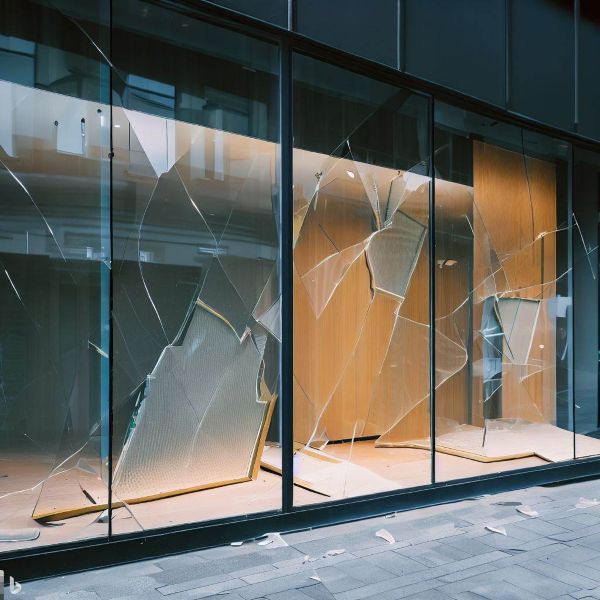
A single strike is often all it takes to shatter a standard pane, creating an instant opening. Unlike prying a door, breaking glass is fast and requires little skill, making it the go-to method for everything from smash-and-grab burglaries to more dangerous forced entries.
Why Alarms and Cameras Aren’t Enough
This brings us to a fundamental flaw in many security strategies. Alarms and cameras are essential, but it’s vital to understand their role. They are reactive, not preventative.
- Alarms notify you of a breach after it has already happened. The moment an alarm sounds, the intruder is likely already inside.
- Cameras record an event as it’s happening. They provide valuable evidence for later, but they do nothing to physically stop someone from getting in.
These systems are designed to initiate a response, but response takes time. The critical gap between an alarm and the arrival of law enforcement is an intruder’s greatest asset. While alarms and cameras tell you a crisis is happening, they don’t buy you the seconds and minutes needed to keep people safe. They detect the threat, but they don’t delay it.
Invisible Strength vs. Visible Fear
So, how do we strengthen our buildings without turning them into prisons? For facilities like schools, community centers, and storefronts, a welcoming atmosphere is everything. Heavy steel bars and roll-down shutters are effective, but they send a disheartening message. They can make students, employees, and customers feel like they are in a high-threat environment, fostering anxiety instead of safety.
This is the hidden cost of visible security. It can hurt morale and change the perception of your space, making a school feel less like a place of learning and more like a fortress. The challenge is to add meaningful protection without sacrificing the open, positive environment you’ve worked so hard to create.
What is Protective Window Film?
This is where protective window film changes the equation. It’s a solution designed specifically to address the vulnerability of glass, providing a robust layer of defense that is completely invisible. It works with your existing security systems, but it fills the one gap they can’t: physically delaying entry.
More Than Just a Tint
When people hear “window film,” many think of dark car tints or decorative frost. Security window film is a different product entirely. Its primary function is strength. This optically clear sheet is professionally applied to the interior surface of your existing glass. Its purpose isn’t to change the look of your window, but to fundamentally change its ability to withstand impact.
The remarkable strength of security window film comes from its construction. It’s made from layers of heavy-duty polyethylene terephthalate (PET), the same incredibly resilient polyester used in many industrial safety applications. The film is bonded to the glass with an exceptionally strong adhesive.
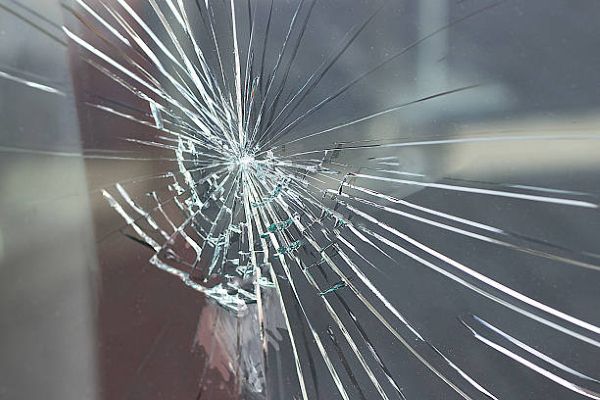
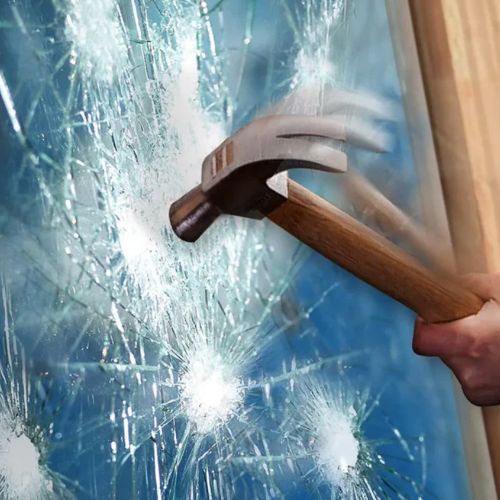
When an intruder or even a powerful storm strikes the window, the glass will still crack. However, the film holds all the shattered pieces together in the frame. Instead of the glass immediately falling away, it remains a formidable barrier. This forces an intruder to waste precious time and energy repeatedly striking the window to try and tear a hole through the film, which creates noise and attracts attention. This intruder delay is invaluable, giving occupants time to react and responders time to arrive.
Protection Without the Fortress Feel
The true elegance of protective window film is that it provides this incredible security without anyone knowing it’s there. Because the film is optically clear, it doesn’t block natural light or distort the view. Your building remains as bright, open, and inviting as it was before.
For a school superintendent or a retail manager, this is the ideal solution. You can drastically harden your building’s weakest points without installing a single bar or shutter. You maintain a positive, welcoming atmosphere while adding a powerful, invisible layer of protection that gives everyone inside peace of mind.
How Shatterproof Window Film Buys You Time
The single most critical factor in any security event is time. The primary job of protective window film is to buy you more of it. An unprotected window can be breached in seconds. With a professionally installed security film, that same window can withstand repeated, heavy impacts for several minutes.
This delay can be the difference between a successful smash-and-grab robbery and a thwarted attempt. In a school or office, those extra minutes provide a crucial window for emergency response teams to arrive and for people inside to execute safety protocols. The film transforms your weakest points into a barrier that frustrates and deters attackers, who rely on speed and surprise.
The Science of Glass Fragment Retention
When an object strikes standard glass, the impact energy creates micro-fractures that spread instantly, causing the pane to break apart. Security film acts as a flexible membrane bonded to the glass, absorbing and dispersing the force of an impact.
Even when the glass eventually fractures, the film’s most important safety feature, known as glass fragment retention film, holds the shattered pieces together. Instead of exploding into a shower of dangerous shards, the broken pieces remain stuck to the film and held in the window frame.
This has two immediate benefits. First, it denies entry. An intruder faces a sheet of sharp glass fragments held together by a tear-resistant film, which is incredibly difficult to get through. Second, it protects people. By holding the shards in place, the film prevents the most common cause of injury during blasts and severe weather: flying glass. This makes it an essential upgrade for forced entry resistance and blast mitigation.
Key Benefits Beyond Forced Entry Protection
While its security performance is impressive, the value of protective film doesn’t stop there. It’s a multi-purpose solution that provides tangible benefits every day.
Preventing Smash and Grab Robberies
For retail owners, smash and grab crime is a constant worry. Thieves depend on being in and out in under a minute. Security window film is their worst enemy. The significant delay it causes draws attention and eliminates the element of surprise, often causing thieves to abandon their attempt and flee.
Enhancing Safety in Schools and Government Buildings
For administrators like School Superintendent Sarah, creating a safe environment without a fortress-like feel is a top priority. Security window film is the perfect solution for schools. It is virtually invisible once installed, so it doesn’t alter the building’s appearance or create an intimidating, closed-off feeling. This maintains a welcoming atmosphere while providing a powerful, invisible shield against intruders, giving students and staff precious time to lock down and shelter in place. Many installations can even be funded through school safety grants.
Protection Against Natural Disasters
From hurricanes to tornadoes, extreme weather poses a serious threat. A broken window can lead to catastrophic structural damage. Shatterproof window film holds glass in its frame, maintaining the building’s seal and protecting both the people and property within.
UV Protection and Energy Efficiency
Many security films also deliver benefits that can provide a return on your investment.
- Blocks Harmful UV Rays: The film can block up to 99.9% of the sun’s damaging ultraviolet radiation. This protects people from UV exposure and also prevents fading of interior furnishings, flooring, and merchandise.
- Improves Energy Efficiency: Many films include solar control technology that rejects a significant amount of solar heat. This reduces the load on your air conditioning, which lowers your energy bills and improves comfort.
- Reduces Glare: The film cuts down on harsh glare, making it easier to see screens and reducing eye strain for people working near windows.

Choosing the Right Forced Entry Protection Film
Once you’ve decided that protective window film is the right solution, the next step is navigating the options. Not all films and installations are created equal, and making the right choice is critical.
Understanding Film Thickness and Intruder Delay Time
A security film’s performance is directly related to its thickness, measured in “mils.” While thinner films offer safety from accidental breakage, true security begins with thicker products. For a school or ground-floor business, an 8-mil film is often the starting point for meaningful forced entry protection. This thickness is engineered to add 60 seconds or more to a breach attempt, buying invaluable time for alarms to sound and first responders to arrive.
Look for GSA Standards and Reputable Brands
How can you be sure a film will perform as promised? Look for products that meet or exceed government and industry standards. The General Services Administration (GSA) sets rigorous testing criteria for window films used in federal buildings to mitigate hazards from bomb blasts. A film that meets GSA standards, such as those from a reputable manufacturer like 3M, has been independently tested to withstand extreme force. This gives you verified proof that you are installing a high-performance security product.
Why Professional Installation Is Non-Negotiable
A high-quality film is only half of the solution. Professional installation is the other, equally important half. For maximum security, installers use an attachment system to anchor the film and glass to the window frame itself, often with a specialized structural silicone. This crucial step ensures that if the glass is broken, the entire pane remains held in the frame. Without this anchor, an intruder can simply push the entire filmed pane out, defeating the system in seconds. Always choose a partner with extensive experience in commercial security to ensure the job is done right.
A Proactive Step Towards a Safer Future
We’ve established that alarms and cameras are passive systems. They alert you to a breach, but they do nothing to stop an intruder from gaining entry through your building’s weakest points. Protective window film is the only solution that bridges this gap by providing active delay.
By holding shattered glass in place, the film transforms a vulnerable window into a formidable barrier. This denies an intruder the instant access they expect, creating a buffer of precious minutes needed for people to get to safety and for responders to arrive. It’s the missing link in a modern security strategy.

The true strength of is its unique combination of affordability, effectiveness, and aesthetics. It is an affordable retrofit solution that strengthens your existing glass for a fraction of the cost of replacement. Whether installed on standard glass or tempered glass, the film helps improve glass retention and enhances overall security performance. Most importantly for schools and public-facing businesses, the protection is invisible. You can maintain an open, welcoming environment while having a powerful layer of security working 24/7. It solves the security problem without creating a fortress.
Next Steps for Your Facility
Taking the first step toward a more secure facility is simple.
- Walk your building. Identify your most vulnerable points, paying close attention to ground-floor windows and glass entryways.
- Request a professional assessment. A security expert can provide a detailed analysis of your building’s risks and demonstrate how protective film performs.
- Develop a phased plan. You don’t have to secure every window at once. A professional can help you prioritize the most critical areas, allowing you to implement a security upgrade that is both manageable and immediately effective.
Contact CoolVu today to learn how protective window film can strengthen your glass, improve safety, and provide a tailored solution for your property.
Frequently Asked Questions
What’s the difference between security film and regular window tint?
Regular window tint is primarily designed for solar control, glare reduction, and privacy. It’s very thin and offers no meaningful security benefits. Protective window film is a much thicker, stronger product made from layers of heavy-duty polyester, specifically engineered to hold glass together upon impact and resist forced entry.
Will security window film make my building look like a fortress?
No, and that’s one of its biggest advantages. Professional-grade security films are optically clear, meaning they are virtually invisible once installed. They don’t change the appearance of your windows, block natural light, or obstruct the view, allowing you to maintain a bright and welcoming environment.
How long does protective window film actually delay an intruder?
The amount of intruder delay depends on the thickness of the film and the tool used by the attacker. However, even a standard 8-mil security film can add 1-2 minutes of resistance against a determined attack with a heavy object. This is a dramatic increase compared to the few seconds it takes to break an unprotected window, providing a critical window of time for response.
Is security window film expensive?
Compared to other physical security upgrades, like replacing all of your windows with laminated glass or installing roll-down gates, protective window film is a very affordable retrofit solution. It strengthens your existing glass at a fraction of the cost, making it one of the most cost-effective ways to harden your building’s perimeter.