- Big Windows Shouldn’t Mean Big Energy Bills
- The ‘One-Way Mirror’ Effect: How Daytime Privacy Works
- More Than Privacy: The Financial Case for Reflective Window Film
- Preserve Your Interiors by Blocking 99% of Harmful UV Rays
- Common Myths About Reflective Window Film, Debunked
- Is Reflective Window Film the Right Solution for You?
- Why Professional Installation Is Essential for Peak Performance
- Frequently Asked Questions
Big Windows Shouldn’t Mean Big Energy Bills
You love your big, beautiful windows. They flood your home or office with natural light and offer fantastic views. But with that beauty comes a list of frustrations: rooms that feel like greenhouses, a constant glare on your screens, and the uncomfortable feeling of being on display for the neighborhood. You find yourself closing the blinds, sacrificing the very light and views you cherish just to get some comfort.
This is the classic problem with unprotected glass. It’s an inefficient barrier that lets in the full force of the sun’s energy. This not only makes your space hot but also forces your air conditioning to work overtime, driving up your energy bills. Thankfully, reflective window film offers a sophisticated and elegant solution to reclaim your windows.

The Science of Solar Control, Simplified
At its core, reflective window film is an advanced material engineered to manage the sun’s energy. It’s a paper-thin polyester sheet embedded with microscopic metallic particles. When applied to your existing glass, these particles get to work.
Instead of absorbing solar heat and letting it pass into your room, the metallic layer reflects a significant portion of that energy back outside before it ever gets in. Think of it less like a sponge that soaks up heat and more like a shield that bounces it away. This simple yet powerful principle is the key to how it keeps your rooms dramatically cooler, all without blocking your view.
A great way to understand this solar control film is to think of it as high-tech sunglasses for your building. When you put on a good pair of sunglasses, the world becomes less harsh, and your eyes feel more comfortable. Reflective window film does the exact same thing for your indoor spaces.
- It cuts harsh glare. The film tames the intense brightness of direct sunlight, making it easier to watch TV, work on a computer, or simply relax without squinting.
- It blocks harmful UV rays. Just as sunglasses protect your eyes, the film blocks up to 99% of damaging ultraviolet (UV) radiation. This is your best defense against the fading of hardwood floors, furniture, rugs, and artwork.
By filtering the sun’s light, the film creates a more pleasant and protected indoor environment, allowing you to enjoy daylight without the negative side effects.
Choosing Your Film: VLT vs. Solar Energy Rejection
When selecting a film, you’ll see two key terms that define its performance. Understanding them helps you pick the perfect film for your needs.
- Visible Light Transmission (VLT): This is the percentage of visible light that passes through the filmed window. A lower VLT number means the film has a darker, more reflective appearance, offering more privacy and glare control. A higher VLT number means the film is lighter and more subtle, allowing more natural light to flow in.
- Total Solar Energy Rejection (TSER): This is the most important metric for comfort and energy savings. It measures the percentage of total solar energy, which includes UV light, visible light, and infrared heat, that the film blocks. A higher TSER means better heat rejection and a cooler room.
The great thing about modern films is that you don’t always have to choose a dark, low-VLT film to get excellent heat rejection. Thanks to advanced sputtered film and Low-E coating technologies, there are lighter films with high VLTs that still boast impressive TSER ratings. This lets you stop the heat without sacrificing the bright, airy feel of your space.
The ‘One-Way Mirror’ Effect: How Daytime Privacy Works
One of the most popular benefits is the ability of reflective window film to create powerful daytime privacy. It’s what people often call a one way mirror film, and it’s a game-changer for street-facing windows, overlooked backyards, and ground-floor offices.
The Secret is in the Light
The “one-way mirror” effect isn’t magic, it’s just science. The effect works based on the difference in light levels between two areas. The side with more light sees a reflection, while the side with less light can see through clearly.
During the day, it is significantly brighter outside your home or office than it is inside. As a result, anyone looking at your windows from the outside will see a crisp, mirror-like reflection of themselves and their surroundings. Meanwhile, from the inside, you are looking from a darker space into a brighter one, so you retain a perfectly clear view of the outdoors. This gives you complete daytime privacy to go about your day without feeling exposed.

The Nighttime Reversal and What to Do
It’s important to understand that this effect is dependent on light. At night, when it’s dark outside and you have lights on inside, the situation reverses. The inside of your home is now the brighter space, so people outside may be able to see in, while you will see a faint reflection on the glass from inside.
This isn’t a flaw but a predictable property of how the film works. The solution is the same one you’d use with any window: simply close your curtains, blinds, or shades for guaranteed nighttime privacy. The film provides fantastic, effortless privacy all day long, and your existing window coverings can take over after the sun goes down.
Balancing Privacy and Natural Light
Reflective window film is not a one-size-fits-all product. The wide range of available films, particularly the different VLT levels, gives you the power to find the perfect balance for your unique needs.
If your primary goal is maximum privacy for a bathroom or a street-level bedroom, a film with a lower VLT will provide a stronger mirror effect. If you’re more concerned with rejecting heat in a living room but want to keep the space as bright as possible, a lighter film with a high VLT and a great TSER rating would be the ideal choice. This makes it a highly customizable privacy window film for homes, allowing you to tailor the solution room by room.
More Than Privacy: The Financial Case for Reflective Window Film
While the one-way mirror effect often catches the eye, the real power of this film lies in its financial and comfort benefits. It’s a hardworking technology that tackles runaway energy bills, uncomfortable hot spots, and blinding glare. Think of it less as a privacy screen and more as a smart upgrade that enhances your building’s energy efficiency.
How Heat Reflective Window Film Reduces Cooling Costs
Have you ever stood near a sunny window and felt the heat radiating off the glass? That warmth is called solar heat gain. Sunlight is made up of visible light, UV rays, and infrared (IR) rays, which are the primary source of solar heat.
Modern heat reflective window film is engineered to be selective. It is coated with micro-thin layers of metal that are virtually invisible but incredibly effective at reflecting a huge portion of those heat-producing infrared rays. At the same time, it allows plenty of natural visible light to pass through. The result is a room that stays bright and inviting but significantly cooler. Many homeowners also explore solar window tint options when looking for effective ways to reduce heat gain and improve indoor comfort.

Calculating the Payback on Your Investment
Installing window film is an investment, but it’s one that starts paying you back immediately. By rejecting a substantial amount of solar heat, the film dramatically lessens the workload on your air conditioning system. Your AC won’t have to run as long or as hard to maintain a comfortable temperature, which translates directly into lower monthly energy bills.
The exact payback period depends on your local climate, electricity rates, window size, and sun exposure. For many homeowners and businesses, the energy savings are significant enough to offset the initial cost of the film within just a few years, making it a practical upgrade that improves your comfort and your bottom line.
Taming Annoying Glare on TVs and Computer Screens
A sun-filled room is wonderful until you try to watch TV or work on a computer. Direct sunlight creates frustrating glare reduction challenges, forcing you to squint or close the curtains.
Reflective window film is the perfect solution. It filters the harshest spectrum of sunlight, softening the light that enters your room and cutting down on annoying glare by up to 80% or more. This makes your living spaces and offices far more functional throughout the day. You can finally enjoy your view and use your screens without fighting the sun.
Preserve Your Interiors by Blocking 99% of Harmful UV Rays
The sun’s benefits come with a hidden cost. The same sunlight that brightens your rooms also carries damaging ultraviolet (UV) radiation, the single largest cause of fading in interiors. Professional-grade reflective films provide powerful UV rejection, blocking over 99% of these harmful rays and acting as a permanent sunscreen for your property.
The Invisible Damage of UV Radiation
Think of UV rays as a slow, silent bleach. Day after day, they break down the chemical bonds in dyes and materials, causing colors to fade, fabrics to weaken, and wood finishes to deteriorate. Standard window glass blocks only a fraction of this radiation, leaving your valuable possessions exposed. Over time, this leads to irreversible damage that can be costly to repair or replace.
By virtually eliminating UV radiation, window film is one of the best ways to protect your interior investments. It preserves the life and vibrancy of your most cherished items, including:
- Hardwood floors and custom cabinetry
- Upholstered sofas, chairs, and drapes
- Area rugs and carpets
- Paintings, photographs, and other artwork
This protective barrier ensures that the items near your windows remain as rich and colorful as those in the darkest corners of the room, safeguarding their value for years to come. The protection also extends to your health, helping to reduce cumulative exposure to UV rays that can contribute to long-term skin and eye damage.
Common Myths About Reflective Window Film, Debunked
When people first hear about window film, their minds often jump to outdated ideas of dark, bubbly tints. Modern films, however, are a world away from those old products. Let’s clear up a few common misconceptions.
Myth: The film will make my rooms too dark.
This is the biggest concern we hear, but modern films are engineered to be selective. They target and reject the invisible parts of the solar spectrum, primarily infrared heat and UV light. A high-quality film can block a significant amount of solar heat while still allowing plenty of visible light to pass through. Your room will feel just as bright, but without the uncomfortable heat and glare.
Myth: Reflective film will harm my houseplants.
In reality, the opposite is often true. Most common houseplants thrive in bright, indirect light. The intense, direct sun from an untreated window can scorch their leaves. Window film acts like a gentle filter, tempering the harshest rays and protecting your plants from burning while still providing the ample light they need for photosynthesis.

Myth: The mirrored look is outdated or unattractive.
The “mirror” effect is a feature, not a bug, and its intensity is your choice. This reflective quality is what provides exceptional daytime privacy. While the classic mirrored finish remains a popular and effective choice, today’s market is filled with options, from a subtle sheen to more neutral and even virtually invisible ceramic films that still offer excellent heat and UV rejection.
Myth: DIY installation is a good way to save money.
It’s tempting to think a DIY kit can deliver the same results for less, but this is one area where professional installation is non-negotiable. Window film installation is a precision craft. Without the right tools and techniques, you’re likely to end up with air bubbles, trapped dust, and peeling edges. A professional guarantees a flawless, edge-to-edge application and, most importantly, ensures your manufacturer’s warranty remains intact.
Is Reflective Window Film the Right Solution for You?
The key to deciding is to match the film’s capabilities to the specific problems you’re trying to solve. Take a moment to think about your biggest frustrations with your windows.
- Is heat your main enemy? If certain rooms become unbearably hot, your primary need is solar heat rejection.
- Is glare a constant annoyance? If you have to draw the blinds to use screens, your main goal is glare reduction.
- Do you feel exposed? If your street-facing windows are too revealing, your priority is daytime privacy.
For many people, the answer is a combination of all three. The beauty of modern window tinting is that you don’t have to choose. A single film can dramatically reduce heat, cut glare, and provide excellent daytime privacy all at once. It’s an ideal solution for homes with large picture windows and south- or west-facing rooms, and a smart investment for commercial spaces like retail storefronts and office buildings looking to lower cooling costs and improve employee comfort.
Before you commit, check with any HOA or building management for rules on exterior window appearance. A professional consultant can help you navigate these rules and assess your window type to ensure full compatibility.
Why Professional Installation Is Essential for Peak Performance
You’ve decided that reflective window film is the right solution. That’s a great first step. But to unlock its full range of benefits, from energy savings to flawless privacy, the film must be applied perfectly. Professional installation isn’t a luxury, it’s an essential part of the investment.
A professional technician ensures a flawless, bubble-free application that looks like it came from the factory. They have the specialized tools and experience to prepare the glass and apply the film for maximum longevity.
Crucially, nearly all leading film manufacturers will only honor their comprehensive warranties if the film is installed by a certified professional. Attempting a DIY installation almost always voids the product warranty, leaving you without protection against defects.
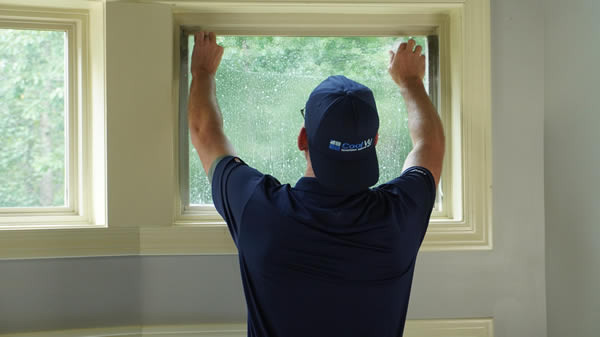
An expert also acts as a consultant, helping you choose the right film for your specific climate, window orientation, and primary goals. This tailored approach ensures you get a solution that perfectly matches your house window needs and performs as promised for years to come. Investing in a professional is the single best way to protect your investment and guarantee the clean, effective results you expect. Many property owners begin their search with phrases like Home Window Tinting Near Me, but professional guidance ensures the film you choose is properly matched to your windows, privacy requirements, heat-control goals, and long-term performance expectations.
Contact CoolVu today to discover how reflective window film can improve privacy, reduce heat, and create a more comfortable space tailored to your needs.
Frequently Asked Questions
Will reflective window film make my room too dark?
Not at all. Modern films are designed to be selective, blocking invisible infrared (heat) and UV (fading) rays while allowing a large percentage of visible light to pass through. You can choose from a range of Visible Light Transmission (VLT) levels to find the perfect balance of brightness and performance for your space.
Does one way mirror film work at night?
The one-way mirror effect depends on a light imbalance, it’s always brighter on the “mirror” side. During the day, it’s brighter outside, so you get privacy. At night, when it’s dark out and your lights are on inside, the effect reverses. For nighttime privacy, you’ll still need to use your blinds or curtains.
How long does reflective window film last?
Professionally installed, high-quality reflective window film is incredibly durable. Most products come with a manufacturer’s warranty that covers issues like bubbling, peeling, or discoloration for 10-15 years for commercial applications and often a lifetime for residential ones. It’s a long-term upgrade for your property.
Can installing window film damage my windows?
When installed by a certified professional who assesses your glass type, the risk is virtually zero. Professionals are trained to know which films are compatible with which types of glass (like double-pane or treated glass) to prevent any thermal stress. DIY installations, on the other hand, can carry a risk if the wrong film is used.
Is reflective window film expensive?
It’s best to think of it as an investment with a clear return. While there is an upfront cost, the film starts paying you back immediately through lower energy bills from reduced A/C usage. Many property owners find that the film pays for itself in energy savings within a few years, all while making their space more comfortable and protecting their interiors.