Table of Contents
- Finding the Right Installer
- Understanding House Window Tinting
- Benefits of Residential Window Tinting
- Choosing Local Window Tinting Services
- Common Challenges and Solutions
- Conclusion and Next Steps
- Frequently Asked Questions
Finding the Right Installer
Finding quality house window tinting near me requires understanding what separates reliable local installers from inexperienced contractors. Residential window tinting involves applying specialized window film to your existing house windows to control heat, light, and UV transmission—a retrofit solution that delivers measurable benefits without the cost of full window replacement.
This guide covers residential window film installation, service selection criteria, and the specific advantages of working with local providers who can inspect your home, understand regional building codes, and ensure proper application for your climate. The target audience includes homeowners seeking energy savings, UV protection, enhanced privacy, or improved comfort who want to find and evaluate local home window tinting services effectively.
Direct answer: To find qualified house window tinting services in your area, search for installers certified by recognized film brands (3M, Llumar, Solar Gard), verify licensing and insurance, request itemized quotes from at least three providers, and confirm warranty coverage for both materials and workmanship.
After reading this guide, you will understand:
- The different types of window film and which perform best for specific needs
- Realistic cost expectations ranging from $6-15 per square foot for professional installation
- How to verify installer credentials and warranty protections
- What performance metrics (VLT, SHGC, UV rejection) matter for your decision
- Red flags that indicate inexperienced or unreliable contractors
Understanding House Window Tinting
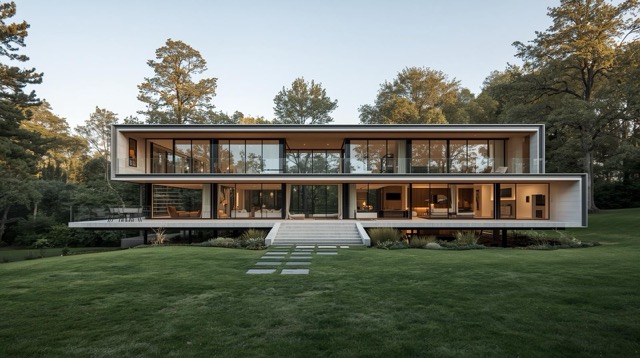
Residential window tinting means applying a thin film layer to existing glass windows in your home to alter how light, heat, and ultraviolet rays pass through. This retrofit approach modifies the performance characteristics of your current windows without requiring full replacement—making it significantly more affordable and less disruptive than installing new energy-efficient glass. It also helps create a more comfortable indoor environment throughout the year.
The purpose extends beyond simply darkening windows. Modern window film technology addresses multiple homeowner concerns: reducing solar heat gain to lower cooling costs, blocking harmful UV rays that damage furniture and flooring, enhancing daytime privacy while preserving natural light, and in some cases, adding security through shatter-resistant properties.
Window Film Types
Dyed Films embed dye between polyester layers to absorb sunlight. They offer basic glare reduction and privacy at the lowest cost ($6-7 per square foot installed), but typically fade within 3-5 years in direct sun exposure and provide limited heat rejection of only 30-45% of total solar energy.
Metalized Films contain microscopic metal particles that reflect sunlight and near-infrared radiation. These deliver strong heat rejection (60-80%) and last 15-20 years, but their reflective appearance may violate HOA restrictions, and the metal content can interfere with WiFi, cellular, and radio signals inside your home.
Ceramic Films use non-metallic ceramic nanoparticles to reject heat without signal interference or high reflectivity. They block approximately 99% of UV rays, allow higher visible light transmission than darker alternatives, and carry lifetime warranties from most manufacturers. The premium cost ($7-12 per square foot) reflects the superior performance of advanced ceramic window films and their longevity.
Spectrally Selective Films represent the most advanced technology, engineered to reject specific portions of the solar spectrum—particularly infrared heat—while preserving visible light. These solar control window films allow bright, natural light into your home while blocking the wavelengths that cause heat gain, making them ideal for homeowners who want comfort without darkening their interior.
Security Films are thicker, laminated products designed to hold glass together upon impact. These security window films add safety by preventing shattering and can deter break-ins, though they cost more ($8-15 per square foot) and may reduce clarity compared to thinner solar control films.
VLT (Visible Light Transmission) Ratings
Visible Light Transmission (VLT) measures the percentage of visible light that passes through the film and glass combination. A 70% VLT allows most natural light through with minimal appearance change, while a 20% VLT creates a noticeably darker interior and stronger privacy effect.
Higher VLT ratings (40-70%) suit homeowners who prioritize preserving natural light and view clarity. Lower VLT ratings (15-35%) provide maximum daytime privacy and glare reduction but require artificial lighting earlier in the day.
Local building codes and HOA regulations often specify minimum VLT requirements, particularly for street-facing windows where dark or reflective surfaces might create glare hazards for drivers or conflict with neighborhood aesthetic standards. Before selecting a film, confirm these requirements with your local building department or homeowner’s association.
Understanding these technical specifications prepares you to evaluate the tangible benefits each film type delivers for your specific situation.
Benefits of Residential Window Tinting
The performance differences between film types translate directly into measurable household benefits. Professional home window tinting using architectural window films for homes addresses several common problems homeowners face with their existing windows.
Energy Efficiency and Cost Savings
Window film reduces solar heat gain through your glass, lowering the workload on your air conditioning system. Studies show cooling load reductions of 15-40% depending on climate, window orientation, and film selection. South- and west-facing windows in particular contribute significantly to summer heat gain, making them priority candidates for treatment.
According to Department of Energy data, windows account for up to 30% of cooling energy consumption in many homes. Quality ceramic or spectrally selective films can reduce your Solar Heat Gain Coefficient (SHGC) by 20-50%, translating directly to lower electricity bills during hot summer months.
Payback periods typically range from 1-3 years in sunny climates, with premium films lasting 15-20+ years. This makes window tinting substantially more cost-effective than full window replacement for homeowners with structurally sound existing windows.
During winter, the trade-off is reduced beneficial solar heat gain. However, Low-E films with insulating properties can help retain interior heat, partially offsetting this concern in colder climates.
UV Protection and Furniture Preservation
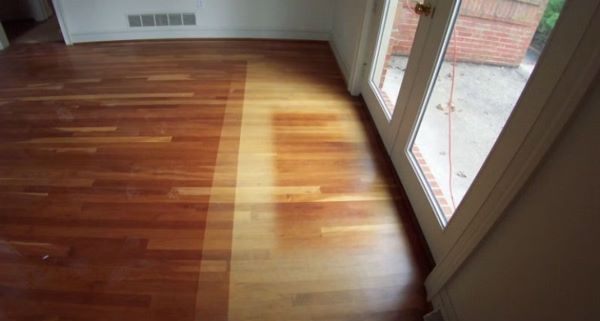
High-quality window film blocks approximately 99% of ultraviolet radiation—the wavelengths responsible for fading carpets, hardwood flooring, furniture upholstery, and artwork. Without protection, UV damage to furniture and finishes can noticeably degrade interior surfaces within just a few years.
This protection extends to health considerations. Prolonged UV exposure through windows, particularly UVA rays that penetrate standard glass, carries documented skin health risks for occupants who spend significant time near windows.
Ceramic and spectrally selective films deliver this UV protection without significantly darkening your interior or creating a reflective appearance, and transitional photochromic adaptive window films can automatically adjust tint levels while maintaining your view and natural light levels and eliminating the damaging wavelengths. These advanced solutions are used in homes around the world to improve comfort and protection.
Privacy and Security Enhancement
Even non-reflective, neutral-appearance films reduce visibility into your home during daylight hours while preserving your outward view. The degree of privacy depends on VLT—darker films provide better concealment, while lighter options prioritize natural light.
Reflective films create a mirror effect on the exterior during daytime, maximizing privacy but potentially reversing at night when interior lighting makes the inside visible. This nighttime limitation is important to understand before selecting highly reflective products.
Security films add a different type of protection by holding glass fragments together upon impact. This reduces injury risk from broken glass, provides resistance against forced entry attempts, and offers some protection during severe weather. In higher-risk environments, enhanced ballistic and intrusion-resistant glazing solutions can further slow or deter determined attackers. For ground-floor windows, sliding doors, and entry points, security film provides measurable safety benefits.
For homeowners looking for a guide to Glass Protection and Safety, security window films offer an effective way to strengthen existing glass, reduce the dangers associated with shattered glass, and provide an additional layer of protection against break-ins, accidents, and severe weather events without replacing the windows themselves.
Key benefit summary: Professional window tinting delivers quantifiable energy savings, protects your interior investments from UV damage, and enhances privacy and security—with results that depend heavily on proper film selection and expert installation.
Choosing Local Window Tinting Services
The quality of installation directly determines whether you achieve the performance, appearance, and longevity promised by the window film manufacturer. Professional installation ensures proper adhesion, clean edges, correct curing, and valid warranty coverage.
Service Selection Process
Begin your search before peak summer heat when installer schedules fill quickly and weather conditions favor optimal film curing, especially if you live in active markets like Sacramento where local window film installers can book out weeks in advance.
- Research local providers specializing in residential window film. Look for evidence of completed home projects (not just automotive tinting), partnerships with recognized brands, and portfolio images showing results on houses similar to yours, similar to how professional window film installation services showcase both residential and commercial work.
- Request itemized quotes from at least three installers. Ask for separate breakdowns of material costs versus labor, the specific film brand and model proposed, and any additional charges for removing old film, difficult access, or specialty windows.
- Verify credentials including business licensing, liability insurance, and any certifications from film manufacturers. Installers certified by brands like 3M, Llumar, or Huper Optik have demonstrated competency with those specific products.
- Compare warranty structures carefully. Understand what the manufacturer covers (defects, discoloration, peeling) versus what the installer guarantees (workmanship, edge sealing), and confirm warranty duration for each. Ask whether coverage transfers if you sell your home.
- Confirm regulatory compliance by checking local building codes and HOA requirements for reflectivity limits, minimum VLT, and appearance standards. Reputable local installers will know these restrictions for your area.
Cost and Service Comparison
| Factor | DIY Installation | Professional Installation |
|---|---|---|
| Cost | $2-6 per sq ft (materials only) | $6-15 per sq ft (materials + labor) |
| Time Investment | High—measuring, cutting, cleaning, applying, troubleshooting | Low—typically 1-2 days for whole house |
| Quality & Performance | Variable—depends heavily on skill; high risk of bubbles, creases, contamination | Consistent—proper tools, technique, and experience |
| Warranty Coverage | Material warranty only; may be void without professional installation | Both manufacturer and installer warranties; clear accountability |
| DIY installation can work for single small windows or budget-constrained situations where appearance matters less. However, for premium ceramic films, large or complex windows, or projects where longevity and warranty protection matter, professional installation delivers substantially better results. |
Total project costs vary widely based on home size and film selection. Small jobs (5-10 windows with standard film) typically run $500-1,200. Whole-house installations with premium ceramic film commonly range from $1,500-6,000, with specialty applications (skylights, large picture windows, security film) potentially exceeding these figures.
Understanding these cost structures helps you evaluate quotes and identify pricing that seems unrealistically low—often a warning sign of inferior materials or inexperienced installers.
Common Challenges and Solutions
Even with careful planning, homeowners encounter predictable obstacles when seeking home window tinting services. Anticipating these issues helps you navigate them effectively.
Finding Reputable Local Installers
The challenge: Many general contractors and glass shops advertise window tinting without specific experience with high-performance residential films. Some misrepresent film types—calling basic dyed film “ceramic” or exaggerating performance capabilities.
The solution: Request product specification sheets showing the exact brand, model, NFRC ratings (if available), and performance metrics (VLT, SHGC, infrared rejection). Ask for references from residential projects completed in the past year. Verify current liability insurance and, if the work involves upper stories or scaffolding, workers’ compensation coverage. Get the film name, model number, and warranty terms documented in your written contract. Many reputable installers also maintain a server for storing project records and documentation.
Understanding Warranty Coverage
The challenge: Warranty confusion arises when homeowners don’t distinguish between manufacturer coverage (material defects, adhesion failure, discoloration) and installer coverage (workmanship, edge sealing, application errors). The two are separate, and gaps can leave you unprotected.
The solution: Ask specifically what each warranty covers, for how long, and what conditions void coverage. Common exclusions include damage from improper cleaning products, moisture intrusion, or application to certain glass types. Manufacturer warranties on premium films often extend 15-20 years or lifetime, while installer labor warranties typically run 1-5 years. Confirm whether warranties transfer to new owners if you sell your home.
Avoiding Installation Defects
The challenge: Poor installation undermines even the best film. Bubbles, creases, contamination under the film, inadequate edge sealing, and visible seams result from inexperience, rushed work, or improper preparation.
The solution: Signs of quality installation include perfectly flat film with no visible defects, uniform squeegee patterns, cleanly sealed edges, and clarity at night. Red flags include installers who claim all films are “ceramic” without documentation, pricing dramatically below local competitors, vague or verbal-only warranty promises, and inability to provide local references. For insulating glass units (double or triple-pane windows), confirm the film is compatible—some films trap heat in ways that can stress sealed units and void glass manufacturer warranties.
Awareness of these common problems positions you to ask the right questions and select a company committed to quality work, whether you’re comparing regional specialists in your area or evaluating window tinting services in Southern New Hampshire.
Conclusion and Next Steps
Finding quality house window tinting near you requires evaluating installer credentials, understanding film performance differences, and securing proper warranty protection. Local providers offer advantages that remote services cannot: onsite inspection of your specific windows and orientations, knowledge of regional building codes and HOA requirements, and accountability for installation quality.
Immediate action steps:
- Identify 3-5 local installers specializing in residential window film, not primarily automotive tinting
- Request detailed quotes specifying film brand, model, performance metrics, and separate material/labor costs
- Verify licensing, insurance, and any manufacturer certifications
- Compare warranty terms for both materials and workmanship
- Check local building codes and HOA restrictions before making final film selections
- Schedule consultation visits to discuss window orientations, film options, and project timeline
After installation, proper maintenance extends film life and performance. Use ammonia-free, pH-neutral cleaners and soft microfiber cloths. Wait for full curing (typically 3-7 days depending on conditions) before cleaning. Avoid abrasive materials and excess moisture at edges where sealing matters most.
For homeowners considering residential window tinting, choosing the right film and installer is the key to achieving long-term comfort, protection, and performance.
For homeowners with specific concerns about energy efficiency, privacy, or security, discussing your priorities with qualified installers ensures you select the film type that delivers the results you need from this investment.
Frequently Asked Questions
How much does professional house window tinting cost?
Professional residential window tinting typically costs $6-15 per square foot installed, depending on film type. Standard non-reflective films run $6-7/sq ft, ceramic films $7-12/sq ft, and security films $8-15/sq ft. Total project costs commonly range from $500-1,200 for small jobs to $1,500-6,000 for whole-house installations. Factors affecting price include total glass area, window accessibility (second story, skylights), removal of existing film, and local labor rates.
How long does window tinting installation take?
For a standard single-story home with 10-20 windows, professional installation typically completes in one day. Larger homes, multi-story projects, skylight access requirements, or removal of old film can extend timelines to 2-3 days. Film curing requires an additional 3-7 days before cleaning, during which minor haziness or moisture bubbles may appear and naturally dissipate.
Do I need permits for residential window tinting?
Most jurisdictions don’t require permits for interior window film application. However, building codes may restrict maximum reflectivity or minimum VLT, particularly for street-facing windows where glare could affect drivers. HOAs frequently have aesthetic requirements limiting appearance changes. Check with your local building department and review HOA covenants before selecting film, especially reflective or highly visible options.
How do I maintain tinted windows?
Use non-ammonia, pH-neutral glass cleaners and soft microfiber cloths. Avoid abrasive pads, scrapers, or harsh chemicals. Wait for complete curing (3-7 days minimum) before any cleaning. Prevent water accumulation at edges where sealing is critical. With proper care, quality window film maintains performance and appearance for 15-20+ years.
What warranty should I expect from local installers?
Expect two separate warranties: manufacturer coverage for material defects (bubbling, peeling, discoloration, adhesion failure) typically lasting 15-20 years or lifetime for premium films, and installer coverage for workmanship (edge sealing, application quality) typically lasting 1-5 years. Get both in writing. Confirm what conditions void coverage and whether warranties transfer to new homeowners.
Can window tinting be removed if needed?
Yes, professional window film is removable, unlike spray-on treatments. However, removal difficulty depends on film age, adhesive type, and glass condition. Older films with degraded adhesive may require professional removal to avoid glass damage or residue. If you anticipate potential removal, discuss this with your installer upfront and confirm that your film selection allows clean removal when needed.