If you are dealing with hot rooms, fading flooring, or glare on your screens, indoor window tinting is one of the most affordable and effective solutions available. This guide covers what residential window tinting actually involves, how to find and vet a local installer, what different films cost, and how to get the best return on your investment.
Table of Contents
- Fast Answer: How to Find Indoor Window Tinting Near You
- What Is Indoor Window Tinting for Homes?
- Key Benefits of Residential Window Tinting
- Types of Home Window Film and Tint Levels
- How Professional Home Window Tinting Services Work
- Energy Savings, Costs, and ROI for House Windows
- What to Look For in an Indoor Window Tinting Company Near You
- Frequently Asked Questions About Indoor Home Window Tinting
- How to Get Started With Indoor Window Tinting Near You
Fast Answer: How to Find Indoor Window Tinting Near You
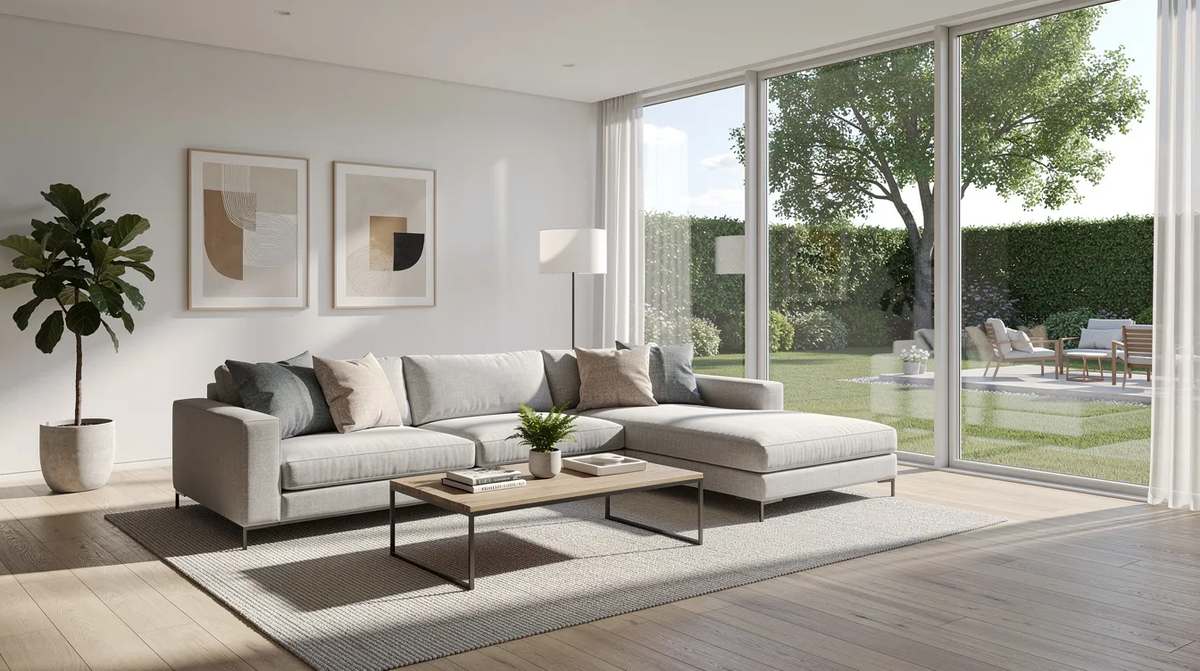
When people search for “indoor window tinting near me,” they typically want a local company that specializes in residential window film – tinting film applied to the inside surface of house windows to cut heat, glare, and UV rays while preserving natural light and views. Indoor window tinting provides energy savings and UV protection for residential properties, making it a practical upgrade for almost any home.
Here is how to find a qualified installer quickly:
- Search your area. Use terms like “residential window tinting” or “home window tinting services” plus your city or ZIP code. Filter results by recent reviews.
- Check reviews and photos. Look for Google or Yelp reviews from 2023–2026 with before-and-after photos of living rooms, bedrooms, or home offices.
- Confirm specialization. Ask whether the company focuses on home window film and architectural work, not just automotive tint. The techniques and products differ significantly.
- Request written quotes. Get at least two itemized proposals listing film type, visible light transmission, total square footage, cost, and warranty detail.
Most reputable installers can schedule an in-home consultation within 3–7 days. For a typical house with 10–20 windows, a complete installation often takes a single day.
What Is Indoor Window Tinting for Homes?
Indoor window tinting means applying a thin, multi-layer polyester residential window film to the interior surface of existing glass. Unlike full window replacement, this is a retrofit – no frames come out, and disruption is minimal.
- Home window film comes in various shades and finishes: nearly clear, lightly tinted, reflective, or decorative, depending on your unique requirements for privacy, energy efficiency, and appearance.
- Modern window films can block up to 99% of UV rays and significantly reduce solar heat gain without making a room feel dark or enclosed.
- Window films can enhance privacy without obstructing views, giving homeowners an alternative to heavy blinds or curtains.
- Because films are installed on existing glass, the cost is a fraction of replacing windows entirely, and most projects are complete within hours.
Key Benefits of Residential Window Tinting
Homeowners across hot and sunny regions – Phoenix, Houston, Tampa, Atlanta – rely on residential window tinting to solve everyday comfort problems. Here are the core benefits:
- Heat reduction. Window films can reduce solar heat gain by 75% or more. High-performance films block up to 86% of solar heat gain in the summer, keeping rooms cool and reducing the load on your HVAC system. Even standard quality films can reduce heat by over 50%.
- Energy savings. Since solar heat gain accounts for one third of cooling costs, high-performance window films can reduce energy costs by 5 to 15%. In sun-exposed rooms, high-performance window films can reduce cooling costs by 30%.
- Glare reduction. Window films can reduce glare by up to 94%, which dramatically improves indoor comfort for anyone working at a screen or watching TV. Tinting reduces screen glare by balancing incoming natural light rather than blocking it entirely.
- UV protection. Window tinting can block 99% of UV rays. Quality tints block nearly all harmful ultraviolet rays, and harmful UV rays can fade hardwood floors and expensive furniture over time. Window tinting can protect furniture from fading by blocking those uv rays before they reach your interiors.
- Privacy. Reflective films reduce visibility into living spaces without heavy curtains. This is ideal for street-facing living rooms, bathrooms, and home offices where you want to increase privacy while keeping natural sunlight flowing in, and privacy window film options can also add style to interior glass.
- Safety and security. Thickened security window films can hold shattered glass together during extreme weather. Safety films hold shattered glass together to minimize injuries during breakage, storms, or accidents, adding a meaningful layer of protection to your home.
Types of Home Window Film and Tint Levels
Not all residential window film is the same. Films vary by material, tint level, and purpose, so understanding your options helps you determine the right fit for each room and budget.
- Dyed films. Low cost, minimal reflectivity, classic appearance. Downsides: weaker heat rejection and shorter lifespan. Inferior tints can bubble or peel over time, leading to degradation – a common issue with cheaper dyed products.
- Metalized films. Use metal oxide layers for strong heat rejection and durability. Potential downside: may interfere with WiFi signals and have a shiny, reflective look.
- Ceramic and nano-ceramic films. Ceramic films offer the highest heat rejection and UV protection while maintaining a neutral appearance and causing zero signal interference. Advanced ceramic window tint options use nanoparticle technology to maximize solar control and clarity. Brands like 3M Prestige Series provides excellent heat and UV rejection; LLumar films are known for high-quality and professional-grade performance; Vista Window Film is known for superior optical clarity and energy-saving performance; and Solar Gard is rated highly for both commercial and residential applications.
- Decorative films. Decorative films are used for styling and privacy rather than thermal insulation. They can mimic stained or frosted glass at lower costs, making them ideal for bathrooms, entry sidelights, and interior glass doors, and smart switchable film can provide privacy on demand with smart window films.
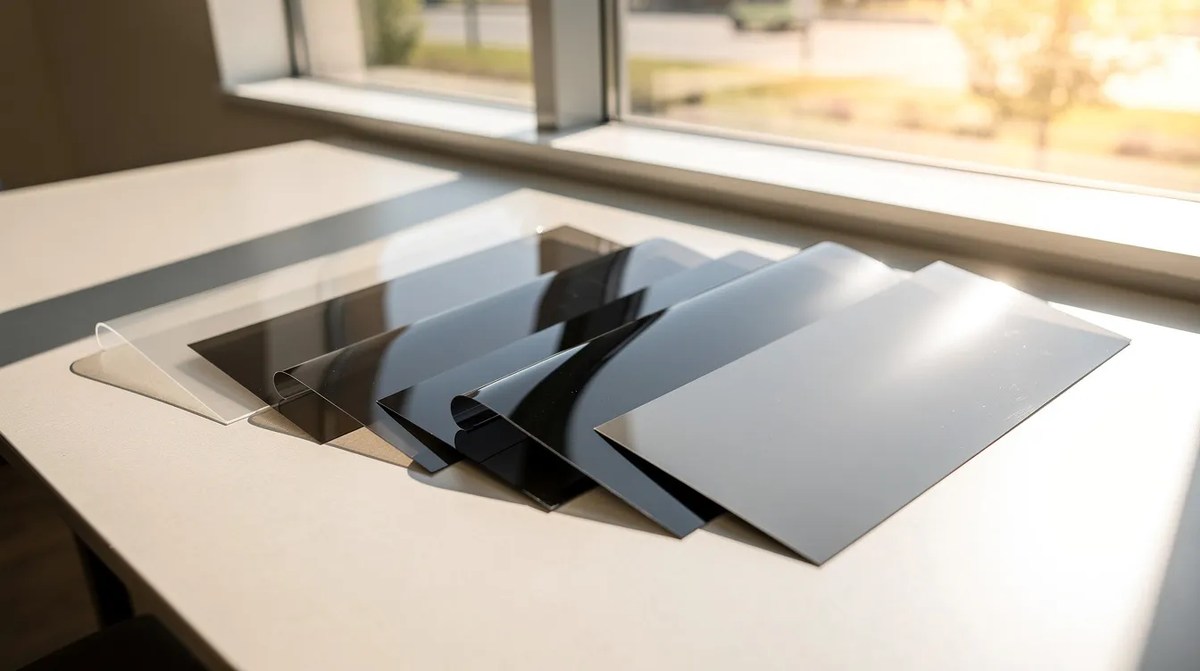
Window tint levels vary based on light transmission percentage. A medium VLT percentage is 30–50% for glare reduction, while lighter films (50–70% VLT) work well on north-facing or shaded house windows. Choosing a neutral tint balances glare reduction and natural light, which is why spectrally selective and transitional window film options are increasingly popular in neighborhoods with HOA restrictions. For south- and west-facing glass that takes direct sunlight for hours, darker or higher-rejection films in the 15–35% VLT range deliver the strongest heat reduction.
How Professional Home Window Tinting Services Work
Professional film installation is typically quick, clean, and done entirely from inside your home. Companies that specialize in window tinting and window film installation usually follow a clear, streamlined process. Here is what the process looks like:
- Consultation. A technician visits your location, measures each window, checks glass type (single pane, double pane, low-E, tempered), evaluates sun exposure and direction, and discusses problem areas like hot spots or glare on screens.
- Product selection. The installer presents architectural window film samples in various shades, uses demo boards or meters to show the difference in heat and visibility, and helps you match products to each room.
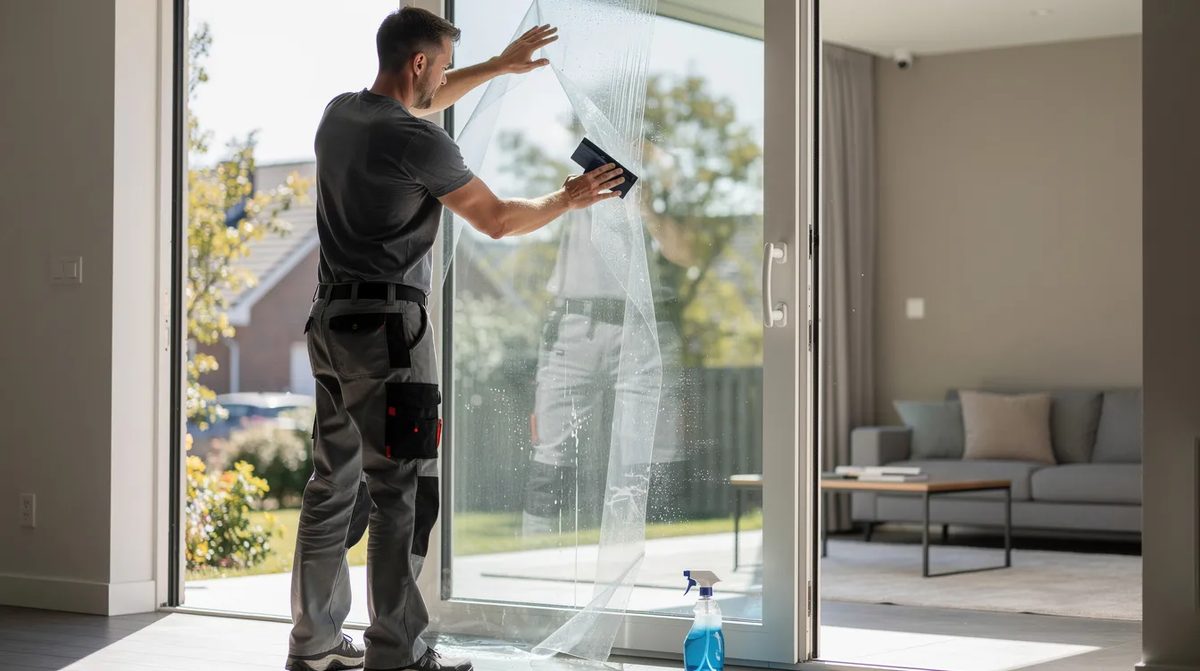
- Installation. The technician cleans the glass thoroughly, cuts film to size, applies a wet solution, squeezes out water and air bubbles, and trims edges for a precise fit. Most home window tinting services can complete a full house in a single business day.
- Cure time and aftercare. Films need 7–30 days to fully cure. During this period, avoid cleaning with ammonia-based products, razor blades, or abrasive pads. Mild soap and soft cloths are the standard once the curing window closes.
- Quality assurance. Many manufacturers offer lifetime residential warranties covering peeling, bubbling, discoloration, and adhesive failure when installed by an authorized dealer.
Note that DIY window tinting requires high precision to avoid bubbles and dust – one reason most homeowners opt for professional installation to protect their investment.
Energy Savings, Costs, and ROI for House Windows
Many homeowners search “indoor window tinting near me” specifically to reduce energy costs and improve indoor comfort without the expense of replacing windows. Here is what the numbers look like:
- Typical costs. Installed residential window tinting generally runs $6–$15 per square foot for quality ceramic or spectrally selective film. A whole-house project (10–20 windows) often falls between $2,500 and $5,000 depending on film grade and window accessibility. Window film installation costs 5–10% of window replacement costs.
- Energy savings. Residential window tinting can reduce energy costs by 5 to 15% across the whole home. Energy-saving solar window film can reduce solar heat gain by over 75%, and rooms with heavy sun exposure can see cooling energy savings up to 30%. Energy efficiency can be achieved with films that block solar heat gain effectively. GSA modeling has documented roughly 29% perimeter energy savings with low-e films on single-pane glass.
- Comparison with replacement. Home window film delivers much of the solar control and glare reduction of new double-pane windows at a fraction of the price – ideal when your windows are structurally sound but thermally poor.
- Rebates. Some U.S. utilities and municipalities periodically offer rebates on qualifying window film installations as part of energy retrofit programs.
- ROI. Many window film projects have a payback period under three years when factoring in reduced cooling bills, extended HVAC life, and protection of interior finishes like flooring, artwork, and furniture.
What to Look For in an Indoor Window Tinting Company Near You
Not every result in your search will deliver the same quality of service. Here is how to vet providers:
- Experience. Choose installers with 5–10+ years of residential window tinting experience. A business that primarily handles auto tint may lack architectural film expertise.
- Certified products. Confirm they use well-known brands with documented performance data and manufacturer-backed warranties.
- Insurance and licensing. Verify liability insurance and any local contractor registration requirements before work begins.
- Reviews and photos. Look for recent reviews from customers in your area, ideally with photos showing tinted windows in real home settings.
- Detailed quotes. Insist on itemized proposals listing film type, VLT, square footage, price, and warranty coverage – not just a lump-sum number.
- Local references. Ask for 1–2 nearby homeowners who have had similar work done, especially on large or specialty glass, so you can judge results in person.
Frequently Asked Questions About Indoor Home Window Tinting
Here are the questions homeowners ask most often when considering window treatments like residential window film.
- Will my rooms look too dark? Many modern films have 50–70% visible light transmission, softening harsh light without turning a space into a cave. The effect is closer to wearing polarized sunglasses than sitting in the dark.
- Can tint go on all types of residential windows? Not always. Certain double-pane, low-E, or older glass types may have restrictions. A professional assessment ensures the right film-glass combination and avoids thermal stress.
- How long does residential window film last? Quality interior films typically last 15–25 years in most U.S. climates when properly installed and maintained.
- Will indoor window tinting void my window warranty? It can. Applying certain aftermarket tints can void your original window glass warranty. Reputable installers match film types to glass and provide documentation to reduce this risk.
- How do I clean tinted house windows? Use soft cloths, non-ammonia cleaners, and avoid blades or abrasive pads. Wait at least 30 days after installation before cleaning the film.
How to Get Started With Indoor Window Tinting Near You
If you are dealing with hot rooms in summer, visual clutter from glare on screens, or fading furniture, now is a good time to act. Here is a simple plan:
- Measure approximate window square footage and note which rooms get the worst direct sunlight and at what times.
- Search “indoor window tinting near me” and shortlist two or three window tinting services with strong recent reviews.
- Request on-site quotes and compare film performance specs, warranty, and total cost – not just the lowest number.
- Schedule installation during a week when access to your windows is easy and weather conditions are moderate, if possible.
An affordable, well-chosen residential window film pays for itself in comfort, lower energy costs, and protection of everything inside your home. Reach out to a trusted local installer for a personalized estimate and take the first step toward a cooler, more comfortable space.