Table of Contents
The Modern Business Security Dilemma: Beyond Alarms and Cameras
In the evolving landscape of commercial security, business owners often rely on traditional safeguards like alarm systems and surveillance cameras. While these technologies are undeniably valuable, they primarily function as reactive security measures. Alarms signal a breach, and cameras record events for post-incident analysis. These systems document an intrusion but do not inherently prevent it. This limitation leaves a critical gap in many security strategies. What happens during an attempted forced entry or natural disaster before authorities arrive? For many businesses, a broken window immediately causes losses, operational disruptions, and safety concerns, even when an alarm activates.
Introducing Physical Deterrence: The Unique Role of Window Film in Commercial Security
This is where window security film provides a strategic advantage as a crucial layer of physical deterrence. Unlike alarms and cameras that observe and report, security film proactively hardens vulnerable points of a commercial property. These vulnerable points include windows and glass doors. By transforming ordinary glass into a robust, shatter-resistant barrier, it delays and often deters forced entry attempts.
This physical impedance buys critical time. It allows alarms to function effectively and security personnel to respond. It also deters intruders through unexpected resistance. This approach shifts the paradigm from documenting a security incident to actively mitigating its impact.
Setting the Stage: A Comprehensive Cost-Benefit Analysis for the Discerning Business Owner
For a business owner focused on the bottom line, any security investment must offer clear, measurable benefits. Evaluating window security film extends beyond its upfront cost. It requires a comprehensive cost-benefit analysis. This analysis accounts for risk mitigation, operational continuity, and protection of assets and personnel. Such an assessment reveals the multi-faceted return on investment that security film provides. It positions security film as a strategic enhancement to a commercial property’s overall security posture.
Understanding the Shield: What Exactly is Window Security Film and How It Works
The Science Behind “Shatterproof”: Composition and Manufacturing
Window security film is engineered to transform the inherent fragility of glass into a resilient barrier. At its core, this advanced material typically consists of multiple layers of strong, clear polyester (PET) film. These layers are bonded together with powerful, pressure-sensitive acrylic adhesives. When applied to glass, the composite structure holds fragmented glass securely in place upon impact. Instead of shattering into dangerous shards or creating an open entry point, the glass stays contained within the film matrix.
The glass remains intact and securely bonded to the window frame. This “shatterproof” effect results from precise manufacturing processes that ensure exceptional tensile strength and tear resistance.
Grades of Commercial Security Film: Thickness, Materials, and Performance Levels
The grade of security film directly determines its effectiveness. Manufacturers primarily define this grade by the film’s thickness and material composition. The industry commonly measures films in “mil” (thousandths of an inch). Typical commercial grades range from 4 mil for basic safety and smash-and-grab deterrence to 8 mil, 14 mil, or thicker. Thicker options provide enhanced protection against determined forced entry attempts, ballistic threats, or severe weather.
Thicker films often incorporate specialized materials or multiple-ply constructions, offering greater impact resistance and longer delay times for intruders. Selecting the appropriate grade is crucial and depends on the specific threat profile and security objectives of the business.
The Crucial Element: Advanced Attachment Systems and Frame Anchorage
While the film itself provides significant strength, it reaches full protective capability only when installers anchor it properly. Without secure attachment, even the strongest film could allow an entire pane of glass to dislodge from its frame. Advanced attachment systems integrate the film, glass, and frame into a single, cohesive unit. These systems often use structural silicone sealants at the glass-to-frame interface or mechanical methods that secure the film to the frame. This crucial element ensures forced entry attempts meet maximum resistance and prevents complete removal of the glass panel.
How Security Film Enhances Existing Security Layers for Businesses
Window security film does not replace existing security measures; instead, it significantly enhances their effectiveness. By creating a physical barrier that delays entry, security film provides invaluable time for other systems to function as intended:
- Alarms: The delay caused by the film allows monitoring services and law enforcement more time to respond to an alarm signal, potentially apprehending intruders or preventing further damage.
- Cameras: Surveillance cameras can capture clearer, more useful footage of perpetrators attempting to breach a window, rather than just recording them fleeing an already open entry point. This aids in identification and prosecution.
- Access Control: For businesses with access control systems, security film reinforces the physical integrity of the perimeter, preventing unauthorized entry even if electronic systems are compromised or bypassed.
- Emergency Response: In emergencies like active threats, the film’s ability to contain glass fragments reduces the risk of injury to occupants, allowing staff and customers more time to react and seek shelter.
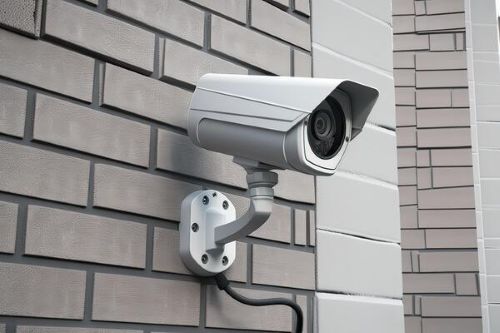
Ultimately, security film acts as a force multiplier for a business’s entire security infrastructure, turning vulnerable points into resilient barriers and transforming potential breaches into manageable, deterred incidents.
The Front Line of Defense: Delaying and Deterring Forced Entry
Transforming Vulnerability: How Glass Becomes a Barrier, Not an Entry Point
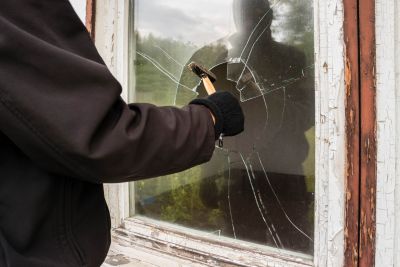
Traditional glass, while transparent and aesthetically appealing, remains inherently fragile. A simple brick, crowbar, or even a determined kick can compromise its integrity in seconds. This creates an immediate and accessible entry point for intruders. Window security film fundamentally transforms this vulnerability. Installers apply these advanced films directly to the interior surface of existing glass. Engineers construct the films with multiple layers of high-strength polyester bonded by robust adhesives. When subjected to impact, the film holds shattered glass firmly in place, maintaining structural integrity. The glass may crack, but it stays within the frame, creating a formidable barrier that is difficult to breach.
The Psychology of Crime: Frustration, Delay, and Deterrence for Intruders
Most opportunistic criminals operate on a critical timeline, seeking rapid entry and exit to minimize apprehension risk. When a window fortified with security film resists their initial attempts, their carefully planned timeline is shattered. The prolonged effort to penetrate film-reinforced glass increases noise, elevates exposure, and significantly raises the probability of detection. This immediate frustration often leads criminals to abandon the attempt altogether, as perceived risk outweighs potential reward. Security film leverages this psychological principle, acting as a powerful deterrent by turning a quick smash-and-grab into high-effort, high-risk action.
Protecting Against “Smash and Grab” Incidents and Opportunistic Crime
“Smash and grab” incidents are characterized by their speed and the minimal effort required to gain entry and seize valuable assets. Businesses, particularly retail establishments displaying high-value goods, are frequent targets. Security film directly counters this modus operandi. Even if a would-be thief breaks the glass, the film prevents immediate access, effectively denying them the quick entry needed for a successful smash and grab. This crucial delay forces the criminal to exert significantly more effort, increasing the chances of detection and often leading them to flee empty-handed. It transforms the vulnerability of a glass storefront into a robust, time-consuming challenge, thereby protecting inventory and deterring opportunistic criminal behavior.
Mitigating Damage from Vandalism and Civil Unrest
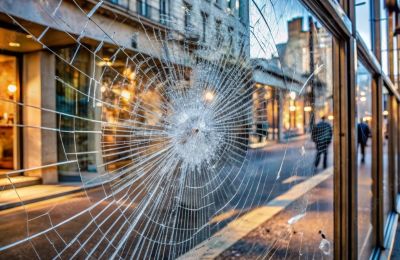
Beyond theft, businesses often face threats of vandalism or damage during civil unrest. Windows are primary targets, leading to costly repairs, extensive cleanup, and potential business interruptions. Security film offers a significant advantage in these situations. When objects like rocks, bottles, or blunt instruments strike glass protected by security film, the film contains broken shards.
This prevents shards from scattering inward and causing further damage to the property’s interior. It significantly reduces cleanup time and minimizes secondary damage to furniture or equipment. Security film often allows a more rapid return to normal operations, even if the glass eventually requires replacement.
Illustrative Scenarios: How Forced Entry Resistance Protects Your Business
- Retail Store Frontage: An intruder attempts to break a display window with a baseball bat. The glass shatters, but the security film holds it firmly in place. After several more frustrated attempts, unable to create a large enough opening, the individual abandons the effort as a security alarm sounds, triggered by the sustained impact.
- Office Building Ground Floor: During an attempted break-in after hours, a burglar tries to force entry through a window. The glass cracks extensively but remains securely within its frame due to the film. The protracted struggle alerts nearby patrol officers, leading to the apprehension of the suspect before entry is gained.
- Restaurant During Unrest: Amidst civil unrest, a brick is thrown at the restaurant’s front window. The glass breaks, but the security film prevents shards from flying into the dining area, protecting the interior and minimizing cleanup, allowing the business to board up quickly and avoid extensive internal damage.
Unlocking Broader Value: The Hidden ROI Beyond Just Preventing Break-Ins
Ensuring Business Continuity: Minimizing Downtime and Operational Disruptions
The true cost of a break-in extends far beyond the value of stolen goods. A compromised storefront or office requires immediate attention, causing significant business downtime. This downtime means lost sales, halted production, wages paid for non-productive hours, and time coordinating repairs and insurance claims. Window security film, by preventing or delaying forced entry, directly helps maintain operational continuity. When a breach is deterred, businesses can often resume operations without interruption. This safeguards revenue streams and avoids the ripple effects of prolonged closures.
Protecting Assets: Inventory, Equipment, and Sensitive Data Security
Your business’s assets are its lifeblood, including valuable inventory, specialized equipment, and sensitive customer data stored on computers. A successful forced entry can result in outright theft of physical assets, causing immediate financial losses. The theft of computers or servers can lead to devastating data breaches with severe legal, financial, and reputational consequences. By creating a robust physical barrier, security film serves as a critical line of defense. It significantly reduces the likelihood of asset loss and enhances overall security for both tangible goods and digital information.
Enhancing Employee Safety and Reducing Liability from Glass Hazards
The safety of employees and customers is paramount. When a window breaks—during a break-in, accident, or act of vandalism—standard glass shatters into dangerous, sharp shards. These shards pose a significant risk of severe injury. Security film transforms this hazard by holding broken glass together within the window frame. This dramatically reduces the risk of flying debris and lacerations. The measure enhances physical safety and significantly mitigates potential business liability from glass-related injuries.
Mitigating Natural Disaster Risks: From Storms to Seismic Activity
While often considered a deterrent against criminal activity, security film offers a powerful layer of protection against natural forces as well. During severe weather events such as hurricanes, tornadoes, or hailstorms, high winds and flying debris can easily shatter unprotected windows, compromising the building envelope and allowing water and further damage inside. Similarly, during seismic activity, windows are vulnerable to shattering. Security film fortifies these vulnerable points, preventing glass from disintegrating upon impact or during structural stress, thereby helping to maintain the building’s integrity and minimizing internal damage from the elements.
Glass Hazard Mitigation: Protecting Against Accidental Breakage
Beyond intentional threats or natural disasters, everyday accidents can also shatter glass. A dropped pallet in a warehouse, an accidental collision in a retail space, or a child near a window can cause breakage. Security film acts as a silent guardian, ensuring glass breaks safely even from accidental impacts. Instead of shattering into hazardous fragments, the film holds the broken pane together. This prevents injury and simplifies cleanup. It adds an often-overlooked layer of safety, contributing to a more secure and less disruptive daily operation.
The Long-Term Financial Impact of Reduced Risk and Enhanced Property Value
Investing in window security film generates a multifaceted long-term financial impact that extends beyond immediate cost savings. By consistently deterring crime, minimizing damage, and safeguarding assets, businesses can potentially benefit from reduced insurance premiums, fewer repair expenses, and a decreased likelihood of catastrophic losses. A property demonstrably fortified against various threats also projects an image of stability and security, which can enhance its overall market value and attractiveness to potential tenants or buyers. This strategic investment in risk reduction creates a tangible, enduring return, solidifying the business’s financial foundation.
Investing in Protection: Calculating the True Cost of Commercial Security Film
Making an informed decision about commercial security film requires moving beyond initial impressions to a thorough financial and operational analysis. This means understanding not just the upfront cost, but also the long-term value, potential savings, and the significant implications of not investing.
Factors Influencing Commercial Security Film Cost: Material, Type, and Coverage Needs
The cost of commercial security film is not one-size-fits-all; it depends on several critical variables. Foremost among these variables are the material composition and type of film selected. Security films range from thicker polyester constructions to multi-layered proprietary designs, offering varying strength and impact resistance. Ballistic-grade films use advanced laminates and adhesives to provide exceptional protection, commanding higher prices than basic safety films. Basic safety films focus primarily on glass containment. The specific type of film—clear, tinted for sun control, or with anti-graffiti features—also affects cost, reflecting specialized benefits.
Beyond the film itself, coverage needs play a significant role. A business opting for partial coverage, perhaps only on ground-level display windows or entry points, will incur a different cost than one seeking comprehensive protection for every glass surface. Evaluating your specific vulnerabilities is key to determining the optimal level of coverage.
Beyond the Sticker Price: Understanding Installation Complexity and Its Value
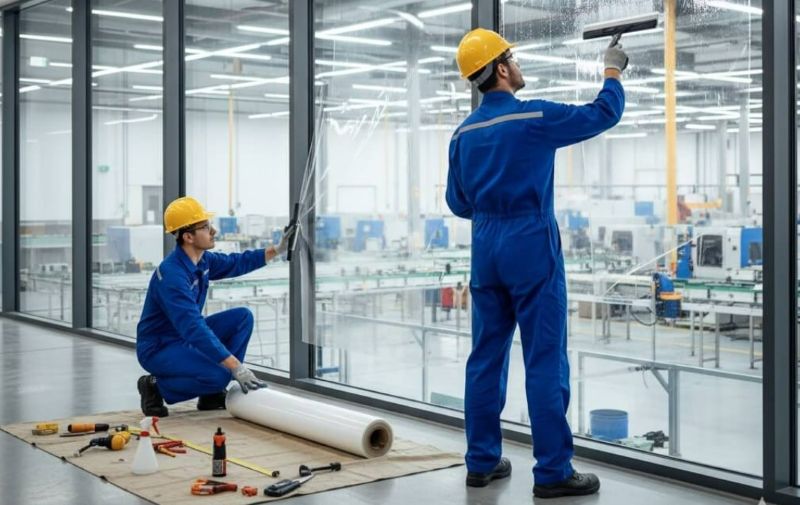
While the film material itself is a significant component of the total cost, the installation process is equally, if not more, crucial. Professional installation of security film is a specialized skill that directly influences the film’s performance, longevity, and adherence to manufacturer warranties. Factors such as the size and shape of windows, their accessibility, and the condition of the existing glass can all contribute to installation complexity. Large, unusually shaped, or high-mounted windows will inevitably require more time and specialized equipment, impacting labor costs.
Investing in expert installation ensures the film is applied flawlessly, without bubbles or imperfections, and that the adhesive cures correctly to provide its intended strength. A poorly installed film will not offer the advertised protection and may fail prematurely, negating the entire investment.
Therefore, the value derived from professional installation extends far beyond merely adhering the film; it encompasses the peace of mind that comes from knowing your physical barrier is correctly and robustly in place, effectively transforming a vulnerable pane of glass into a formidable deterrent.
Comparing Security Film Investment to Other Commercial Security Upgrades
When evaluating security film, it’s essential to compare its investment profile against other common commercial security upgrades, such as alarm systems and surveillance cameras. While alarms alert you to a breach and cameras record an event, security film offers a unique, proactive layer of physical hardening. Businesses evaluating broader glazing protection strategies may also want to explore security glass solutions for applications requiring enhanced resistance to impact, forced entry, or other security threats. Its primary function is to deter and delay forced entry, effectively slowing down or preventing an intruder from gaining access, rather than merely reacting to it.
The cost-effectiveness of security film often lies in its ability to prevent the incident altogether or at least minimize damage and loss. An alarm system might trigger, but if an intruder can quickly smash glass and grab valuables before law enforcement arrives, the financial loss and operational disruption can still be substantial. Similarly, cameras provide invaluable evidence after an event, but they do not physically impede a determined perpetrator. Security film, by contrast, is a tangible barrier that buys critical time, allowing alarms to function more effectively and potentially deterring the perpetrator entirely. When considering the comprehensive costs associated with a break-in—from stolen goods and property damage to lost business due to downtime—the investment in a physical deterrent like security film often presents a compelling long-term value proposition that complements, rather than replaces, electronic security measures.
Long-Term Value: Understanding Maintenance, Warranty, and Expected Lifespan
The long-term value of commercial security film is a significant factor in its overall return on investment. Once professionally installed, high-quality security film requires minimal maintenance, typically needing only routine cleaning with non-abrasive solutions. This low maintenance profile contributes to a reduced total cost of ownership over its lifespan.
Reputable manufacturers and installers back their products with comprehensive warranties, often covering issues like bubbling, peeling, or discoloration for many years. These warranties are a testament to the film’s durability and the quality of installation, offering business owners an additional layer of assurance. Depending on the film type and environmental conditions, commercial security films can have an expected lifespan ranging from 10 to 15 years, or even longer for some premium products. This extended durability means that the initial investment provides years of continuous protection and benefits, effectively amortizing the cost over a significant period and solidifying its position as a strategic, long-term asset rather than a recurring expense.
Potential for Insurance Premium Reductions and Risk Management Benefits
Investing in commercial security film extends beyond physical protection, often translating into tangible financial benefits through improved risk management and potential insurance premium reductions. Many insurance providers view the installation of security film favorably, recognizing its efficacy in mitigating various risks.
The benefits can include:
- Reduced Theft and Vandalism Claims: By making forced entry significantly more difficult and time-consuming, security film lowers the likelihood of successful break-ins, leading to fewer claims for stolen inventory or property damage.
- Decreased Injury Risk: In the event of an impact, safety and security films hold shattered glass together, preventing dangerous shards from flying and causing injuries to employees, customers, or passersby. This can reduce liability claims related to glass-related accidents.
- Improved Business Continuity: Minimizing damage during an attempted break-in means less downtime for repairs and cleaning, allowing businesses to resume normal operations more quickly and reducing lost revenue.
When consulting with your insurance provider, presenting evidence of security film installation can sometimes lead to lower premiums, reduced deductibles, or more favorable policy terms. This direct financial benefit, coupled with the enhanced safety and operational resilience it provides, positions security film as a prudent risk management strategy that delivers measurable returns.
The Tangible Cost of Inaction: Quantifying Potential Losses Without Protection
While the investment in security film represents an upfront cost, it is crucial for business owners to consider the far more significant and often hidden costs of inaction. The absence of adequate physical glass protection can expose a business to a cascade of financial and operational repercussions in the event of a security breach.
Consider the following potential losses without security film:
- Direct Financial Losses: Stolen inventory, equipment, cash, or sensitive data. The immediate replacement value can be substantial.
- Property Damage: Beyond the broken window itself, intruders often damage frames, display cases, and interior fixtures during entry or while ransacking the premises.
- Business Interruption: A break-in often necessitates closing the business for repairs, cleaning, inventory assessment, and police investigation. This downtime translates directly into lost sales, lost productivity, and potential damage to customer goodwill.
- Increased Insurance Premiums: Following a successful break-in and subsequent claim, insurance premiums are likely to rise, imposing ongoing higher costs.
- Operational Instability: The disruption caused by a security incident can affect employee morale, create feelings of insecurity, and divert management resources away from core business functions.
- Safety and Liability Risks: Unprotected glass shatters into dangerous shards, posing a severe injury risk to anyone nearby during an impact or subsequent cleanup. This can lead to costly medical claims and potential lawsuits.
Quantifying these potential losses reveals that the initial investment in security film pales in comparison to the potential financial devastation and long-term consequences of a security failure. It underscores security film as a proactive measure that safeguards not just assets, but also operational continuity and the very reputation of the business.
Is Security Film the Right Investment for Your Business? A Comprehensive Evaluation
Determining whether security film is the appropriate investment involves a tailored assessment of your business’s unique circumstances, vulnerabilities, and strategic goals. It’s not about a universal answer, but about finding the right solution for your specific needs.
Assessing Your Specific Risk Profile and Vulnerabilities for Commercial Glass Protection
A critical first step in evaluating the need for commercial glass protection is a thorough assessment of your business’s specific risk profile. This involves analyzing several factors:
- Location: Is your business situated in an area with high crime rates, or is it isolated and potentially more vulnerable to undetected intrusions? Proximity to major roads or highways that facilitate quick getaways can also increase risk.
- Type of Business: Businesses handling high-value inventory (e.g., electronics, jewelry), large amounts of cash, or sensitive data are inherently higher risk targets. Similarly, businesses with prominent display windows are more susceptible to “smash-and-grab” attempts.
- Hours of Operation: Businesses that operate during late hours, or are closed for extended periods, may face different security challenges.
- Vulnerable Entry Points: Identify all glass surfaces that could be exploited. This includes ground-floor windows, glass doors, transoms, and any other easily accessible glazed areas. Pay particular attention to windows obscured from public view or those near potential hiding spots.
Understanding these elements allows you to pinpoint your most vulnerable assets and entry points, thereby guiding the decision on where and what type of security film would offer the most impactful protection.
Matching Film Type to Your Business Needs: From Basic Safety to Advanced Anti-Smash Film
Once your risk profile is established, the next step is to match the appropriate film type to your business’s specific security requirements. The spectrum of commercial window films offers solutions ranging from fundamental safety enhancements to robust anti-smash protection.
- Basic Safety Film: These films are designed primarily to hold glass together upon impact, preventing dangerous shards from scattering. They are an excellent choice for mitigating injury risks from accidental breakage or minor impacts, suitable for general office spaces or public areas where primary concerns revolve around safety.
- Security Film: Thicker and more robust than safety films, security films are engineered to withstand more significant impacts and multiple blows. They significantly delay forced entry attempts, making them ideal for deterring “smash-and-grab” burglaries in retail environments or providing an additional layer of protection for valuable assets.
- Advanced Anti-Smash/Ballistic-Grade Film: At the pinnacle of glass protection, these multi-layered, highly adhesive films are designed to resist extreme force, including repeated heavy impacts, and in some cases, even certain ballistic threats. These are typically reserved for businesses housing exceptionally high-value assets, critical infrastructure, government facilities, or areas with a very high threat level.

The key is to select a film that directly addresses your identified vulnerabilities without over-investing in unnecessary features. A professional consultation can help align the film’s capabilities with your precise operational needs and budget.
A Practical Checklist for Informed Decision-Decision Making by Business Owners
To streamline the evaluation process and ensure a well-informed decision, business owners can utilize a practical checklist. This structured approach helps cover all essential considerations.
- Conduct a Comprehensive Risk Assessment:
- Identify all glass vulnerabilities (windows, doors, skylights).
- Analyze potential threats (smash-and-grab, forced entry, vandalism, natural disasters).
- Evaluate the value of assets behind glass.
- Define Your Primary Security Goals:
- Is the priority deterring theft, protecting occupants from injury, enhancing privacy, or mitigating property damage?
- Are there specific regulatory or insurance requirements to meet?
- Research Film Types and Their Capabilities:
- Understand the differences between safety, security, and advanced anti-smash films.
- Consider additional benefits like UV protection, glare reduction, or energy efficiency.
- Seek Professional Consultation:
- Obtain quotes from reputable, experienced installers.
- Ensure the proposed solution directly addresses your identified risks.
- Inquire about installer credentials and experience with commercial projects.
- Review Warranties and Guarantees:
- Understand the manufacturer’s warranty for the film and the installer’s guarantee for their workmanship.
- Consider Integration with Existing Security:
- How will security film complement your current alarm systems, cameras, and access control?
- Evaluate Long-Term ROI:
- Factor in potential insurance premium reductions, reduced downtime, and enhanced safety for staff and customers.
Following this checklist ensures a holistic review, leading to a security investment that is both effective and financially sound.
Integrating Shatterproof Window Film with Your Existing Security Infrastructure
Shatterproof window film should not be viewed as a standalone solution, but rather as an integral enhancement to an existing security infrastructure. Its true power lies in its ability to synergize with other security measures, creating a multi-layered defense system that is significantly more robust than any single component.
For instance, while an alarm system alerts authorities to a breach, security film provides the critical delay needed for law enforcement to respond effectively. Instead of a quick entry and exit, an intruder attempting to breach filmed glass will encounter substantial resistance, increasing the likelihood of being detected, deterred, or apprehended. Similarly, surveillance cameras gain significantly more value when paired with security film. Instead of merely recording a successful break-in, cameras can capture extended footage of an attempted breach, providing clearer identification of perpetrators and their methods, and potentially preventing loss altogether. The physical barrier of security film also protects the integrity of the building, ensuring that even if an alarm sounds, the structure remains sealed for a longer period. This comprehensive approach, where each security element reinforces the others, creates a formidable defense against a wide range of threats, offering business owners unparalleled peace of mind.
When and Where to Prioritize Safety Window Film Installation
Strategic prioritization of safety window film installation is crucial for maximizing its impact and ensuring a cost-effective security upgrade. Rather than a blanket application, focus on areas that present the highest risk or vulnerability.
- Ground-Floor Windows and Doors: These are universally the most common points of entry for intruders and should always be a top priority.
- Windows Adjacent to Main Entry Points: Even if not direct entry points, these windows can be targeted for quick access after breaking through a main door.
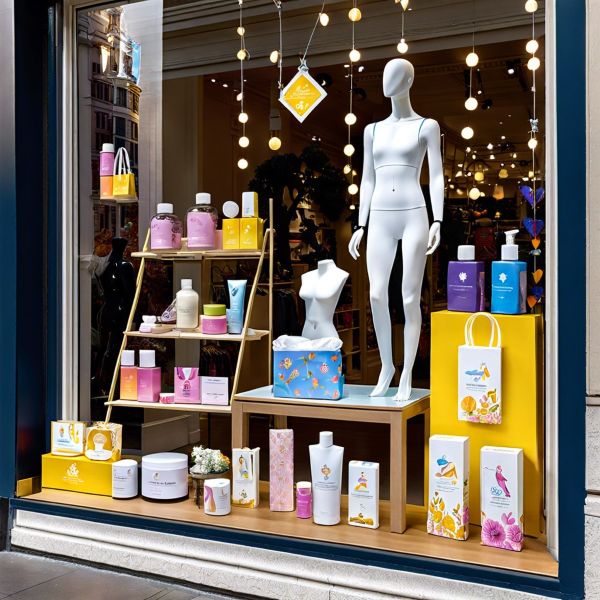
- Display Windows: For retail businesses, these are not only entry points but also highly visible targets for “smash-and-grab” incidents due to exposed merchandise.
- Areas with Sensitive Data or Equipment: Windows in server rooms, offices containing confidential documents, or areas with expensive machinery should be secured to prevent theft and protect intellectual property.
- High-Traffic Public Areas: In businesses like restaurants, medical offices, or lobbies, protecting against glass-related injuries from accidental breakage is paramount for customer and employee safety.
- Isolated or Unmonitored Windows: Any glass surface that is not easily visible to the public or staff may be a preferred target for intruders seeking discreet entry.
Prioritizing these areas first ensures that your investment is directed where it will yield the greatest return in terms of enhanced security, safety, and business continuity.
The Strategic Advantage for Specific Industries (e.g., Retail, Healthcare, Corporate Offices)
The strategic advantages of security film are particularly pronounced across various industries, each benefiting from its unique protective qualities in distinct ways.
- Retail: For retail establishments, security film provides a crucial deterrent against smash-and-grab burglaries, protecting valuable merchandise displayed in storefronts. It minimizes downtime after an attempted break-in, allowing businesses to resume operations quickly and maintain customer confidence. Beyond theft, it also protects shoppers and staff from flying glass in case of accidental impact, contributing to a safer shopping environment.
- Healthcare: In healthcare facilities, patient and staff safety is paramount. Security film ensures that glass windows and doors, particularly in waiting rooms, patient rooms, and sensitive areas, hold together even if broken, preventing injury from shattered glass. It also enhances privacy and can secure areas containing sensitive medical records or expensive diagnostic equipment, maintaining a secure and sterile environment.
- Corporate Offices: Corporate environments benefit from enhanced employee safety, data security, and protection against vandalism or corporate espionage. Security film strengthens the building envelope, delaying unauthorized access to offices containing confidential information, high-value technology, or critical infrastructure. It helps maintain a professional image by deterring exterior damage and ensures operational continuity by preventing costly disruptions from glass breakage.
Across these diverse sectors, security film offers a tailored, strategic advantage that goes beyond generic security, addressing specific industry challenges and contributing directly to business resilience and safety.
The Cornerstone of Effectiveness: Why Professional Installation and Expertise Matter
While the quality of the security film itself is paramount, its ultimate performance hinges critically on the expertise behind its application. For business owners evaluating this investment, understanding that professional installation is not merely a service, but an integral component of the product’s effectiveness is key to realizing its full potential and ROI.
The Criticality of Expert Application for Optimal Film Performance
Security film, particularly those designed for impact resistance, is a highly engineered product. Its ability to hold glass together upon impact, delay entry, and mitigate shard-related injuries is directly compromised by improper application. Issues such as trapped air bubbles, inconsistent adhesion, improper edge sealing, or contamination during installation can create weak points. These flaws not only detract from the film’s aesthetic clarity but, more significantly, undermine its structural integrity when subjected to stress, rendering the investment less effective in a real-world security event.
The Importance of a Robust Installation Process and Advanced Techniques
A professional installation goes far beyond simply adhering a film to glass. It involves a meticulous, multi-step process that begins with thorough surface preparation, ensuring the glass is immaculately clean and free of any debris that could interfere with adhesion. Expert technicians utilize specialized tools and advanced techniques for precise cutting, careful handling, and optimal activation of the film’s adhesive properties. This includes techniques for precise trimming around frames and ensuring proper film-to-frame attachment (often called “edge retention” or “anchoring”), which is crucial for the film to perform optimally by distributing impact forces across the entire window system.
Leveraging Decades of Fenestration Experience for Optimal Commercial Glass Protection
“Fenestration” refers to the design, construction, and materials of openings in a building, such as windows and doors. Professionals with deep fenestration experience possess an intrinsic understanding of how different glass types, frame materials, and building architectures interact. This knowledge is invaluable when assessing a commercial property for security film installation. They can identify potential thermal stress points, understand how film might affect insulated glass units, and recommend the most appropriate film thickness and type for specific glass configurations and threat profiles. This experience ensures that the chosen solution not only provides maximum protection but also integrates seamlessly with the existing structure without compromising its integrity or performance.
The Value of a Vetted and Trained Franchise Network Across the Country
For businesses operating across multiple locations or those seeking assurance of consistent quality, a vetted and trained franchise network offers significant advantages. Such networks ensure standardized training protocols, rigorous quality control measures, and adherence to industry best practices across all installations. This means a business owner can expect the same high level of expertise, service, and product performance whether their property is in one city or across the nation. This consistency provides peace of mind and simplifies the decision-making process, knowing that every installation meets a unified, high standard.
Ensuring Warranty Compliance and Long-Term Effectiveness of Your Investment
The longevity and performance guarantee of security window film are often tied directly to professional installation. Most reputable film manufacturers stipulate that their product warranties are valid only when installed by certified technicians who follow specific guidelines. An expertly installed film is designed for durability, resisting peeling, bubbling, and premature degradation, thereby maintaining its optical clarity and protective qualities for years. This ensures that the initial investment continues to deliver its security and financial benefits over its intended lifespan, upholding warranty compliance and safeguarding the long-term value proposition.
Comprehensive Consultation: Assessing Needs and Customizing Solutions for Your Property
A hallmark of a truly expert service is a comprehensive consultation process. This involves more than just a quick measurement; it’s a deep dive into the specific security vulnerabilities, operational needs, and aesthetic considerations of a business property. Consultants assess various factors, including:
- Threat Profile: Identifying potential risks specific to the location and business type.
- Glass Specifications: Analyzing glass thickness, type, and existing conditions.
- Building Structure: Understanding frame types, window sizes, and overall structural integrity.
- Operational Impact: Considering business hours, foot traffic, and specific security protocols.
- Budget and Aesthetics: Balancing security needs with financial constraints and visual requirements.

This tailored approach ensures that the recommended security film solution is perfectly matched to the unique demands of the property, optimizing both protection and cost-efficiency. It moves beyond a generic product offering to deliver a truly customized security enhancement.
Conclusion: Key Takeaways and Strategic Next Steps for Business Owners
For the discerning business owner, investing in property security is not merely an expense; it is a strategic decision that directly impacts operational continuity, asset protection, and the safety of personnel.
Reaffirming the Unique Value of Proactive Physical Hardening for Commercial Properties
Reiterating the core distinction, alarms and cameras primarily serve as detection and notification systems. They document an event after it has begun. Security window film, conversely, represents a unique, proactive physical hardening measure. It acts as the first line of defense, physically reinforcing the most vulnerable entry points – your windows – to deter, delay, and mitigate an attempted breach before it escalates into a full-blown crisis. This distinction is critical for understanding its unparalleled role in a comprehensive security strategy.
Summarizing the Tangible and Intangible ROI of Security Window Film
The return on investment for security window film is multifaceted, encompassing both measurable financial benefits and invaluable intangible advantages:
- Tangible ROI:
- Reduced Damage & Loss: Minimizing the costs associated with broken glass, stolen inventory, and property damage.
- Lower Insurance Premiums: Potential reductions in general liability or property insurance costs.
- Energy Efficiency: Many security films also offer thermal insulation, leading to lower HVAC costs.
- Increased Property Value: Enhancing the overall security profile of the asset.
- Intangible ROI:
- Enhanced Safety: Protecting employees and customers from glass-related injuries during accidents, natural disasters, or intrusions.
- Business Continuity: Drastically reducing downtime after an incident, allowing for faster resumption of operations.
- Peace of Mind: Providing a secure environment for staff and customers, fostering confidence.
- Deterrence: Visibly strengthened windows can act as a psychological deterrent to potential intruders.
Your Path to Enhanced Commercial Property Security and Business Continuity
The decision to install security window film is a forward-thinking step towards building a more resilient and secure commercial property. It represents a commitment to protecting your assets, ensuring the safety of those within your premises, and safeguarding your business’s ability to operate without undue interruption. By transforming easily breached glass into a robust barrier, you are actively investing in the long-term stability and continuity of your enterprise.
Partnering with Proven Experts: The CoolVu Advantage for Consultation and Installation
Navigating the complexities of security film options and ensuring an optimal installation requires expert guidance. Partnering with a proven network like CoolVu provides access to specialized knowledge, advanced products, and a nationally consistent standard of professional installation. Our franchise network leverages extensive fenestration experience to offer comprehensive consultations, assessing your unique needs and customizing solutions that deliver maximum protection and ROI. Choosing CoolVu means aligning with professionals dedicated to transforming your property’s vulnerability into a fortified asset, ensuring your strategic investment truly pays off.
MORE POSTS:
- Commercial Solar Control Window Film – How expert selection and installation enhance energy efficiency, comfort, and long-term building value.
- Storefront Sun Damage Uncovered – Why UV light quietly devalues merchandise and interiors, and how UV blocking window film provides a high-ROI commercial solution.
- The Hidden Cost of Commercial Windows – How energy loss, glare and UV damage impact businesses and how window film solves it.
- The Value of Commercial Window Solar Film – How solar film cuts energy loss, improves comfort, and protects building assets.
- Solar Control Commercial Window Film – Turn windows into energy-saving, glare-reducing, and asset-protecting business solutions.
- Protecting Business Windows – Understanding how security window film strengthens glass, holds shards, and defends against break-ins and vandalism.