Table of Contents
Unmasking the Hidden Costs of Inefficient Windows
For many business owners, windows are primarily seen as a source of natural light or a display for products. However, these seemingly innocuous architectural features can be significant liabilities, continuously draining resources from your bottom line. Unprotected commercial windows act as thermal weak points. They allow excessive heat gain in warmer months and heat loss during colder periods. This constant thermal inefficiency forces HVAC systems to work harder. It accelerates wear and tear while pushing operational costs upward. The true cost extends beyond visible utility bills. It includes reduced equipment lifespan and compromises to interior quality and human comfort.
The Perpetual Battle Against Rising Energy Bills
The most immediate and quantifiable impact of inefficient windows is their direct contribution to escalating energy expenses. Every square foot of glass that is not properly managed allows solar radiation to penetrate your building, heating the interior much like a greenhouse. This phenomenon forces air conditioning units to run longer and harder to maintain a comfortable internal temperature. Conversely, in colder climates, untreated windows become conduits for heat to escape, leading to increased heating demands. This constant struggle against external temperatures translates directly into higher utility bills month after month, eroding profit margins that could otherwise be reinvested into growth or operational improvements.
The Toll on Tenant Comfort and Productivity
Beyond the financial strain, inefficient windows significantly compromise the comfort of occupants. Areas near large, untreated windows often experience uncomfortable temperature imbalances. This leads to hot spots in summer and chilly drafts in winter. Glare from direct sunlight can also be a major disruption. It makes it difficult for employees to work effectively on computers or customers to enjoy your space.
These discomforts are not merely annoyances. They directly impact productivity, employee morale, and customer experience. A less comfortable environment can lead to decreased focus and more frequent breaks. It can also increase employee turnover, representing hidden costs to your business.

Protecting Your Investments: Asset Degradation and Fading
The sun’s invisible enemy, ultraviolet radiation, poses a serious threat to interior assets of commercial properties. Prolonged exposure to UV rays and excessive solar heat can cause significant damage. This damage affects merchandise, furnishings, flooring, artwork, and even sensitive equipment. Colors fade, materials become brittle, and valuable inventory can depreciate prematurely. This degradation detracts from aesthetic appeal and necessitates more frequent, costly replacements. It represents a substantial, often overlooked, capital outlay. Protecting these investments is crucial for maintaining property value and minimizing recurring expenditures.
What Exactly is Commercial Window Solar Film? A Business Owner’s Guide
Defining Solar Control Window Film: More Than Just “Tint”
Commercial window solar film is a high-performance, multi-layered polyester laminate applied to the interior or exterior surface of glass windows. While often colloquially referred to as “window tint,” this term dramatically understates its sophisticated engineering and comprehensive capabilities. Unlike simple decorative tints, solar control film is specifically designed with advanced material science to manage the various components of solar energy – heat, glare, and harmful UV radiation – thereby optimizing the performance and energy efficiency of a building’s glass envelope. It’s a strategic building upgrade, not just an aesthetic modification.
The Science Behind the Savings: How Films Work to Optimize Building Performance
The effectiveness of commercial window solar film stems from its innovative construction and material composition. These films are engineered with microscopic layers that selectively reflect, absorb, or transmit specific solar wavelengths. Some films incorporate precious metals or ceramic particles to enhance reflective properties. They bounce solar heat away from the building. Other films are designed to absorb solar energy and re-radiate it outward. By expertly managing solar radiation, these films dramatically reduce heat gain during summer. They help maintain cooler indoor temperatures and can reduce heat loss in winter. This direct control over thermal transfer significantly lessens the burden on HVAC systems. It leads to substantial and measurable energy savings.
Demystifying Key Performance Indicators: SHGC, VLT, and UV Rejection Explained
To truly understand the benefits and select the right film for your business, it’s essential to grasp a few key performance indicators. These metrics provide a quantifiable basis for comparing different film products and projecting their impact on your building’s energy efficiency and comfort:
- Solar Heat Gain Coefficient (SHGC): This value measures the fraction of incident solar radiation that enters through a window as heat. A lower SHGC indicates less solar heat gain, which is crucial for reducing air conditioning costs and preventing hot spots.
- Visible Light Transmittance (VLT): VLT indicates the percentage of visible light that passes through the film and glass system. A higher VLT means more natural light enters the space, which can reduce the need for artificial lighting, while a lower VLT is effective for glare reduction. The goal is often to strike a balance between ample natural light and effective heat/glare control.
- UV Rejection: This metric quantifies the percentage of ultraviolet radiation blocked by the film. High UV rejection is vital for protecting interior furnishings, merchandise, and sensitive equipment from fading and degradation, preserving their value and extending their lifespan. Most high-quality solar films offer 99% or greater UV rejection.
The Evolution of Solar Film Technology: Decades of Innovation for Modern Businesses
The commercial window solar film available today is a testament to decades of continuous innovation and material science advancement. Early window tints primarily focused on reducing visible light and glare. However, modern solar films have evolved into sophisticated, multi-purpose solutions. Today’s films utilize advanced nanotechnology, spectrally selective coatings, and durable adhesives to offer superior performance without sacrificing aesthetics. They can block significant amounts of heat and UV rays while maintaining high levels of natural light and optical clarity. This technological progression ensures that contemporary businesses can access highly effective, long-lasting, and aesthetically pleasing solutions that deliver substantial, measurable benefits for their properties.
The Financial Breakdown: Calculating Your ROI on Commercial Window Film
For any business owner, the primary driver behind a capital expenditure is a clear and compelling return on investment. Commercial window solar film is not merely an aesthetic upgrade; it is a strategic investment engineered to deliver measurable financial benefits. Understanding these benefits requires a comprehensive look at how the film impacts your operational costs and asset value.
Quantifying Energy Savings: A Deep Dive into HVAC Load Reduction
One of the most significant and immediate financial advantages of commercial window solar film is its direct impact on energy consumption. Windows are often the weakest link in a building’s thermal envelope, allowing substantial heat gain in the summer and heat loss in the winter. Solar film acts as a critical barrier, rejecting a considerable percentage of solar heat, which directly reduces the workload on your heating, ventilation, and air conditioning (HVAC) systems.
By moderating indoor temperatures more effectively, your HVAC units run less frequently and at lower capacities. This reduction in operational hours and intensity translates directly into lower electricity and gas bills, month after month. These savings are not theoretical; they are tangible reductions in one of the largest operating expenses for most commercial properties.
Understanding Payback Periods: When Your Investment Starts Paying You Back
The concept of a payback period is crucial for evaluating any investment. It measures the time it takes for the financial benefits of an investment to offset its initial cost. For commercial window solar film, the payback period is often remarkably short, making it an exceptionally attractive capital improvement.
Calculating your specific payback period involves factoring in the initial cost of installation against the annual energy savings realized.
Many commercial properties report payback periods ranging from as little as two to five years. After this period, the film continues to generate energy savings, essentially paying you back every year for the lifetime of the product, which can be 10 years or more.
This rapid return on investment positions window film as a financially prudent decision that quickly moves from an expense to a consistent generator of savings.

Enhancing Property Value and Market Appeal Through Efficiency Upgrades
In today’s market, energy efficiency is a highly desirable attribute for commercial properties. Buildings with lower operating costs inherently command higher valuations and are more attractive to prospective buyers and tenants. Investing in commercial window solar film signals a commitment to operational efficiency and modern infrastructure.
By demonstrably reducing energy expenditures, you enhance the net operating income (NOI) of your property, which is a key metric for valuation. This upgrade can increase your asset value and improve marketability, positioning your property as a forward-thinking choice for businesses seeking sustainable and cost-effective spaces.
Exploring Potential Incentives, Rebates, and Tax Benefits for Energy-Efficient Improvements
The push towards greater energy efficiency extends beyond mere cost savings; it is often supported by various governmental and utility programs. Many federal, state, and local entities, alongside specific utility companies, offer incentives, rebates, or tax credits for improvements that enhance energy performance.
These programs are designed to encourage businesses to adopt energy-saving technologies, further reducing the net cost of your window film installation. Researching and leveraging these available benefits can significantly shorten your payback period and boost your overall ROI. CoolVu experts can often guide you toward understanding applicable programs in your region.
Illustrative Scenarios: Realizing Potential Savings for a Typical Commercial Property
To illustrate the tangible impact, consider a typical commercial office building in a moderate climate. With substantial glass exposure, such a property often faces significant energy drain.
- Scenario Example: A 20,000 square-foot commercial office space might typically spend upwards of $40,000 annually on HVAC-related energy costs. By installing high-performance commercial window solar film, this property could realistically see a 15-25% reduction in these specific energy costs.
- Annual Savings: This translates to annual savings of $6,000 to $10,000.
- Payback Potential: If the initial investment for film installation was, for example, $25,000, the payback period could range from 2.5 to 4 years.
- Long-Term Impact: Over a 10-year lifespan of the film, the net savings could amount to $35,000 to $75,000, representing a significant boost to the business’s bottom line.
These figures highlight that the savings are not just marginal adjustments but substantial financial advantages that accumulate rapidly over time.
More Than Savings: Added Benefits for Your Business and Tenants
While financial returns are paramount, the advantages of commercial window solar film extend well beyond the balance sheet. These additional benefits contribute significantly to the overall appeal, functionality, and longevity of your commercial space, impacting occupant satisfaction and asset protection.
Elevating Comfort and Well-being for Occupants: Glare Reduction and Temperature Consistency
Unfiltered sunlight through windows can create uncomfortable hot spots, excessive glare, and inconsistent temperatures within an office or retail environment. These issues directly impact the comfort and well-being of employees, customers, or tenants. Commercial window solar film proactively addresses these challenges.
- Glare Reduction: Film significantly reduces harsh glare on computer screens and work surfaces, mitigating eye strain and enhancing productivity.
- Temperature Consistency: By blocking solar heat, the film helps maintain more uniform temperatures across different areas of a space, eliminating uncomfortable hot and cold zones near windows. This creates a more pleasant and conducive environment for everyone.
Protecting Interior Assets: Safeguarding Furnishings, Inventory, and Artwork from UV Damage
Ultraviolet (UV) radiation is a silent but potent destructor of interior assets. Prolonged exposure to UV rays causes irreversible fading, discoloration, and deterioration of fabrics, furniture, flooring, displays, artwork, and even retail inventory. This damage necessitates premature replacement, leading to unexpected costs.
High-quality commercial window solar film blocks up to 99% of harmful UV rays. This invisible shield acts as a critical protective layer, preserving the integrity and aesthetic appeal of your interior investments for significantly longer.
It’s a proactive measure that prevents costly replacements and maintains the pristine condition of your commercial space.
Bolstering Safety and Security: Reinforcing Glass Against Breakage and Intruders
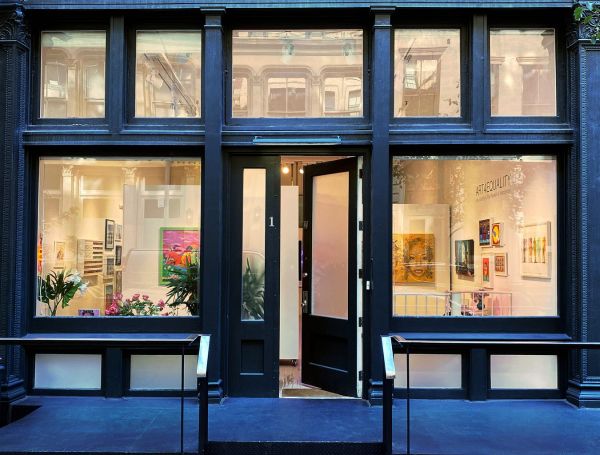
Beyond its solar control properties, certain types of commercial window film offer an additional layer of safety and security. Thicker, more robust films are designed to hold shattered glass together upon impact, transforming a potential hazard into a contained situation. Protective window film is especially valuable for businesses seeking to reduce glass-related injuries while strengthening overall building security.
- Accidental Breakage: In the event of an accidental impact, such as a stray object or a falling item, the film prevents glass shards from scattering, reducing the risk of injury to occupants.
- Severe Weather: During high winds or storms, film can help windows withstand impacts from debris, maintaining the building’s envelope and minimizing damage.
- Intruder Deterrence: While not bulletproof, security window films significantly increase the time and effort required for forced entry, acting as a powerful deterrent against smash-and-grab theft and providing critical seconds for security response. In higher-risk environments, some businesses also explore bulletproof window film as part of a layered security strategy.
This same glass-retention technology is widely used in residential applications through home security film, which reinforces windows against break-ins while maintaining visibility and natural light.
Contributing to Sustainability Goals and LEED Certification
In an era where environmental responsibility is increasingly valued, commercial window solar film plays a pivotal role in achieving sustainability objectives. By drastically reducing energy consumption for heating and cooling, it directly lowers a building’s carbon footprint.
For businesses pursuing green building certifications, such as LEED (Leadership in Energy and Environmental Design), window film can contribute valuable points. Its energy-saving attributes align perfectly with the goals of reducing environmental impact and promoting resource efficiency, enhancing your company’s image as a responsible corporate citizen.
Improving Tenant Retention and Attracting New Occupants
For multi-tenant commercial properties, tenant satisfaction and retention are crucial for long-term profitability. Spaces that offer superior comfort, lower operational costs (often passed through to tenants in various forms), and a modern, protected environment are inherently more desirable.
Commercial window solar film contributes to:
- Reduced Vacancy Rates: Happy tenants are less likely to seek new locations, reducing the costs associated with turnover.
- Enhanced Competitiveness: A building equipped with modern energy-efficient upgrades stands out in a competitive market, attracting high-quality new occupants.
- Positive Perception: The investment signals a commitment to occupant well-being and a professionally managed property, fostering a positive perception that drives demand.
Choosing the Right Film: Key Factors to Consider for Optimal Performance
Selecting the appropriate commercial window solar film is a nuanced decision that significantly impacts both immediate functionality and long-term return on investment. It’s not merely about applying any film; it’s about strategically choosing a solution tailored to your specific building and business objectives.
Balancing Performance Metrics with Aesthetic Goals: Functionality Meets Design
The optimal film choice skillfully blends critical performance metrics with your establishment’s aesthetic requirements. While energy savings and glare reduction are paramount, the film’s impact on your building’s exterior appearance and interior ambiance cannot be overlooked. Businesses must consider factors such as:
- Visible Light Transmittance (VLT): How much natural light enters, influencing interior brightness and mood.
- Reflectivity: The film’s mirror-like quality, affecting exterior look and potential for interior reflections.
- Color Tone: How the film subtly alters the building’s facade and the color perception from within.
The goal is to enhance energy efficiency and occupant comfort without compromising your brand image or creating an undesirable visual effect for employees, customers, or passersby. A well-chosen film will complement your building’s architecture and interior design, rather than detracting from it.
Understanding Film Types and Their Specific Applications for Diverse Business Needs
The commercial film market offers a sophisticated range of products, each engineered for distinct performance characteristics. Understanding these types is crucial for aligning a solution with your business’s unique challenges and goals.
- Solar Control Films: These are designed primarily to reject solar heat, reduce glare, and block harmful UV rays, making them ideal for businesses struggling with high cooling costs, excessive brightness, or merchandise fading.
- Low-Emissivity (Low-E) Films: Functioning beyond basic solar control, Low-E films offer year-round benefits. They block solar heat in summer while also retaining internal heat during colder months, significantly improving insulation and reducing both heating and cooling expenses.
- Safety and Security Films: These robust films hold shattered glass together upon impact, mitigating risks from accidents, severe weather, or even forced entry attempts. They are a critical consideration for storefronts, banks, schools, and offices where occupant safety and asset protection are priorities.
- Decorative and Privacy Films: From frosted and etched patterns to full-color graphics, these films offer the best window film for privacy solutions, branding, and interior design, transforming ordinary glass into dynamic architectural features without extensive renovation.

Each film type addresses a specific need, and a comprehensive assessment will identify which combination delivers the most impactful and cost-effective solution for your operation.
The Importance of Warranty and Durability: A Long-Term Investment Perspective
An investment in commercial window solar film is a long-term strategic decision, and its durability and the backing of a robust warranty are central to realizing its full ROI. High-quality films are engineered to withstand the rigors of commercial environments and climate exposure. Key considerations include:
- Manufacturer Warranty: This covers the film’s integrity against common failures like peeling, bubbling, cracking, and significant fading, ensuring performance longevity. A strong warranty underscores the manufacturer’s confidence in their product.
- Performance Retention: The film’s ability to maintain its energy-saving properties over its warranted lifespan is crucial. Degradation in performance directly impacts your projected savings and overall ROI.
- Installation Warranty: Beyond the product itself, ensure your professional installer provides a warranty on their workmanship. This protects against issues arising from improper application.
A transparent and comprehensive warranty not only offers peace of mind but also solidifies the film as a reliable, lasting capital improvement that continues to deliver value year after year.
Navigating Building Codes and Regulations: Ensuring Compliance and Best Practices
The commercial landscape is governed by a myriad of building codes, energy regulations, and local ordinances that can significantly impact window film installation. Failing to adhere to these can lead to costly rework, fines, or even project delays. This includes:
- Local Energy Codes: Specific requirements for window U-factor, SHGC (Solar Heat Gain Coefficient), and VLT may apply, especially for new construction or major renovations.
- Historical District Restrictions: Buildings in protected historical areas often have strict guidelines on exterior modifications.
- Safety Glazing Requirements: Certain windows, particularly in high-traffic areas or near doors, may require safety film to meet impact resistance standards.
- Homeowners Association (HOA) or Property Management Rules: For multi-tenant buildings, specific aesthetic or material guidelines might exist.
A seasoned professional understands these complexities and can expertly navigate the regulatory landscape, ensuring your installation is fully compliant, avoiding unforeseen expenses and guaranteeing best practices are upheld.
Why a Professional Consultation Outweighs a DIY Approach
While the concept of applying window film might seem straightforward, the complexity of commercial applications, coupled with the significant investment and desired ROI, unequivocally positions professional consultation and installation as the superior approach. A DIY or less-experienced solution often falls short of delivering the anticipated benefits and can ultimately prove more costly.
The Criticality of a Comprehensive Building Envelope Assessment
A professional begins with a thorough assessment of your building’s unique characteristics, recognizing that a one-size-fits-all solution is ineffective. This comprehensive building envelope assessment evaluates:
- Window Orientation and Type: Identifying which windows receive the most sun exposure and their specific glazing properties.
- HVAC System Performance: Understanding current energy consumption patterns and heat load challenges.
- Regional Climate Data: Analyzing local weather patterns to optimize film selection for year-round performance.
- Interior Layout and Occupancy: Assessing internal heat generators and specific glare or privacy needs for different areas.
This detailed analysis allows for a tailored film recommendation that maximizes energy savings, enhances comfort, and directly targets your operational inefficiencies, rather than offering a generic fix.
Precision Installation: The Cornerstone of Optimal Performance and Longevity
Even the highest quality film will fail to deliver its promised performance and aesthetic benefits if not installed with precision. Professional installation involves specialized skills, tools, and techniques that are honed through extensive experience. This includes:
- Meticulous Surface Preparation: Thorough cleaning and preparation of glass to ensure optimal adhesion and prevent defects.
- Precision Cutting and Application: Expert handling of large film sheets to achieve seamless, bubble-free, and streak-free finishes.
- Environmental Control: Managing ambient conditions to minimize dust and ensure proper film setting.
- Edge Sealing Techniques: Ensuring film edges are perfectly aligned and sealed to prevent peeling and premature wear.
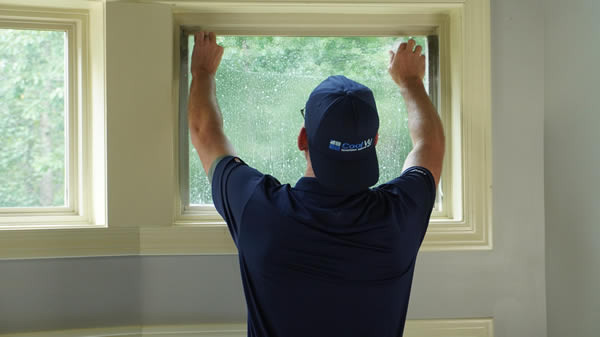
Incorrect installation can lead to visible flaws, compromised performance, reduced lifespan, and ultimately, a forfeiture of your investment.
Leveraging Specialized Expertise: Why Experience Matters Beyond a Simple Quote
A professional consultation extends far beyond simply quoting a price. It encompasses leveraging deep industry knowledge and practical experience to solve complex problems and proactively avoid common pitfalls. Experienced professionals:
- Possess In-depth Product Knowledge: They understand the subtle differences between film technologies, their performance characteristics, and optimal applications.
- Identify Potential Challenges: They can foresee issues such as glass compatibility, existing coatings, or unique architectural features that inexperienced installers might miss.
- Offer Customized Solutions: They provide strategic recommendations that align directly with your business goals, energy targets, and aesthetic preferences.
This level of expertise ensures you receive a solution that is not only effective but also perfectly suited to your operational needs and long-term financial objectives.
The Long-Term Value of Expert Support, Maintenance, and Performance Guarantees
Partnering with a proven professional establishes a relationship that extends well beyond the installation date. This long-term value manifests in several ways:
- Post-Installation Support: Access to experts for any questions regarding care, maintenance, or performance.
- Performance Guarantees: Reputable installers stand behind their work and the products they install, offering warranties that protect your investment.
- Troubleshooting and Service: Should any issues arise, a professional can promptly diagnose and resolve them, minimizing disruption to your business.
This comprehensive support system provides invaluable peace of mind, reinforcing the strategic nature of your investment and ensuring its continued return over many years.
Partnering with Proven Professionals for a Seamless and Effective Solution
Ultimately, choosing a professional partner for your commercial window solar film project is an investment in certainty, efficiency, and guaranteed results. It means:
- Streamlined Project Management: From initial assessment to final inspection, the process is managed expertly, minimizing your involvement and ensuring timely completion.
- Optimal Performance: You benefit from a solution precisely engineered and flawlessly installed for maximum energy savings and comfort.
- Enhanced Property Value: A well-executed film installation can contribute to a building’s energy rating and overall marketability.
- Assured ROI: With expert guidance and installation, you can confidently project and achieve the significant financial returns this capital improvement offers.
By entrusting your project to seasoned professionals, you secure a seamless, effective solution that delivers measurable benefits and reinforces your business’s commitment to efficiency and sustainability.
Conclusion: Smart Investment, Sustainable Growth, and a Clear Path Forward
For the discerning business owner, the decision to implement commercial window solar film is not merely an operational expense; it represents a strategic capital investment designed to deliver tangible returns. Throughout this analysis, we’ve highlighted how this advanced solution directly addresses critical business challenges, transforming them into opportunities for efficiency, cost savings, and enhanced asset value.
Financial Benefits: Reducing Energy Costs and Improving ROI
The core of this investment lies in its undeniable financial benefits. Businesses routinely face escalating energy costs, but commercial window solar film provides a proven countermeasure, significantly reducing solar heat gain and the burden on HVAC systems. This translates directly into lower utility bills, often leading to a remarkably rapid payback period that positions the initial investment as a self-liquidating asset. Beyond immediate savings, the consistent reduction in energy consumption contributes to a more predictable operating budget, allowing for more stable financial planning.
Beyond the immediate financial gains, the integration of solar film fosters sustainable growth within your operations. By mitigating glare and creating a more stable, comfortable indoor climate, productivity among employees can improve, and tenant satisfaction in commercial properties increases. This enhanced environment reduces complaints and fosters a more positive experience for everyone within the building. Furthermore, the film’s ability to block harmful UV rays protects interior furnishings, flooring, and merchandise from premature fading and degradation, preserving asset value and reducing replacement costs over time.
Long-Term Value and Competitive Advantage
Investing in commercial window solar film also positions your property for long-term value and appeal. A building that is energy-efficient, comfortable, and well-maintained is inherently more attractive to prospective tenants or buyers. These enhancements reflect a forward-thinking management approach, contributing positively to your brand image and demonstrating a commitment to both operational excellence and environmental responsibility. In a competitive market, these distinctions can provide a significant advantage, ensuring your property remains a desirable and valuable asset.
Recognizing the multifaceted benefits of commercial window solar film is the first step; the next is partnering with proven experts to ensure optimal implementation. A professional consultation provides a tailored analysis of your specific property, identifying the most effective film solutions to meet your unique operational goals and deliver the maximum possible return on investment. This detailed assessment ensures that the chosen film technology aligns perfectly with your energy reduction targets, comfort improvements, and asset protection needs.
To truly unlock these benefits and secure a clear path forward, a precise, data-driven approach is essential. Engaging with a CoolVu-trained expert initiates this process, offering a comprehensive evaluation of your facility and a clear projection of potential savings and ROI. This consultation provides the critical insights needed to make an informed decision, guiding you toward a solution that not only solves immediate pain points but also contributes to your business’s sustainable success and financial resilience for years to come.
MORE POSTS:
- Decorative UV Blocking Window Film for Commercial Spaces – How modern film protects interiors, enhances aesthetics, improves comfort, and boosts energy efficiency.
- Sun Solar Window Tinting – How advanced window films improve energy efficiency, protect interiors, enhance comfort, and create high-value business opportunities.
- Commercial Solar Control Window Film – How expert selection and installation enhance energy efficiency, comfort, and long-term building value.
- Storefront Sun Damage Uncovered – Why UV light quietly devalues merchandise and interiors, and how UV blocking window film provides a high-ROI commercial solution.
- The Hidden Cost of Commercial Windows – How energy loss, glare and UV damage impact businesses and how window film solves it.