Table of Contents
The Microscopic Marvel: Understanding Nano-Ceramic Composition
At the core of nano-ceramic window film’s exceptional performance lies its unique composition, a testament to advanced materials science. Unlike traditional films that rely on dyes or metals to block solar energy, nano-ceramic films integrate microscopic ceramic particles. These particles are incredibly small, measured in nanometers, making them virtually imperceptible to the naked eye. They are embedded within multiple layers of optical-grade polyester, creating a durable and highly effective barrier.
This nano-scale engineering is critical. It allows the film to selectively filter out undesirable wavelengths of the solar spectrum while maintaining optical clarity. The result is a film that performs at a level far beyond conventional tinted solutions, which often compromise natural light or views.
Spectrally Selective Properties: Targeting Heat Without Sacrificing Light
One of the most significant differentiators of nano-ceramic film is its spectrally selective capability. This advanced property means the film can precisely target and reject specific parts of the solar spectrum responsible for heat gain and damaging UV radiation, without significantly reducing the amount of visible light entering a building.
- Infrared (IR) Rejection: Nano-ceramic particles are highly effective at reflecting and absorbing infrared radiation, the primary cause of heat buildup. This dramatically reduces solar heat gain, lessening the load on HVAC systems.
- Ultraviolet (UV) Blocking: These films block up to 99.9% of harmful UVA and UVB rays. This protection safeguards building occupants from skin damage and prevents the premature fading of interior furnishings, flooring, and merchandise.
- Visible Light Transmission: Crucially, this advanced technology allows for high levels of visible light transmission. Commercial spaces retain their brightness, views remain unobstructed, and the natural aesthetic of the building is preserved. This balance ensures comfort and productivity without the feeling of being in a darkened or enclosed space.

Durability and Longevity: A Robust Solution for Commercial Demands
For commercial property owners, an investment in building upgrades must deliver lasting value. Nano-ceramic window films are engineered for superior durability and longevity, designed to withstand the rigorous demands of commercial environments. The ceramic particles, being inorganic and stable, do not break down or fade over time, a common issue with dye-based films.
The multi-layered construction, combined with advanced adhesive systems, ensures that the film remains securely bonded to the glass, resisting bubbling, peeling, and delamination. This inherent robustness translates into a long service life, typically backed by comprehensive manufacturer warranties, affirming its status as a reliable, long-term asset management solution rather than a recurring maintenance expense.
The Environmental and Health Advantages of Advanced Materials
Beyond energy savings and comfort, the adoption of nano-ceramic film offers compelling environmental and health advantages, aligning with modern corporate responsibility and wellness initiatives.
- Reduced Carbon Footprint: By significantly lowering energy consumption for cooling, buildings equipped with nano-ceramic film contribute to a smaller carbon footprint, supporting environmental sustainability goals.
- Enhanced Indoor Environmental Quality (IEQ): The film’s ability to block harmful UV rays protects occupants from sun exposure-related health risks, while simultaneously preventing the degradation of indoor air quality caused by material off-gassing from faded furnishings.
- Improved Occupant Well-being: By mitigating glare and maintaining stable indoor temperatures, these films create a more comfortable and productive environment for employees, tenants, and customers. In spaces that also need instant privacy—like conference rooms or clinics—smart glass film can be incorporated as a complementary solution to switch from clear to frosted on demand. This focus on well-being can lead to higher satisfaction, reduced complaints, and potentially lower absenteeism, directly benefiting a business’s bottom line.
The Science of Solar Control: How Nano-Ceramic Films Optimize Building Performance
Understanding the fundamental principles behind solar control is crucial for appreciating the advanced capabilities of nano-ceramic window films. These aren’t simply “tints”; they are precision-engineered layers designed to interact with solar energy on a microscopic level, optimizing building performance without compromising aesthetics.
Deconstructing Solar Heat Gain: Infrared Radiation, UV, and Visible Light
Solar energy, as it reaches your building’s windows, is comprised of three primary components, each with distinct effects. Visible light, the portion our eyes perceive, provides natural illumination but can also cause glare. Ultraviolet (UV) radiation, while invisible, is highly damaging to interiors and potentially harmful to occupants. Finally, infrared (IR) radiation is the primary carrier of heat, making up a significant portion of the solar spectrum and directly contributing to internal temperature increases. Nano-ceramic films are engineered to selectively manage these components, addressing heat and damage while preserving desirable natural light.
The Power of Rejection: Total Solar Energy Rejected (TSER) Explained
A critical metric for evaluating the performance of solar control films is the Total Solar Energy Rejected (TSER). TSER quantifies the percentage of total solar energy (including UV, visible, and infrared light) that is prevented from passing through the glass and entering the interior space. A higher TSER value directly correlates to superior heat rejection and, consequently, greater energy savings. Unlike older, absorptive film technologies that trap heat within the glass, advanced nano-ceramic films utilize microscopic ceramic particles to reflect and radiate solar energy away from the building, offering a more effective and durable solution.
Mitigating Glare While Maintaining Optical Clarity
One common challenge in commercial spaces is excessive glare, which can lead to eye strain, reduce productivity, and make digital screens difficult to view.
Nano-ceramic films are specifically designed to reduce this visible light transmission just enough to mitigate harsh glare, creating a more comfortable indoor environment.
Crucially, they achieve this significant glare reduction while maintaining exceptional optical clarity, preserving natural views and allowing ample daylight without the heavy, darkened appearance often associated with traditional window tints.

Protecting Interiors: The Importance of 99% UV Blocking
Ultraviolet radiation is a silent destroyer of interior assets. Prolonged exposure causes irreversible fading, discoloration, and degradation of office furniture, retail merchandise, artwork, flooring, and other interior finishes. Modern nano-ceramic films block an impressive 99% or more of harmful UV rays. This level of protection significantly extends the lifespan of your valuable interior assets, reducing replacement costs and preserving the aesthetic integrity of your commercial space for years to come.
Enhancing Building Envelope Performance and HVAC Efficiency
The windows are often the weakest link in a building’s thermal envelope, allowing substantial heat gain in warmer months and heat loss in cooler periods. By installing nano-ceramic solar control films, commercial properties can dramatically improve their building envelope performance. The significant reduction in solar heat gain directly lessens the workload on HVAC systems, leading to:
- Reduced energy consumption for cooling.
- Extended operational life of HVAC equipment due to decreased wear and tear.
- More stable and consistent indoor temperatures throughout the building.
- Decreased incidence of uncomfortable “hot spots” near windows.
This technological upgrade transforms windows from energy liabilities into active contributors to climate control, optimizing overall HVAC efficiency and operational costs.
Beyond Comfort: Quantifiable Benefits for Commercial Property Owners and Managers
While improved comfort is an immediate and noticeable benefit, the strategic adoption of nano-ceramic solar control film extends far beyond occupant well-being. For commercial property owners and managers, these films represent a tangible investment with measurable financial, operational, and aesthetic returns.
Significant Energy Savings and Reduced Operating Costs
The most direct and impactful benefit for commercial properties is the substantial reduction in energy consumption. By significantly decreasing the solar heat load, nano-ceramic films can reduce air conditioning costs by up to 30% or more, depending on climate and existing window performance. This translates into tangible savings on monthly utility bills, directly improving the property’s net operating income (NOI) and providing a clear, quantifiable return on investment. Furthermore, by managing peak demand, businesses can avoid higher tiered energy rates during the hottest parts of the day.
Elevating Tenant Comfort and Productivity
A comfortable indoor environment is paramount for tenant satisfaction and employee productivity. Hot spots, excessive glare, and inconsistent temperatures can lead to complaints, discomfort, and reduced focus. By creating a more stable and pleasant climate, nano-ceramic films help foster an environment where tenants are more satisfied, employee morale is higher, and productivity is enhanced. This contributes directly to higher tenant retention rates and improved lease appeal for prospective occupants.
Preserving Assets: Protecting Furnishings, Inventory, and Artwork
The 99% UV blocking capability of nano-ceramic films acts as an invisible shield for all interior assets.
This protection is invaluable for retail spaces concerned about inventory fading, offices preserving expensive furnishings, galleries safeguarding artwork, or any commercial property aiming to maintain the pristine condition of its interior finishes.
By preventing premature degradation, the film protects investments and significantly reduces the need for costly replacements and refurbishments.

Enhancing Property Value and Marketability
Properties equipped with energy-efficient solutions like nano-ceramic window films are inherently more attractive in the commercial real estate market. The documented energy savings, enhanced tenant comfort, and prolonged lifespan of interior assets contribute to a higher property valuation. Furthermore, advertising a building as energy-efficient and sustainably-minded provides a competitive edge, attracting environmentally conscious tenants and buyers who recognize the long-term operational cost benefits and modern appeal.
Contributing to Sustainability and LEED Certification Goals
In an era of increasing environmental awareness and corporate social responsibility, integrating energy-efficient solutions is not just financially smart but also environmentally responsible. Reducing energy consumption through solar control film directly lowers a building’s carbon footprint. For properties pursuing LEED (Leadership in Energy and Environmental Design) certification or similar green building standards, these films can contribute valuable points towards energy performance categories, showcasing a commitment to sustainable practices and positioning the property as a leader in green building initiatives.
Addressing Specific Challenges: Hot Spots, Glare, and Privacy
Nano-ceramic films offer targeted solutions to common operational frustrations within commercial spaces:
- Hot Spots: They effectively eliminate uncomfortable temperature differentials near windows, ensuring a uniform climate across the floor plan.
- Glare: The controlled reduction of visible light significantly reduces glare on computer screens and work surfaces, mitigating eye strain and improving overall visual comfort.
- Privacy: While primarily focused on solar control, certain film types can also offer an added layer of daytime privacy, an important consideration for ground-floor offices or properties overlooking busy areas.
A Clear Choice: Nano-Ceramic Film’s Unmatched Performance Against Traditional Alternatives
When considering window film for a commercial property, understanding the spectrum of available technologies is crucial. Not all window films offer the same performance or deliver comparable long-term value. Distinguishing between conventional options and advanced solutions like nano-ceramic film highlights why the latter represents a strategic upgrade.
The Limitations of Dyed and Carbon Films in Commercial Settings
Traditional dyed films, often the most basic and least expensive option, are created by infusing a dye into a layer of polyester. While they offer some glare reduction and privacy by darkening the window, their heat rejection capabilities are minimal. Over time, these films are prone to fading and color degradation, especially when exposed to direct sunlight, leading to an inconsistent and unprofessional appearance for a commercial facade.
Carbon films offer a slight improvement over dyed films. They incorporate carbon particles into the film, providing a matte finish and better UV protection. However, like dyed films, their primary mechanism for heat reduction is by absorbing solar energy, which can then radiate into the interior. This method is less efficient for thermal control compared to reflective or spectrally selective technologies. Neither dyed nor carbon films are designed to significantly impact a building’s energy efficiency in a meaningful, long-term capacity.
Understanding Metallic Films: Pros, Cons, and Signal Interference
Metallic films are designed with a thin layer of metal, such as aluminum, nickel-chrome, or stainless steel. These films work by reflecting solar energy away from the building, offering superior heat rejection compared to dyed or carbon options. This reflective quality can contribute to noticeable energy savings and improved comfort.
However, metallic films come with distinct drawbacks for commercial applications. Their highly reflective surface can create a mirrored appearance on the exterior, altering the building’s aesthetic. More significantly, the metallic content in these films can interfere with radio frequency (RF) signals. This can disrupt essential communications within a commercial space, including:
- Cellular phone reception
- Wi-Fi signals
- GPS devices
- Radio transmissions
- Remote access systems
In an increasingly connected business environment, signal interference can be a significant operational hurdle, diminishing the overall value proposition of these films. Furthermore, metallic layers can be susceptible to corrosion or oxidation over time, particularly in certain environments, leading to bubbling or discoloration.
Why Nano-Ceramic Surpasses Conventional Commercial Window Tinting
Nano-ceramic film represents a significant leap forward in window film technology, addressing the shortcomings of traditional alternatives while delivering superior performance. Unlike dyed, carbon, or metallic films, nano-ceramic films utilize microscopic ceramic particles that are virtually invisible to the naked eye. These particles are spectrally selective, meaning they precisely target and reject specific parts of the solar spectrum, primarily infrared (heat) and ultraviolet (UV) light, without significantly impacting visible light transmission.
Nano-ceramic film represents a significant leap forward in window film technology, addressing the shortcomings of traditional alternatives while delivering superior performance. Unlike dyed, carbon, or metallic films, nano-ceramic films utilize microscopic ceramic particles that are virtually invisible to the naked eye. For applications where privacy control is required, switchable glass film is also an option. These particles are spectrally selective, meaning they precisely target and reject specific parts of the solar spectrum, primarily infrared (heat) and ultraviolet (UV) light, without significantly impacting visible light transmission.
The key advantages of nano-ceramic technology for commercial properties include:
- Exceptional Heat Rejection: Dramatically reduces heat gain without the need for a dark or reflective appearance.
- No Signal Interference: Being non-metallic, nano-ceramic films do not impede cellular, Wi-Fi, or other electronic signals, ensuring seamless connectivity within the building.
- High Visible Light Transmission: Maintains natural light and preserves clear views, preventing interiors from feeling dim or enclosed.
- Superior UV Protection: Blocks virtually all harmful UVA and UVB rays, protecting occupants, furnishings, and merchandise from sun damage.
- Enhanced Durability and Stability: Ceramic particles are highly stable, resisting fading, discoloration, and corrosion for the lifetime of the film.
This advanced composition makes nano-ceramic film a truly modern solution, offering a unique blend of performance, aesthetics, and operational integrity for commercial buildings.
Performance Metrics Comparison: TSER, Infrared Rejection, and Visible Light Transmission
To accurately assess the effectiveness of window films, it’s essential to understand specific performance metrics. These data points provide a clear, quantifiable comparison between different film types:
- TSER (Total Solar Energy Rejected): This is arguably the most critical metric for energy savings. TSER measures the total percentage of solar energy (visible light, infrared, and UV) that is rejected by the film, preventing it from entering the building. A higher TSER value indicates superior heat rejection and, consequently, greater potential for reducing cooling costs. Nano-ceramic films consistently achieve some of the highest TSER ratings available without sacrificing natural light.
- Infrared Rejection (IRR): Infrared radiation is the primary source of heat in sunlight. IRR measures the percentage of infrared energy blocked by the film. Nano-ceramic technology excels in this area, often achieving 90% or higher infrared rejection. This targeted heat blocking is what allows these films to keep interiors significantly cooler while still permitting ample visible light.
- Visible Light Transmission (VLT): VLT indicates the percentage of visible light that passes through the film. While darker traditional tints achieve heat reduction by simply blocking more light (and thus more heat), nano-ceramic films can achieve high TSER and IRR values even with relatively high VLT. This means occupants benefit from natural daylight and unobstructed views without the accompanying heat burden, which is a major advantage for commercial comfort and productivity.
Comparing these metrics reveals a stark contrast. Where a traditional dyed film might offer 30% TSER, a metallic film might reach 50-60%, but a high-quality nano-ceramic film can exceed 70% TSER, with exceptional IRR, all while maintaining a desirable VLT that preserves natural interior brightness.
Illustrative Scenarios: Performance Differences in Practice
To fully grasp the impact of these performance differences, consider a few practical scenarios within commercial environments:
- Office Building with South-Facing Windows:
- Traditional Tint (Dyed/Carbon): Employees would experience reduced glare, but heat buildup would still be significant, especially in the afternoon. The darker tint might make offices feel dim, potentially requiring more artificial lighting and negating some minor energy savings. HVAC systems would work harder.
- Metallic Film: Offers better heat rejection, but the reflective exterior might be undesirable for corporate aesthetics. More critically, cell phone and Wi-Fi signals within the offices could be intermittent or weak, leading to frustration and reduced productivity.
- Nano-Ceramic Film: Employees enjoy a comfortable, glare-free environment with abundant natural light and clear views. The HVAC system operates more efficiently due to significantly reduced heat load. Crucially, all communication devices function normally, and the building maintains its professional exterior appearance.
- Retail Storefront with Display Windows:
- Traditional Tint: While reducing glare for shoppers, merchandise in the display windows would still be vulnerable to fading from UV exposure. The dark tint could make the store appear less inviting from the street, potentially deterring customers.
- Metallic Film: Might effectively block heat and UV, but the mirrored effect could obscure merchandise displays from certain angles and make the store’s interior less visible from outside.
- Nano-Ceramic Film: Provides comprehensive UV protection for valuable merchandise, preventing fading and extending product lifespan. It significantly reduces heat buildup, creating a more comfortable shopping environment. The film’s optical clarity ensures that products are clearly visible, and the storefront maintains an open, inviting appearance, enhancing curb appeal without compromising climate control or asset protection.
These scenarios underscore that while traditional films offer basic solutions, nano-ceramic film provides a multi-faceted upgrade that directly contributes to operational efficiency, tenant satisfaction, and asset preservation.
The Bottom Line: Calculating the Tangible Return on Your Nano-Ceramic Investment
Beyond the immediate benefits of comfort and aesthetics, the decision to invest in nano-ceramic solar control window film is fundamentally a financial one. It transitions from being a mere expense to a strategic asset management decision that yields quantifiable returns.
Factors Influencing Your Potential Energy Savings and HVAC Costs
The exact energy savings generated by nano-ceramic film will vary based on several property-specific factors. However, understanding these influences helps in forecasting potential reductions in operational costs:
- Building Size and Window-to-Wall Ratio: Larger buildings with more glass surface area will naturally experience greater heat gain and, consequently, greater savings potential.
- Geographic Location and Climate: Properties in hot, sunny climates will see more dramatic reductions in cooling costs compared to those in cooler regions.
- Existing Window Efficiency: Older, single-pane windows will benefit most significantly, as they offer minimal insulation against solar heat.
- Current Energy Costs: Regions with higher electricity rates will translate energy savings into more substantial financial savings.
- HVAC System Age and Efficiency: An older, less efficient HVAC system often works harder to compensate for heat gain, making the impact of film even more pronounced.
- Occupancy Patterns: Buildings with high occupancy and extended operating hours will see more consistent benefits from reduced heat load.
While each commercial property presents a unique energy profile, expert analysis can provide a reliable projection of these savings, demonstrating a consistent and significant reduction in HVAC-related expenditures.
Understanding Payback Periods and Lifetime Value
The concept of a “payback period” is central to any sound business investment. For nano-ceramic window film, the payback period refers to the time it takes for the accumulated energy savings to equal the initial cost of the film installation. Due to substantial reductions in cooling costs, many commercial properties experience payback periods as short as 2 to 5 years, depending on the factors listed above.
Beyond the initial payback, the “lifetime value” of nano-ceramic film extends for many years, often between 10 to 15 years or more, with proper installation and care. Over this extended period, the film continues to generate energy savings annually, significantly contributing to the building’s operational profitability. This long-term performance also translates to reduced wear and tear on HVAC systems, potentially deferring costly repairs or even full system replacements, further enhancing the overall return on investment.

Long-Term Asset Protection and Enhanced Building Value
The benefits of nano-ceramic film extend beyond energy bill reductions to the fundamental protection and appreciation of the commercial property itself.
- Asset Protection: By blocking over 99% of harmful UV rays, the film acts as a protective barrier for interior assets. This includes preventing the fading and degradation of carpets, upholstery, artwork, office equipment, and retail merchandise. This preservation reduces replacement costs and maintains the aesthetic integrity of the interior space over time. It also mitigates the stress on HVAC units, potentially extending their operational lifespan.
- Enhanced Building Value: A building with advanced energy-efficient features is inherently more attractive to prospective tenants and buyers. Nano-ceramic film contributes to improved energy performance ratings, which can be a key selling point in the commercial real estate market. Enhanced indoor comfort and reduced operating costs lead to higher tenant satisfaction and retention, directly influencing property valuation. Investing in such an upgrade positions the property as modern, sustainable, and forward-thinking.
Financial Incentives and Rebates for Energy-Efficient Upgrades
Many governments and utility companies offer financial incentives to encourage energy-efficient upgrades in commercial buildings. These programs can significantly reduce the upfront cost of installing nano-ceramic window film, thereby accelerating the payback period and increasing the overall return on investment.
These incentives can take various forms:
- Federal Tax Credits: Certain energy-saving improvements may qualify for federal tax deductions or credits.
- State and Local Rebates: Many states and municipalities offer direct rebates for installing energy-efficient technologies.
- Utility Company Programs: Energy providers often incentivize measures that reduce demand on the electrical grid, including window film installations.
- Energy Efficiency Grants: Specific grants may be available for businesses or properties meeting certain energy performance criteria.
It is highly advisable for business owners to research and inquire about available incentives in their specific region. These programs can make the decision to upgrade even more financially compelling.
From Expense to Investment: Shifting the Business Owner’s Perspective
Ultimately, the decision to install nano-ceramic solar control window film is not merely a purchase; it’s an investment in the long-term health and profitability of a commercial asset. Viewing it as an operating expense overlooks its substantial and ongoing financial returns. A strategic business owner recognizes that this is a capital improvement that actively generates savings, enhances the user experience, protects interior assets, and increases overall property value. By choosing nano-ceramic film, businesses are making a proactive move to reduce operational costs, improve occupant comfort, and strengthen their financial position for years to come.
Ensuring Lasting Value: The Critical Role of Expert Consultation and Professional Installation
While the advanced technology embedded in nano-ceramic window film is foundational to its superior performance, its real-world effectiveness and long-term value are inextricably linked to expert consultation and professional installation. This vital step transforms a high-performance product into a strategic asset, guaranteeing that its full potential for energy savings, comfort enhancement, and property value appreciation is realized. Without this crucial layer of expertise, even the most advanced films can underperform, leading to missed opportunities and suboptimal returns on investment.
The Pitfalls of DIY or Inexperienced Window Film Installation
The appeal of a lower upfront cost often leads some property owners to consider DIY or inexperienced installation services. However, this path is fraught with risks that can undermine the very benefits advanced window film is designed to deliver. Improper installation can manifest in numerous ways, from unsightly bubbles, creases, or peeling edges to a significantly compromised film lifespan.
Beyond the aesthetic drawbacks, an amateur application can severely reduce the film’s performance metrics, such as heat rejection and UV blocking, negating the primary reasons for the investment.
Furthermore, incorrect application can void manufacturer warranties, leaving property owners without recourse should issues arise. The perceived savings from cutting corners often translate into greater long-term costs through repairs, reinstallation, or continued energy inefficiencies.
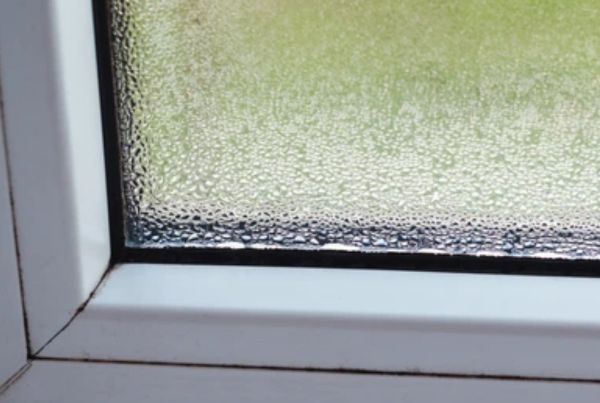
Precision Application for Optimal Performance and Aesthetics
Achieving the advertised performance of nano-ceramic film requires a meticulous, dust-free, and precise application process that only experienced professionals can provide. This involves specialized tools and techniques to ensure the film adheres perfectly to the glass, eliminating air pockets and imperfections. A professional installation guarantees maximum film-to-glass contact, which is essential for uniform heat rejection and UV filtration across the entire window surface. From an aesthetic standpoint, a precision application results in a virtually invisible upgrade that enhances the property’s appearance rather than detracting from it. This attention to detail preserves the building’s architectural integrity and ensures the film contributes positively to its overall visual appeal and market value.
Custom Solutions: Tailoring Film to Specific Commercial Needs
Every commercial property presents a unique set of challenges and opportunities when it comes to solar control. Factors such as building orientation, regional climate, window size and type, internal layout, and tenant requirements all influence the ideal film specification. An expert consultation moves beyond a one-size-fits-all approach, analyzing these variables to recommend the precise nano-ceramic film properties required.
This tailored approach considers:
- Solar Heat Gain Coefficient (SHGC): Optimizing for maximum heat rejection without excessive light reduction.
- Visible Light Transmission (VLT): Balancing natural light entry with glare reduction and privacy needs.
- UV Rejection: Ensuring comprehensive protection for interiors and occupants.
- Aesthetic Impact: Selecting films that complement the building’s design and maintain clear views.
By carefully matching film characteristics to specific needs, businesses can achieve optimal comfort, energy efficiency, and return on investment.
The Importance of Manufacturer Warranties and Expert Support
A professional installation is typically a prerequisite for validating the manufacturer’s warranty on advanced window films. These warranties represent a significant protection of your investment, covering aspects like peeling, bubbling, and discoloration for many years. Partnering with an authorized and experienced installer ensures that the film is applied according to strict manufacturer guidelines, thereby securing this valuable coverage. Beyond the initial installation, reputable providers offer ongoing expert support. This includes advice on maintenance, addressing any rare issues that may arise, and ensuring the film continues to perform optimally throughout its lifespan. This long-term relationship offers peace of mind, reinforcing the strategic value of the initial investment.
CoolVu’s Proven Track Record: Three Decades of Industry Leadership
With three decades of industry leadership, CoolVu brings unparalleled experience and expertise to every commercial window film project. This extensive track record signifies a deep understanding of evolving film technologies, application methodologies, and the specific challenges faced by commercial property owners. Our commitment to continuous innovation and rigorous training ensures that every installation benefits from the latest advancements and best practices. This proven history is not just about longevity; it reflects a consistent dedication to delivering superior results, optimizing performance, and maximizing the return on investment for our clients. Choosing an established leader like CoolVu means partnering with a team that has navigated countless commercial scenarios, guaranteeing a reliable, high-quality solution that stands the test of time.
With three decades of industry leadership, CoolVu brings unparalleled experience and expertise to every commercial window film project. This extensive track record reflects a deep understanding of evolving film technologies, precise application methods, and the real-world challenges faced by commercial property owners—and you can contact CoolVu for a free estimate to see how these solutions apply to your building. Our commitment to continuous innovation and rigorous training ensures every installation benefits from the latest advancements and best practices. This proven history goes beyond longevity, representing a consistent focus on delivering superior results, optimizing performance, and maximizing long-term return on investment for our clients.
MORE POSTS:
- Solar Spectrum Simplified – How UV, visible light, and infrared affect commercial buildings and how solar control film manages each one.
- Solar Control Film Pricing Explained – Why “price per square foot” is misleading and what really drives the total investment for commercial buildings.
- How Solar Control Window Tint Film Works – The science of controlling heat, glare, and UV using reflection, absorption, and performance metrics like SHGC/VLT.
- Home Heat & Glare Problem Explained – Why unprotected windows create hot spots, glare, higher cooling bills, and fading damage throughout the home.
- Choosing the Right Film & Installation Matters – A breakdown of key performance metrics and why expert assessment and professional installation maximize long-term ROI.