- Slash Energy Bills and Boost Your ROI with Solar Window Film
- Enhance Tenant Comfort and Boost Retention
- Strengthen Security and Protect What Matters Most
- From Privacy to Branding: The Versatility of Decorative Films
- Choosing the Right Partner for Your Project
- Conclusion: A Critical Upgrade for a High-Performance Asset
- Frequently Asked Questions
Slash Energy Bills and Boost Your ROI with Solar Window Film
For any property manager, the monthly energy bill is one of the largest and most volatile operational costs. When the sun beats down, your building’s HVAC system is forced to work overtime, fighting a losing battle against the heat pouring in through your windows. This is where solar control film becomes a powerful tool for cost reduction. It’s a direct, effective way to lower energy consumption and see a measurable return on your investment, often much faster than you’d expect.
The Impact of Solar Heat Gain on Your HVAC
Think of your building’s windows as gateways for sunlight. This sunlight brings with it visible light, ultraviolet (UV) radiation, and infrared (IR) radiation, which is what we feel as heat. When this solar energy passes through untreated glass, it’s absorbed by surfaces inside like desks, carpets, and even the air itself. This absorption creates what’s known as solar heat gain.
This trapped heat forces your air conditioning to run longer and harder to maintain a comfortable temperature. For a commercial building with extensive glass, this effect is magnified, leading to significant strain on your HVAC equipment, increased maintenance needs, and sky-high electricity bills, especially during peak summer months.

How Solar Film Delivers Real Energy Savings
Solar control window films are engineered to address this problem head-on. A micro-thin layer of film, professionally applied to your existing glass, acts as a selective barrier. It allows plenty of natural light to pass through while rejecting a huge percentage of the sun’s heat-producing infrared and damaging UV rays.
By stopping this energy at the window, the film dramatically reduces solar heat gain. Your HVAC system no longer has to fight an uphill battle. It can maintain set temperatures more easily, leading to shorter run cycles and significantly lower energy consumption. This isn’t a theoretical benefit. It’s a direct cause-and-effect relationship that shows up as a smaller number on your monthly utility bill.
Calculating Your Return: Office Window Tinting Cost vs. Benefit
Determining the return on investment (ROI) for window tinting is more straightforward than you might think. While the upfront cost of materials and professional installation is your initial investment, the returns begin accumulating immediately. Most property managers find that the payback period for a solar control film for business is surprisingly short, often just two to five years.
To get a clear picture of your potential ROI, consider these key factors:
- Your Current Energy Costs: Pull your utility bills, especially from the summer months. This is your baseline.
- Building Characteristics: The amount of glass, the direction your windows face, and the efficiency of your current HVAC system all play a role.
- Film Performance: Different films offer different levels of heat rejection. We can help you model the potential savings based on a specific film’s performance data.
- Projected Savings: Studies have shown that solar films can reduce solar heat gain by over 80%, potentially cutting cooling costs by as much as 30%.
When you subtract your projected annual energy savings from the initial project cost, you can clearly see how quickly the investment pays for itself. After the payback period, every dollar saved on energy goes straight to your bottom line.
The Hidden Benefit: Protecting Interiors from Fade Damage
Beyond the direct energy savings, there’s another significant financial benefit that’s easy to overlook. The same UV rays that are harmful to our skin are also the primary cause of fading and sun damage to your building’s interiors.
Over time, this UV exposure can ruin expensive office furniture, fade carpets, damage artwork, and spoil merchandise. Solar control films block up to 99.9% of these harmful UV rays. Think of it as a powerful, invisible sunscreen for your building’s assets. This fade protection extends the life of your interiors, reducing the cost of replacement and preserving the professional appearance of your property for years to come.
Enhance Tenant Comfort and Boost Retention
While lower energy bills are a major win, the commercial window film benefits extend far beyond your utility budget. They have a direct and measurable impact on the people inside your building, transforming their daily experience and, in turn, boosting your property’s value. Happy, comfortable tenants are the cornerstone of a successful commercial property, and window film is a surprisingly powerful tool for achieving that goal.
Eliminate Disruptive Glare
If you manage an office building, you’ve probably heard the complaints about glare. An employee can’t see their computer screen, or a conference room is unusable at certain times of day because of blinding sunlight. This isn’t just a minor annoyance, it’s a productivity killer. Constant glare leads to eye strain, headaches, and frustration.
Glare reduction films are the simple, effective solution. They filter the harshest visible light without making rooms dark, allowing for clear views and abundant natural light. The result is an immediate improvement in the work environment, fewer complaints, and a more productive and satisfied workforce.

Create Consistent, Comfortable Temperatures
Every building has them: the “hot seats” next to the windows that are unbearable in the summer. This temperature imbalance often leads to thermostat wars and a constant battle to keep everyone comfortable, driving up HVAC costs in the process.
Solar control window films create a more uniform temperature throughout your space. By rejecting a significant amount of solar heat, they prevent sunny areas from overheating. This eases the load on your air conditioning and eliminates those uncomfortable hot spots, making every square foot of your property more usable and valuable.
The Unseen Shield for Health and Assets
Standard windows do very little to block ultraviolet (UV) radiation. Professionally installed window films act as a powerful, invisible shield, blocking up to 99% of harmful UV rays. This delivers two critical benefits:
- Protecting People: For tenants and employees who spend their days near windows, UV-blocking film provides a welcome layer of protection and peace of mind from prolonged sun exposure.
- Protecting Property: Sunlight degrades just about anything over time. This includes expensive office furniture, valuable artwork, hardwood floors, and retail merchandise. UV-protective film is one of the most effective ways to preserve your assets and your tenants’, saving thousands in replacement costs.
Boost Property Value Through Tenant Comfort
The connection is simple. A comfortable tenant is a happy tenant, and a happy tenant is far more likely to renew their lease. Every improvement you make to the tenant experience, from reducing glare to providing a more temperate environment, contributes directly to retention.
Investing in window films signals to your tenants that you care about their well-being. This proactive approach not only reduces costly turnover but also makes your property more attractive to prospective, high-quality tenants. A building known for its comfortable and productive environment commands higher rental rates and holds its value better in a competitive market.
Strengthen Security and Protect What Matters Most
Beyond comfort and energy savings, specific types of window film offer a robust layer of protection against physical threats. In a world where security is an ever-growing concern, upgrading your building’s windows is a practical and cost-effective way to enhance safety for everyone.
The Difference Between Safety and Security Film
It’s important to understand that not all films are created equal. While most films add some shatter resistance, true safety and security films are engineered specifically for protection.
- Safety Films are typically 4 to 7 mil thick. They are designed to hold glass shards together in case of accidental breakage or storm impact, preventing dangerous pieces from flying into a room.
- Security Films are thicker, ranging from 8 to 21 mil or more. They are combined with a much stronger adhesive system that bonds the film to both the glass and the window frame, creating a remarkably strong and flexible barrier.
While a solar film’s primary job is to block heat, a security film’s job is to withstand a determined attack or major impact.
Deter Break-Ins by Delaying Entry
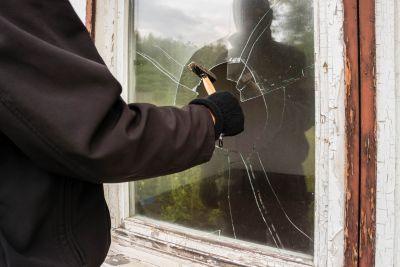
A criminal’s greatest assets are speed and surprise. Security window films rob them of both. When an intruder strikes a window treated with security film, the glass will shatter, but it won’t fall out. The film holds the broken pieces tightly in the frame, creating a barrier that is incredibly difficult and time-consuming to breach.
This delay is critical. The extra time and noise required to get through the window attracts attention and often causes the would-be intruder to flee. It transforms your windows from a vulnerable entry point into an active part of your building’s defense system.
Mitigate Risks from Severe Weather and Accidents
The same properties that deter criminals also provide exceptional protection against natural disasters. During a hurricane or severe windstorm, the leading cause of injury is often flying glass from broken windows. Safety and security films hold the glass in place, containing the hazard and protecting occupants from deadly projectiles. This benefit also applies to everyday risks, like a rock flung from a lawnmower or an accidental impact during construction.
Provide Peace of Mind for Everyone
Ultimately, the greatest benefit of security film is the peace of mind it provides. For a school superintendent, knowing students are protected from shattered glass during a storm is invaluable. For a retail tenant, knowing their storefront has an added layer of defense against smash-and-grab theft is a major selling point. This enhanced sense of security makes your building a more desirable place to do business and demonstrates a commitment to safety that tenants notice and appreciate.
From Privacy to Branding: The Versatility of Decorative Films
The advantages of modern window films don’t stop with energy and security. Decorative films offer a suite of aesthetic and functional solutions that can completely transform a commercial space without the cost and disruption of a full-scale renovation.
Create Confidentiality with Frosted and Opaque Films
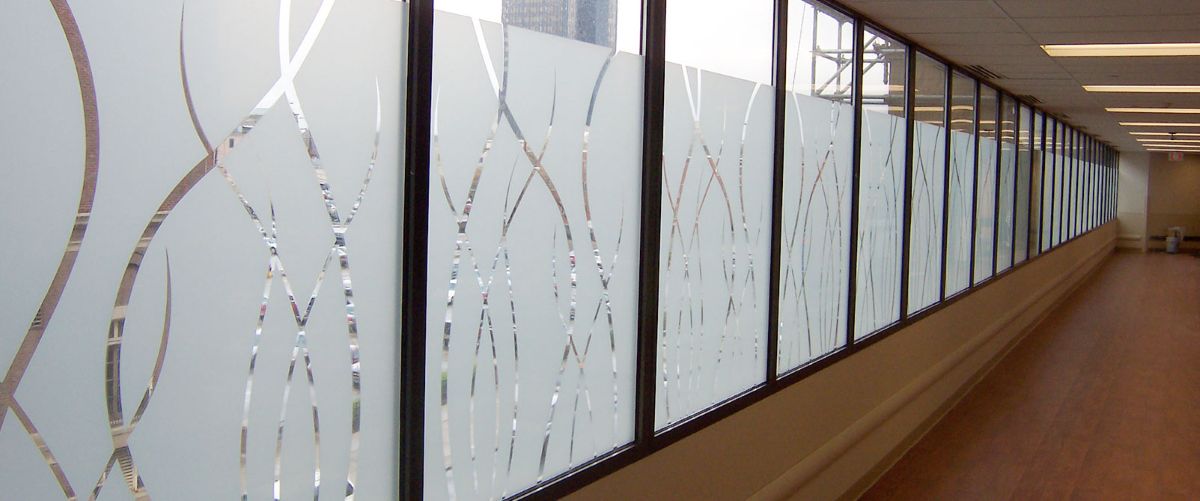
Open-plan offices and glass-walled conference rooms are popular but often lack privacy. Frosted, etched, and opaque films are the perfect solution. They can be applied to any glass surface to create visual privacy without sacrificing natural light. You can achieve the elegant look of sandblasted glass for a fraction of the cost, instantly turning a fishbowl conference room into a private suite or shielding a ground-floor office from pedestrian view.
Turn Glass into a Branding Opportunity
Your building’s glass surfaces are blank canvases. With custom-printed decorative films, you can turn them into powerful branding assets. Imagine your tenant’s logo professionally displayed on their glass entryway or a subtle pattern incorporating their brand colors on interior partitions. It elevates their presence and makes the space feel truly their own. You can also use custom films for building-wide wayfinding signage, suite numbers, or architectural patterns in the lobby.
Modernize Your Building’s Look Without Costly Renovations
Is the aesthetic of your building starting to look dated? Before you budget for a disruptive construction project, consider the impact of decorative window film. With hundreds of styles available, from subtle textures to bold geometric patterns, you can quickly modernize an interior or exterior. It’s a fast, clean, and reversible way to update your property’s style, helping you attract and retain tenants who expect a contemporary environment.
Choosing the Right Partner for Your Project
The benefits of window film are only fully realized when the right product is selected and installed by skilled professionals. A successful project depends on a partner who understands the science behind the products and the art of flawless application. Choosing an experienced installer is essential for guaranteeing your return on investment in window tinting for commercial buildings.
Identifying the Right Film for Your Specific Needs
There is no “one-size-fits-all” window film. An expert partner won’t just sell you a product. They will help you navigate the options to find the perfect fit for each unique challenge, whether you need to reduce glare in one office wing, add privacy to another, or lower your building’s peak energy demand. A true professional will match the film’s technical specifications to your building’s precise needs, even in a sun-drenched area such as Los Angeles, therefore ensuring you get the results you expect.
The Importance of a Professional Consultation
A reputable installation partner will always begin with a thorough, on-site consultation. They’ll listen to your pain points, inspect your windows, take precise measurements, and discuss your objectives. For projects focused on energy savings, a professional energy audit is invaluable. Using specialized software, a consultant can model your building’s energy consumption with and without different types of window film. This provides you with clear, data-driven projections on your potential savings and estimated ROI.
What to Look for in a Professional Installer
Your building is a significant asset, so you need to entrust it to a proven and reliable partner. When vetting potential installers, look for clear indicators of experience and professionalism.
Here’s what you should always confirm:
- A deep portfolio of projects similar to yours in scale and scope.
- Proper licensing and insurance to protect you, your tenants, and your property.
- Manufacturer-backed warranties on both the film and the labor.
- Deep product knowledge to explain the differences between products.
- A proven, professional process from the initial call to the final inspection.
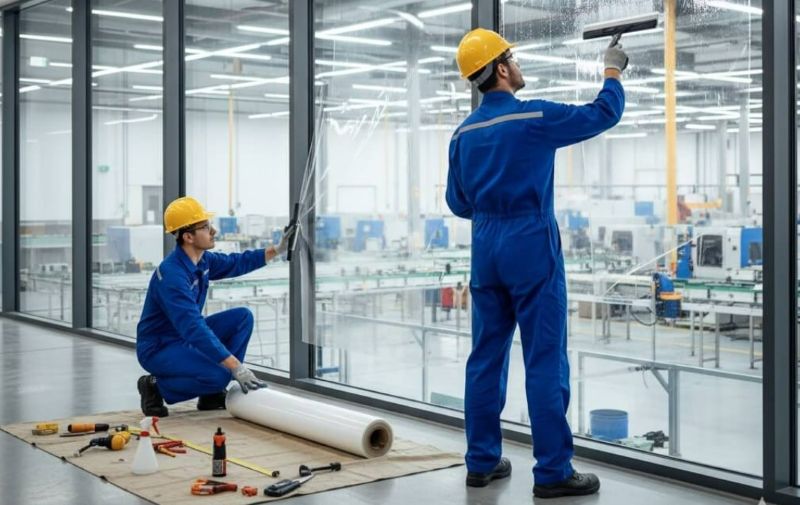
Navigating Installation with Minimal Disruption
One of the biggest concerns for property managers is disrupting tenants. An experienced installation team understands this and works to make the process seamless. The installation of window film is a clean, quiet, and surprisingly fast process. Professional crews are trained to work efficiently in active commercial environments, often coordinating with your schedule to work after hours or on weekends to ensure zero interference with your tenants’ business.
Conclusion: A Critical Upgrade for a High-Performance Asset
We’ve seen that window tinting for commercial buildings is far more than a cosmetic touch. It’s a powerful tool for modernizing your property and boosting your bottom line. It’s an investment that addresses the core challenges every commercial property manager faces, from operational budgets to tenant satisfaction.
By rejecting solar heat, you get immediate and sustained relief on your energy bills and reduce wear and tear on your HVAC systems. By adding a layer of security film, you deter theft and protect occupants from shattered glass. And by reducing glare and hot spots, you create a more comfortable environment that improves tenant retention.
Viewing window film as a simple expense misses the point. It’s a critical operational upgrade with an ROI you can measure. Unlike many building improvements, it’s a relatively low-cost, high-impact solution that starts paying you back on day one. Every month you delay, you’re essentially paying for window film through higher energy bills without ever enjoying the benefits.
Understanding how these benefits apply to your unique property is the logical next step. The best way to get a clear picture of your potential ROI is with a professional consultation. A CoolVu expert can assess your property, listen to your challenges, and provide a detailed analysis of which film solutions are right for you. It’s a straightforward, no-obligation way to gather the data you need to make an informed decision for your property and your budget.
Frequently Asked Questions
How much does office window tinting cost?
The cost of window tinting for commercial buildings varies based on several factors, including the total square footage of glass, the type of film selected (solar, security, or decorative), and the complexity of the installation. However, it’s best to view it as an investment. Most businesses see a full return on investment from energy savings alone in just 2-5 years.
Will window film make my building too dark?
Not at all. Modern window films are designed to be spectrally selective, meaning they can block huge amounts of heat (infrared) and UV rays without significantly reducing visible light. You can choose from a wide range of films, from nearly invisible to lightly tinted, that will preserve natural light and views while solving problems like heat and glare.
How long does commercial window film last?
Professionally installed, high-quality window films are extremely durable. Most films from leading manufacturers come with a warranty of 10 to 15 years for commercial applications. With proper care, they often last even longer, providing a long-term solution for energy efficiency, comfort, and protection.
Can security film really stop a break-in?
While no single product can make a building impenetrable, security film is an incredibly effective deterrent. By holding shattered glass firmly in the window frame, it makes entry extremely difficult, noisy, and time-consuming. This delay is often enough to make a potential intruder give up and move on to an easier target. It turns your most vulnerable points into a strong line of defense.