- Defining the Solution: What Is Light-Balancing Window Film?
- The Science Inside: How Different Film Technologies Manage Sunlight
- The Tangible ROI: Key Benefits of Balancing Light in a Commercial Space
- Why Professional Installation Is Critical for Optimal Performance
- The CoolVu Advantage: Three Decades of Window Solution Expertise
- Conclusion: The Smarter Path to a Brighter Workspace
- Frequently Asked Questions
Defining the Solution: What Is Light-Balancing Window Film?
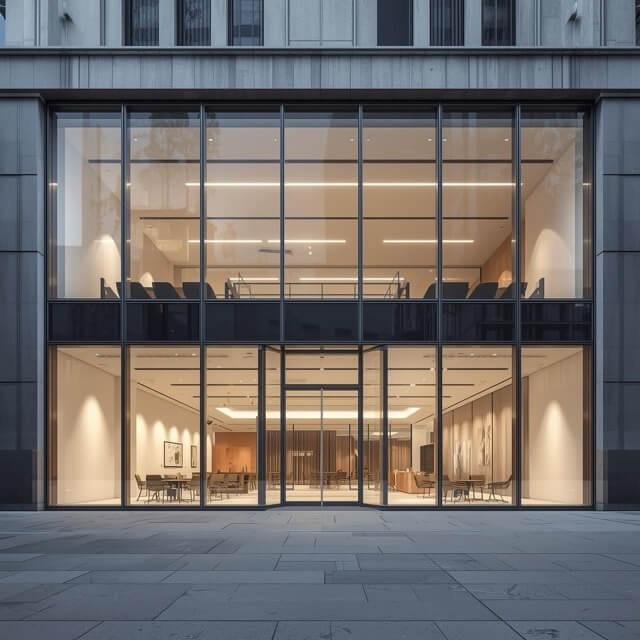
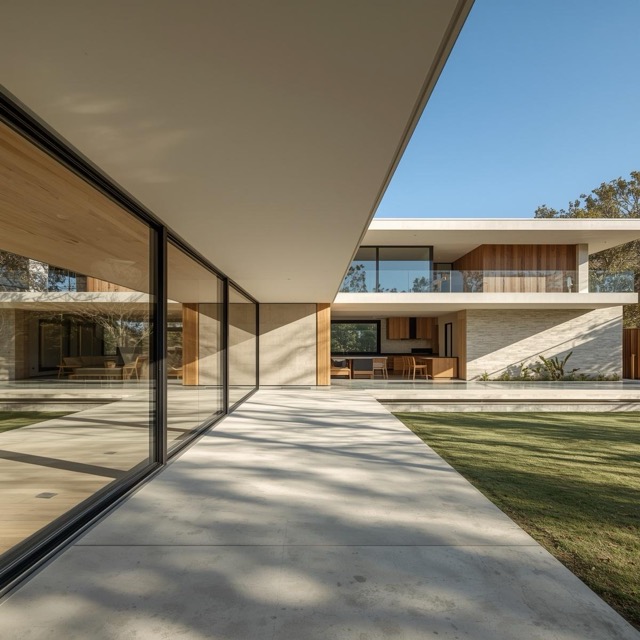
After grappling with the frustrating trade-offs of traditional solutions, it becomes clear that businesses need a more intelligent approach. The goal is not to block light, but to control it. This is the precise function of modern, light-balancing window film, a technological upgrade that transforms standard glass into a high-performance asset.
Moving Beyond Traditional Window Coverings
For decades, the only answer to excessive sunlight was to cover the window. Blinds, shades, and curtains all operate on a simple, binary principle: they are either open or closed. This forces a constant, disruptive choice between enjoying natural light with all its associated problems or plunging a space into artificial, isolated darkness.
Advanced window film fundamentally changes this dynamic. It is not a window covering but a window enhancement. It operates continuously and passively, filtering sunlight in real-time to create a consistently comfortable and productive environment without any manual adjustment or sacrifice of your view.
A Smart Layer That Works With Your Glass, Not Against It
At its core, professional-grade window film is a micro-thin layer of polyester imbued with advanced materials, applied directly to the interior surface of your existing glass. Unlike a simple tint that just darkens a window, modern films are engineered to be spectrally selective. This means they can differentiate between different wavelengths of the sun’s energy.
Using microscopic layers of durable materials like ceramics or specific metals, the film can selectively block a high percentage of infrared radiation, which is the primary source of solar heat. At the same time, it filters the intensity of visible light to reduce glare and blocks over 99% of damaging ultraviolet (UV) rays. It works with your existing windows, upgrading their performance to a level that new, untreated glass cannot match.
How Modern Film Preserves Natural Light While Solving Its Problems
The true innovation of light-balancing window film is its ability to separate the desirable qualities of sunlight from the undesirable ones. It surgically removes the heat, glare, and UV radiation, leaving you with the pure, energizing benefits of natural daylight.
This sophisticated filtering process creates a superior indoor environment by:
- Reducing Glare: The film softens and diffuses harsh, direct sunlight. This eliminates the intense glare on computer screens, monitors, and reflective surfaces, which reduces eye strain and allows employees to work comfortably all day long.
- Rejecting Heat: By blocking a significant portion of solar heat before it enters your building, the film keeps interior temperatures more stable and pleasant. Your HVAC system runs less, leading to immediate and substantial energy savings.
- Maintaining Views: Because the film is optically clear, it preserves the connection to the outdoors. This has been shown to improve employee morale and well-being, all while the film works invisibly to protect your space.
- Stopping UV Damage: By blocking virtually all UV radiation, the film acts as a powerful sunscreen for your building’s interior, preventing the fading and degradation of valuable assets like furniture, flooring, artwork, and merchandise.
The Science Inside: How Different Film Technologies Manage Sunlight
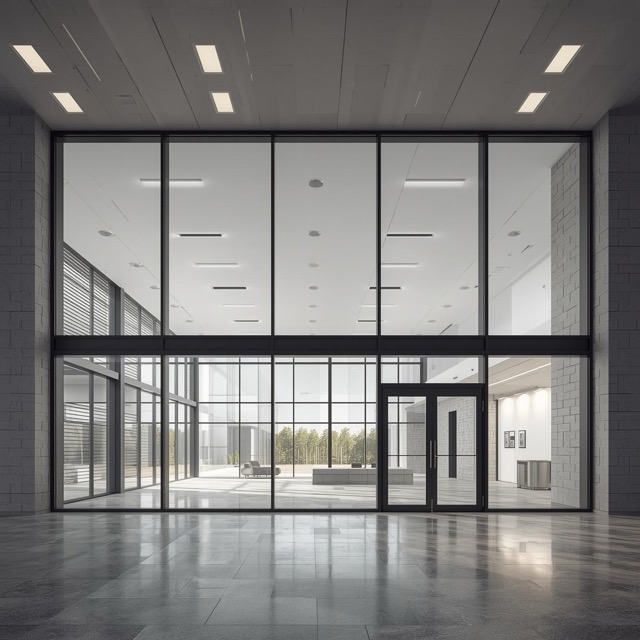
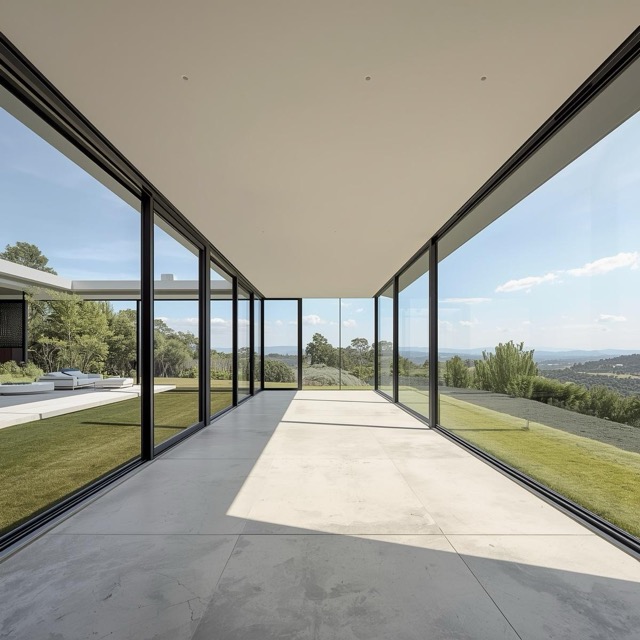
The frustrating trade-off between enjoying natural light and battling its negative effects—glare, heat, and UV damage—is no longer a necessary evil. Modern window film is not a simple layer of dark tint. It is an engineered solution, a thin, multi-layered sheet of advanced materials designed to precisely manipulate the solar spectrum. Understanding the technology within the film is the first step to appreciating its strategic value for your business.
Decoding the Key Metrics: VLT, SHGC, and UV Rejection Explained
When evaluating professional-grade window film, you will encounter a few key performance metrics. These are not just technical jargon; they are the exact measurements that tell you how a film will solve your specific problems. An expert consultant will help you balance these factors, but understanding them empowers you to make an informed decision.
- Visible Light Transmission (VLT): This is the percentage of visible light that passes through the filmed window. A higher VLT means a brighter, more naturally lit space. A lower VLT provides more glare control and privacy but results in a darker tint. The goal is to find the sweet spot that cuts glare without making your interior feel like a cave.
- Solar Heat Gain Coefficient (SHGC): This number represents the fraction of solar radiation admitted through a window. The lower the SHGC, the less solar heat the window transmits, and the better the film is at keeping your space cool. This is the most critical metric for calculating energy savings and reducing the load on your HVAC system.
- UV Rejection: This measures how much of the sun’s damaging ultraviolet radiation the film blocks. Virtually all professional films block 99% or more of UV rays. This is the key factor in preventing the fading of your furniture, flooring, artwork, and merchandise.
Spectrally Selective Film: Rejecting Heat Without Losing Light
For business owners who want to maintain a bright, welcoming environment, spectrally selective films represent a major technological leap. These films are the definitive solution to the problem of having to choose between light and comfort.
Instead of simply blocking all energy, these advanced films are engineered to be selective. They use sophisticated multi-layer coatings to target and reflect specific wavelengths of light, primarily infrared (IR) radiation, which is responsible for the sensation of heat. At the same time, they allow a high percentage of visible light to pass through. The result is a window that lets in the daylight you want while rejecting the heat you don’t, often with a film that is virtually invisible.
The Durability and Clarity of Advanced Ceramic Films
Ceramic films are a cornerstone of modern window film technology, prized for both their performance and their longevity. These films embed microscopic ceramic nanoparticles into a durable polyester substrate. This construction provides powerful solar control without the drawbacks of older metallic films.
Because they are non-metallic, ceramic films will not interfere with cell phone signals, Wi-Fi, or other radio frequencies, a critical consideration in any modern commercial building. Furthermore, their ceramic components are incredibly stable and will not corrode or change color over time. This ensures that your investment continues to perform with exceptional optical clarity for years, without the bubbling, peeling, or purple discoloration that plagues low-quality dye-based films.
Understanding Daylight Redirecting Film for Deeper Light Penetration
For buildings with deep floor plates, getting natural light to the interior core can be a significant challenge. This often leads to a situation where employees near the windows are blasted with light while those further in must rely entirely on artificial lighting. Daylight redirecting film offers an innovative architectural solution.
This specialized film is applied to the upper portion of a window. It incorporates microscopic, prismatic structures that act like tiny blinds, catching incoming sunlight and redirecting it upwards onto the ceiling. The ceiling then acts as a massive reflector, diffusing the natural light and casting it deep into the building. This technology allows you to illuminate more of your workspace with free, high-quality daylight, reducing the need for electric lighting and creating a more visually comfortable and connected environment for all occupants.
The Tangible ROI: Key Benefits of Balancing Light in a Commercial Space
Investing in advanced window film is not an expense; it is a capital improvement that delivers a clear and measurable return. By moving beyond outdated solutions like blinds and strategically managing sunlight, you can directly enhance your building’s performance, improve your bottom line, and create a superior environment for employees and tenants.
Boosting Employee Productivity Through Glare Reduction
Persistent screen glare is a major drain on productivity. It causes visual fatigue, headaches, and frustration, forcing employees to constantly adjust their posture, squint at their monitors, or retreat from windows altogether. This is not just an inconvenience; it is a direct impediment to focused work.
Professionally installed window film resolves this issue at its source. By reducing visible light transmission to a comfortable level, the film cuts distracting glare on screens, tablets, and reflective surfaces. This creates a more visually ergonomic workspace where employees can remain comfortable and focused throughout the day, leading to improved concentration and higher quality output.
Achieving Significant Energy Savings by Controlling Solar Heat Gain
One of the most significant operational expenses for any commercial building is air conditioning. Uncontrolled sunlight pouring through windows creates a powerful greenhouse effect, forcing your HVAC system to run constantly to maintain a comfortable temperature. This is where a film’s Solar Heat Gain Coefficient (SHGC) becomes a critical financial tool.
By rejecting a significant portion of solar heat before it enters the building, high-performance window film can dramatically reduce the cooling load. In warm climates, this can lead to energy savings of up to 30% on cooling costs. These savings directly impact your operating budget, allowing the film to pay for itself over time and deliver a positive return for years to come.
Protecting Your Commercial Assets and Interiors from Fading
The same sunlight that brightens your space also carries damaging ultraviolet radiation. Over time, UV exposure is the primary driver of fading and degradation for nearly any material. It can bleach expensive wood flooring, ruin vibrant fabrics on office furniture, and devalue artwork or retail merchandise displayed near windows.
Blocking over 99% of UV rays, window film acts as a powerful shield for your interior assets. It is like applying sunscreen to your entire building, preserving the color, finish, and structural integrity of your valuable furnishings and equipment. This protection extends the life of your interior investments and maintains the professional appearance of your space.
Enhancing Building Aesthetics and Tenant Retention
Your building’s exterior appearance sends a powerful message. A facade marred by a chaotic mix of open, closed, and partially drawn blinds looks inconsistent and poorly managed. Window film provides a sleek, uniform appearance from the outside, elevating the building’s architectural character and curb appeal.
More importantly, the internal benefits of window film—reduced glare, improved comfort, and lower energy costs—are highly attractive to tenants. In a competitive commercial real estate market, a building that offers a more comfortable and productive work environment is a significant differentiator. This directly contributes to higher tenant satisfaction, reduced turnover, and a stronger reputation for your property.
Why Professional Installation Is Critical for Optimal Performance
You can select the most advanced, perfectly specified window film for your building, but that film is only as good as its installation. The performance, longevity, and aesthetics of your investment are not determined in a factory; they are realized on the glass. Opting for a professional, certified installer is not an upsell; it is the only way to guarantee the results you are paying for.
The Difference Between a Flawless Finish and Costly Failure
The visual difference between a professional application and an amateur attempt is immediate and stark. A flawless installation is virtually invisible. The film is perfectly smooth and optically clear, seamlessly bonded to the glass as if it were part of the original window.
A poor installation, however, is a constant and distracting reminder of a job gone wrong. Common signs of failure include:
- Bubbles and Lifts: Pockets of air or water trapped under the film.
- Contamination: Specks of dust, hair, or debris sealed beneath the film, creating permanent blemishes.
- Creases and Folds: Permanent damage to the film caused by improper handling.
- Peeling Edges: A result of improper trimming or inadequate adhesion at the perimeter of the glass.
These are not just cosmetic issues. Each imperfection is a point of failure that compromises the film’s structural integrity and will lead to its premature replacement, turning a potential asset into a costly liability.
Ensuring Adhesion, Clarity, and Longevity of Your Investment
Achieving a perfect bond between film and glass is a meticulous, multi-step process that requires skill, precision, and the right tools. A professional technician’s work begins long before the film is applied.
First, the glass surface must be prepared to a clinical standard. This involves a deep cleaning to remove any residue, oils, or microscopic contaminants that could interfere with the adhesive. Next, a specific mounting solution is used, allowing the technician to position the film precisely before locking it into place. The final, most critical step is the squeegee process, where the technician uses proven techniques to force out every drop of solution from between the film and the glass, creating a powerful and uniform bond.
This expertise ensures not only that the film will not peel or bubble, but also that its optical clarity is preserved. An improper squeegee technique can stretch the film, distorting the view and negating the benefit of a high-quality product.
Activating Your Warranty Through Certified Application
Virtually all reputable window film manufacturers, including the providers of premium films used by CoolVu, tie their product warranties to professional installation. This is a critical point for any business owner. The manufacturer’s warranty protects you against defects in the film itself, such as discoloration, cracking, or adhesive failure, but it is only valid if the product was installed according to their exact specifications by a certified technician.
Attempting to save money with a non-certified installer or a DIY approach effectively voids this protection. If the film fails, you have no recourse and are responsible for the full cost of removal and replacement. Professional installation is your assurance that your warranty is active from day one, safeguarding your investment for years to come.
The Expertise Required for Large-Scale Commercial Window Tinting
Installing film across a commercial property presents a unique set of challenges that go far beyond a simple residential project. A professional commercial team possesses the experience and equipment to manage the scale and complexity of your building.
This specialized expertise includes:
- Project Management: Coordinating installation around your business hours to minimize disruption to employees and tenants.
- Consistency: Ensuring a uniform, perfect application across dozens or even hundreds of windows for a cohesive and professional appearance.
- Safety and Access: Utilizing the proper lifts, scaffolding, and safety protocols required to work on large, multi-story glass facades and hard-to-reach windows.
- Technical Knowledge: Understanding the thermal stress properties of different types of commercial glass to select and apply film in a way that does not risk damage to the window units themselves.
For a business, window film installation is not a handyman task. It is a specialized trade that demands a dedicated team to deliver the flawless, high-performance results your property deserves.
The CoolVu Advantage: Three Decades of Window Solution Expertise
Understanding the problem is only the first step. Implementing the right solution requires a partner with proven expertise, access to superior technology, and a commitment to your business’s success. At CoolVu, we have built our reputation on these pillars for over 30 years, transforming frustrating commercial spaces into productive, comfortable, and efficient environments.
Our Insight-Driven Approach to Solving Light Management Problems
We don’t sell window film; we provide comprehensive light and energy management solutions. Our process begins with a professional consultation, not a sales pitch. A CoolVu expert will analyze your unique situation, considering factors that generic solutions ignore.
We assess your building’s orientation, the specific tasks performed near windows, the sources of occupant complaints, and your energy consumption patterns. This diagnostic approach ensures we identify the root cause of your glare, heat, or privacy issues. We then engineer a solution tailored precisely to your needs, ensuring you are not over-investing in features you do not need or under-investing in the technology that matters most.
Access to a Curated Selection of Best-in-Class Film Technologies
The term “window film” covers a vast range of products with dramatically different capabilities. Navigating this landscape is daunting. CoolVu has done the work for you, curating a portfolio of the most advanced film technologies on the market. We have rigorously tested and selected films based on performance, durability, and clarity.
Our access to this elite selection means we can solve problems that basic tints cannot.
- Spectrally Selective Films: These advanced films are engineered to block a high percentage of infrared heat without significantly darkening your windows. You get massive energy savings and reduced HVAC load while preserving your building’s natural light and views.
- Transitional Films: For areas with changing light conditions throughout the day, our light-balancing transitional films adapt automatically. They darken in response to direct sunlight to control glare and heat, then return to a lighter state as the sun moves, providing the perfect amount of light at all times.
- Safety and Security Films: Beyond light management, we offer films that bond to your glass, reinforcing it against impact. This adds a critical layer of protection against forced entry, severe weather, and accidents.
The Value of Partnering with a Local, Vetted Professional
The most advanced window film in the world will underperform if installed incorrectly. Flaws like bubbles, peeling edges, and contamination not only look unprofessional but also compromise the film’s effectiveness and lifespan. This is why our network of local, owner-operated franchisees is our greatest asset, and your greatest assurance of quality.
When you partner with CoolVu, you are working with a vetted professional from your own community. These are dedicated business owners who have undergone extensive training in both our product technologies and our meticulous installation standards. They have a vested interest in upholding our brand’s reputation and ensuring your complete satisfaction, providing a level of accountability and personalized service that a distant corporation simply cannot match.
A Commitment to Measurable Results for Your Business
An investment in your building should deliver a clear return. We approach every project with the goal of producing measurable improvements for your business. The benefits of a professional CoolVu installation go directly to your bottom line and the well-being of your occupants.
We work with you to define success, whether it is lowering your cooling costs by a target percentage, eliminating glare-related complaints from a specific department, or enhancing the privacy of sensitive areas. By solving the persistent problems of solar heat gain and disruptive glare, you create a superior indoor environment. This leads to tangible outcomes: reduced energy bills, increased employee focus and productivity, and a more comfortable and welcoming space for clients and staff alike.
Conclusion: The Smarter Path to a Brighter Workspace
The era of choosing between a dark, closed-off office and a bright but uncomfortable one is over. By moving beyond the binary limitations of traditional blinds and embracing a film that balances light, you can finally unlock the full potential of your building’s glass.
This advanced technology allows you to surgically remove the “bad” parts of sunlight—the distracting glare and the oppressive heat—while preserving the “good” natural daylight that fuels employee well-being and productivity. Investing in a professional light-balancing solution isn’t just a design choice; it’s a strategic operational upgrade that delivers measurable ROI through lower energy bills, protected assets, and a superior environment for everyone who walks through your doors.
Frequently Asked Questions
How does light-balancing window film differ from a standard window tint?
Standard tints primarily work by darkening the glass to reduce brightness, which can make an office feel gloomy. In contrast, a film that balances light is spectrally selective. It uses advanced nanotechnology to identify and block invisible heat (infrared) and damaging UV rays while allowing high levels of natural, high-quality visible light to pass through.
Can this film actually help reduce eye strain for employees?
Yes. By filtering the intensity of sunlight and diffusing harsh “hot spots,” the film significantly reduces glare on computer monitors and mobile devices. This creates a more ergonomic visual environment, reducing the headaches and eye fatigue often associated with window-side desks.
Will it make our building’s exterior look reflective or like a mirror?
No, unless you specifically choose a reflective privacy film. Most light-balancing films are designed to be non-reflective and virtually invisible once installed. This allows you to upgrade your building’s performance without changing its architectural aesthetic or curb appeal.
How does “daylight redirecting” technology work?
Daylight redirecting film is a specialized film that balances light by using microscopic prisms. When applied to the upper portion of a window, it catches incoming sunlight and angles it upward toward the ceiling, which then reflects the light deep into the interior of the building.
Is the film durable enough for a busy commercial environment?
Absolutely. Professional-grade films are manufactured with a durable, scratch-resistant hard coat. They are designed to withstand standard commercial window cleaning and daily wear and tear, maintaining their clarity and performance for 10 to 15 years or more.