- What Is Shatter Proof Window Film? An Introduction to Unseen Strength
- Deconstructing the Technology: From PET to Tensile Strength
- How the Film Adheres to Glass to Prevent Fragmentation
- Understanding Different Film Thicknesses and Their Applications
- The Difference Between Safety Film, Security Film, and Blast Mitigation Film
- Buying Invaluable Time: How Shatter Proof Window Film Delays Intruders
- Security Without the Fortress: Maintaining a Welcoming Atmosphere
- A Practical Investment: Security Film vs. Laminated Glass.
- Putting Theory into Practice: Real-World Scenarios
- Choosing with Confidence: Selecting the Right Film and Installation Partner
- Frequently Asked Questions
What Is Shatter Proof Window Film? An Introduction to Unseen Strength
Once you identify the inherent weakness of standard glass, the next step is finding a solution that strengthens these vulnerable points without turning your building into a fortress. The answer is surprisingly simple and effective. Shatter proof window film is a transparent layer applied directly to your existing windows and glass doors. It’s designed to do one thing exceptionally well: hold glass together upon impact.
This isn’t just about stopping a stray baseball. It’s about fundamentally changing how your glass performs under stress, whether from a potential intruder, a severe storm, or even an explosion. Best of all, it provides this powerful layer of protection while being virtually invisible. For anyone concerned about maintaining an open, welcoming atmosphere, the film offers robust security you don’t have to see to trust. It works tirelessly in the background, reinforcing your building’s weak points without altering its character.
Deconstructing the Technology: From PET to Tensile Strength
At its core, shatter proof film is made from a remarkably strong and flexible material called polyethylene terephthalate, or PET. This is the same durable polymer used to make water bottles, but in this application, it’s engineered for exceptional strength and clarity.
The film is constructed from one or more layers of this high-grade PET. Its effectiveness is measured by its tensile strength, which is a technical term for how much force it can withstand before tearing. A higher tensile strength means the film is more resistant to ripping and puncturing. This property is what allows the film to absorb and distribute the energy from an impact, keeping the glass contained and delaying anyone trying to force their way through.
How the Film Adheres to Glass to Prevent Fragmentation
The real magic of the film isn’t just the material itself, but how it works with your glass. During installation, a specialized, aggressive adhesive creates a powerful bond between the film and the interior surface of the window. Think of it like laminating a piece of paper to protect it, but on a much stronger and more sophisticated scale.
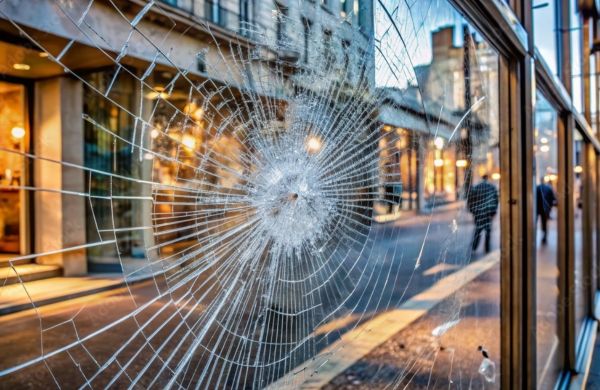
When an object strikes the window, the glass will still crack and break. However, because it’s bonded to the film, it won’t shatter into dangerous, flying shards or fall out of the frame. Instead, the film holds all the broken pieces together in a single, flexible sheet. This is critical for two reasons. First, it denies an intruder the quick, easy access they were expecting. Second, it protects anyone inside from the hazard of glass fragmentation, which is a primary cause of injury during violent events.
Understanding Different Film Thicknesses and Their Applications
Shatter proof window films are not a one-size-fits-all solution. They come in various thicknesses, measured in mils (one-thousandth of an inch), allowing you to match the level of protection to your specific security needs.
A thicker film offers greater resistance and is more difficult to tear or penetrate. While a 4-mil film is excellent for protecting against accidental breakage or smash and grab theft, a school or government building might opt for a much thicker film to delay a more determined attacker.
- 2 to 4 Mil: Often called “safety film,” this thickness is ideal for improving glass safety in high-traffic areas, protecting against accidental human impact, and mitigating minor damage.
- 7 to 8 Mil: This is the most common thickness for “security film.” It offers a significant upgrade in protection, designed to delay forced entry for several minutes and frustrate intruders. This is the sweet spot for most commercial and educational institutions.
- 14 Mil and Thicker: These heavy-duty films are designed for high-risk environments. They provide maximum resistance to repeated, heavy blows and are often used in blast mitigation applications.
The Difference Between Safety Film, Security Film, and Blast Mitigation Film
The terms “safety film” and “security film” are often used interchangeably, but they represent distinct levels of protection. Understanding the difference is key to making an informed decision.
Safety Film
This is the thinnest category, typically ranging from 2 to 4 mils. Its primary purpose is to hold glass shards together in case of accidental breakage, preventing injuries from falling or flying glass. It helps meet building code requirements for safety glazing in places like schools, daycares, and commercial lobbies.
Security Film
Ranging from 7 to 21 mils, security window film is engineered specifically to deter and delay forced entry. Its increased thickness and tear strength are designed to withstand repeated impacts from tools like hammers, bats, or crowbars. This anti-shatter glass coating is your proactive barrier, buying the critical time needed for first responders to arrive.
Blast Mitigation Film
This is the highest level of protection. These films are the thickest available and are rigorously tested to withstand the extreme pressure and fragmentation caused by an explosion. For maximum effectiveness, they are almost always installed with a specialized attachment system that anchors the film and glass to the window frame itself, preventing the entire pane from being pushed into the room.
Buying Invaluable Time: How Shatter Proof Window Film Delays Intruders
Alarms and cameras are essential, but they only alert you to a problem that is already happening. Security window film is different. It’s a proactive measure that physically reinforces your building’s weakest points, transforming glass from a liability into an active part of your security plan. It works by creating a powerful barrier that buys precious, life-saving time.
The Mechanics of Forced Entry Resistance
Standard window glass is designed to be rigid, which is why it shatters so easily upon impact. A single, forceful blow can cause the entire pane to break apart and fall from the frame, granting an intruder instant access.
Security film completely alters this dynamic. Constructed from layers of heavy-duty polyester, the film is bonded directly to the interior surface of the glass with an extremely aggressive adhesive. When an intruder strikes the window, the glass will still crack, but it won’t shatter. The film acts like a powerful membrane, holding the thousands of broken shards together and keeping the entire pane securely in the frame. The window remains a barrier, denying entry and frustrating the attacker.
Turning a Smash-and-Grab into a Failed Attempt
Opportunistic criminals, like those who commit smash and grab robberies, rely on speed and surprise. They expect to break a glass door or window, grab what they can, and be gone in less than a minute. Shatter proof window film is their worst enemy.
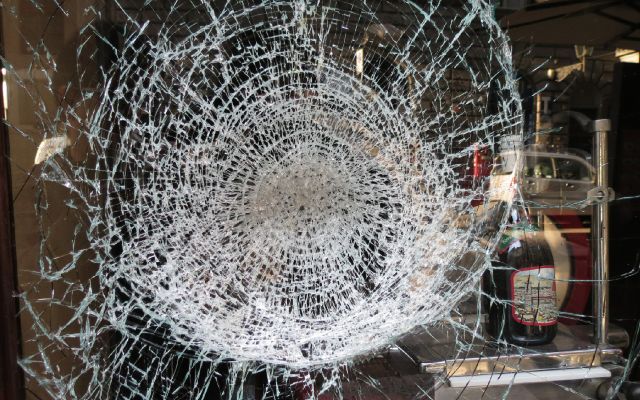
When a thief strikes a treated window, they are met with a dull thud instead of the crash of falling glass. The window spiderwebs with cracks but holds firm. They have to strike it repeatedly, creating a loud, attention-grabbing commotion. This unexpected resistance turns a would-be easy target into a high-risk, time-consuming effort, often causing them to abandon the attempt and flee.

Delaying Active Threats to Allow for First Responder Arrival
In the terrifying event of an active threat, the single most important goal is to keep people safe until help arrives. The time it takes for law enforcement to be notified, dispatched, and get to your location can feel like an eternity. Security film’s greatest value is its ability to extend that timeline in a scenario like active shooter prevention.
An attacker intent on forcing entry through a treated window must now spend critical minutes repeatedly striking the glass to create a hole large enough to crawl through. This violent, noisy, and exhausting process creates a significant delay. These are not just seconds, but often minutes, of invaluable time. It’s time for occupants to run, hide, or barricade, and time for first responders to arrive and neutralize the threat before an intruder gains access.
How Film Contains Glass Fragmentation
The protective benefits of security film extend beyond intentional acts of violence. During a bomb blast or in the face of extreme weather like a hurricane, the pressure can turn untreated windows into deadly projectiles. Flying shards of glass are a primary cause of injury in these events.
Because security film holds shattered glass together, it effectively contains these hazards. The window pane may break under the immense force, but the film prevents the dangerous fragments from being propelled into your building. This containment drastically reduces the risk of serious injury to anyone inside, providing a critical layer of impact protection.
Security Without the Fortress: Maintaining a Welcoming Atmosphere
As a decision-maker responsible for the safety of others, you face a difficult challenge. You need to implement effective security measures without making your school, office, or retail space feel like a prison. The goal is to protect people, not to frighten them or compromise the open, welcoming environment you’ve worked so hard to create.
This is where forced entry protection film truly excels. It provides formidable protection that is almost completely invisible, allowing you to secure your building without sacrificing its character.
Addressing the Fear of a Prison-Like Environment
The thought of adding security often brings to mind images of metal bars, roll-down shutters, or thick, tinted glass.
These measures, while effective, can create a hostile and intimidating atmosphere. They send a message of fear, which can be particularly damaging in environments like schools where a sense of community and openness is vital.
We understand this concern completely. You want people to feel safe, not confined. The good news is that you don’t have to choose between security and aesthetics.
The Virtually Invisible Nature of Modern Security Films
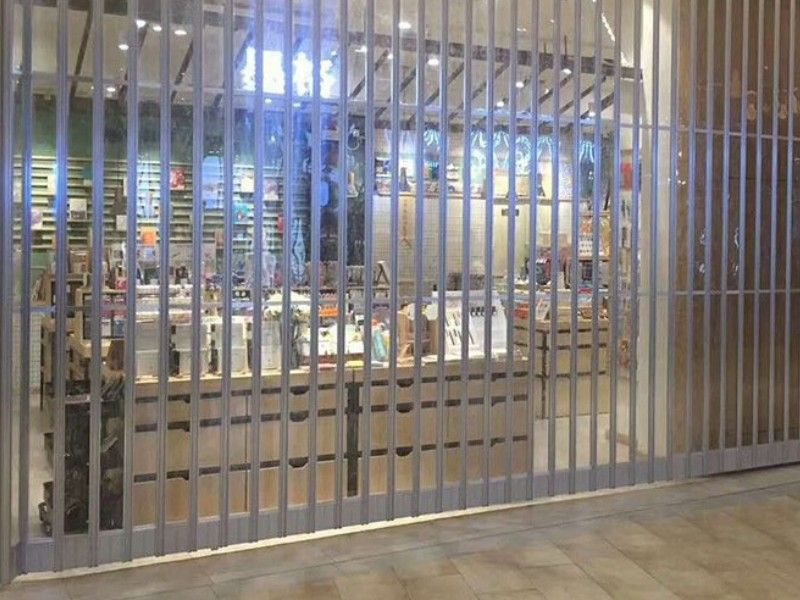
High-quality security films are optically clear and designed to be unnoticeable once installed by a professional. From both the inside and the outside, your windows will look exactly the same. There is no tint, no distortion, and no visual cue that a powerful layer of protection is in place. This allows you to discreetly upgrade your commercial building security, fortifying your most vulnerable points without anyone ever knowing the film is there.
Balancing Natural Light and Well-being with Enhanced Safety
Natural light is essential for a healthy and productive environment. It boosts mood, improves focus, and creates a connection to the outside world. Obstructing windows with heavy physical barriers can block this light, making a space feel dark and dreary.
Because clear security film doesn’t block visible light, you can maintain a bright, naturally lit interior while still benefiting from enhanced safety. It’s a solution that works with your building’s design, not against it, ensuring that occupant well-being and a positive atmosphere are never compromised in the name of security.
Combining Security with Other Film Benefits
While the primary function of security film is protection, many modern films offer a suite of additional benefits. This allows you to solve multiple problems with a single, cost-effective investment. Many security films can also provide:
- UV Radiation Blocking: Professional-grade films can block up to 99% of harmful ultraviolet rays. This protects your furniture, flooring, and merchandise from fading, extending their life and appearance.
- Glare Reduction: Tinted variations of security film can significantly cut down on annoying glare, making it easier for employees or students to see screens and for customers to shop comfortably.
- Improved Energy Efficiency: Some films have solar control properties that reject solar heat in the summer and retain interior heat in the winter. This can lead to lower energy bills and a more comfortable indoor climate year-round.
A Practical Investment: Security Film vs. Laminated Glass
The responsibility to protect people inside your building is immense. When you discover that your most vulnerable points are your windows, the question becomes: what is the most effective and responsible way to secure them? While replacing all your existing glass with laminated security glass is an option, it’s often a prohibitively expensive and disruptive one.
Fortunately, there’s a more practical solution. Shatter proof window film offers a comparable level of protection by retrofitting your existing glass, turning a weakness into a strength at a fraction of the cost and with minimal interruption.
Comparing the Total Cost of Installation and Materials
When you look at the numbers, the difference is stark. Laminated glass is a specialty product that carries a high price tag. The installation process is also far more complex, requiring the removal of old panes, potential frame modifications, and the careful placement of heavy new glass units. This drives up labor costs significantly.
Security film, on the other hand, is designed for efficient installation on your existing windows. The material cost is substantially lower, and the labor is simpler, faster, and cleaner. For most projects, choosing to retrofit with security film instead of replacing with laminated glass can save you between 70 and 90 percent on the total project cost.
The Financial and Logistical Benefits of Retrofitting
Beyond the direct savings, retrofitting with film offers immense logistical advantages. A full glass replacement project is a major undertaking. It involves significant noise, dust, and disruption, often requiring entire sections of your building to be closed off for days or even weeks.
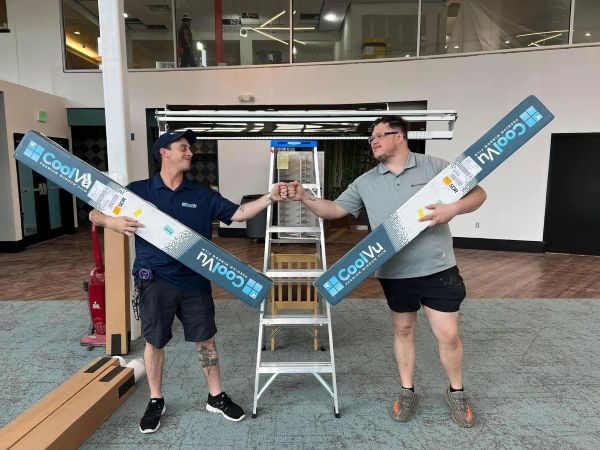
Installing security film is a quiet, clean, and efficient process. Our certified installers work with precision, typically completing installations with little to no impact on your building’s occupants or daily schedule. We can even schedule the work during off-hours to ensure zero disruption. This means you don’t have to factor in the hidden costs of lost productivity or operational downtime.
Analyzing the Long-Term Return on Investment
A smart investment pays you back over time, and this is another area where security film shines. While its primary purpose is protection, many of our high-performance films come with powerful secondary benefits.
- Energy Savings: Advanced films can block a significant amount of solar heat, reducing the strain on your HVAC system and lowering your cooling costs.
- UV Protection: Our films block up to 99% of harmful ultraviolet rays. This helps protect your furniture, flooring, and merchandise from fading, preserving their value.
- Improved Comfort: By reducing solar heat and glare, the film creates a more comfortable and productive environment for everyone inside.
While laminated glass can offer similar properties, its much higher initial cost extends the time it takes to see a return on your investment. Security film provides these financial perks on top of its core security function, making it a powerful and multifaceted upgrade for your building.
Putting Theory into Practice: Real-World Scenarios
Understanding the technical and financial benefits is one thing, but seeing how this protection works in the real world is what truly matters. Let’s explore how shatter proof window film provides tailored security solutions across different environments.
Protecting Students and Staff in a School Setting
For a school superintendent, safety is the top priority, but maintaining a positive learning environment is a close second. This is precisely where security film provides an ideal solution. It is a layer of protection that is virtually invisible. Once installed on main entrances and ground-floor classrooms, it reinforces the glass to dramatically delay an intruder. This critical delay gives students and staff precious seconds to enact lockdown procedures and allows law enforcement the time they need to arrive, all without adding bars or other visual deterrents that cause anxiety. It’s a key reason why these films are often eligible for school safety grants.
Securing High-Value Assets in a Commercial Storefront
Retail businesses are prime targets for smash-and-grab robberies. Thieves rely on speed, breaking a window and taking what they can in under a minute. Shatter proof film completely disrupts this model. Even when the glass is shattered by a hammer, the film holds the fragments tightly in the frame, creating a tough, flexible barrier. Faced with a window that refuses to give way, thieves are often forced to abandon their attempt, which not only prevents theft but also minimizes the damage and business interruption that follow a break-in.
Enhancing Employee Safety in a Corporate Office Building
A corporate office is a community, and ensuring the safety of your employees is fundamental. Threats can range from civil unrest in the area to a disgruntled individual attempting to gain access. Applying security film to ground-floor windows and glass-walled conference rooms adds a robust yet unobtrusive layer of security. It reinforces the building against forced entry and provides protection from flying glass in the event of an impact. This commitment to safety helps reduce employee anxiety while preserving a modern, open office design.
Fortifying Government Buildings and Critical Infrastructure
Government facilities face unique security challenges, including potential blast-related threats. While no film can make glass bomb-proof, it can offer powerful blast mitigation. In an explosion, the shockwave shatters glass, turning it into deadly projectiles. Blast mitigation film is engineered to absorb a significant amount of this energy and hold the shattered glass together, containing the fragments within the window frame. This drastically reduces the risk of severe injury, protecting personnel and preserving the integrity of sensitive operations inside.
Choosing with Confidence: Selecting the Right Film and Installation Partner
Understanding that security window film is a powerful solution is the first step. The next is ensuring you select the right product and, just as importantly, the right partner to install it. A successful project depends entirely on making informed choices from the start.
Key Factors to Consider When Choosing a Security Window Film
Navigating the options boils down to a few critical factors that determine effectiveness.
- Film Thickness: Security films are measured in mils. While a standard solar film might be 2 mils, security films typically start at 4 mils and can go up to 21 mils or more. A thicker film generally offers more resistance to impact and tearing. We can help you determine the appropriate thickness based on your specific threat level.
- Attachment Systems: An attachment system is a structural silicone or mechanical component that bonds the film, glass, and window frame together. This is what prevents an attacker from simply pushing the entire sheet of broken glass out of the frame. Without it, the film’s effectiveness is severely compromised.
- Optical Clarity: Modern security films are virtually invisible once installed. You should expect a film that provides powerful protection without creating a dark or distorted view, ensuring your building feels as safe and open as ever.
Why Professional Installation is Non-Negotiable
You can choose the best security film on the market, but its protective qualities will be completely negated by a poor installation. This is not a DIY project. It’s a specialized trade that requires precision and experience.
Professional installers ensure edge-to-edge coverage, free of gaps or bubbles that could compromise the bond to the glass. More importantly, they are trained to properly apply the attachment system that anchors the sheet of shattered glass in place. Investing in professional installation isn’t an extra cost. It’s what makes the film a functional security feature.
Vetting a Provider: The Importance of Experience and Trust
Your installation partner is as critical to your security as the film itself. When vetting a potential partner, consider asking these questions:
- How many years have you been exclusively installing security window film?
- Are your installers certified by the film manufacturer?
- Can you provide case studies or references for projects similar to ours?
- What warranties do you offer on both the material and the labor?
A confident and experienced provider will welcome these questions and have clear, direct answers. Their goal should be to educate you and build a trusted, long-term relationship.

With over 50,000 installations completed, we’ve encountered virtually every type of window, architectural style, and unique challenge imaginable. This vast experience means our installation process is refined for maximum efficiency and minimum disruption. When you partner with us, you’re not just getting a team to install your film. You’re gaining the collective wisdom of tens of thousands of projects, ensuring your installation is done right the first time and delivers the peace of mind you deserve.
Ready to strengthen your glass without replacing it? Contact CoolVu today for a free estimate and expert guidance on the right shatterproof window film for your property.
Frequently Asked Questions
Is shatter proof window film really invisible?
Yes, high-quality, clear security films are optically clear and virtually invisible once installed by a professional. They fortify your glass without changing its appearance, allowing you to maintain a welcoming atmosphere without the “fortress-like” look of bars or shutters.
How long does security window film delay an intruder?
The delay time depends on the film’s thickness, the type of tool used, and the determination of the attacker. However, the film is designed to turn a seconds-long entry into a minutes-long struggle. This delay is often enough to deter opportunistic thieves and provides invaluable time for occupants to react and for first responders to arrive.
What’s the difference between security film and laminated glass?
Laminated glass is a single, pre-manufactured unit with a plastic interlayer, while security film is a retrofit solution applied to your existing glass. Film offers a comparable level of forced entry resistance and shatter protection but at a fraction of the cost, typically saving 70-90% over a full glass replacement. It’s also much faster and less disruptive to install.
Can I install security window film myself?
We strongly advise against it. Proper installation is critical to the film’s performance, especially the application of the attachment system that bonds the film to the window frame. This is not a DIY project. A poor installation can create a false sense of security and will fail under duress. Always use certified, experienced professionals.
Does security film offer other benefits besides security?
Absolutely. Many security films also block up to 99% of harmful UV rays, which protects furniture and flooring from fading. Some films also offer solar control properties that reduce heat and glare, leading to lower energy bills and a more comfortable indoor environment. It’s a single investment that solves multiple problems.