- The Truth About ‘One Way Glass’ and School Security
- How One-Way Mirror Film Works: The Science of Light
- A First Line of Defense for Your Campus
- Enhancing Security Without Creating a Fortress
- More Than Privacy: The Strength of Security Film
- Common Myths About One Way Glass, Debunked
- A Clearer View on School Security
- Frequently Asked Questions
The Truth About ‘One Way Glass’ and School Security
When school administrators think about boosting building security, the idea of “one way glass” often comes to mind. It suggests a powerful way to control who sees what, but it’s often tied to a big misconception that stops many schools from exploring it. Most people imagine a massive, expensive construction project involving ripping out windows and installing costly specialty glass.
The reality is much simpler and more affordable. The one-way mirror effect you’re looking for doesn’t come from the glass itself. It’s created by a high-tech reflective window film that we apply to your existing windows. This modern approach delivers powerful daytime privacy and security without the cost, mess, or disruption of replacing your glass. It’s a simple retrofit that provides a powerful upgrade.
How One-Way Mirror Film Works: The Science of Light
The effect might seem like magic, but it’s based on a simple, reliable scientific principle: light differential. Understanding how it works is key to using it effectively for school security.
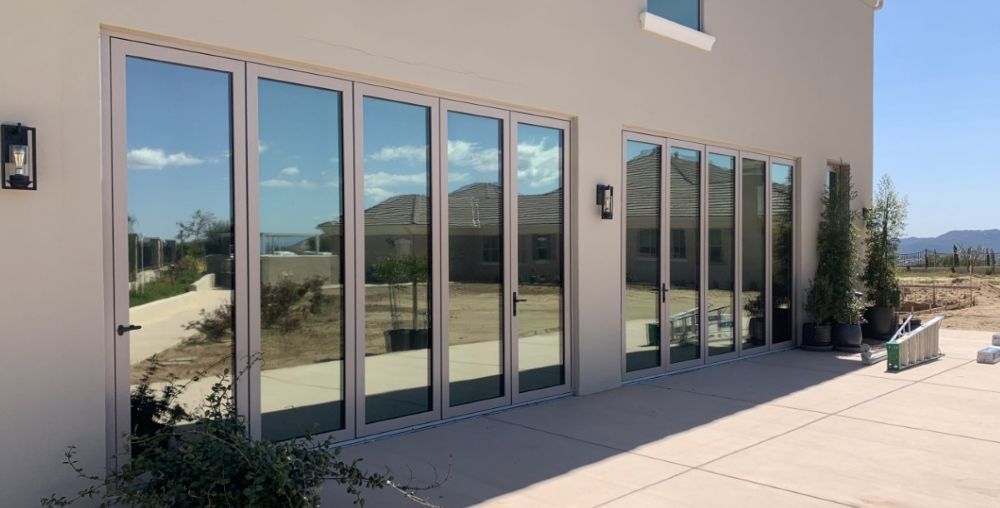
The film has a micro-thin, metallic coating that reflects a portion of light while allowing the rest to pass through. The “one-way” effect happens when one side of the glass is significantly brighter than the other. The brighter side sees a reflection, effectively turning the window into a mirror. The side with less light can see right through to the brighter area.
This is why we call it a “daytime” privacy solution. During the day, it’s much brighter outside your school than inside. As a result, anyone outside sees a reflection, and your staff inside can see out clearly, which is perfect for security. At night, the effect reverses. When you have lights on inside, the interior becomes the brighter space, and someone outside can see in. For after-hours privacy, you’ll still want to use standard blinds or curtains.
A First Line of Defense for Your Campus
In any security situation, information is critical. A potential intruder’s ability to see into a building gives them crucial data, like where students are or how staff are reacting. One-way reflective film acts as a powerful first line of defense by denying them this information.
From the outside during the day, the film turns glass into an opaque, reflective surface. An observer can’t see into classrooms, administrative offices, or entryways. This visual barrier creates uncertainty, which acts as a deterrent. For anyone with malicious intent, being unable to see their target makes it much harder to plan an attack, buying precious time for a response.
Enhancing Security Without Creating a Fortress
We know the challenge for any school leader is to increase safety without making the school feel like a prison. Security shouldn’t come at the cost of a welcoming learning environment, and this is where reflective window film truly excels.
Unlike window bars or blocked-out panes, this architectural film works discreetly. While it presents a mirror to the outside world, the view from inside remains perfectly clear. Staff and students can still enjoy natural light and feel connected to their surroundings. This allows you to harden your building’s security perimeter in a way that is essentially invisible to occupants, preserving the open and positive atmosphere that is crucial for a healthy school.
Here’s how this translates into tangible safety benefits:
- Enhanced Situational Awareness: A principal or teacher can look out and monitor playgrounds, parking lots, and building entrances without revealing they are watching. This allows for the early identification of suspicious individuals or behavior.
- Intruder Deterrence and Delay: By hiding the view into your school, the film makes it impossible for an intruder to assess the interior. They can’t tell if a room is occupied or what the layout is, which can deter an attempt or slow them down.
- Occupant Concealment: In a lockdown situation, the film provides a vital layer of concealment. From the outside, the windows remain reflective, hiding the locations of students and staff who are sheltering inside.
Learn more about security window film and security film for windows here.

More Than Privacy: The Strength of Security Film
While daytime privacy is a huge benefit, certain types of reflective film offer another, more robust layer of protection. These are security films, engineered not just to control the view but to physically strengthen your glass. Organizations seeking even higher levels of protection may also want to explore security glass solutions for applications that require enhanced resistance to forced entry, ballistic threats, or other security risks. By combining a reflective finish with a thicker, more durable polyester film and a stronger adhesive, these products provide a powerful defense against forced entry.
Glass doors and ground-floor windows are common points of entry for intruders, as standard glass can be shattered in seconds. Security film for glass doors fundamentally changes this. When installed correctly, the film holds the glass fragments together, even after multiple impacts. An intruder is forced to spend precious minutes hitting the same spot over and over, creating a loud disturbance and, most importantly, buying your team critical time to enact security protocols and for first responders to arrive.
This also mitigates hazards from shattered glass. In any event that causes glass to break, from a break-in to severe weather, the flying shards are a primary danger. A security film acts as a protective membrane, holding the sharp, dangerous fragments tightly in place and protecting everyone inside.
Common Myths About One Way Glass, Debunked
The idea of one way glass often brings spy movies to mind, which has led to a few persistent myths. Let’s clear them up.
- Myth: It works the same at night.
Reality: The effect is based entirely on light. It works perfectly for daytime privacy when it’s brighter outside. At night, when lights are on inside, the effect reverses. It’s a daytime solution, best paired with traditional blinds for nighttime privacy. - Myth: It requires an expensive, structural overhaul.
Reality: This is the biggest myth. Modern one-way privacy is achieved by applying an advanced, high-tech film to your existing windows. It’s a fast, non-disruptive installation that costs a fraction of window replacement. - Myth: Reflective film makes a building look uninviting.
Reality: While you can choose a highly reflective, mirror-like finish for maximum privacy, today’s films come in a wide range of tints and reflectivity levels. You can opt for a subtle, neutral-toned film that provides excellent one-way visibility without dramatically changing your building’s appearance. - Myth: Any dark tint provides the same security.
Reality: A standard dark tint is designed to absorb light, making it harder to see both in and out. This compromises the clear view needed for situational awareness. Reflective window tint is a different technology engineered with a metallic layer to reflect light, creating the one-way effect while keeping the view out perfectly clear.
A Clearer View on School Security
The challenge of securing a campus while maintaining a welcoming atmosphere is real. But you don’t have to choose between the two. For school leaders, the benefits of modern privacy window film are clear. It provides proactive, preventative security by allowing your staff to see out while preventing others from seeing in. It’s an upgrade, not a renovation.
Let’s be clear, the idea that you need to tear out and replace your windows for one way glass visibility is a myth. That entire effect is created by an affordable, high-tech film. By understanding this, you’re already on the path to a smarter security solution that protects your budget, your building, and most importantly, your people.
One-way glass gives schools and businesses a practical way to improve daytime privacy, visibility, and security without major renovations. Contact CoolVu today for your free estimate.
Frequently Asked Questions
Does one way glass film work at night?
No, the one-way effect reverses at night. The film works based on a light differential, so it creates privacy on the side that is brighter. During the day, it’s brighter outside, so people can’t see in. At night, if your lights are on, the inside becomes brighter, and people outside will be able to see in. For 24-hour privacy, the film should be used in combination with blinds or curtains.
Is installing privacy window film a disruptive process?
Not at all. Unlike a window replacement, installing architectural film is a quick, clean, and minimally disruptive process. Our professional installers work efficiently to apply the film directly to your existing glass, causing very little interruption to your school’s daily operations.
What is the difference between reflective window tint and a standard dark tint?
A standard dark tint, like limo tint, absorbs light to reduce glare. This makes it dark to see both in and out. A reflective window tint is engineered with a micro-thin metallic layer that reflects light. This creates the true one-way mirror effect, allowing for crystal-clear views from the inside while presenting a reflective surface to the outside during the day.
Can security film actually stop someone from breaking in?
While no measure can make glass completely unbreakable, security film makes it incredibly difficult for an intruder to gain entry. The film holds shattered glass together, forcing an intruder to waste valuable time and energy trying to penetrate the window. This significant delay provides critical time for alarms to sound, for people to get to safety, and for law enforcement to arrive.